
Every Room Inside This Museum in Nevada Holds A Piece Of The Old Mint
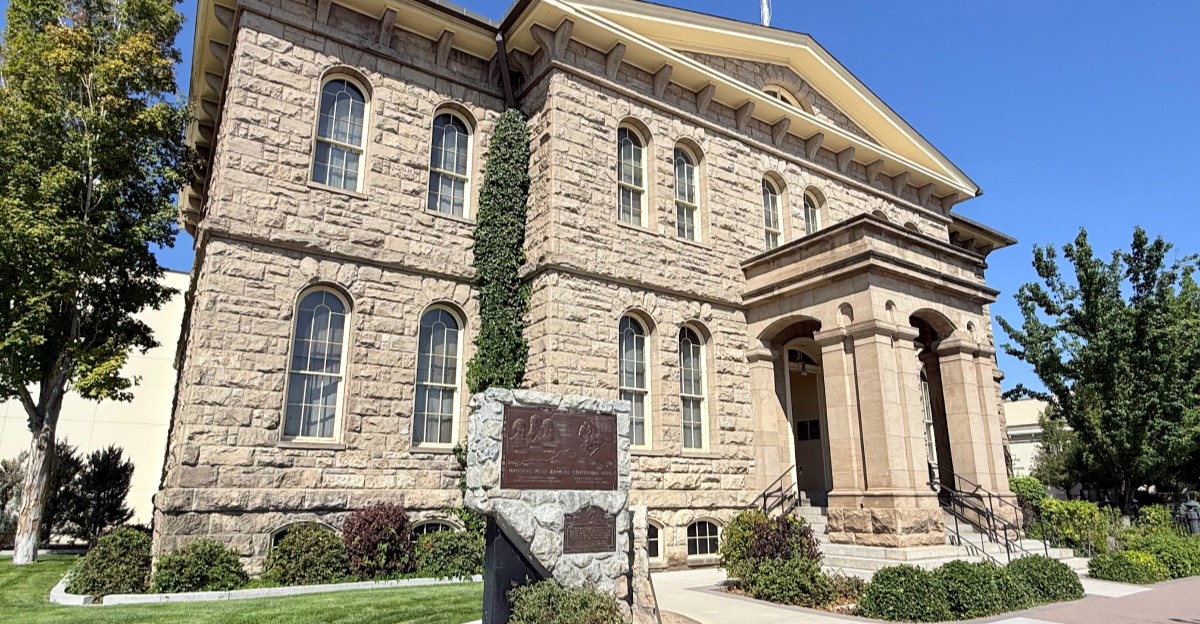
I only stopped because the old stone building looked like it had a story to tell. Two hours later, I was standing in a dark mine tunnel under the floor, wondering where the afternoon went.
This place in Nevada used to make real silver coins, and now it holds the whole history of the state under one roof. Best of all, kids get in free, and grown-ups pay about the cost of a lunch.
A Former Mint on the Main Drag
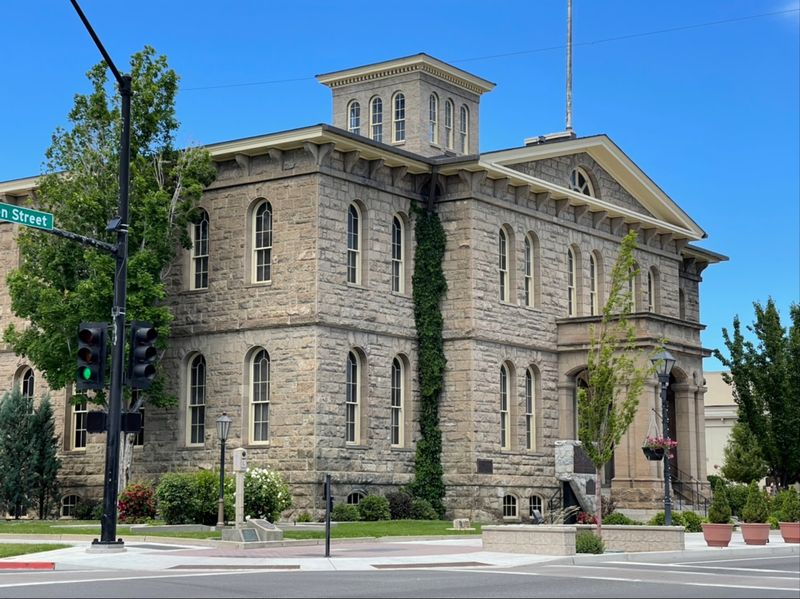
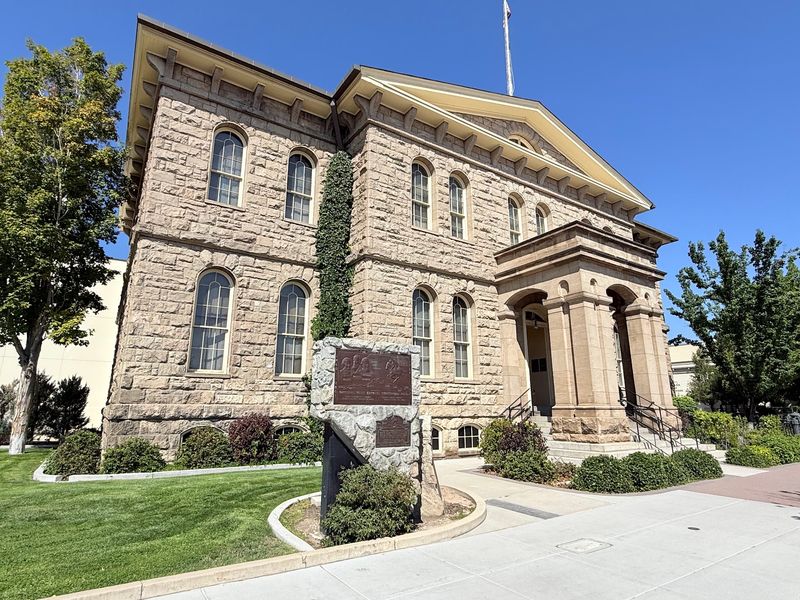
Right on North Carson Street, at number 600, a sturdy stone building sits close to the road like it has nothing to prove. Locals know it as the Nevada State Museum.
History buffs know it as the old Carson City Mint, where silver and gold once turned into coins.
The museum covers both the natural and cultural story of Nevada. That means rocks, fossils, wildlife, Native American artistry, mining life, and of course coin making.
All of it fits inside a single building with 17 galleries spread across several levels.
Getting oriented is simple. Pick up a map at the entrance, because the layout has a few twists, and some visitors mention doubling back to catch every room.
There are plenty of stairs, but an elevator helps anyone who would rather skip them.
Location makes the trip easy to fold into a bigger day. The Nevada State Capitol sits just a short walk away, so you can pair two landmarks without moving the car.
Travelers heading between Virginia City and Lake Tahoe often pull in here as a stop along the way.
For a family on a budget, a central spot like this matters. Less driving means more time and money left for the actual fun.
The Comstock Silver Story Behind the Walls
Picture Nevada in the 1860s. Miners were pulling huge amounts of silver and gold out of the Comstock Lode, and shipping all that metal far away to be turned into money made little sense.
So the federal government stepped in. A branch of the United States Mint was set up here in 1863, and the presses started running in 1870.
For the next 23 years, until 1893, workers struck 57 issues of silver coins and 50 issues of gold coins.
Every one of those coins carried a tiny “CC” mint mark. Collectors still hunt for them today, and those two letters can make an old coin far more valuable than its face value.
Things changed when mining slowed down and politics shifted. Coin making stopped, and the building eventually went quiet.
In 1939, the state of Nevada bought it from the federal government.
Only two years later, in 1941, it opened its doors as the Nevada Museum and Art Institute. Over time, the name became the Nevada State Museum, Carson City.
Walking in, you can almost feel those layers stacked on top of each other, from busy mint to public treasure house.
Coin Press No. 1 Still Thumping
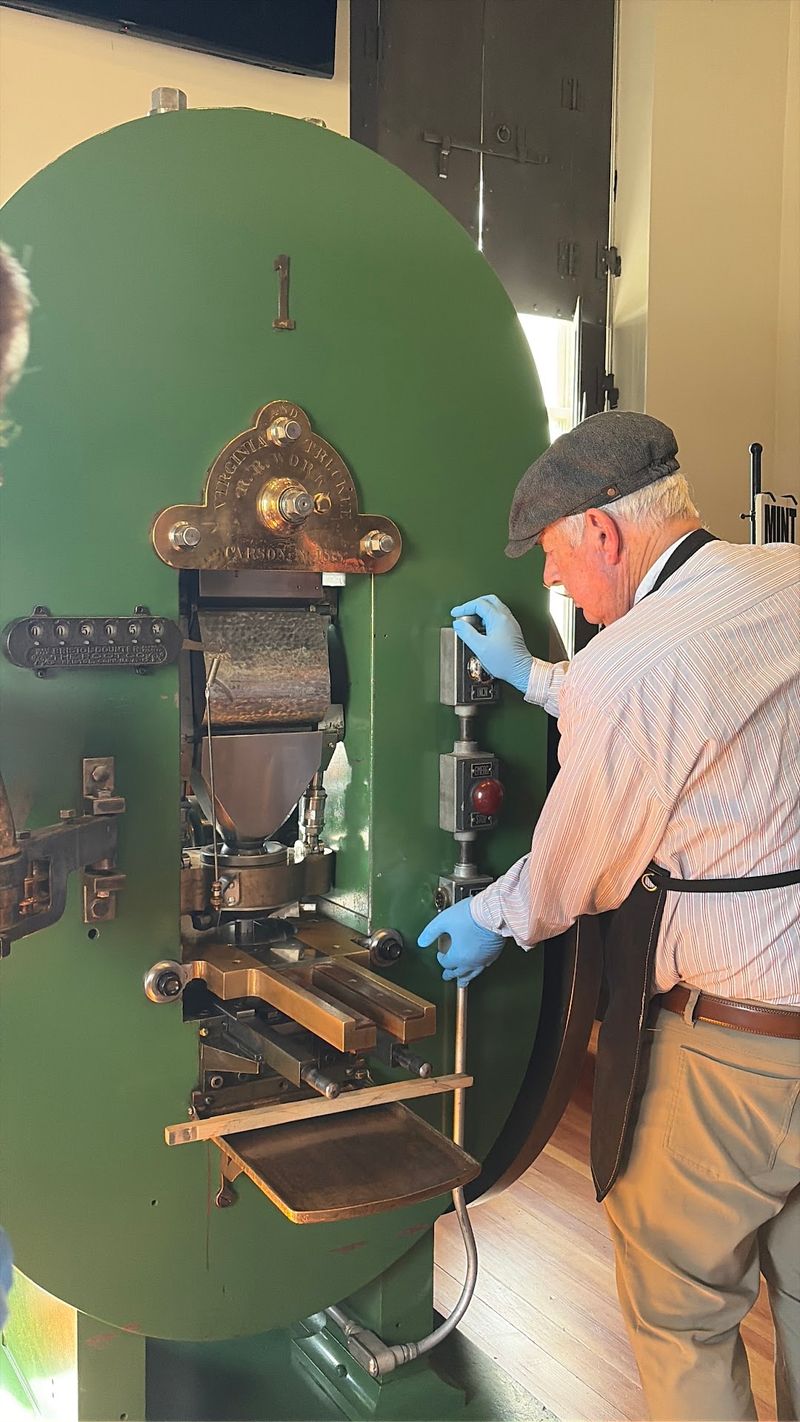
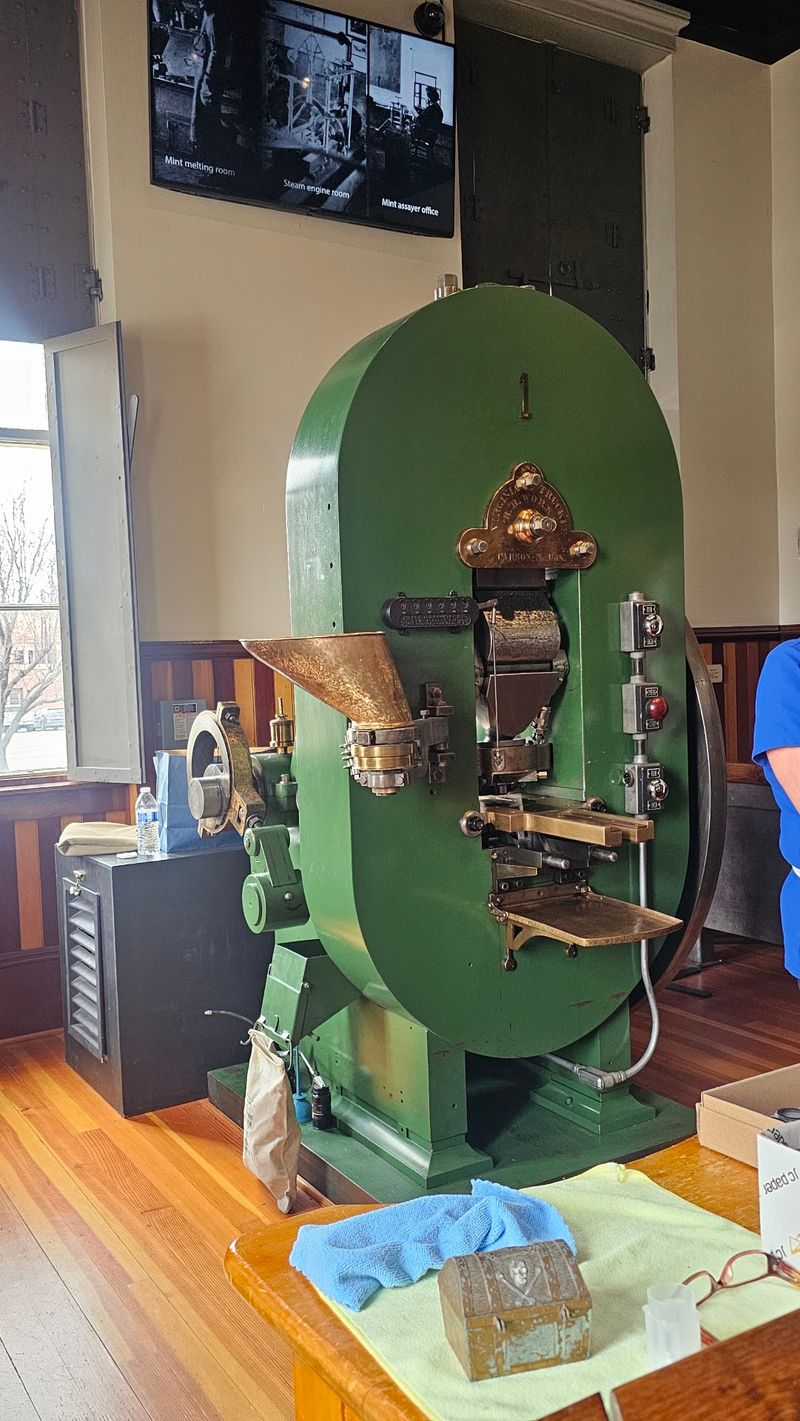
Here is a fact that surprises almost everyone: the very first press installed in this building back in 1869 still works. Coin Press No. 1 struck the mint’s first coin in February 1870, a Seated Liberty Dollar.
At full speed, the machine could turn out about 100 coins every minute. Seeing its massive iron frame up close, you start to understand why moving and housing it was such a big job.
Presenters love to explain just how heavy and stubborn this beast is.
On Saturdays, usually from around 11 a.m. to 3 p.m., the press comes to life. Volunteers use it to strike commemorative medallions for visitors, and some special weekends let guests buy a silver blank and have it stamped right there.
Schedules can change, so check ahead if this is your main reason for the trip.
Visitors often single out the mint volunteers as friendly and full of stories. Even on a day when the press was down, one family noted the presenter still made the history come alive.
For grandparents with a coin collecting past, this room tends to spark memories. One visitor even came with the grandfather who first got him hooked on coins.
A Full Run of Carson City Morgan Dollars
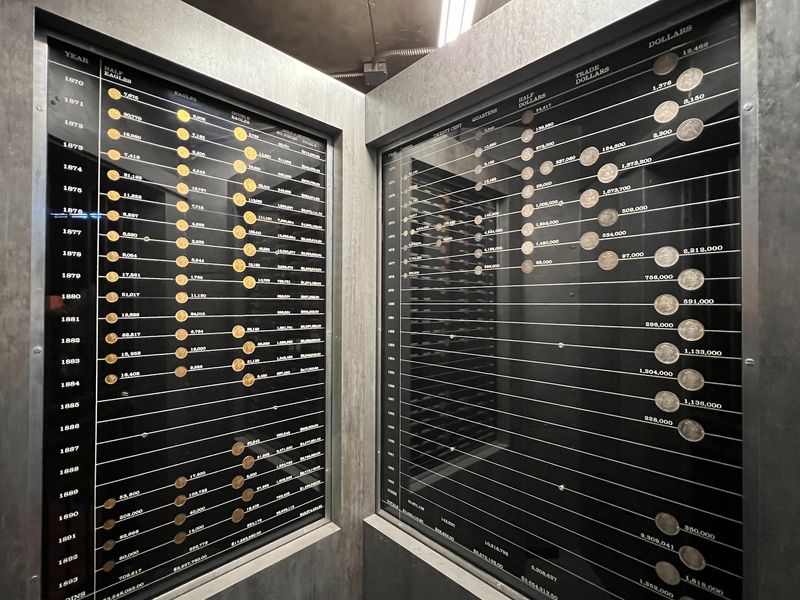
Silver glints behind the glass. Lined up in neat rows sits a complete set of Carson City Morgan dollars, each one bearing that famous CC mark from right here in this building.
Why do people care so much? Morgan dollars are among the most loved American coins, and the ones struck in Carson City are especially prized.
Seeing a full set in one place is something many coin fans only read about in catalogs.
Even if you have never collected a single coin, the display tells a clear story. These pieces of silver started as ore dug from Nevada hills, passed through presses a few steps away, and then traveled across the country in pockets and cash drawers.
Kids may get a kick out of hunting for the tiny letters on each coin. It turns a glass case into a small game, which helps keep younger visitors interested between bigger exhibits.
One longtime collector described his visit as a trip down memory lane. That feeling seems common in this corner of the museum, where older guests often linger longest.
Take a moment to look closely. It is not every day you see so much hometown silver gathered in the exact place it was made.
Underground Mine Beneath the Floorboards
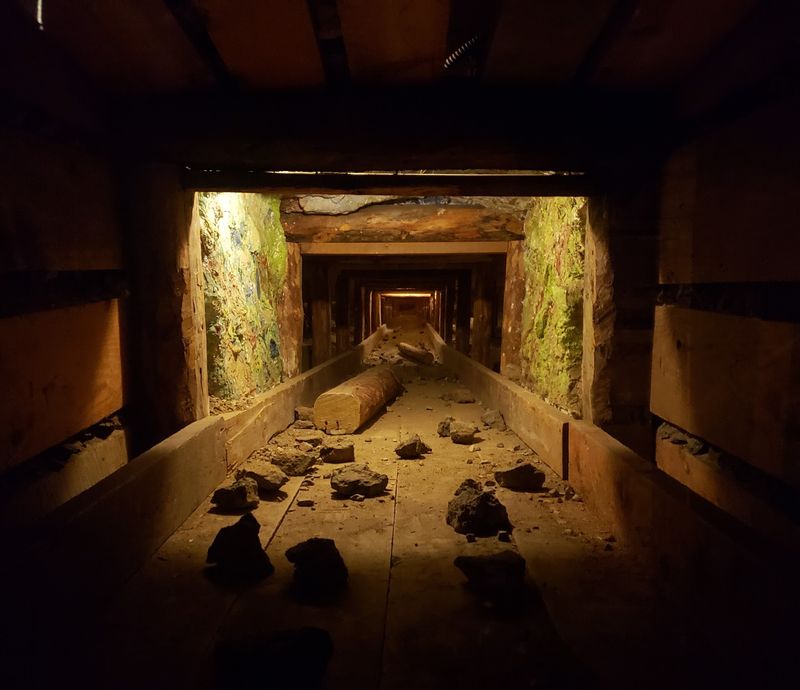
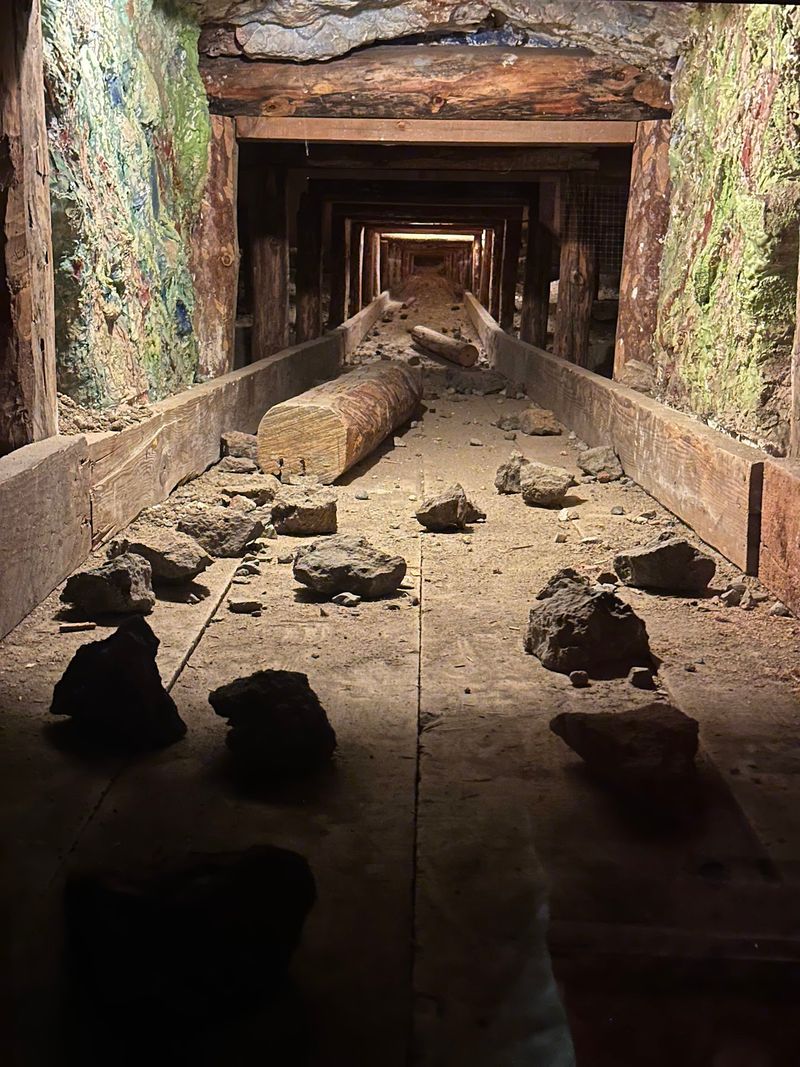
Ask almost anyone what stuck with them most, and the answer is usually the mine. Down in the basement, a large portion was dug out and shaped to look like a working Nevada mine from the 1800s.
Walking through, you follow narrow tunnels lined with timber. The air feels cooler, the light gets dimmer, and suddenly the stories about the silver boom stop feeling like textbook pages.
One visitor said it was enough to show how hard the work was and to feel grateful it was never a family job.
Mine talk dominates conversations about this museum for a reason. Families say they have never seen anything quite like it in a museum before, and kids tend to want a second lap.
The replica ties directly to the building’s mint past. Ore pulled from tunnels like these is what fed the presses upstairs, so the whole visit connects in a satisfying loop.
A quick tip: head down early before school groups arrive, since tight tunnels can feel crowded. Also look for a short historical film in the theater room, which pairs nicely with the walk below ground.
Ghost Town Streets Rebuilt Indoors
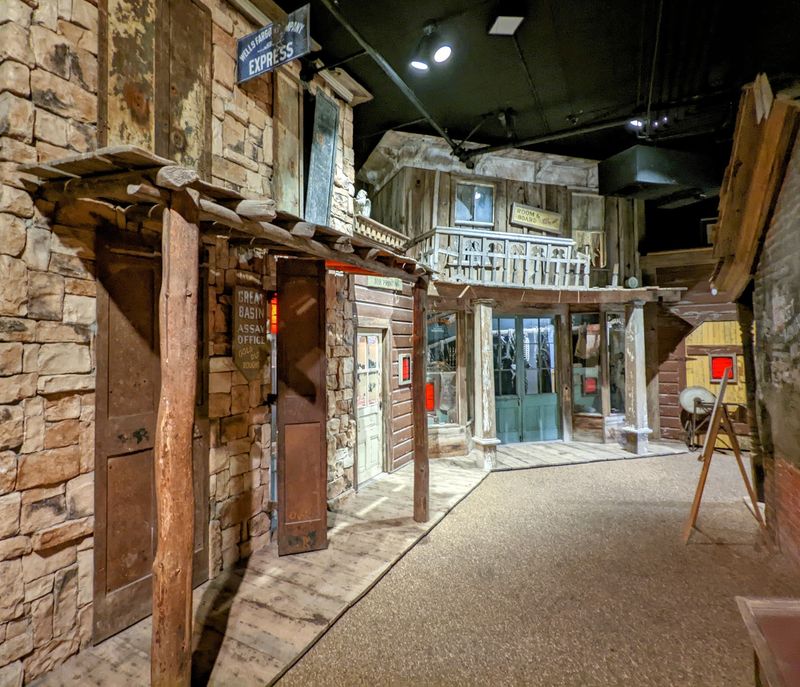
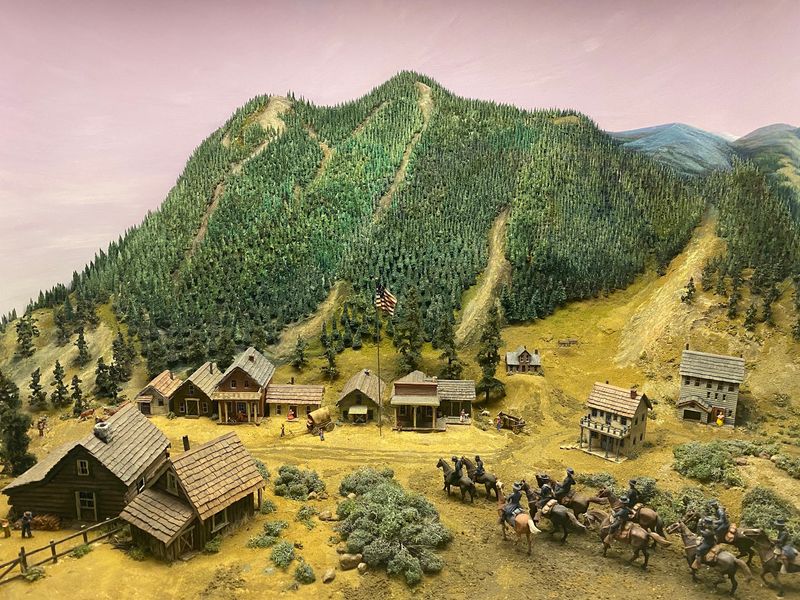
Wooden storefronts, creaky boardwalk details, and old signs greet you in the ghost town recreation. It feels a bit like stepping onto a movie set, except everything is built to teach.
Visitors often praise the remarkable detail. Rather than reading about early mining communities on a placard, you walk right down a mockup of a typical Old West main street, peeking into spaces that show how people lived during the boom years.
So why does this matter to the mint story? Towns like these grew because of the silver and gold rush.
Workers needed stores, homes, and services, and when mining faded, many of those towns emptied out, leaving the ghost towns Nevada is known for today.
Children in particular seem to love this area. It gives them room to imagine, and parents often mention the effort and time that clearly went into making the space immersive.
Plan to slow down here. Small objects tucked into corners reward patient eyes, and it is easy to miss details if you rush to the next gallery.
A slower pace also gives little legs a breather before the next set of stairs.
The Battleship Silver Service
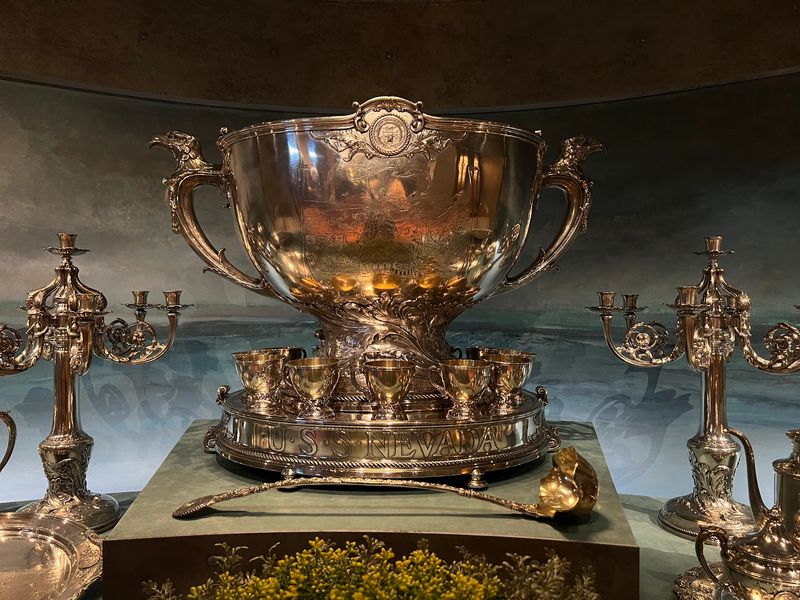
Five thousand ounces. That is how much Tonopah silver went into the USS Nevada Battleship silver service, now on view in the “Nevada: A People and Place Through Time” exhibit.
The set is lined with gold from Goldfield, another famous Nevada mining town. Put together, it is a shining example of how the state’s mineral wealth showed up in surprising places, even aboard a navy ship.
This gallery walks visitors along a timeline of Nevada’s growth. You move from early days through the mining rush and into the modern state, with artifacts, clothing from different periods, and plenty of stories along the way.
The replica mine is part of this same exhibit, which helps everything feel connected.
Collections in this museum also include historic firearms. Some visitors say they nearly missed that room and were glad they found it, so use your map if that interests your group.
For anyone who likes their history in clear chapters, the timeline layout works well. It gives a framework that makes every other room easier to understand, from the coin press to the ghost town.
Older kids working on Nevada history at school may find it especially helpful.
Mammoth in the Black Rock Desert Scene
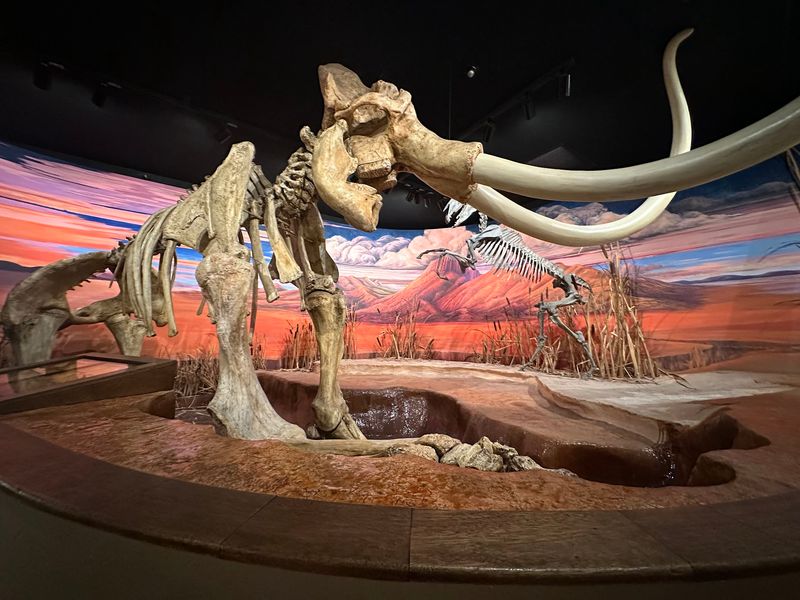
Little visitors gasp. Big visitors usually do too.
The Columbian mammoth on display here is America’s largest exhibited example, and it towers over the room.
Instead of standing alone on a platform, the mammoth is reconstructed in a scene from Nevada’s Black Rock Desert. That setting helps you picture the state long before miners, towns, or coins, when giant animals roamed wide open land.
Families mention the mammoth again and again. One parent said it was their son’s favorite part of the whole trip, and another called it huge and fun to see.
If you have kids along, expect a few extra minutes of staring and questions here.
The mammoth sits within the “Nevada’s Changing Earth” exhibit, which traces the state’s geological timeline. So while it is the star, it also acts as a doorway into a bigger conversation about how this land formed.
Bring a phone for pictures, since the scale is hard to describe later. Standing someone next to the display for a photo shows just how enormous these creatures were.
It also makes a handy memory for school reports or grandparent fridge doors back home.
Walking Through an Ancient Devonian Sea
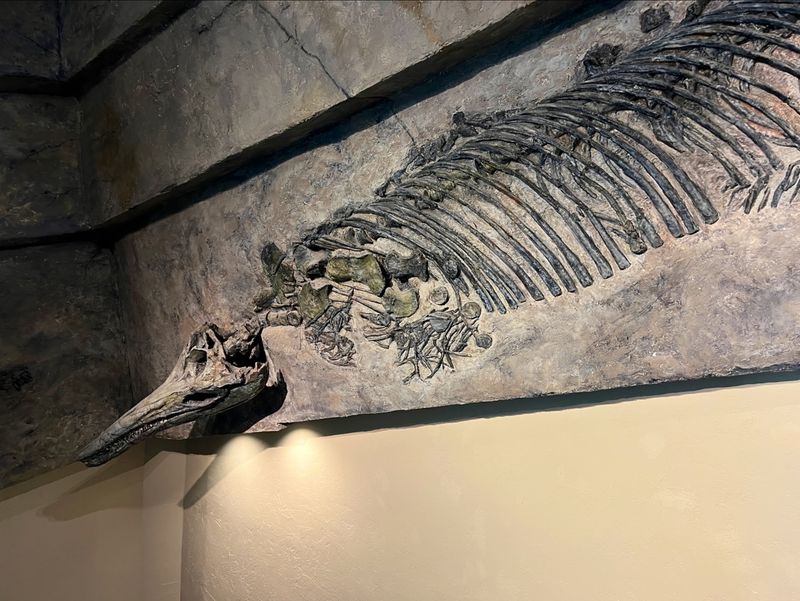
Did you know much of Nevada was once underwater? The walk-through Devonian Sea makes that idea easy to believe.
As you step inside, the space recreates an ancient ocean scene from millions of years ago. Visitors describe the little diorama as absolutely amazing, and it tends to delight both geology fans and curious kids who never expected sea life in a desert state.
Around it, “Nevada’s Changing Earth” fills in the bigger picture. Original illustrations, rock specimens, and fossilized remains, including dinosaur bones, show how the land shifted over time.
The mineral displays are especially well presented, explaining not just how pretty the stones are but how they get dug up and why they matter to people.
Here is where the mint connection sneaks back in. The same forces that shaped these rocks also left behind the silver and gold that brought miners rushing in, which then fed the coin presses upstairs.
Geology can sound dry on paper. In this gallery, though, gorgeous rocks and creative scenes make it feel more like exploring than studying.
Give it real time rather than treating it as a hallway between the bigger attractions.
Washoe Baskets and Native Voices
Delicate patterns spiral across baskets so finely woven they almost look painted. These are works of Washoe basketry, including pieces by the famed weaver Louisa Keyser, also known as Datsolalee.
They live in the “Under One Sky” exhibit and its Basket Gallery. The goal here is to share Native American culture from Native perspectives, using artifacts as old as 10,000 years to tell a story that began long before the first coin was ever stamped in Nevada.
Visitors often list this as a favorite area. Some praise the Native American exhibits as among the best they have seen, and others mention striking contemporary art pieces.
A past traveling exhibit with side-by-side portraits of people in everyday life and in ceremonial dress left a strong impression too.
One guest noted that the museum helps people learn about real historical events that affected Native communities. It is a thoughtful reminder that Nevada’s story is far older and wider than the mining boom.
Plan for a quieter, slower pace in these rooms. The craftsmanship rewards close attention, and you may find yourself coming back for a second look.
Ice Age Cheetah and Other State Treasures
Few people walk in expecting a cheetah. Yet “Our Nevada Stories: Objects Found in Time” holds the first known specimen of the North American Ice Age Cheetah.
That alone makes this changing gallery fun to visit. Alongside it you will find Nevada state symbols, colorful minerals, and a detailed model of the State Capitol, which is a neat preview if you plan to walk over and see the real building afterward.
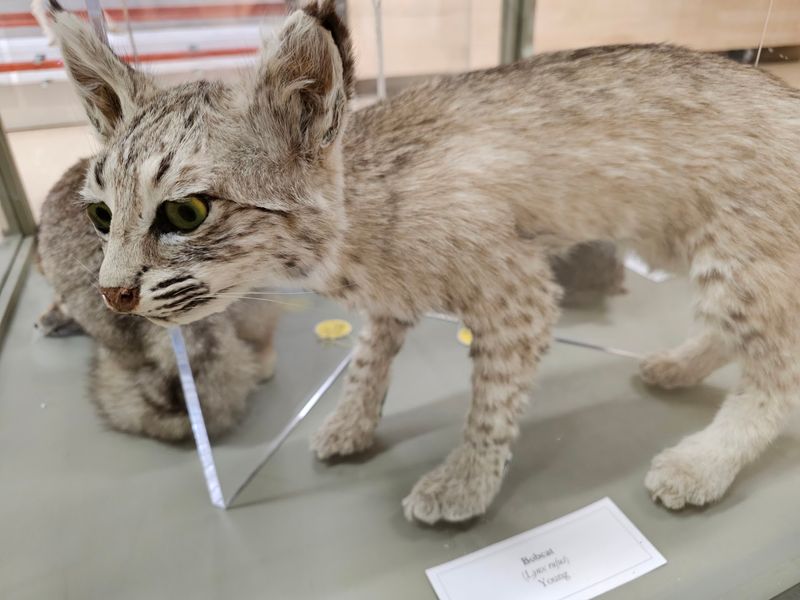
Wildlife fans will also enjoy the museum’s taxidermy collection, with beautifully preserved birds and mammals. Many visitors call the animal displays a highlight.
A small heads up, though: one guest admitted the taxidermy gave her a bit of the ick, so sensitive kids or adults may want to skip that area.
Because some galleries rotate, what you see can change from one visit to the next. That gives return trips a reason to happen, especially for local families who come back with grandchildren as the years go by.
Think of this room as a sampler plate of Nevada. It ties together science, symbols, and history in one spot, and it is a nice pause between bigger exhibits.
Who Gets the Most Out of a Visit
Grandparents with grandkids in tow seem made for this building. Older guests connect with the coins and mining stories, while younger ones chase the mammoth and the mine tunnels.
Kids also get a scavenger hunt, which one family said their children loved. It keeps them moving with purpose instead of drifting through rooms.
The staff are often described as friendly, informative, and enthusiastic, especially the folks working around the mint.
Small comforts add up. Bathrooms are noted as clean and well kept, the grounds look tidy, and the building’s architecture gives the place a welcoming feel.
The gift shop has cute finds, though opinions on prices vary, so set a budget before kids spot the shelves.
On the flip side, school field trips and special events do happen. One visitor felt crowded during a children’s event that blocked off part of the museum.
If you prefer calm halls, a lineup of school buses outside might be your cue to come back another day.
History lovers, geology fans, coin collectors, and families looking for a full, affordable outing all tend to leave satisfied. Most people spend a couple of hours, and some stretch it to nearly three.
Hours, Admission and Parking Basics
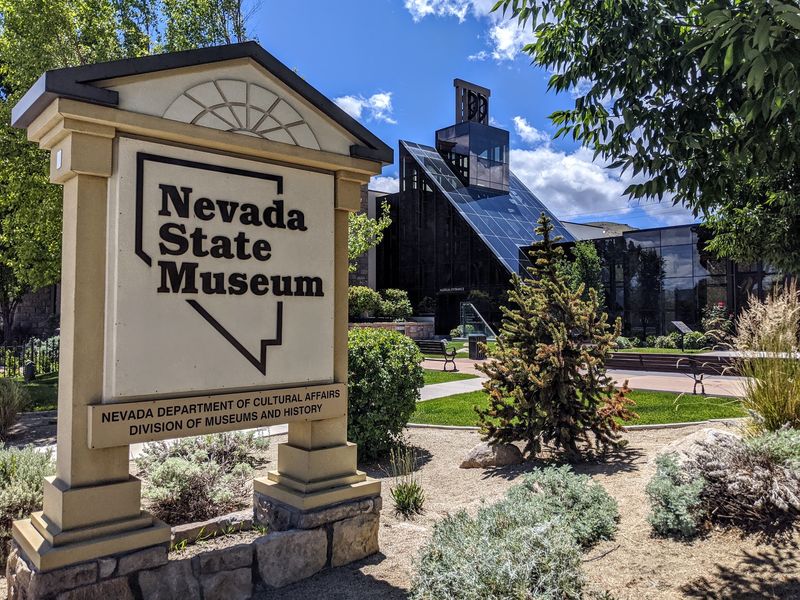
Ten dollars gets an adult through the door. Children 17 and under enter free, and so do museum members, which makes a big difference for larger families or grandparents bringing a carload of kids.
Doors open Tuesday through Sunday from 8:30 a.m. to 4:30 p.m. The museum is closed on Mondays.
Arriving near opening time gives you quieter halls and a head start before any school groups show up.
Parking is free in a public lot on the west side of Curry Street, behind the museum. Limited two-hour street parking is also nearby, but the lot is usually the easier option if you plan to stay a while.
So what does a family of four with two kids actually pay? Often just $20 for admission.
Add a little for the gift shop or a medallion on coin press days, and you still have a full afternoon for less than many movie trips.
Prices, hours, and special event schedules can shift, so it is smart to confirm details before driving in, especially if you are counting on seeing the coin press running on a Saturday.
A Soft Verdict on the Old Mint
Leaving the building, it is hard not to glance back at those stone walls. For a place that looks modest from the street, it packs in a surprising amount of Nevada.
The coin press, the Morgan dollars, and the mine tunnel give the mint story real weight. Then the mammoth, the Devonian Sea, the Washoe baskets, and the ghost town widen the lens until the whole state comes into view.
Each room adds a different piece, and somehow it all fits together.
Value is a big part of the appeal. With kids free and adults at $10, families can fill an afternoon without stretching a fixed income.
Pair it with a walk to the Capitol, and the day feels full without much extra cost.
Not every moment will be perfect. The layout can mean some backtracking, and busy event days may feel hectic.
Still, most visitors walk out having learned more than they expected.
If your Nevada road trip passes through the capital, set aside a couple of hours here. Saturdays, when the old press thumps back to life, might be the sweetest time to go.