
Explore Colorado’s Forgotten Ghost Town Where Empty Cabins Tell Stories Of The Old West
Chipmunks here will eat seeds right out of your hand, and the local general store hands out the seeds for free. That alone got my attention.
Then I learned the store sits in a mining town that once held nearly 2,000 people.
The town got its name from a novel. Its founder reportedly picked it while reading, because too many towns already shared its first name.
I like how a bookworm decided the fate of a whole mountain town.
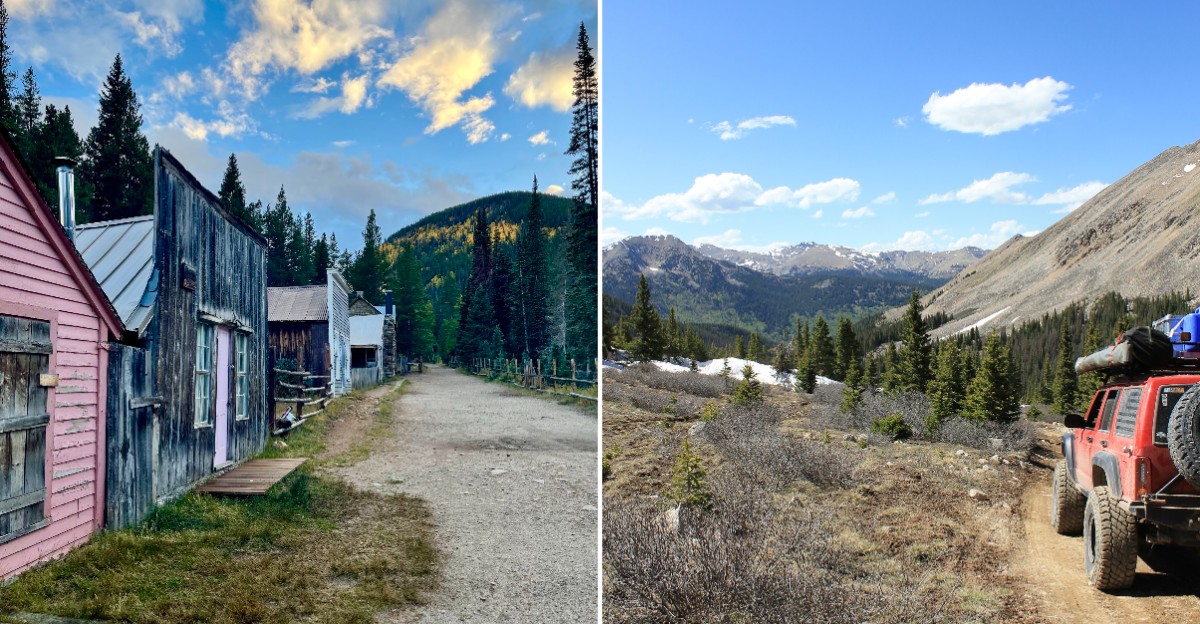
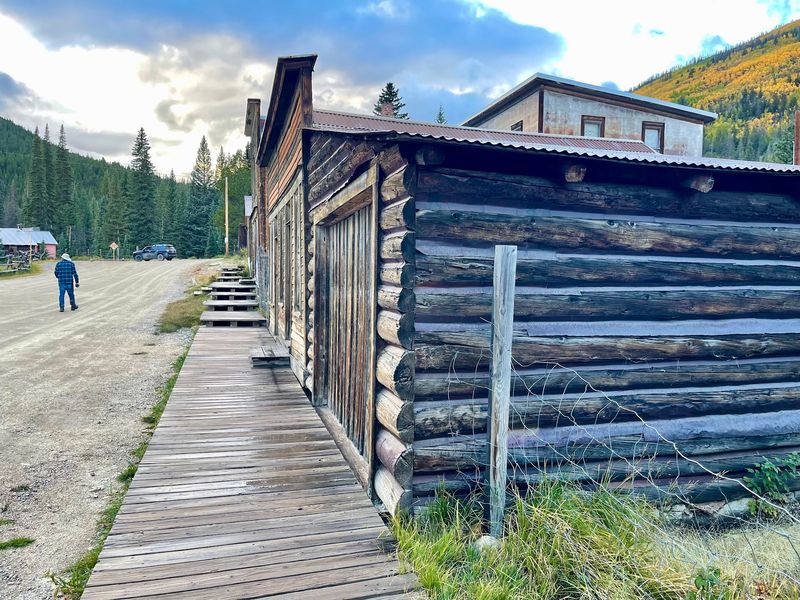
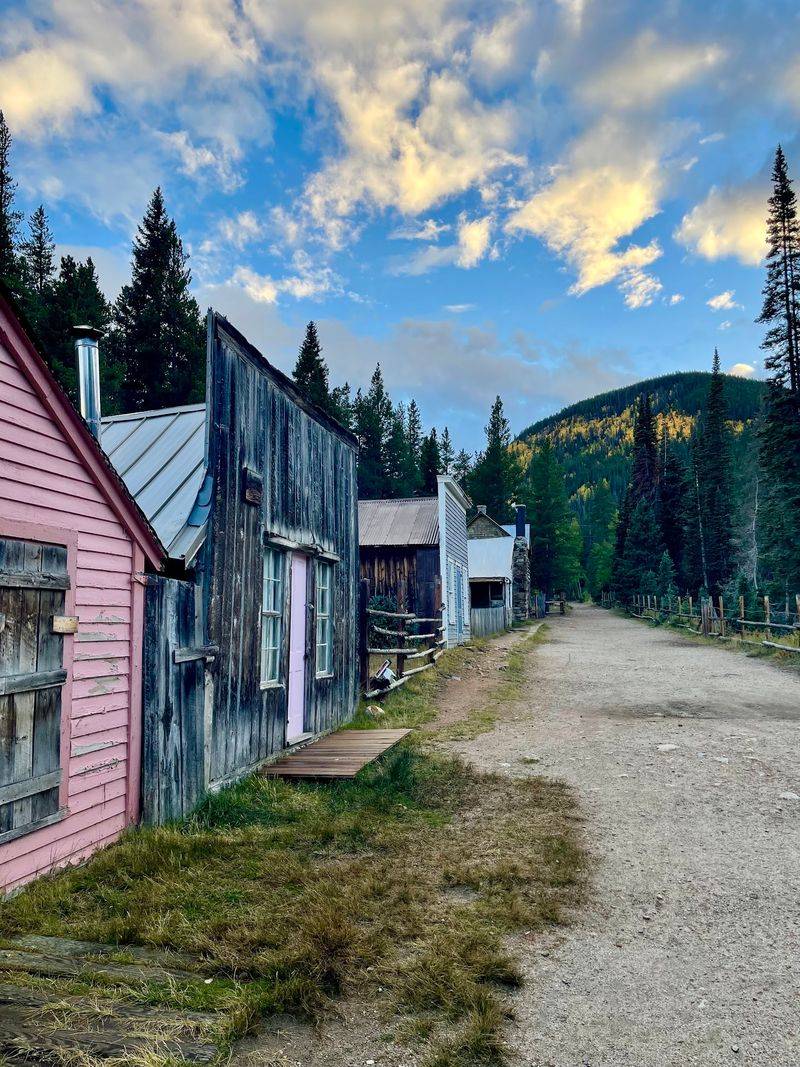
High in the mountains of Colorado, weathered wooden cabins still line a dusty main street. Many look much like they did in the 1880s.
I can’t imagine a better place to feel the Old West without a costume or a movie set.
So who lived in those cabins, and why did they leave?
A Mountain Town That Refused To Fade Away
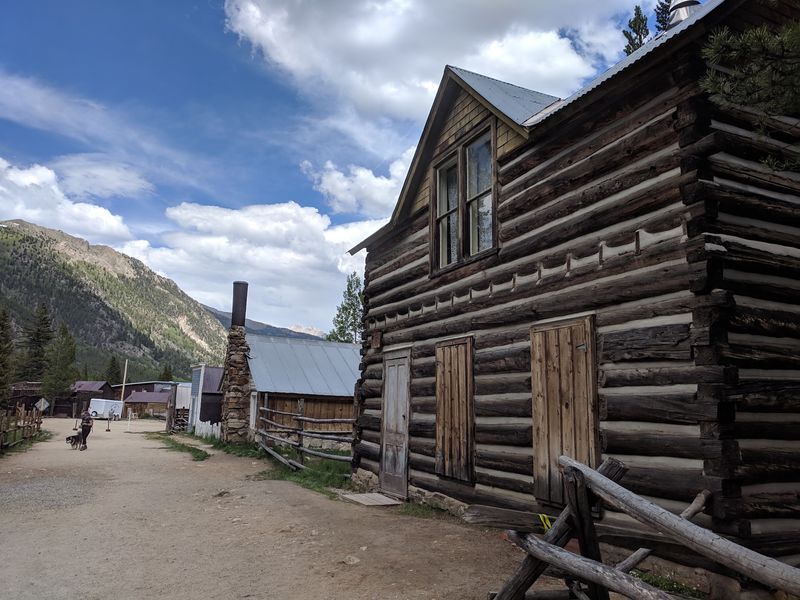
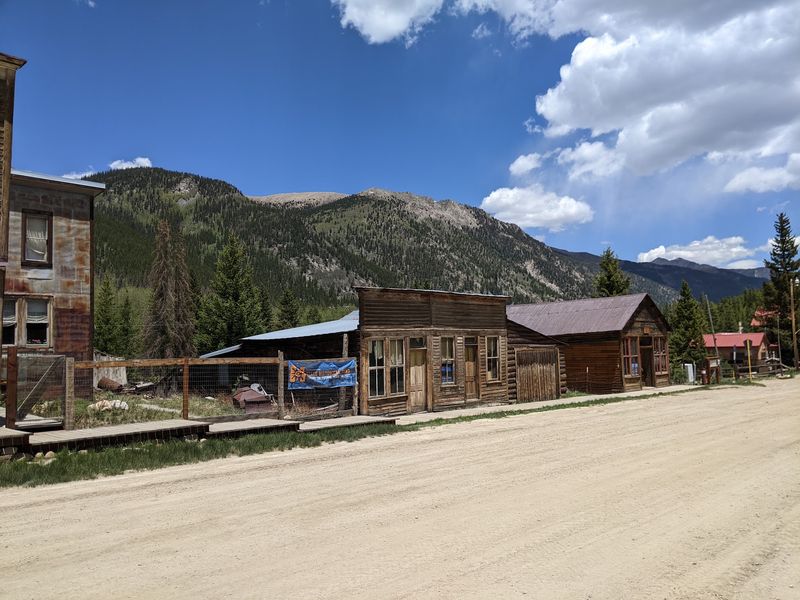
Most ghost towns crumble into a few sad boards. Saint Elmo, often called St. Elmo, still stands with rows of wooden buildings along its main street.
Historians often call it one of the best-preserved ghost towns in Colorado. Some go further and name it among the best in the whole American West.
The town even has official recognition. It’s listed on the National Register of Historic Places as the Saint Elmo Historic District.
Here’s a fun twist. St. Elmo isn’t totally empty, since a small number of people live here year-round.
Dozens more arrive as summer residents. Many cabins are privately owned and used as summer cottages or rentals.
That mix makes the place feel lived-in instead of frozen. You get real history with a pulse still beating underneath.
Respect matters here, though. Private property means you should admire many buildings from the street, not from their porches.
Treat the town like a museum you can walk through. Look closely, snap photos, and leave everything exactly where you found it.
Do that, and the cabins will keep telling their stories. Future visitors deserve the same front-row seat to the past that you get today.
A Novel Gave This Town Its Name
Forest City was the original name when the town started in 1880. It didn’t last long, and the reason is surprisingly bookish.
Too many other towns already used the name Forest City. Founding father Griffith Evans wanted something different.
Evans reportedly found his answer in a novel he was reading. He renamed the town Saint Elmo, and it stuck for good.
Talk about a page-turner with real impact. Few books can claim they helped name an entire mining town.
The timing was great too. The Denver, South Park and Pacific Railroad reached town in December 1880.
Trains brought supplies, people, and big hopes. Miners hunted gold and silver across more than 150 claims in the area.
St. Elmo grew fast through the 1880s. It reached its peak in the 1890s with close to 2,000 residents.
Knowing this backstory changes how you see the empty street. Every quiet cabin once belonged to someone chasing a fortune.
Read a little history before you go. Even a few facts make the walk feel like turning pages in a living storybook.
Grab Some Seeds And Make Some Very Small Friends
Chipmunks run this town now, and they know it. These bold little residents happily scurry up to visitors looking for snacks.
Hand-feeding them is one of the most popular things to do in St. Elmo. Kids usually lose their minds over it, and plenty of adults do too.
The best part is how easy it is. The St. Elmo General Store offers seeds for feeding the chipmunks.
Hold your palm flat and stay still. Quick movements send them darting under a porch faster than you can blink.
Patience pays off with this crowd. Give them a moment, and a curious chipmunk may climb right up for a nibble.
Only use the seeds from the store. Chips, crackers, and other people food aren’t good for these tiny critters.
Remember that they’re still wild animals. Chipmunks can bite, and rodents can carry fleas that spread disease, so keep fingers out of reach of little teeth and wash your hands afterward.
Colorado Parks and Wildlife generally discourages feeding wildlife, so you may prefer to simply watch and take photos.
Keep your camera ready but quiet. A phone on burst mode is your friend when the action lasts about three seconds.
Little moments like this balance out the heavy history. One minute you’re reading about mining, and the next a furry bandit is checking your pockets.
Your First Stop Should Be The General Store
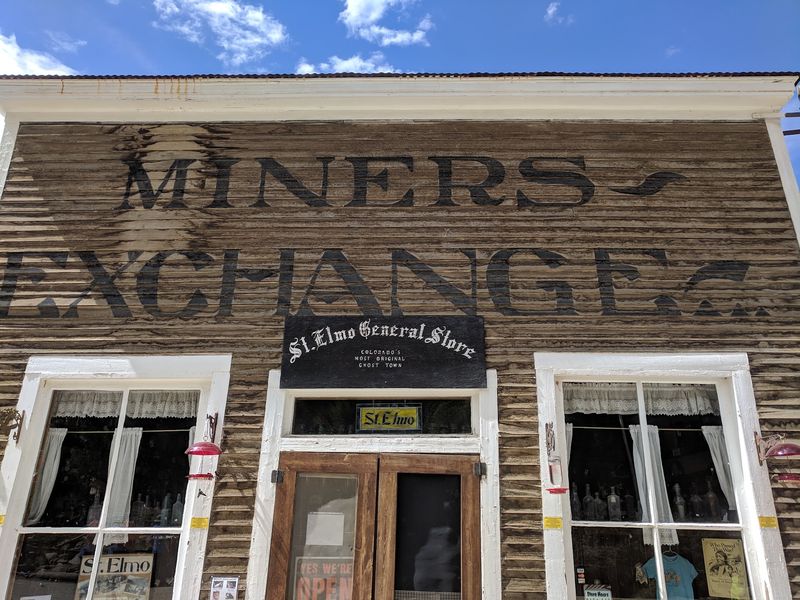
Ice cream in a ghost town sounds like a mirage, but at the St. Elmo General Store it’s the real deal during summer.
The store is open seasonally, typically from Mother’s Day weekend through the last Sunday in September.
Inside, you’ll find snacks, drinks, ice cream, and souvenirs. It’s the spot to grab a treat after wandering the dusty street.
The store also rents off-road vehicles, which makes it a handy launch point for exploring the old mining roads nearby.
The store has deep roots in the town’s survival. The Stark family, who once owned and ran it, gets credit for preserving many of St. Elmo’s buildings.
Without them, much of the town might have slipped away. Stopping in here is a small way to support the place they helped save.
Plan your visit around the season. Show up in winter, and the store’s doors will likely be shut tight.
Summer gives you the full experience. Shop, snack, rent a ride, and stock up on seeds before the chipmunks find you.
Old Buildings Come Back Better Than Before
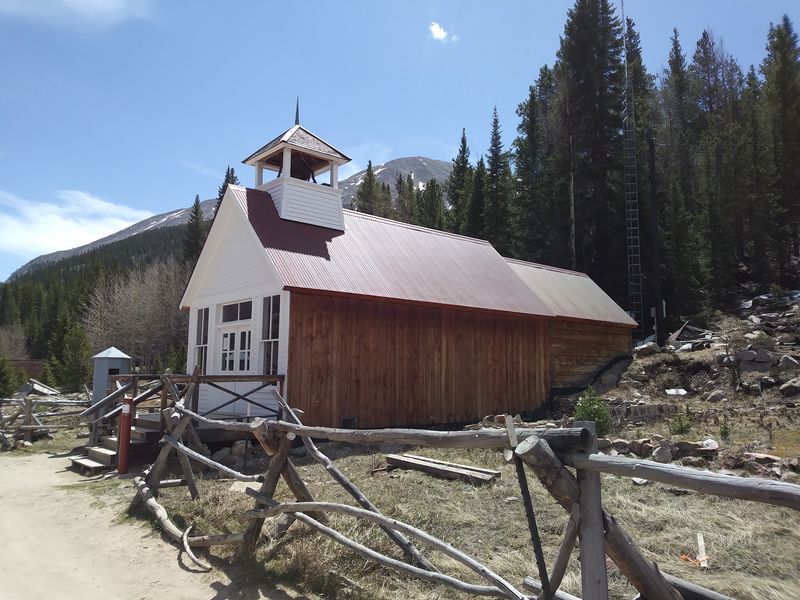
Fire has tested St. Elmo more than once. Blazes in the 1890s damaged its commercial district.
A more recent fire hit in 2002. It destroyed the original town hall and damaged the schoolhouse.
That could have been the end of the story. Instead, the community refused to let those buildings disappear.
Buena Vista Heritage stepped in to help, and the group rebuilt the town hall in 2008.
Today the town hall serves as a museum, and the restored schoolhouse shows what daily life looked like here.
Picture kids learning their lessons at nearly 10,000 feet. Recess must have involved some serious snowball skills.
These buildings add context to the cabins outside, turning a pretty photo stop into a real learning experience.
The American House Hotel is another preserved landmark worth noticing. Back in the boom years, the town supported five hotels.
Walk slowly and read every sign you see. A comeback this impressive deserves more than a quick glance from the car window.
Gold Money That Would Make Anyone Dizzy
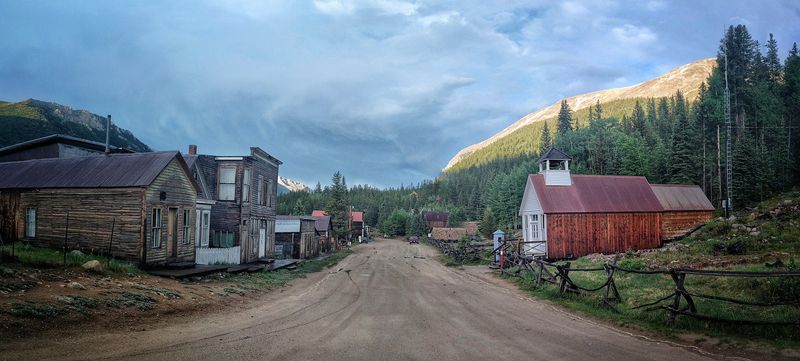
About $60 million in gold came out of a single mine near here. The Mary Murphy Mine was the largest and most successful in the area.
That kind of wealth explains the busy past. St. Elmo once had a telegraph office, a newspaper office, and five hotels, along with a general store, a schoolhouse, and a town hall.
Dance halls kept things lively after long shifts underground.
Miners worked more than 150 claims for gold and silver, each one carrying a dream of striking it rich.
By the early 1920s, mining had begun to decline. Railroad service ended in 1922, crews removed the rails by 1926, and the population dropped sharply.
Mail service finally stopped in 1952. After that, St. Elmo truly earned its ghost town title.
Standing on the quiet street, it’s hard to believe the noise that once filled it. Telegraph clicks, train whistles, and busy boots have all faded away.
That contrast is the real magic here. The silence makes more sense once you know how loud this place used to be.
Rugged Trails Wait For Off-Road Adventurers
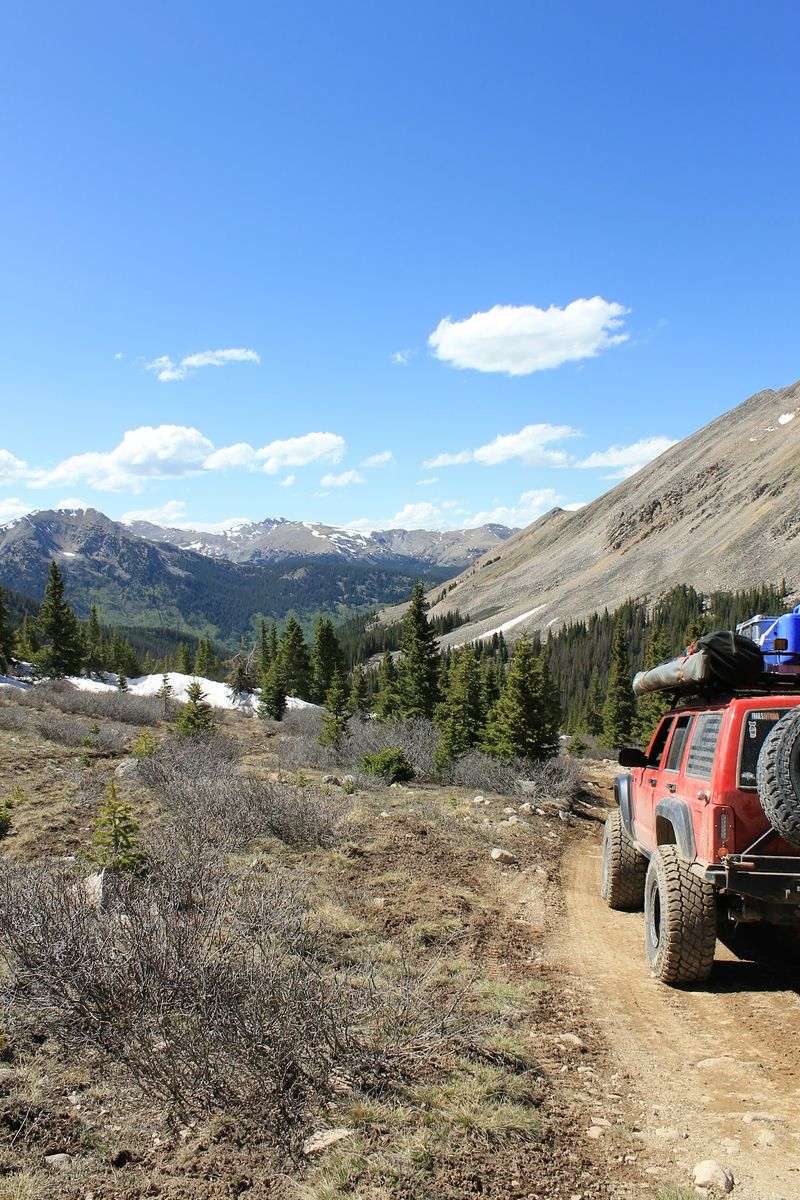
Old mining roads didn’t vanish when the miners left. Many now serve as trails for ATVs, RZRs, and jeeps around St. Elmo.
That turns a history trip into an adventure. You can bounce along routes once used to haul ore down the mountains.
Rentals are available at the St. Elmo General Store in summer. Nearby towns also rent off-road vehicles.
Know your limits before heading out. Mountain trails can be rough, and the altitude here sits near 10,000 feet.
Thin air means you’ll tire faster. Pack plenty of water and snacks, and dress in layers for changing weather.
Stay on marked routes at all times. Driving off trail can damage the land and the history around it.
Hikers have options too. Camping and hiking are popular throughout the surrounding region.
Get an early start if you can. Mountain afternoons can bring storms, and nobody wants a soggy ride home.
Exploring by trail shows why miners chose this rugged spot. Every bumpy mile reveals just how wild their workplace really was.
Cast A Line Where The Creek Runs Through Town
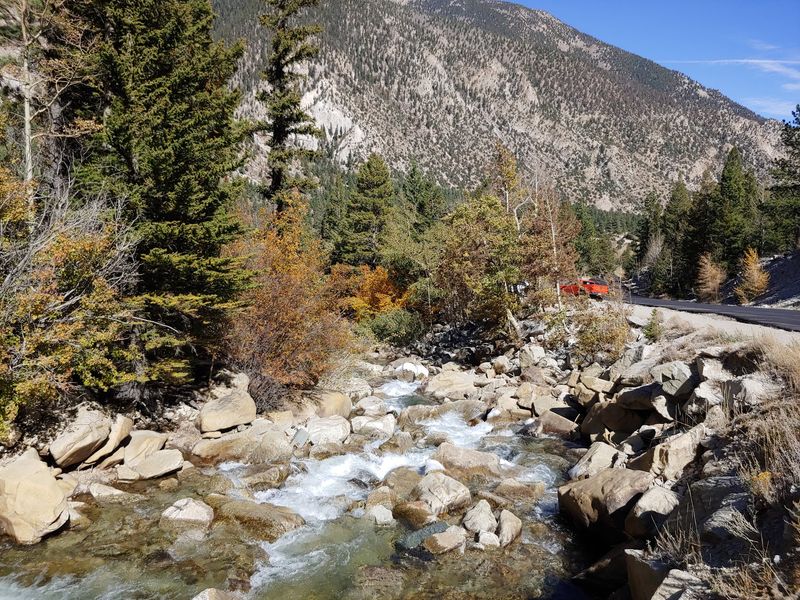
Chalk Creek flows right through St. Elmo. Its steady sound adds a peaceful soundtrack to the old cabins.
Anglers often bring rods for a little fishing. There’s one big catch, though, and it isn’t a trout.
Much of the creek in town sits on private property. Casting from someone’s land is a quick way to make a bad impression.
Head to the nearby Iron City Campground instead. You’ll find public access spots there for fishing.
Bring the right license before you fish anywhere in Colorado. Rules can change, so check state wildlife guidelines ahead of time.
The campground also works well for overnight stays. Camping is popular across the whole region.
Fishing here pairs nicely with a history walk. Spend the morning exploring cabins, then relax by the water in the afternoon.
Even if nothing bites, the setting delivers. Pines, mountains, and rushing water make a pretty great consolation prize.
Pack out every bit of trash you bring. Keeping the creek clean helps protect the wildlife that calls this valley home.
The Scenic Drive In Is Half The Fun
Getting here feels like a treasure hunt with great views. St. Elmo sits deep in the Sawatch Range of Chaffee County, Colorado.
The town lies about 20 miles southwest of Buena Vista. Its elevation sits at roughly 9,961 feet.
To reach it, take US 285 south to Nathrop. Then follow County Road 162 west for about 16 miles.
Set your map to St. Elmo, CO 81236. Cell signal can get spotty in the mountains, so download directions before you leave.
The drive climbs steadily through the canyon. Keep your eyes open, because every curve seems to show off a new view.
Fill your gas tank before leaving the bigger towns. Services thin out quickly once you head up the valley.
Summer is the easiest time to visit. That’s also when the general store is open and the chipmunks are busiest.
Give yourself a full day if possible. Rushing through would be like reading only the last chapter of a great book.
By the time you arrive, you’ll understand the appeal. Remote, quiet, and full of stories, St. Elmo earns every mile.