
Explore The Indiana City That Comes Alive As A Massive Flea Market Every Sunday
Sunday mornings belong to whoever claims them first, and this city claimed its a long time ago. By midmorning, every available surface has transformed into a small economy organized around the thrill of the find.
Vendors arrive before sunrise with inventory covering every conceivable category. The setup happens fast, and the serious buyers arrive not long after.
Regulars move through with the efficiency of people who know exactly which vendors sell out before noon. First timers wander more slowly and discover that instinct serves better than any plan.
Indiana delivered a flea market experience here that operates at a scale most Sunday markets never approach. The city earns its reputation one week at a time, and the crowds arriving on Sunday are the most honest review it has ever received.
History Of Sunday Flea Markets In Indiana
The Tri-State Antique Market started in 1986 at the Lawrenceburg Fairgrounds. That is nearly four decades of vendors, collectors, and curious visitors showing up on the first Sunday of every month.
Indiana has a long tradition of outdoor markets. The state’s mix of rural farmsteads and small cities created a natural pipeline for antiques and vintage goods.
Lawrenceburg sits right at the Indiana-Ohio-Kentucky border. That tri-state geography is actually how the market got its name.
The Lawrenceburg Fairgrounds gave the market a permanent, reliable home. Having a consistent location helped build a loyal vendor and buyer community over the decades.
The market runs from May through October only. That seasonal schedule keeps things fresh and gives vendors time to restock between years.
Official hours run from 6 AM to 3 PM Eastern Time, with early bird shoppers admitted at opening for the first pick of the vendors.
Adult admission is a small fee at the gate. Kids and attended pets get in free, which makes it genuinely family-friendly.
The market operates rain or shine, with more than half the vendors displaying indoors or under cover. That commitment matters a lot to vendors who travel long distances to set up.
You can find it at the Lawrenceburg Fairgrounds, 351 E. Eads Parkway, Lawrenceburg, Indiana 47025, approximately one mile west of exit 16 off I-275.
Types Of Merchandise Commonly Sold
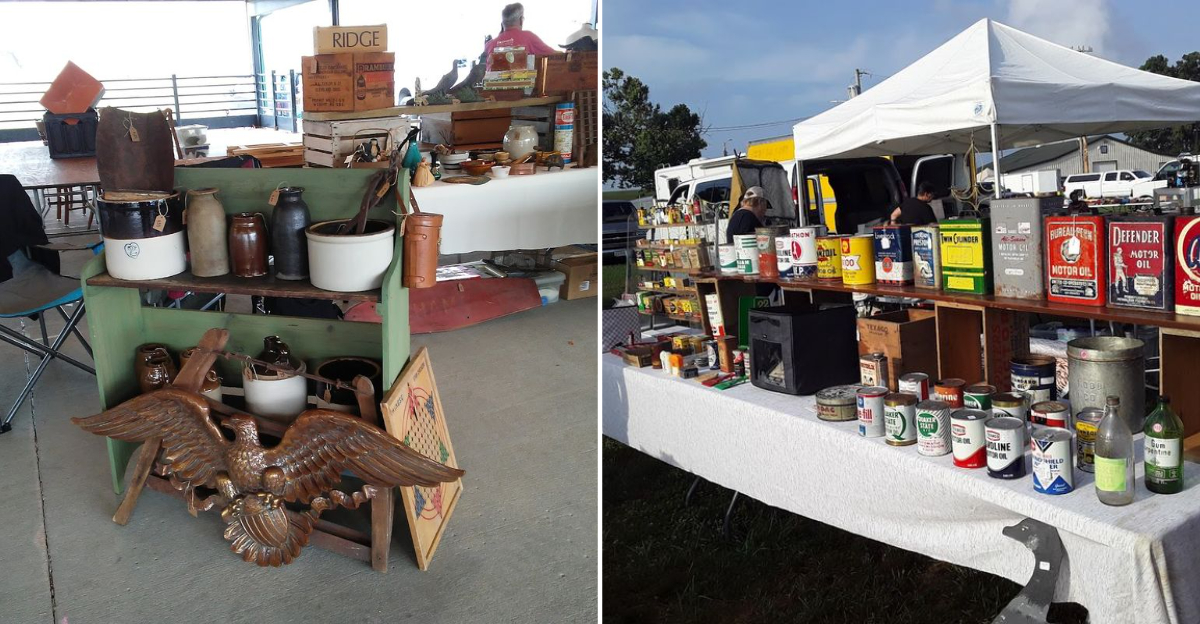
Vendors bring antique furniture from different eras. You will spot everything from Victorian-era chairs to 1970s teak sideboards in the same aisle.
Vintage Pyrex is always a crowd favorite. Collectors get there early specifically to grab those colorful stacking bowls before anyone else does.
Jewelry tables are everywhere at this market. Costume pieces, gold rings, silver brooches, and old watches show up in surprising quantities.
Early Americana is a strong category here. Think hand-stitched quilts, cast iron cookware, and primitive wooden signs from farmhouses.
Mid-century modern art draws a younger buying crowd. Paintings, prints, and decorative objects from the 1950s through the 1980s move fast.
Vinyl records get their own dedicated vendors. Classic rock, jazz, soul, and even obscure country pressings show up regularly.
Pottery collectors have a solid selection to browse. Regional stoneware and art pottery pieces appear frequently across multiple booths.
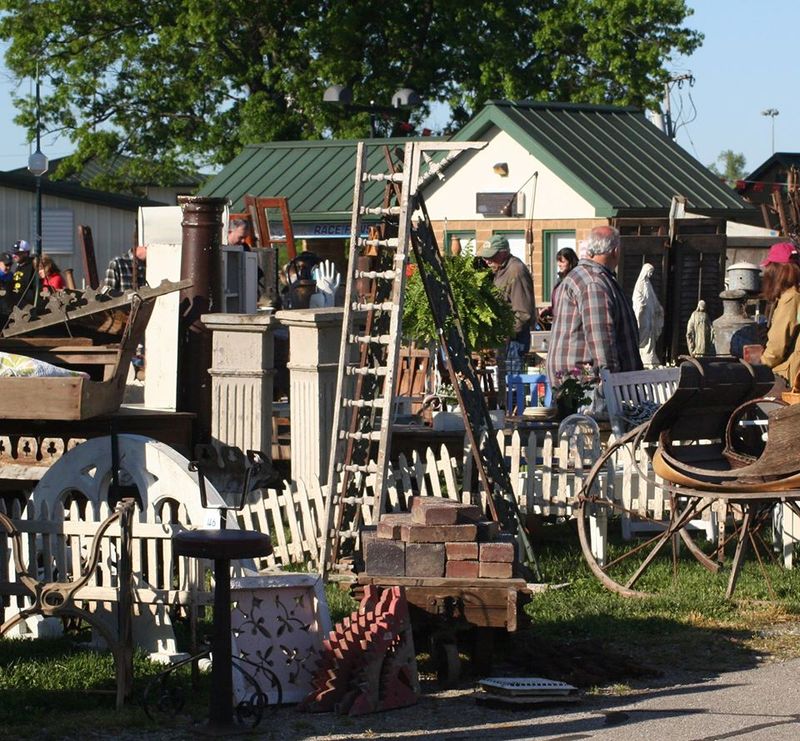
Garden decor is another popular category. Old iron planters, stone statues, and weathered signs attract buyers looking for outdoor charm.
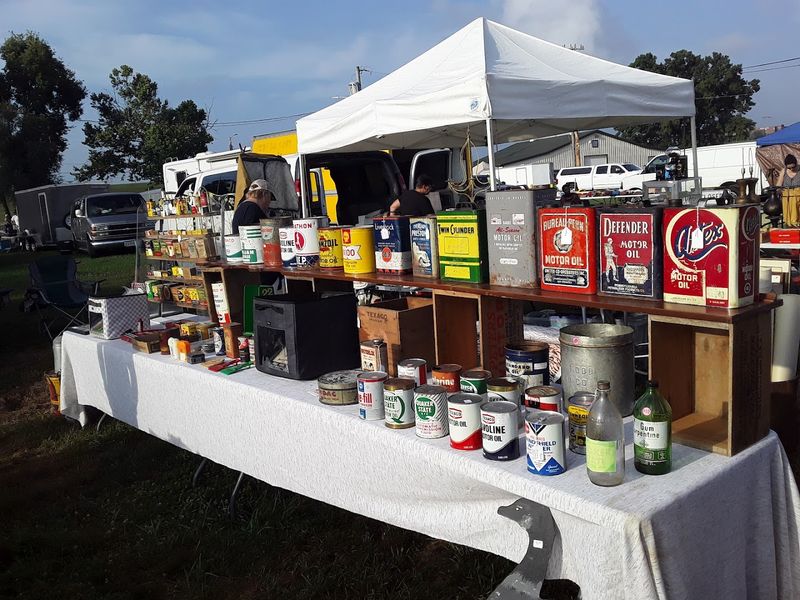
Pop culture memorabilia rounds out the mix nicely. Vintage toys, movie posters, old tin signs, and sports cards all have a home here.
How To Negotiate Prices Effectively

Negotiating at an antique market is not rude. It is expected. Most vendors price their items with a little wiggle room built right in. Start by genuinely engaging with the vendor. Ask about the item’s history or origin.
Vendors who feel respected are far more likely to budge on price. Cash is your best tool at any outdoor market. Pulling out actual bills signals you are ready to buy right now, not tomorrow.
Do not lowball aggressively. Offering 50% of the asking price on a well-priced item will just irritate the seller and end the conversation fast.
A reasonable starting offer is around 20% below the sticker price. From there, meet somewhere in the middle if the vendor counters.
Buying multiple items from one vendor is a powerful move. Bundling gives you natural leverage to ask for a package deal.
Timing matters during the day too. Early morning vendors are protective of their prices. Late morning sellers get more flexible as the day goes on.
Never show too much excitement about a specific item. Keep your expression calm and neutral while you examine it.
If a price does not work for you, politely walk away. Sometimes a vendor will call you back with a better number.
Always be friendly and patient. Good negotiation feels like a conversation, not a confrontation. That approach works every time.
Tips For Identifying Authentic Antiques
Spotting a real antique takes practice. The Tri-State Antique Market enforces a 30-year minimum rule, but knowing how to verify age yourself is still valuable.
Start by looking at construction methods. Hand-cut dovetail joints on furniture drawers indicate pre-1900 craftsmanship. Machine-cut joints came later.
Check for wear patterns that make sense. Genuine old pieces show wear on edges, corners, and high-contact areas.
Fake aging looks uniform and too perfect. Turn pottery and ceramics over immediately. Maker’s marks, country-of-origin stamps, and mold numbers all help date a piece accurately.
Country-of-origin stamps are especially useful. Items marked “Made in Occupied Japan” date specifically between 1945 and 1952, for example.
Glass color can reveal age. Certain glass formulas from the early 1900s turn purple or amber when exposed to sunlight over decades.
Hardware tells a story on furniture. Square-cut nails and hand-forged hinges signal genuine age.
Phillips screws were not invented until the 1930s.
Ask vendors directly about provenance. Experienced dealers usually know where pieces came from and can describe the item’s history with confidence.
Bring a small black light if you collect ceramics or paper items. Repairs and restorations often glow differently under UV light.
Reference books and apps like WorthPoint help on the spot. Cross-checking a piece before buying gives you real confidence in your purchase decision.
Seasonal Variations In Market Offerings
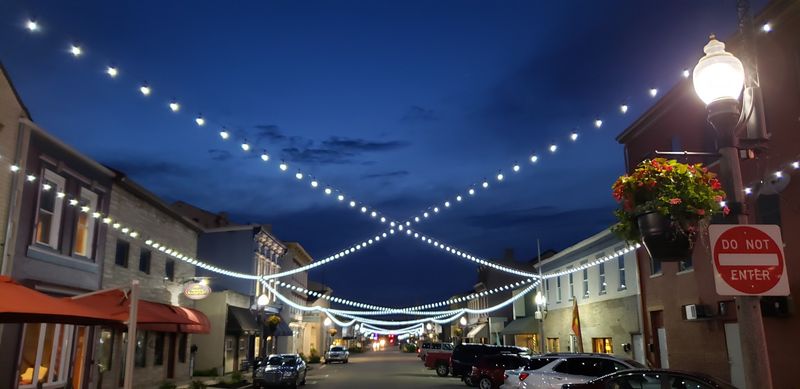
This place runs from May through October only. Each month brings slightly different inventory as vendors rotate their collections throughout the season.
May is the opening month and always generates excitement. Vendors unload items they have been collecting all winter, so the selection feels especially fresh.
June and July bring more garden-focused merchandise. Outdoor furniture, iron planters, and vintage garden tools move heavily during the summer months.
August tends to be a strong month for furniture and home decor. Buyers who spent summer browsing often commit to larger purchases before fall arrives.
September is one of the best months to visit. The weather cools down, crowds thin slightly, and vendors start pricing more aggressively to move inventory.
October is the final market of the season. Vendors are motivated to sell, which means better deals are genuinely available on that last Sunday.
Seasonal holidays also influence what shows up. Halloween and fall-themed vintage decor appears naturally in the September and October markets.
Textile items like quilts and wool blankets appear more in the cooler months. Buyers are thinking ahead to cold weather when they browse those booths.
Vinyl record and vintage toy vendors tend to be consistent year-round. Their inventory refreshes monthly regardless of the season outside.
Planning your visit around a specific collecting interest helps. Knowing which categories peak in which months saves time and sharpens your buying strategy.
Best Times To Visit For Avoiding Crowds
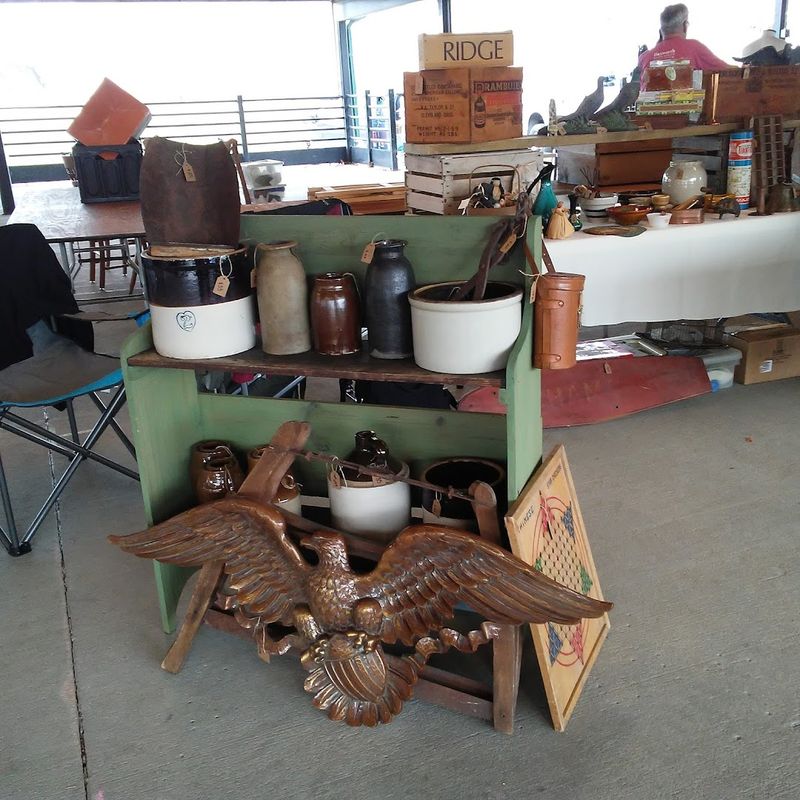
The Tri-State Antique Market opens at 6:00 AM for early bird visitors. That first hour is genuinely the best window for serious collectors who want first access.
By 8:00 AM, the crowds start building noticeably. Families and casual browsers tend to arrive between 9:00 and 11:00 AM when the market gets busiest.
If you want the best selection and the most space to browse, arrive right at opening. Competition for quality pieces is real, especially among dealers.
Late morning, around 11:00 AM to noon, brings peak congestion. Parking fills up and the main aisles get tight with strollers, carts, and browsers.
Visiting after 1:00 PM has its own advantages. The crowd thins out and vendors are often more willing to negotiate since closing time approaches.
Weekday visits are obviously not possible since the market is first-Sunday-only. But planning your monthly schedule around it early avoids last-minute conflicts.
September and October markets tend to draw slightly smaller crowds than summer. The cooler weather keeps some casual visitors away, which benefits focused shoppers.
Parking is free and the lot is large, but it fills up fast on busy months. Arriving before 7:00 AM guarantees a close spot without stress.
Bringing a wagon or rolling cart is smart. Navigating a full market with heavy finds in your arms gets old quickly after the first booth.
Check the market calendar at the start of each season. Knowing the exact first-Sunday dates for May through October helps you plan ahead efficiently.
Food Options Available At The Market
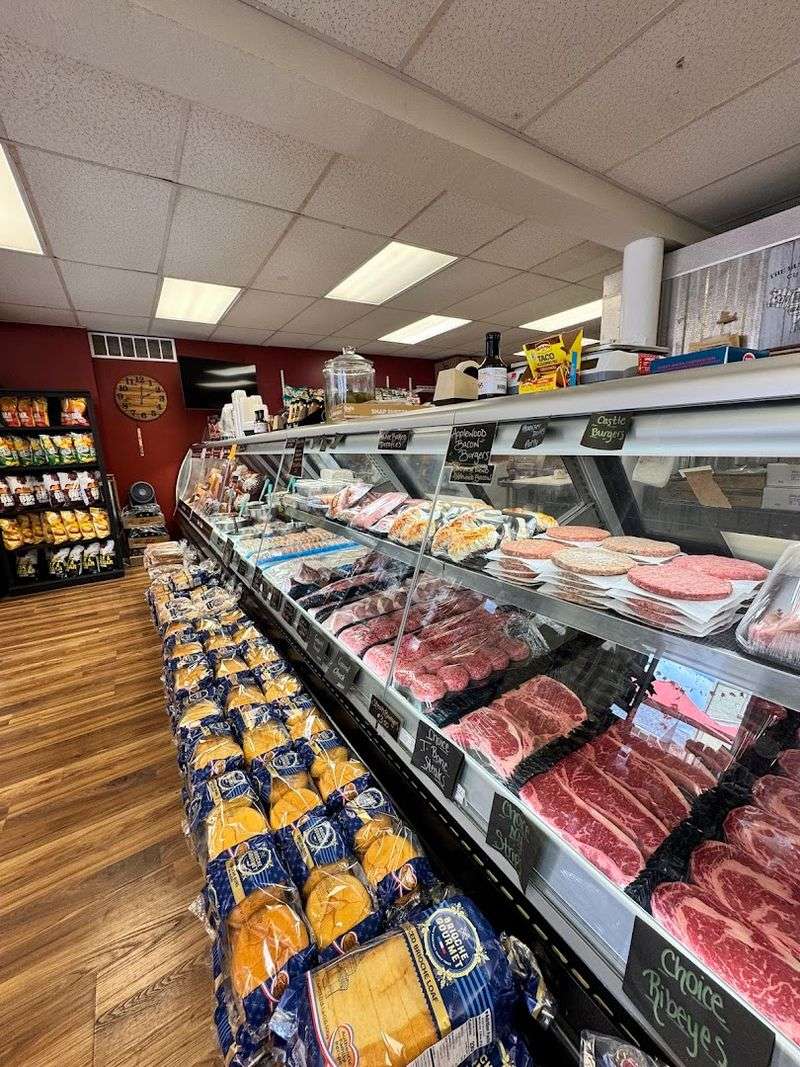
This spot has on-site food and refreshment stands available throughout the event. You do not need to leave the fairgrounds to eat.
Food options at fairground markets typically include classic comfort foods. Hot dogs, burgers, breakfast sandwiches, and coffee are common staples at this type of event.
Morning visitors especially appreciate having coffee available early. Browsing antiques at 6:00 AM is much more enjoyable with a hot cup in your hand.
The food stands are generally centrally located within the fairgrounds. Finding them does not require wandering far from the main vendor areas.
Prices at fairground food stands are usually reasonable. You are not paying restaurant rates, and portions tend to be generous for market-style eating.
Bringing your own snacks is also a smart move. A few granola bars or fruit in your bag keeps energy up during a long morning of browsing.
Water is essential, especially for the summer months. May through August can get warm on the fairgrounds with little shade in the open vendor sections.
The indoor and covered vendor sections provide some relief from heat. About half the booths are under cover, which helps during hot or rainy days.
Nearby Lawrenceburg also has dining options for after the market. The city has restaurants and cafes within a short drive of the fairgrounds.
Planning your food strategy before arriving saves time. Knowing whether you want to eat on-site or after helps you stay focused while shopping.
Parking And Accessibility Information
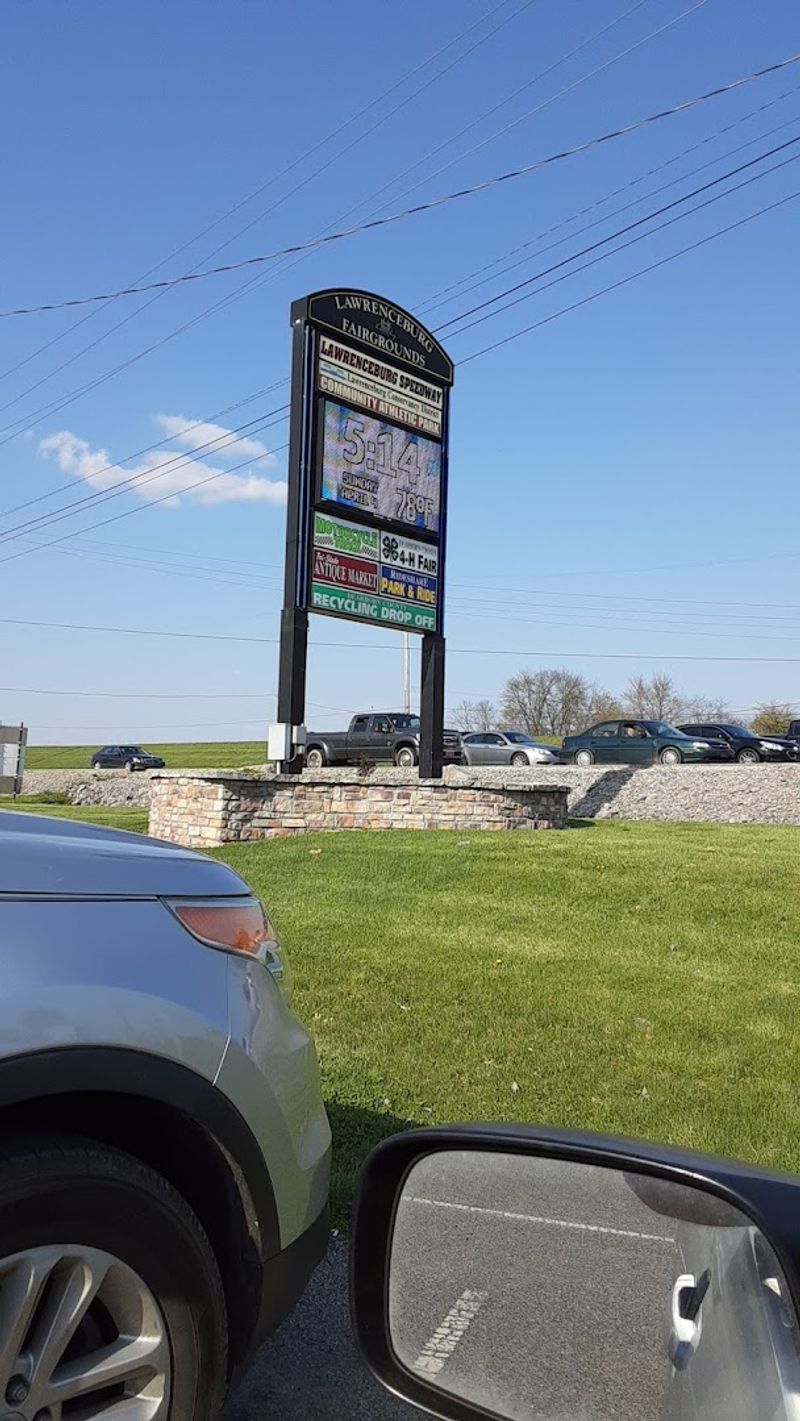
Parking at the Tri-State Antique Market is completely free. That alone makes it stand out from many larger markets and events in the region.
The Lawrenceburg Fairgrounds has a large parking area that accommodates significant visitor volume. Arriving early still gives you the best chance of a close spot.
The market is wheelchair accessible throughout the grounds. That accessibility makes it welcoming for visitors of all mobility levels and age groups.
Modern restrooms are available on-site. Clean facilities at an outdoor market are never guaranteed, so this is a genuine comfort worth mentioning.
More than half of the vendor booths are indoors or under covered structures. Rain does not cancel the market, and covered spaces keep shopping comfortable.
The fairgrounds are located at 351 E. Eads Parkway in Lawrenceburg.
You can also reach it via US 50 at Hollywood Boulevard for easy navigation.
GPS works reliably for reaching the fairgrounds. Plugging in the Lawrenceburg Fairgrounds address brings you directly to the site without confusion.
Public transportation options are limited in this area. Most visitors arrive by personal vehicle, so carpooling with fellow collectors is a practical option.
The fairgrounds layout is easy to navigate on foot. Wide main aisles accommodate foot traffic well even during peak morning hours.
Bringing a folding cart with wheels makes the most of the accessible layout. Rolling your finds through wide aisles beats carrying heavy items by hand all morning.