
Explore The Oldest Town In Tennessee For A 2026 Day Trip Filled With Wonder
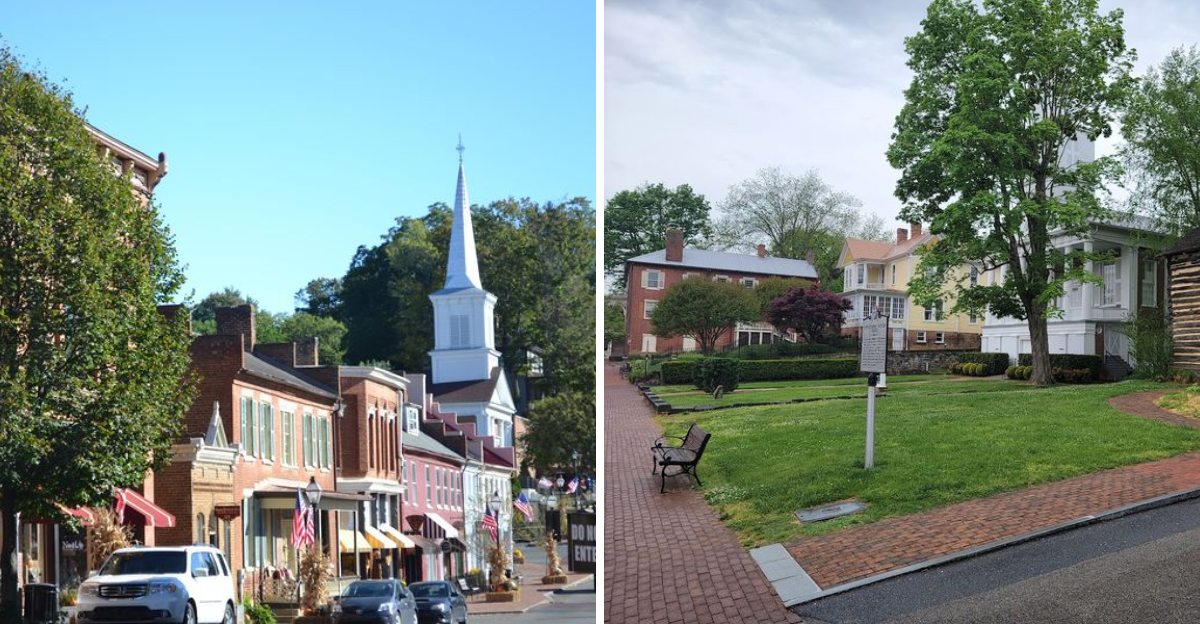
History greets you the moment you arrive. In Tennessee, one small town carries stories that stretch all the way back to the late 1700s, long before the state officially joined the Union.
Brick sidewalks wind past historic buildings, colorful storefronts invite visitors inside, and the town square feels wonderfully timeless. A quiet stroll reveals old churches, preserved homes, and welcoming cafés where conversations linger over coffee.
Every corner seems to hold a piece of the past. Spend a day here and the experience feels both relaxing and fascinating, offering a glimpse into early Tennessee life while still feeling lively and welcoming today.
Main Street And Its 18th-Century Character
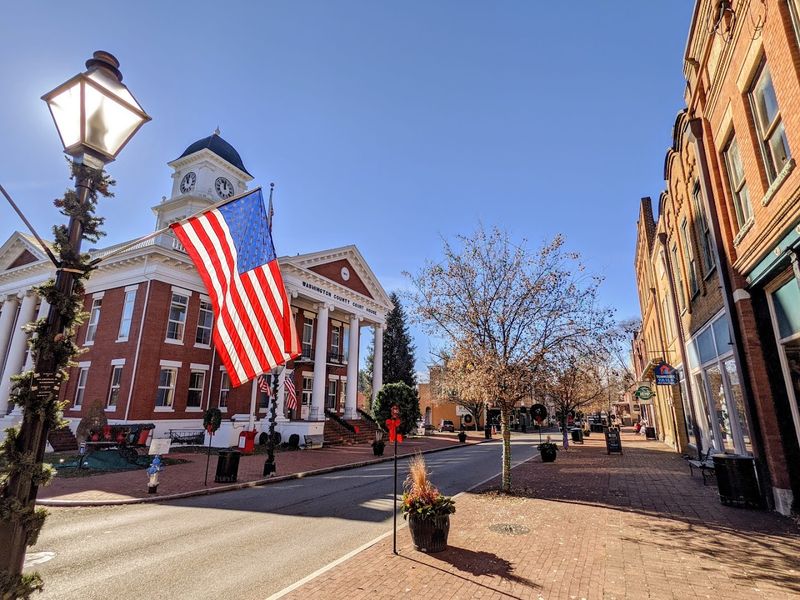
Walking down Main Street feels like the calendar quietly rewound itself by two centuries. The buildings here are not reconstructions or themed facades – they are original structures that have quietly endured wars, weather, and the passage of American history.
Brick facades carry the texture of age, and the proportions of each building reflect the craftsmanship of an era when construction was measured and deliberate.
The street itself is compact and walkable, which makes it ideal for a relaxed day trip without the pressure of covering large distances. Visitors tend to slow down naturally here, pausing to read historical markers, peer into shop windows, or simply appreciate the visual consistency of a preserved streetscape.
There are no towering glass buildings competing for attention.
The town sits in Washington County, Tennessee, at the address of Tennessee 37659, and Main Street is the clear centerpiece of the entire town. Local shops, galleries, and small restaurants line the corridor, giving the street both a historical weight and a welcoming, lived-in energy.
The scale feels human, the pace feels unhurried, and the atmosphere rewards anyone who arrives with genuine curiosity rather than a checklist.
The International Storytelling Center And Its Global Reputation
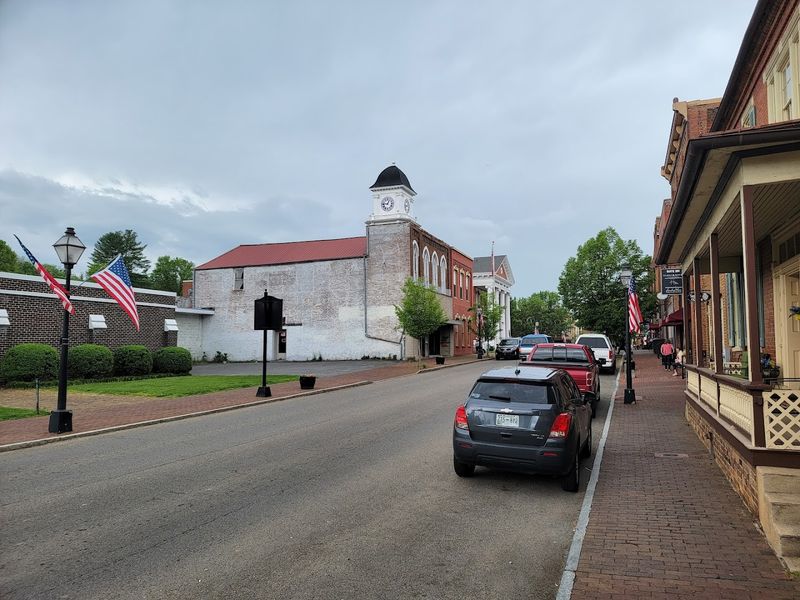
Jonesborough holds a title that surprises most first-time visitors: it is recognized as the Storytelling Capital of the World. That distinction is anchored by the International Storytelling Center, which operates year-round on the town’s Main Street and serves as the cultural heartbeat of the community.
The center hosts performances, workshops, and educational programs that draw storytellers and audiences from across the globe.
Every October, the annual National Storytelling Festival transforms the town into a vibrant gathering of voices, traditions, and imagination. Tens of thousands of attendees arrive to hear professional and folk storytellers perform under large tents, creating an atmosphere that is both intimate and electric.
The festival has been running since 1973, making it one of the longest-standing events of its kind in the United States.
Even outside of festival season, a visit to the International Storytelling Center offers something memorable. Live performances are scheduled regularly, and the center’s exhibits explore the history and cultural significance of oral storytelling traditions from around the world.
For families traveling with children, this is a particularly engaging stop – the art of storytelling has a way of pulling every age group in and holding them there without effort.
Chester Inn State Historic Site And The Weight Of 1797
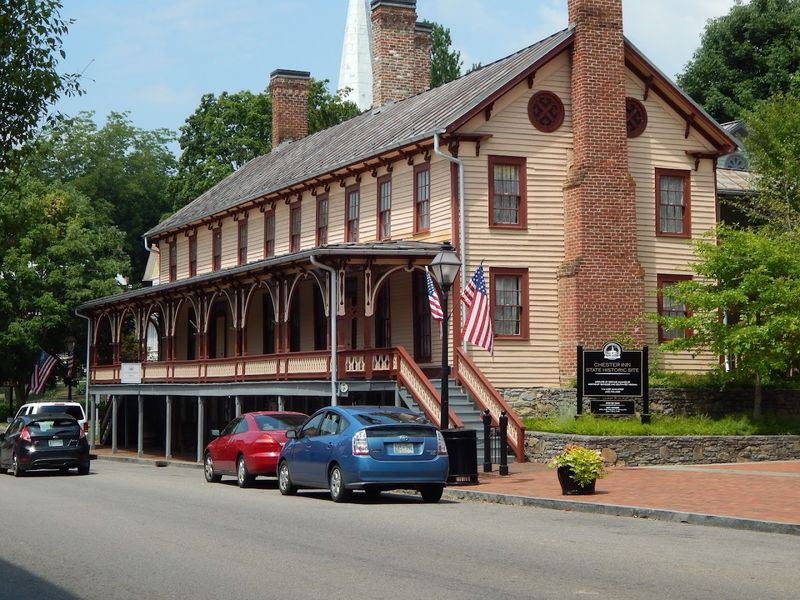
Some buildings earn their landmark status through elegance. The Chester Inn earned it through survival.
Built in 1797, it stands as the oldest commercial building in Jonesborough and one of the most significant historic structures in all of Tennessee. Its long front porch and simple Federal-style architecture speak to a time when travelers arrived on horseback and lodging was a matter of practical necessity rather than comfort.
The inn once hosted some of the most recognizable names in early American history. Andrew Jackson, who would later become the seventh president of the United States, is among the notable figures documented to have passed through its doors.
That kind of historical residue gives the building a gravity that is difficult to manufacture and impossible to replicate.
Today, the Chester Inn operates as a state historic site and museum, offering guided and self-guided experiences that walk visitors through the building’s layered past. Exhibits inside are thoughtfully arranged, presenting local history in a way that feels accessible rather than academic.
A visit here does not require any prior knowledge of Tennessee history – the space itself does the teaching, one room and one story at a time.
The State Of Franklin And A Chapter Of History Most Americans Have Forgotten
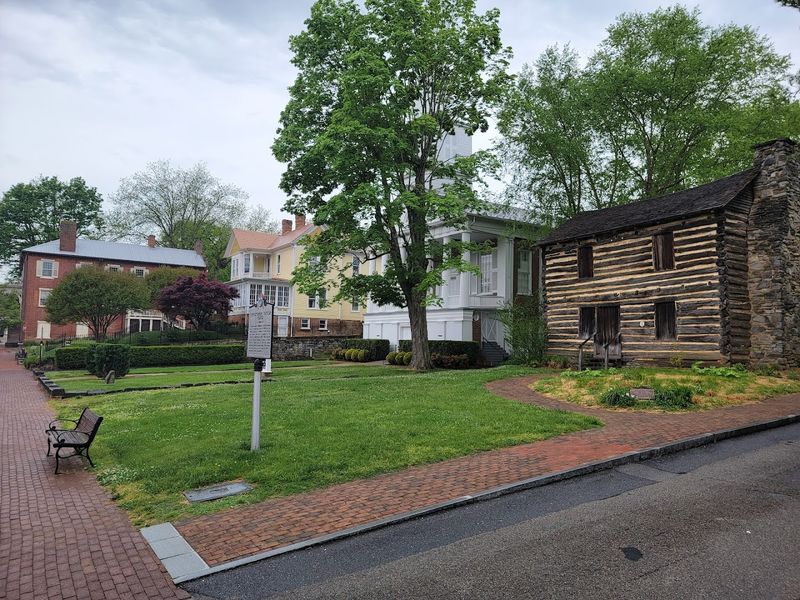
Before Tennessee was Tennessee, there was a brief and fascinating attempt to create an entirely different state. Between 1784 and 1788, a group of settlers in the Appalachian frontier declared the formation of the State of Franklin, with Jonesborough serving as its capital.
The effort ultimately failed to gain congressional recognition, but it left a permanent mark on the region’s identity and its sense of independent spirit.
Understanding this episode adds a completely different dimension to a visit. Jonesborough was not simply an early settlement – it was the center of a political experiment that unfolded at the edges of a young nation still figuring out its own boundaries and rules.
The people who lived here were making consequential decisions without any clear precedent to guide them.
Several museums and historical markers throughout the town address this chapter directly. The Jonesborough-Washington County History Museum, located within the Historic Jonesborough Visitors Center, provides detailed context about the State of Franklin and its key figures.
John Sevier, the first governor of Tennessee and a central figure in the Franklin movement, is closely associated with this town. Learning about him and this era turns a pleasant day trip into something far more intellectually rewarding.
Daniel Boone, David Crockett, And The Famous Footsteps On Main Street
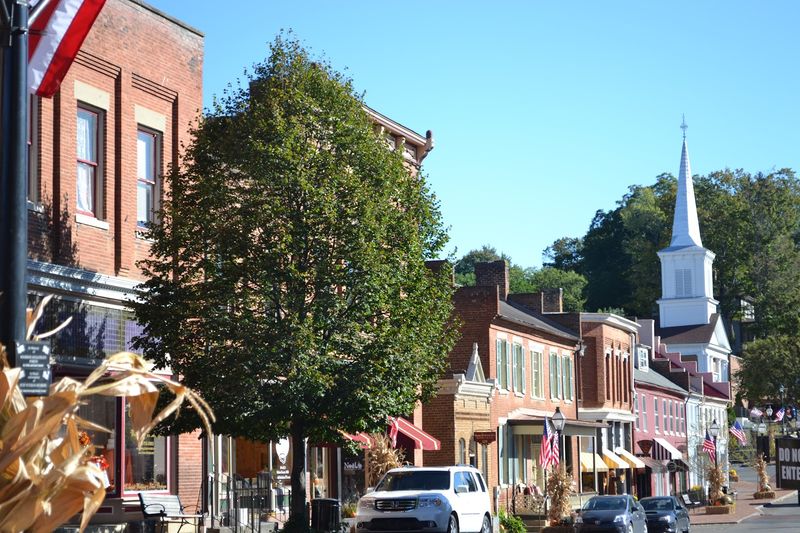
Few small American towns can claim that figures like Daniel Boone, David Crockett, Andrew Jackson, and John Sevier all walked its streets – but Jonesborough can, and the claim is well-documented. These were not casual visitors passing through on their way elsewhere.
They were people actively engaged in the political, military, and frontier life of a region that was still being shaped in real time.
Crockett, whose larger-than-life reputation tends to overshadow his actual biography, had genuine ties to the area. He lived in northeastern Tennessee for portions of his life and was involved in local civic affairs before his story took on national dimensions.
Walking the same Main Street he once traveled gives that history a satisfying physical anchor.
Jonesborough does not overplay these connections with theatrical displays or costumed reenactors on every corner. Instead, the historical presence of these figures is acknowledged through markers, museum exhibits, and interpretive materials that let visitors draw their own conclusions.
That restraint actually makes the experience more credible and more moving. When a place is confident in its history, it does not need to perform it – it simply presents the evidence and lets the facts carry their own considerable weight.
Dining On Main Street With A Southern Appetite In Mind
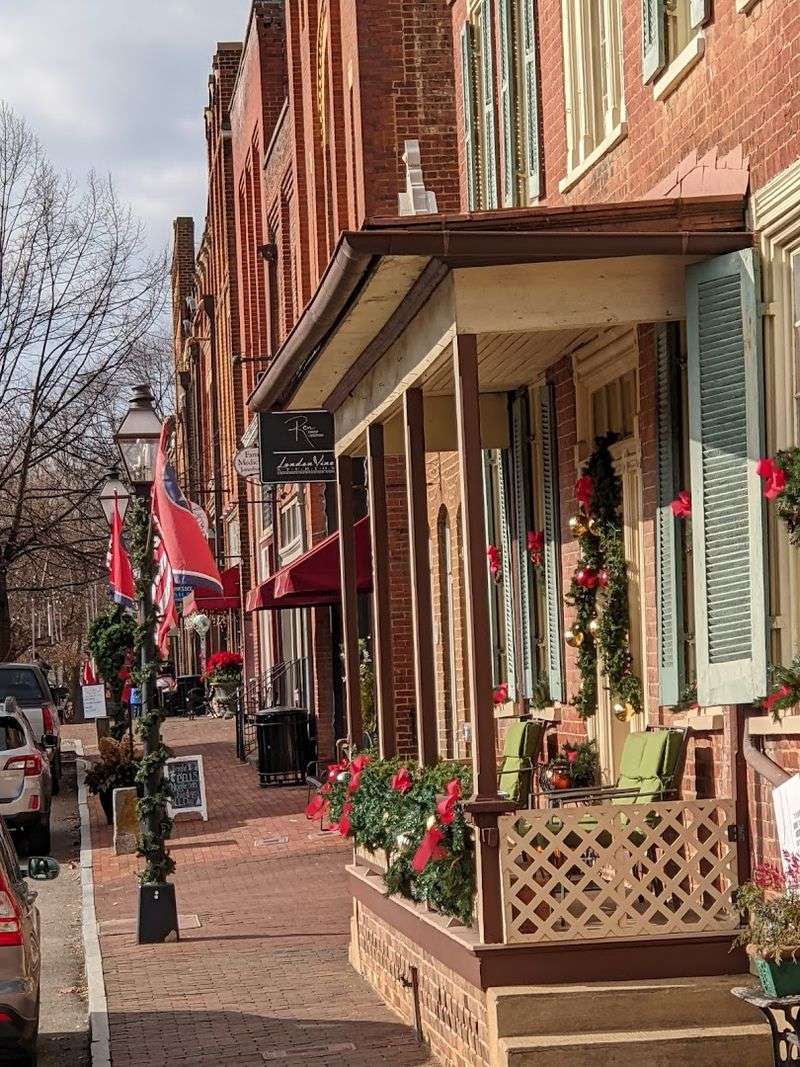
A day trip to Jonesborough is not complete without sitting down for a proper meal, and the town’s dining scene is more than capable of delivering one. Main Street and its surrounding blocks host a range of restaurants and cafes that lean toward Southern cooking – the kind built on honest ingredients, familiar techniques, and the understanding that food is as much about comfort as it is about sustenance.
Local eateries tend to reflect the town’s character: unhurried, genuine, and attentive to quality without being pretentious about it. You can find hearty lunch plates featuring dishes like country ham, cornbread, slow-cooked beans, and seasonal vegetables sourced from the surrounding region.
The portions are generous and the atmosphere is typically warm and conversational.
For visitors who prefer lighter fare, several cafes along the main corridor offer sandwiches, soups, and baked goods that pair well with a mid-morning break between museum stops. Coffee quality has improved noticeably in recent years, which is a welcome development for anyone who considers a good cup a non-negotiable part of any day trip.
Whatever your appetite, eating in Jonesborough feels like a natural extension of the experience rather than an interruption of it.
The Annual National Storytelling Festival And October In Jonesborough
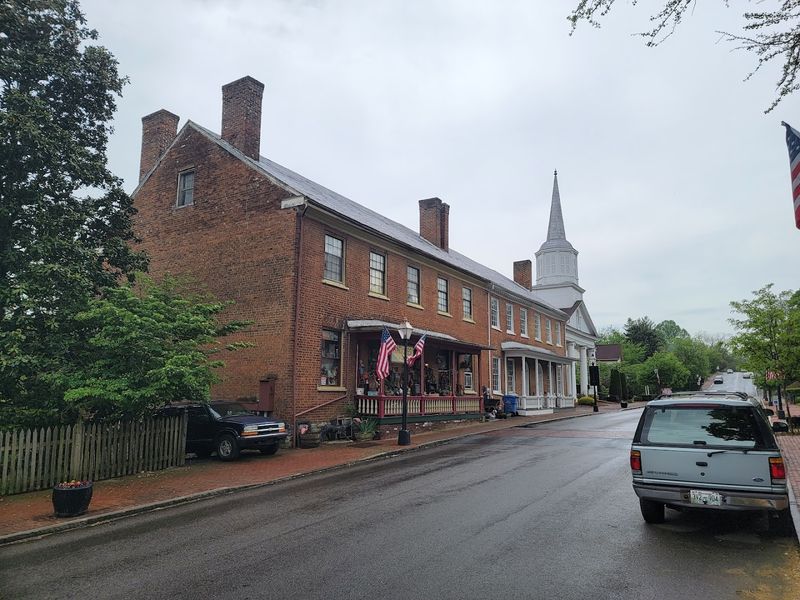
If the calendar allows for a visit in early October, the National Storytelling Festival transforms Jonesborough into something genuinely extraordinary. The festival has been held annually since 1973, drawing professional storytellers from across the United States and internationally, all of them performing under large canvas tents set up along and around Main Street.
The scale of the event is impressive, but the atmosphere remains surprisingly personal.
Each storyteller brings a distinct tradition, style, and cultural background to the performance space. Some work in the Southern Appalachian oral tradition, while others draw from African, Caribbean, Celtic, or Native American storytelling forms.
The variety keeps the festival fresh across multiple sessions and ensures that no two performances feel alike. Audiences range from young children to elderly listeners, all sharing the same rapt attention.
Tickets for the festival are sold in advance and tend to sell out, so planning ahead is essential. Accommodation in Jonesborough itself is limited, but nearby Johnson City offers a range of lodging options just a short drive away.
For first-time visitors who want to experience Jonesborough at its most alive and most celebrated, timing a trip around the National Storytelling Festival is the most rewarding choice the calendar can offer.
Jonesborough’s Architecture And The Art Of Preservation Done Right
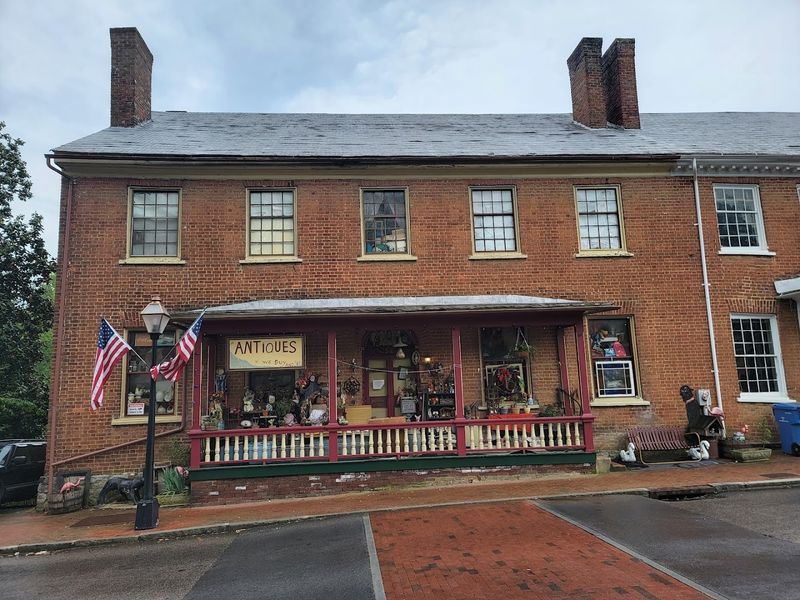
Preservation is a word that gets used loosely in many historic towns, but Jonesborough takes it seriously. The buildings along Main Street and the surrounding residential blocks represent a genuine cross-section of American architectural history, from Federal-style structures of the late 18th century to Victorian-era commercial buildings constructed during periods of growth and prosperity.
The range is wide, but the overall visual coherence of the streetscape is maintained with evident discipline.
What makes Jonesborough’s preservation particularly admirable is the absence of jarring intrusions. There are no chain restaurant facades competing with the historic fabric, no oversized signage disrupting the roofline, and no modern additions that overwhelm the original structures.
The town has made deliberate choices over decades to protect the visual character of its streets, and those choices are immediately apparent to any visitor who pays attention.
Several of the buildings are listed on the National Register of Historic Places, which reflects both their individual significance and the collective commitment to maintaining them. For visitors with an interest in architecture, simply walking the length of Main Street with an observant eye is an education in itself.
The details are worth studying: cornices, window proportions, door surrounds, and brickwork patterns that speak to the skills and priorities of the people who built them.
Planning Your Day Trip To Jonesborough With Practical Confidence
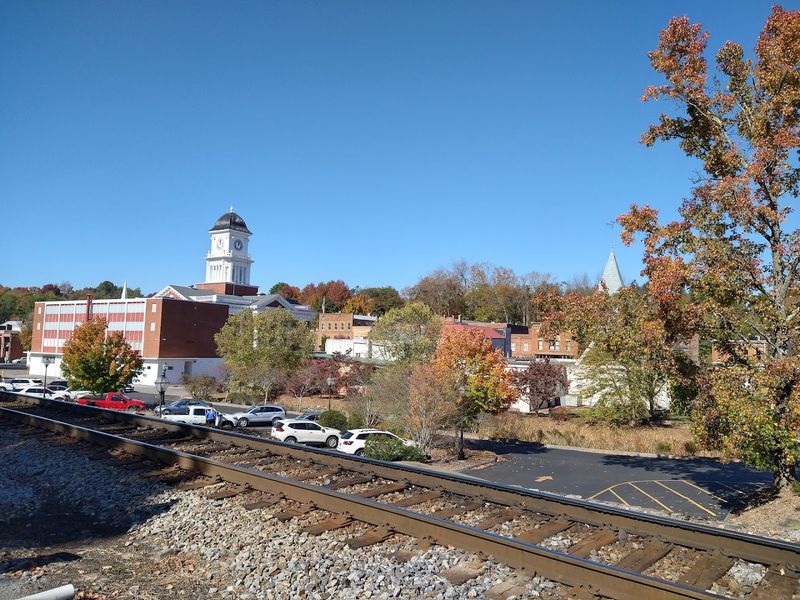
Jonesborough is located in Washington County in northeastern Tennessee, at Tennessee 37659, and sits within the Johnson City metropolitan area as part of the broader Tri-Cities region. From Johnson City, the drive takes roughly ten to fifteen minutes, making it an easy addition to any regional itinerary.
Visitors arriving from farther afield will find the town accessible via Interstate 26 and well-marked local roads.
The Historic Jonesborough Visitors Center is the recommended first stop for any day tripper. Staff there can provide maps, event schedules, and tailored recommendations based on how much time you have available.
Parking in town is manageable, particularly on weekdays, and most of the key attractions are within comfortable walking distance of one another.
A well-paced day in Jonesborough might begin with the history museum, move through several Main Street stops including the Chester Inn and the International Storytelling Center, break for lunch at a local restaurant, and finish with a slow walk through the residential streets to admire the architecture. The official town website at jonesborough.com maintains updated information on events, seasonal programs, and visiting hours for specific sites.
A single day is enough to leave a strong impression, though many visitors find themselves already planning a return before they have even driven home.