
Few People Realize This Tiny Nevada Town Has More Restaurants Per Block Than Most Cities
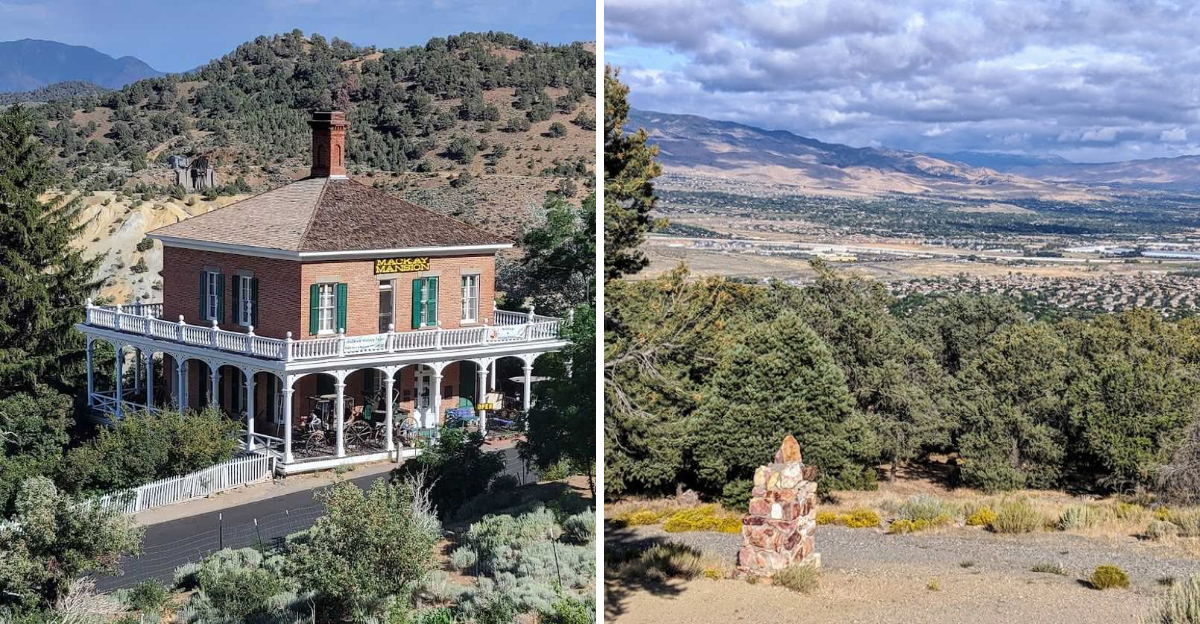
Get ready for a food scene that makes zero sense for a town this small! Picture narrow wooden sidewalks lined shoulder to shoulder with cafes, candy shops, and quirky diners, more than you would expect from a blip on the map.
Nevada holds onto a wild secret in its high desert hills, a place where miners once ate in shifts just to keep the whole town fed. That hunger never left.
Every block still hums with flavor, from Tex-Mex plates to fudge counters begging for a taste. Locals swear the food here outnumbers the buildings themselves, and honestly, it might be true.
Curious how a tiny spot in Nevada built such a massive appetite? Grab a friend and go find out for yourself.
The Comstock Lode That Started It All
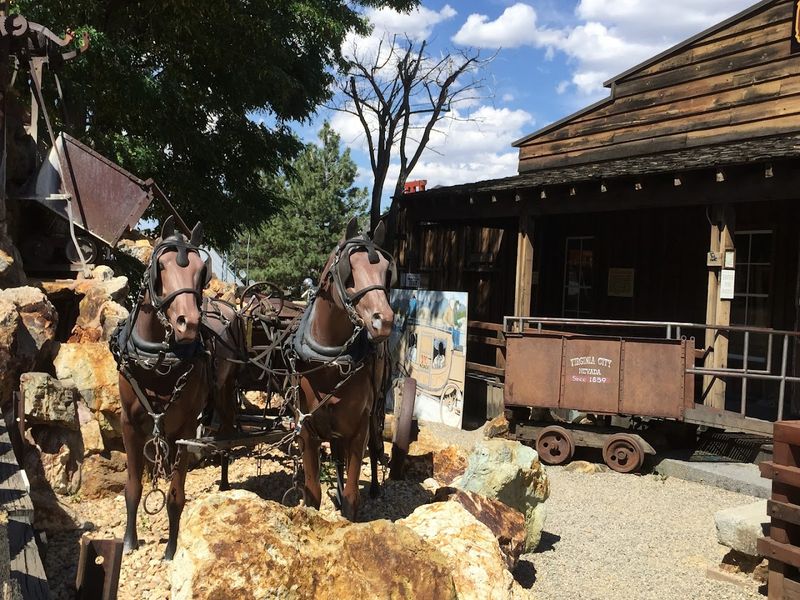
Silver changed everything here. The 1859 discovery of the Comstock Lode turned a dusty Nevada hillside into one of the most powerful industrial hubs between Denver and San Francisco almost overnight.
This was not a small find. The Comstock Lode was one of the largest silver deposits ever uncovered in the United States.
The wealth it produced helped finance the Union during the Civil War and bankrolled much of San Francisco’s early development.
That staggering history is still very much alive in Virginia City today. Visitors can tour the Chollar Mine and the Ponderosa Mine to see original timbering, silver ore, and antique mining equipment up close.
Standing inside one of these mines makes the whole story feel immediate and real. The cool air, the narrow passages, and the glittering rock walls tell you everything about why thousands of people once flooded this remote Nevada mountain town chasing fortune.
More Restaurants Per Block Than You Would Expect
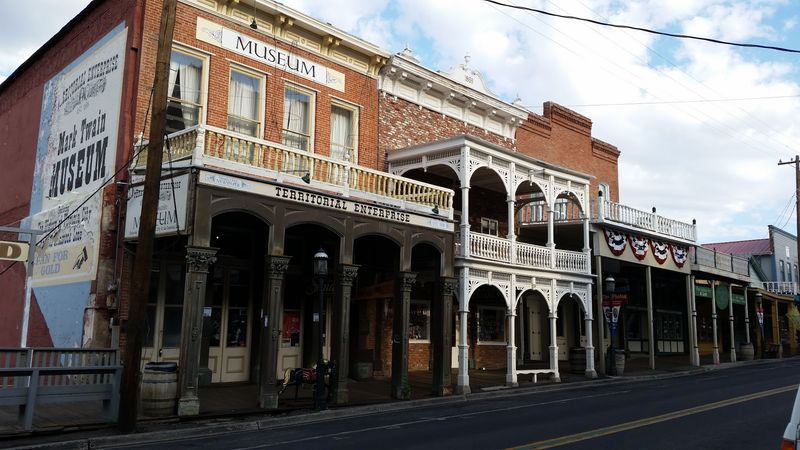
The numbers are genuinely surprising. During its boomtown peak, Virginia City supported one establishment for roughly every 30 residents.
That ratio created a culture of dense, lively dining and socializing that the town has never fully let go of.
Today, C Street remains packed with options. Cafe Del Rio serves up Tex-Mex with a Western twist.
The Red Dog Saloon keeps things casual with pizza and good atmosphere. The Palace Restaurant draws locals and visitors alike for solid American breakfasts and lunches.
Sweet options are everywhere too. Barrels O Candy makes sure no one leaves Virginia City without a sugar fix.
For such a small town, the sheer variety of flavors on offer is remarkable.
This density of dining spots per block is what sets Virginia City apart from most small American towns. It is a living echo of the boomtown days when feeding thousands of hungry miners was a full-time industry.
Victorian Buildings Frozen in the 1870s
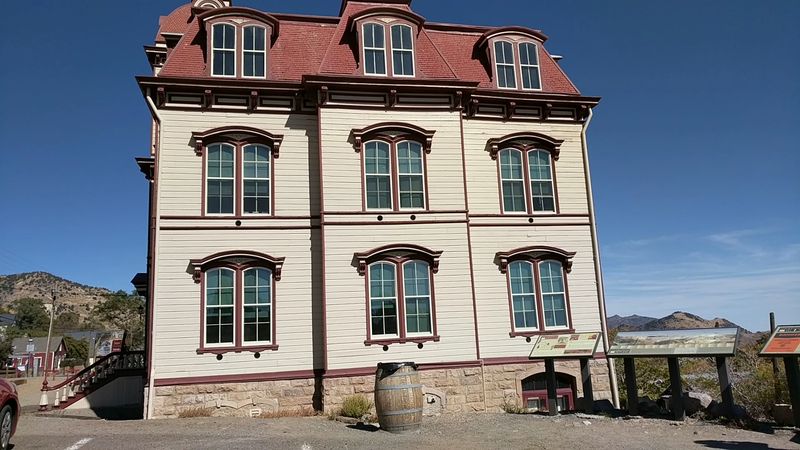
Most of the buildings lining C Street look like they belong on a movie set. Wooden sidewalks, ornate facades, and cast-iron details give the main drag a texture that modern towns simply cannot replicate.
A devastating fire tore through Virginia City in 1875. Much of what stands today was rebuilt shortly after, preserving the Victorian-era aesthetic that defines the town’s visual identity.
The Historic Fourth Ward School Museum is one standout structure. Built in 1876, it still contains an original classroom and detailed history displays that paint a vivid picture of everyday life during the mining era.
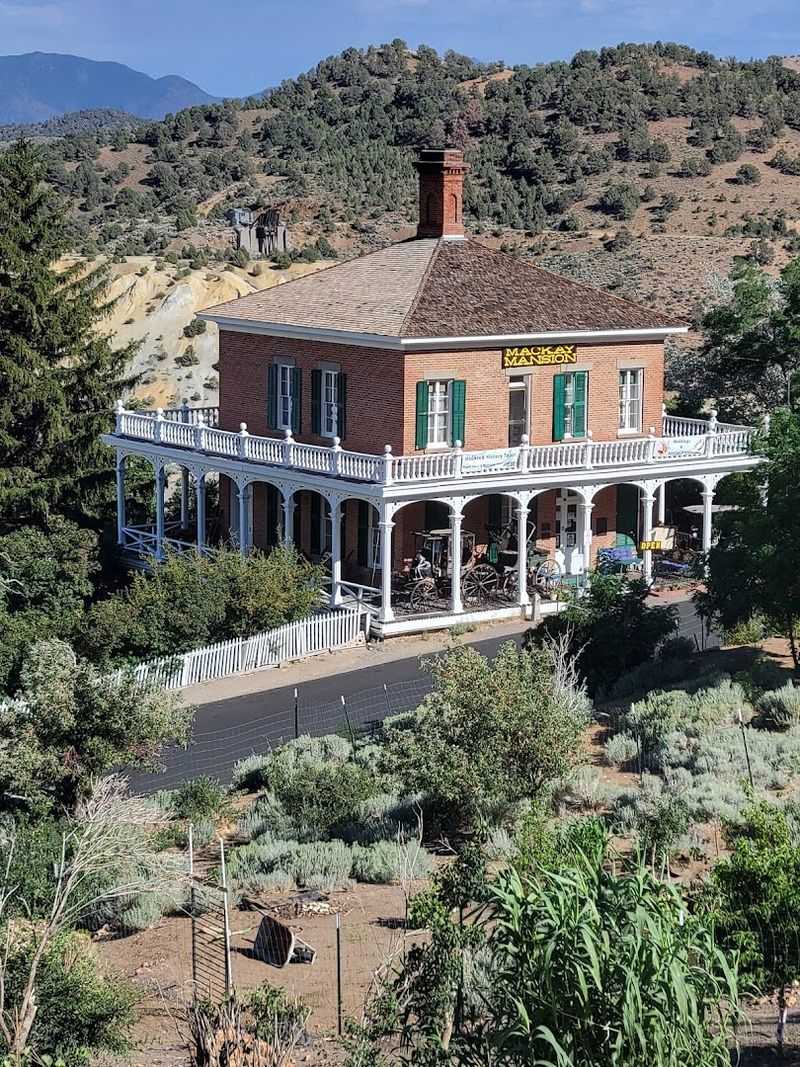
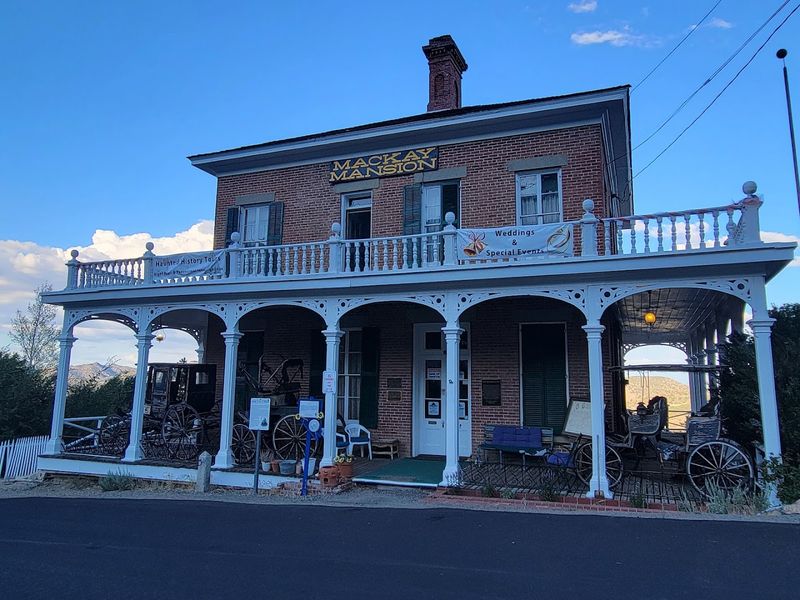
The Mackay Mansion offers another window into the wealth that the Comstock Lode produced, with period furnishings and grand rooms that speak to the extravagance of the silver boom.
Wandering away from C Street and into the quieter side roads rewards curious visitors with even more architectural details. This is a place where every building has a story, and the walls genuinely seem to remember them.
Mark Twain Found His Voice Right Here
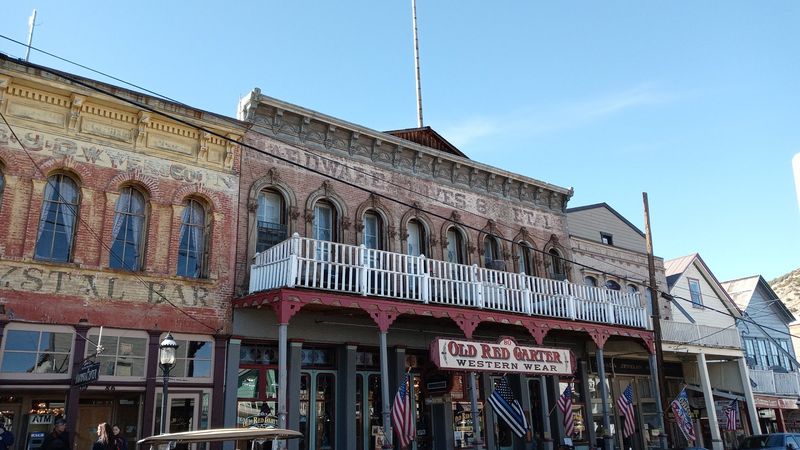
Long before the world knew his name, a young journalist was sharpening his wit at a Nevada newspaper desk. Virginia City is where Mark Twain launched his writing career, working as a reporter for the Territorial Enterprise during the 1860s.
The Territorial Enterprise was one of several newspapers operating in town at the height of the boom. It was a scrappy, opinionated publication, and it turned out to be the perfect training ground for one of America’s greatest storytellers.
The Territorial Enterprise building once housed a museum dedicated to Twain’s journalism career, including his original writing desk and printing memorabilia, though the space is currently undergoing renovation.
It is a fascinating stop for literature fans and history buffs alike. The idea that the man behind some of the most beloved American novels once walked these same wooden sidewalks adds a rich literary layer to an already compelling destination.
Ghost Tours and Haunted Hotspots
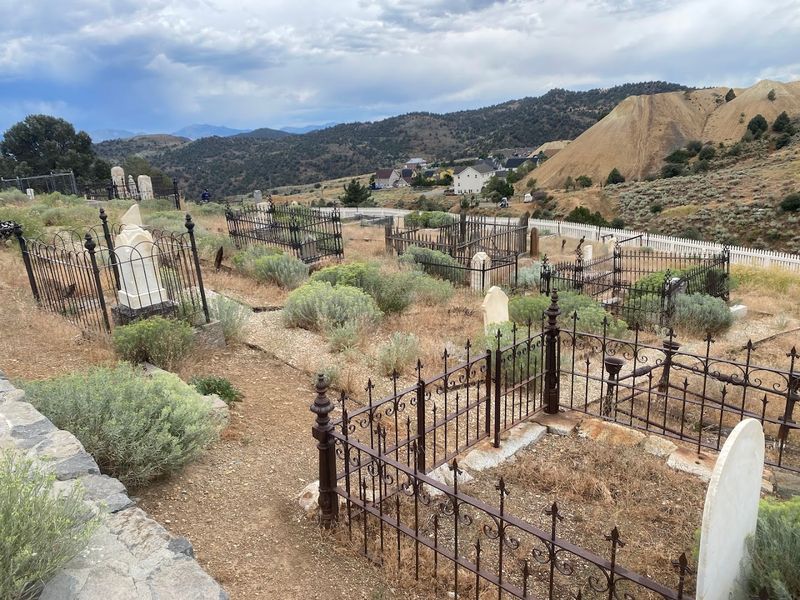
Virginia City takes its haunted reputation seriously. It has earned recognition as one of the most haunted towns in the United States, and locals are proud to tell you exactly why.
A Victorian-era social club turned ghost tour attraction tops most ghost hunters’ lists.
The Silver Terrace Cemetery sits on a hillside overlooking town and offers its own atmospheric experience. Historic grave markers and sweeping views of the Nevada high desert make it a surprisingly moving place to visit, haunted reputation aside.
The Gold Hill Hotel, located just south of town, is another frequently cited location for reported supernatural encounters. Ghost tours operate regularly and cover multiple sites in a single evening, making it easy to explore Virginia City’s spooky side without missing any of the highlights.
These tours are as entertaining as they are eerie.
Camel Races, Outhouse Derbies, and Other Only-in-Nevada Events
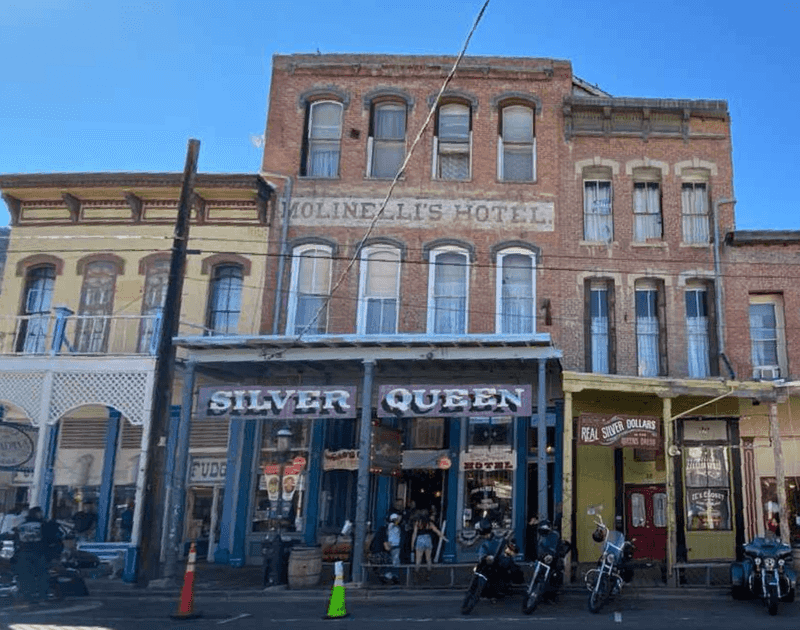
Virginia City does not do ordinary events. The International Camel and Ostrich Races have been drawing crowds to this Nevada town for decades, turning a dusty main street into one of the most unexpected racing venues in the country.
The World Championship Outhouse Races take the quirk up another level. Teams build and decorate outhouses on wheels, then race them through downtown Virginia City in a spectacle that is equal parts absurd and completely entertaining.
It is the kind of event you have to see to believe.
The Rocky Mountain Oyster Fry adds a culinary twist to the town’s event calendar. Brave eaters gather to sample a delicacy that most food festivals would never dare to feature.
Virginia City leans into its identity as a place that celebrates the unusual with full commitment.
These events draw visitors from across the region and beyond. They also capture something essential about the town’s spirit, a community that has always known how to have fun on its own unpredictable terms.
Seventeen Museums Packed Into One Small Town
For a town with a population that fits comfortably in a single city block, the museum count here is extraordinary. Virginia City reportedly houses around 17 museums within its compact boundaries, covering history, culture, industry, and the arts.
Piper’s Opera House is one of the most celebrated. This beautifully restored Victorian theater once hosted performers traveling the Western circuit and continues to serve as a cultural landmark in the heart of town.
The Historic Fourth Ward School Museum gives visitors a hands-on sense of what education looked like in a 19th-century Nevada boomtown. Its 1876 classroom is remarkably well preserved.
The Way It Was Museum focuses on mining artifacts and maps, offering a detailed look at the mechanics behind the Comstock Lode’s massive output.
Together, these museums create a learning experience that goes far beyond a single afternoon. History lovers can easily spend a full day moving from one collection to the next without ever leaving the main streets of Virginia City.
The Virginia and Truckee Railroad Still Runs
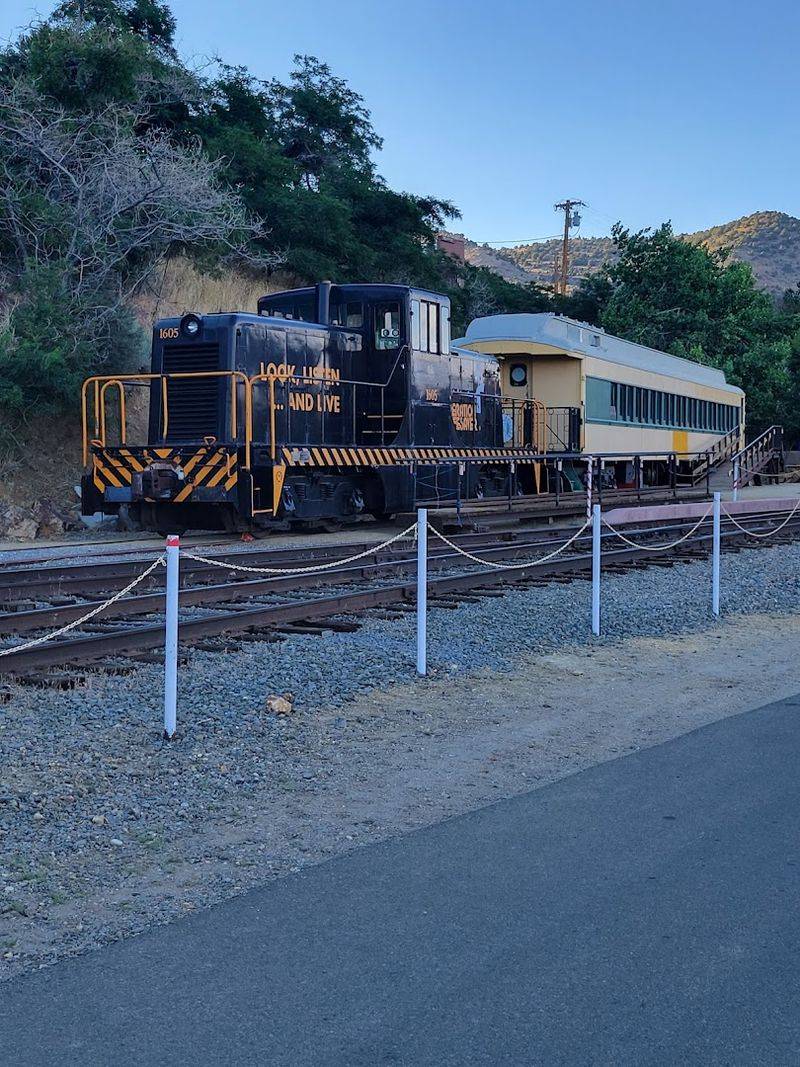
The drive up from Reno, about 26 miles southeast, winds through terrain that shifts gradually from suburban sprawl to open range and rugged hillside. The Virginia and Truckee Railroad has been connecting this corner of Nevada to the outside world since the height of the silver boom.
Today, passengers can board historic train cars and travel the same routes that once carried silver ore, supplies, and thousands of miners. The views along the way are spectacular, with sweeping panoramas of the high desert canyons and rugged hillsides that defined the Comstock landscape.
Routes connect Virginia City to Gold Hill, and additional journeys run from Carson City, offering different perspectives on the region’s dramatic terrain. The railway experience is a favorite for families, history enthusiasts, and anyone who appreciates a scenic ride with serious historical weight behind it.
Few things capture the spirit of the Old West quite like the sound of a steam whistle echoing through a Nevada canyon. This railroad is not just a tourist attraction, it is a living piece of American transportation history.
Women Have Always Run This Town
Here is a fact that surprises most visitors. A reported 55 percent of Virginia City’s businesses are owned or managed by women, a legacy that traces back to the boomtown era.
That is not a recent development tied to modern trends but a continuation of a much older legacy.
During the mining boom, women played essential roles in building and sustaining the boomtown economy. They ran boarding houses, restaurants, laundries, and entertainment venues at a time when such entrepreneurship required serious grit and determination.
That pioneer spirit is still visible today. Walking through the shops, boutiques, and eateries of C Street, it becomes clear that the people driving Virginia City’s economy are as tenacious as the miners who first put it on the map.
This aspect of the town’s culture adds a compelling dimension to any visit. It is a reminder that the story of the American West is not just about prospectors and railroads.
It is equally about the women who built lasting communities out of rugged Nevada hillside settlements.
The High Desert Views Are Worth the Drive Alone
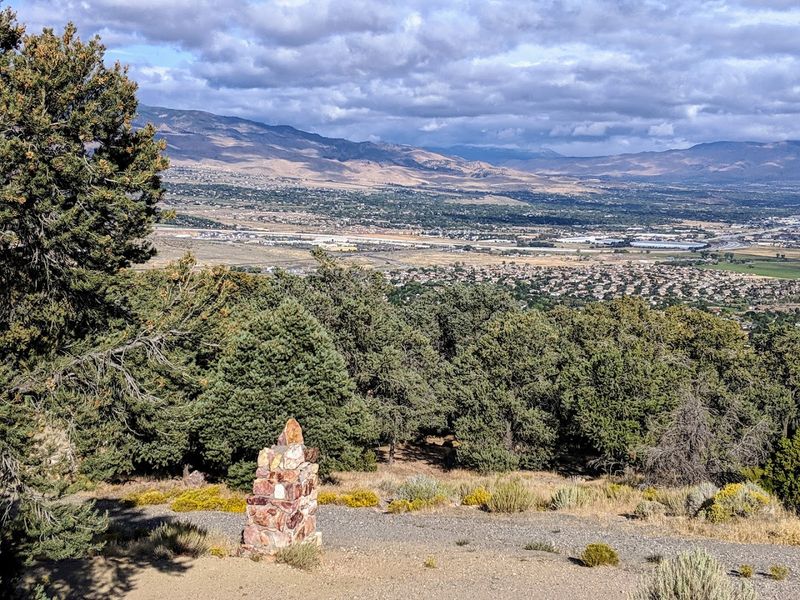
Sitting at 6,200 feet on the slopes of Mount Davidson, Virginia City commands views that stretch across the Nevada high desert in every direction. The landscape is stark, wide, and completely different from anything most visitors expect.
The drive up from Reno, about 20 miles southeast, winds through terrain that shifts gradually from suburban sprawl to open range and rugged hillside. By the time Virginia City appears on the ridge, the elevation and the views make the journey feel like an arrival at somewhere genuinely remote.
From the Silver Terrace Cemetery, the panorama extends across Storey County and into the valleys beyond. On clear days, the scale of the surrounding desert is almost disorienting in the best possible way.
Photographers and outdoor enthusiasts find plenty to work with here, even without setting foot in a single museum or restaurant. The natural setting of Virginia City is a destination in its own right, offering a dramatic backdrop that perfectly frames the town’s already remarkable history and character.
C Street Is Just the Beginning
Most visitors stick to C Street, and it is easy to understand why. The main drag delivers everything you came for: shops, food, history, and atmosphere packed into a few lively blocks.
But the real character of Virginia City lives just around the corner.
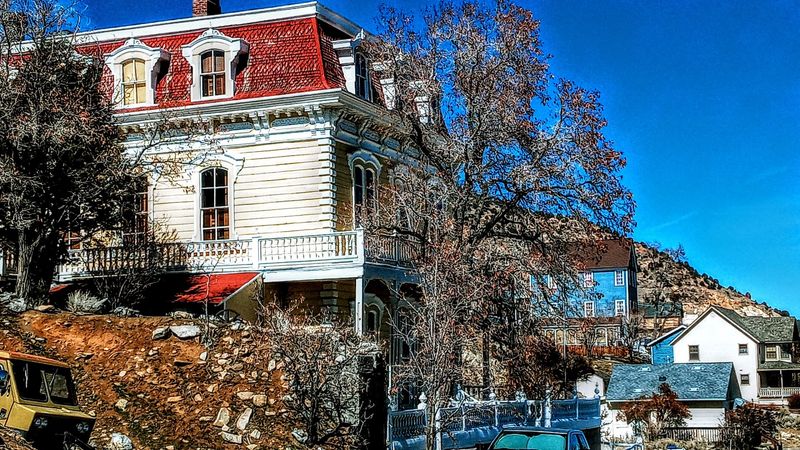
Side streets branch off in both directions, revealing quieter pockets of Victorian architecture that feel completely untouched by tourist traffic. Old homes, weathered fences, and overgrown lots hint at the thousands of lives once lived here during the boom years.
The Mackay Mansion sits off the main drag and offers a rare look inside the domestic world of Virginia City’s wealthiest residents. Its period furnishings and grand proportions make it one of the most visually striking stops in town.
Exploring beyond C Street also means stumbling onto unexpected viewpoints, tucked-away cemeteries, and quiet spots where the only sound is the Nevada wind moving through the sagebrush. That kind of discovery is what turns a quick visit into a full-day adventure worth remembering long after you leave.
A National Historic Landmark With a Living Pulse
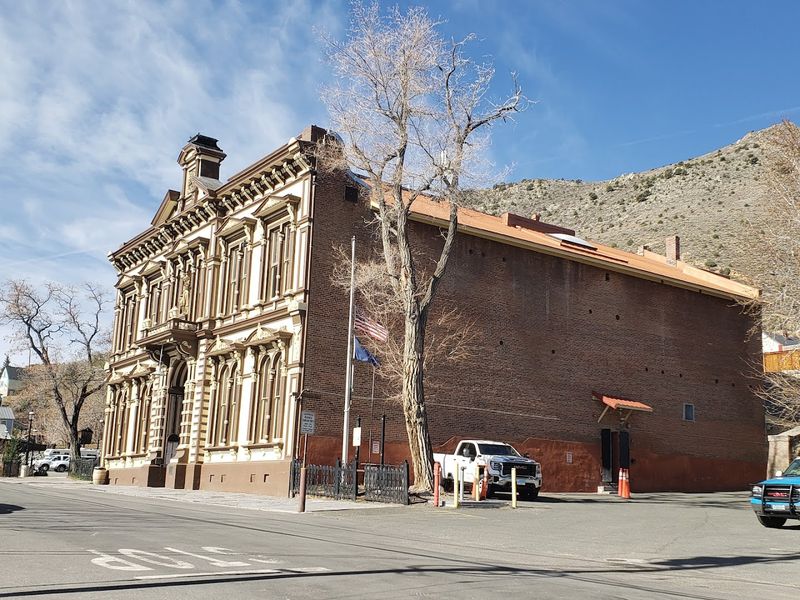
In 1961, the federal government recognized what anyone who visits already knows. Virginia City was designated a National Historic Landmark District, cementing its place as one of the most significant preserved historic sites in the American West.
The designation covers the town’s Victorian architecture, its mining infrastructure, and the broader cultural landscape that developed around the Comstock Lode. It is one of the few places in Nevada where 19th-century urban life is preserved at this scale and with this level of authenticity.
What makes Virginia City different from a typical historic site is that it is not frozen behind velvet ropes. People live here, businesses operate here, and new stories are being written alongside the old ones every single day.
The address most visitors center their exploration around is C Street, Virginia City, NV 89440. From that starting point, the entire Landmark District fans out in every direction.
It is a rare place where the past and present share the same wooden sidewalk without either one feeling out of place.