
Florida’s Best Kept Secret A Restaurant You Reach By Boat
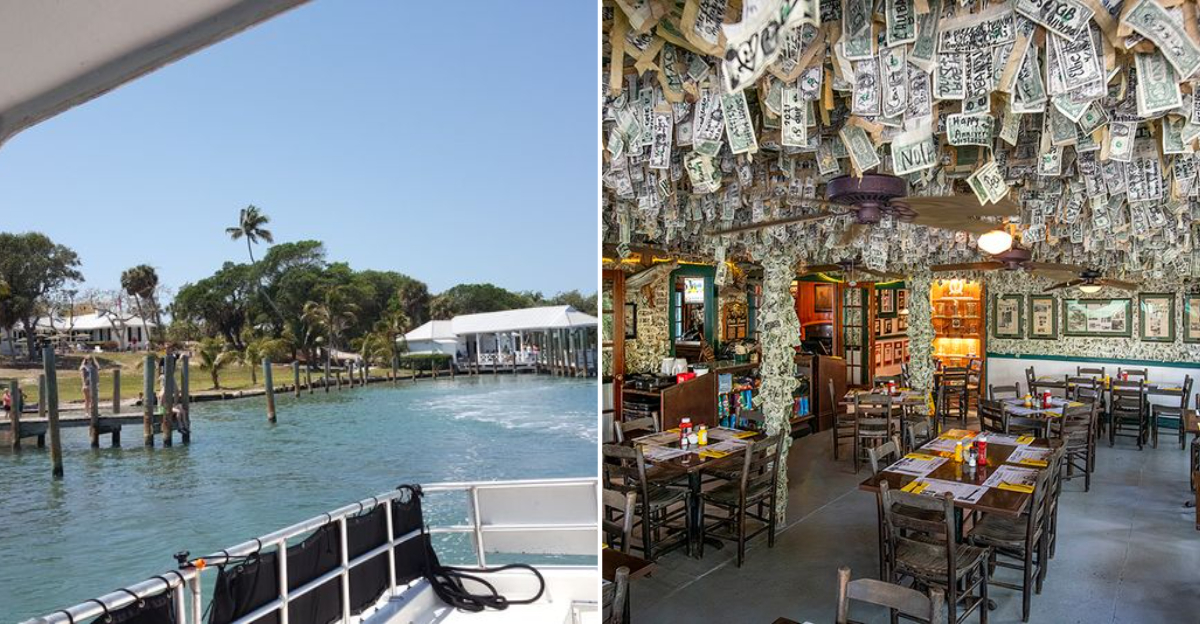
Have you ever been taken by boat to a restaurant you were eager to visit? If you thought that only happened in films or reality shows, you were mistaken.
In the state of Florida, there is a place that turns a simple dinner into a small adventure. This hidden gem can only be reached by water.
To get there, you need to hire someone to take you across the calm, shimmering surface. The journey builds anticipation with every passing minute.
The shoreline slowly fades, and the ordinary world feels distant. When you finally arrive, it feels earned, almost secret.
The food reflects the surroundings, fresh and shaped by the season. Every plate feels connected to the water that carried you there, as if the experience begins long before the first bite.
Boat Transportation Options To Remote Dining Spots
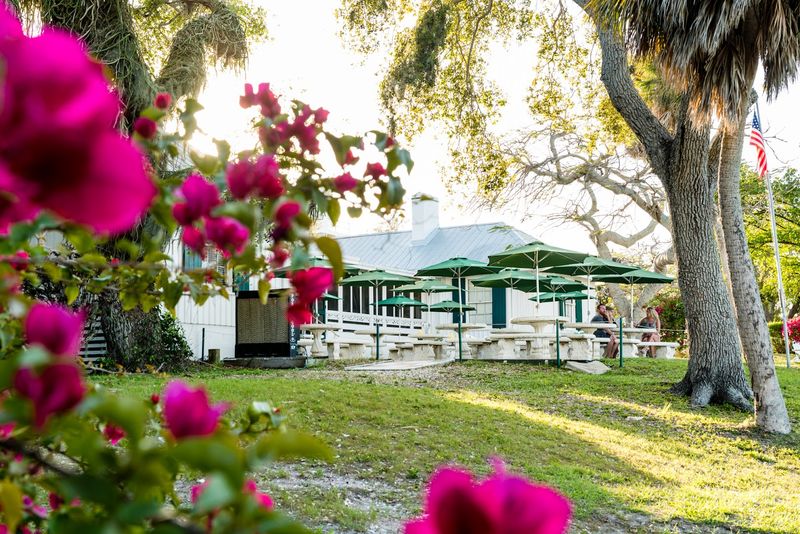
Getting to Cabbage Key Inn and Restaurant is half the adventure, and it starts the moment you step onto a boat. This place is only reachable by water.
No bridge. No road.
Just open water and good vibes.
Water taxis run regularly from Pine Island and nearby marinas, making it easy, even if you don’t own a boat. Most visitors catch a ride from Pineland Marina or book through local tour operators.
The ride usually takes about 20 to 30 minutes, depending on where you launch from.
Private vessels are also welcome at the dock, so if you have a boat, bring it. Kayakers have made the trip, too, though that takes a bit more commitment.
The journey itself sets the mood before you even arrive. You are already in vacation mode the second the engine starts.
Planning with a reservation helps you coordinate your water taxi timing perfectly. Find this restaurant at Pineland, FL 33945.
Signature Seafood Dishes Inspired By Coastal Waters
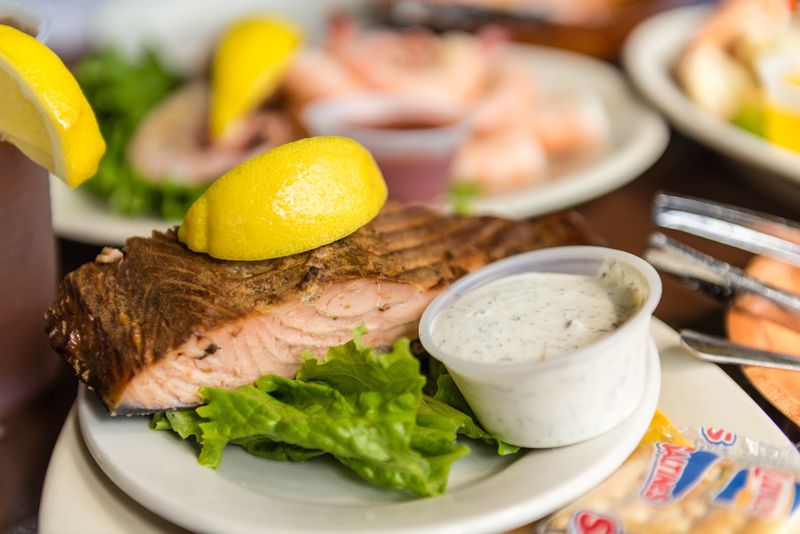
The Cabbage Key Hamburger is the dish that started a legend. Rumor has it that this very burger inspired Jimmy Buffett to write “Cheeseburger in Paradise,” and once you bite into one, you completely understand why a song was born from it.
It is simple, satisfying, and absolutely iconic.
Beyond the burger, the menu leans hard into fresh coastal seafood. Grouper, shrimp, and local fish caught from the surrounding Gulf waters show up regularly.
The kitchen keeps things straightforward because when ingredients are this fresh, they don’t need much help.
Stone crab claws are a seasonal highlight that draws serious seafood fans from across the state. The chowder is thick, creamy, and tastes like someone’s grandmother perfected the recipe over decades.
Portions are solid without being overwhelming. Everything on the plate reflects where you are, surrounded by water, on a tiny Florida island with serious cooking happening inside a historic building that has been feeding hungry boaters since 1938.
The Scenic Water Views
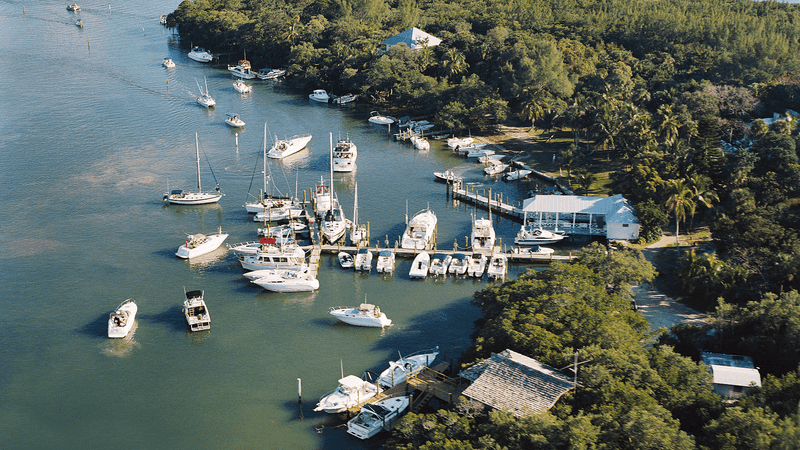
Pine Island Sound wraps around Cabbage Key like nature designed it specifically for postcards. The water shifts from deep blue to bright teal depending on the time of day, and watching that happen while eating lunch is genuinely hard to beat.
Pelicans cruise past the dock like they own the place, because honestly, they kind of do.
The restaurant’s open-air setup means you’re never far from the view. Tables near the windows and the porch area give you unobstructed sightlines across the sound.
Dolphins have been spotted swimming near the dock, which turns any ordinary meal into a full wildlife experience.
Sunsets at Cabbage Key are a whole separate event. The sky turns orange and pink over the water in a way that makes phones come out immediately.
Mangroves line the shoreline and create a natural frame around the island. Watching boats drift past while the light fades is one of those moments where you forget about everything else.
The view alone justifies the boat ride, even before the food arrives.
History And Culture Surrounding Marine Accessible Eateries
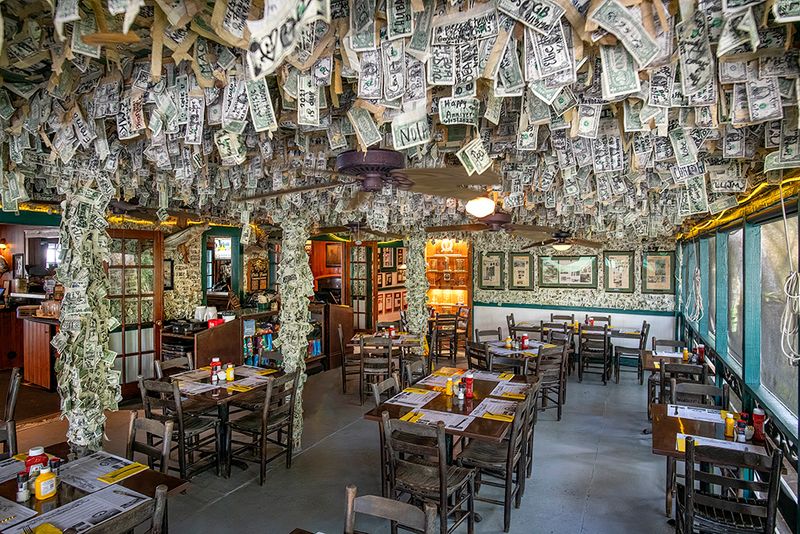
Cabbage Key has been around since 1938, built on an ancient Calusa Indian shell mound that rises about 38 feet above sea level. That’s unusually high for Southwest Florida, where most of the land sits barely above the water.
The original structure was a private home built by novelist and playwright Alan Ladd Rinehart, son of mystery writer Mary Roberts Rinehart.
The most talked-about feature inside is the walls. Thousands of dollar bills cover nearly every surface, a tradition that started when fishermen pinned money to the wall for insurance against a bad day.
Over time, it became a ritual. Visitors from all over the world have added their bills, making the interior a living, breathing piece of folk art.
Florida has a strong culture of boat-accessible restaurants, and Cabbage Key sits at the top of that tradition. Cap’s Place in Lighthouse Point opened in 1928 as a speakeasy.
These places carry stories that most restaurants never accumulate. Eating at spots like these isn’t just a meal.
It’s a connection to a longer, wilder chapter of Florida history that most tourists never find.
Sustainability Practices In Waterfront Restaurants
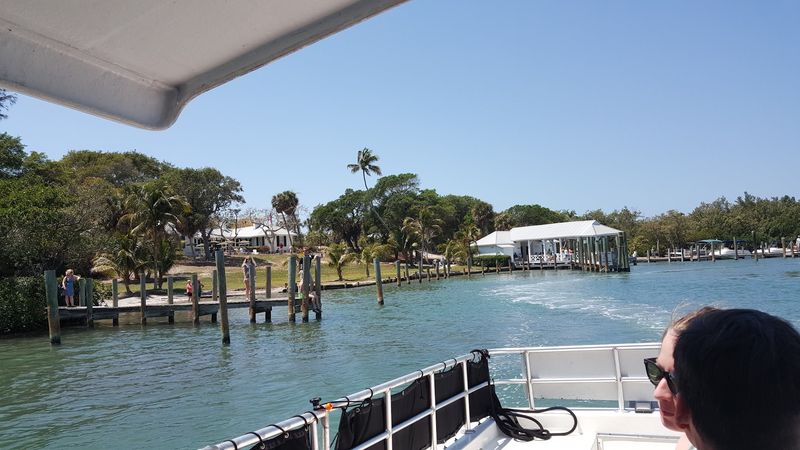
Running a restaurant on a remote island comes with real logistical challenges, and those challenges push places like Cabbage Key to think carefully about how they operate. Everything that comes onto the island arrives by boat.
Everything that leaves does too. That reality shapes how the kitchen handles waste, sourcing, and supplies every single day.
Fresh seafood is sourced locally as much as possible, which reduces the carbon footprint tied to long-distance food transport. Supporting local fishermen also keeps money inside the Southwest Florida coastal economy.
It’s a practical choice that happens to be the right one environmentally.
Island restaurants in Florida increasingly focus on reducing single-use plastics, a major issue in marine environments. Reusable containers, responsible waste disposal, and minimal packaging are becoming standard expectations at waterfront spots.
Guests who arrive by boat are already choosing a lower-impact travel method compared to driving to a crowded mainland restaurant. The whole experience at Cabbage Key naturally aligns with a slower, more intentional way of eating and traveling.
Protecting Pine Island Sound isn’t just good ethics. It’s also protecting the view that makes the restaurant worth visiting in the first place.
Seasonal Ingredients Highlighted In Exclusive Menus
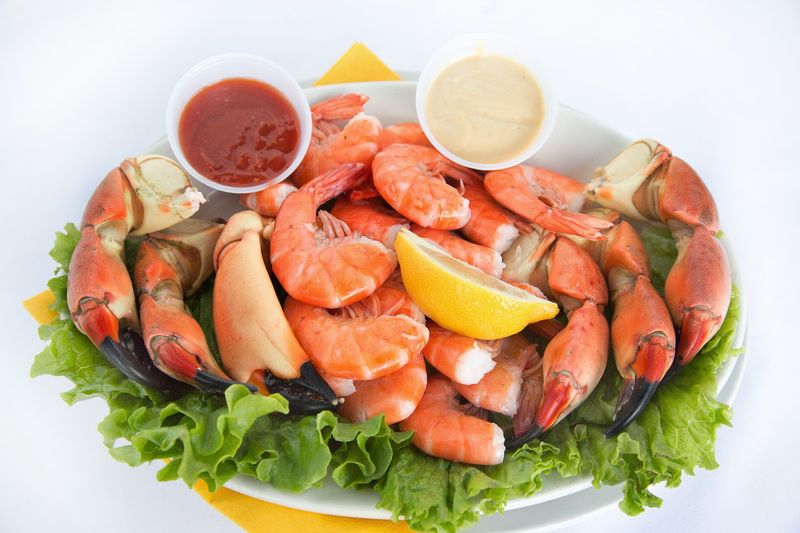
Stone crab season in Florida runs from October through May, and Cabbage Key makes the most of it. When those claws are available, they show up on the menu and disappear fast.
Stone crab is sweet, firm, and unlike anything else pulled from Florida waters. Timing your visit around the season is genuinely worth the effort.
Gulf grouper is another seasonal standout that local chefs love to work with. The fish is mild, flaky, and absorbs flavors in a way that makes simple preparations shine.
When grouper is fresh off a nearby boat, the difference in taste compared to frozen fish is immediately obvious to anyone paying attention.
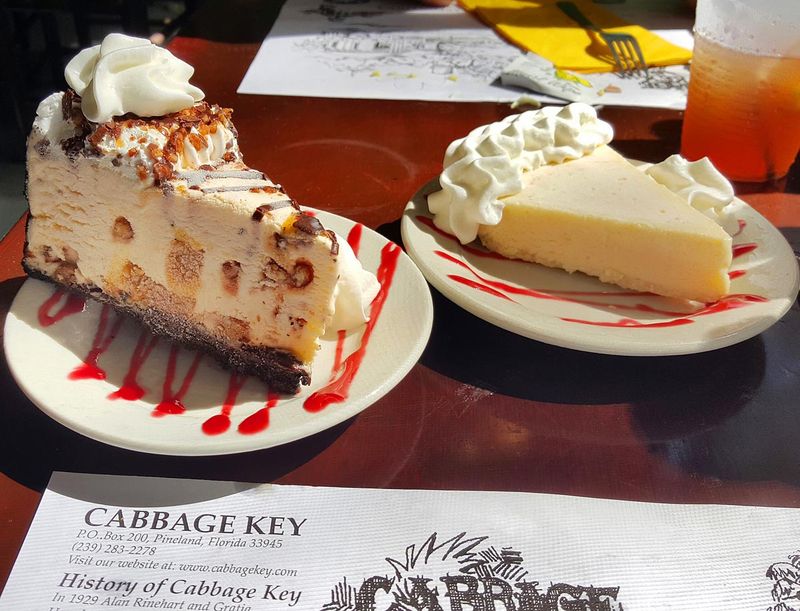
Florida’s tropical climate also brings seasonal produce into the picture. Mango, key lime, and local citrus show up in sauces, desserts, and sides throughout the warmer months.
The kitchen at Cabbage Key reflects the island’s location by leaning into what’s actually growing and swimming nearby. Menus shift with the seasons rather than staying frozen year-round.
That flexibility keeps things interesting for repeat visitors. It also ensures every plate tells a story about the current moment in Southwest Florida’s natural calendar.
Local Beverage Pairings Complementing Nautical Flavors
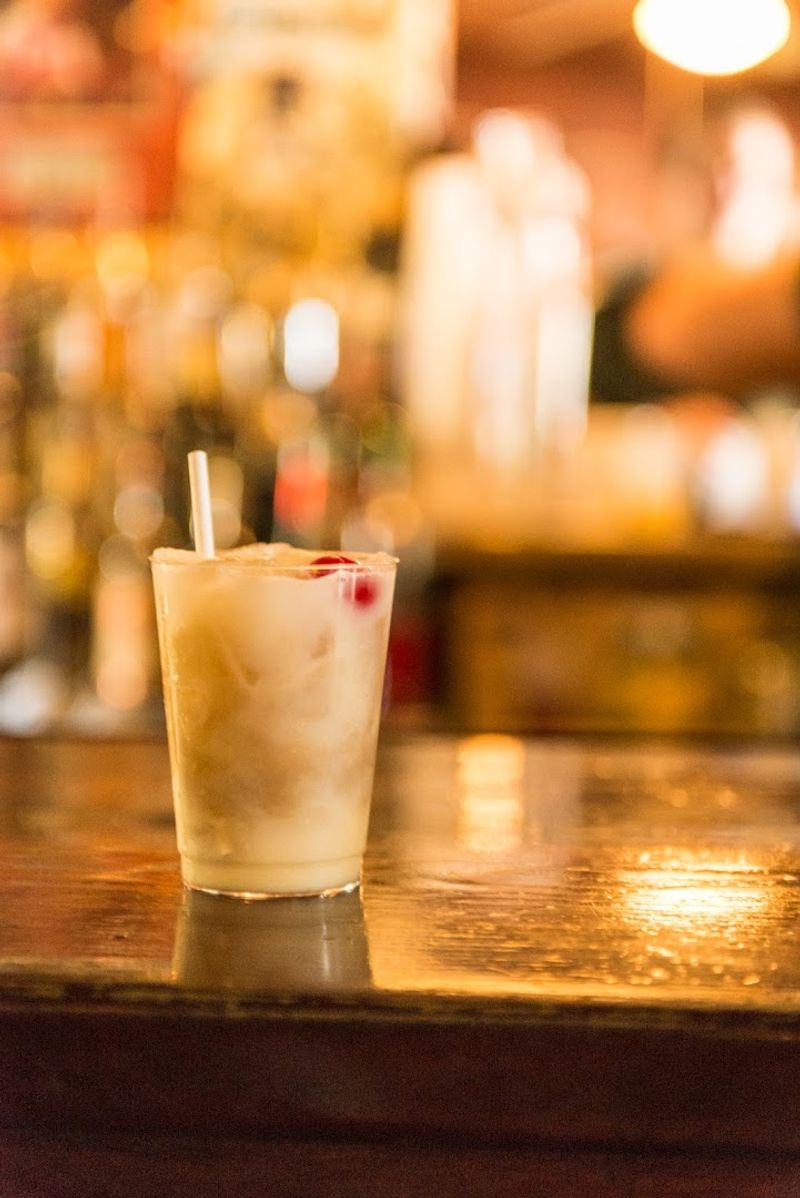
Fresh-squeezed citrus drinks are the natural pairing for coastal seafood in Florida. Key lime lemonade, fresh orange juice, and tropical fruit blends cut through the richness of fried fish and chowder without competing with the flavors.
They also taste about ten times better when you’re sitting on an island surrounded by water.
Florida craft sodas and locally made ginger beers have grown in popularity at waterfront spots. The spice and fizz of a good ginger beer work surprisingly well alongside stone crab or grilled shrimp.
It’s one of those pairings that sounds odd until you try it, and then you wonder why you ever ordered anything else.
Sparkling water with citrus is another clean choice that keeps your palate fresh between bites of bold seafood. Florida’s warm climate makes cold, refreshing drinks feel almost necessary rather than optional.
Iced sweet tea remains a regional staple that pairs with nearly everything on a coastal menu. The goal is always to complement the food rather than overpower it.
At Cabbage Key, the setting already does most of the sensory heavy lifting, so simple, well-made drinks are what the experience calls for.
Tips For Planning A Memorable Boat Access Dinner
Reservations at Cabbage Key are strongly recommended, especially on weekends and during peak season between November and April. The island has limited seating and a loyal following of repeat visitors.
Calling ahead saves you from making the boat trip only to find a full house waiting at the dock.
Check the weather before you go. Pine Island Sound can get choppy when afternoon storms roll in, which happens fast in Florida.
Morning departures tend to offer calmer water and cooler temperatures, making the boat ride more comfortable in every direction.
Wear comfortable shoes you don’t mind getting wet. Docking situations vary and sometimes require stepping off onto a wet surface.
Bring sunscreen, sunglasses, and a light layer for the ride back in the evening when temperatures drop over the water. Let someone on shore know your departure and return plan as basic safety practice.
Most importantly, build extra time into the day. Rushing a boat trip to a remote island restaurant defeats the entire purpose.
The experience is meant to be slow, scenic, and memorable. Leave early, enjoy the ride, and plan to stay longer than you think you need to.
You will not regret it.