
Full Tuition Scholarships Help This Tiny Kentucky College Town Stand Out Far Beyond Its Small Campus
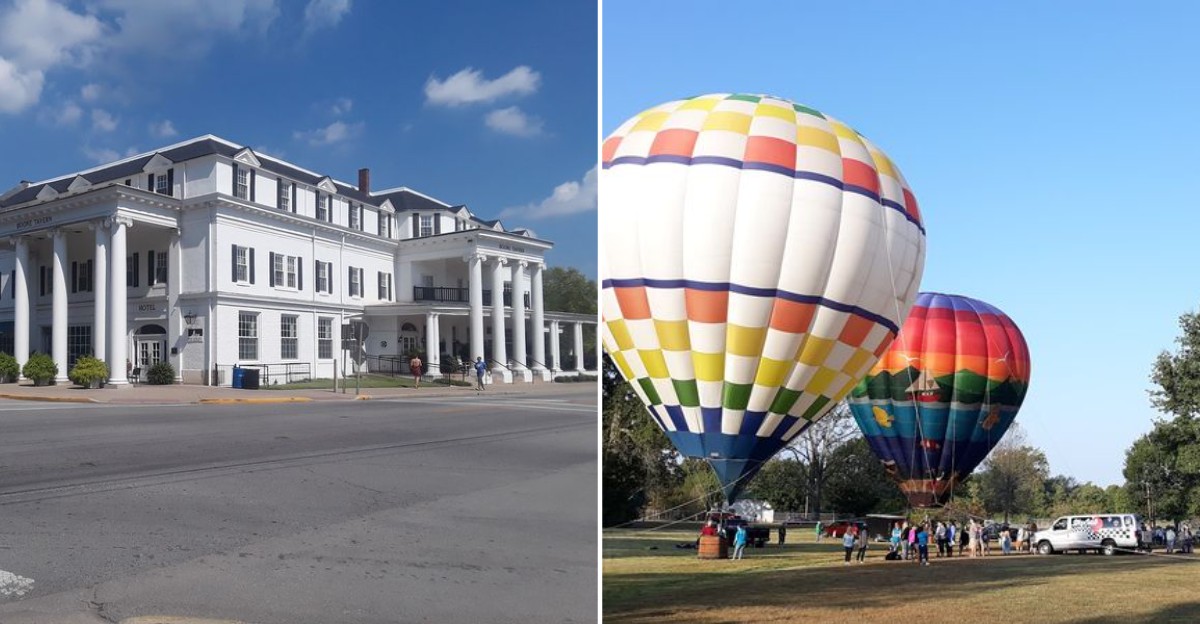
Finding out you’ve earned a scholarship sends a rush through you almost like winning a gold medal. All those years of studying and sacrifice suddenly feel worth every bit of it.
This tiny Kentucky college town offers exactly that kind of moment, with full tuition scholarships tied to a reputation that reaches far beyond its small campus. Nothing about the program feels handed out without real effort behind it.
Students who earn the scholarship often speak about the process with genuine pride. The town itself stays small and close-knit, adding to the personal feel of the entire experience.
Regulars in the area know the college by reputation alone, even without any direct connection to it. This town proved that a big reputation doesn’t require a big population to back it up.
The No Tuition Promise That Started It All
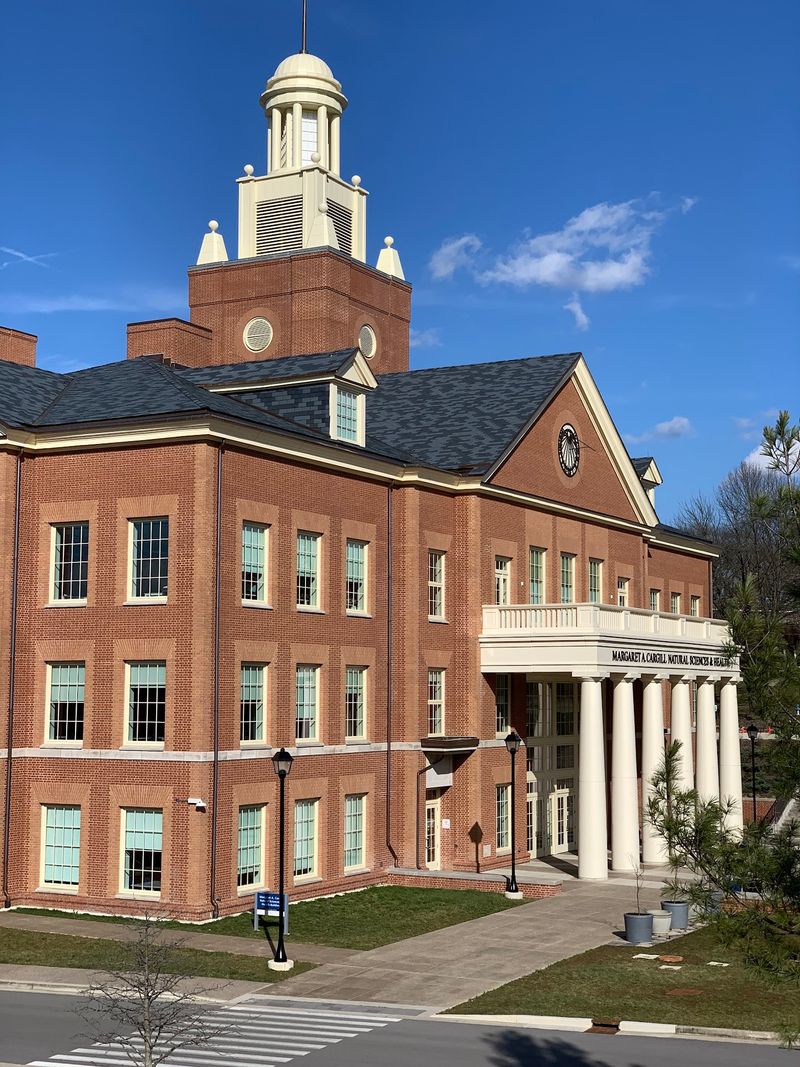
Imagine opening a college acceptance letter and finding out the tuition bill is zero. For every student admitted to Berea College, that is exactly what happens.
I still think it is one of the coolest facts about any school in America.
The college opened its doors in 1855, and it has been doing things differently ever since. Its No-Tuition Promise gives each admitted student a full scholarship that covers all of their tuition. No student here pays tuition, period.
So who gets to go? Berea focuses on academically promising students who come from families with limited money.
A large share of them grow up in Appalachia, the mountain region that stretches across Kentucky and nearby states.
The help keeps going after the tuition part. Students can receive laptops, money for professional clothes, and funding for internships.
That means a student can show up to a job interview looking sharp without stressing over the cost of a blazer.
Here is my practical tip for anyone curious. If you know a hardworking teen who dreams of college but worries about money, tell them about Berea.
It could change the whole direction of their life.
The campus itself is small and walkable, with brick buildings and shady lawns sitting right next to downtown. You can find it at 101 Chestnut Street, Berea, KY 40404.
Work Hours That Build Real Skills
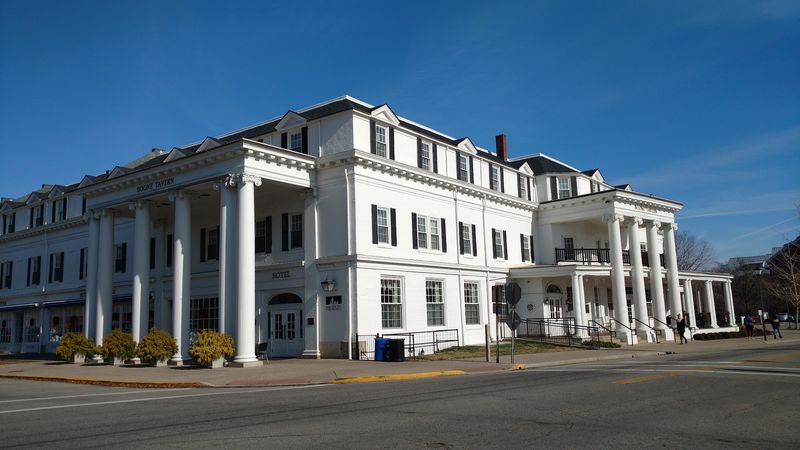
Free tuition sounds like a dream, but Berea students are not lounging around. Every student works at least 10 hours a week in a campus job.
The program is now called Path to Purpose, and it is a big part of what makes this school special.
The jobs are real jobs. Students might help run offices, care for the grounds, assist in labs, or make crafts that get sold to the public.
Some work in dining halls, and others help with events or technology.
My favorite part is the craft history. Students have been making handcrafted goods through the labor program since the late 1800s.
Think about that for a second, because the tradition started before most people had ever seen a car.
The college says the work brings economic, educational, social, personal, and spiritual benefits. In plain words, students learn how to show up on time, work on a team, and feel proud of what they do.
For readers still in school, here is a helpful idea. A part-time job, even a small one, teaches lessons that textbooks cannot. Berea just built an entire college around that idea.
By graduation, students leave with a diploma and a resume packed with real experience. Not bad for a school that skips the tuition bill.
Honestly, plenty of adults would love a deal that good.
A Founding Mission Ahead Of Its Time
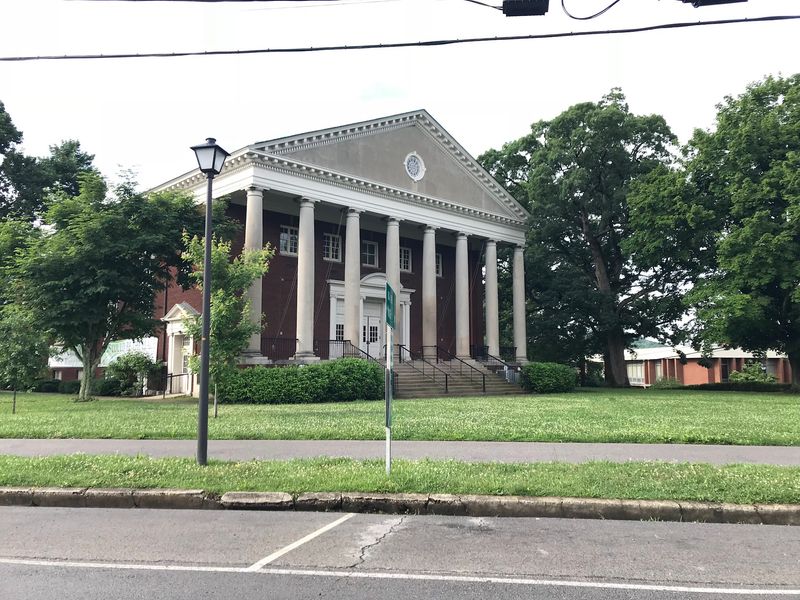
“God has made of one blood all peoples of the earth.” That line is the college motto, and it tells you a lot about how Berea began. It was chosen at a time when many people in the South refused to accept that idea.
The founder, Reverend John G. Fee, was a strong abolitionist who wanted slavery ended.
He dreamed of a school and a town where Black and white people could learn and live together. Plenty of folks around him thought he was out of his mind.
He did it anyway. Berea College became the first interracial and coeducational college in the South, which means men and women of different races studied side by side.
For the 1800s, that was a bold move.
Today, the school still follows a mission called the Great Commitments. It has eight parts, including educational opportunity, a liberal arts education, inclusive Christianity, and the dignity of labor.
The list also covers the kinship of all people, equality between women and men, sustainable living, and serving the Appalachian region. It reads like a promise the school makes to itself every morning.
Here is why this history matters for anyone visiting the town. Walking around Berea means walking through a place that chose fairness when it was unpopular.
Knowing that story makes the quiet streets and old buildings far more interesting.
The Folk Arts And Crafts Capital Of Kentucky
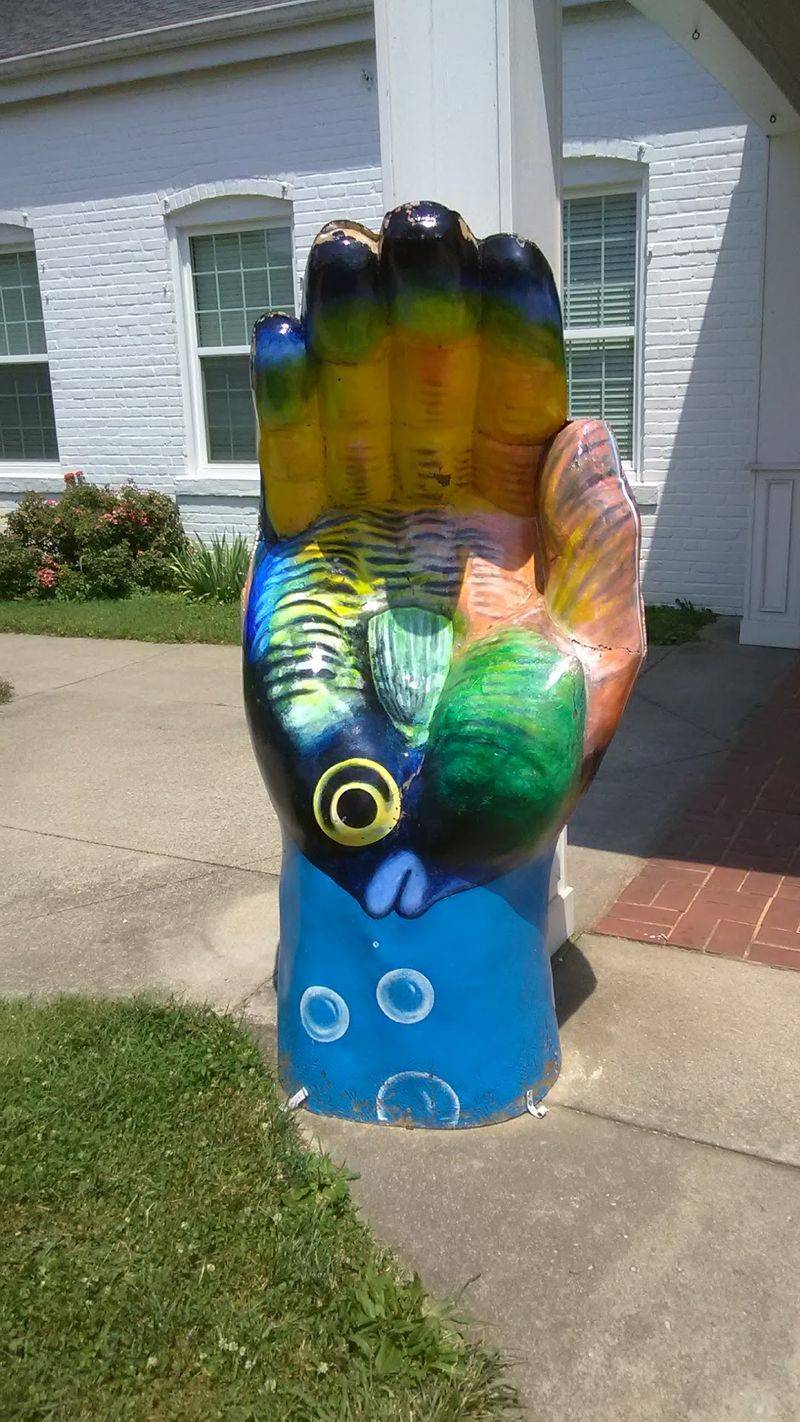
Some towns get known for a big factory or a famous sports team. Berea got known for brooms, baskets, and pottery.
Kentucky officially named it the Folk Arts and Crafts Capital of Kentucky, and the title fits like a hand-knit sweater.
The roots go back to the 1890s. Berea College started a program called Fireside Industries, which encouraged Appalachian families to keep weaving and woodworking alive.
It gave people a way to earn money while holding on to skills passed down from grandparents.
That idea stuck. Today the town is home to a lively crowd of artisans who work in pottery, weaving, woodworking, glass art, jewelry, and broomcraft.
Yes, broomcraft is a real thing, and the brooms here are almost too pretty to sweep with.
What makes this so fun is that the crafts are not just museum pieces. Artists are still making them by hand, often in small studios where the work happens in plain view.
Watching a potter shape a bowl on a spinning wheel is oddly relaxing.
Here is a tip for gift shoppers. Handmade items from Berea make great presents because each one carries a story about the person who made it.
A woven table runner beats another coffee mug any day.
If you have kids along, point out how long each piece takes to make. It is a sneaky way to teach patience.
Artisan Village And The Old Train Depot
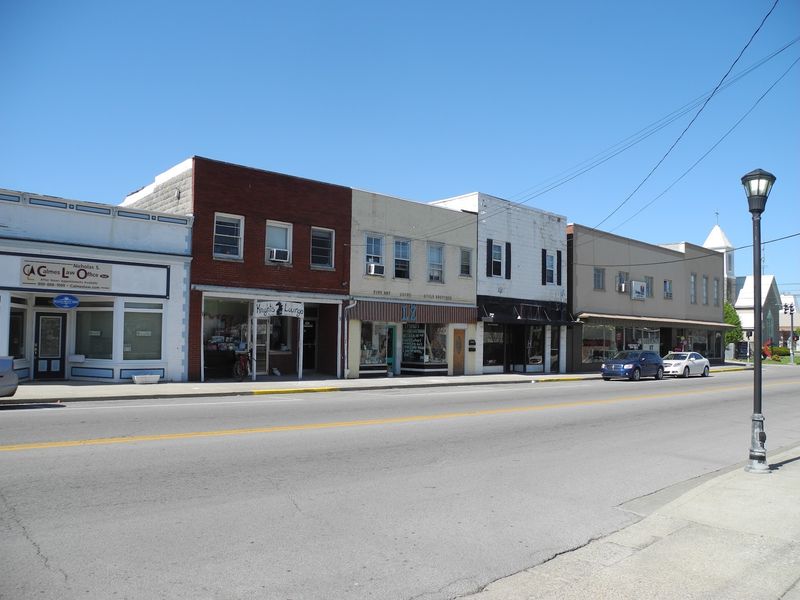
Back in 1917, trains rolled into Berea and stopped at a brand-new L&N railroad depot. That building has been restored and now serves as the Berea Welcome Center.
It is a smart first stop for maps, tips, and a little railroad history.
The depot anchors the Artisan Village in Old Town Berea. Think of this area as a neighborhood of working studios.
Instead of just shopping, visitors can watch artists actually making their pieces.
One studio might have a weaver working a big wooden loom. Another might have someone bending metal into jewelry or carving a spoon from a chunk of wood.
Every studio has its own smells too, from fresh sawdust to warm clay. It is like a field trip where nobody hands out a worksheet.
A short drive away, just off the interstate, sits the Kentucky Artisan Center at Berea. It shows off work from hundreds of Kentucky artisans all under one roof.
You can find quilts, carvings, prints, and handmade goods from every corner of the state.
My advice is to wear comfortable shoes and slow down. The fun here comes from chatting with the makers and asking how they learned their craft.
Those conversations stick with you longer than any souvenir.
Also, bring a bag with some room in it. Leaving empty-handed is harder than it sounds.
Hiking The Pinnacles And The College Forest
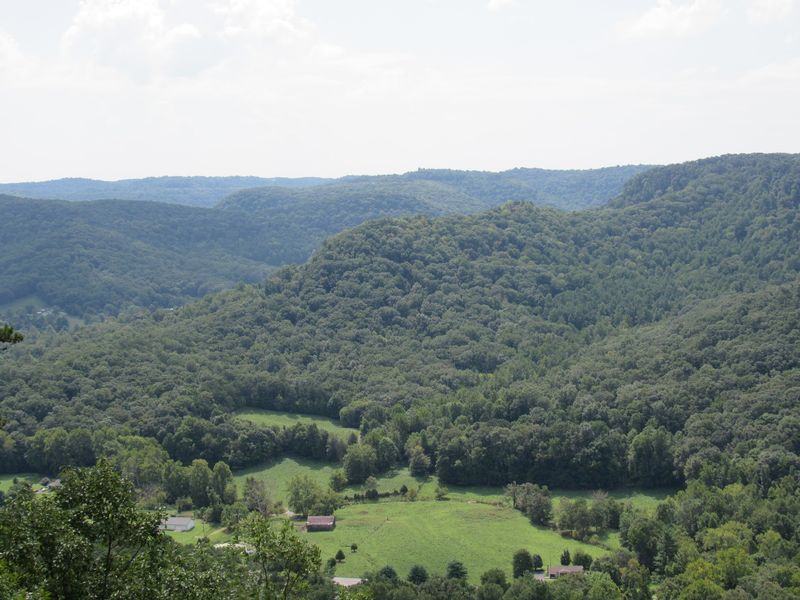
Crafts and classrooms are great, but Berea has a wild side too. The town sits in the foothills of the Appalachian Mountains, surrounded by more than 8,400 acres of forest.
Much of it is closed-canopy forest, meaning the treetops grow so close they form a leafy roof.
The star attraction is the Pinnacles Trails in the Berea College Forest. These paths climb up to rocky lookouts with wide views of farmland, hills, and woods.
On a clear day, the landscape seems to roll on forever.
Hikers should know the trails can get steep in spots. Bring water, wear shoes with good grip, and give yourself extra time for photos.
Your legs may complain, but your camera roll will thank you.
Berea has even earned the title of Trail Town because of how many good outdoor options it offers. That is a big deal for a place this size.
It means the trails are well cared for and easy to reach from town.
Water lovers are covered as well. Owsley Fork Reservoir offers a calm setting for kayaking, canoeing, fishing, and paddleboarding.
It is a peaceful spot for anyone who prefers paddling to climbing.
Fun fact for students reading this. The college forest also works as an outdoor classroom, where students can learn about trees, water, and wildlife.
Homework in the woods sounds way better than homework at a desk.
Festivals That Fill The Town Calendar

The best time to plan a trip to Berea might be simple. Pick a festival weekend.
The town fills its calendar with events that celebrate crafts, music, and food, and each one has its own personality.
The Berea Craft Festival brings in more than 100 juried artisans. Juried means experts pick the artists, so the quality stays high.
Expect booths packed with pottery, jewelry, woodwork, and art that you will not find in a big-box store.
If watching is not enough, the Festival of Learnshops lets people get their hands busy. Visitors take hands-on workshops led by working artists.
Someone who has never touched a loom could leave knowing how to weave a little something.
Music fans have their own treat. The Celebration of Traditional Music is a long-running festival devoted to old-time Appalachian tunes.
Fiddles, banjos, and foot-stomping rhythms carry sounds that go back generations in these hills.
Then there is the Spoonbread Festival, which honors a soft, fluffy cornbread dish that is more like a pudding than a loaf. It is usually eaten with a spoon, which explains the name nicely.
Yes, a whole festival for spoonbread, because Kentucky takes its comfort food seriously.
My tip is to check the town event listings before planning a visit. Festivals can get busy, so lodging fills quickly.
Arriving early also gives you first pick of the best handmade goods.
Why A Small Town Leaves Such A Big Mark
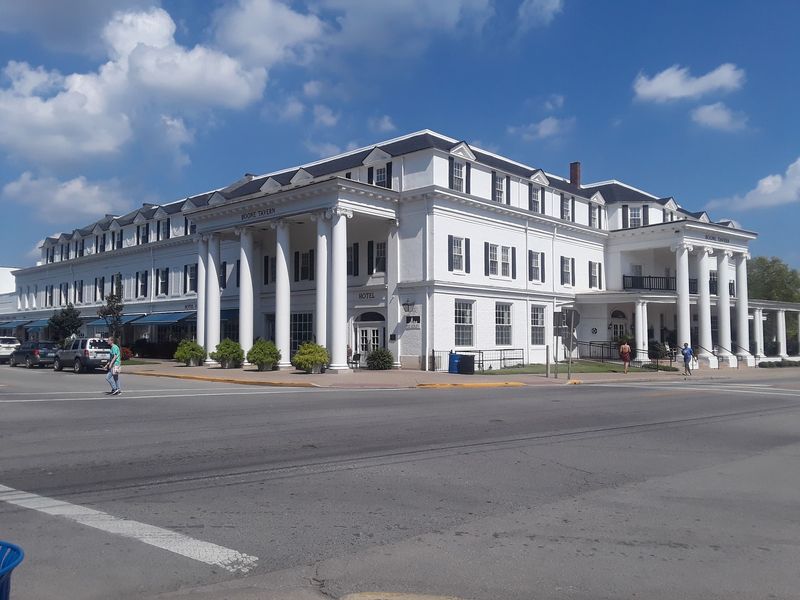
Berea has around 15,500 residents, according to the 2020 census. Everyone in town could fit inside a big college football stadium and still leave most of the seats empty.
Yet its name comes up in conversations about education, art, and fairness across the whole country.
Part of the reason is the college and its no-tuition model. When a school proves students can graduate without tuition debt, people pay attention.
Education experts and families alike look at Berea as an example of what is possible.
The other part is the town itself. Craft traditions keep Appalachian heritage alive, while new artists add fresh ideas to old skills.
A glassblower and a broom maker can share the same street, and somehow it all makes sense.
Then add the forests, trails, and reservoir, and the town becomes a place with something for nearly everyone. History buffs, hikers, shoppers, and music lovers can all plan a full weekend here.
What I love most is how the pieces connect. Students work with their hands, artisans teach their crafts, and the whole community values hard work and learning.
The free tuition is the headline, but the teamwork behind it is the real story.
For anyone hunting for a road trip with real meaning, put Berea on the list. It sits right off Interstate 75, an easy drive south of Lexington.
Few small towns pack this much heart, history, and handmade charm into one compact package.