
Hand-Dug Tunnels Run Beneath This Tiny Nevada Town’s Old Mining Park
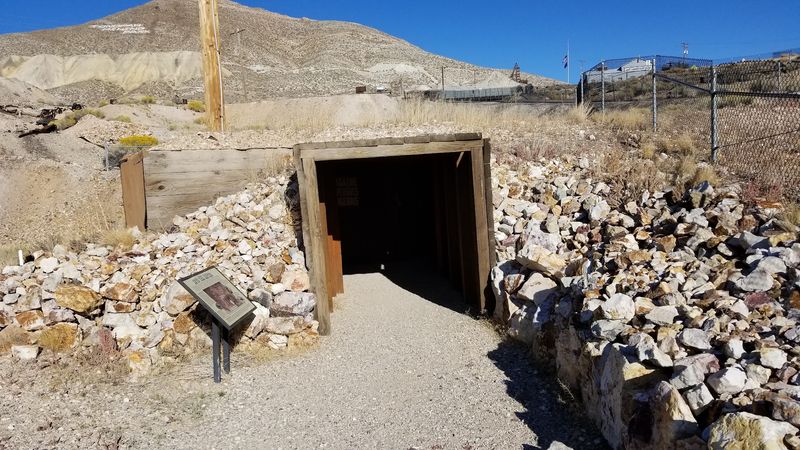
The plan was a quick leg stretch before getting back on a long, empty highway. Instead, a hillside of old headframes and rusty machinery in central Nevada took over the whole morning.
Beneath that dusty ground run tunnels dug by hand more than a century ago, and you can walk right into one. For families and retirees watching every dollar, it turned out to be one of the cheapest history lessons in the state.
Silver Country Perched Above a High Desert Town
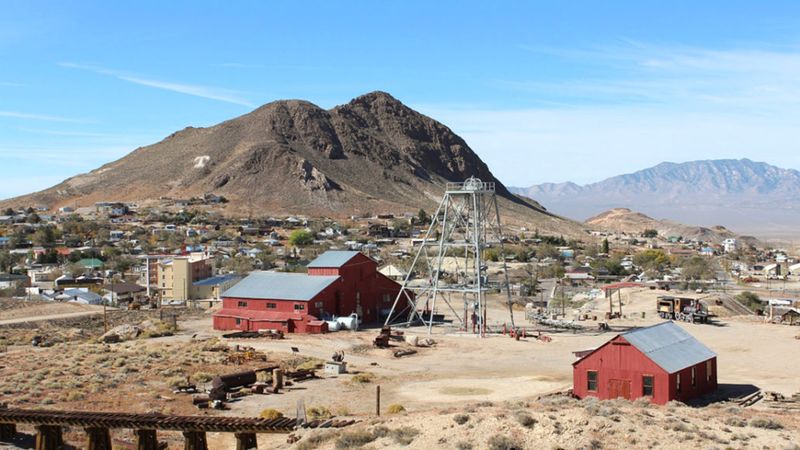
Picture a small town strung along a highway in central Nevada, with weathered wooden headframes rising on the hill right behind the main street. That hillside is Tonopah Historic Mining Park, found at 110 Burro Ave in Tonopah.
It sits so close to downtown that guests at the historic Mizpah Hotel are practically next door.
What makes the spot special is simple. The park covers more than 100 acres of the actual ground where the Tonopah silver rush began, not a replica built somewhere else.
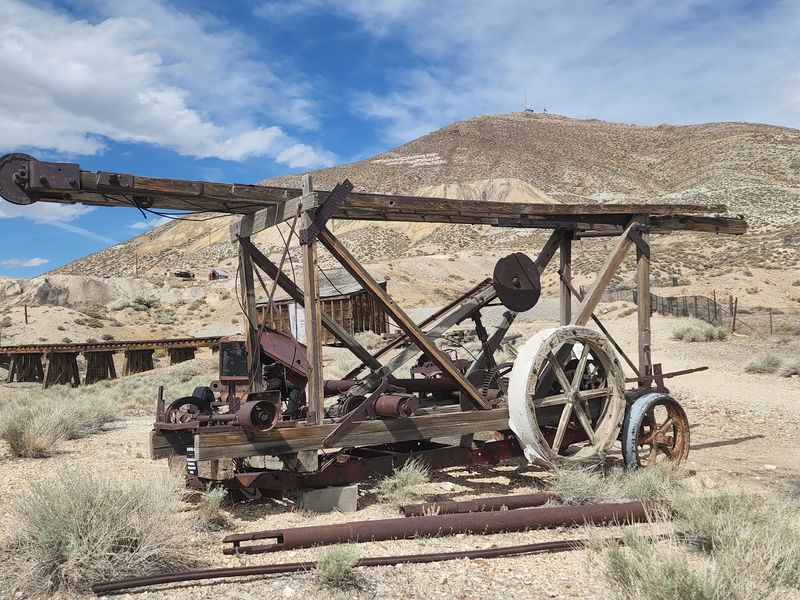
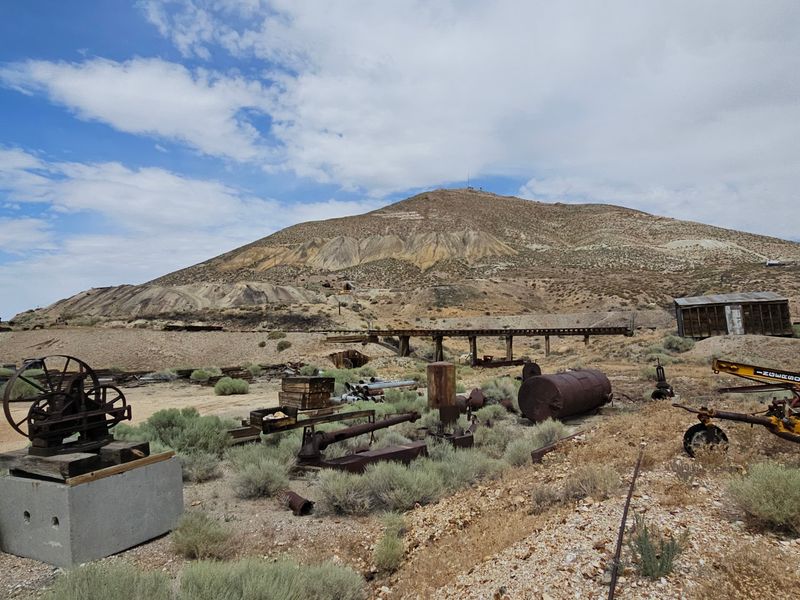
Old equipment, restored buildings, and mine openings are scattered right where the miners left them.
Because the park rests up on the hill, a walk around it also delivers wide views over the rooftops of town and the desert beyond. Most visitors start inside the visitor center, pick up a map, and then head out on a self-guided loop that can be as short or as long as their legs allow.
Is it a museum or a hike? Honestly, it is a bit of both.
You get indoor exhibits, outdoor structures with signs at each stop, and a chance to step underground, all in one place and for a small fee.
A Prospector’s Campsite and the Birth of a Boomtown
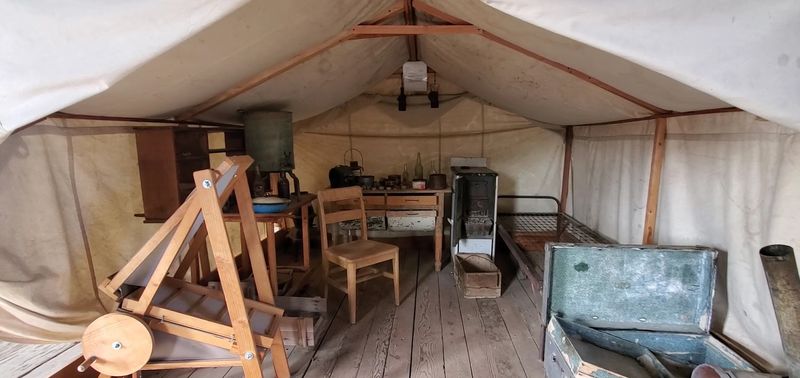
Legend has it that the whole story started with a campsite. In 1900, a prospector named Jim Butler reportedly stopped for the night in this area and noticed some promising-looking rocks.
Those rocks turned out to hold valuable silver ore, and the rush was on.
Butler did something unusual next. Rather than working every claim himself, he leased out the mines by the foot, and the people working those leases kept 75 percent of the profits.
That generous deal pulled in miners quickly, helped the district grow at a surprising pace, and gave many ordinary workers a real shot at prosperity.
Word spread fast. Tonopah soon earned the nickname “Queen of the Silver Camps” thanks to how much silver came out of its hills.
The mining park stands on the very claims where that discovery happened, so the dirt under your sneakers is part of the original tale.
For kids, this backstory makes the whole visit click. A movie in the visitor center retells the discovery in about 20 minutes, and it helps to watch it first.
Suddenly, those rusty buckets and hoists outside stop looking like random junk and start looking like clues from a treasure hunt.
Four Original Mining Companies Spread Over 100 Acres
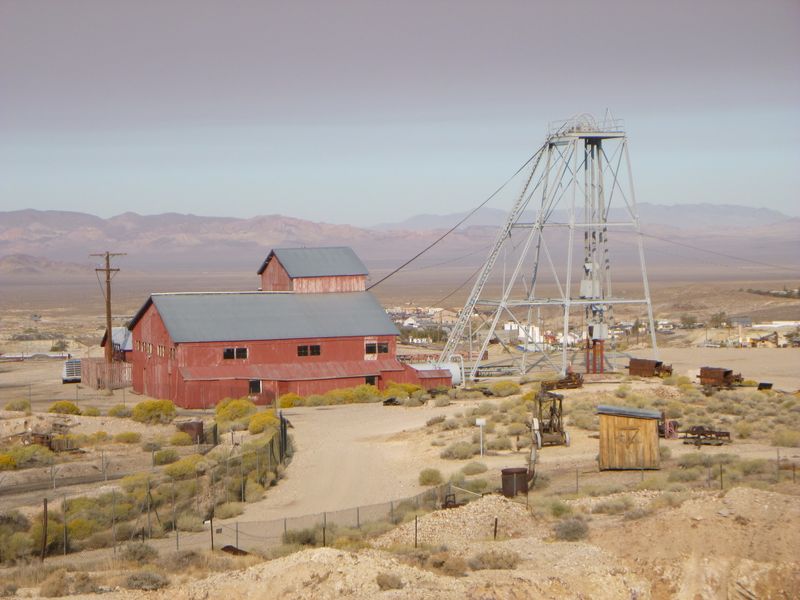
More than 100 acres is a lot of ground, and the park makes use of every bit of it. Portions of four of the original major mining companies that once worked the Tonopah district are preserved here.
Each area has its own mix of buildings, machinery, and mine openings to poke around.
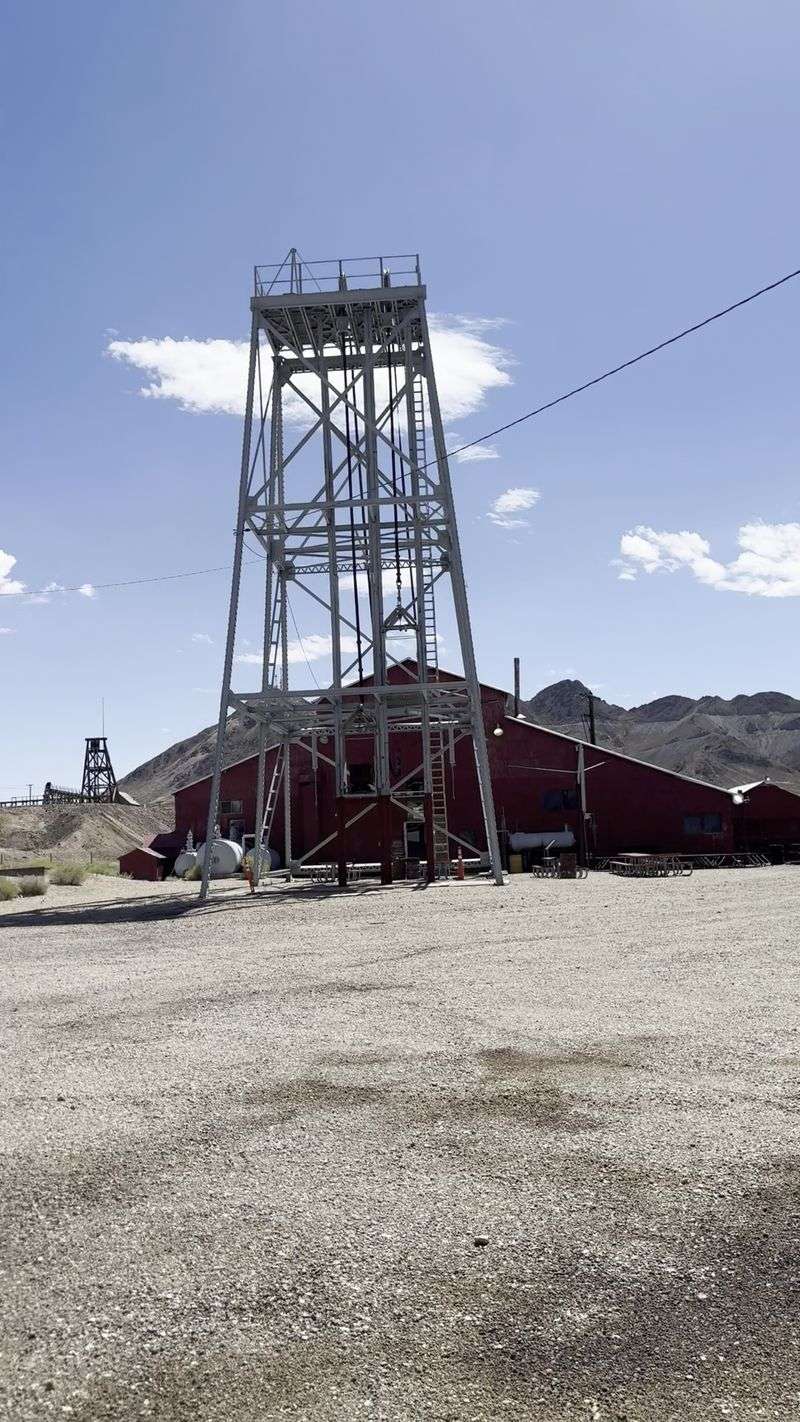
Along the self-guided route, you will pass the lift house, a mechanical shop, and several mining sites, each with an interpretive sign or a matching description in the brochure. Families visiting with young children describe the loop as easy to manage.
The whole place feels tidy and well cared for, which makes wandering more relaxing.
How far should you go? The main loop runs about a mile, yet some visitors spend an entire morning on it because there is so much to read and see.
Others stretch it to around 3 miles by hiking up to reach more of the individual mines.
Here is a practical tip from folks who have done it: wear sturdy walking shoes. The ground is dusty and uneven in spots, and a bit of climbing comes with the territory.
Walk as much or as little as you like, since there is no wrong way to explore.
The Burro Tunnel, a Walk Into Solid Rock
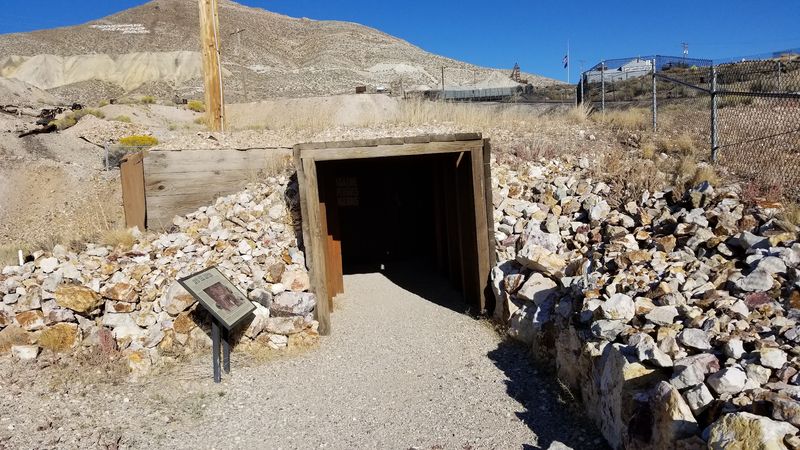
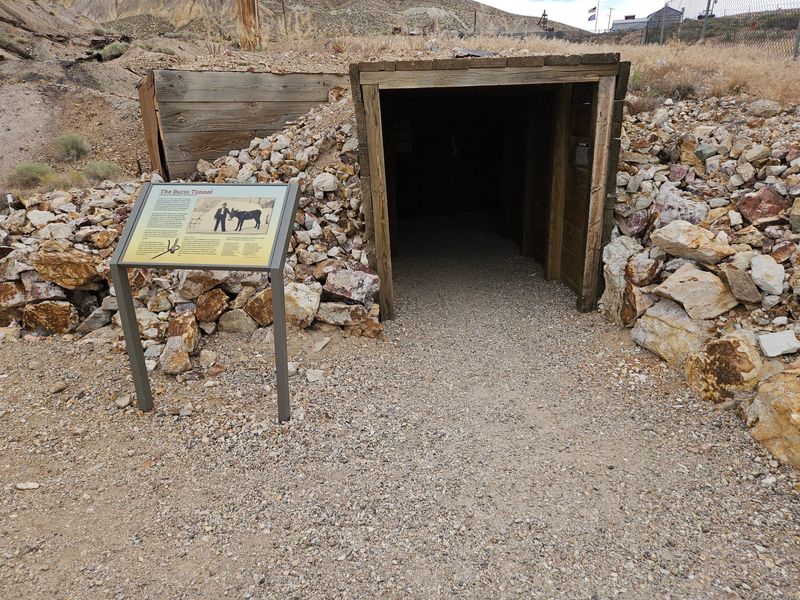
Cool air hits first. Stepping into the Burro Tunnel feels like leaving the Nevada sun behind for a different world, one carved out of solid rock by miners with hand tools and stubborn determination.
The tunnel is the park’s headline attraction, and for good reason. It leads visitors underground to an original discovery stope, the kind of open chamber miners carved out as they chased a rich vein of ore.
Few places in the state let everyday travelers walk this far into real mining history without special gear.
Park materials call it an “Underground Adventure,” and that label fits. The tunnel is authentic rather than polished like a modern attraction, so come ready for a genuine mine environment.
Sturdy shoes help here too.
Children tend to love this part the most, and parents often admit they enjoyed it just as much. One family who came in the heat of July said their kids had more fun than expected, and the tunnel was a big reason why.
It turns a history lesson into a story kids repeat at the dinner table for weeks.
Plan a few extra minutes here. Most people want to linger, study the rough walls, and imagine the long shifts miners once worked underground.
A Steel Viewing Cage Above a 500-Foot Stope
Ever wondered how deep a silver mine really goes? At the end of the Burro Tunnel, a steel viewing cage lets you find out.
From inside it, you can look into a stope that plunges about 500 feet into the earth.
That depth is hard to picture until you are standing over it. Visitors often describe the view as a little nerve-wracking, like peering into a hole with no bottom.
The cage keeps everyone secure while still delivering that heart-thumping moment.
The scene also changes how you think about the miners. Every foot of that space was worked by people swinging tools, hauling rock, and lighting their way through the dark.
Many guests leave with fresh respect for the grit it took to pull silver from this hill.
Outside the tunnel, overlooks let you gaze down other mine shafts across the property as well. Kids treat each one like a new discovery.
Grown-ups tend to grip the railing a bit tighter.
Anyone uneasy with heights can relax, since the cage is sturdy and nobody has to lean over anything. Take in as much or as little of the view as feels comfortable, then head back toward daylight.
Glowing Minerals Under Ultraviolet Light
Flip off the regular lights, switch on short-wave ultraviolet lamps, and plain-looking stones suddenly glow in electric greens, reds, and oranges. That is the magic of the black light mineral display inside the park.
It has been expanded to make those colors pop even more.
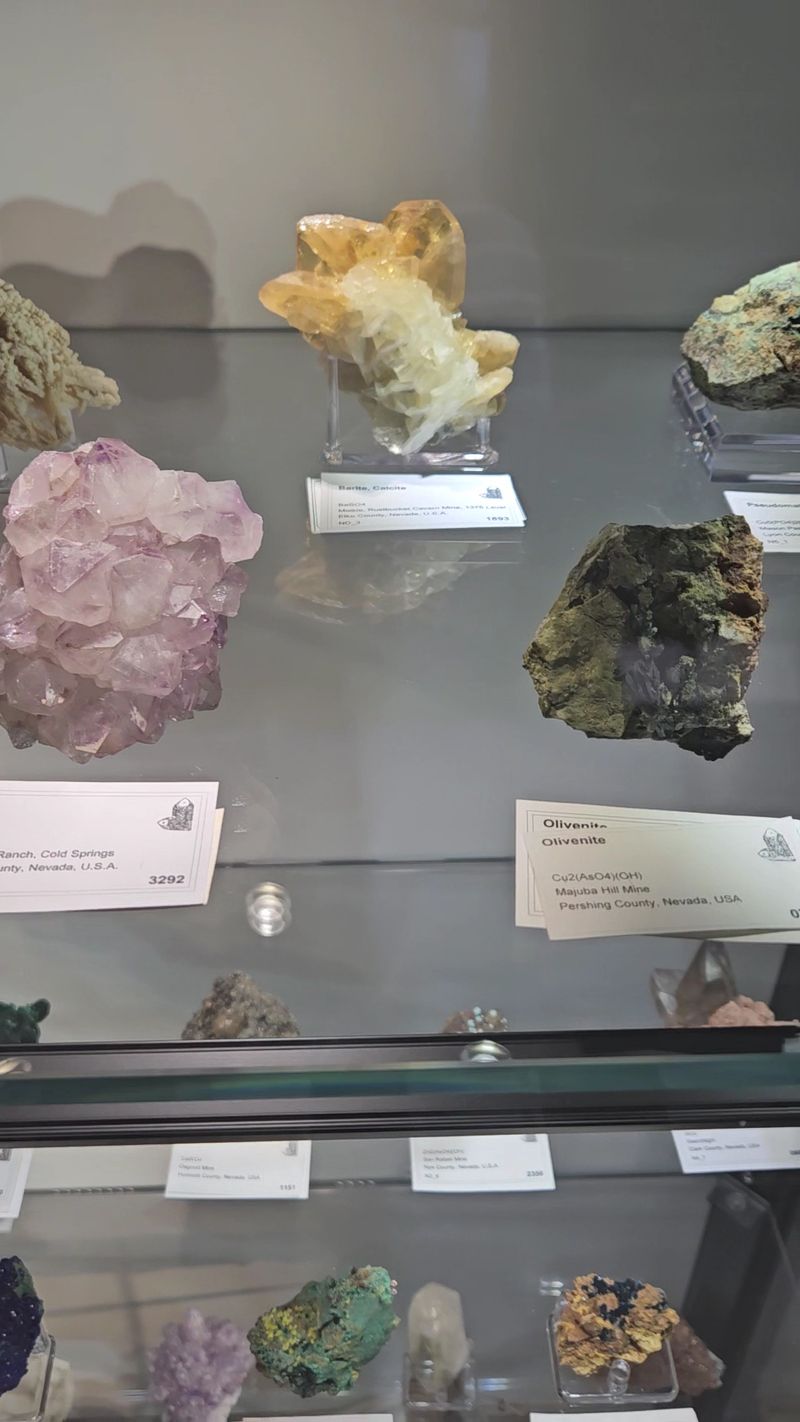
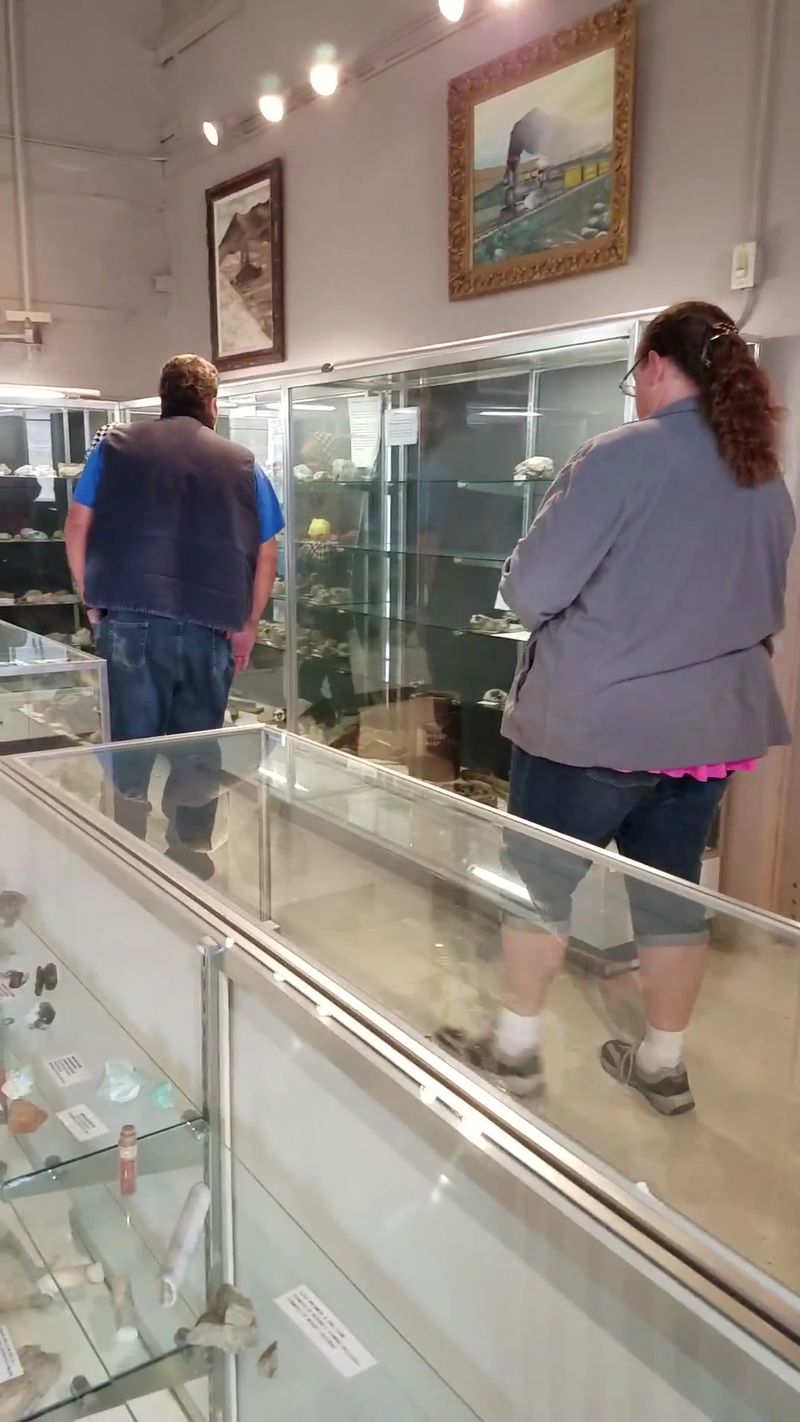
The indoor collection goes well beyond the glowing case. Visitors frequently call the rock and crystal displays one of the most varied they have seen, with specimens ranging from small sparkling pieces to hefty chunks of ore.
Some travelers short on time skipped the outdoor loop entirely and still felt the stop paid off because of these exhibits.
On a scorching afternoon, this room offers a welcome break from the sun. Kids can press close to the cases and try to guess which rocks might hold silver.
Rockhounds of any age will want to slow down and read every label.
A small tip: circle back to the displays at the end of your walk. After seeing the tunnels and shafts outside, the ore samples make a lot more sense, and you will notice details you missed the first time.
The collection sits in the same building as the visitor center, so popping back in is easy.
Free Film, Friendly Docents, and Shelves of Local Books
Not everything here costs money, and that is good news for anyone watching a budget. The visitor center and its movie presentation are free to enjoy.
You could spend a solid chunk of time inside without paying a cent for park entry.
The film runs about 20 minutes and walks through the history of the town, the mining, and the original ore discovery. Many visitors recommend watching it before heading outside, since it gives context to everything on the grounds.
Others save it for the end as a cool, comfortable wrap-up after walking in the sun.
Staff at the front desk earn warm words from nearly everyone who stops by. Travelers describe them as friendly, knowledgeable, and happy to suggest spots on the map that match your time and energy.
One guest mentioned a docent pointing out great places to see during a short hour-long visit.
The gift shop deserves a browse too. It stocks a strong selection of books about the area, including titles with ideas for exploring historic spots closer to home.
For retirees who love reading up on where they have been, that shelf can easily add another half hour to the stop.
Polaris Rides for Anyone Who Would Rather Not Hike
Not up for miles of walking in the desert heat? The park offers guided Polaris ATV tours that cover the grounds while someone else handles the driving.
Each tour lasts about two hours.
Riders describe the guides as fun, a little quirky, and full of stories about the mines, the town, and the park’s ongoing restoration work. The ride also reaches parts of the property that would take a long time to hike.
It suits anyone with sore knees or families with little ones who tire quickly.
Here is the catch. These tours need advance reservations and carry their own fee, separate from regular admission.
Past visitors suggest calling at least a week ahead because spots fill fast, and guided options may only run on certain days and times.
Cost-wise, riders have called the rates very affordable. One couple reported paying $20 total for their tour, though prices can change, so confirm the current rate when you book.
Some guests also like to tip their driver.
If the Polaris is booked up, no worries. The self-guided walk still delivers the tunnel, the shafts, and the old buildings, just at your own pace.
Hours, Admission, and Smart Timing
The gates open at 9 a.m. and close at 5 p.m., seven days a week. The park does close on all U.S. federal and state holidays, so plan around those dates.
Admission is refreshingly small. Seniors 60 and older, children ages 8 to 17, and Nevada residents pay a discounted rate of $3.00, while other visitors have reported paying about $5.
Some guests also mention a military discount, and the visitor center and film cost nothing at all.
Picture a family of four Nevada residents: park entry would run roughly $12 total. For retirees on a fixed income, that $3 ticket stretches surprisingly far when it fills a whole morning.
Always confirm current hours and fees before making the drive, since small-town details can shift.
Summer brings real heat, so arrive early. Visitors who came in July appreciated the water bottles provided with the walking tour fee, but packing extra water and hats is smart.
Parking is plentiful, and the lot handles large RVs without trouble. Clean restrooms are available.
The park is also dog-friendly, so four-legged travel buddies can come along for the adventure.
A Soft Verdict From the Top of the Hill
Some stops fill an hour. This one can quietly take over a whole morning or afternoon, and plenty of people leave wishing they had planned more time.
A few visitors say they covered only a small corner of the park and already want to return for the rest.
The mix is what wins people over. You get real hand-dug tunnels, a stomach-flipping look into a 500-foot stope, glowing rocks, restored machinery, and a free film, all for the price of a couple of snacks.
There is no flash here, just honest Nevada history sitting right where it happened.
Who will enjoy it most? Curious kids who like exploring, retirees who love a good story, rockhounds, history buffs, and road-trippers crossing the state who need a genuine reason to stretch their legs.
Even folks who insist they are not museum people often walk away surprised.
Bring good shoes, water, and a little patience for the heat. Start with the movie, grab a map, and let the tunnel set the tone.
By the time you are back at the car, that dusty hillside above town will feel far less ordinary than it did on the drive in.