
12 Hidden Arizona Desert Towns You Won’t Find On The Tourist Map
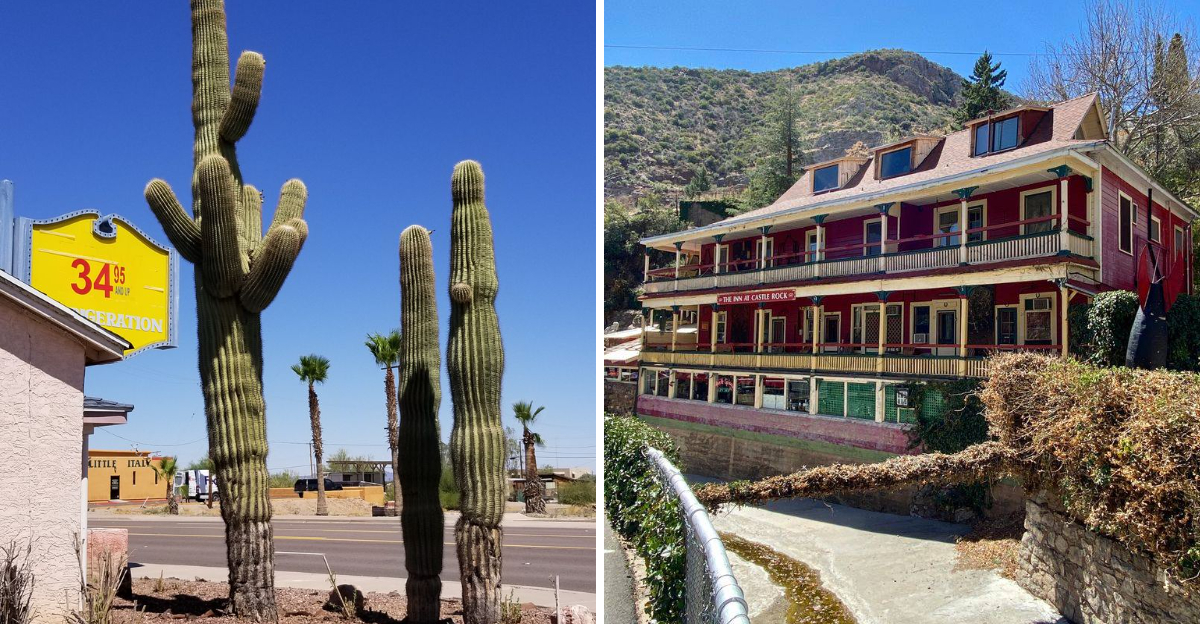
Arizona is famous for the Grand Canyon and the bright lights of Phoenix, but some of the most magical places in the state are the tiny desert towns that barely show up on any map. These hidden gems offer quiet streets, fascinating histories, and a chance to see a side of Arizona that most tourists miss completely.
If you’re ready to trade crowded attractions for authentic desert charm, these twelve towns are waiting to surprise you.
1. Ajo
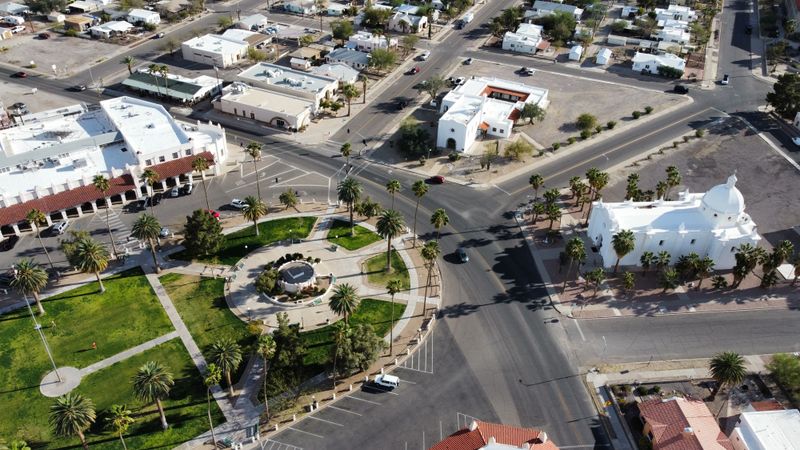
Surrounded by organ pipe cactus and rugged mountains, Ajo feels like a secret oasis in the Sonoran Desert. This former copper mining town has reinvented itself as an artist colony, and the creative energy is contagious.
Brightly painted murals cover building walls, and local galleries showcase stunning desert-inspired artwork that captures the spirit of the Southwest.
The town plaza is the heart of everything, with its Spanish colonial architecture and towering palm trees providing shade on hot afternoons. Walking around, you’ll discover quirky shops selling handmade crafts and vintage treasures.
The nearby Organ Pipe Cactus National Monument offers hiking trails that wind through landscapes unlike anywhere else on Earth.
Ajo’s tight-knit community welcomes visitors with genuine warmth. Grab a coffee at the local cafe and strike up a conversation with a resident artist.
They’ll happily share stories about the town’s transformation and point you toward hidden gems worth exploring before you leave.
2. Gila Bend
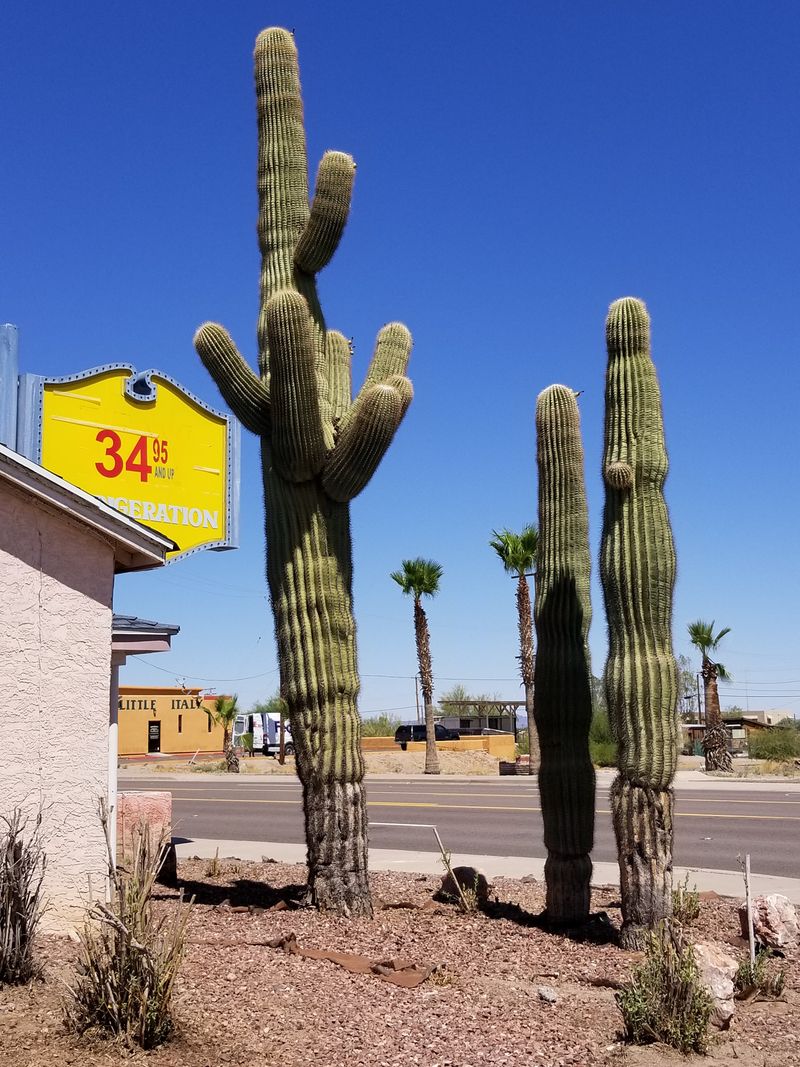
Halfway between Phoenix and Yuma sits a quirky little spot that feels like stepping back into the 1950s. Gila Bend earned its name from the sharp curve the Gila River makes here, and locals are proud of their small-town vibe.
The main street is lined with vintage motels and roadside diners that serve hearty breakfasts to travelers heading west.
You’ll notice the famous Space Age Lodge right away, with its UFO-themed architecture that’s become an Instagram favorite. But beyond the novelty, this town offers genuine desert beauty and access to nearby wildlife refuges.
Birdwatchers flock here during migration season to spot rare species in the wetlands.
Don’t rush through on your way somewhere else. Stop for a meal at one of the family-owned restaurants, chat with the friendly residents, and soak in the slower pace of life.
Gila Bend proves that sometimes the best adventures happen in the most unexpected places.
3. Bisbee
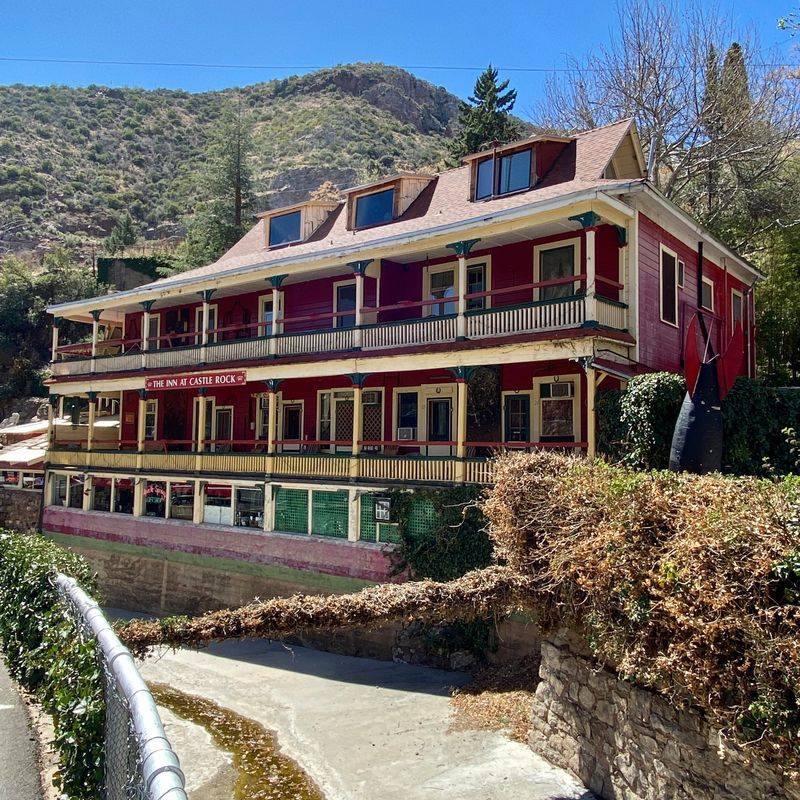
Perched on hillsides in the Mule Mountains, Bisbee is a former mining boomtown that’s become a haven for artists, musicians, and free spirits. The colorful Victorian houses stacked on steep slopes create a scene that looks more like San Francisco than southern Arizona.
Narrow streets wind past quirky boutiques, vintage shops, and galleries filled with local art that reflects the town’s bohemian soul.
Underground mine tours take you deep into the earth where copper miners once worked in dim, dangerous conditions. Above ground, the historic downtown buzzes with coffee shops, craft breweries, and restaurants serving everything from Mexican food to gourmet pizza.
Weekend nights bring live music that spills out onto the sidewalks.
The community here is fiercely independent and proud of their town’s eccentric character. Wander the staircases connecting different levels of the hillside neighborhoods, and you’ll understand why people fall in love with Bisbee.
It’s weird, wonderful, and completely unforgettable.
4. Patagonia
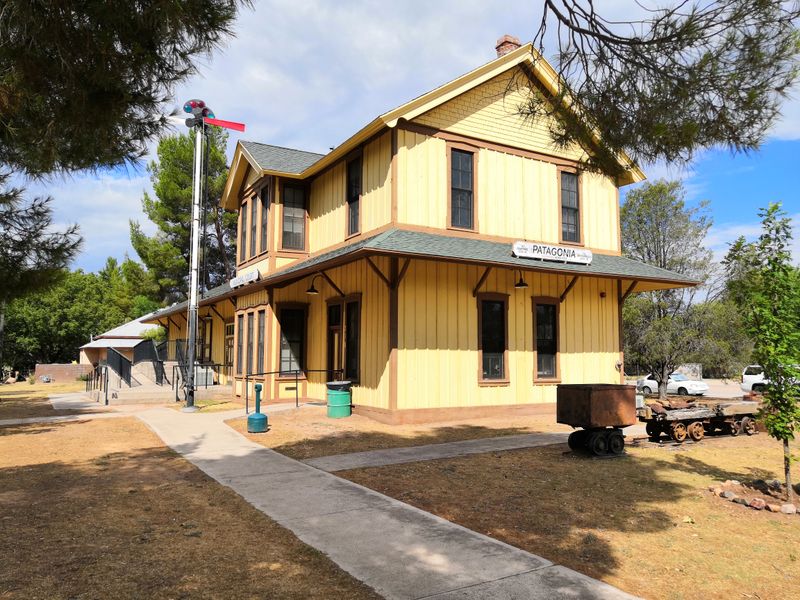
Just eighteen miles north of the Mexican border, Patagonia sits in rolling grasslands that surprise anyone expecting typical desert scenery. This tiny ranching community has become a birding paradise, attracting enthusiasts from around the world who come to spot rare species in the nearby nature preserve.
The main street is lined with galleries, antique shops, and a handful of restaurants that serve surprisingly sophisticated food.
Patagonia Lake State Park offers swimming, fishing, and camping just a short drive away, making it a perfect base for outdoor adventures. The town itself moves at a peaceful pace, where locals still gather at the general store to catch up on news.
Vineyards have started popping up in the surrounding hills, adding wine tasting to the list of unexpected pleasures.
What makes Patagonia special is how it balances small-town charm with access to incredible natural beauty. Hike the trails at dawn when the light is golden, then return to town for a leisurely lunch.
You’ll leave feeling refreshed and wondering why more people don’t know about this gem.
5. Tubac
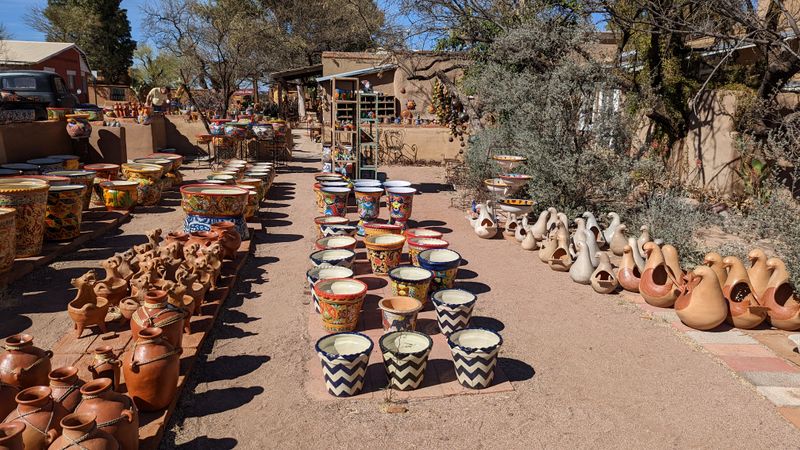
Arizona’s oldest European settlement has transformed into an artist colony where creativity blooms in the desert. Tubac’s history stretches back to 1752 when Spanish soldiers established a presidio here, but today it’s the art galleries and studios that draw visitors down the dusty roads.
More than one hundred artists call this village home, and their work fills shops along the main street with pottery, paintings, jewelry, and sculptures.
The Tubac Presidio State Historic Park tells the story of the area’s Spanish colonial past through exhibits and preserved ruins. During the annual Festival of the Arts, the town swells with thousands of visitors browsing outdoor booths and enjoying live performances.
But on ordinary weekdays, Tubac remains blissfully quiet.
Stroll through the covered walkways connecting different galleries, and you’ll likely meet artists in their studios, happy to explain their creative process. The Santa Cruz River flows nearby, creating a riparian habitat that supports wildlife and adds greenery to the landscape.
Tubac proves that art and history make perfect neighbors in the Arizona desert.
6. Cottonwood
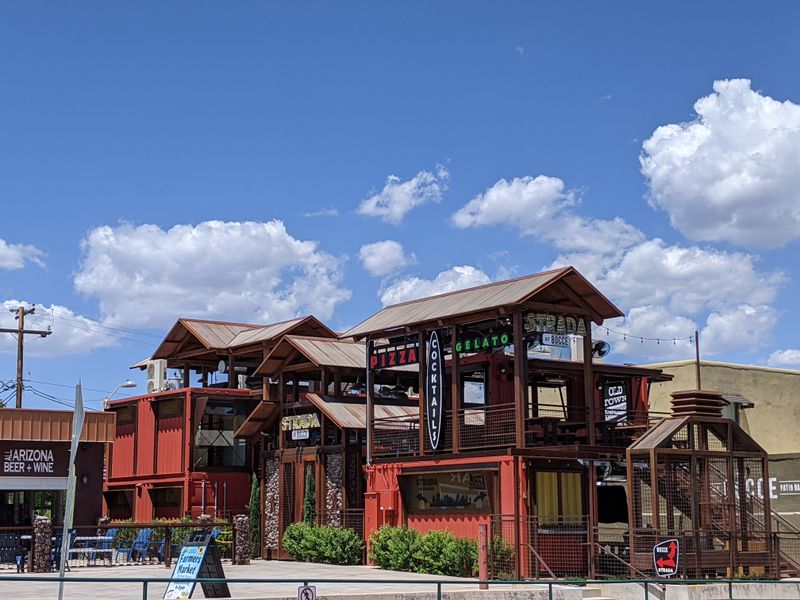
Nestled in the Verde Valley between red rock formations and fertile river bottomland, Cottonwood offers a refreshing alternative to the tourist crowds in nearby Sedona. The historic Old Town district preserves the charm of early Arizona with antique shops, wine tasting rooms, and restaurants housed in buildings that date back to the mining era.
Massive cottonwood trees shade the streets, providing cool relief during summer afternoons.
The Verde River flows just outside town, creating opportunities for kayaking, tubing, and wildlife watching in one of Arizona’s few perennial waterways. Local vineyards produce excellent wines, and the tasting rooms have a relaxed, friendly atmosphere where staff actually have time to chat.
The nearby Tuzigoot National Monument preserves ancient pueblo ruins with sweeping valley views.
Cottonwood has managed to grow while maintaining its small-town character, which isn’t easy in Arizona. Farmers markets bring the community together on weekends, and festivals celebrate everything from wine to chocolate.
If you want red rock scenery without the Sedona prices and crowds, Cottonwood is your answer.
7. Willcox
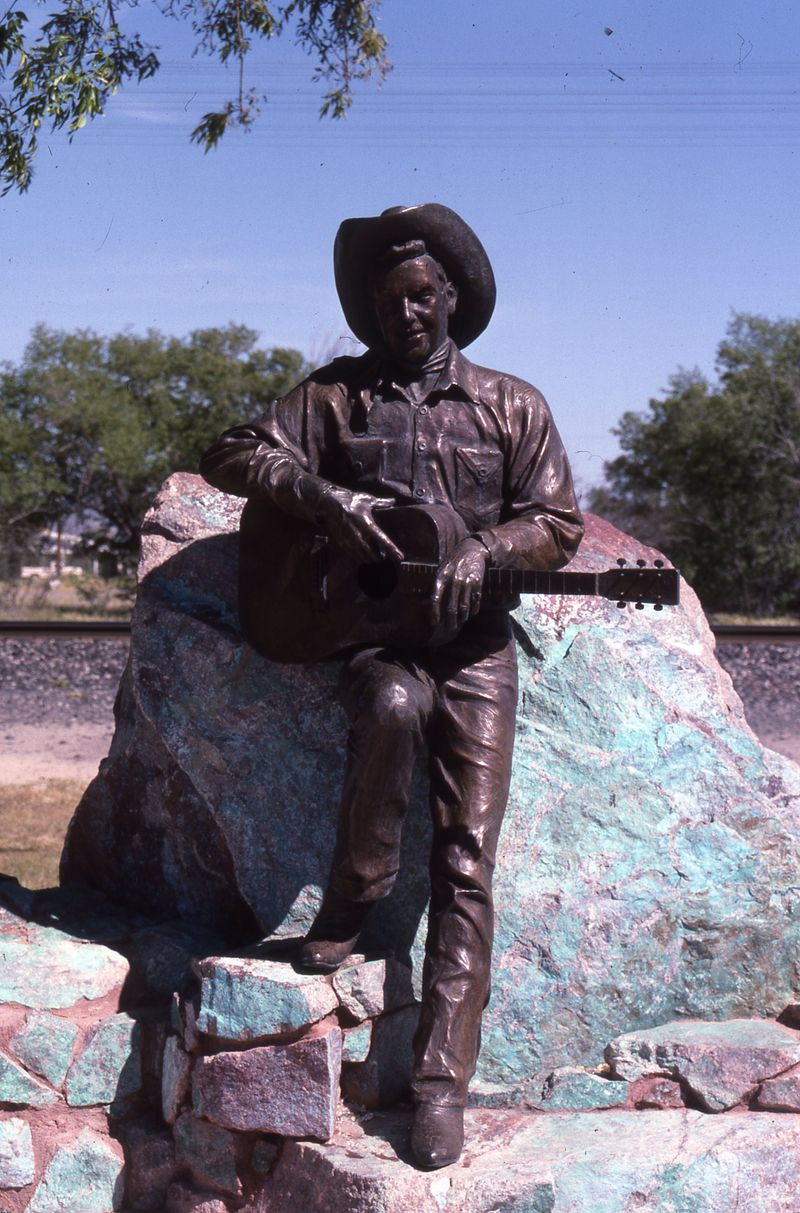
Out in the wide-open spaces of southeastern Arizona, Willcox sits surrounded by cattle ranches and endless sky. This authentic cowboy town takes pride in its ranching heritage and its connection to legendary figures like Wyatt Earp and Apache chief Cochise.
The downtown historic district features murals depicting Wild West scenes, and the local museum showcases artifacts from frontier days that feel remarkably recent here.
Willcox is also famous for something unexpected: wine. The high-elevation vineyards produce award-winning wines, and several tasting rooms welcome visitors eager to sample Arizona vintages.
Nearby, the Chiricahua Mountains offer hiking through bizarre rock formations that early settlers called the Land of Standing-Up Rocks.
During harvest season, the surrounding farms produce apples, pecans, and pistachios sold at roadside stands. The annual Rex Allen Days celebrate the town’s most famous son, a singing cowboy who became a Hollywood star.
Willcox moves at a deliberate pace, where people still wave to strangers and the night sky explodes with stars. It’s the real Arizona, unpolished and proud.
8. Seligman
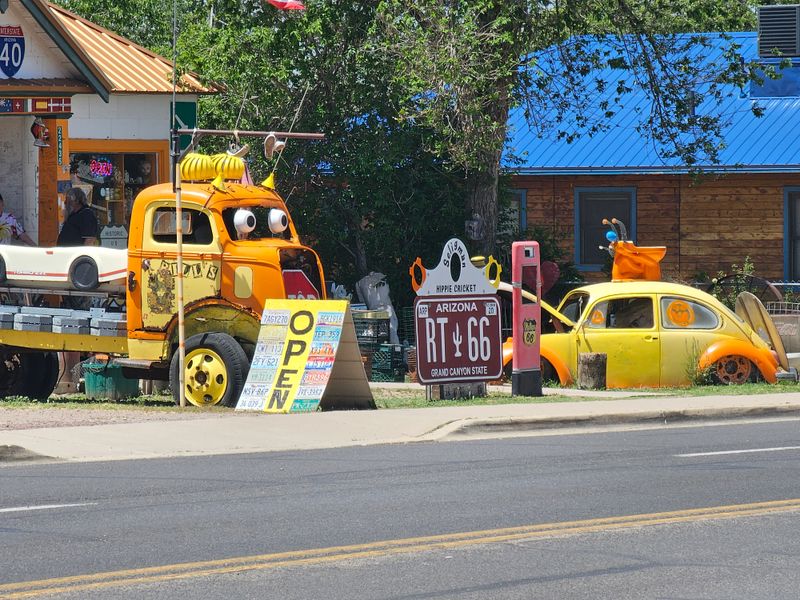
Time stands still along Route 66, and nowhere is that more apparent than in Seligman. This roadside town became famous as the inspiration for the movie Cars, and the vintage signs, classic diners, and retro gift shops live up to the hype.
Angel Delgadillo, the town barber and Route 66 preservationist, helped save this stretch of the Mother Road from obscurity, and his barbershop has become a pilgrimage site for road trip enthusiasts.
The main street is a living museum of mid-century Americana, with neon signs, old gas pumps, and buildings that haven’t changed much since Eisenhower was president. Stop at the Snow Cap Drive-In for burgers and soft-serve ice cream served with a side of silly pranks and jokes.
The owners have been entertaining travelers for generations with their playful sense of humor.
Seligman proves that nostalgia isn’t just about the past; it’s about preserving something authentic in an increasingly homogenized world. Drive through slowly, take lots of photos, and chat with the locals who keep the spirit of Route 66 alive.
9. Globe
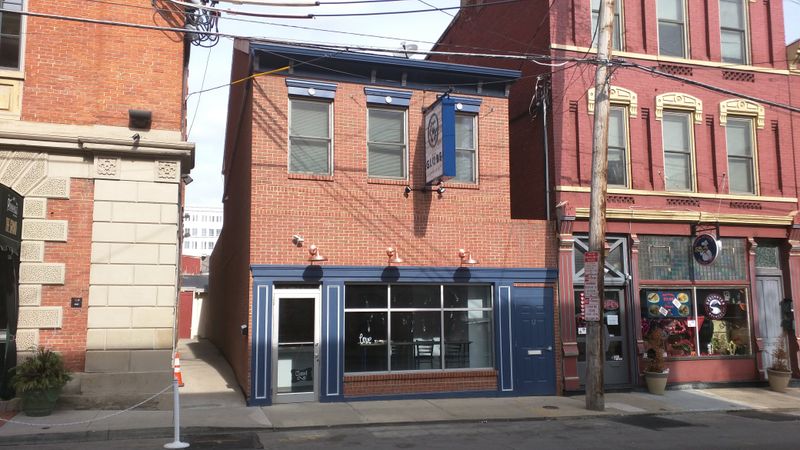
Tucked into the mountains east of Phoenix, Globe started as a silver mining camp and evolved into a copper town with a fascinating multicultural history. The historic downtown is remarkably intact, with buildings from the late 1800s housing antique shops, cafes, and the occasional art gallery.
Walking these streets, you can almost hear the echoes of miners, merchants, and pioneers who built their lives in this rugged landscape.
The Besh-Ba-Gowah Archaeological Park preserves a 700-year-old Salado pueblo, offering a window into the lives of the ancient people who thrived here long before mining brought European settlers. The nearby Tonto National Forest provides endless opportunities for hiking, camping, and exploring abandoned mining sites.
Globe’s elevation gives it a milder climate than the desert floor, making it comfortable year-round.
Local residents take pride in their town’s gritty authenticity and resist the kind of tourist development that might smooth away its rough edges. Visit the miners’ memorial, grab lunch at a Mexican restaurant where locals eat, and appreciate a town that’s real, not reconstructed for visitors.
10. Kingman
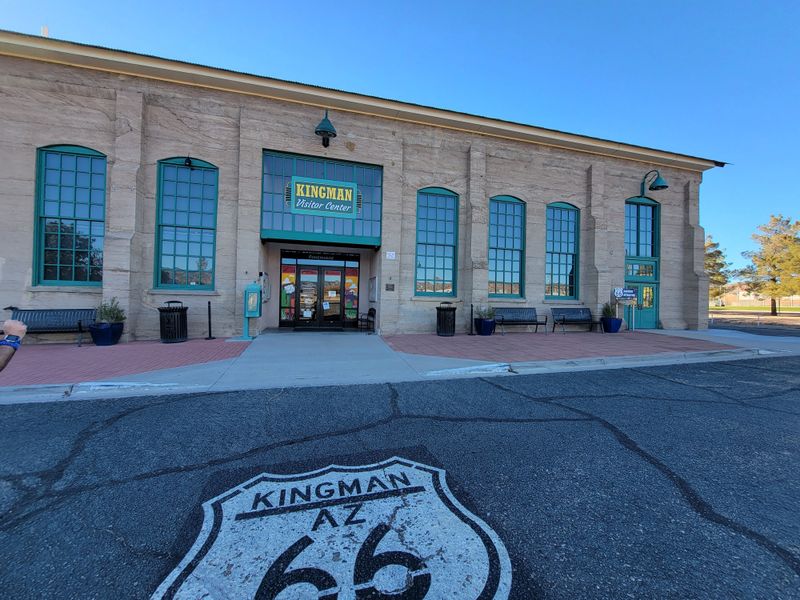
Sitting at the crossroads of Route 66 and the road to Las Vegas, Kingman has long been a stopover point, but it deserves more than a quick gas-and-go visit. The historic downtown features beautifully restored buildings housing the Route 66 Museum, which tells the story of America’s most famous highway through photographs, vehicles, and personal stories.
The Powerhouse Visitor Center occupies a striking 1907 building that once generated electricity for the entire region.
Kingman’s location makes it a perfect base for exploring nearby attractions like the Hualapai Mountains, where pine forests offer cool relief from desert heat. The town has a strong sense of community, with local events bringing residents together throughout the year.
Several murals around downtown celebrate the town’s transportation heritage and connection to the Mother Road.
While many travelers zoom past on their way to somewhere else, those who stop discover a town with character and pride. Chat with the volunteers at the museum, explore the antique shops, and enjoy a meal at a local diner.
Kingman rewards visitors who take time to look beyond the highway.
11. Quartzsite
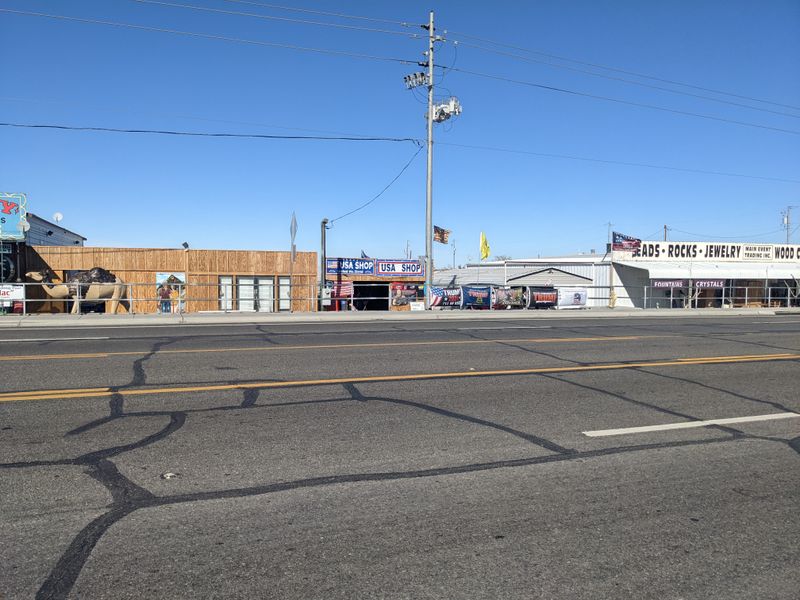
For most of the year, Quartzsite is a sleepy desert town with a few thousand residents, but every winter it transforms into the RV capital of America. Hundreds of thousands of snowbirds descend on this remote spot, creating a temporary city of RVs, campers, and trailers that stretches across the desert.
The famous gem and mineral shows attract rockhounds from around the world, turning empty lots into massive markets selling everything from raw crystals to polished jewelry.
Even if you’re not into RVing or rock collecting, Quartzsite offers a fascinating glimpse into a unique subculture. The swap meets and flea markets sell an incredible variety of goods, from solar panels to vintage tools to handmade crafts.
Food vendors serve up everything from tacos to barbecue, creating an unexpected culinary scene in the middle of nowhere.
Visit during the winter season to experience the phenomenon at its peak, or come during summer to see the quiet side of this quirky town. Either way, Quartzsite challenges any preconceptions about what a desert town should be.
12. Oatman
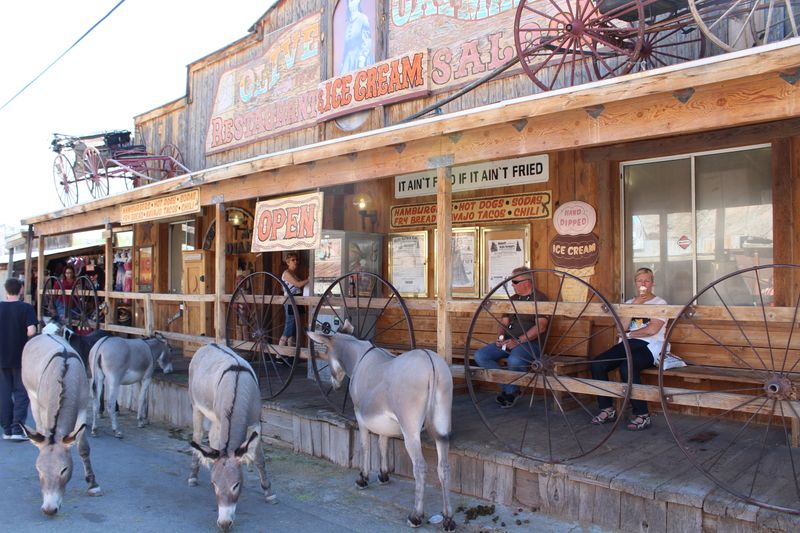
Wild burros wander the main street of Oatman like they own the place, and in a way, they do. This old gold mining town clings to the side of a mountain along a particularly twisty section of Route 66, and the burros are descendants of miners’ pack animals that were turned loose when the mines closed.
Feeding them carrots has become a beloved tradition, and they’re surprisingly gentle despite their stubborn reputation.
The wooden sidewalks and false-front buildings create an authentic Old West atmosphere that feels more real than any theme park recreation. Daily mock gunfights entertain visitors, and the saloons are decorated with thousands of dollar bills left by travelers over the decades.
The Oatman Hotel, where Clark Gable and Carole Lombard honeymooned, still operates as a restaurant and museum.
The drive to Oatman is an adventure in itself, with hairpin turns and spectacular views across the desert. Once you arrive, the combination of history, charm, and those photogenic burros makes it unforgettable.
Just remember to bring carrots and watch your pockets around the clever donkeys!