
10 Hidden Historic Villages In Pennsylvania That Have Almost Been Forgotten
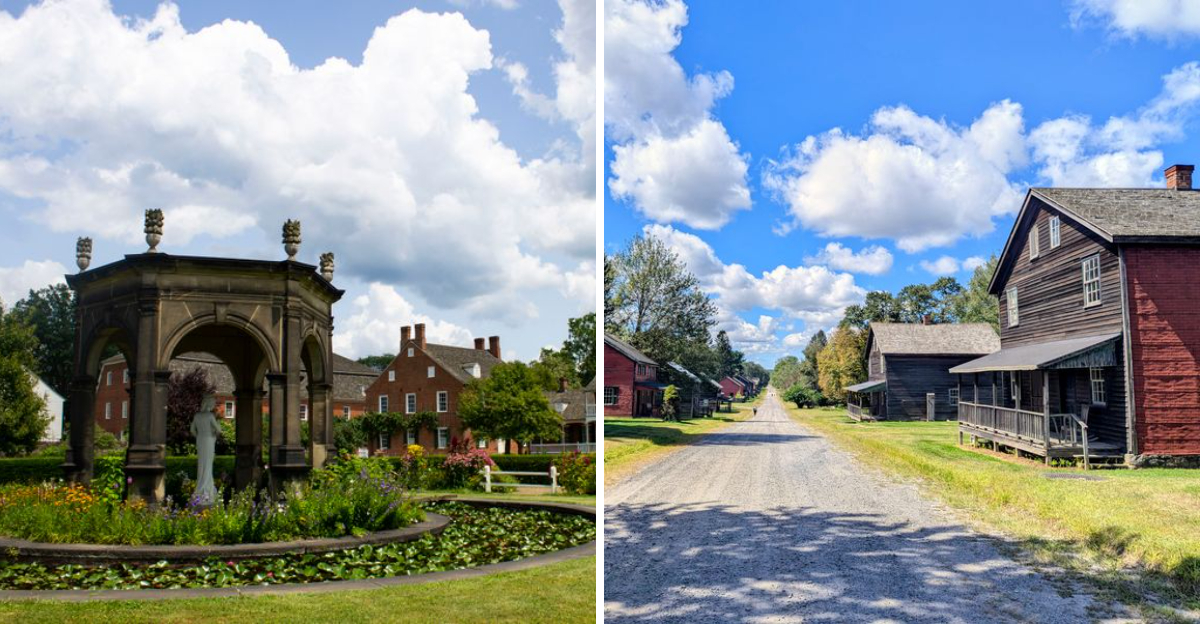
Pennsylvania holds countless treasures from America’s past, but some of its most fascinating historic villages have slipped quietly out of the spotlight.
These remarkable places once buzzed with activity and community life, yet today they sit peacefully preserved, waiting for curious visitors to rediscover their stories.
Walking through these forgotten villages feels like stepping into a time machine, where costumed interpreters, original buildings, and authentic artifacts bring bygone eras back to life.
Whether you’re a history buff or just looking for an unusual weekend adventure, these ten hidden gems offer unforgettable glimpses into Pennsylvania’s rich heritage.
1. Old Bedford Village (Bedford)
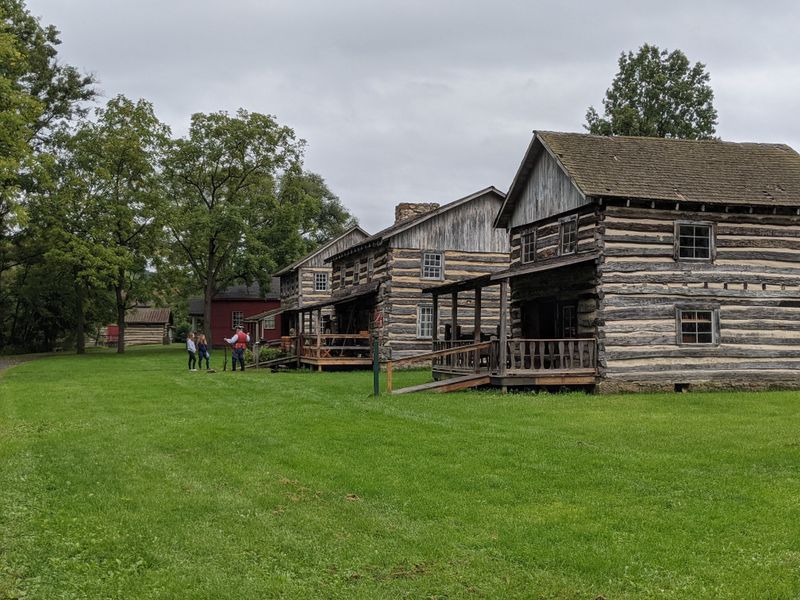
Step back into the 1750s at this sprawling living history museum that recreates frontier life with over 40 authentic structures relocated from across the region.
Blacksmiths hammer away at glowing iron, bakers pull fresh bread from wood-fired ovens, and craftspeople demonstrate skills that kept early settlers alive.
The village practically hums with the energy of yesteryear, minus the smallpox and questionable hygiene!
Kids absolutely adore the hands-on experiences here, from candle-dipping to watching musket demonstrations that make history textbooks seem downright boring by comparison.
2. Old Economy Village (Ambridge)
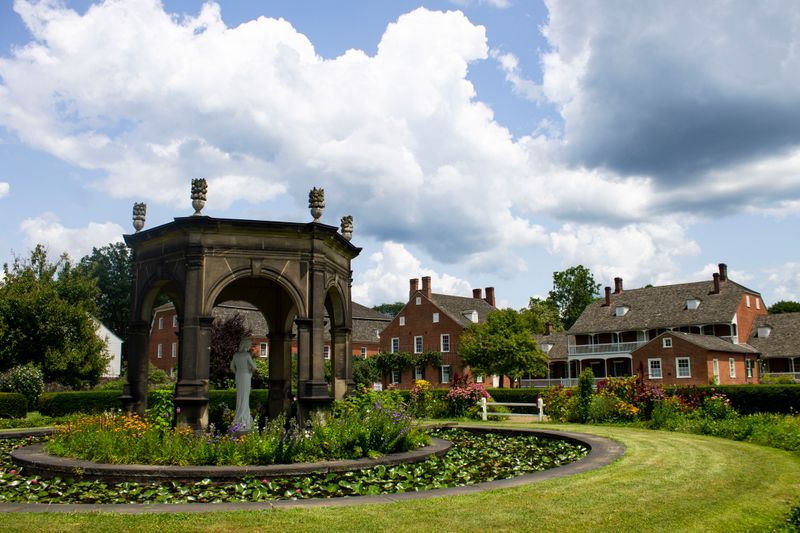
This peculiar place tells the fascinating story of the Harmonists, a German religious group who believed in celibacy, communal living, and apparently really good wine-making.
Founded in 1824, the society thrived economically while members waited for the Second Coming, creating beautiful gardens and prosperous businesses.
Their gorgeous brick buildings and meticulously maintained grounds showcase what happens when people combine faith, hard work, and zero dating drama!
Wandering through their preserved homes and workshops reveals surprisingly comfortable living conditions for folks who gave up, well, everything fun.
3. Historic Sugartown (Malvern)
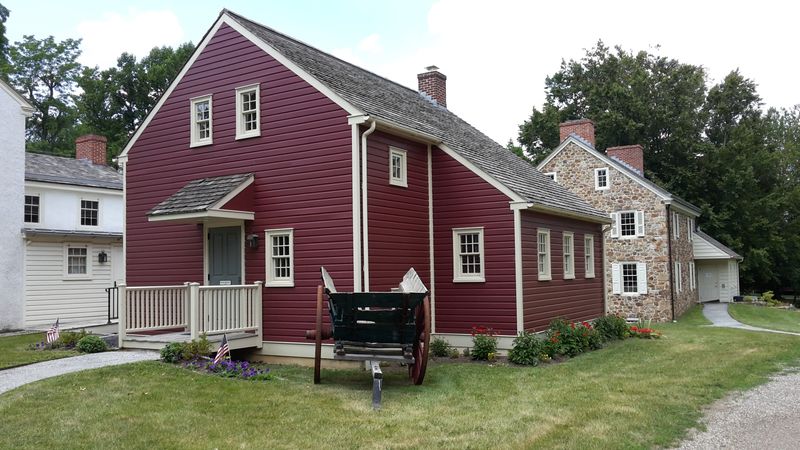
Named for the sugar maples lining its streets, this charming village preserves everyday life in a rural Pennsylvania crossroads community from the 1800s.
Five original buildings stand proudly along their historic spots, including a bookbindery where skilled artisans still practice this nearly extinct craft.
The general store stocks period goods that would make your Instagram-obsessed friends completely baffled—no Wi-Fi password in sight!
Special events throughout the year bring the village roaring back to life with demonstrations, storytelling, and activities that prove history doesn’t have to be dusty or dull.
4. Eckley Miners’ Village (Foster Township)
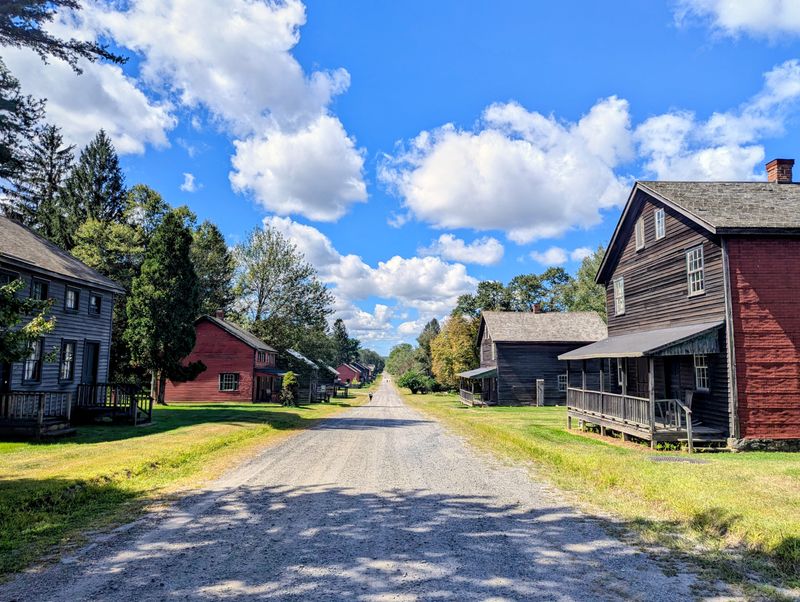
Coal dust practically still hangs in the air at this remarkably preserved anthracite mining town that operated from 1854 until the 1970s.
Hollywood discovered Eckley first—the 1970 film “The Molly Maguires” starring Sean Connery was filmed here, spurring preservation efforts that saved this authentic slice of mining history.
Walking down the main street past identical company houses reveals the harsh reality miners faced: backbreaking work, company scrip instead of real money, and living conditions that made modern apartments look luxurious!
The museum tells powerful stories of immigrant families who literally fueled America’s industrial revolution.
5. Landis Valley Village & Farm Museum (Lancaster)
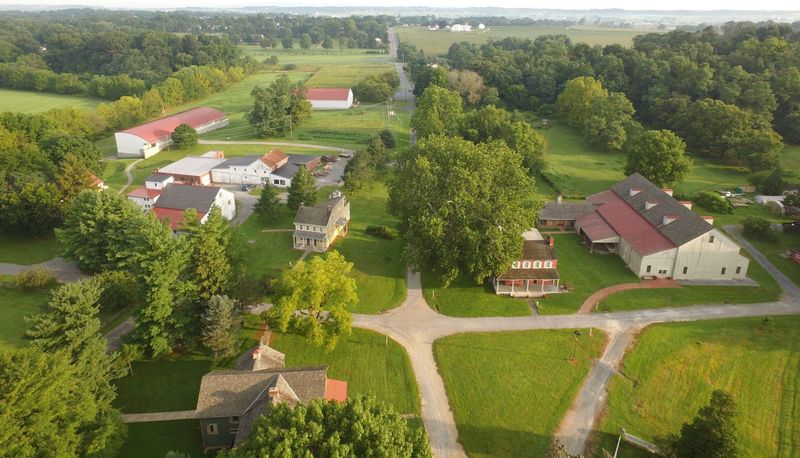
Pennsylvania German culture comes alive at this expansive living history museum celebrating the farmers, craftspeople, and families who shaped Lancaster County’s agricultural heritage.
Sprawling across 100 acres, the village features everything from a working tavern to a gunsmith shop, plus heritage breed animals that would make modern factory farms hang their heads in shame.
Costumed interpreters speak Pennsylvania Dutch and demonstrate traditional skills like weaving, pottery, and making that famous Lancaster County smoked sausage!
The heirloom gardens alone are worth the visit, bursting with vegetables your great-great-grandparents actually recognized.
6. Old Mill Village Museum (New Milford)
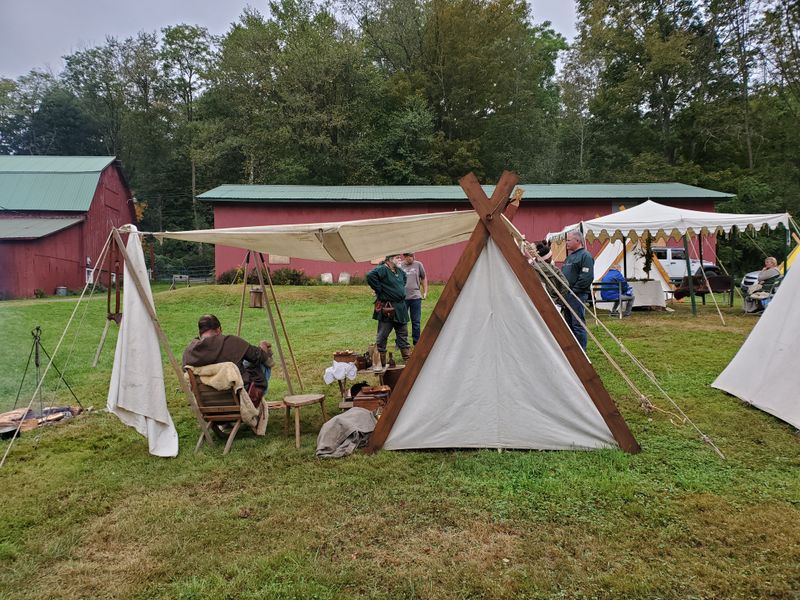
Tucked away in northeastern Pennsylvania, this delightful collection of relocated historic buildings recreates rural village life from the 1800s with genuine charm.
The centerpiece working gristmill still grinds grain using water power, proving that sustainable energy isn’t just a modern hipster obsession.
A covered bridge, one-room schoolhouse, blacksmith shop, and other structures sit picturesquely arranged like a nostalgic postcard come to life!
Volunteers passionate about preserving local history run the museum with infectious enthusiasm, making every visit feel like chatting with knowledgeable grandparents who actually remember the good old days.
7. Historic Fallsington (Fallsington)
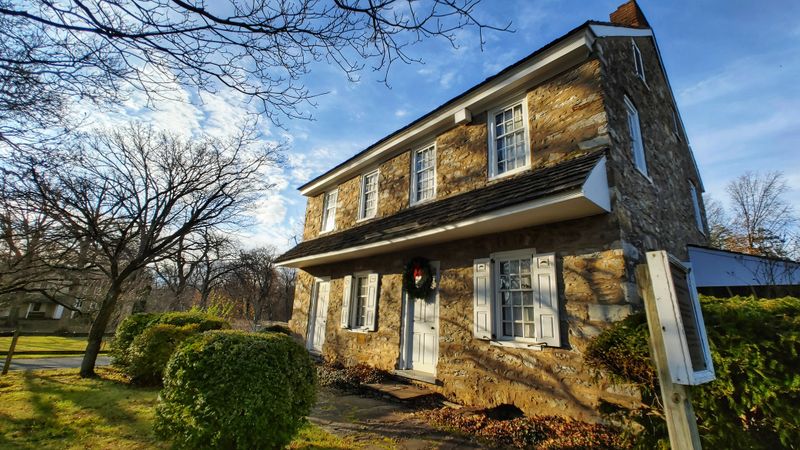
William Penn himself worshipped in this remarkably intact Quaker village, where buildings spanning three centuries stand shoulder-to-shoulder along tree-lined streets.
Founded in the 1690s, Fallsington served as a thriving agricultural community where Quaker values of simplicity and hard work shaped every aspect of daily life.
Over 90 buildings from the colonial, Federal, and Victorian periods survive today, creating an architectural timeline you can literally walk through!
The absence of modern intrusions makes photographing these structures ridiculously easy—no photobombing traffic lights or power lines ruining your historical aesthetic.
8. Meadowcroft Rockshelter & Historic Village (Avella)
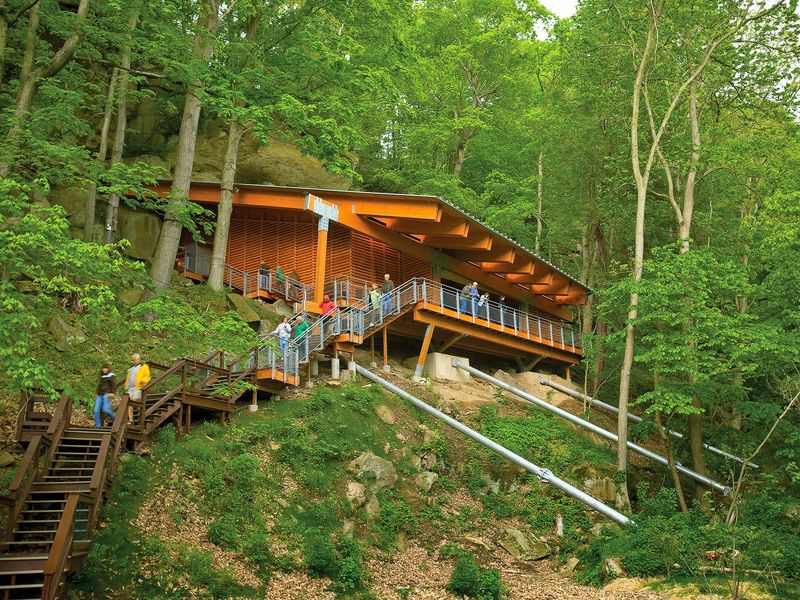
This mind-blowing site combines 19,000 years of human history, from Ice Age hunters sheltering in the rockshelter to 19th-century pioneers farming the surrounding land.
Archaeologists consider Meadowcroft one of North America’s oldest sites of human habitation, which basically makes it the ultimate “humans were here first” bragging rights location.
The recreated 1800s village features authentic log structures where costumed interpreters demonstrate frontier skills, providing stark contrast to the ancient archaeological discoveries!
Where else can you contemplate woolly mammoth hunters and butter churning in the same afternoon visit?
9. Historic Yellow Springs (Chester Springs)
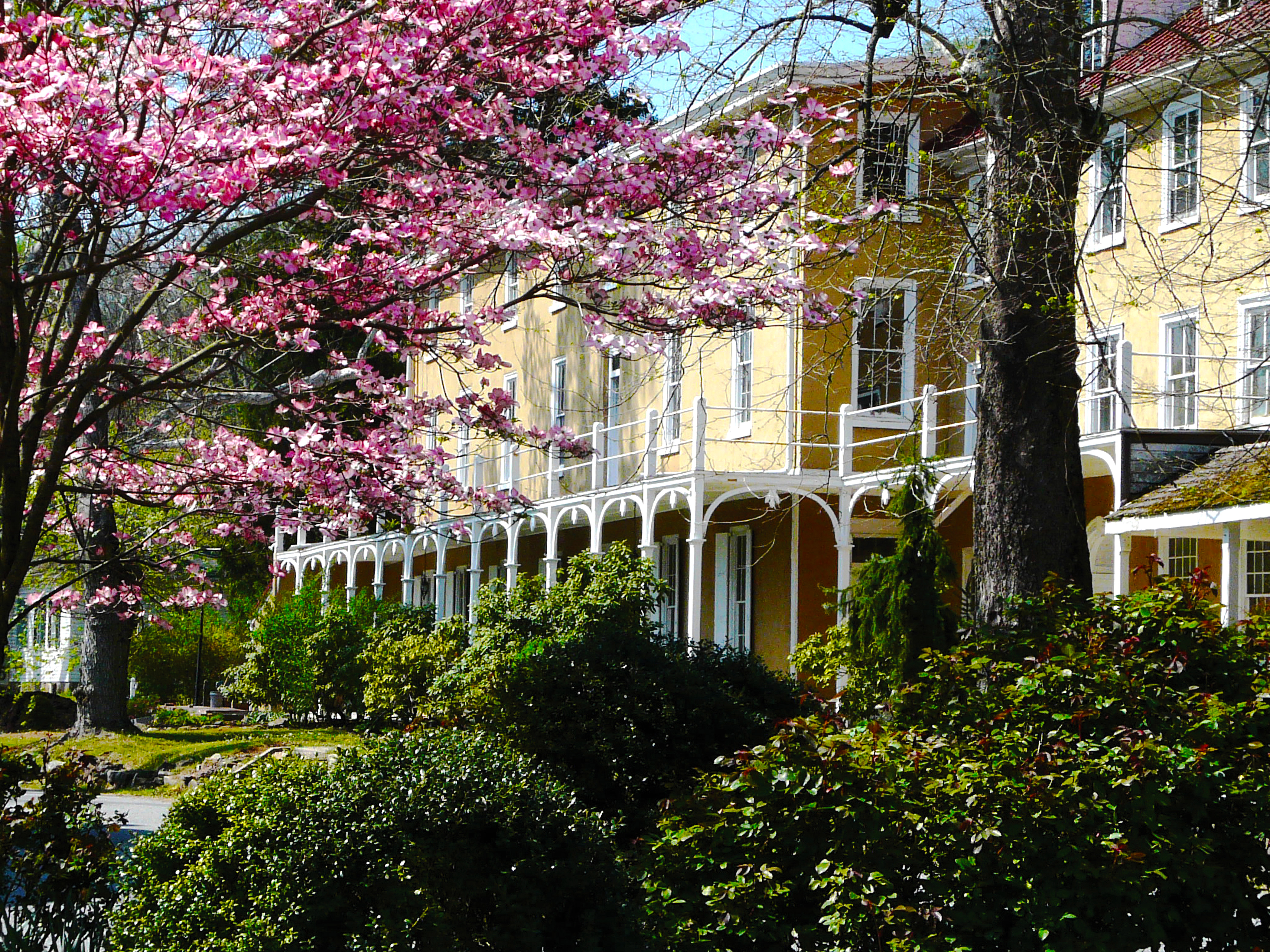
George Washington’s troops recovered here during the Revolutionary War, taking advantage of the natural springs believed to possess healing properties.
This unique site served as a colonial spa resort, military hospital, and later an art school, giving it more career changes than most modern workers experience!
The beautifully preserved stone buildings and peaceful grounds make it easy to imagine wounded soldiers recuperating here while dreaming of independence.
Today, the site offers trails, art exhibitions, and events that honor its diverse history while providing a serene escape from suburban sprawl creeping ever closer.
10. Saint Peters Village (Warwick Township)
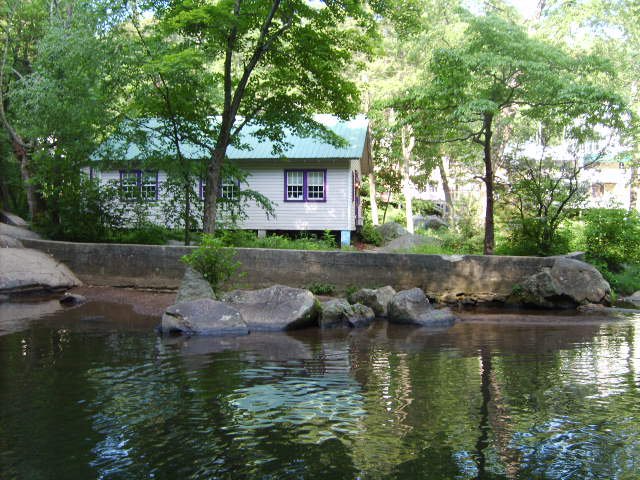
Nestled along French Creek, this picturesque village began as a thriving industrial center producing everything from pig iron to textiles during the 1800s.
Stone buildings that once housed mills, workers’ homes, and a general store now serve as private residences and a charming inn, creating a living historic community rather than a museum.
The surrounding natural beauty—waterfalls, hiking trails, and creek swimming holes—makes this forgotten village a local secret worth discovering!
Unlike purely preserved sites, Saint Peters feels authentically alive, where history and modern life coexist peacefully beside babbling water.