
12 Hidden Lakes In Colorado You Need To See To Believe
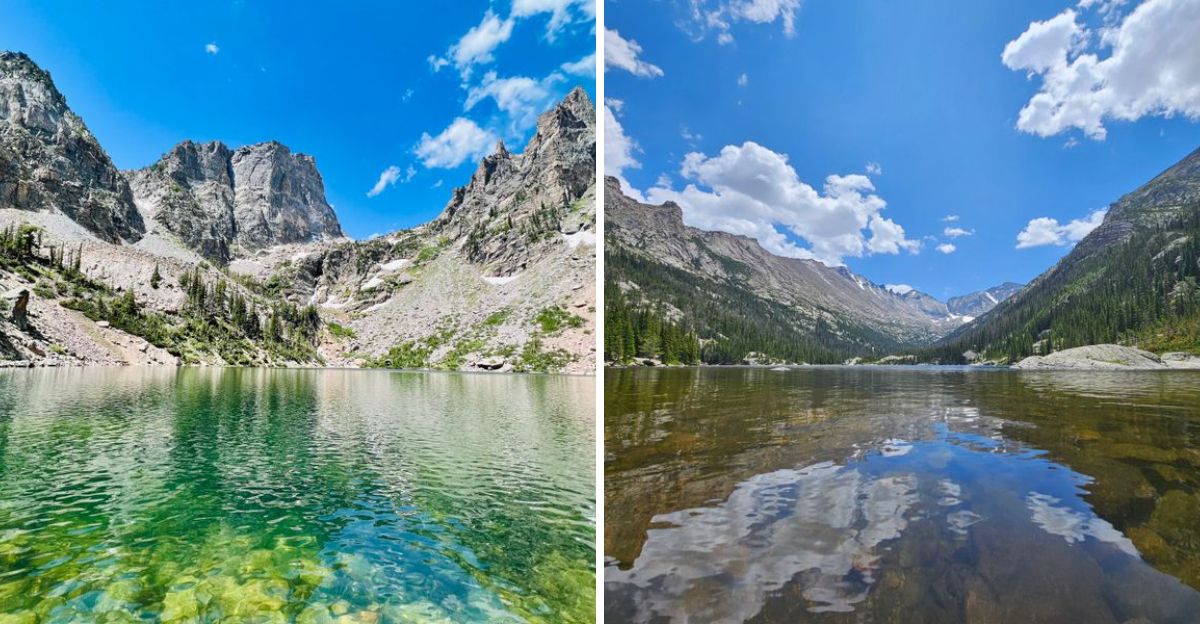
Colorado’s alpine wilderness holds secrets that most visitors never discover.
Tucked away in rugged mountain ranges and hidden valleys, these pristine lakes shimmer with colors so vivid they seem almost unreal.
Pack your hiking boots and camera, you’re about to explore some of the most breathtaking waters the Rockies have to offer.
Reaching them often means scenic trails, quiet forests, and rewarding climbs that make every view feel earned.
Once you arrive, the stillness and beauty of these hidden lakes make the journey unforgettable.
1. Hanging Lake (Glenwood Canyon)
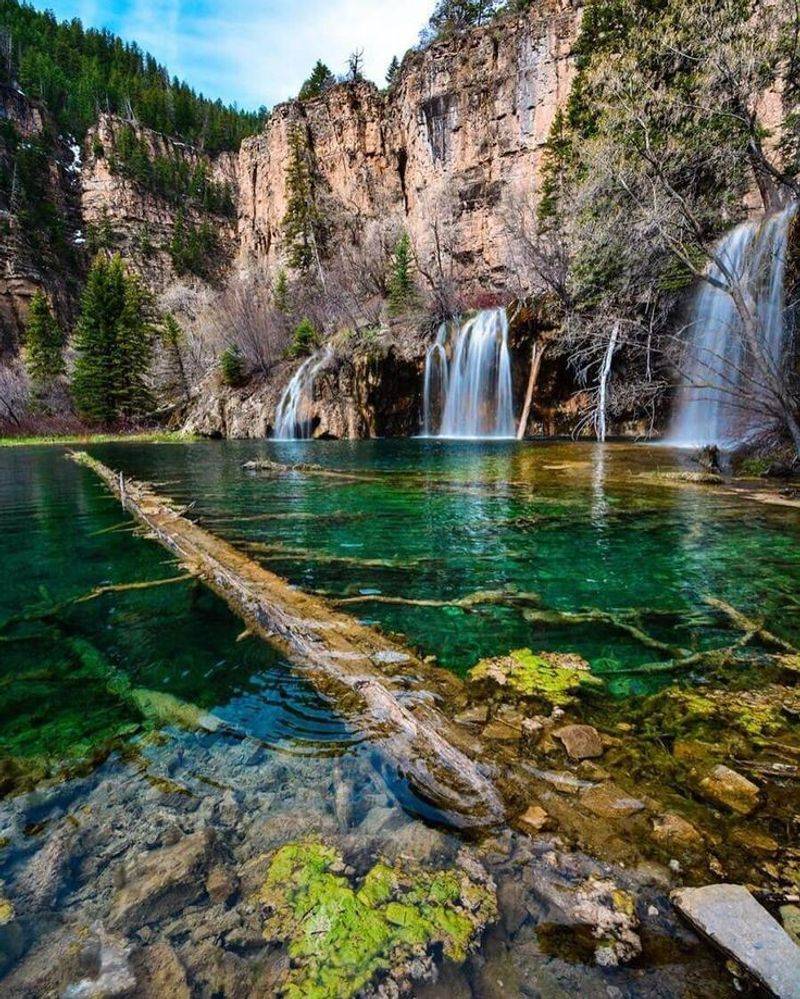
Perched on a cliffside like nature’s own infinity pool, this turquoise gem defies gravity and expectations.
The water gets its stunning color from minerals dissolving into the lake, creating shades of blue-green that look Photoshopped but are completely real.
Getting there requires a steep 1.2-mile hike with over 1,000 feet of elevation gain.
Reservations are mandatory now to protect this fragile ecosystem.
The travertine formations around the edges make it feel like you’ve stepped into a fairytale grotto carved by ancient hands.
2. Blue Lakes (Mount Sneffels Area)
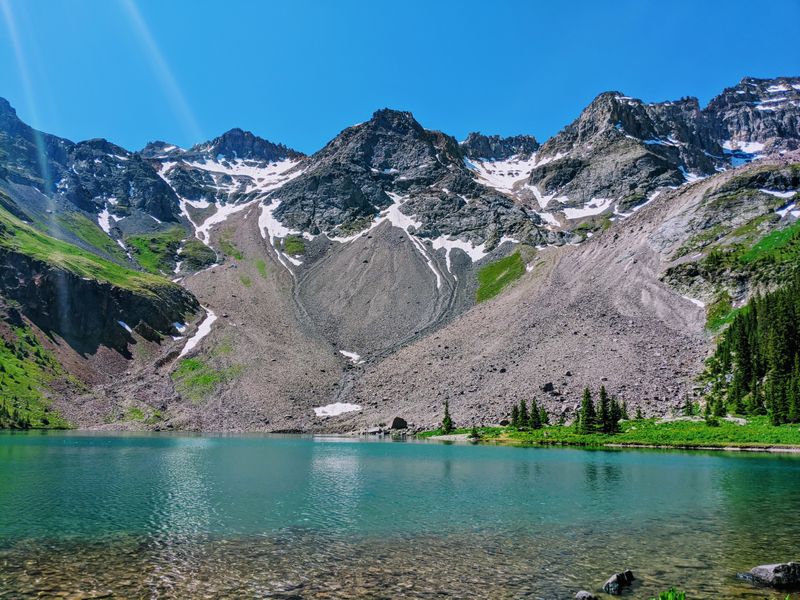
Three alpine pools stacked like nature’s staircase showcase why this trail is legendary among Colorado hikers.
Each lake displays a different shade of sapphire, depending on depth and light conditions throughout the day.
The 7.5-mile round trip climbs through aspen groves before opening to wildflower meadows that explode with color in July.
Upper Blue Lake sits in a dramatic cirque beneath Mount Sneffels, where snowfields linger well into summer and create postcard-worthy reflections on calm mornings.
3. Ice Lake (San Juan National Forest)
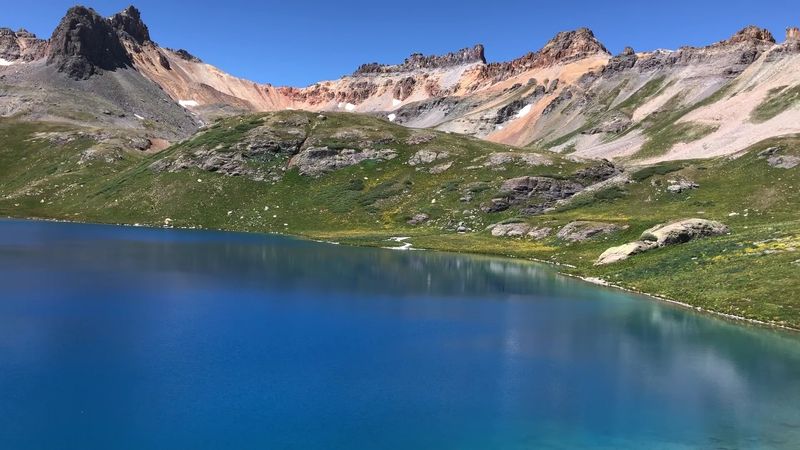
Imagine a lake so impossibly blue it looks like someone dumped food coloring into mountain runoff.
That’s Ice Lake for you—a high-altitude stunner that sits at 12,257 feet and glows with an otherworldly teal hue.
The 7-mile trek rewards you with wildflower displays that rival any botanical garden.
Come in late July when Indian paintbrush, columbine, and lupine blanket the hillsides in reds, whites, and purples.
The basin feels like stepping into a painting where every element competes for your attention.
4. Lake Isabelle (Brainard Lake Recreation Area)
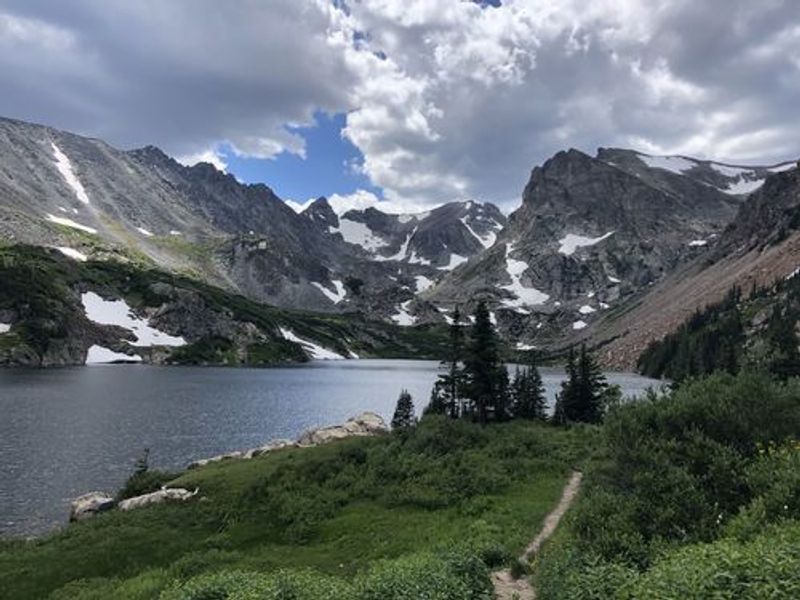
Apache Peak towers above this subalpine beauty like a guardian watching over its waters.
The 4.3-mile hike from Brainard Lake trailhead follows a gentle path that families with older kids can tackle without too much huffing and puffing.
Early morning visits reward you with glass-smooth reflections that double the mountain scenery.
Wildflowers crowd the shoreline in summer, while September brings golden aspens that frame the lake in autumn fire.
It’s accessible enough for casual hikers but remote enough to feel like your own discovery.
5. Crater Lake (Indian Peaks Wilderness)
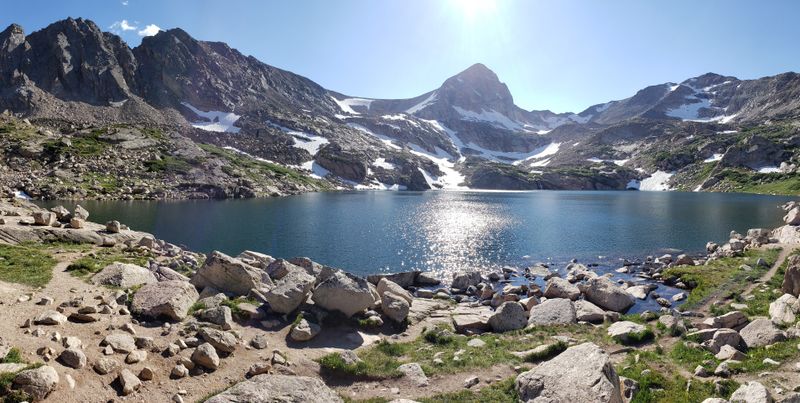
Carved by ancient glaciers, this cirque lake sits cradled in a rocky amphitheater that echoes with the sound of distant waterfalls.
At 11,600 feet, the air is thin but the views are thick with drama.
The 9-mile round trip from the Pawnee Pass trailhead tests your endurance but delivers big rewards.
Wildflowers carpet the approach in July, while marmots whistle warnings from boulder fields.
The lake’s deep waters stay icy cold year-round, fed by snowmelt that trickles down from the Continental Divide just beyond the ridge.
6. Mirror Lake (Indian Peaks Wilderness)

True to its name, this lake offers reflections so perfect you’ll question which side is up.
Surrounded by lodgepole pines and subalpine fir, the setting feels intimate compared to the grand vistas of higher alpine lakes.
A moderate 6-mile hike from the Brainard Lake area brings you to shores where dragonflies skim the surface on summer afternoons.
The trail passes through diverse terrain—forests, meadows, and rocky sections that keep things interesting.
Arrive at sunrise when the water turns to liquid glass and the mountains paint themselves twice across the surface.
7. Lost Lake (Near Nederland)
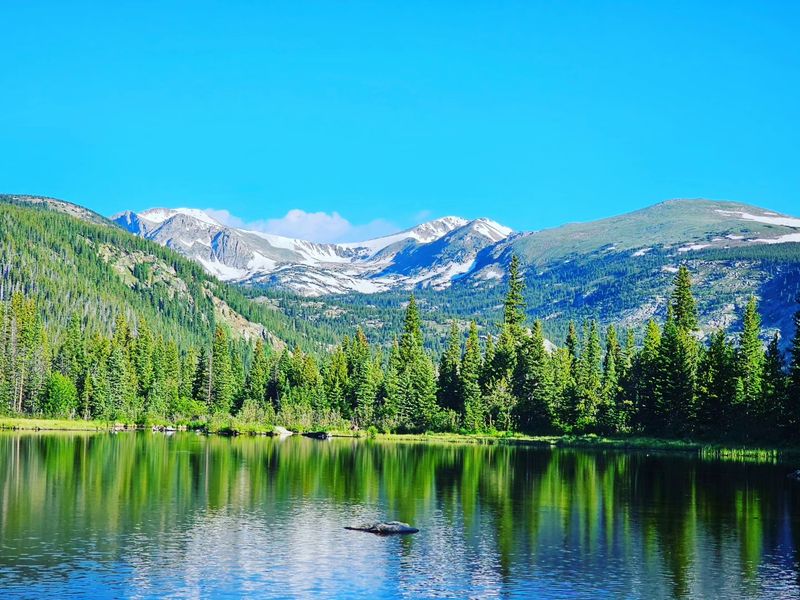
Just minutes from the quirky mountain town of Nederland, this gem proves you don’t need a grueling trek to find beauty.
The easy 1-mile trail makes it perfect for families, sunset strolls, or anyone wanting alpine scenery without the altitude struggle.
Lily pads dot the shallow sections while trout create ripples across deeper waters.
The lake sits in a forested bowl that glows golden when aspens change in September.
It’s popular with locals who know that sometimes the best adventures are hiding in your backyard, not at the end of an epic journey.
8. Emerald Lake (Rocky Mountain National Park)
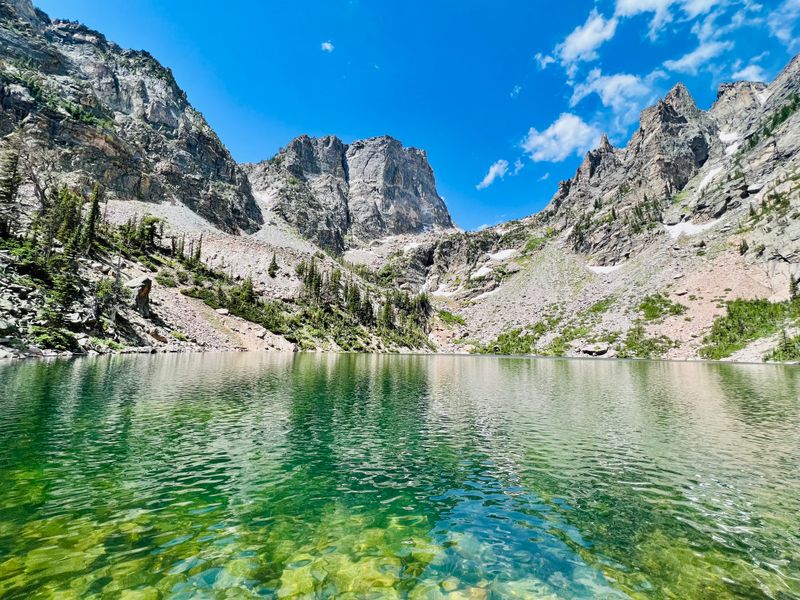
Named for its jewel-toned waters, this destination caps off a spectacular lake trilogy in the park.
The 3.6-mile round trip from Bear Lake trailhead passes Nymph and Dream Lakes before revealing the crown jewel nestled beneath Hallett Peak.
The green hue comes from light reflecting off the lake bottom, creating an effect that shifts from emerald to jade depending on the sun’s angle.
Summer mornings bring wildflowers and wildlife, while winter transforms the basin into a frozen wonderland.
It’s one of the park’s most photographed spots for good reason.
9. Lake Haiyaha (Rocky Mountain National Park)

Boulder fields surround this wild lake like nature’s own obstacle course.
The name comes from an Arapaho word meaning “rocks,” and you’ll understand why when you navigate the jumbled granite formations that frame the shoreline.
A 4.4-mile hike from Bear Lake brings you past Dream Lake before climbing through a chaotic landscape of house-sized rocks.
The setting feels prehistoric and raw compared to the gentler lakes nearby.
Strong winds often ripple the surface, creating whitecaps that crash against the boulders in a miniature ocean display at 10,220 feet elevation.
10. Ypsilon Lake (Rocky Mountain National Park)

Named after the Y-shaped snow pattern that lingers on Ypsilon Mountain above, this backcountry destination rewards those willing to venture beyond the crowds.
The 9-mile round trip keeps casual tourists away, giving you solitude that’s rare in the park.
Tundra vegetation and twisted krummholz trees create a harsh but beautiful landscape around the lake.
Elk frequent the area in early morning and late evening, their bugling echoing across the basin during fall rut.
The remoteness and raw beauty make every uphill step worthwhile when you finally reach the shoreline.
11. Chasm Lake (Rocky Mountain National Park)
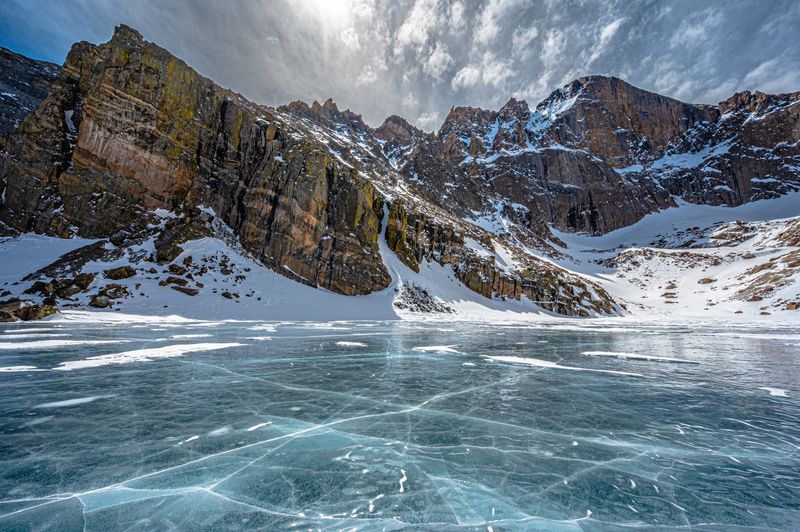
Sitting at the base of Longs Peak’s intimidating east face, this lake occupies one of the most dramatic settings in Colorado.
The 8.4-mile round trip climbs through multiple ecosystems before delivering you to a cirque where the famous Diamond wall rises 2,000 vertical feet above the water.
Climbers camp here before attempting technical routes on Longs Peak, but you don’t need ropes to appreciate the majesty.
The lake remains frozen well into July, and icebergs sometimes float across the surface even in August.
It’s raw, powerful, and humbling.
12. Mills Lake (Rocky Mountain National Park)
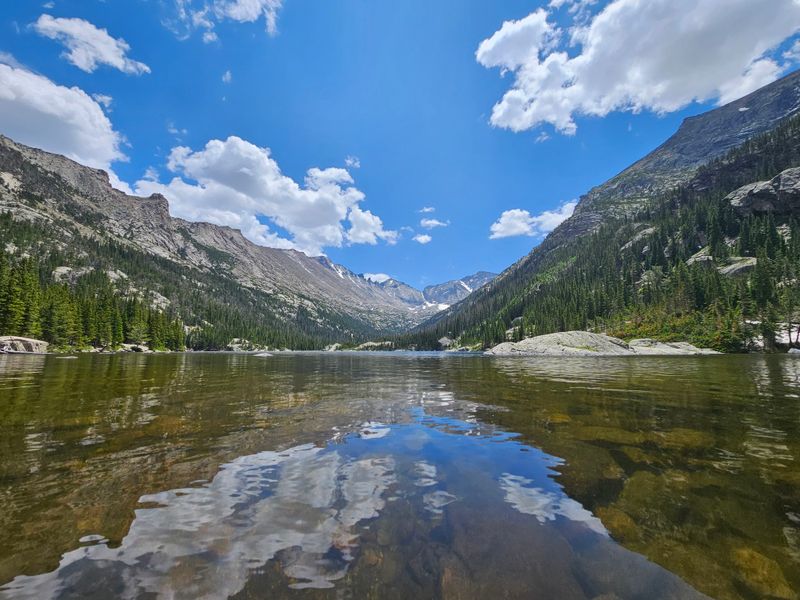
Often called the crown jewel of Glacier Gorge, this stunning lake spreads out beneath some of the park’s most iconic peaks.
The 5.6-mile round trip follows Glacier Creek through forest and meadow before opening to views that’ll stop you in your tracks.
Longs Peak, Pagoda Mountain, and Keyboard of the Winds form a dramatic backdrop that photographers dream about.
The relatively moderate trail makes it accessible to most hikers, though afternoon thunderstorms in summer require early starts.
Arrive before the crowds and you might catch reflections that belong on postcards.