
Hippos Swim Right Past Kids’ Noses Through The Glass At This Ohio Zoo
The plan was simple: find a hot afternoon escape with air conditioning and a bench. Instead, my kids ended up with their faces pressed to thick glass while something enormous drifted by underwater.
From the parking lot, this northwest Ohio stop looked like an ordinary city zoo, but it quietly holds a real piece of animal history. It also turned into the kind of day where nobody wanted to leave at closing time.
A Century-Old Zoo Straddling Broadway Street
Drive into the south side of Toledo along Broadway Street and the Toledo Zoo spreads out on both sides of the road. The century-old campus has grown into one of the biggest family draws in northwest Ohio.
The address is 2700 Broadway St, and the grounds house roughly 800 species of animals.
What surprises many first-time visitors is how much sits under one ticket. There is a modern aquarium, a zip-line, polar bears, giraffes you can feed, a train, a merry-go-round, and in colder months an ice slide.
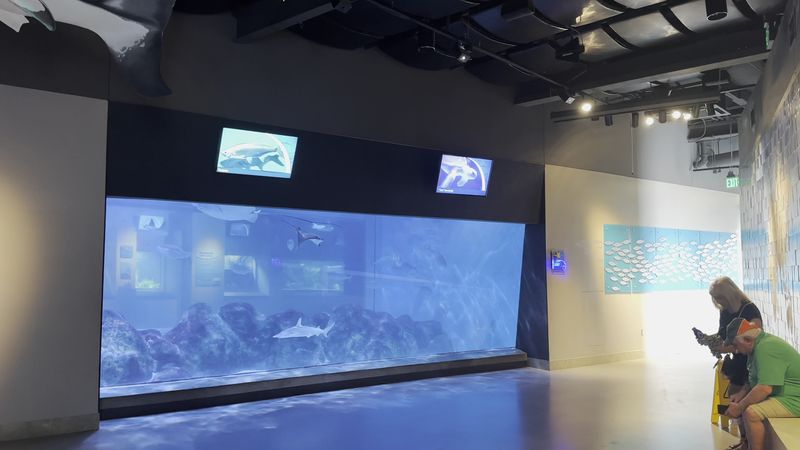
The aquarium is the headliner for families who love anything with fins, but it is part of the zoo as a whole rather than a separate trip.
For Ohio road-trippers, the location is easy to work into a weekend. Toledo sits along I-75 with the Ohio Turnpike close by, so families coming up from Dayton or over from Cleveland can reach Broadway without much fuss.
Plan on a full day. Some visitors arrive shortly after the 10 a.m. opening, stay until close, and still leave with a few exhibits unseen.
Think of the aquarium and the famous hippo history as anchors, then let the rest of the map fill in around them.
The Hippoquarium Story That Changed Zoo Design
Back in 1986, the Toledo Zoo tried something almost no one had pulled off before. It opened the Hippoquarium, a 360,000-gallon exhibit built so people could watch hippos from below the waterline instead of only from above.
A year later, the idea paid off in a way nobody could have scripted. In 1987, visitors watched a baby hippo named Puddles being born underwater, a moment that made headlines and turned a Toledo exhibit into a talking point for zoo designers around the world.
How big was the ripple? The Hippoquarium design went on to inspire underwater hippo viewing at zoos worldwide, including later exhibits in other parts of Ohio.
It also gave scientists a rare window into how hippos communicate with each other, since researchers could finally observe behavior that usually happens out of sight beneath murky river water.
For parents, the history adds a fun layer to the visit. Kids who press their noses to the glass are standing close to where modern hippo viewing more or less began.
Share the Puddles story on the drive up, and the exhibit turns from a big tank into a place where something genuinely new happened, right here in the Buckeye State.
Nose-to-Glass Hippo Encounters
Here is a fact that catches most kids off guard: hippos do not really swim. Instead, they push off the bottom and bounce or float along, which is exactly why underwater glass makes them so fascinating to watch.
Picture a huge animal tiptoeing across the pool floor, then drifting upward in slow motion. From the viewing side, that motion looks almost graceful, a totally different creature from the one resting on the bank.
Hippos can also hold their breath for several minutes, so patient families often get a long, close pass before the animal heads up for air.
Look at where the eyes, ears, and nostrils sit. All three perch on top of the head, letting a hippo stay mostly hidden underwater while still keeping tabs on everything around it.
That design makes for great photos, with a big body below and just a few bumps breaking the surface above.
A little timing helps. Hippos spend much of their day submerged, but activity comes and goes, so it can pay to circle back later if the pool looks quiet.
Young children do best near the front of the glass, and strollers may need to wait off to the side on busier days.
Stingray Pools and Hands-On Touch Tanks
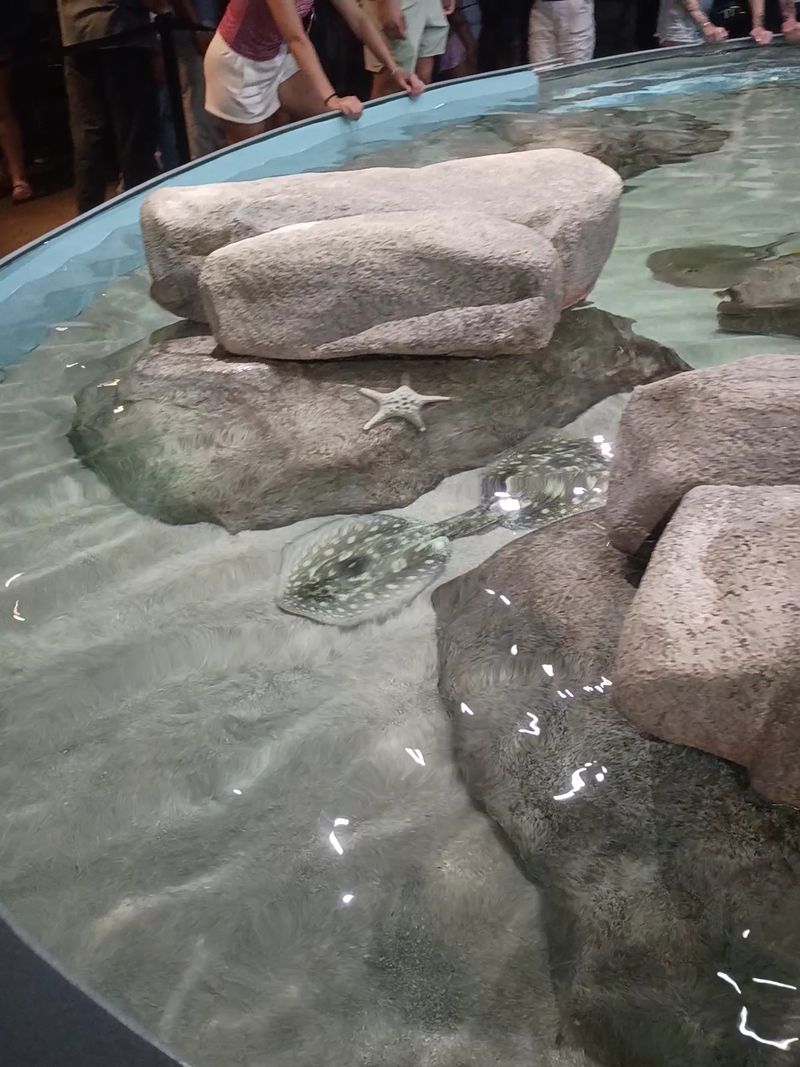
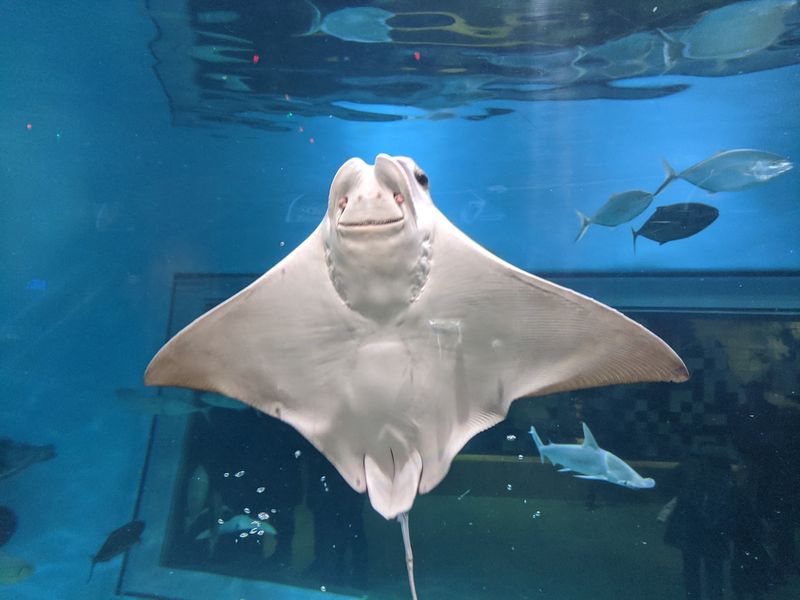
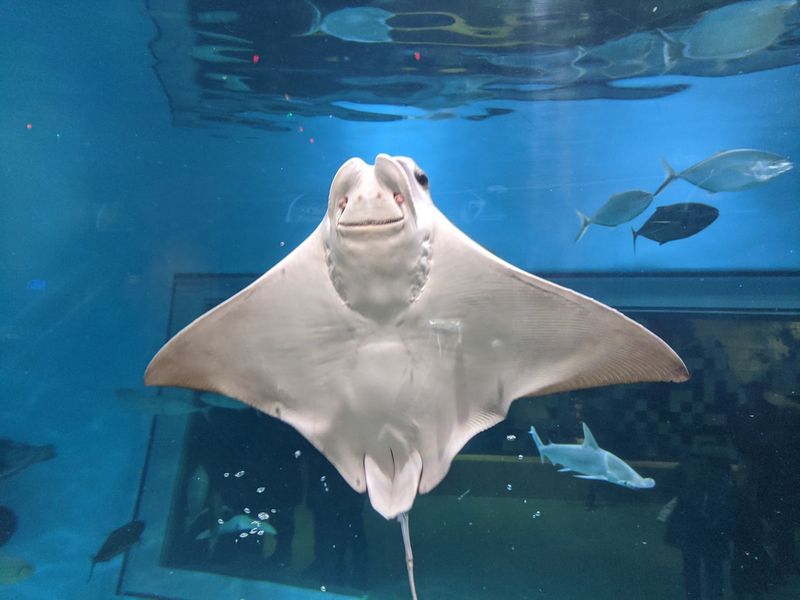
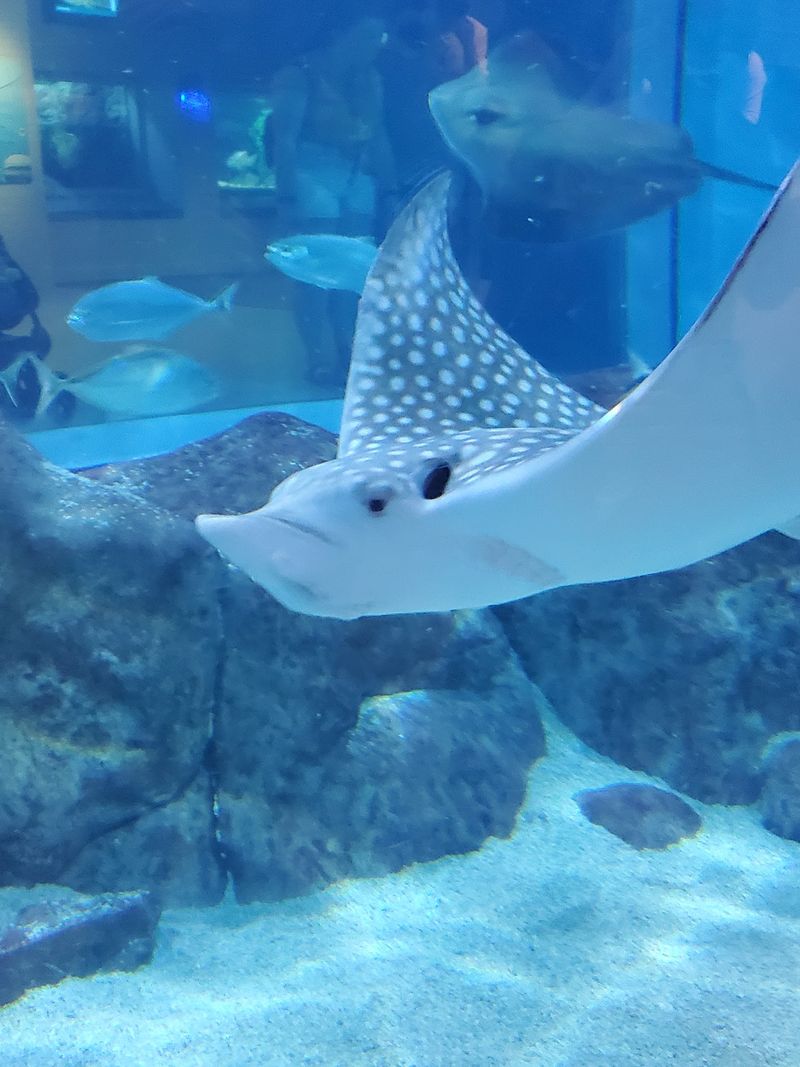
Ask a kid what they remember most about the aquarium and the answer is often the same: the stingrays. They top the list of things families talk about, and touching them is the moment many visitors look forward to all the way up the highway.
The rays glide through an open pool where guests can reach in as they swim past. Watching one circle back within reach for another lap makes it easy to get a second or third chance.
Some parents admit they end up just as thrilled as their children, which says a lot about the pull of this spot.
Nearby, a sizable touch tank adds starfish and other creatures to the hands-on lineup. It works best for older kids and adults who can reach in comfortably and follow directions, though younger ones can still enjoy watching from the edge.
Staff members stay close and tend to be patient with a constant stream of questions. Families mention how kindly employees answer curious kids, which turns a quick touch into a mini lesson about how rays eat, move, and live.
A special stingray encounter may also be offered at times, so check what is running the day you visit.
Sharks, Sea Turtles and a Clownfish Hideout
A giant sea turtle paddling past the glass has a way of stopping conversations mid-sentence. Kids point, adults lean in, and suddenly everyone is quietly tracking one very large, very calm reptile.
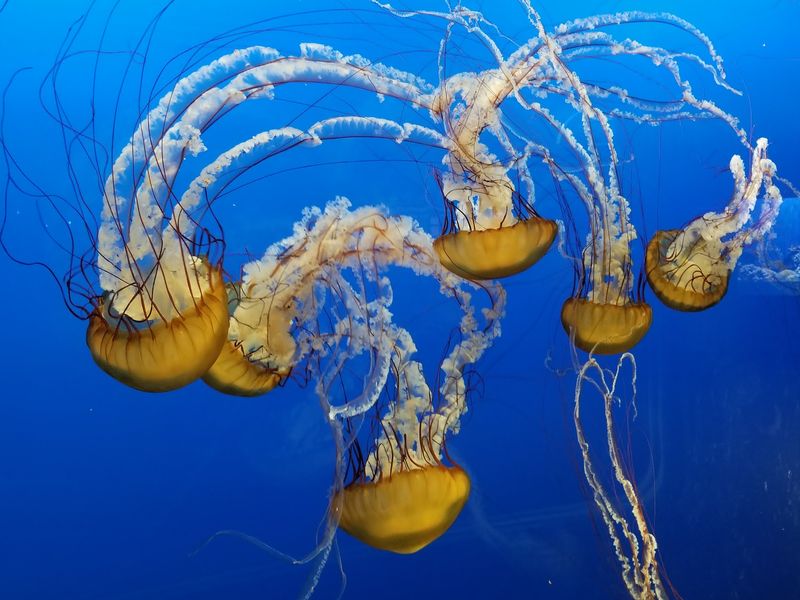
Sharks share the spotlight, and they are a big reason young visitors drag parents from one window to the next. Jellyfish pulse in their own glowing displays, offering a slower, almost hypnotic break from the busier tanks.
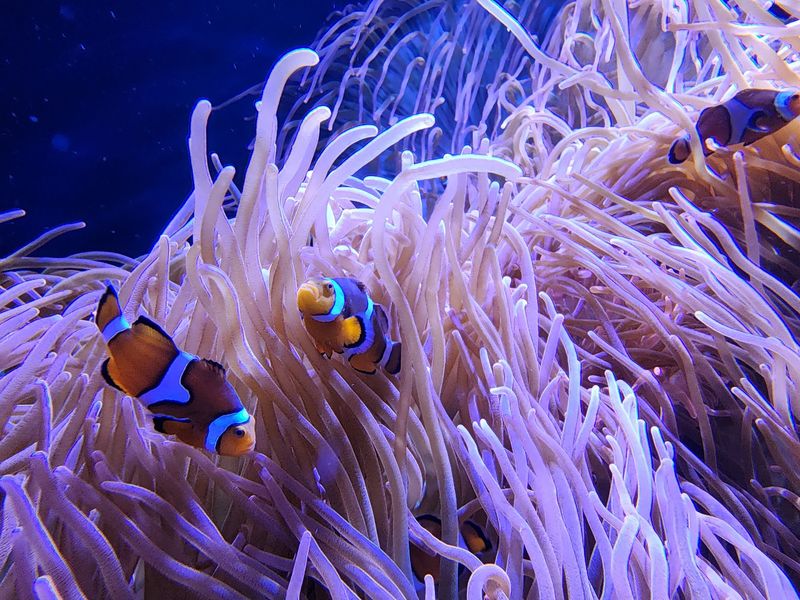
Fans of a certain animated clownfish will want to find the anemone tank. Bright orange fish tuck in and out of swaying anemones, while nearby coral adds color that looks almost painted.
Other residents include several kinds of starfish, a lionfish with dramatic fins, and a mantis shrimp, a small critter with a big reputation.
Why do people linger so long in a space that is not huge? Tanks are planted with lush greenery and kept in good shape, so there is always something new to notice.
One visitor pointed out you could technically walk through in ten minutes, yet many families spend far longer. Frogs have also been added recently, giving amphibian lovers a new reason to stop, and artwork around the displays rounds out the experience.
1930s Architecture Framed by Flower Beds
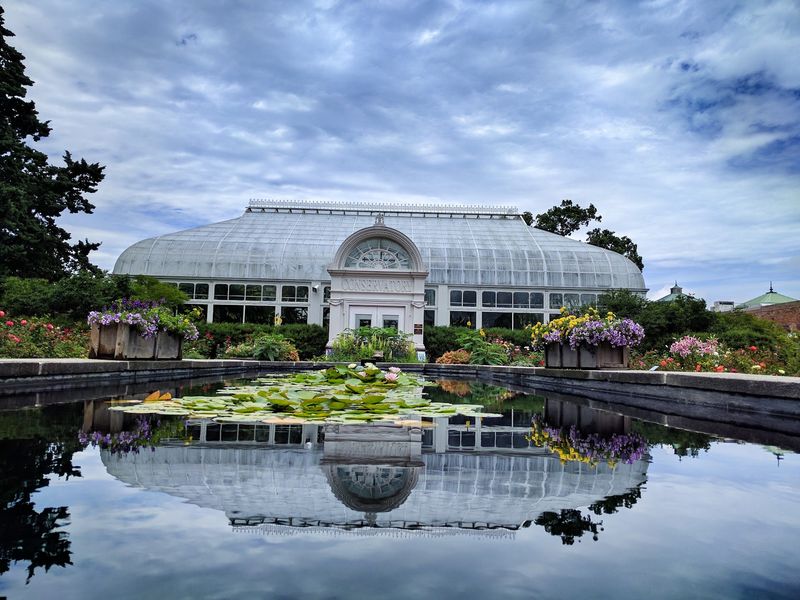
Not every zoo building earns a second glance, but the ones here often do. Several structures date to the 1930s, and their old-school architecture gives the grounds a character that newer parks simply cannot copy.
The aquarium area gets extra polish from its flower beds and landscaping. In warmer months, blooms line the paths outside, turning the walk between exhibits into a small garden stroll.
Inside, art pieces placed around the tanks add a thoughtful touch, so the building feels more like a gallery with fish than a row of glass boxes.
There is an honest trade-off, too. The zoo’s land footprint is smaller than some modern parks, and a few older enclosures feel compact compared with newer builds.
Visitors who notice this also tend to point out how impressive the renovated buildings are, and updates continue across the property.
For grandparents along on the trip, the vintage details can become a highlight all their own. Kids race ahead to the animals while older family members slow down to admire rooflines and design touches from nearly a century ago.
It is an easy way to keep a mixed-age group happy, with each generation finding something to point at.
Family Comforts from Changing Tables to Splash Pads
Hot July afternoon, sticky toddler, and a long walk back to the car. That scenario is where the aquarium quietly earns its keep, because it stays cool in summer and warm in winter, giving families a comfortable reset in any Ohio season.
Restrooms get more attention than you might expect. Visitors single them out as unusually clean, and the zoo includes adult changing tables, a detail that matters a great deal to families caring for someone with extra needs.
The grounds also get praise for accessibility overall, which helps anyone pushing a stroller or wheelchair.
Bringing a reusable bottle? There is a water bottle refill station, a small perk that helps families stay hydrated without buying drink after drink.
On warm days, a splash pad elsewhere at the zoo gives kids a chance to cool off and burn energy, so packing a change of clothes is smart.
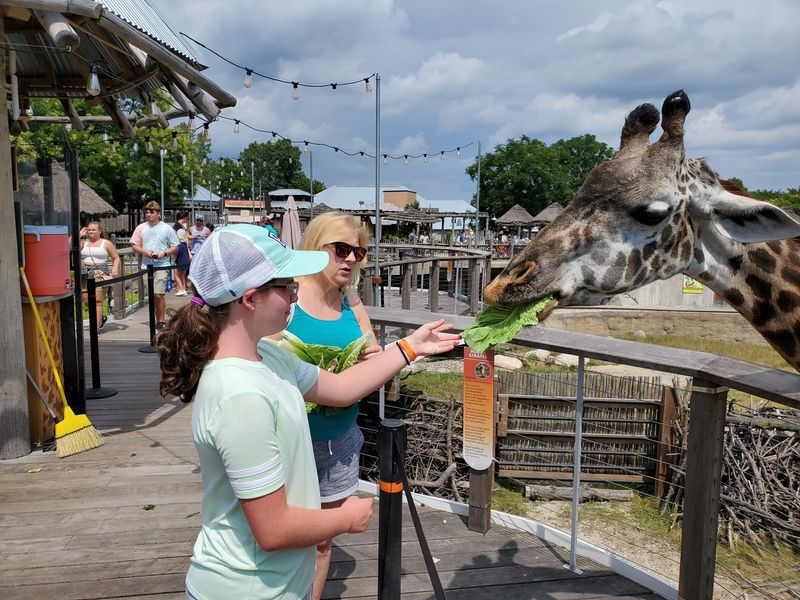
Other add-ons keep little ones busy between exhibits. Families can ride the train and merry-go-round, feed the giraffes, and in colder months try the ice slide.
Some of these may cost extra or come bundled with certain membership packages, so it helps to decide which ones matter most before you arrive.
Hours, Admission and Parking Across Broadway
Doors open at 10 a.m. and close at 4 p.m., seven days a week, based on current listings. Hours can change seasonally or for special events like Zoo Lights, so double-check before loading the car.
Admission covers a lot of ground. One recent visitor reported paying about $45, which included the zoo, the aquarium, and parking in the lot across the street.
Prices can vary by age, date, and membership status, so treat that figure as a rough guide rather than a fixed rate, and know that spending here supports animal care and upkeep.
Getting there is simple from most of Ohio. The zoo sits at 2700 Broadway St in Toledo, a short hop from I-75, making it roughly a two to two-and-a-half-hour drive from Cleveland or Columbus depending on traffic.
Parking across Broadway means crossing the street, so hold small hands tight.
Timing matters. Summer weekends can get busy, and the aquarium fills up quickly when it is hot outside.
Arriving right at opening gives you a calmer start at the stingray pool before crowds build. Winter brings the holiday Zoo Lights, which transform the grounds with festive displays and draw big evening crowds.
A Day That Outlasts the Gate Hours
Some trips are planned around one big attraction and end up being about ten small ones. That is the pattern here, where a hippo pool with real history, a stingray pool, and glowing jellyfish all fit into the same afternoon.
Families with kids in the elementary years may get the most out of it, since they are old enough for the touch tank and curious enough to pepper staff with questions. Toddlers still have plenty to watch, and the splash pad handles restless energy.
Adults, meanwhile, often say they learn something new each time, which keeps repeat visits interesting.
Who might want to adjust expectations? Visitors used to sprawling newer zoos may find some older enclosures snug.
The aquarium itself is not enormous either, though it packs in more variety than its size suggests.
Still, the combination is hard to match in Ohio. You get a piece of zoo history where underwater hippo viewing first caught the world’s attention, hands-on marine encounters, clean facilities, and vintage buildings, all under one admission.
Pack snacks, charge the camera, and plan to stay until the gates close, because the day tends to run out long before the list of things to see does.