
10 Historic Parks In Nevada That Bring The State’s Wild Past Back To Life
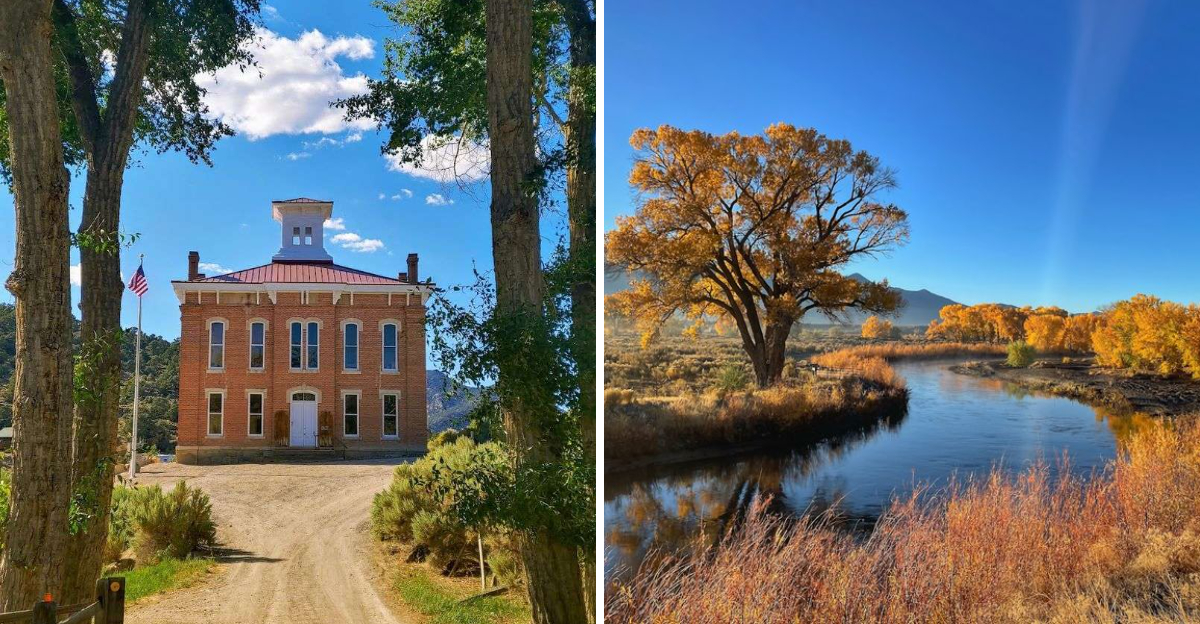
Bright signs and slot machines get plenty of attention, but Nevada has a much stranger, dustier side waiting beyond the usual vacation script. Old forts, fossil beds, ghost-town remains, ranch sites, and pioneer paths still hold stories that feel loud once you start paying attention.
One stop might bring mining-era grit. Another might lead you toward ancient tracks, crumbling walls, or a view that makes the past feel weirdly close. That is the fun of these places. They do not turn history into a sleepy plaque you glance at for two seconds.
They make it feel walkable, touchable, and a little dramatic. Pack curiosity, wear decent shoes, and prepare for Nevada to show off its time-travel side.
1. Mormon Station State Historic Park (Genoa)
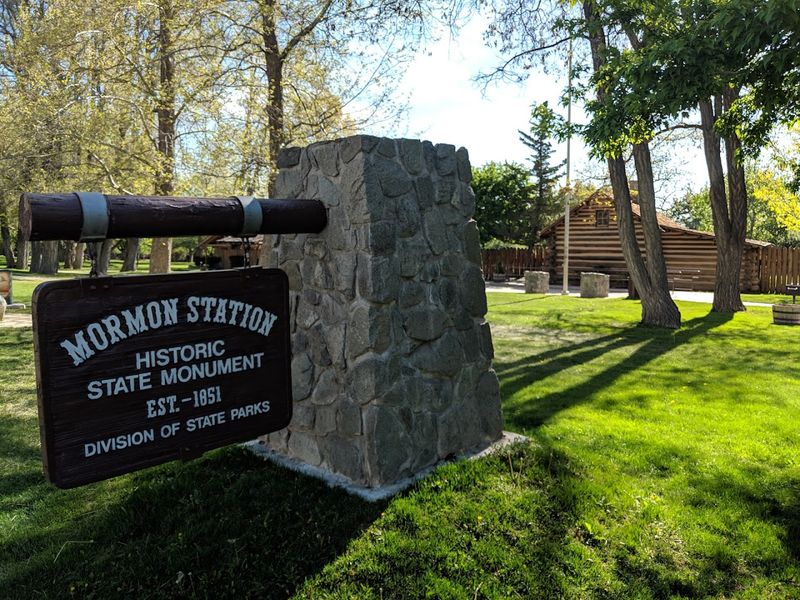
Picture the very first permanent settlement in Nevada, where travelers on the California Trail stopped for supplies and rest. Mormon Station started as a small trading post back in 1851, serving exhausted pioneers heading west.
The original log structure you see today was rebuilt to show exactly how it looked when Mormon settlers ran this vital outpost.
Walking around the stockade, you can imagine wagons rolling in after weeks on dusty trails. Inside the museum, artifacts tell stories of the brave families who stopped here.
Kids especially love the old tools and pioneer equipment on display.
The park sits in beautiful Genoa, Nevada’s oldest town, surrounded by the Sierra Nevada mountains. Summer brings living history demonstrations where costumed interpreters show how pioneers lived.
You can pack a picnic and enjoy the shaded grounds while soaking up atmosphere from the 1850s.
Best of all, admission is free, making this an easy stop for families. The park is small but packed with fascinating history about Nevada’s earliest days.
Rangers are friendly and love sharing stories about the hardy souls who built Nevada from scratch.
2. Fort Churchill State Historic Park (Near Silver Springs)
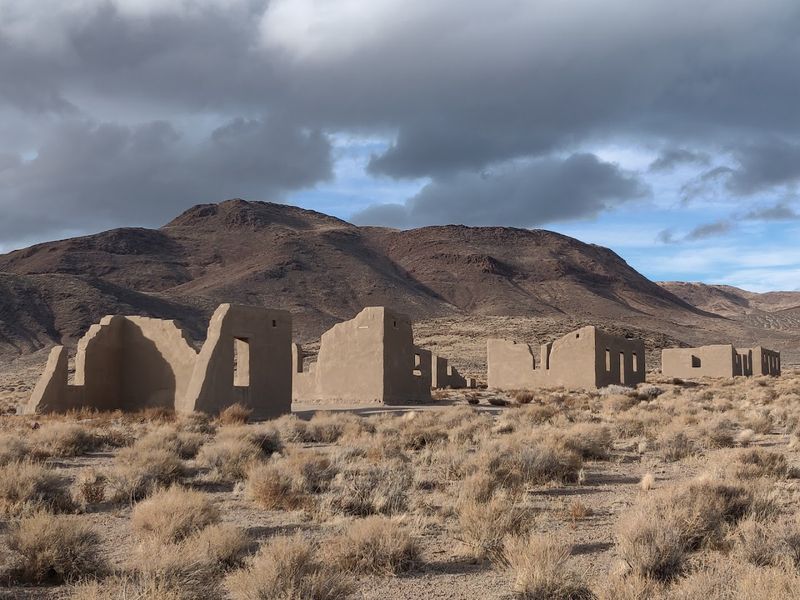
Built in 1860 to protect Pony Express riders and settlers, Fort Churchill once buzzed with soldiers keeping peace during Nevada’s silver boom. Today, its dramatic adobe ruins stand like ghosts in the desert, creating one of the most photographed historic sites in the state.
These crumbling walls witnessed incredible Wild West drama during their active years.
The fort protected the Overland Mail route and telegraph lines during the Civil War era. Over 200 soldiers were stationed here at its peak.
Now you can wander freely among the ruins, reading interpretive signs that explain each building’s purpose.
A fantastic visitor center features exhibits about military life, including uniforms, weapons, and personal items soldiers used. The park also offers excellent camping spots along the Carson River if you want to spend the night under Nevada stars.
Spring and fall are perfect visiting times when temperatures are comfortable.
Hiking trails wind through the area, offering views of the ruins from different angles. Photographers arrive at sunrise and sunset when golden light makes the adobe walls glow.
This park truly captures the feeling of frontier military life in the American West.
3. Buckland Station (Within Fort Churchill State Historic Park)
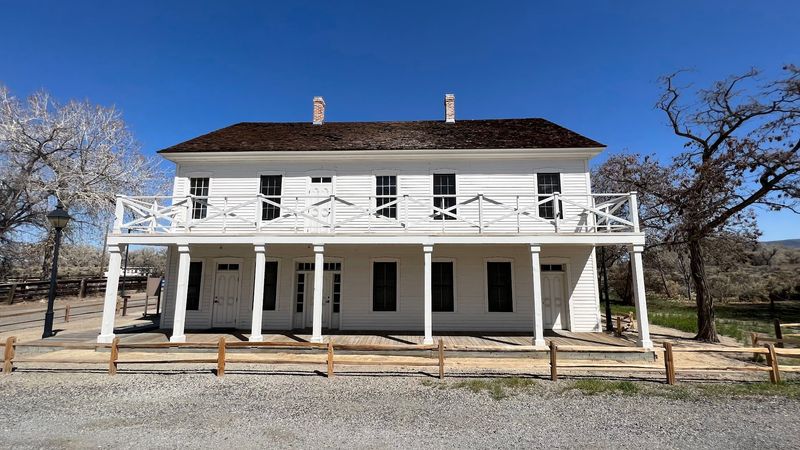
Right near Fort Churchill sits Buckland Station, a genuine Pony Express stop where riders changed horses in record time. Samuel Buckland built this station in 1859, and it quickly became one of the busiest stops on the entire Pony Express route.
Imagine young riders galloping in, switching to fresh horses in under two minutes, then racing off again.
The station also served as a stagecoach stop and inn for weary travelers. Buckland ran a ranch, trading post, and even a saloon here.
The restored buildings let you peek into rooms where exhausted riders grabbed quick meals before continuing their dangerous journeys.
What makes Buckland Station special is how well-preserved everything is. Original corrals still stand where hundreds of horses once waited.
Inside, period furnishings show how people lived and worked during the 1860s.
Rangers often give talks about the Pony Express, sharing wild stories of the fearless teenagers who carried mail across dangerous territory. You can explore the grounds at your own pace, reading signs that explain daily operations.
Combined with Fort Churchill next door, this makes an unforgettable day exploring Nevada’s communication history during the frontier era.
4. Ward Charcoal Ovens State Historic Park (Near Ely)
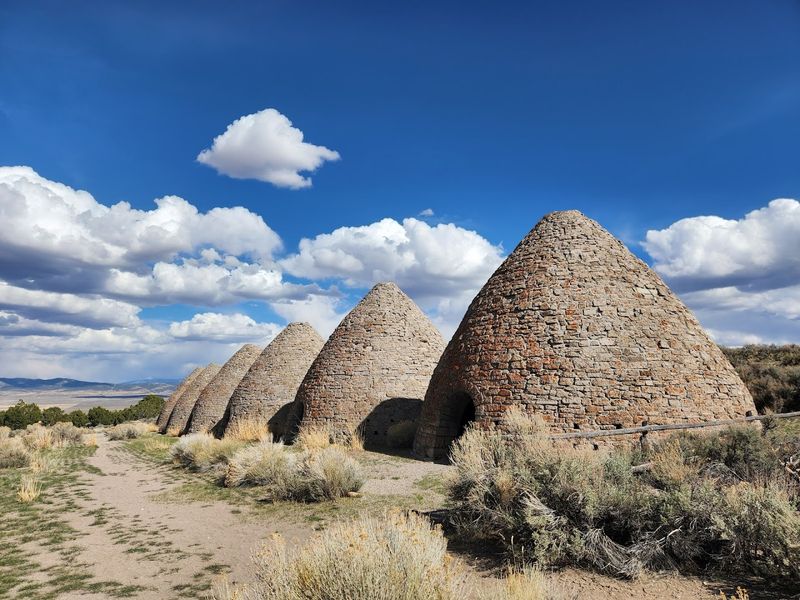
Six massive beehive-shaped ovens rise from the desert floor like something from a fairy tale. These aren’t ordinary ovens though.
Built in 1876, they produced charcoal to fuel the silver smelters in nearby Ward mining district. Each oven stands 30 feet tall and could turn 35 cords of pinyon pine into charcoal in a single burn.
The engineering is mind-blowing when you consider workers built these by hand using local materials. They’re shaped like beehives to create perfect airflow for slow-burning wood.
You can walk right up and peer inside these historic structures, feeling the cool air even on hot days.
Surrounding mountains were once covered with pinyon pine forests that workers cut down to feed these hungry ovens. The charcoal they produced was essential for extracting silver from ore.
Without these ovens, the mining boom might never have happened.
The park offers picnic areas and a chance to camp near these incredible structures. Photographers love visiting during golden hour when the stone glows warm orange.
It’s a bit remote, but that isolation adds to the experience. Standing here, you really feel how hard people worked to strike it rich in Nevada’s mining days.
5. Berlin-Ichthyosaur State Park (Nye County)
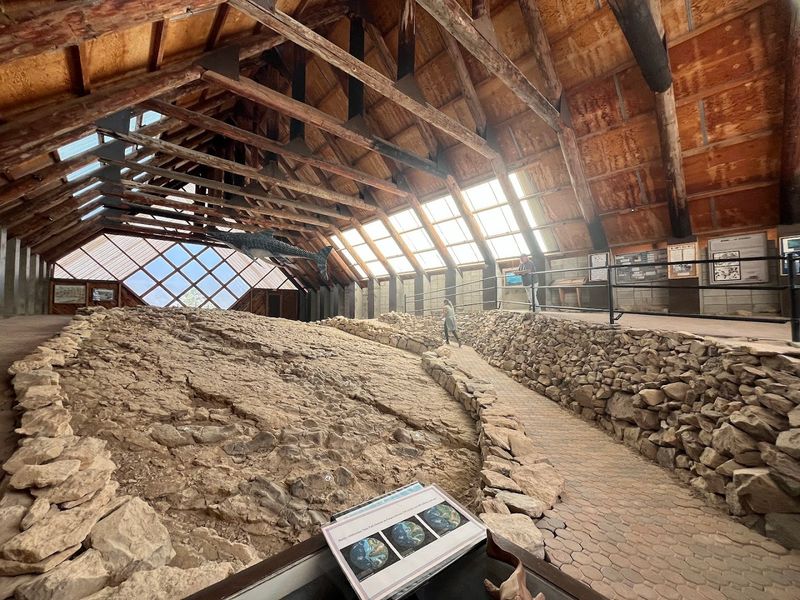
This park combines two incredible Nevada stories: an abandoned mining town and North America’s most abundant ichthyosaur fossil site. Berlin was a gold and silver mining camp that thrived briefly in the early 1900s.
Original buildings still stand, frozen in time, with tools and equipment left behind when miners moved on.
But the real showstopper is the fossil shelter protecting ancient ichthyosaur remains. These massive marine reptiles swam in oceans covering Nevada 225 million years ago.
Some fossils here measure over 50 feet long, making them among the largest ever discovered.
Guided tours take you into the fossil house where you can see these incredible creatures still embedded in rock. Rangers explain how Nevada was once underwater and why so many ichthyosaurs died in this particular spot.
It’s like visiting a natural history museum in the middle of nowhere.
The ghost town buildings are equally fascinating, with stamp mills and assay offices waiting to be explored. Camping is available if you want to experience the remote desert night.
This park is definitely off the beaten path, requiring a drive on dirt roads, but it’s absolutely worth the adventure for anyone who loves fossils or ghost towns.
6. Dayton State Park (Dayton)
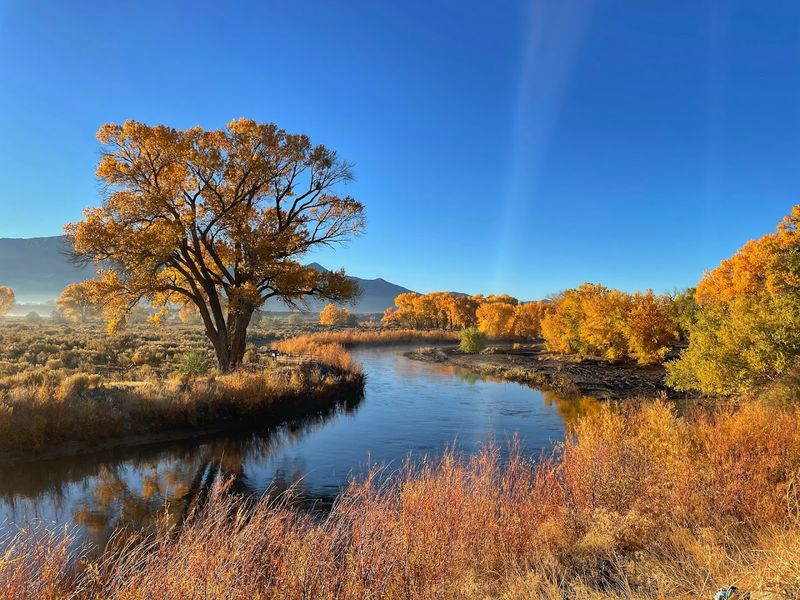
Along the Carson River sits Dayton, one of Nevada’s oldest settlements and a key supply center during the Comstock Lode era. Gold was discovered here in 1849, making it one of the first mining camps in the territory.
The park preserves riverside land where miners once panned for gold and set up camps.
Today it’s a peaceful spot for picnicking, fishing, and enjoying the cottonwood-shaded riverbanks. But history whispers everywhere you look.
Old Dayton town nearby still has buildings from the 1860s, including Nevada’s oldest continuously operating saloon.
The park offers great access to the Carson River for fishing and wading on hot summer days. Interpretive signs explain how this area supported the massive mining operations happening up the hill in Virginia City.
Ore from the Comstock was processed in mills along this river, using water power to crush rock.
It’s a small park but perfect for families wanting to combine outdoor fun with history. You can float the river, spot wildlife, then walk into old Dayton to see authentic frontier buildings.
The combination of natural beauty and mining heritage makes this a special stop that many visitors overlook on their way to more famous attractions.
7. Spring Mountain Ranch State Park (Near Las Vegas)
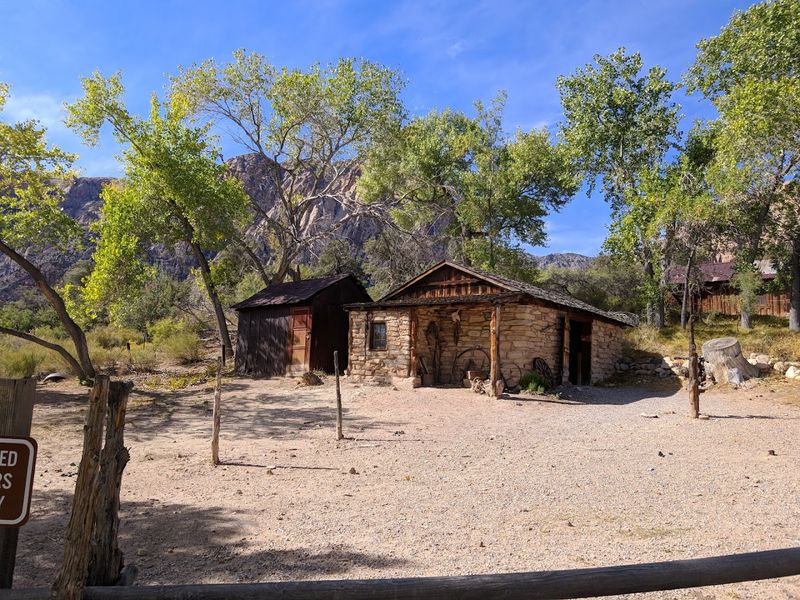
Just 20 minutes from the Las Vegas Strip, this ranch feels like a different world entirely. Red rock mountains surround a green oasis where natural springs have supported life for thousands of years.
The ranch changed hands many times, owned by everyone from early settlers to millionaire Howard Hughes.
Original ranch buildings from different eras still stand, including a charming main house you can tour. The property once hosted glamorous parties when actress Vera Krupp owned it in the 1950s.
Later, Hughes bought it as a potential home, though he never actually lived here.
Walking the grounds, you’ll see peacocks roaming freely and century-old trees providing shade. The park offers guided tours explaining each owner’s story and how they shaped the ranch.
Living history days feature costumed interpreters demonstrating ranch skills like blacksmithing and butter churning.
Summer brings outdoor theater performances against the stunning red rock backdrop. Picnic areas are perfect for escaping city heat.
The contrast between this peaceful historic ranch and nearby Las Vegas makes it even more special. You can explore buildings, hike trails, and learn about everyone from pioneers to movie stars who called this beautiful spot home.
8. Tonopah Historic Mining Park (Tonopah)
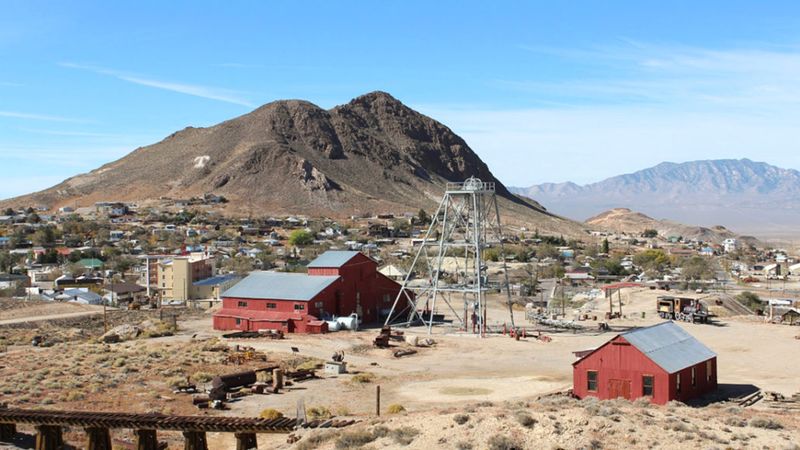
Tonopah exploded into existence after prospector Jim Butler stumbled onto incredibly rich silver ore in 1900. Within years, this became one of Nevada’s most productive mining districts, producing millions in silver and gold.
The historic mining park preserves original mines, equipment, and buildings right where miners worked over a century ago.
You can walk among authentic headframes, ore cars, and machinery that pulled fortune from the earth. Self-guided trails wind past mine entrances and processing facilities with excellent interpretive signs explaining mining methods.
The Mizpah Mine and other historic operations are preserved exactly as miners left them.
What’s really cool is how the park sits right in town, not hidden away somewhere remote. You can literally touch history, getting up close to massive equipment.
Some original buildings house mining artifacts and historical photos showing Tonopah’s boom years.
The park offers guided tours during summer where knowledgeable guides share stories of mining life, both triumphant and tragic. You’ll learn about the technology that made deep mining possible and the people who risked everything for silver.
Evening visits are magical when the old headframes are lit up against the desert sky. This park brings Nevada’s mining heritage to life better than almost anywhere else in the state.
9. Belmont Courthouse State Historic Site (Belmont)
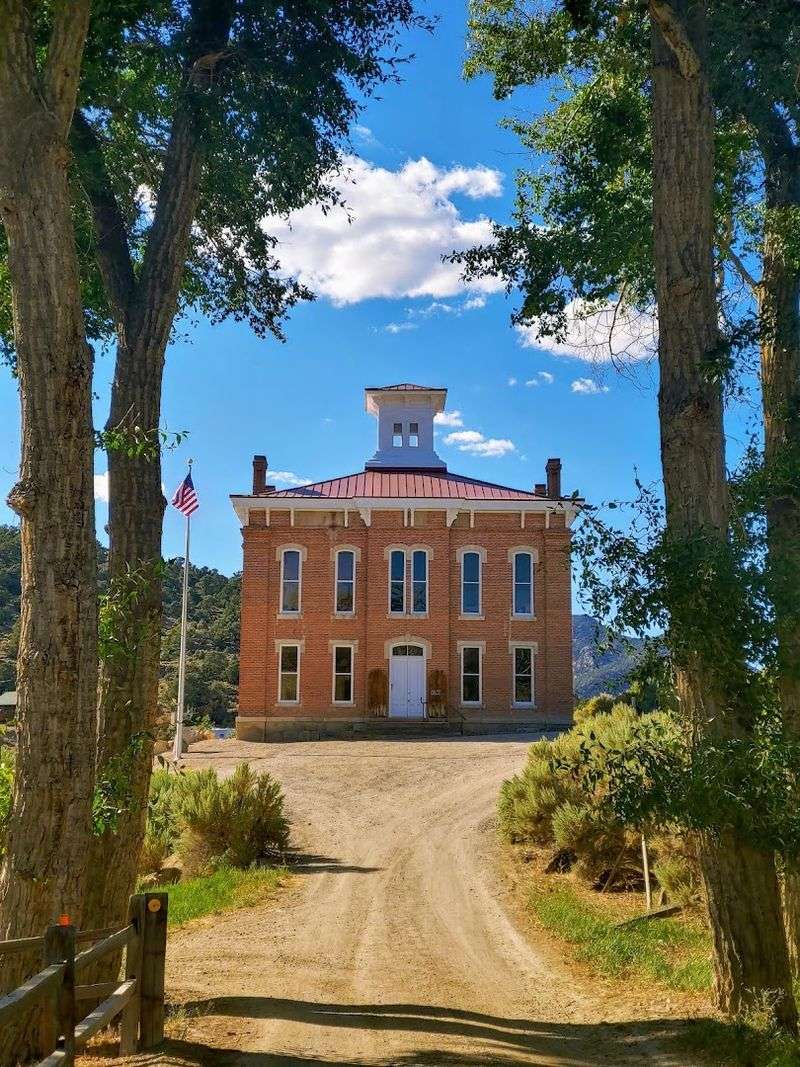
Deep in central Nevada sits Belmont, once a roaring silver camp and county seat. The magnificent brick courthouse built in 1876 still stands proud, a remarkable survivor in this remote location.
When silver prices crashed, Belmont’s population vanished almost overnight, leaving this beautiful building behind like a monument to boom-and-bust dreams.
The courthouse is surprisingly elegant for a frontier town, with tall windows and classic architecture. Inside, original courtrooms and offices remain, complete with period furniture.
You can almost hear echoes of trials and county business conducted here during Belmont’s glory days.
The entire town is basically a ghost town now, with crumbling stone buildings scattered across the hillside. Exploring requires caution, but it’s an authentic look at what happens when mining wealth disappears.
The contrast between the well-maintained courthouse and surrounding ruins tells Nevada’s boom-and-bust story perfectly.
Getting here requires commitment since Belmont is seriously remote on dirt roads. But that isolation is part of the magic.
Few tourists make the journey, so you might have the whole place to yourself. Photographers love the dramatic setting with historic buildings against vast desert landscapes.
This is real Nevada history without crowds or commercialization, just you and the ghosts of miners past.
10. Cathedral Gorge State Park (Panaca)
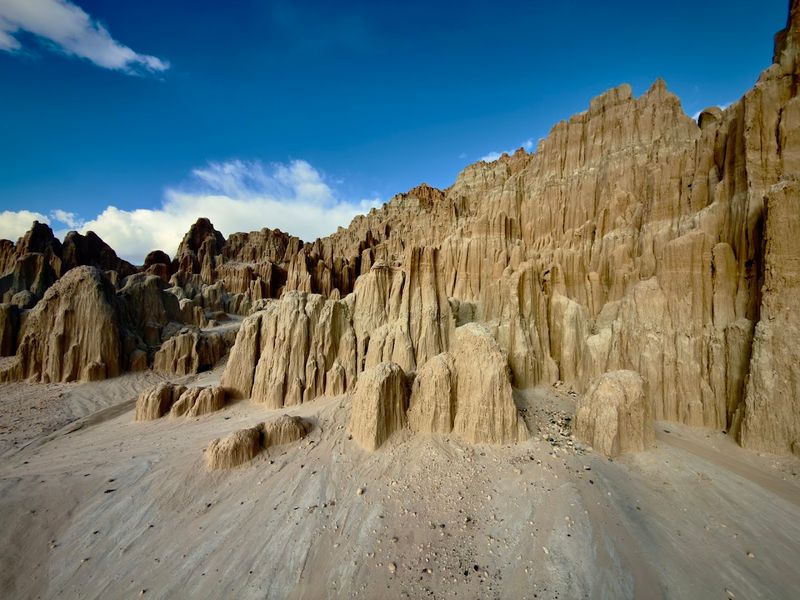
Millions of years ago, a huge freshwater lake covered this area. When it drained, soft sediments were left behind to be carved by wind and rain into fantastic shapes.
Cathedral Gorge features narrow slot canyons, towering spires, and cave-like formations that early travelers compared to Gothic cathedrals.
While primarily known for geology, this park has significant human history too. Native peoples used these caves for shelter.
Early settlers marveled at the formations. In the 1930s, the Civilian Conservation Corps built trails and facilities that visitors still use today.
You can explore narrow passages between towering walls, some so tight you’ll need to turn sideways. Kids love scrambling through the maze-like canyons.
The park’s main trail leads to Miller Point overlook where you can see the entire gorge spread below.
Camping here puts you right among the formations for sunrise and sunset photography. The soft bentonite clay glows amazing colors in golden light.
Rangers offer programs about both the geology and human history of the area. Cathedral Gorge shows how Nevada’s landscape itself tells stories, carved by time into shapes that inspired wonder in everyone who passed through.
It’s natural history and human history combined in one spectacular desert park.