
10 Historic Spots In Tennessee Where You’ll See More Than Any Textbook Ever Could Show
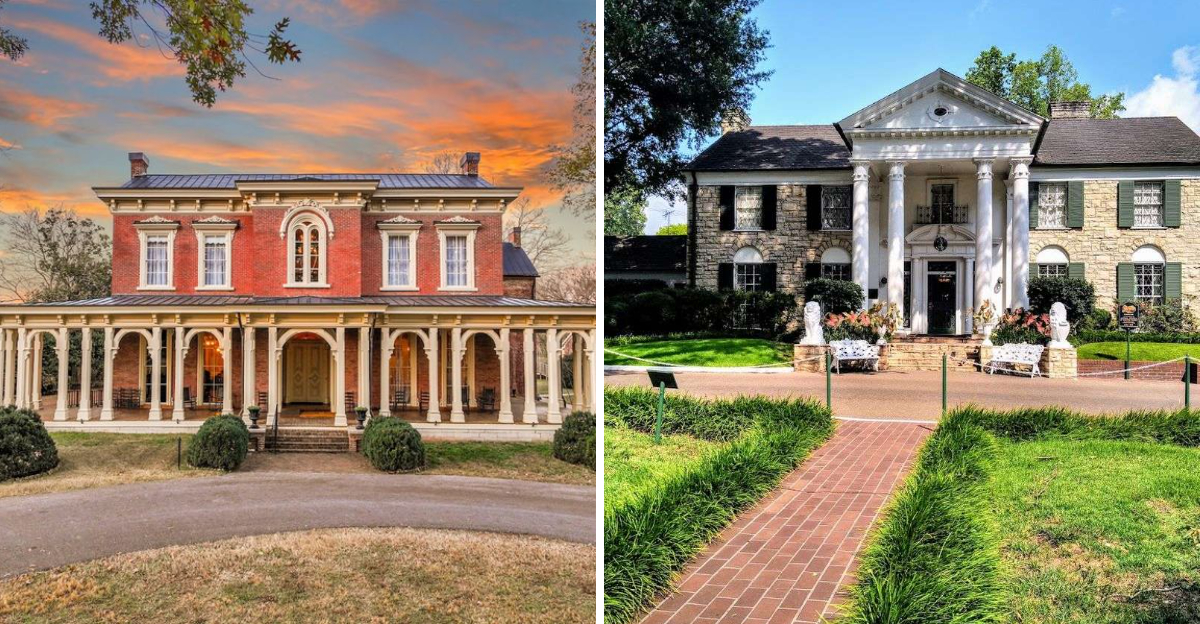
History feels different when you’re standing right where it happened. In Tennessee, stories aren’t just told, they’re experienced in places that still carry the past in every detail.
Walk through old homes, city streets, and cultural landmarks, and the connection becomes clear almost instantly. Some moments feel quiet and reflective, others leave a lasting impression long after you’ve moved on.
It’s not about memorizing dates or names. It’s about seeing, hearing, and understanding things in a way that stays with you.
These spots offer a closer look at history that no page can fully capture.
1. Andrew Jackson’s Hermitage, Hermitage
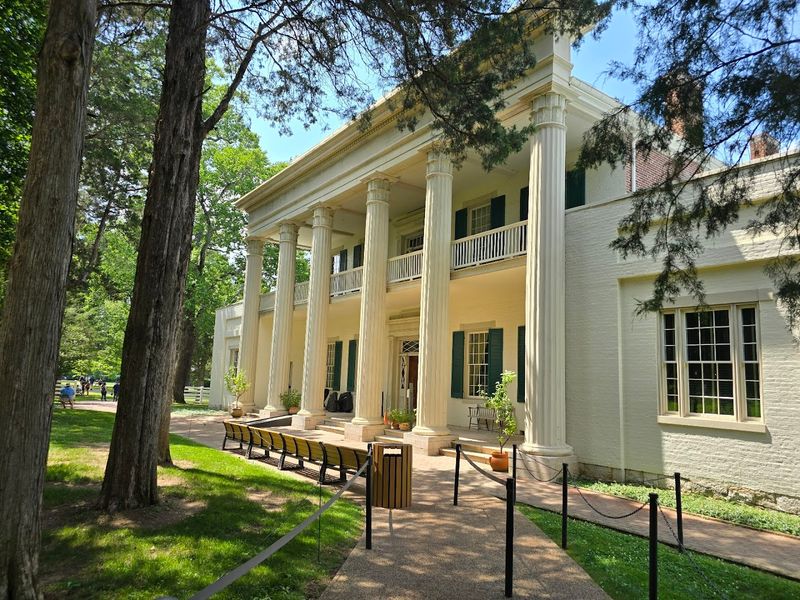
Long before Andrew Jackson became the seventh President of the United States, he was a Tennessee planter with a complicated and powerful story waiting to be told at every corner of his estate.
Andrew Jackson’s Hermitage, located at 4580 Rachels Ln in Hermitage is one of the most complete presidential sites in the entire country.
Visitors can tour the mansion, stroll through the original gardens, and visit the preserved slave quarters, which give an honest and sobering look at the full picture of life on this plantation.
The museum collections here include Jackson’s personal belongings, letters, and artifacts that bring his larger-than-life personality into sharp focus.
What makes this site especially powerful is that it does not shy away from the harder truths of history, offering guided tours that address the lives of the enslaved people who kept this estate running.
Children and adults alike tend to leave with a much deeper understanding of the early American republic than any textbook summary could provide.
Plan to spend at least two to three hours here, because every building and garden path has something new to reveal.
2. Ryman Auditorium, Nashville
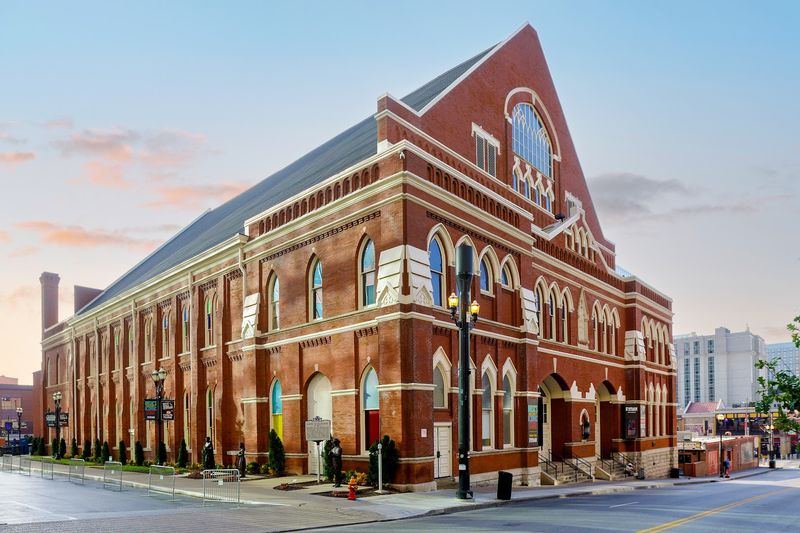
Known affectionately as the Mother Church of Country Music, the Ryman Auditorium at 116 Rep. John Lewis Way N in Nashville carries a reverence that you can almost feel the moment you get inside.
Built in 1892 as a gospel tabernacle, this red-brick building went on to become the original home of the Grand Ole Opry and hosted legends like Hank Williams, Patsy Cline, and Johnny Cash on its famous stage.
The self-guided daytime tour lets you sit in the original wooden pews, walk across the actual performance stage, and explore exhibits that trace the building’s journey from revival hall to music landmark.
One of the most striking features inside is the row of stained glass windows that flood the auditorium with warm, colorful light, a reminder of the building’s spiritual origins.
Catching a live performance here in the evening takes the experience to an entirely different level, since the acoustics are considered among the finest of any venue in North America.
Whether you are a country music fan or simply a lover of great American stories, the Ryman has a way of leaving a lasting impression that stays with you long after you leave Nashville.
3. Andrew Johnson National Historic Site, Greeneville
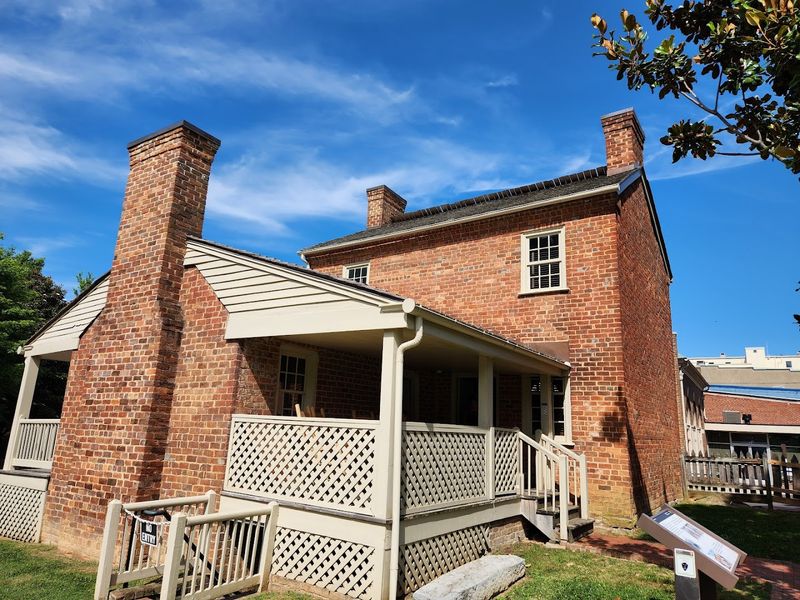
The Andrew Johnson National Historic Site tells the story of a man who rose from a tailor’s apprentice to the seventeenth President of the United States, and then faced one of the most dramatic political crises in American history.
Managed by the National Park Service, the site at 101 N College St includes Johnson’s early home, his tailor shop, and his later presidential residence, all of which are open for exploration.
Standing inside the tailor shop feels surprisingly intimate, since it connects you directly to the humble beginnings of a man who shaped Reconstruction-era America.
The visitor center offers well-crafted exhibits on Johnson’s presidency, his complicated relationship with Congress, and his impeachment trial, which remains one of the most studied events in American political history.
Rangers here are genuinely passionate about sharing the nuances of Johnson’s legacy, making their guided tours some of the most informative you will find at any presidential site in the Southeast.
Greeneville itself is a charming small town worth exploring after your visit, with historic architecture and a welcoming local atmosphere that perfectly complements the deeper historical experience at the site.
4. Belle Meade Historic Site, Nashville
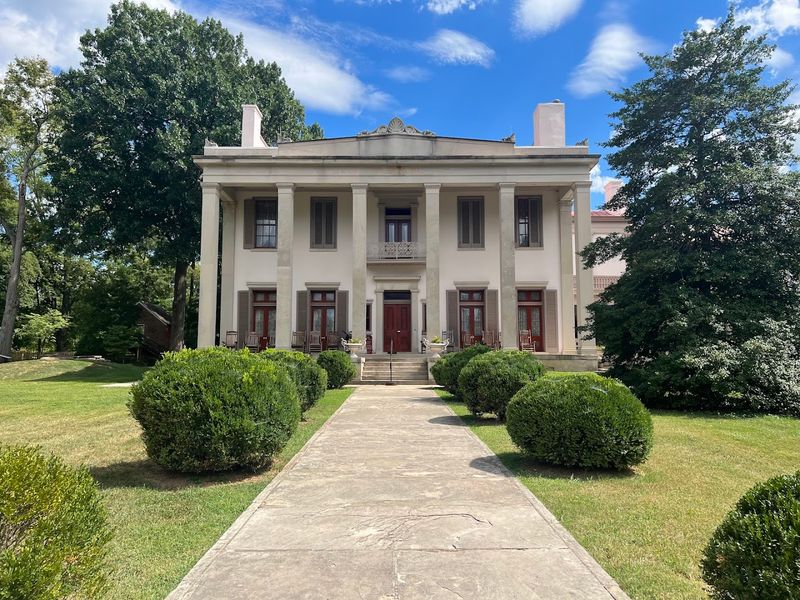
Few places in Tennessee manage to weave together the stories of thoroughbred horse racing, antebellum plantation life, and African American history as seamlessly as Belle Meade Historic Site does at 5025 Harding Pike in Nashville.
The stunning Greek Revival mansion at the heart of the estate was built in 1853 and served as the centerpiece of one of the most celebrated horse breeding farms in the entire country during the nineteenth century.
Iroquois, one of the first American-bred horses to win the English Derby, was raised right here on these grounds, a fact that still draws horse enthusiasts from across the world.
Tours of the mansion are thoughtfully designed to include the full history of the site, including the stories of the enslaved and later freedmen workers whose labor and expertise were essential to the farm’s success.
The carriage house and stables are beautifully preserved and give a vivid sense of the scale and ambition of the operation during its peak years.
With gorgeous grounds, compelling storytelling, and a level of historical depth that surprises most first-time visitors, Belle Meade earns its place as one of Nashville’s most rewarding historical destinations.
5. Graceland, Memphis
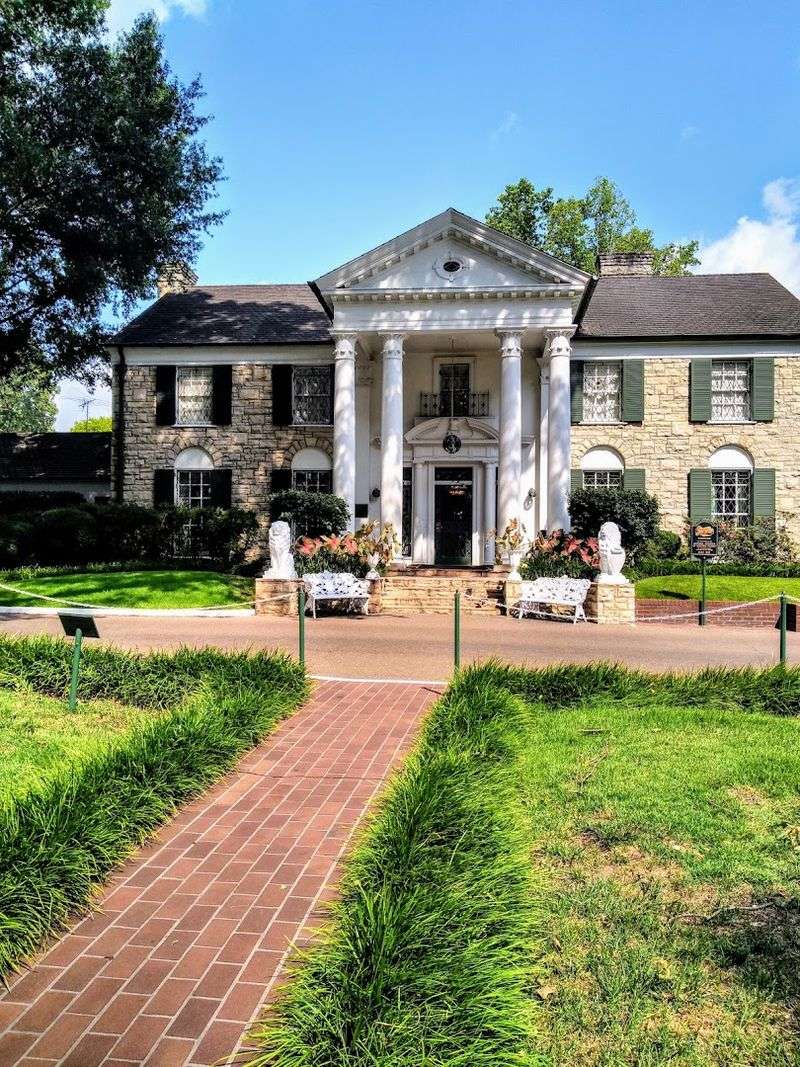
Even people who are not hardcore Elvis fans tend to walk away from Graceland with a genuine sense of wonder, because this place on Elvis Presley Blvd in Memphis is unlike any other celebrity home tour in the world.
Elvis Presley purchased Graceland in 1957 when he was just twenty-two years old, and the mansion became his personal sanctuary, creative retreat, and family home until his passing in 1977.
The interior has been preserved with remarkable care, and getting into the jungle room, the TV room with its three screens, and the famous shag-carpeted basement feels like walking directly into a 1970s time capsule.
Beyond the mansion itself, the campus now includes a state-of-the-art museum complex featuring Elvis’s private planes, his car collection, and thousands of personal artifacts and costumes that trace his extraordinary career.
The meditation garden, where Elvis and several family members are buried, is a quietly moving space that many visitors find unexpectedly emotional.
Graceland draws over 600,000 visitors each year, making it one of the most visited private homes in the United States, and once you have been there, it is very easy to understand why.
6. President James K. Polk Home And Museum, Columbia
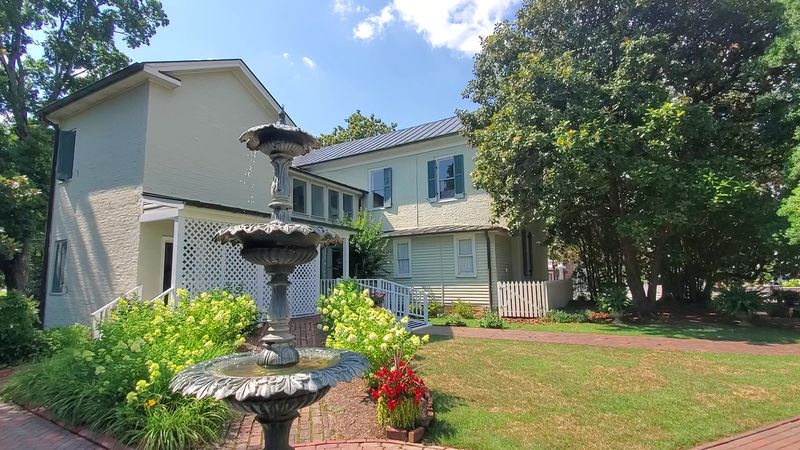
Most people could not pick James K. Polk out of a presidential lineup, but a visit to his home and museum at 301 W 7th St in Columbia, Tennessee makes a strong case that the eleventh president deserves far more recognition than he typically receives.
This Federal-style house in Columbia is the only surviving private residence of Polk, who served as president from 1845 to 1849 and oversaw the greatest territorial expansion of the United States since the Louisiana Purchase.
The museum’s collections include an impressive array of original furnishings, White House china, and personal items belonging to both Polk and his wife Sarah, who was one of the most politically influential first ladies of the nineteenth century.
Knowledgeable guides walk visitors through the rooms where young James grew up, painting a vivid portrait of frontier Tennessee life in the early 1800s and the political ambitions that would eventually carry him to the White House.
The site is compact enough to tour in about an hour, making it an ideal stop on a broader Tennessee history road trip without requiring a full day commitment.
Columbia itself has a charming downtown worth exploring, and the Polk home fits naturally into a visit to this pleasant Middle Tennessee city.
7. Lotz House Museum, Franklin
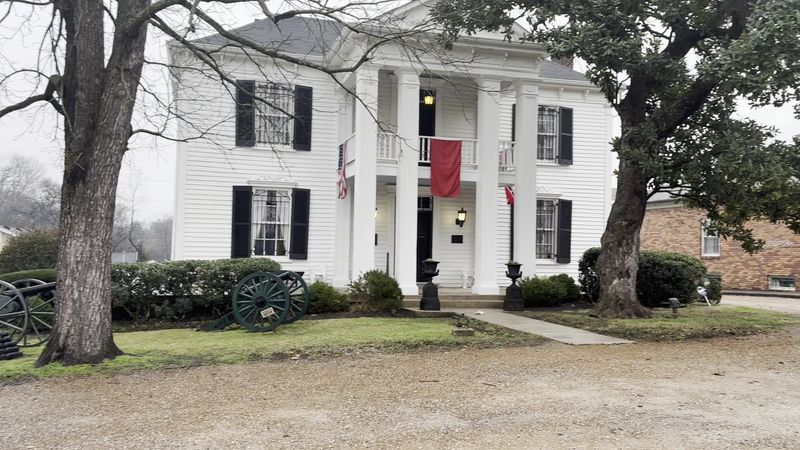
The Lotz House Museum at 1111 Columbia Ave is a beautifully detailed Italianate home that tells the story of the battle from an entirely different and deeply personal perspective.
German immigrant Johann Albert Lotz built this house in 1858, and on the night of the battle, his family fled to the Carter House basement for safety while their home became a field hospital for wounded soldiers.
Today the house has been meticulously restored and filled with period-appropriate furnishings, Civil War artifacts, and original woodwork carved by Lotz himself, who was a skilled craftsman.
The museum’s collection includes an extraordinary number of recovered battlefield items, many found right on the property, and the exhibits do an exceptional job of connecting individual human stories to the broader sweep of the Civil War.
One particularly striking feature is the artwork and interpretive displays that bring the chaos and tragedy of November 30, 1864 into clear and emotional focus without ever feeling exploitative.
Combining a visit here with the Carter House next door creates one of the most complete and moving Civil War experiences available anywhere in Tennessee.
8. Historic RCA Studio B, Nashville
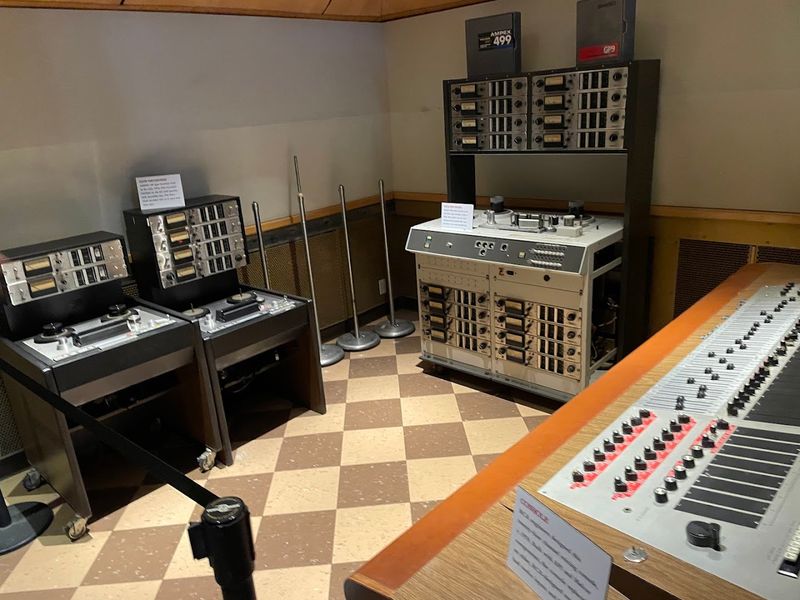
Country music history was quite literally recorded inside the walls of Historic RCA Studio B at 1611 Roy Acuff Pl in Nashville and a tour of this compact but legendary space makes that crystal clear.
Between 1957 and 1977, more than 1,000 albums and 35,000 recordings were made in this studio, including iconic tracks by Elvis Presley, Dolly Parton, Roy Orbison, and the Everly Brothers.
The studio is now operated by the Country Music Hall of Fame, and tours are available exclusively through their downtown museum, which means you will need to plan ahead and purchase tickets in advance.
Walking into the actual recording room, with its original hardwood floors and vintage equipment, produces a genuine sense of awe, especially when the tour guide describes exactly which artists stood in which spots during famous sessions.
The control room is particularly fascinating, with its vintage recording console preserved in working condition and displayed behind glass so visitors can appreciate its engineering without disturbing the historic setup.
For anyone passionate about American music history, Studio B is not just a tour, it is a pilgrimage to one of the most productive creative spaces the country has ever produced.
9. Oaklands Mansion, Murfreesboro
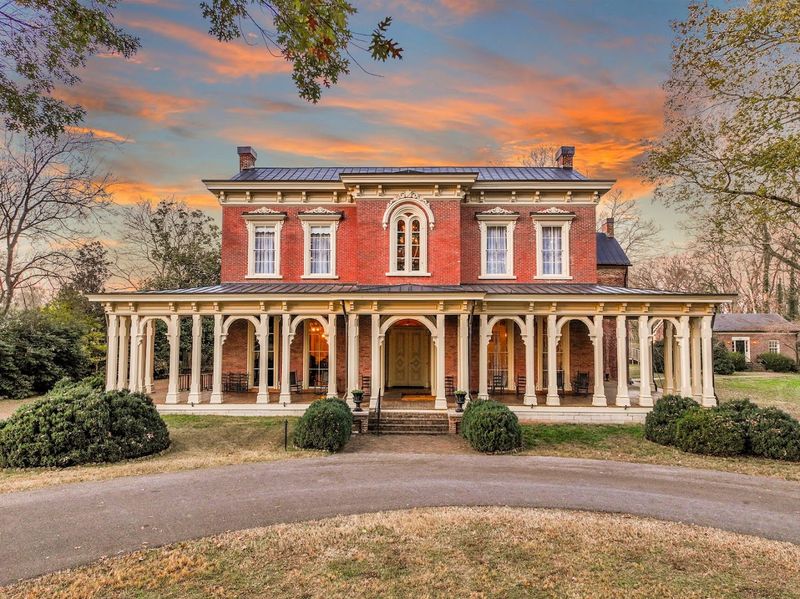
Sitting gracefully at 900 N Maney Ave in Murfreesboro, Oaklands Mansion carries the kind of layered history that seems almost too dramatic to believe, including a personal visit from Confederate President Jefferson Davis during the Civil War.
The mansion evolved over several decades, beginning as a simple brick farmhouse in the 1820s before being expanded into the grand Italianate structure that stands today, a transformation that mirrors the ambitions and fortunes of the Maney family who owned it.
During the Civil War, Murfreesboro served as a Confederate stronghold for a period, and Oaklands functioned as a social and military hub, making it a witness to some of the most turbulent years in Tennessee history.
Tours of the mansion are guided by knowledgeable interpreters who bring the antebellum and wartime periods to life through compelling storytelling and well-curated period furnishings.
The grounds surrounding the mansion are beautifully maintained and invite a leisurely stroll after your indoor tour, giving visitors a sense of the estate’s original scale and elegance.
Oaklands also hosts seasonal events and living history programs throughout the year, making it worth checking their calendar before your visit to catch something extra special during your time in Murfreesboro.
10. Sam Davis Home, Smyrna
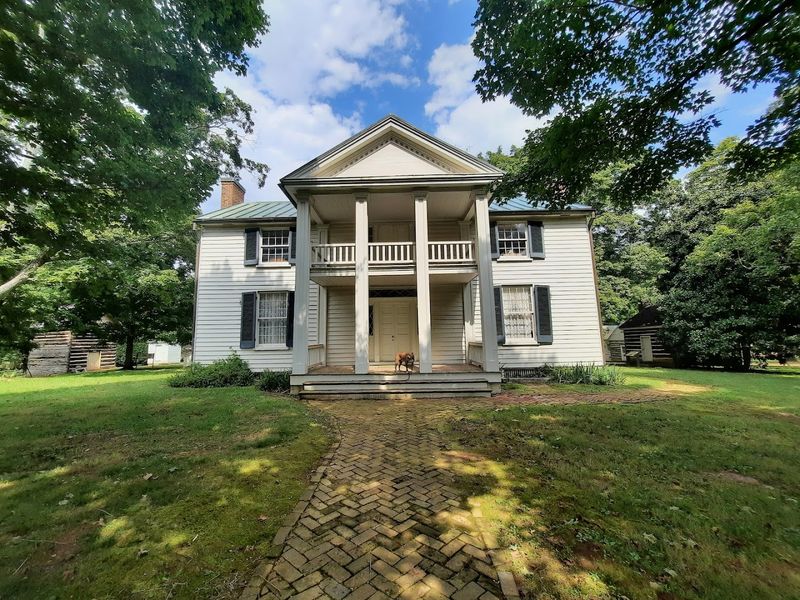
About twenty miles southeast of Nashville in the small city of Smyrna, the Sam Davis Home at 1399 Sam Davis Rd preserves the story of a young Confederate soldier who became one of the most celebrated figures in Tennessee Civil War memory.
Sam Davis was only twenty-one years old when he was captured and executed by Union forces in 1863 after refusing to reveal the source of military intelligence he was carrying, an act of loyalty that earned him the title of Boy Hero of the Confederacy.
The original farmhouse where Davis grew up has been carefully preserved along with several outbuildings, including slave quarters that are incorporated into the site’s interpretive programming with honesty and historical care.
Guided tours here are notably thoughtful in presenting multiple perspectives on the Civil War era, making the visit feel educational rather than one-sided.
The surrounding grounds are quiet and pastoral, with old-growth trees shading the property and giving it a timeless, almost cinematic quality that photographs beautifully in every season.
For history enthusiasts making a circuit of Middle Tennessee’s Civil War sites, the Sam Davis Home adds a deeply human and emotionally resonant chapter to a journey already full of remarkable stories.