
12 Historical Sites In Pennsylvania That Tourists Don’t Know About
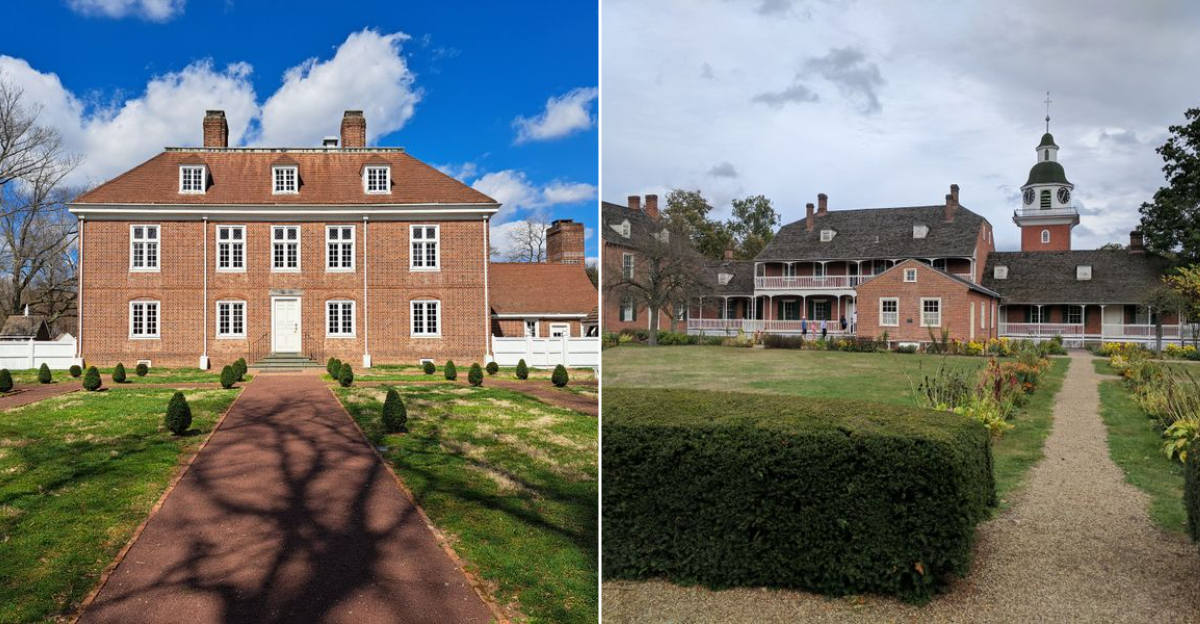
Pack a good pair of walking shoes because Pennsylvania’s quiet corners are hiding stories that rival any blockbuster.
You and I are about to slip behind the velvet rope to places most tourists miss, where iron roared, oil gushed, and faith communities carved out surprising lives.
Expect creaking floorboards, soot smudges, and the kind of hush that makes you lean in.
Ready to chase whispers across counties and come home with brag-worthy discoveries and crumbly photo ops.
1. Cornwall Iron Furnace, 94 Rexmont Rd, Cornwall
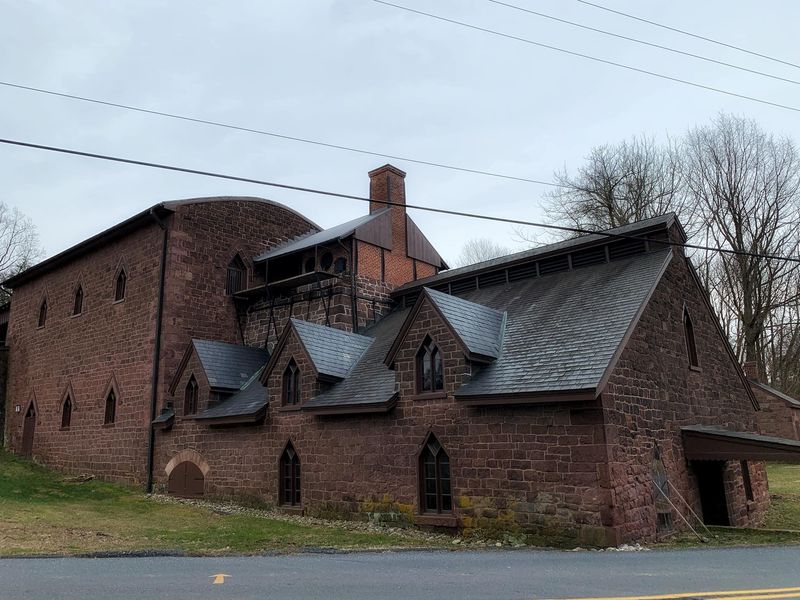
Walk into Cornwall Iron Furnace and the air still hums with the ghost heat of molten metal.
Here, charcoal, limestone, and iron ore turned into cannon, stoves, and stories that shaped a young nation.
Look up at the towering stone stack and you can almost hear wheelbarrows rattle and foremen call out over the clank of pig iron.
Guides paint vivid pictures of a company town, from worker housing to woodland charcoal pits feeding the beast.
You will see casting arches, charging bridges, and remnants of waterpower that kept this industrial heart beating.
Stand near the tapping floor and picture a river of fire pouring into sand molds, sparks skittering like fireflies.
Practical tip, visit early when tours are small and the echoing rooms feel personal.
The museum displays explain how charcoal iron differed from anthracite coke and why that mattered for quality and wartime needs.
Afterward, stroll the serene grounds and appreciate how quiet it is now, knowing it once roared like a dragon.
2. Eckley Miners’ Village, 2 Eckley Main St, Weatherly
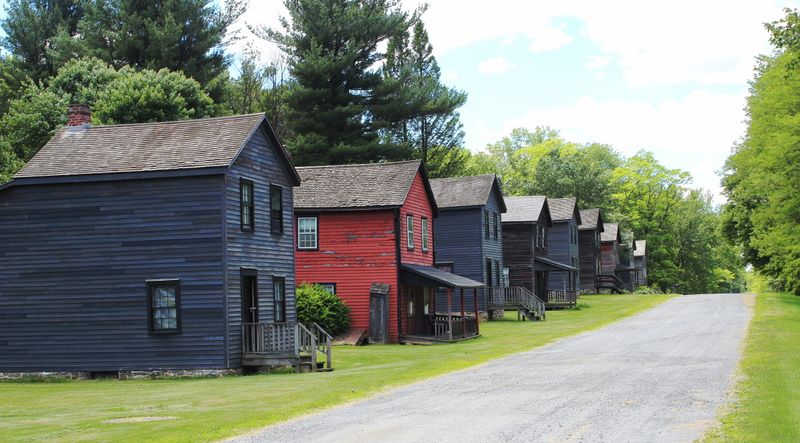
On a windy ridge above Weatherly, Eckley Miners’ Village looks like time decided to pause for a breath.
Wooden company houses line the road in tidy rows, each one whispering about pay packets, coal dust, and Saturday wash.
You can almost feel the grit under your nails as you step onto the stoops and peer inside.
Interpretive exhibits lay out the realities of anthracite mining, from child labor to mule teams and the constant worry of roof falls.
The village starred in the film The Molly Maguires, and that cinematic shadow adds atmosphere without stealing the truth.
You will find black-and-white photos that will stop you in your tracks.
Wear comfortable shoes because the story unfolds across a long main street.
Ask about special programs focusing on immigrant communities and labor struggles that reshaped American law.
Before leaving, take a slow look back down the hill and imagine lanterns pricking the dusk as men trudged home, lungs heavy and hearts determined.
3. Historic Ephrata Cloister, 632 W Main St, Ephrata
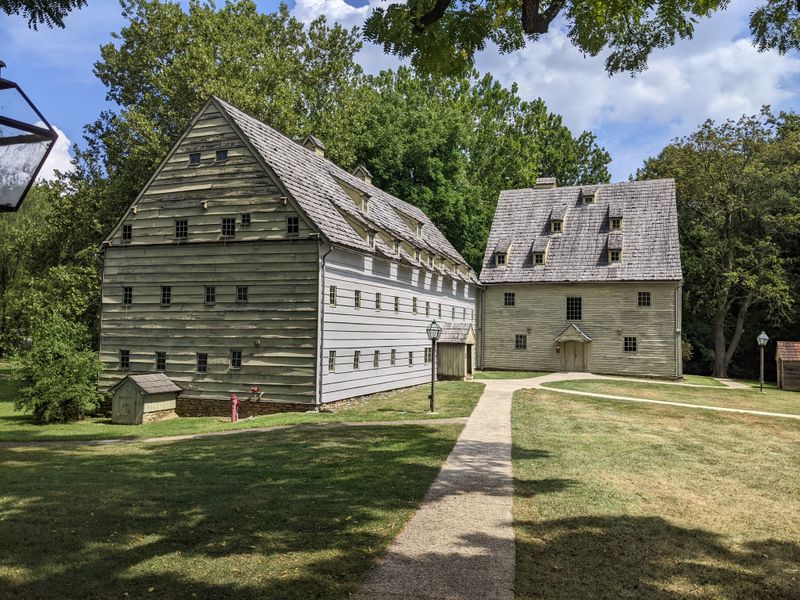
The Ephrata Cloister does quiet like nowhere else, and the silence feels purposeful rather than empty.
In the 1700s, celibate Brothers and Sisters here crafted haunting hymns, practiced strict discipline, and slept on narrow wooden boards.
Step into the Saal and the room returns your footsteps with a gentle echo.
Docents explain founder Conrad Beissel’s unique theology, a blend of German pietism and ascetic life shaped on Pennsylvania soil.
You will see frakturs, manuscripts, and printing equipment that turned devotion into art.
Walk the gardens and breathe in the herbal scents that once flavored simple meals and medicines.
Plan time for the museum because context amplifies every creak of those old floors.
The architecture alone, with steep roofs and spare interiors, makes minimalism feel sanctified.
By the end, you might whisper without meaning to, the way you do in spaces that still hold a careful, living hush.
4. Pennsbury Manor, 400 Pennsbury Memorial Rd, Morrisville
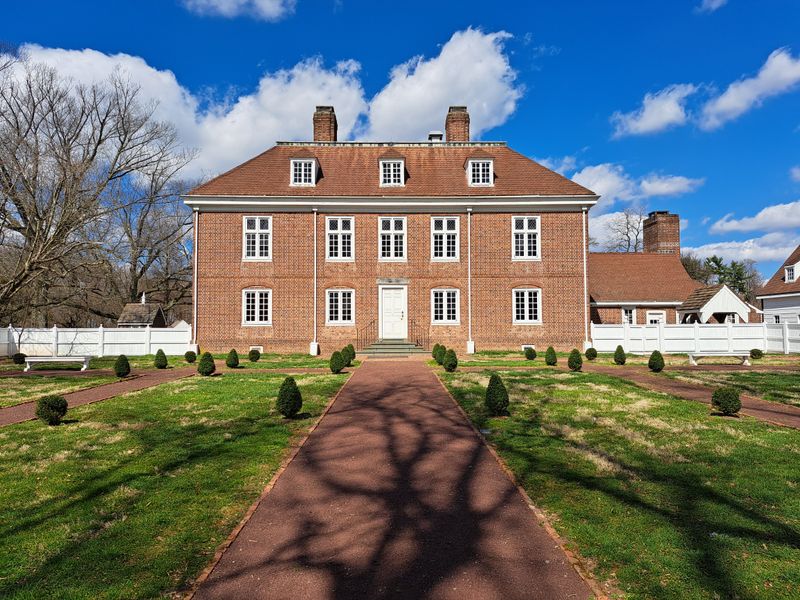
Pennsbury Manor puts you on the Delaware River with William Penn’s footprint right under your shoes.
The house and grounds are a careful reconstruction, but the spirit of Quaker ideals shines through.
You will stroll boxwood-lined paths, meet friendly interpreters, and feel the water breeze nudge your hat.
Inside, rooms show early Pennsylvania’s cosmopolitan side, from imported goods to local craftsmanship.
Stories weave together fair dealing, governance, and the messy realities of colonial life.
You can step into the kitchen and smell wood smoke while learning how seasonal rhythms ruled every task.
Check the calendar for living history days when tradespeople split shingles, card wool, and bake in the beehive oven.
Bring a picnic and sit by the river while imagining boats gliding toward Philadelphia.
With a little time and curiosity, the manor turns from a postcard into a conversation about power, promise, and everyday grace.
5. Old Economy Village, 270 Sixteenth St, Ambridge
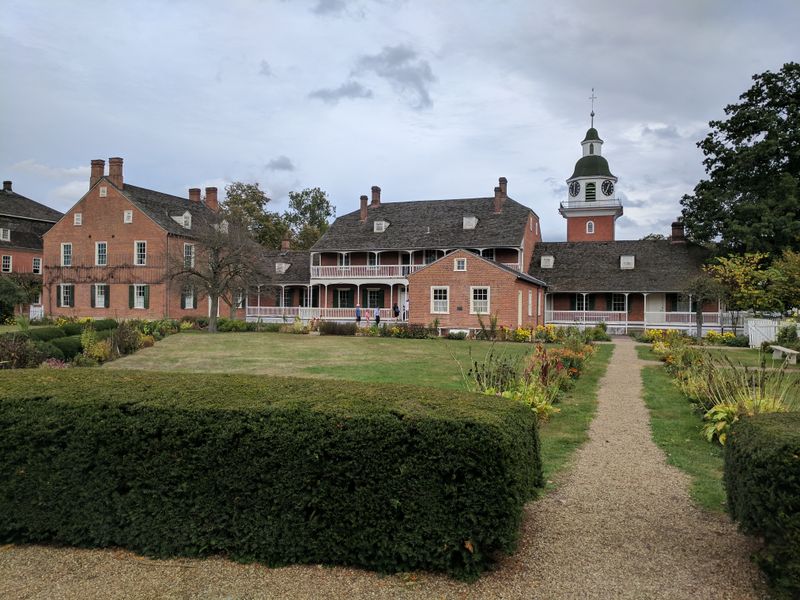
Tucked beside the Ohio River, Old Economy Village reveals a communal society that prized industry, faith, and beautiful order.
The Harmony Society built vineyards, workshops, and stately brick homes that still glow in late afternoon light.
You will step into rooms that smell faintly of wood polish and history.
Weavers’ looms, a print shop, and a feast hall tell of shared labor and prosperity earned through discipline.
Celibacy shaped community life in surprising ways, including investments that funded philanthropy and cultural pursuits.
Interpreters treat tricky topics with care, letting you ask bold questions without awkwardness.
Do not skip the gardens, a masterclass in symmetry and fruitfulness that feels almost European.
Seasonal events often feature music that hints at the society’s spiritual roots.
As you leave, the village’s calm precision lingers, a reminder that utopias thrive on routines, choices, and plenty of honest work.
6. Conrad Weiser Homestead, 28 Weiser Ln, Womelsdorf
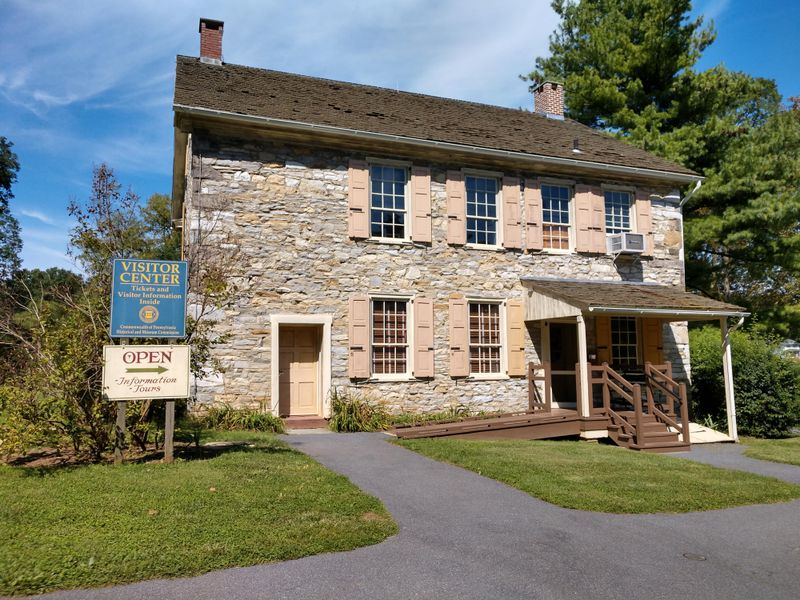
The Conrad Weiser Homestead drops you into the frontier diplomacy that kept colonies from unraveling.
Weiser served as interpreter and envoy between Pennsylvania leaders and Haudenosaunee nations, building trust through grit and fluency.
Standing by the spring and log buildings, you can picture tense councils and careful words.
Exhibits clarify treaties, wampum, and the fragile balance of land, trade, and honor.
You will see maps that make the wilderness look vast and human choices feel razor sharp.
The grounds invite lingering, with shady trees and benches perfect for sorting new understanding.
Time your visit for living history Sundays when reenactors bring negotiations and daily chores to life.
Ask about trails nearby to extend the experience with a reflective walk.
When you leave, the quiet sticks with you, like the pause before important decisions that change more than one future.
7. Drake Well Museum and Park, 202 Museum Ln, Titusville
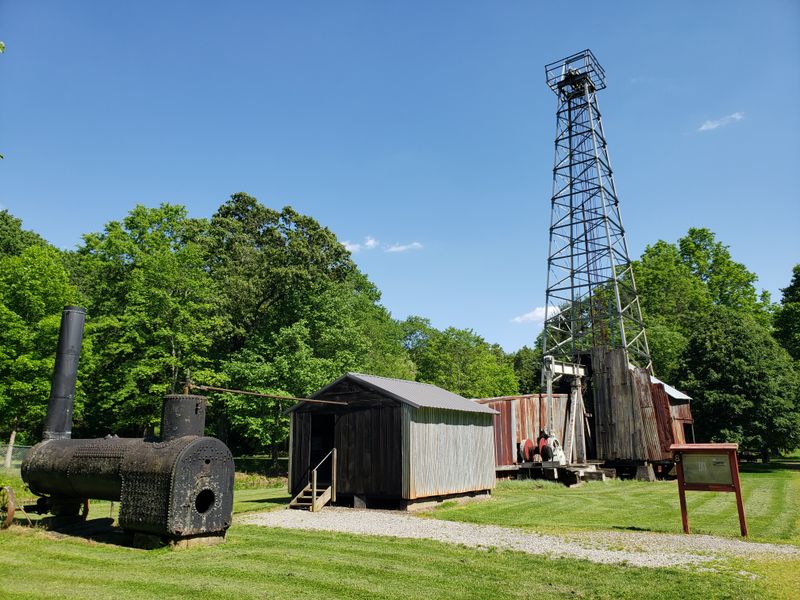
Modern energy history explodes to life at Drake Well, where the world’s first successful commercial oil well turned sleepy Titusville into a boomtown.
The reconstructed derrick stands proudly by Oil Creek, framed by trees and a sky that loves drama.
You will hear the pop and hiss of operating engines on special days.
Inside the museum, artifacts trace everything from barrel making to refineries and the wild speculation that followed.
Photographs capture muddy streets, lantern-lit nights, and fortunes that rose and fell like the price per barrel.
You begin to understand how oil reshaped transportation, lighting, and industry almost overnight.
Ride the small train if it is running, then wander the park trails to balance machines with birdsong.
Staff explain safety, geology, and the clever problem solving that made this site tick.
By the end, the word boom will feel less like a headline and more like a heartbeat you can measure.
8. Pennypacker Mills, 5 Haldeman Rd, Schwenksville
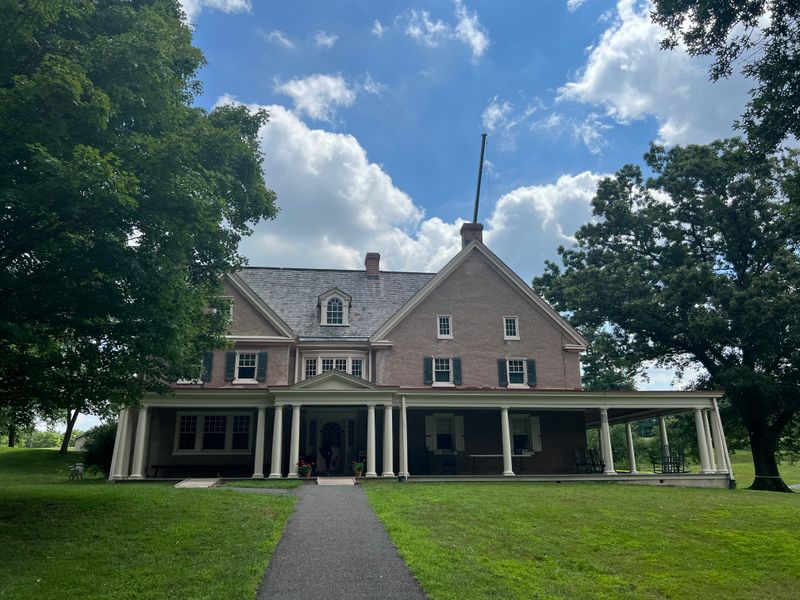
Pennypacker Mills wraps political history in a warm family home, which is the perfect way to learn.
Governor Samuel W. Pennypacker loved archives, and his house reflects that affection in every curated corner.
You will step into rooms filled with books, campaign memorabilia, and the glow of polished wood.
Tours connect personal artifacts to big state decisions, making policy feel as tangible as a kitchen table.
Docents share anecdotes with a wink, painting a human portrait behind the formal portraits.
Outside, the lawn and trees offer a quiet pause that feels earned.
Bring curiosity about Progressive Era reforms and how leaders balanced nostalgia with modernization.
Seasonal events showcase textiles, foodways, and old fashioned pastimes that invite participation.
Before you go, glance back at the porch and imagine guests arriving by carriage, carrying fresh gossip and sturdy opinions.
9. Somerset Historical Center, 10649 Somerset Pike, Somerset
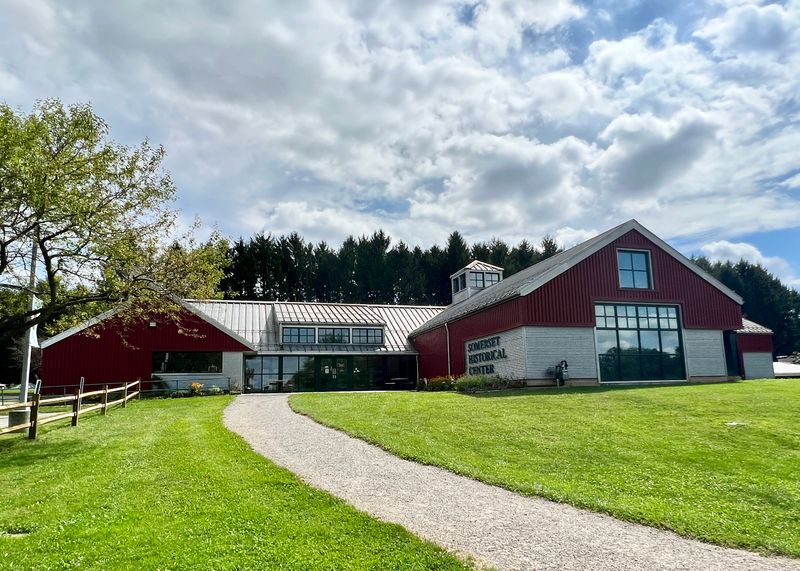
Spread across rolling hills, the Somerset Historical Center gathers everyday life into one generous landscape.
Log barns, a smithy, and a farmstead show how work and weather braided together.
You can smell cut hay and old timber while guides talk about maple sugar and frontier grit.
Exhibits inside add context, from glassmaking in the region to folk art that turns chores into beauty.
The center’s annual Mountain Craft Days overflow with artisans, music, and the kind of food that tastes like memory.
You will find yourself lingering by the fences, watching demonstrations unfold with easy rhythm.
Wear layers because the wind can sprint up those hills without warning.
Ask staff about seasonal programs, especially sugaring and harvest themes that bring the site to life.
Driving away, the countryside keeps you company, making the modern road feel briefly like a wagon track.
10. Landis Valley Village & Farm Museum, 2451 Kissel Hill Rd, Lancaster
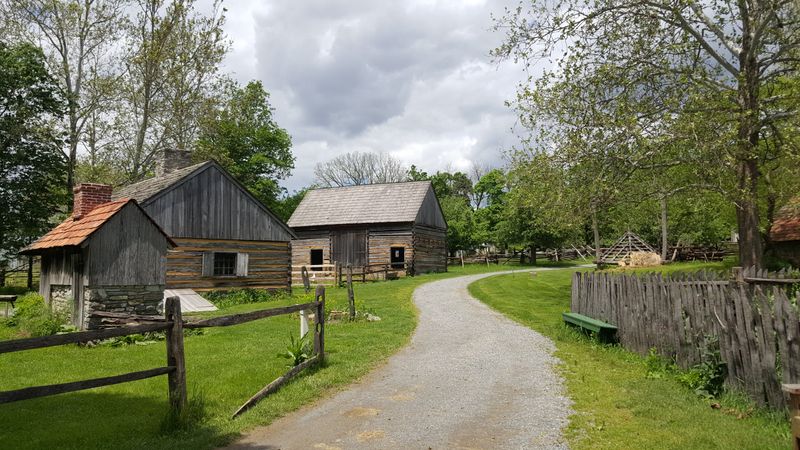
Landis Valley feels like stepping into a Pennsylvania German scrapbook that suddenly decided to breathe.
Interpreters knead dough, hammer iron, and explain why a Conestoga wagon could carry a small world.
You will wander between barns, shops, and gardens, catching whiffs of yeast and leather.
The Landis brothers collected artifacts with obsessive care, and that legacy fills exhibits with rare treasures.
From fraktur to farm tools, the details add up to a community that invented, adapted, and thrived.
Children light up at demonstrations, and frankly, adults do too.
Schedule time for the weavers and the tinsmith because both crafts reveal smart problem solving.
In spring, heirloom plant sales turn the place into a gardener’s paradise, full of old varieties and friendly advice.
When the sun slides low, the fields glow, and you might forget the highway exists at all.
11. Meadowcroft Rockshelter and Historic Village, 401 Meadowcroft Rd, Avella
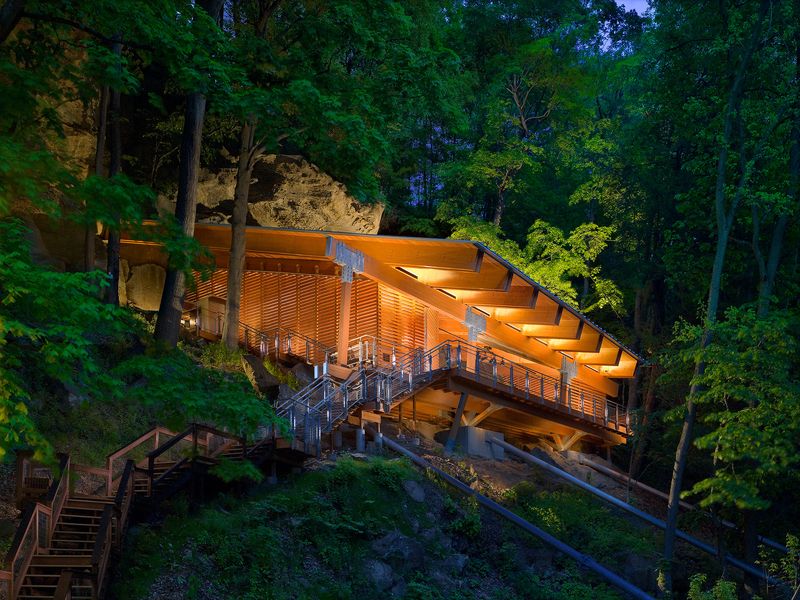
If time travel had a trailhead, Meadowcroft Rockshelter would be it.
Archaeologists uncovered evidence here of human presence stretching back more than 16,000 years, a mind bending timeline tucked into a quiet Pennsylvania hollow.
You will stand on a platform and look into layers that read like an epic diary.
Guides explain how tools, fire pits, and seeds tell stories across millennia without a single paragraph of text.
Nearby, the Historic Village adds 19th century context with cabins, a schoolhouse, and costumed interpreters.
The contrast turns abstract dates into lives you can almost touch.
Take your time with the signage because the science is both accessible and fascinating.
Comfortable shoes help on the paths, and shade makes summer visits pleasant.
Leaving the site, the forest feels older, and every creek seems to carry a rumor from deep human memory.
12. Pennsylvania Anthracite Heritage Museum, 22 Bald Mountain Rd, Scranton
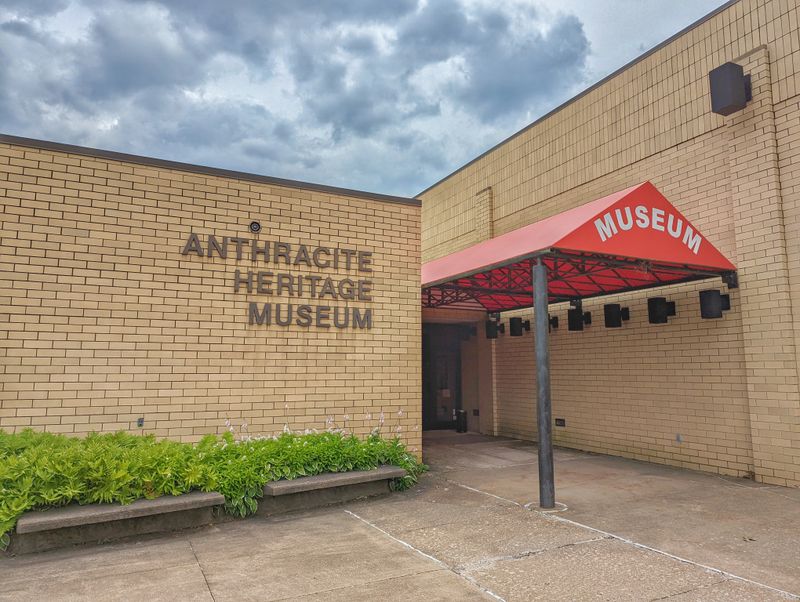
In Scranton’s McDade Park, the Anthracite Heritage Museum gathers the coal region’s soul under one roof.
Exhibits trace immigrant journeys, company towns, and the fierce pride that forged communities from hardship.
You will see lunch pails, battered tools, and Sunday suits that carried hope.
The storytelling here is generous and specific, unafraid of danger, labor battles, and the cost of progress.
Photographs show marching bands, picnics, and funerals, a full life scored by the rhythm of shifts.
Ask questions about language schools, mutual aid societies, and the ways neighbors looked after each other.
Pair your visit with the adjacent Lackawanna Coal Mine Tour for a powerful one two punch.
Staff share practical safety insights that add weight to the displays inside.
By the time you step back into daylight, coal will feel less like a rock and more like a chapter in family history.