
9 Hotspots In Louisiana Where Cottonmouth Snakes Are Most Active This Summer
Did you know that snakes do not always inject venom when they bite? They often deliver dry bites to humans out of pure fear.
Their main goal is simply to be left alone. However, you should never play roulette with your survival.
Heading straight to the nearest emergency room is always the smartest move. If you start seeing visions of your great-grandmother, it is already too late.
This summer heat is driving venomous reptiles out into the open spaces. Louisiana has several specific hotspots where these heavy-bodied pit vipers are highly active now.
Swimmers, anglers, and hikers must watch the shoreline with absolute vigilance. Knowing where these creatures hide will keep you safe during the sweltering months.
Do not let a sudden lapse in attention turn your outdoor adventure into a tragedy.
1. Atchafalaya Basin
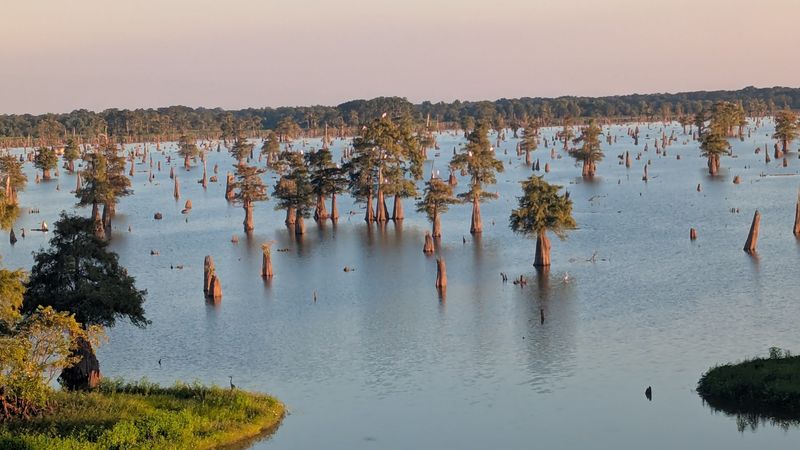
North America’s largest river swamp does not mess around. The Atchafalaya Basin covers a jaw-dropping 1.4 million acres of cypress-tupelo forests, marshes, and winding bayous.
It is wild, wet, and absolutely teeming with life.
Cottonmouth snakes are year-round residents here, but summer is when they really get active. You’ll spot them basking on half-submerged logs or gliding silently through the dark water.
They move with a confidence that says they know this place better than you do.
The Indian Bayou area has hiking trails that put you right in their territory. Lake Fausse Pointe State Park is another incredible entry point into this ecosystem.
Bring waterproof boots and keep your eyes low.
Kayaking here is popular, and guides can take you deep into areas you’d never reach on foot. The basin is also home to alligators, egrets, and river otters, so you’re never short on wildlife sightings.
It genuinely feels like a different world.
Locals call it “the last great American wilderness,” and after one visit, you’ll understand why. The cottonmouths here are thick-bodied and bold.
They don’t scare easily, so you need to give them space and stay alert on every trail.
2. Jean Lafitte National Historical Park And Preserve, Barataria Preserve
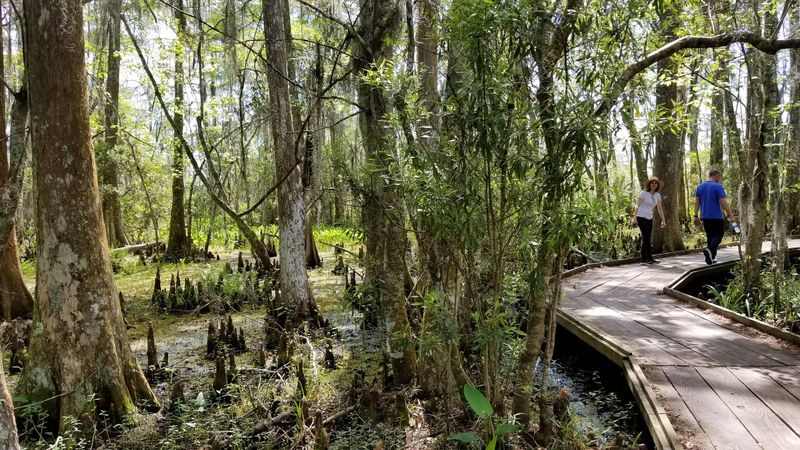
© Jean Lafitte National Historical Park and Preserve, Barataria Preserve
Just a short drive from New Orleans, the Barataria Preserve packs 26,000 acres of pure Louisiana wildness into one seriously impressive park. It is a mix of hardwood forests, murky swamps, and bayous that look straight out of a nature documentary.
Cottonmouths are absolutely at home here.
The boardwalk trails are the best way to explore without getting your feet soaked. But do not let the elevated path make you feel too comfortable.
Cottonmouths have been spotted resting on the boardwalk itself, warming up in patches of sunlight that break through the tree canopy.
The Twin Canals Trail is especially known for snake activity. Alligators share the same waterways, so wildlife sightings come fast and frequent.
You might spot a cottonmouth swimming with that characteristic flat, high-riding posture that sets them apart from harmless water snakes.
Rangers are knowledgeable and genuinely enthusiastic about the ecosystem here. Stop by the visitor center before heading out.
They’ll give you trail maps and honest safety tips about what to watch for on each path.
The preserve draws birders, photographers, and nature lovers from all over the country. It is a place where you feel small in the best possible way.
Stay on marked trails, watch where you step near water edges, and enjoy every second of it.
3. Lake Pontchartrain
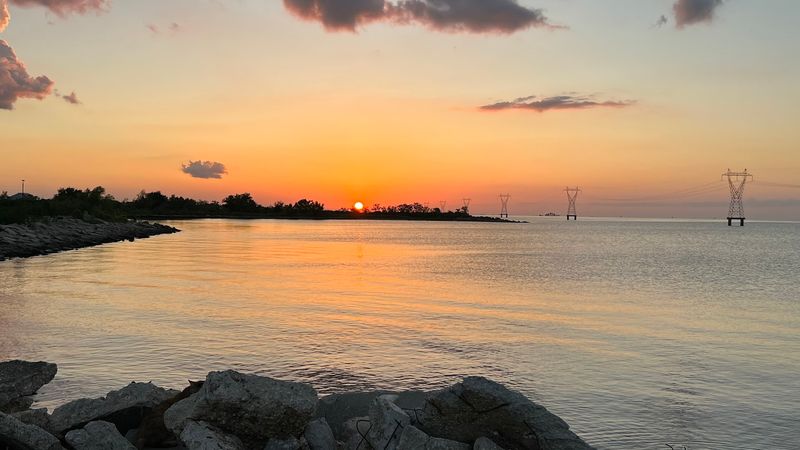
Most people know Lake Pontchartrain as that enormous body of water you cross on the famous causeway. But this 630-square-mile estuary is so much more than a scenic drive.
Its unique blend of fresh and brackish water creates a rich, layered habitat that cottonmouths absolutely love.
The shallow marshy edges and connected bayous are prime cottonmouth territory, especially in summer. The snakes thrive in the warm, slow-moving water near the shoreline.
They hunt frogs, fish, and small rodents in the dense vegetation that lines the lake’s edges.
Fishing and boating are hugely popular here, and most people have no idea how much wildlife surrounds them. Kayakers who venture into the quieter coves and marsh channels often get the closest encounters.
Always watch where you tie up or wade near the bank.
The north shore communities like Mandeville and Madisonville offer great access to the lake’s wilder areas. Hiking trails near the lakefront bring you close to the natural edge habitats where snakes are most active.
Early morning and late afternoon are peak activity windows.
Pontchartrain is one of Louisiana’s most underrated snake hotspots, mostly because people focus on the fishing. But any experienced local outdoorsman will tell you to keep your eyes open near the water’s edge.
This lake has a wild side that surprises people every summer.
4. Maurepas Swamp Wildlife Management Area
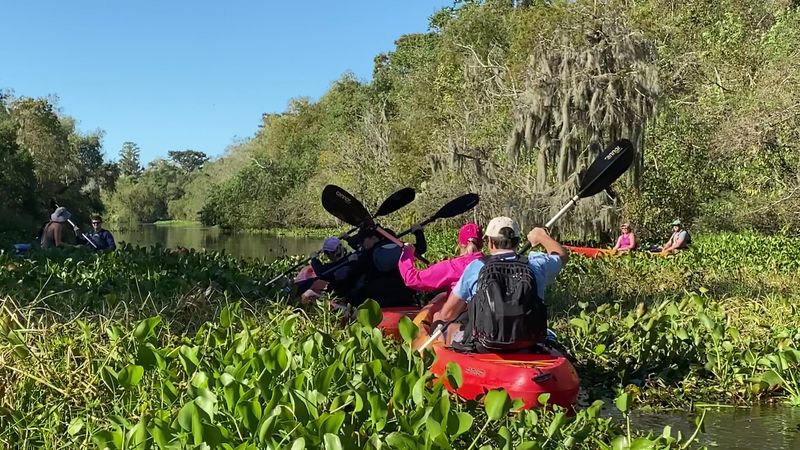
Covering over 112,000 acres, Maurepas Swamp is one of Louisiana’s most untamed wild spaces. It is a massive cypress-tupelo swamp where water levels rise and fall with rain and tides.
The whole place feels ancient and a little mysterious, especially in summer heat.
Cottonmouths are very much part of the scenery here. They lurk near fallen logs, float in shallow backwaters, and coil up on exposed roots above the waterline.
This is their home, and they behave like it. Give them plenty of room and never corner one near water.
Kayak tours are a fantastic way to experience the swamp safely. Gliding through the flooded forest is genuinely breathtaking, and you’ll see wildlife that most people only encounter in nature films.
Herons, turtles, alligators, and snakes share these channels without much concern for human visitors.
There is a half-mile nature trail along U.S. Highway 51 that gives land-based access to the swamp’s edge.
It’s short but packed with wildlife if you move slowly and stay quiet. Bring insect repellent because the mosquitoes here are legendary and completely merciless.
Locals treat this area with serious respect. It floods regularly, trails can disappear under water, and navigation requires attention.
But for those who come prepared, Maurepas delivers a swamp experience that feels completely raw and real.
5. Toledo Bend Reservoir
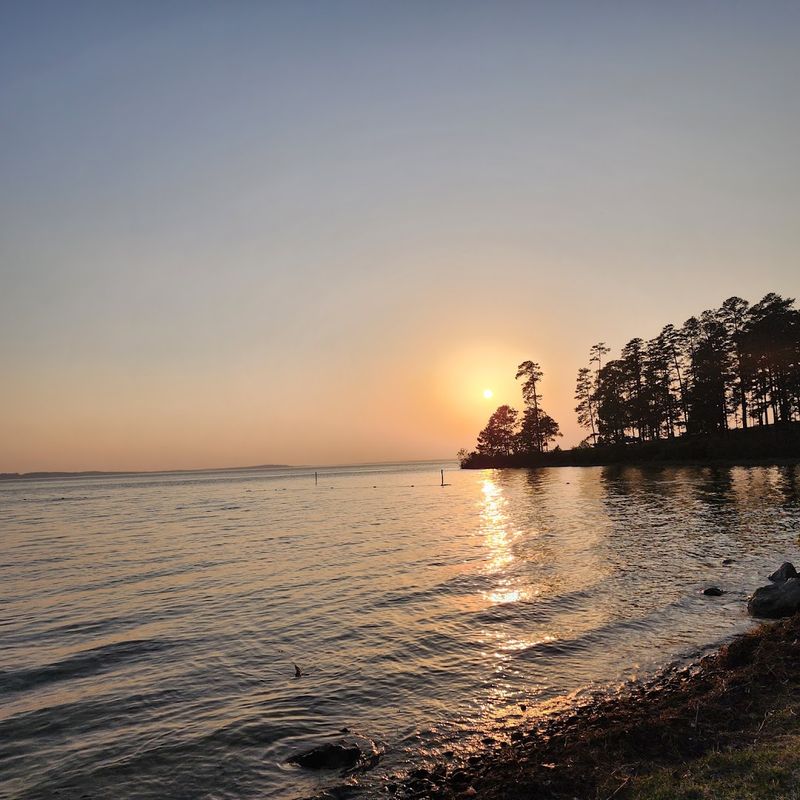
Toledo Bend Reservoir is famous for its bass fishing, and anglers come from every corner of the country to cast a line here. But there is another kind of wildlife encounter waiting in the quieter corners of this massive man-made lake.
Cottonmouths are a very real presence at Toledo Bend, especially in summer.
The reservoir stretches across the Louisiana-Texas border and covers around 185,000 acres. Its swampy feeder creeks, shallow inlets, and submerged timber create perfect cottonmouth habitat.
The snakes move between water and land with ease, hunting along the shoreline vegetation.
Kayakers who paddle into the back channels and coves often have the closest encounters. The submerged trees create a maze of hiding spots that snakes use for ambush hunting.
Always look before grabbing onto branches or roots while paddling through tight spots.
Fishermen who wade the shallows near grassy banks should stay especially alert. Cottonmouths sometimes rest in the vegetation just inches from the waterline.
They blend into their surroundings better than you might expect for a snake their size.
Beyond the snakes, Toledo Bend is genuinely stunning. The sunsets over the water are unforgettable, the fishing is world-class, and the camping options are excellent.
Just treat the shoreline with respect and keep your awareness high near any vegetated water edge.
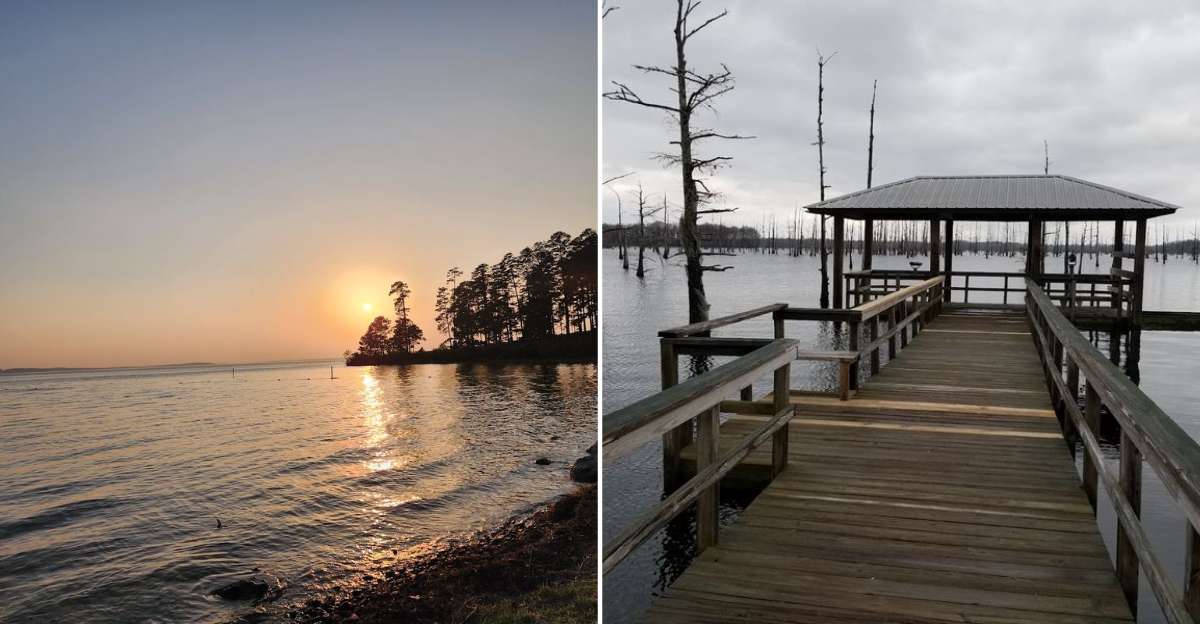
6. Black Bayou Lake National Wildlife Refuge
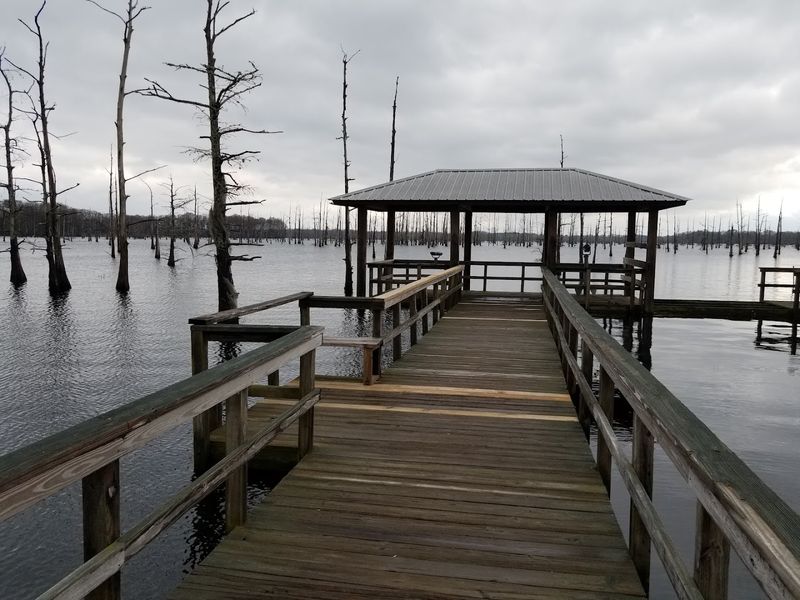
Black Bayou Lake National Wildlife Refuge sits just outside Monroe and manages to pack an enormous amount of beauty into its 5,300 acres.
The centerpiece is a 1,600-acre cypress-studded lake that looks like it was designed specifically for wildlife photography. Cottonmouths, especially younger ones, are regularly spotted near the water here.
Young cottonmouths are actually more dangerous in one specific way: they haven’t learned to control their venom output yet. So while they’re smaller, a bite from a juvenile is not something to dismiss lightly.
Watch near the water’s edge and around the base of cypress trees.
The refuge has excellent boardwalk trails and a wildlife pier that puts you right over the water. From the pier, you can watch turtles sunning themselves, herons stalking fish, and occasionally a cottonmouth moving through the shallows below.
It is genuinely exciting wildlife viewing.
The visitor center is a restored 1880s Acadian house, which gives the whole place a charming, historic atmosphere. Staff are helpful and can tell you where recent wildlife activity has been highest.
It is a great first stop before hitting the trails.
This refuge is family-friendly and approachable compared to some of Louisiana’s wilder swamps. But approachable does not mean tame.
Wildlife here is wild, and snakes in particular deserve full respect and distance. Find this place located at 480 Richland Pl, Monroe, LA 71203.
7. Sabine National Wildlife Refuge
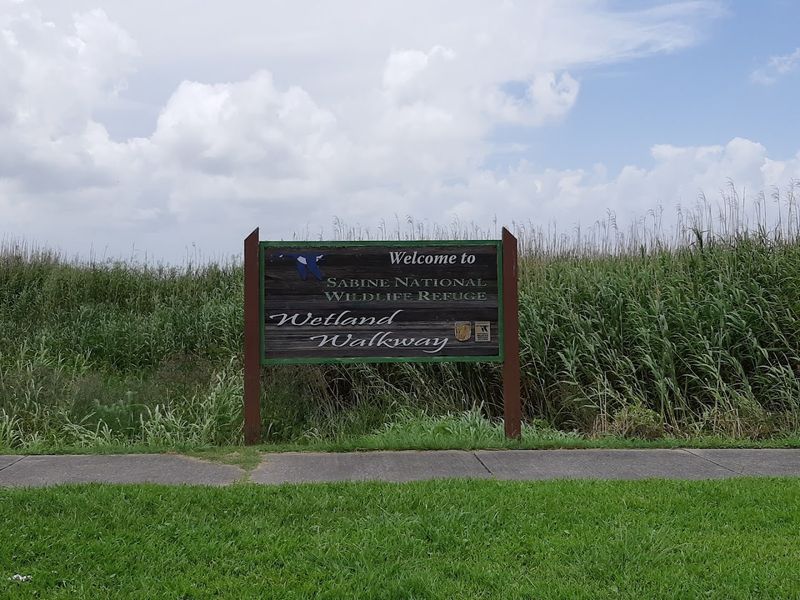
This refuge holds the title of the largest coastal marsh refuge on the entire Gulf Coast. At 125,000 acres, it is a staggering landscape of freshwater impoundments, brackish marshes, and open water.
And yes, cottonmouths live here in notable numbers.
The Wetland Walkway is the star attraction for visitors. This 1.5-mile boardwalk cuts straight through the marsh and gives you an up-close view of the ecosystem without getting your feet wet.
Cottonmouths have been spotted directly on and beneath the boardwalk, especially on warm mornings when they come out to absorb heat.
Sabine is part of the famous Creole Nature Trail, a designated All-American Road that winds through Louisiana’s coastal prairie and marshlands.
The drive itself is spectacular, but stopping to walk the boardwalk is where the real wildlife magic happens. Alligators are everywhere, and the bird life is extraordinary.
Summer heat intensifies activity at Sabine. The snakes are more mobile, hunting more frequently, and crossing paths with visitors more often.
Always watch your step, especially near the edges of the boardwalk where vegetation meets the water.
Rangers recommend staying on the marked path and never reaching into vegetation along the walkway railing. The marsh looks calm and peaceful, but it is full of activity just below the surface.
Sabine rewards patient, observant visitors with wildlife encounters that are hard to match anywhere else. Visit it at 3000 Holly Beach Hwy, Hackberry, LA 70645.
8. Tensas River National Wildlife Refuge
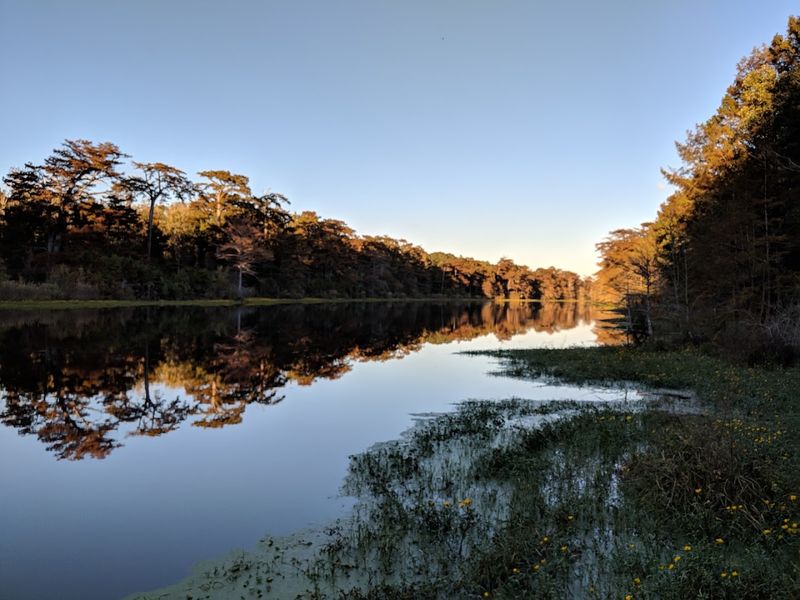
Tensas River National Wildlife Refuge has a story that goes way beyond snakes. This is the place where President Theodore Roosevelt refused to shoot a captive bear during a hunting trip in 1902, inspiring the creation of the teddy bear.
History aside, this nearly 80,000-acre refuge is one of Louisiana’s most rewarding wild places.
The bottomland hardwood forests and oxbow lakes create a habitat that feels truly ancient. Cottonmouths are well established throughout the refuge, particularly near the river channels and lake edges.
Paddling the oxbow lakes is one of the best ways to spot them in their natural behavior.
The Hollow Cypress Boardwalk is a highlight for wildlife watchers. It winds through a mature forest with towering trees and gives great vantage points over the wetland areas below.
Snakes are frequently spotted from the boardwalk, along with white-tailed deer, wild turkey, and wading birds.
Hunting and fishing are popular here, and outdoorsmen who spend serious time in the refuge develop a healthy respect for the cottonmouths that share the waterways.
The snakes are most active in summer evenings when temperatures are still high but direct sun has faded.
This refuge rewards people who move slowly and pay attention. It is remote, quiet, and genuinely wild in an increasingly rare way.
Pack water, wear boots, and bring binoculars. Find it at 2312 Quebec Rd, Tallulah, LA 71282.
9. D’Arbonne National Wildlife Refuge
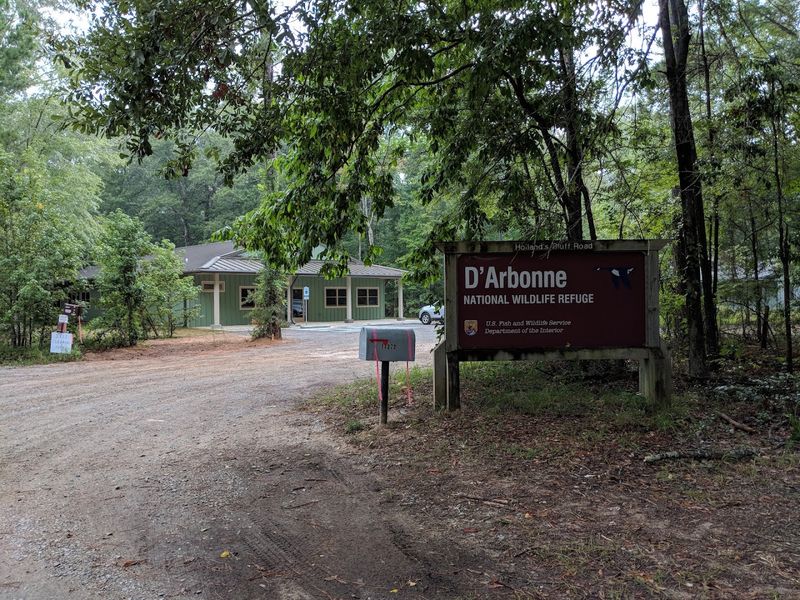
D’Arbonne National Wildlife Refuge is the kind of place that sneaks up on you. It covers 20,000 acres of bottomland hardwood forests and cypress swamps in north Louisiana, and it is far less crowded than many of the state’s bigger refuges.
That quietness is actually what makes wildlife encounters here so rewarding.
Bayou D’Arbonne cuts right through the refuge, creating a network of creeks, sloughs, and oxbow lakes that western cottonmouths call home.
These snakes are notably active after summer rainstorms when they come out to forage along wet ground and flooded edges. A warm night after heavy rain is prime snake-watching time.
An observation tower inside the refuge gives you elevated views over open meadows and water areas. It is a great spot to scan for movement along the shoreline before you head down to the trails.
The Saline Creek Wetlands area within the refuge is especially productive for wildlife sightings.
Fishing and hunting bring visitors to D’Arbonne year-round, but summer hiking and wildlife photography are growing in popularity.
The forest canopy keeps temperatures slightly more bearable on the trails, which is a genuine bonus in Louisiana’s brutal summer heat.
Cottonmouths here are typically spotted basking on logs near water or moving along the bayou edges at dusk. Respect their space, stay on trails, and watch every step near the water.
The address is 11372 LA-143, Farmerville, LA 71241.