
How A Quiet Wisconsin Village Transformed Into The Midwest’s Best Foodie Hotspot
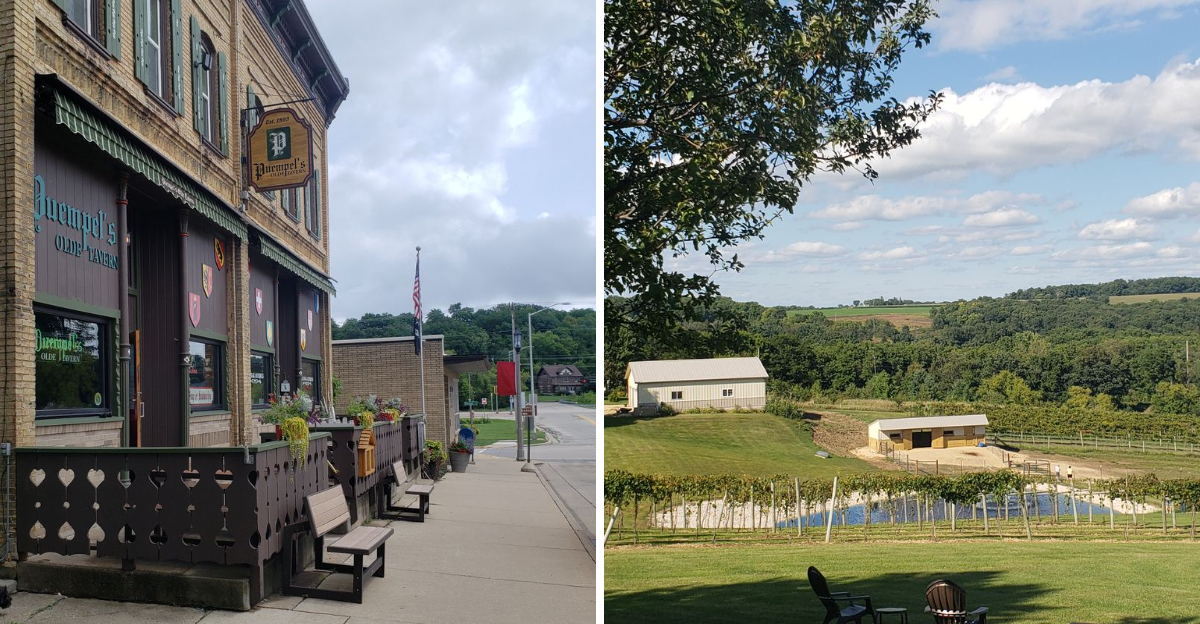
Tucked into the rolling hills of southern Wisconsin, New Glarus hardly looks like the kind of place that would draw food lovers from across the country.
Yet this village of just over 2,000 residents has quietly become one of the Midwest’s most celebrated culinary destinations.
With its Swiss heritage, artisan breweries, and farm-to-table ethos, New Glarus proves that big flavor can come from the smallest towns.
The Wisconsin Village That Preserved Its Swiss Roots
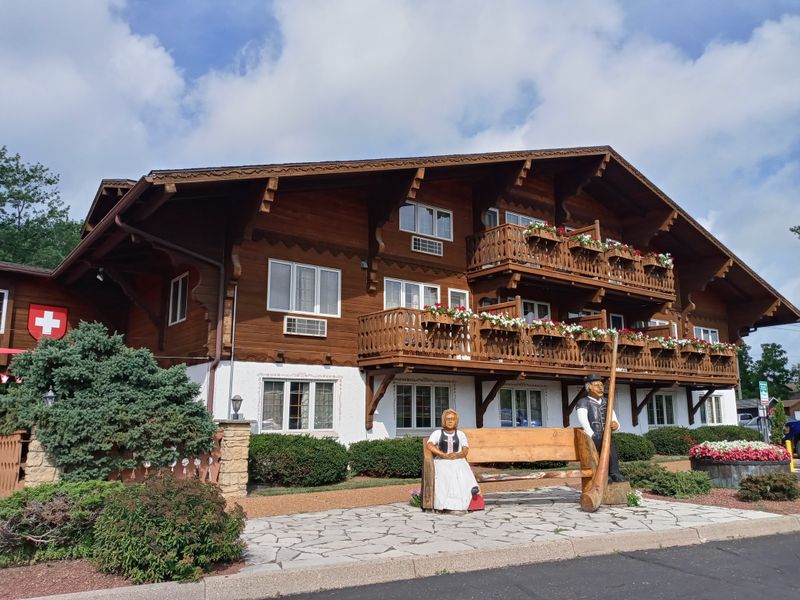
Founded in 1845 by Swiss immigrants from the canton of Glarus, this village never forgot where it came from.
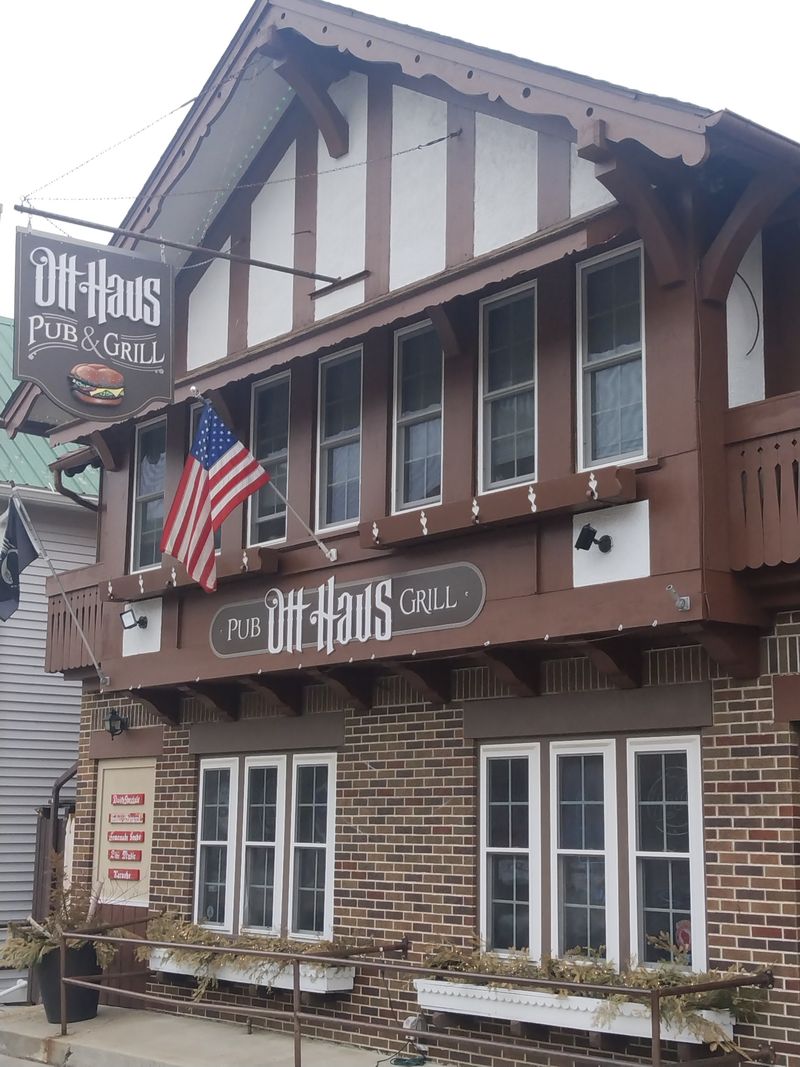
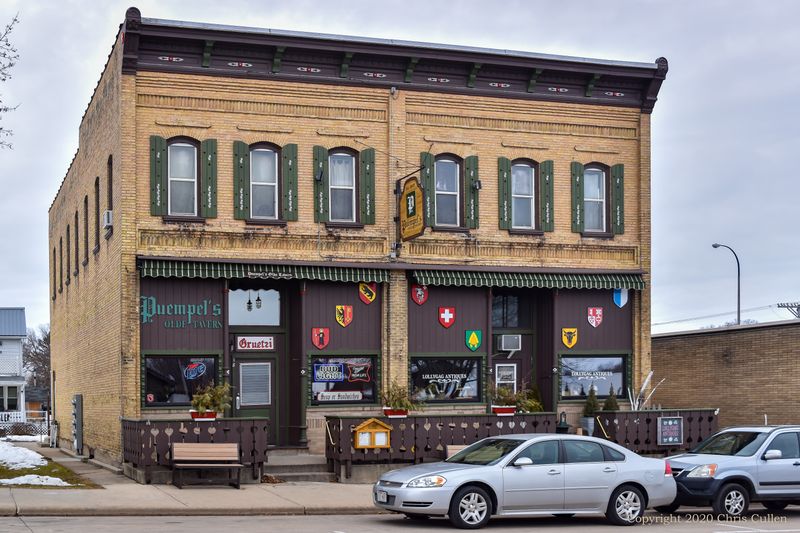
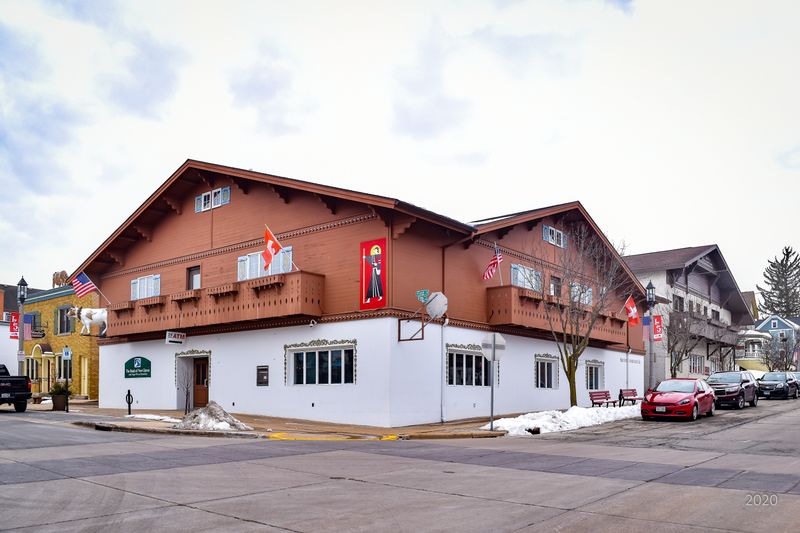
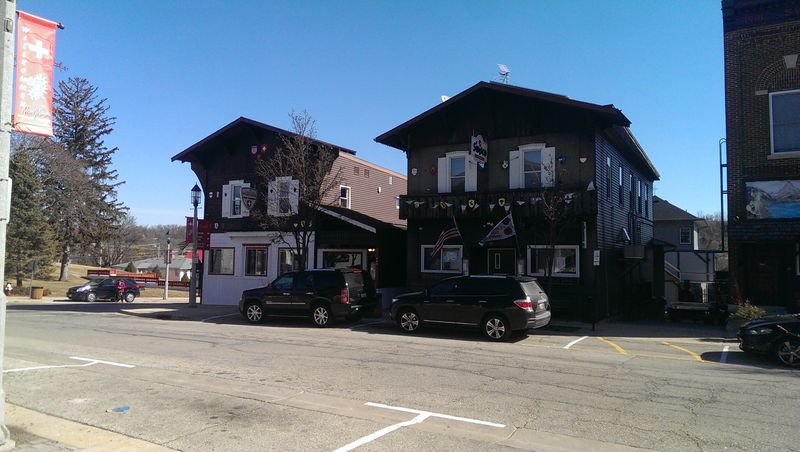
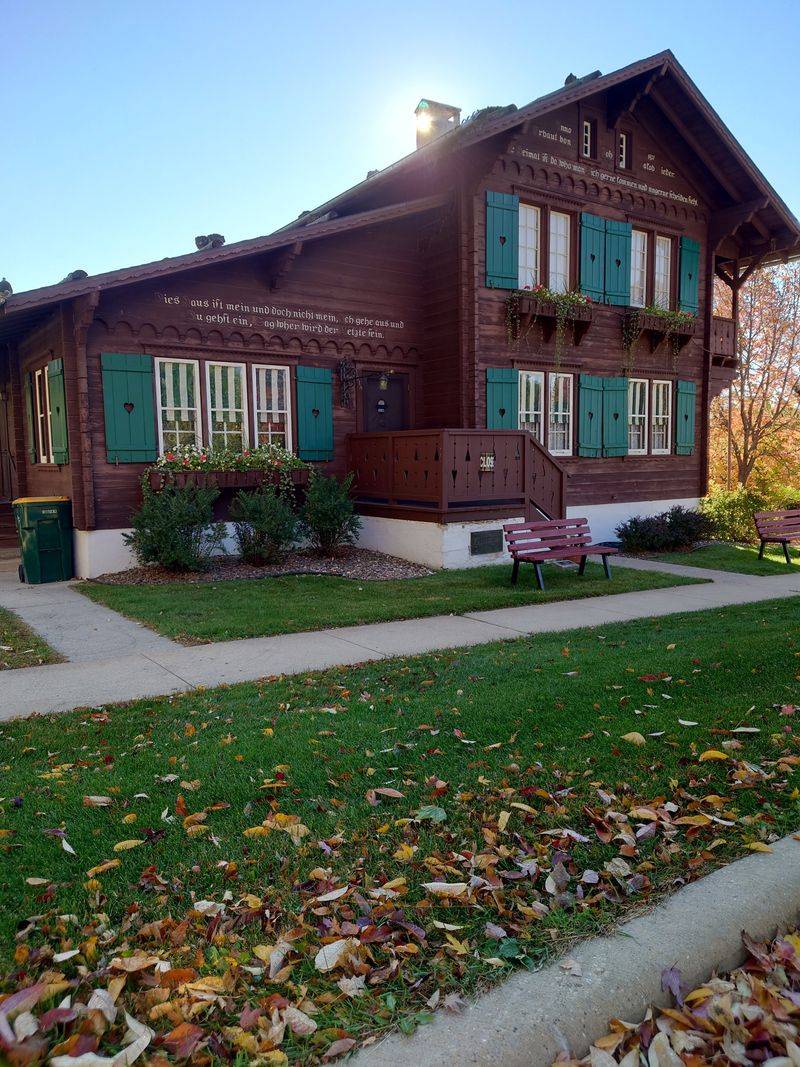
Chalets with carved wooden balconies line the streets, and Swiss flags flutter beside American ones throughout the year.
Residents didn’t just preserve the architecture; they kept the recipes, the language classes, and the communal traditions alive through generations.
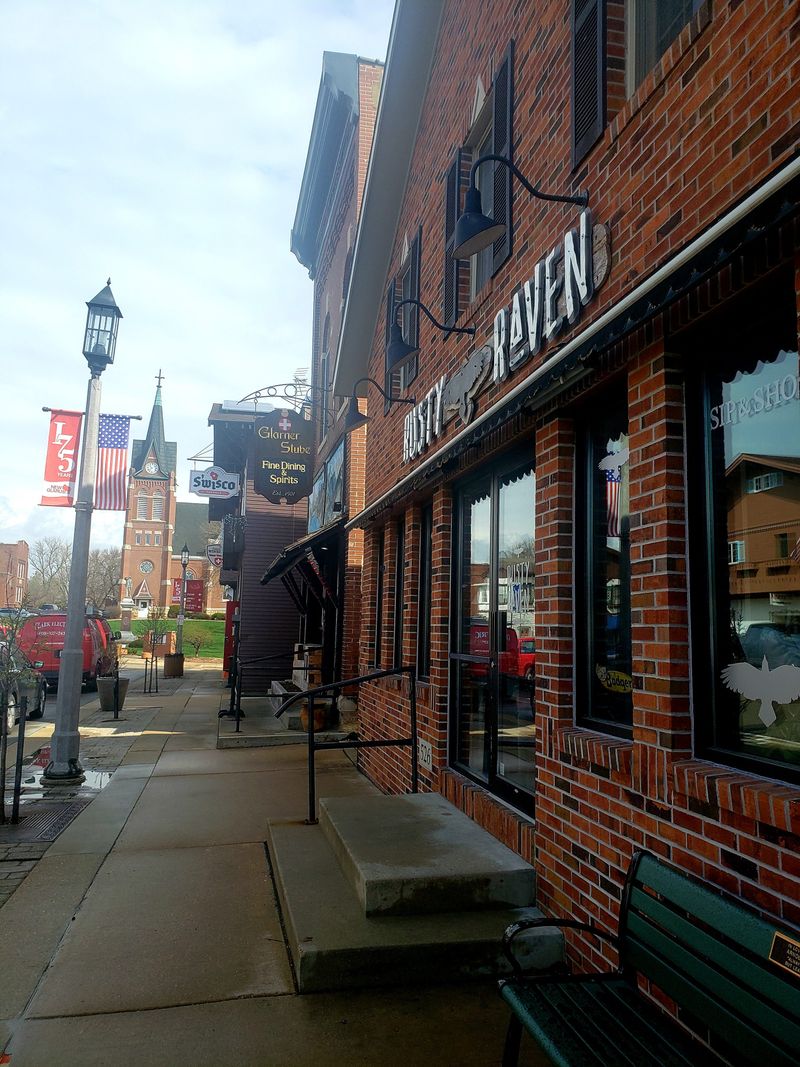
Today, visitors walking through downtown New Glarus at 612 2nd Street encounter an authenticity that feels transported from the Alps.
The village website at swisstown.com offers walking tours that highlight both historic sites and contemporary eateries.
This commitment to heritage became the foundation for a food scene that honors Old World techniques while embracing modern tastes.
Home To Some Of The Midwest’s Most Unique Old-World Dishes
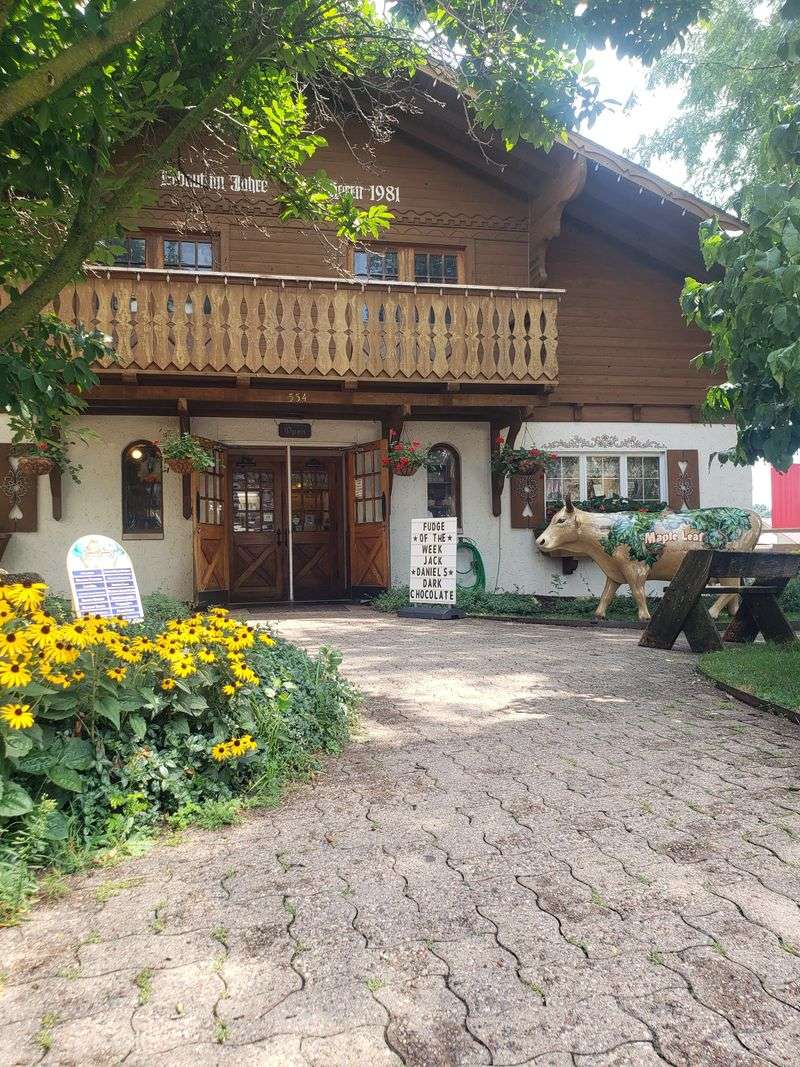
Rösti, raclette, and Älplermagronen aren’t dishes you’d expect to find in rural Wisconsin, yet they’re menu staples here.
Family-run restaurants learned these recipes from grandmothers who brought them across the Atlantic more than a century ago.
Each preparation follows methods that prioritize patience, quality ingredients, and flavors that develop slowly over heat.
Local chefs didn’t water down these dishes for American palates; instead, they educated diners about why Swiss cuisine deserves attention.
Visitors often remark that eating in New Glarus feels like visiting a European village without the passport.
The Local Ingredients Behind New Glarus’ Farm-Fresh Flavor
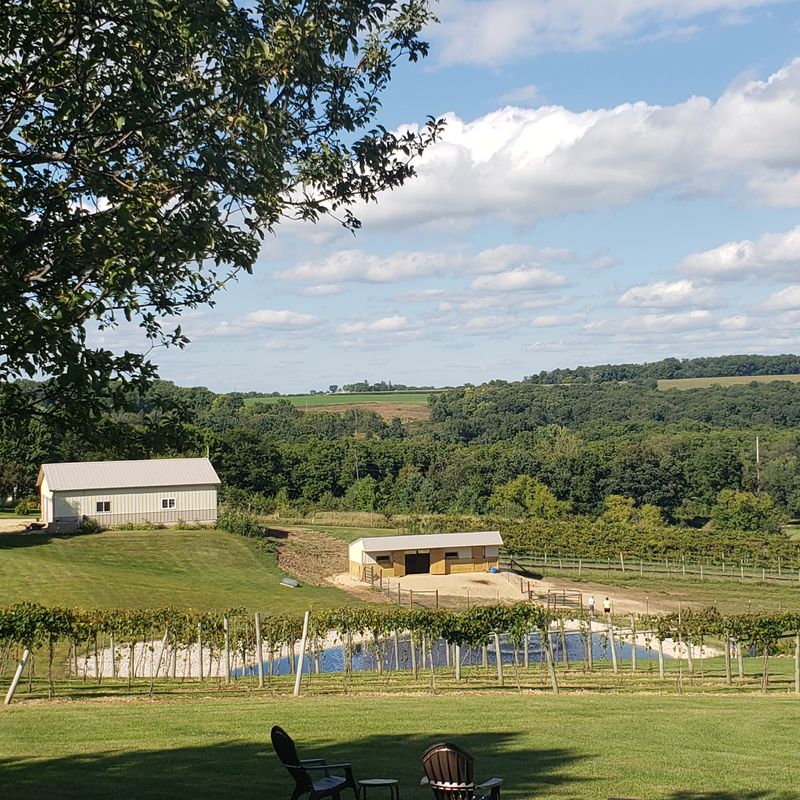
Green County produces more cheese than any other county in the United States, and New Glarus sits right in the heart of it.
Farmers here still operate family dairies where cows graze on pastures that roll like ocean waves.
Cheesemakers source milk from these farms, often within hours of milking, ensuring a freshness that’s nearly impossible to replicate in industrial operations.
Beyond dairy, local gardens and orchards supply restaurants with seasonal produce that changes menus throughout the year.
This farm-to-table approach isn’t a marketing gimmick; it’s how the community has always operated.
The terroir of southern Wisconsin—rich soil, clean water, careful stewardship—translates directly onto every plate.
Festivals, Folk Traditions, And Food
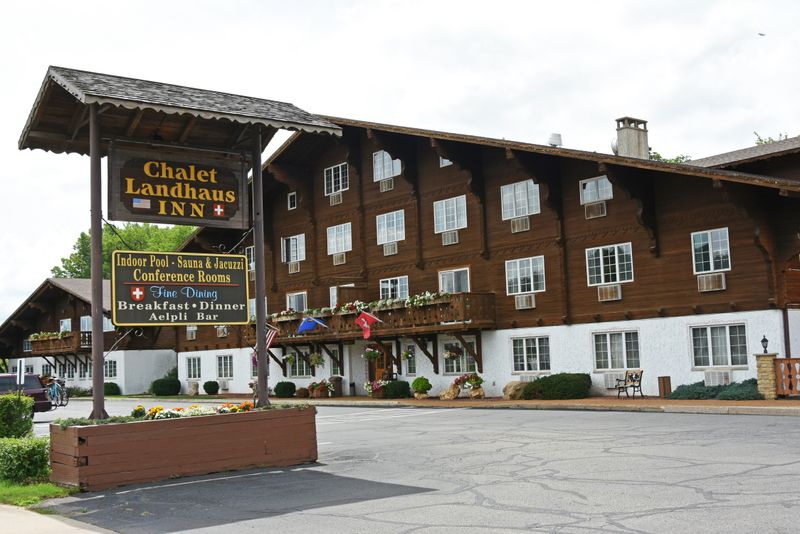
Heidi Festival in June, Volksfest in August, and Oktoberfest in the fall transform New Glarus into a continuous celebration of Swiss culture.
Traditional costumes come out of closets, alphorns echo through the streets, and the aroma of bratwurst and strudel fills the air.
These aren’t tourist traps; they’re genuine community gatherings where locals participate as enthusiastically as visitors.
Food vendors serve dishes that grandmothers perfected decades ago, often using recipes that haven’t been written down but passed through demonstration.
Each festival offers a different culinary focus, ensuring that return visitors always discover something new.
Inside The Swiss-Style Bakeries, Cheese Shops, And Eateries
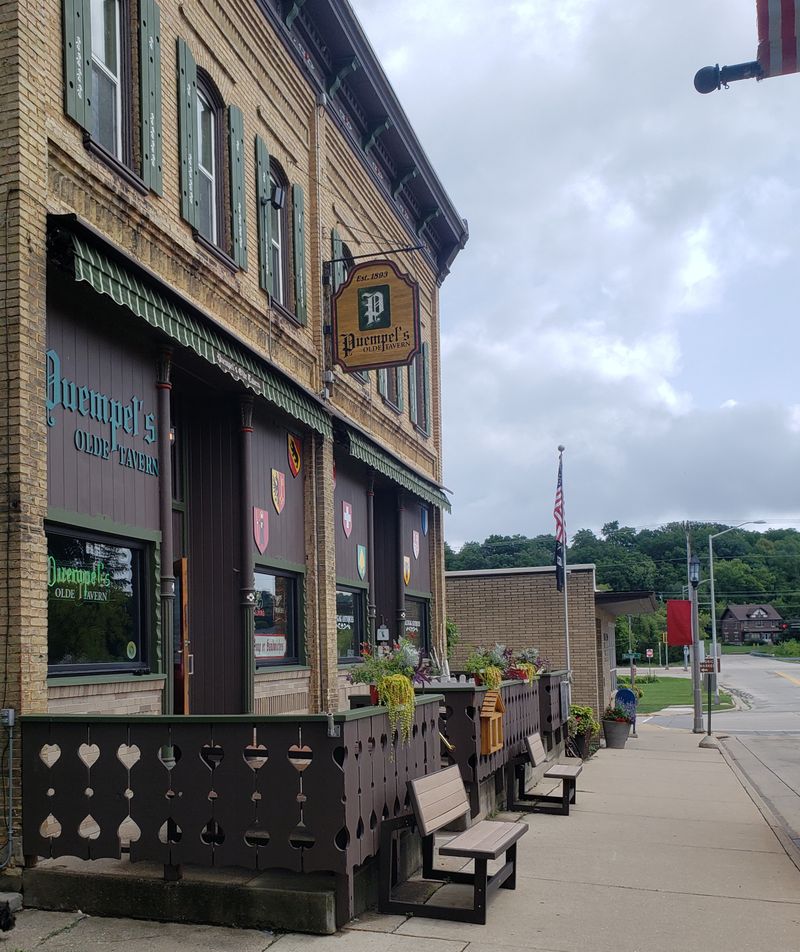
Walking into New Glarus Bakery feels like stepping into a Zurich patisserie, with cases displaying buttery croissants, fruit-filled strudels, and dense rye breads.
The scent alone—yeast, cinnamon, caramelized sugar—makes it nearly impossible to leave empty-handed.
Nearby, Chalet Cheese Co-op offers samples of Limburger, Baby Swiss, and aged cheddar that’s been carefully tended for months.
Restaurants like Glarner Stube at 518 1st Street serve schnitzel and fondue with the kind of care that suggests the chef’s reputation depends on every bite.
These establishments don’t chase culinary fads; they perfect what they’ve always done best.
A Culinary Scene Built On Community, And Small-Town Warmth
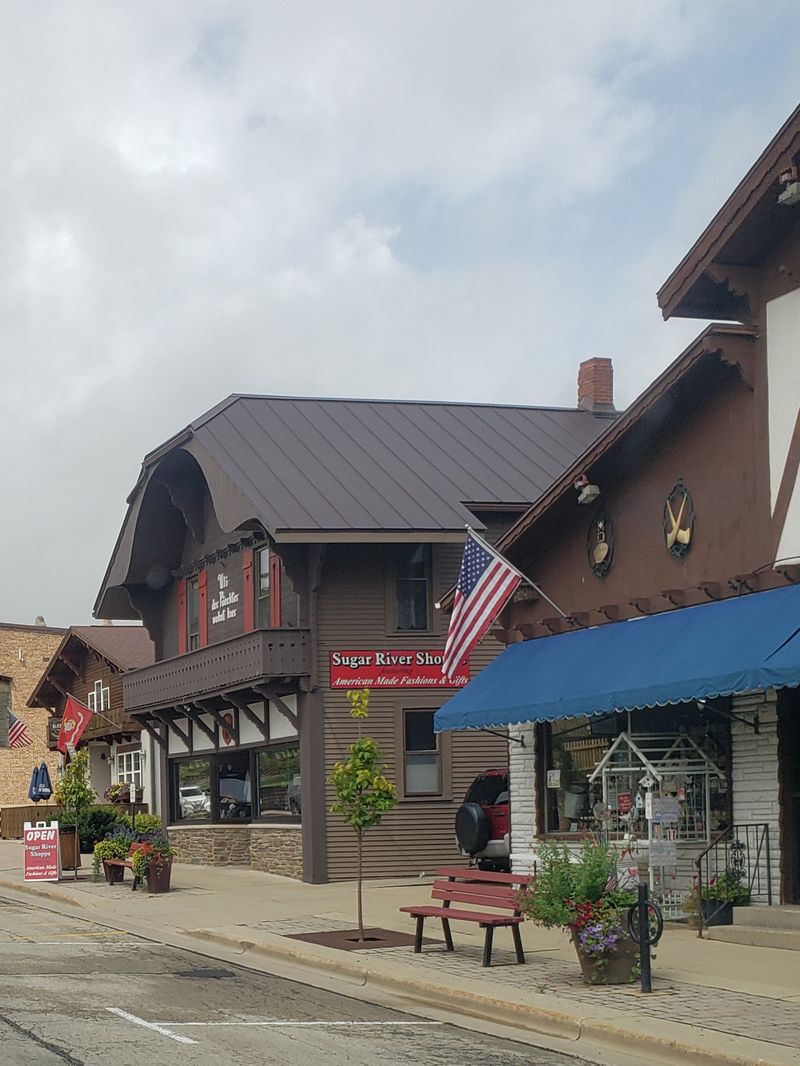
In New Glarus, the person serving your meal might also be the one who made the cheese or grew the vegetables on your plate.
Chefs know their suppliers personally, often visiting farms to select ingredients or discuss upcoming harvests.
Restaurant owners greet regulars by name and remember their preferences, creating an atmosphere that feels more like dining at a friend’s house than a commercial establishment.
This warmth extends to visitors, who quickly understand why locals are so fiercely proud of their village.
The culinary scene thrives because everyone invests in its success.
The European Atmosphere That Sets New Glarus Apart
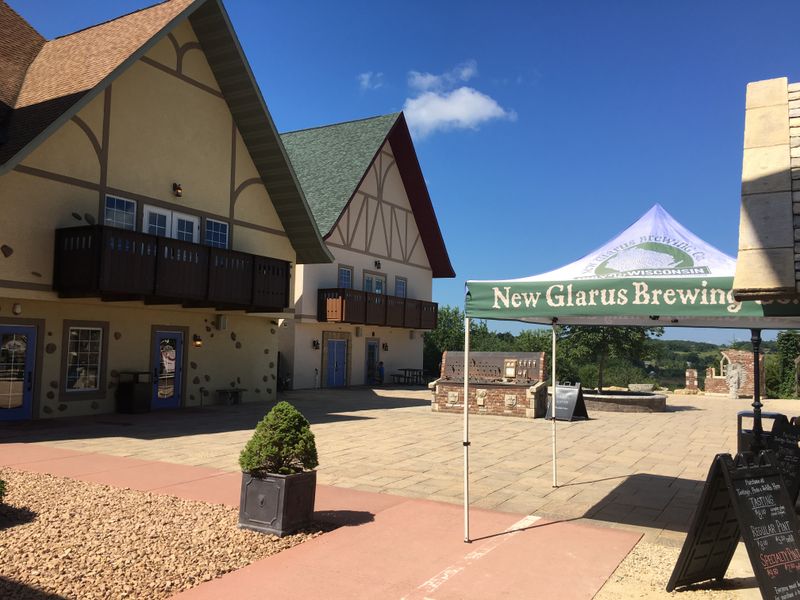
Murals depicting alpine landscapes cover building facades, making visitors feel transported to the foothills of the Alps.
Window boxes overflow with geraniums, and hand-painted signs advertise businesses in both English and Swiss German.
The attention to aesthetic detail extends beyond tourism; residents genuinely maintain these traditions because they value their heritage.
Even newer construction follows architectural guidelines that preserve the Swiss character, ensuring the village doesn’t dilute its identity for modern convenience.
Sidewalk cafes encourage lingering over coffee and pastry, a European habit that contrasts sharply with typical American rush.
One Of Wisconsin’s Smallest (But Tastiest) Villages
Word spread slowly at first, through food blogs and regional magazines that stumbled upon New Glarus and couldn’t stop writing about it.
Then came national recognition, with publications praising the village’s commitment to authenticity and quality.
Yet even with increased attention, New Glarus hasn’t changed its approach or compromised its standards.
The village at 42.8144473, -89.6351217 coordinates offers genuine culture, exceptional food, and a pace of life that feels increasingly rare.
Food lovers return because New Glarus delivers substance alongside charm, proving that great cuisine doesn’t require big cities.
The Cheese Legacy That Defines Wisconsin’s Culinary Identity
Swiss immigrants brought cheesemaking expertise that transformed Wisconsin into America’s Dairyland, and New Glarus became a center of that transformation.
Techniques for making Emmentaler, Gruyère, and other Alpine cheeses were adapted to local milk, creating distinctive Wisconsin versions that earned their own reputation.
Small-scale producers still age cheese in temperature-controlled caves, turning and washing wheels by hand for months.
The Chalet Cheese Co-op, operating since 1885, remains one of the few places in America still producing authentic Limburger cheese.
Visitors can watch the process and sample products that connect directly to the village’s founding.
How Traditional Swiss Techniques Elevate Modern Wisconsin Cuisine
Braising, slow-roasting, and careful seasoning define Swiss cooking, and these methods have influenced how New Glarus chefs approach all ingredients.
Rather than drowning flavors in sauces, they coax out natural tastes through proper technique and patience.
Meats are seared at high heat, then finished slowly; vegetables are roasted until their sugars caramelize; even simple potatoes receive attention that transforms them into something memorable.
These techniques, passed down through generations, create depth of flavor that can’t be rushed or faked.
Modern chefs in New Glarus combine these Old World methods with contemporary presentations, honoring tradition while keeping menus exciting.
The Role Of Family Recipes In Preserving New Glarus’ Culinary Heritage
Many restaurants in New Glarus still use recipes that great-grandmothers brought from Switzerland in the 1840s.
These handwritten formulas, some in Swiss German, specify not just ingredients but techniques and timing that modern shortcuts can’t replicate.
Families guard these recipes carefully, sharing them only with trusted successors who promise to maintain standards.
This commitment to preservation means that dishes served today taste remarkably similar to those enjoyed by villagers more than a century ago.
When restaurants advertise traditional Swiss cuisine, they’re not approximating; they’re executing authentic preparations passed through direct lineage.
Seasonal Menus That Reflect Wisconsin’s Agricultural Calendar
Spring brings asparagus and ramps to New Glarus menus, followed by summer’s tomatoes and sweet corn, then autumn’s squash and apples.
Chefs plan around what local farms produce, creating dishes that celebrate each season’s peak flavors.
This approach requires flexibility and creativity, as menus shift based on harvest timing and weather conditions.
Winter menus feature preserved ingredients—pickled vegetables, cured meats, aged cheeses—that showcase traditional preservation techniques still practiced throughout the village.
This seasonal rhythm connects diners to the land and reinforces the relationship between agriculture and cuisine.
The Unexpected Sophistication Of A Village With Fewer Than 3,000 Residents
Population statistics suggest New Glarus shouldn’t support multiple high-quality restaurants, artisan bakeries, and specialty food shops.
Yet the village offers culinary sophistication that rivals much larger cities, with chefs who’ve trained in respected kitchens and chose to return home.
The small size actually enhances quality, as limited seating means chefs can focus on perfecting each dish rather than churning out volume.
Ingredients travel shorter distances, relationships between producers and chefs remain personal, and reputation matters intensely in a tight-knit community.
This combination creates an environment where excellence becomes the expectation rather than the exception.
Why New Glarus Represents The Future Of American Food Tourism
As travelers increasingly seek authentic experiences over manufactured attractions, places like New Glarus offer exactly what modern tourists crave.
The village provides genuine culture, exceptional food, and a pace that allows visitors to actually relax and absorb their surroundings.
Unlike destination restaurants in major cities, New Glarus offers an entire ecosystem of culinary excellence within walking distance.
The village located in Green County at New Glarus, WI 53574 demonstrates that preserving heritage and embracing quality can create economic vitality without sacrificing character.
Food tourism here supports local families, sustains traditional crafts, and keeps small-town Wisconsin vibrant.