
Hundreds Of Butterflies Land On Your Shoulders Inside This Illinois Nature Museum
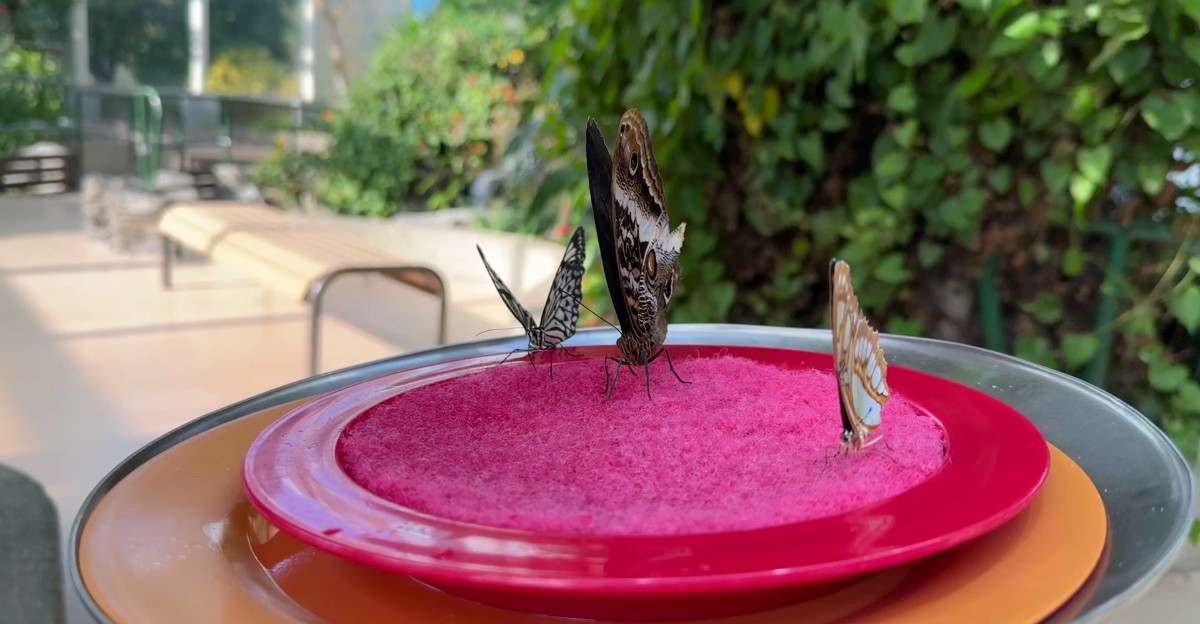
Snow was piling up outside when we ducked into an unassuming museum, expecting a quick look at a few stuffed birds. Twenty minutes later, a butterfly with wings nearly the size of my palm was resting on my shoulder, and my kids had gone completely, delightfully silent.
This Illinois nature museum keeps a tropical greenhouse warm all year, filled with more than a thousand free-flying butterflies. It turned an ordinary winter afternoon into a trip we still talk about.
A Lincoln Park Museum Devoted to Local Wildlife
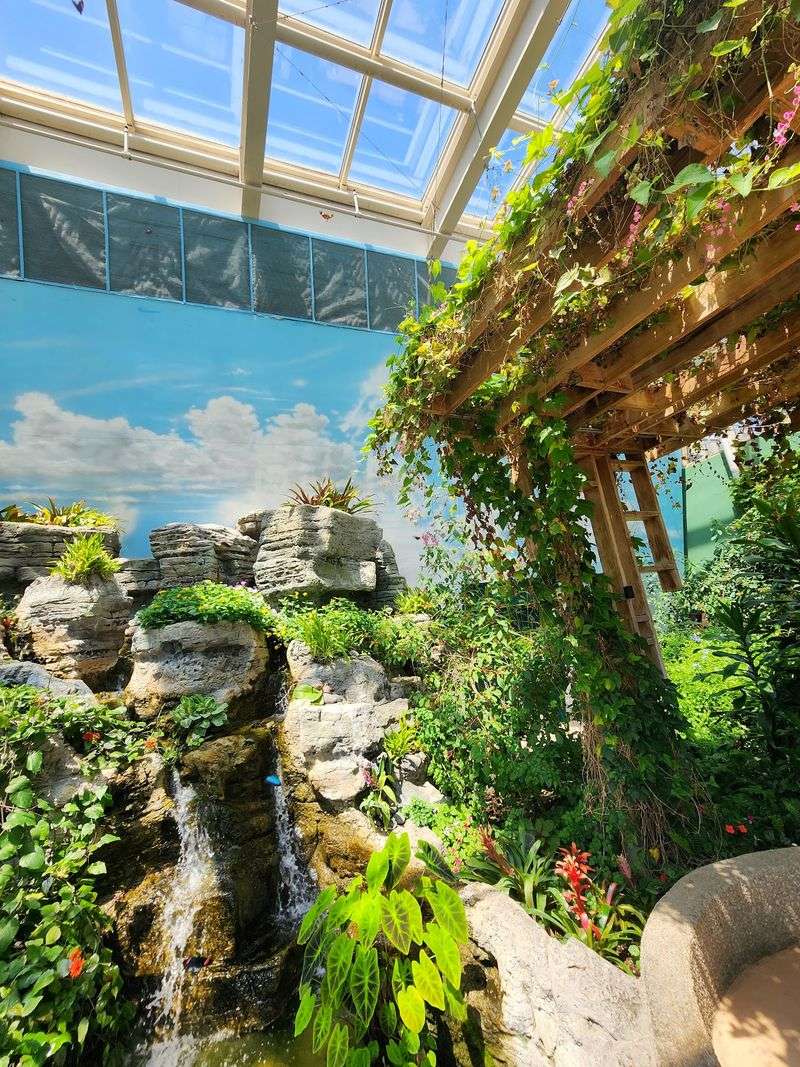
Picture a three-level building on the edge of Lincoln Park where the main exhibits flutter, swim, and crawl. The Peggy Notebaert Nature Museum sits at 2430 N Cannon Dr in Chicago, and it focuses on the environment rather than dinosaurs or ancient history.
Families come for the butterflies, then discover there is plenty more to explore.
The museum presents itself as environment-focused and kid-friendly, and the layout backs that up. Exhibits center on Illinois and Midwest animals, from turtles and snakes to fish, frogs, and native birds.
Outdoor walkways let visitors spot local wildlife without leaving the grounds.
How big is it? Not huge, and many parents see that as a plus.
A few hours usually covers everything, which tends to suit toddlers and early grade schoolers whose energy fades before lunch.
Adults visiting without kids sometimes find it on the smaller side, so it helps to set expectations. For suburban families, the drive often runs 30 to 60 minutes from the collar counties depending on traffic, with Lake Shore Drive a handy route in.
Once inside, the pace slows and the city noise fades quickly.
North Pond, the Zoo, and a Park Setting
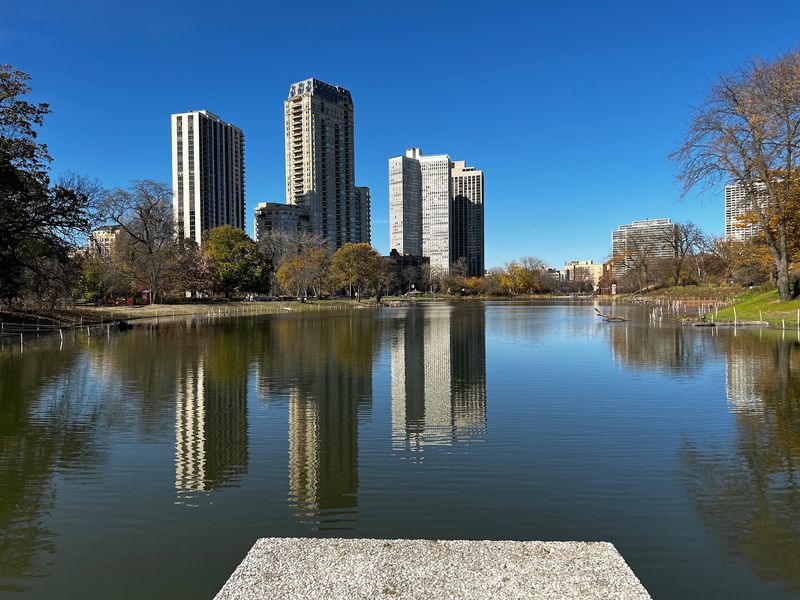
Step out the front door and you are already in one of Chicago’s busiest green spaces. The museum sits right beside North Pond, a quiet stretch of water where turtles often sun themselves along the edges.
Lincoln Park Zoo is just across the street, so some families pair the two in a single outing.
That location shapes the whole experience. Instead of feeling like a building dropped into traffic, the museum blends into the park, with trails and walkways that extend the exhibits outdoors.
A leisurely loop around North Pond afterward gives kids a chance to spot real turtles after seeing the ones inside.
The setting also explains the museum’s focus. Exhibits lean toward the plants and animals that share the Chicago region with us, including the species featured in the Birds of Chicago exhibit.
It is a reminder that city kids have wild neighbors, even if they rarely notice them.
Seasons change the feel of the grounds. Spring and summer bring green lawns and active pond life, while winter visits shift the focus indoors, where the tropical greenhouse offers a warm break from lake-effect gray.
Either way, plan a few extra minutes to wander outside if the weather cooperates.
Inside the Judy Istock Butterfly Haven
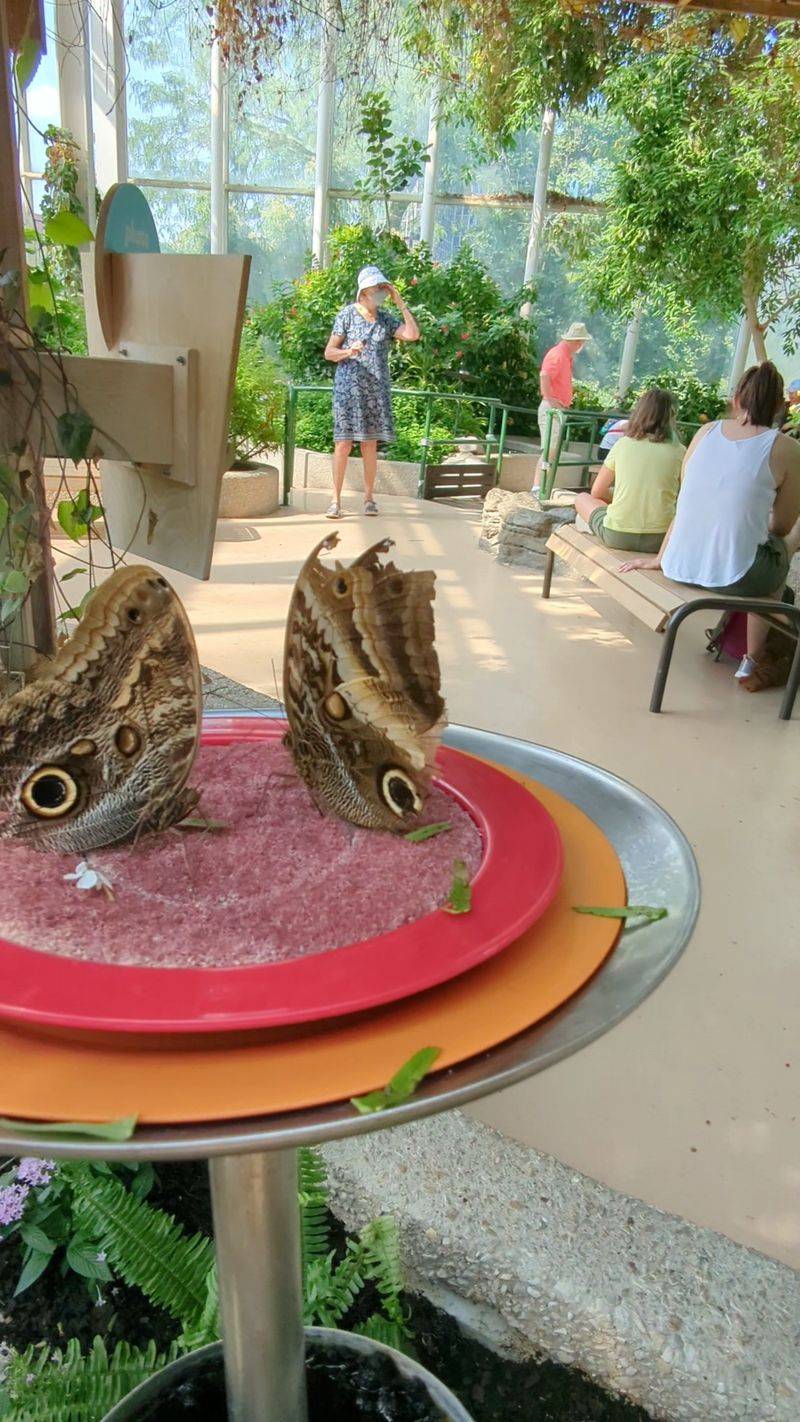
More than a thousand butterflies drift through the Judy Istock Butterfly Haven, a 2,700-square-foot greenhouse on the museum’s second level. Those insects represent over 40 species, and many originally come from the Southern Hemisphere.
Bright wings flicker past tranquil pools and thick tropical plants in every direction.
Walk slowly and something delightful may happen. Butterflies tend to land wherever they please, which sometimes means a sleeve, a hat, or a shoulder.
Kids often freeze in place, grinning, afraid to scare away their new passenger.
Butterflies are not the only residents, either. Visitors have spotted small birds moving through the plants, and some have even seen quail wandering along the ground, a first for many guests.
You can stroll the paths hunting for favorite species or simply sit and watch, a calm contrast to the busier floors below.
Climate matters here too. The greenhouse stays warm and humid all year, which makes it an appealing escape when a January wind whips off Lake Michigan.
Dress in layers so you can peel off a coat, and keep in mind that non-members need a separate Haven ticket.
The 2 PM First Flight Butterfly Release
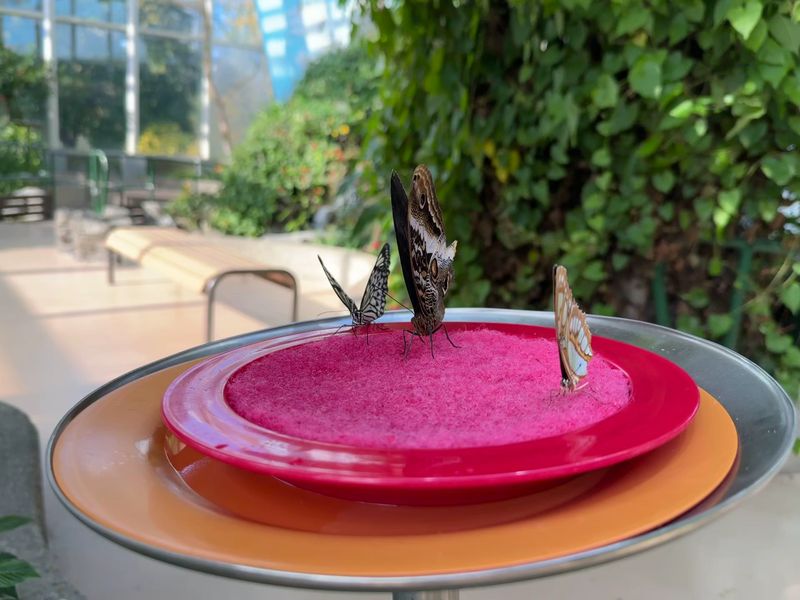
Every afternoon at 2 PM, a small group of butterflies gets its very first taste of open air. The museum calls it the First Flight Butterfly Release, and it ranks among the most talked-about moments of any visit.
Newly emerged butterflies are set free into the Haven while families gather to watch.
Why does it feel so special? For many kids, it is the first time they see an animal do something for the very first time, too.
Parents often describe it as the highlight of the day, and toddlers seem just as captivated as their older siblings.
Timing takes a bit of planning. Families who arrive in the morning sometimes spend so long in the play areas that 2 PM slips by unnoticed.
Setting a phone reminder, or saving the Haven for early afternoon, can help you catch it.
Remember that the museum typically closes at 4 PM, so the release lands in the second half of a visit. Grab a snack beforehand so hungry little ones stay patient while waiting, and a spot near the front gives smaller children the clearest view.
Schedules can shift for special events, so check ahead on the day you plan to go.
Metamorphosis Behind the Chrysalis Lab Window
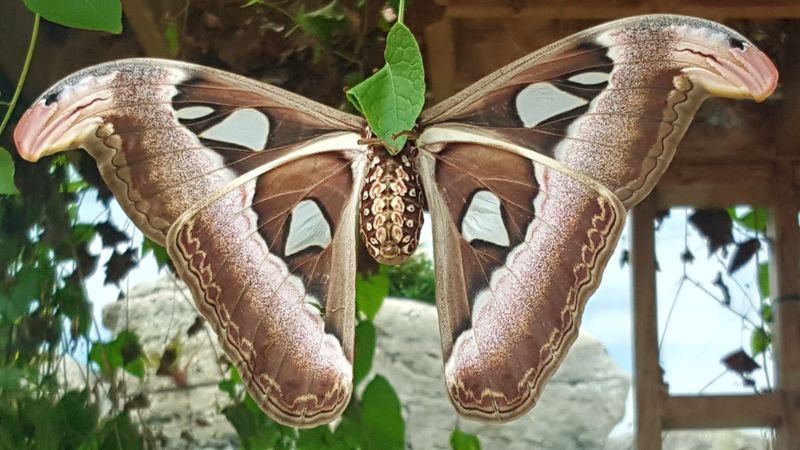
Chrysalises of many shapes and colors hang inside the Dr. Doug Taron Chrysalis Lab, each one holding a butterfly or moth in the middle of a remarkable change. Visitors can peek through the window and watch the process unfold.
With patience and a bit of luck, you might catch a set of wings slowly opening for the first time.
The lab connects directly to the release story. Butterflies that emerge here are the same ones that later take their First Flight into the Haven, so kids see both ends of the journey in one afternoon.
It turns a science lesson from school into something they witness with their own eyes.
Younger children may need a boost to see well, so a quick lift or a step aside for shorter viewers helps everyone. Older kids tend to ask big questions here: how long does it take, what happens inside, why do they all look so different?
Those questions make great car-ride conversations on the way home.
Short on time? A few minutes at the lab window still adds meaning to the butterflies overhead.
Once you understand what each one went through to get there, the Haven feels even more amazing.
RiverWorks and the Museum’s Splash Zones
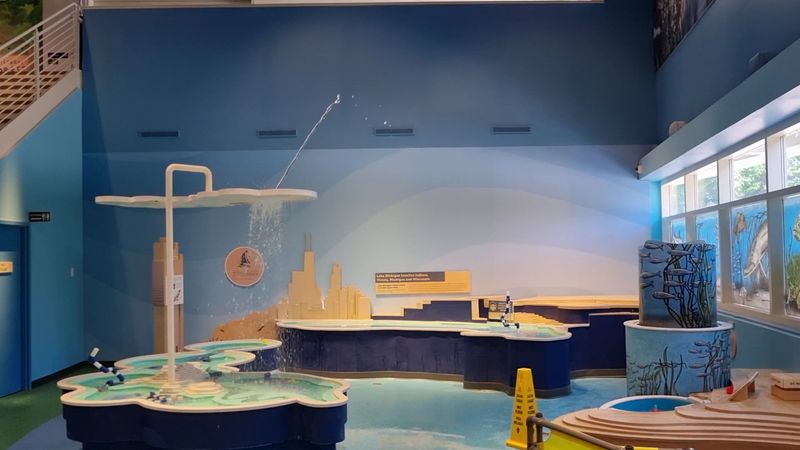
Bring a spare shirt. That advice comes up again and again from parents, because the lower-level water play area tends to soak sleeves within minutes.
The setup models a flood plain, a dam, and a small city, letting kids push water around and watch how it flows.
Exhibits like RiverWorks sneak real science into all that splashing. Children can block channels, redirect streams, and see what happens when moving water meets a barrier.
Many families report it held their kids’ attention far longer than expected, which says a lot about toddlers.
There is more than one wet spot, too. A second water play zone sits on the first floor next to a play area, so kids who missed their chance downstairs get another go.
Two separate areas can also help spread out crowds on busy weekends.
A few practical tips go a long way. Pack a towel or a full change of clothes, roll up sleeves before starting, and bring a waterproof smock if you own one.
Weekday mornings tend to be calmer, which makes it easier for smaller children to find elbow room at the water tables.
Color-Your-Own Butterflies on a Giant Screen
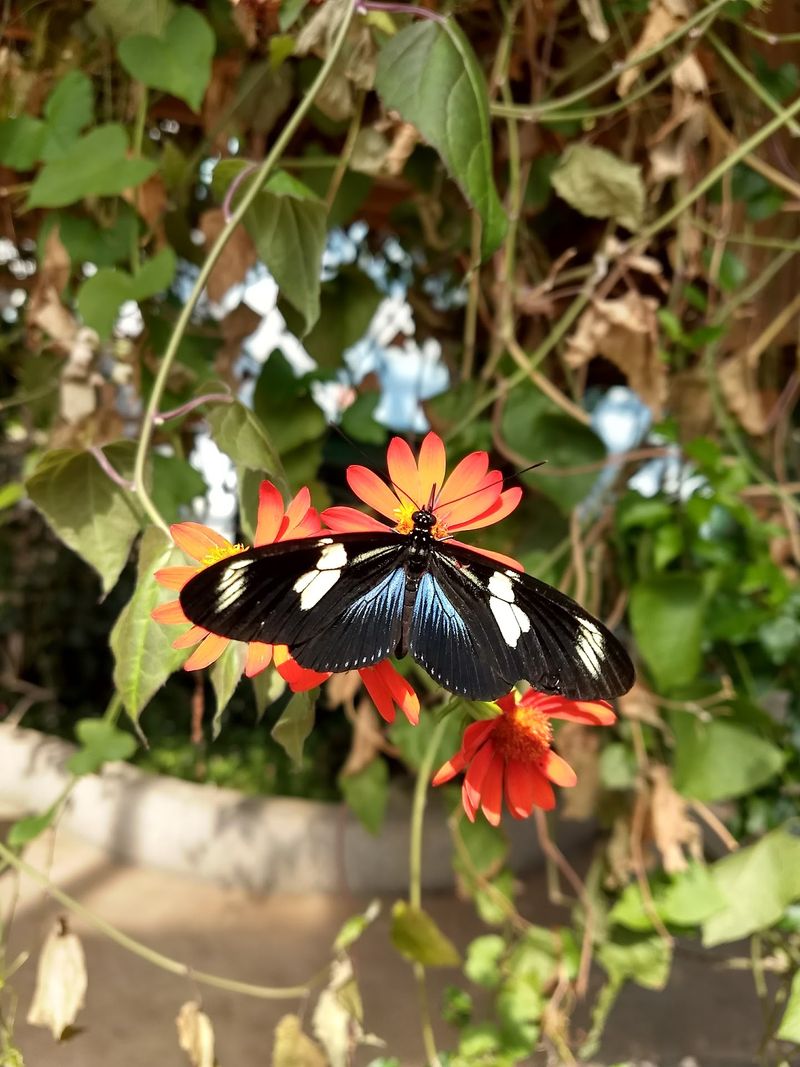
Crayons, paper, and a scanner might not sound like a nature exhibit, yet this corner of the museum wins kids over fast. Children color a butterfly design on paper, scan it, and then watch their creation appear on a giant digital screen.
Seconds later, it flutters across a virtual prairie alongside everyone else’s artwork.
The payoff is instant, which is exactly why younger children grasp it right away. Toddlers who cannot yet read a museum label still get the thrill of seeing their scribbles take flight.
Older kids often return for a second or third design, experimenting with bolder patterns.
Adults get pulled in more than they expect. Plenty of parents end up coloring alongside their kids, then scanning the screen to spot their own butterfly among dozens of others.
The surround effect makes the prairie feel wide and open, a fun contrast to the real greenhouse upstairs.
Interactive stations like this show how the museum blends play with learning. Kids think about color, pattern, and prairie habitat without sitting through a lecture.
If your group needs a calm, seated activity between busier exhibits, this is a smart place to pause and recharge.
Turtles, Snakes, and Other Live Residents
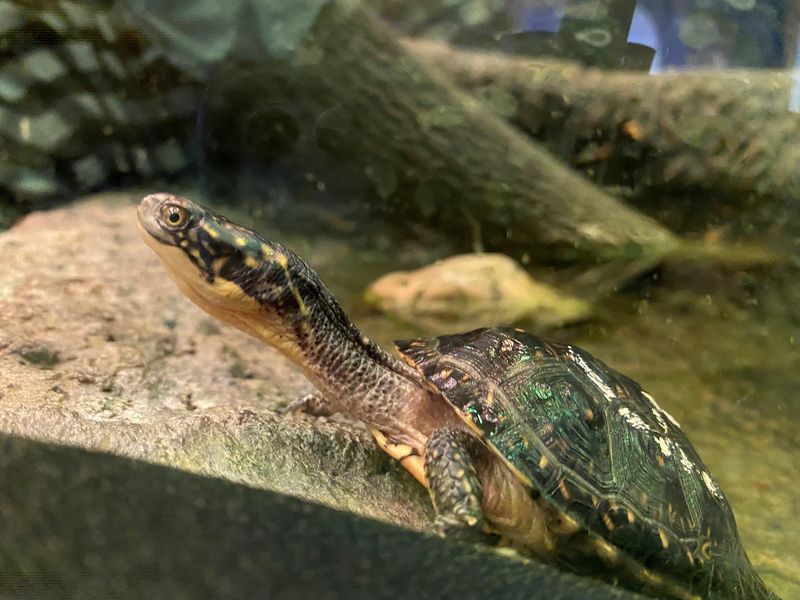
One softshell turtle seems to have its own small fan club. Visitors often mention it as a surprise favorite, lounging in its tank with an air of total confidence.
It is a good example of how the museum’s live animals can steal the show from flashier attractions.
Beyond that turtle, the collection includes other turtles, snakes, frogs, fish, and a range of small reptiles, amphibians, and invertebrates. Many represent species found in Illinois and the broader Midwest.
Seeing them up close helps kids realize these creatures live in nearby creeks, prairies, and woods, not only in faraway rainforests.
What makes the displays work for families? They feel approachable rather than overwhelming, with room to stand and look without a crush of people.
Kids can move at their own pace, lingering as long as their curiosity lasts.
Parents also appreciate the learning opportunities woven throughout the animal areas. If your child loves reptiles, budget extra time here rather than rushing ahead to the next room.
And after your visit, a walk around North Pond might reveal wild turtles basking nearby, a satisfying way to connect what they saw inside with the real world outside.
Taxidermy Displays and a Working Specimen Station
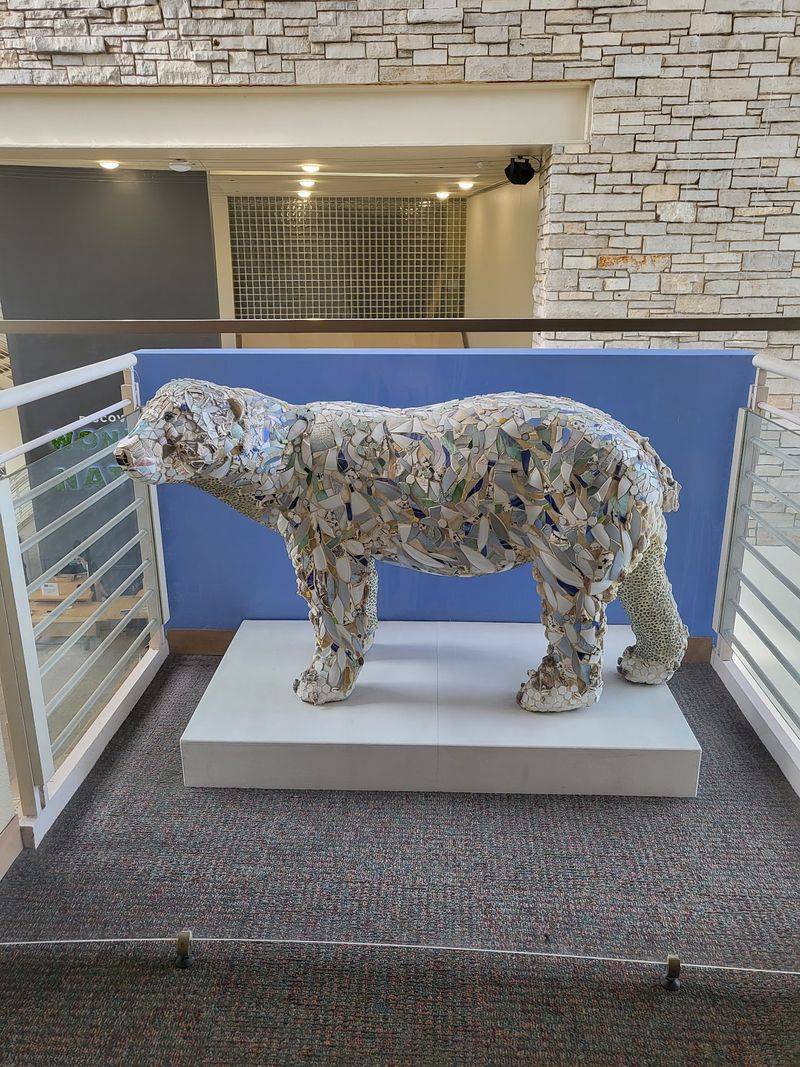
Few museums let you chat with someone while they prepare a specimen, but here it sometimes happens. A taxidermy station occasionally has a staff member working on an animal, and visitors can ask questions as the work progresses.
Regulars suggest stopping by if someone is there, since it is not always staffed.
The finished displays are striking. Mounted owls and other native creatures let you get closer than you ever could outdoors, and many adults find themselves marveling at animals they forget share the city.
The Birds of Chicago exhibit builds on this, spotlighting species that call the region home.
Sensitive kids might react differently. Some children find preserved animals unsettling, and parents note these areas can be mostly skipped if needed.
Talking through what taxidermy is before you arrive may help, framing it as a way scientists and educators study animals closely.
For curious older kids, though, this could be the section they remember most. The detail in feathers, fur, and posture invites careful looking, and a live conversation with the preparer becomes a genuine behind-the-scenes lesson.
Pair it with a sketchbook, and your young naturalist might spend a long, happy stretch here.
Play Spaces Sized for Little Explorers

Toddlers need somewhere to wiggle, and the museum plans for that. Play spaces including Nature’s PlaySpace and an area called Secret Forest give kids room to climb, crawl, and burn energy between exhibits.
A dedicated toddler zone serves children under 2, while other areas target kids under 7.
Private events occasionally close one space, as some families have discovered with Secret Forest. Thankfully, having more than one option means a closure rarely spoils the day.
Checking ahead for event schedules can spare a child who has their heart set on a specific area.
A rotating seasonal exhibit adds another layer. Themes change periodically, and recent versions have leaned into creativity and hands-on action.
Kids who visit often get something new each time, which helps explain why local families keep returning.
Some grandparents describe bringing their own children years ago and now coming back with grandkids. That kind of multi-generation loyalty speaks to how well these areas balance fun with learning.
One practical note: the seasonal exhibit runs on a play-at-your-own-risk basis, so parents should stay close, especially with younger siblings who might try equipment built for bigger kids.
Gardens, Trails, and an Outdoor Bird Walk

When the weather turns kind, the museum spills outdoors. The Woody Wickham Butterfly Garden, included with general admission, attracts local pollinators and offers a chance to see native butterflies in their natural element.
It makes a nice comparison to the tropical species indoors.
Nearby, the Deb Lahey Nature Trails wind through planted areas around the building. An outdoor bird walk lets visitors pause and observe feathered locals, a quiet activity that rewards patience.
Late spring and summer tend to be the liveliest seasons out here.
Did you know? Many kids never think of Chicago as a place full of wildlife, yet these trails often prove otherwise.
Birds and insects make regular appearances, and North Pond next door adds turtles to the mix. Binoculars, even an inexpensive kid pair, can turn a stroll into a scavenger hunt.
Keep Illinois weather in mind. July afternoons can get hot and humid, so morning visits outside may feel more comfortable, while winter can make the paths less inviting.
The Sustainability Center inside rounds things out, showing ways families can help care for the environment at home.
Hours, Tickets, Parking, and Family Amenities
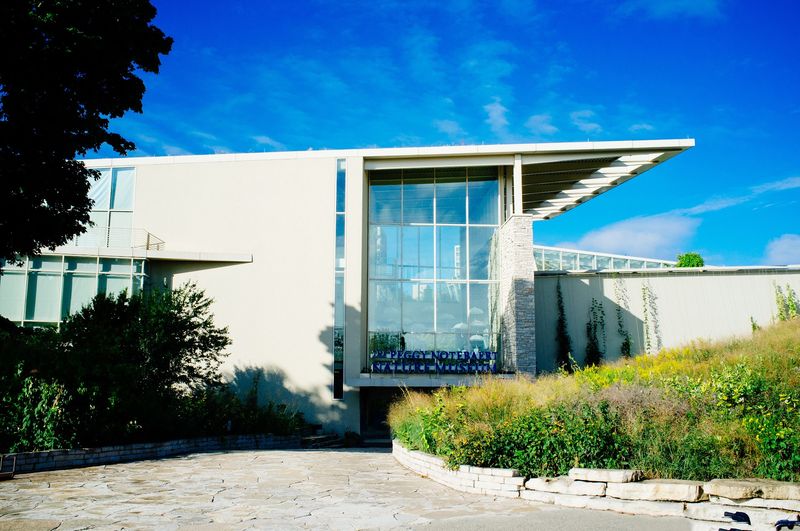
Doors typically open at 10 AM and close at 4 PM, seven days a week, though holidays and special events can change that. General admission has run around $15, and the Butterfly Haven requires a separate ticket of roughly $5 for non-members.
Members enter the Haven free, and prices do shift, so confirm current rates before you go.
Parking is the trickiest part. Street spots fill quickly, but a small lot across from the entrance offers paid parking, recently around $24.
Arriving early, or around midday when morning families head out, often improves your odds.
Public transit is another option, with bus routes running close to the museum. Some visitors reserve a spot at a nearby garage and walk five to seven minutes to the entrance.
Inside, the building is set up with families in mind. An elevator connects all three levels, and you will find stroller parking, family restrooms, and tables with high chairs near the entrance.
The gift shop sells snacks and drinks, mostly pre-packaged, so packing a lunch can save money, and weekday visits often mean no line at all.
A Warm, Winged Escape for Illinois Families
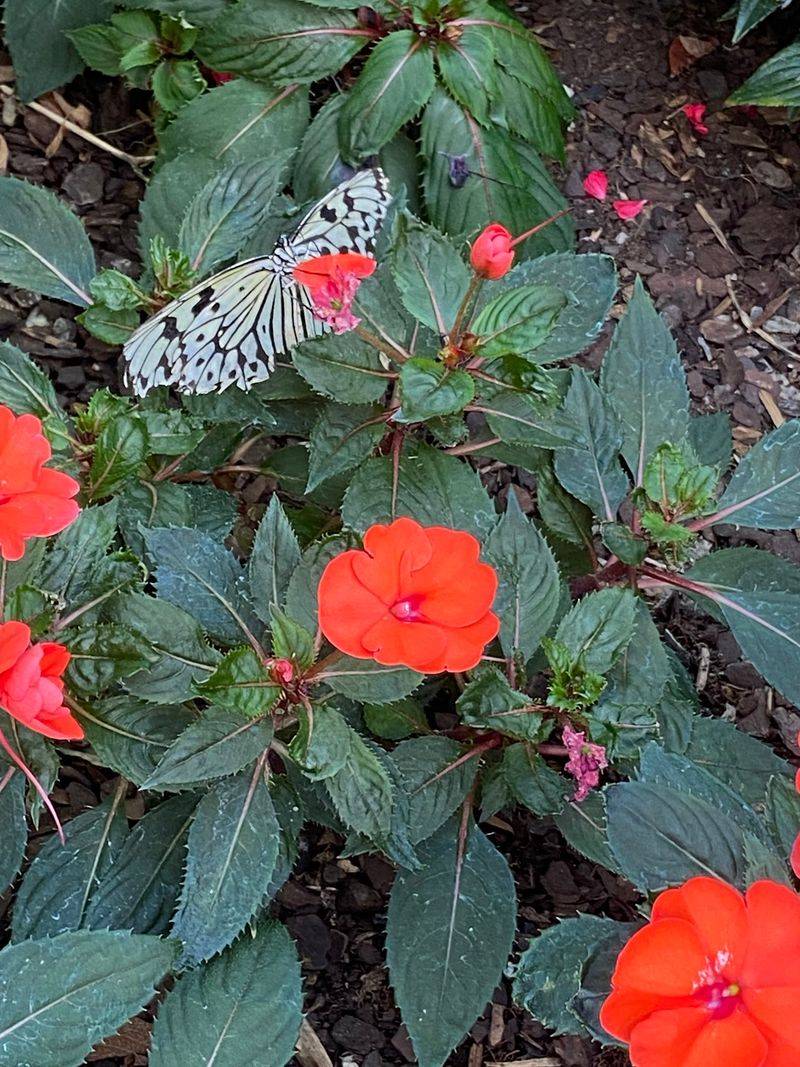
A cold Saturday in February, a restless preschooler, and a car full of snow boots: that is exactly when this museum tends to shine. The Butterfly Haven delivers tropical warmth and quiet wonder, while splash zones and play spaces handle the extra energy.
It is a compact outing that rarely leaves anyone worn out.
Who will enjoy it most? Families with kids from toddler age through early elementary school get the richest experience, thanks to hands-on exhibits built at their level.
Adults visiting solo may find the museum smaller than expected, though the butterflies still charm nearly everyone.
Timing can turn a good day into a great one. Aim for a weekday morning, save room for the 2 PM release, and pack a spare set of clothes for the water tables.
Pairing the visit with a walk around North Pond or a stop at the zoo across the street stretches the day nicely.
Few places let a child stand perfectly still while a butterfly settles on their shoulder. That small, hushed moment is the real reason families across Illinois keep circling back.
Check current hours and ticket details, then go see it for yourself.