
9 Idaho Rivers Known For Agates, Jasper And Occasional Flashes Of Gold
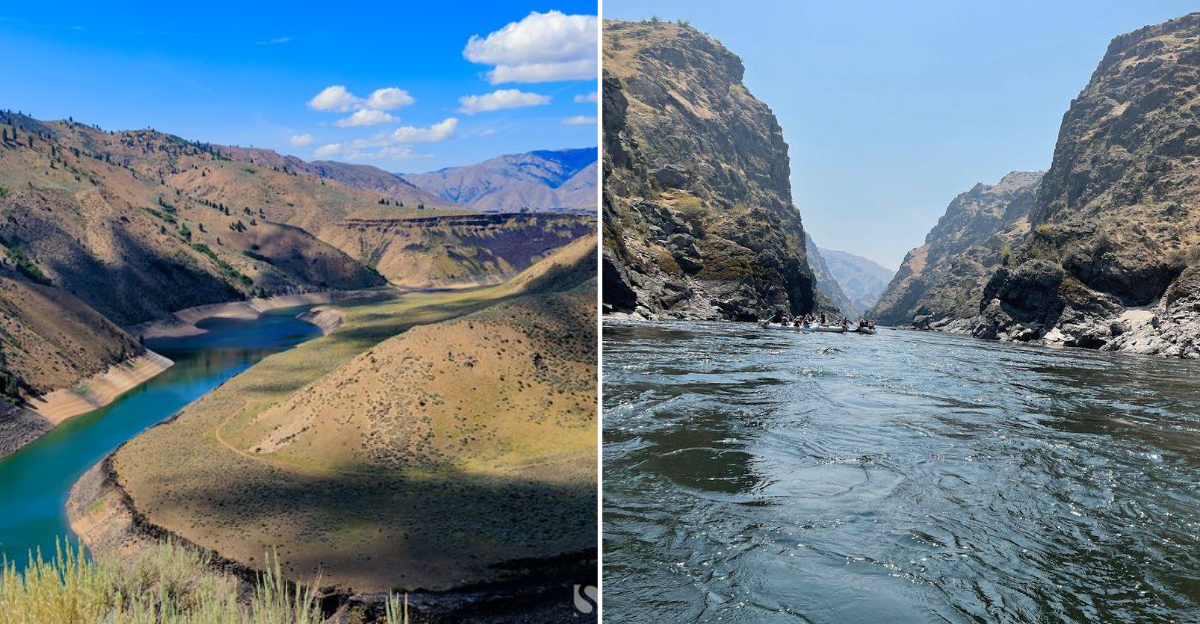
Idaho’s rivers have been holding onto secrets at the bottom of their beds for longer than anyone has been looking. The patient ones who crouch at the waterline and stay long enough tend to leave with something that justifies every cold minute spent there.
Agates catch light in a way that stops a search mid-stride. Jasper turns up in colors that seem too deliberate for something that formed without any human involvement whatsoever.
And then there is the gold. Occasional, unhurried, and just frequent enough to keep the possibility alive on every future visit.
These are not rivers famous for their fishing or their rapids. They are famous among a quieter crowd, the rockhounds and prospectors who learned long ago that Idaho rewards the ones willing to get their boots wet.
1. Clearwater River
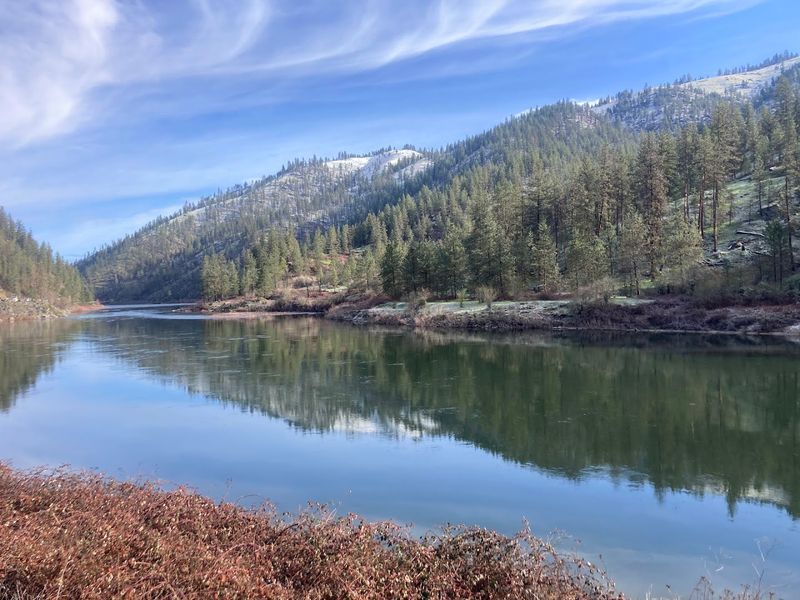
Gold panners have been showing up at the Clearwater River for generations, and honestly, it is easy to see why. The South Fork especially has a reputation for producing real placer gold.
Even beginners walk away with something glittering in their pan.
The river cuts through some seriously dramatic terrain in north-central Idaho. Towering canyon walls and pine-covered ridges make the whole experience feel cinematic.
You are basically prospecting inside a postcard.
Jasper also shows up in the gravel bars around the Clearwater basin. The stones are river-worn and smooth, which makes them easy to spot once you know what to look for.
Colors range from brick red to deep, earthy brown.
The South Fork is especially popular with recreational gold panners during the summer. Water levels drop just enough to expose long gravel bars perfect for working.
Bring a good pan, some patience, and maybe a snack.
Access points are spread along Highway 12, which follows the river closely. The drive alone is worth the trip.
The Clearwater River runs through the heart of the Nez Perce-Clearwater National Forests, making the scenery absolutely stunning.
2. Salmon River
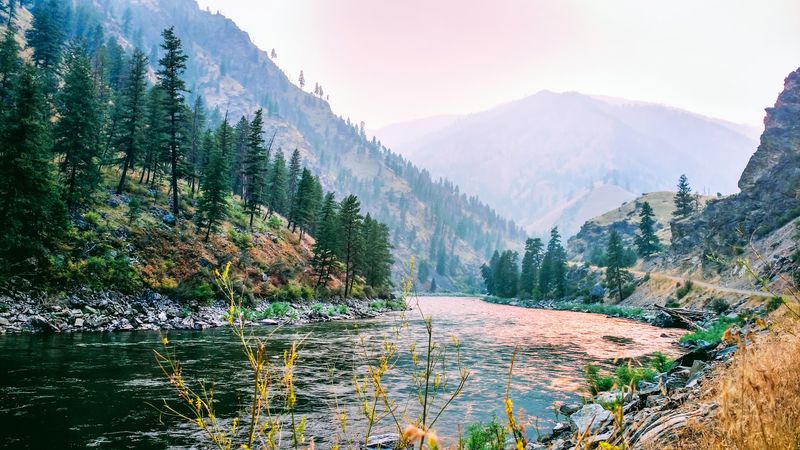
People call it the River of No Return, and that nickname alone should tell you something. The Salmon River is wild, remote, and absolutely loaded with geological treasure.
Agate, jasper, quartz, and placer gold all show up in its gravel bars.
Near towns like Riggins and White Bird, collectors have been finding colorful stones for decades. The river cuts through some of the deepest gorges in North America.
That kind of ancient geological pressure tends to leave behind some really interesting material.
Gold nuggets have actually been reported along certain stretches. Most finds are fine placer gold, but the occasional nugget keeps everyone excited.
You never really know what the next scoop of gravel will reveal.
The landscape along the Salmon is dramatic in the best way. Steep canyon walls, clear blue water, and zero cell service make it feel like a real adventure.
Bring a paper map and enjoy being off the grid.
Summer is the best season to explore the gravel bars since water levels drop significantly. Rafters and kayakers share the river, so expect some company on the popular stretches.
The whole corridor feels alive with energy and history.
3. Snake River
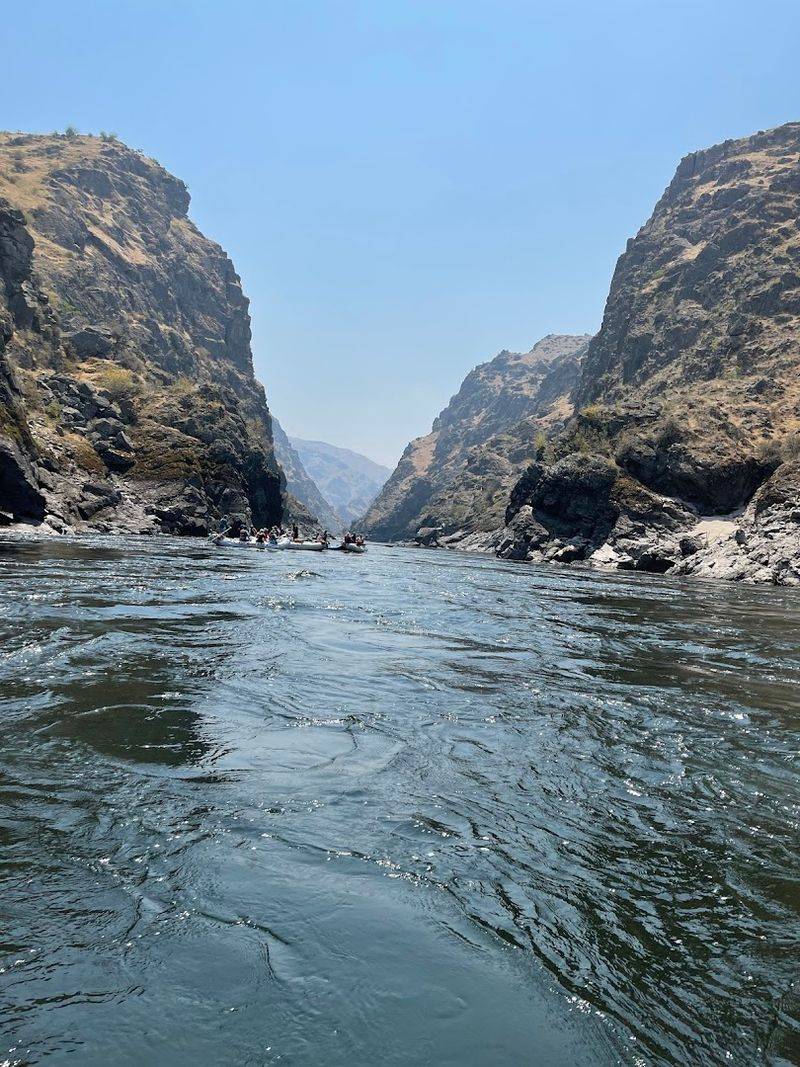
The Snake River is basically Idaho’s backbone, and it is generous with its geological gifts. Agate hunting along its gravel bars is genuinely rewarding.
You will find pieces in every color from pale cream to deep red and even green.
Chalcedony, jasper, and petrified wood fragments are all common finds here. The river has been tumoring rocks for thousands of years, so everything comes out beautifully polished.
Nature does the lapidary work for free.
Tiny flashes of placer gold have also been found along certain Snake River stretches. It is not a gold rush situation, but enough people find color to keep the hobby alive.
A basic gold pan and some persistence go a long way.
The basalt canyon walls along the Snake River tell a story of ancient volcanic activity. That volcanic history is a big reason why the rock variety is so impressive here.
Every gravel bar is basically a geology lesson you can touch.
Twin Falls and the Hagerman Valley area are popular starting points for rockhounds. Public land access is available in several spots along the river corridor.
Always check the current Bureau of Land Management rules before collecting.
4. Payette River
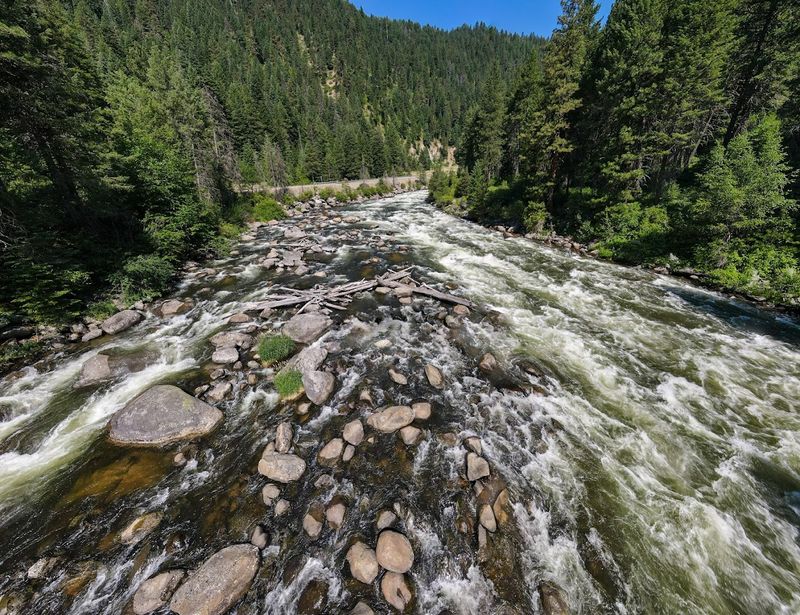
The lower Payette River is where colorful river-worn stones practically beg to be picked up. Jasper, agate-like chalcedony, and quartz are scattered across gravel bars like nature left them there on purpose.
Spoiler alert it kind of did.
The Black Canyon Reservoir area is a favorite among local rockhounds. Pieces of petrified wood also show up here, which adds another layer of excitement to any collecting trip.
Finding a chunk of ancient wood turned to stone never gets old.
The river flows through dramatic canyon country in southwest Idaho. Rocky walls tower above the water, and the whole setting feels remote even when you are not that far from civilization.
It has that rare quality of feeling wild and accessible at the same time.
Agate here comes in several colors and patterns, including some banded varieties that look incredible when wet. Always carry a spray bottle so you can see the true colors of dry stones.
That simple trick changes everything when you are sorting through gravel.
The North Fork and South Fork both have productive collecting areas worth exploring. Whitewater rafters love this river too, so summer weekends get busy on the water.
Early mornings are quieter and better for focused collecting.
5. South Fork Boise River
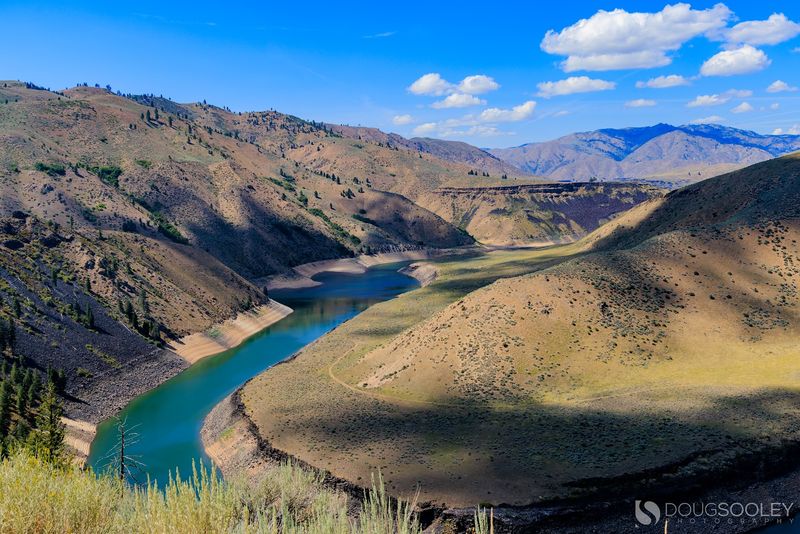
Gold prospecting along the Boise River is not a new hobby; people have been doing it here since the 1800s. The South Fork keeps that tradition very much alive.
Areas near Lucky Peak and Barber Park are especially popular with modern-day prospectors.
Fine placer gold shows up in the gravels here, and the history behind those flakes is genuinely fascinating. The Boise Basin was one of Idaho’s earliest and most productive gold districts.
You are literally panning in the same water that fueled a gold rush.
Beyond gold, the river corridor offers some beautiful scenery and interesting geology. The canyon walls near the reservoir expose layers of volcanic and sedimentary rock.
It is the kind of place where you keep stopping to look around.
Rockhounds also find quartz and occasional colorful stones in the gravel bars. The South Fork is more accessible than some of Idaho’s wilder rivers, making it a great starting point for beginners.
Parking areas and easy trail access make logistics simple.
Fall is a stunning time to visit when the canyon turns gold and amber. The crowds thin out after summer, and you basically have the gravel bars to yourself.
Bring layers because mornings along the river can get cold fast.
6. Weiser River
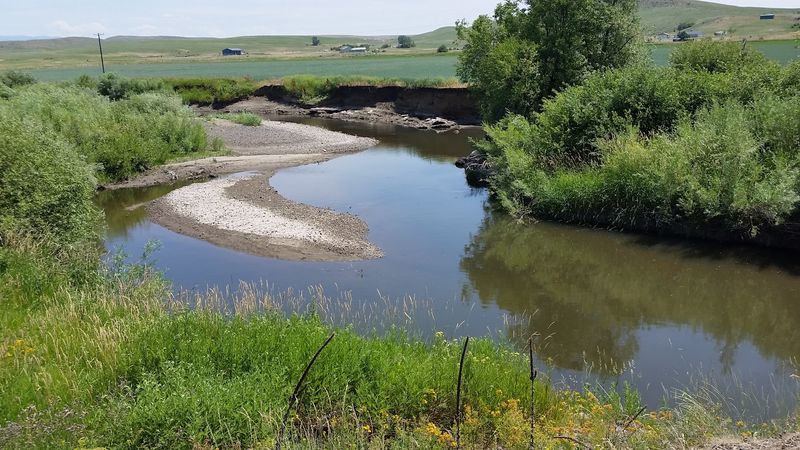
The Weiser River runs through the wide-open landscape of southwestern Idaho, and it has a quiet charm that bigger rivers lack. Rockhounds who know about it tend to keep it a bit of a secret.
Colorful jasper and agate-like stones show up in the gravel bars pretty regularly.
The river flows through a mix of agricultural land and public terrain. Gravel bars shift with each season, which means new material is always getting exposed.
What was buried last spring might be sitting right on the surface this fall.
Petrified wood has also been found in the Weiser area, which makes sense given the volcanic history of the region. The whole Snake River Plain is basically a geological treasure chest.
The Weiser River is one of its quieter, less-visited draws.
Small-scale gold prospecting has also been reported along certain tributaries feeding the Weiser. Nothing dramatic, but enough fine color to keep things interesting.
Combine that with stone collecting, and you have a full day of outdoor fun.
The town of Weiser is friendly and worth a stop before or after your river adventure. Local knowledge goes a long way in finding the best collecting spots.
Strike up a conversation at the hardware store and see what you learn.
7. Blackfoot River
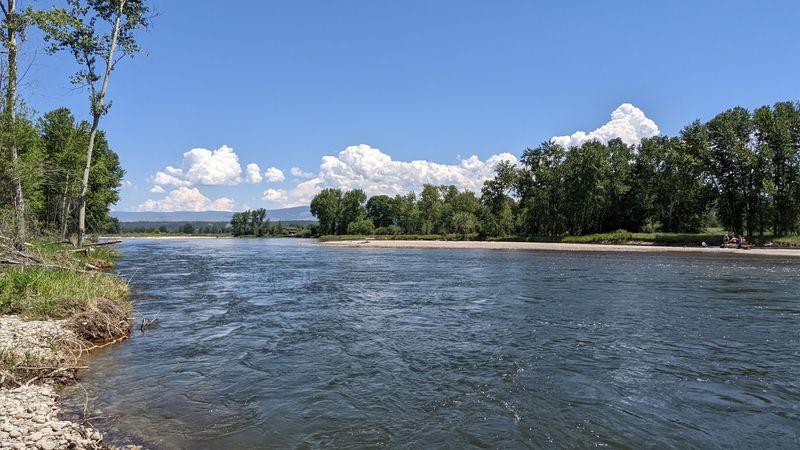
Eastern Idaho does not always get the rockhounding spotlight, but the Blackfoot River deserves serious attention. The volcanic geology of the region means interesting material shows up in the gravel bars with surprising regularity.
Chalcedony, jasper, and quartz are all common finds here.
The river winds through the Fort Hall Bottoms and surrounding public lands. Basalt formations line the banks in many stretches, which is always a good sign for collectors.
Where there is ancient volcanic rock, there tends to be interesting secondary minerals nearby.
What makes the Blackfoot fun is how undiscovered it still feels. You are not fighting crowds for access to the best gravel bars.
Most days, it is just you, the water, and whatever the river decided to leave behind.
The surrounding landscape has a high-desert quality with sagebrush flats and dramatic sky. Sunsets here are genuinely spectacular if you stay late enough.
It is the kind of place that rewards people who slow down and pay attention.
Spring runoff brings fresh material down from upstream collecting areas. Late summer and early fall expose the most gravel and make collecting easiest.
Rubber boots are highly recommended since the river crossings can be tricky.
8. Lemhi River
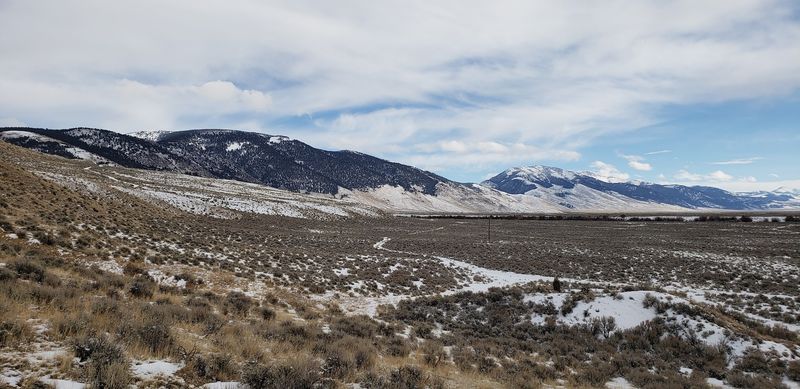
The Lemhi River flows through one of the most remote and beautiful valleys in all of Idaho. Surrounded by the Beaverhead and Lemhi mountain ranges, this river has serious geological credentials.
Gold, jasper, and quartz all show up in its gravels for those willing to explore.
Placer gold has been found in the Lemhi Valley since the 1800s. Mining history runs deep here, and remnants of old mining activity are visible in some areas.
Standing in that valley with a gold pan feels like a genuine connection to the past.
The Lemhi is also a productive stream for general rockhounding. River-worn jasper in earthy tones and quartz crystals are the most common finds.
The clarity of the water makes it easy to spot interesting stones while wading.
Wildlife sightings are practically guaranteed on a trip to the Lemhi Valley. Deer, elk, and raptors are common companions during a day of collecting.
The isolation is part of the appeal. This is not a crowded river.
The closest services are in the small town of Salmon, about 20 miles north. Fill up your gas tank and grab supplies before heading into the valley.
Cell service is limited, so download offline maps before you go.
9. Saint Maries River
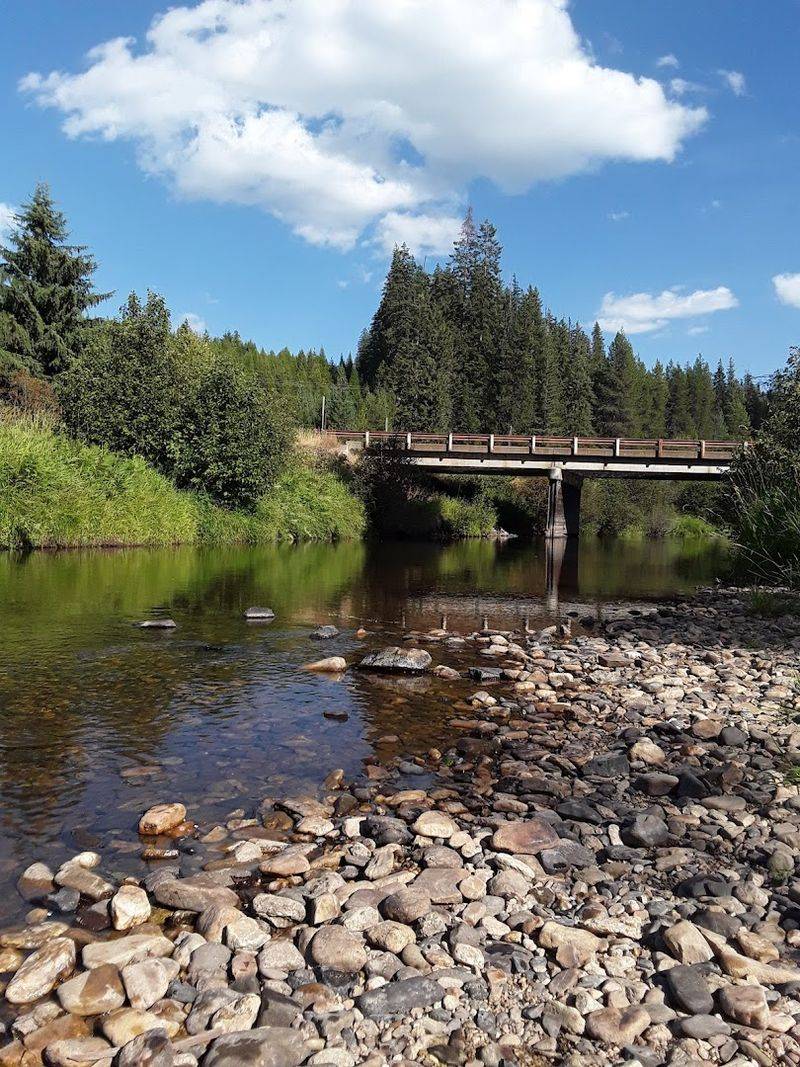
Northern Idaho has a completely different energy from the rest of the state, and the Saint Maries River captures it perfectly. Dense forests of cedar and fir crowd the banks, and the water runs clear and cold year-round.
Rockhounds here find quartz, jasper, and agate-like chalcedony in the gravel bars.
The stretch between St. Maries and Avery is particularly well-known among collectors in the region. Gravel bars along this corridor expose a nice variety of river-worn material after high water events.
Spring and early summer are prime times to check what fresh gravel has been deposited.
The atmosphere along the Saint Maries feels different from southern Idaho’s desert rivers. Everything is green, mossy, and lush.
It is a great reminder that Idaho contains multitudes. You can go from sagebrush canyon to old-growth forest in just a few hours of driving.
The town of St. Maries is charming and has a strong connection to its river heritage. Local rockhound clubs occasionally organize collecting trips in the area.
Connecting with those groups is a great way to learn the best spots quickly.
Camping options near the river make it easy to spend multiple days exploring. The Saint Joe River is also nearby if you want to extend your collecting adventure.
Two productive rivers in one trip is a pretty good deal.