
Inside Florida’s Secret Animal Sanctuary Where Rare Species Flourish
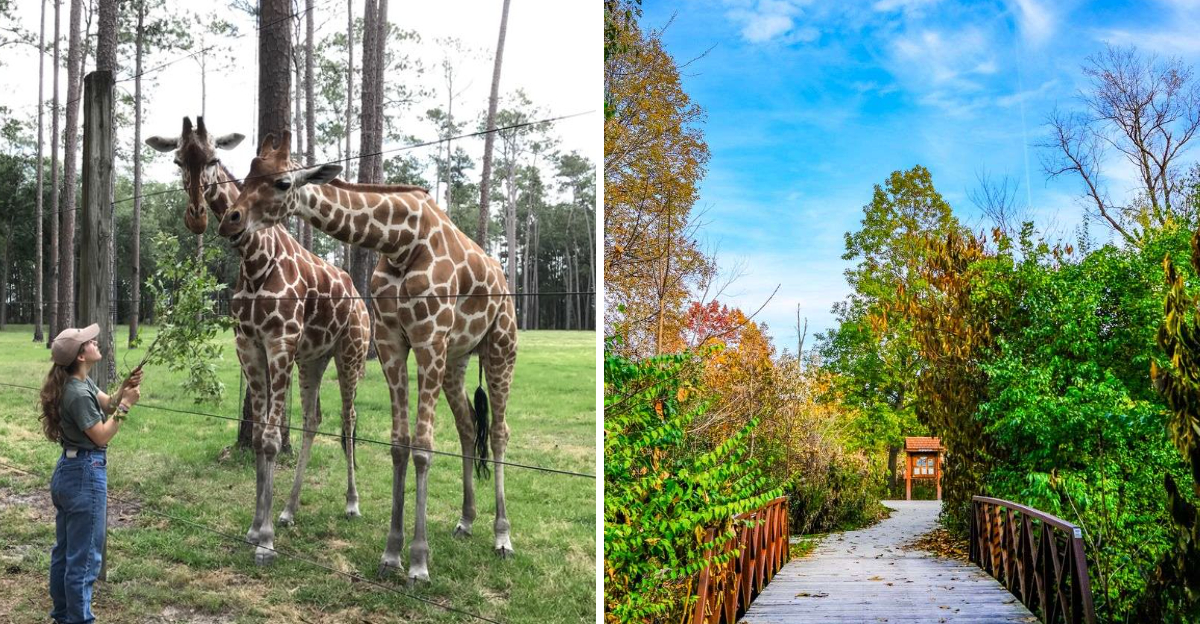
Tucked away in the quiet corners of Northeast Florida, a remarkable wildlife refuge operates far from the crowds and fanfare that typically surround animal attractions.
White Oak Conservation, located near Yulee, spans thousands of acres dedicated to protecting some of the planet’s most endangered creatures.
Unlike traditional zoos where entertainment takes center stage, this sanctuary prioritizes scientific research and breeding programs that give threatened species a fighting chance at survival.
Visitors who manage to secure a reservation discover an experience that feels more like stepping into wild Africa than touring a Florida facility.
17,000 Acres Of Protected Wildlife In Northeast Florida
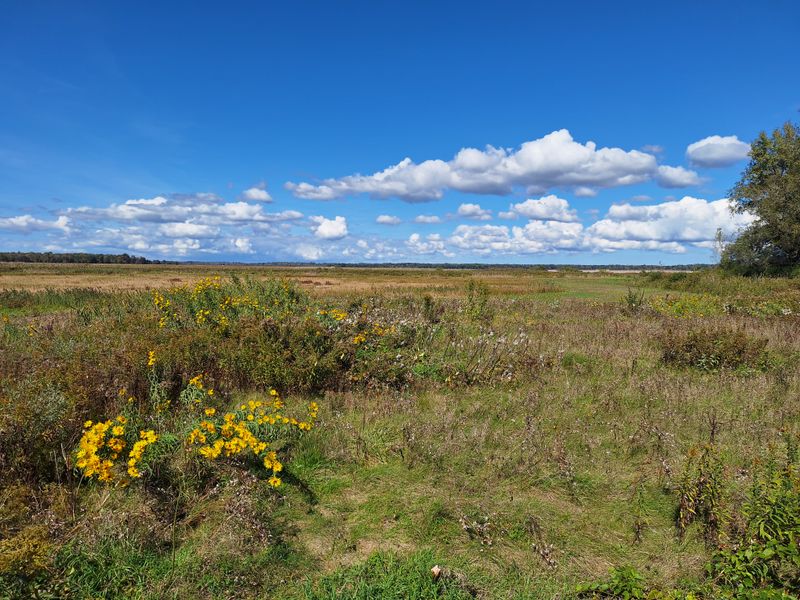
White Oak Conservation stretches across an astonishing 17,000 acres of protected land in Nassau County, creating one of the largest private conservation centers in North America.
The property sits just off White Oak Road in Yulee, Florida, where pine forests and open pastures provide naturalistic habitats for dozens of species.
Visitors arriving at 581705 White Oak Rd find themselves entering a world that feels continents away from typical Florida attractions.
The sheer scale allows animals to roam in herds and family groups much as they would in their native ranges.
Former plantation grounds have been transformed into carefully managed ecosystems that replicate African savannas, Asian grasslands, and other environments.
Each habitat zone receives constant monitoring from wildlife specialists who track animal health, breeding success, and behavioral patterns.
The acreage provides something most captive animals never experience: genuine space to establish territories, avoid human contact when desired, and engage in natural behaviors that smaller facilities simply cannot accommodate.
Why This Florida Sanctuary Stays Out Of The Spotlight
Most animal facilities plaster billboards across highways and court media attention, but White Oak Conservation deliberately maintains a low profile.
The sanctuary limits visitor numbers and requires advance reservations, ensuring that conservation work takes precedence over tourism revenue.
This intentional obscurity serves the animals’ best interests by minimizing stress and disruption to breeding programs.
Many endangered species reproduce more successfully when not subjected to constant crowds and noise.
Staff members focus their energy on scientific research rather than marketing campaigns or gift shop sales.
The sanctuary operates primarily through private funding, which frees administrators from pressure to maximize ticket sales or create crowd-pleasing exhibits.
Even longtime Florida residents express surprise upon discovering White Oak’s existence, as one visitor noted after four decades in the state.
This quiet approach reflects a philosophy that genuine conservation happens behind the scenes, not under spotlights and camera flashes that prioritize spectacle over species survival.
Home To Some Of The World’s Rarest Hoofed Animals
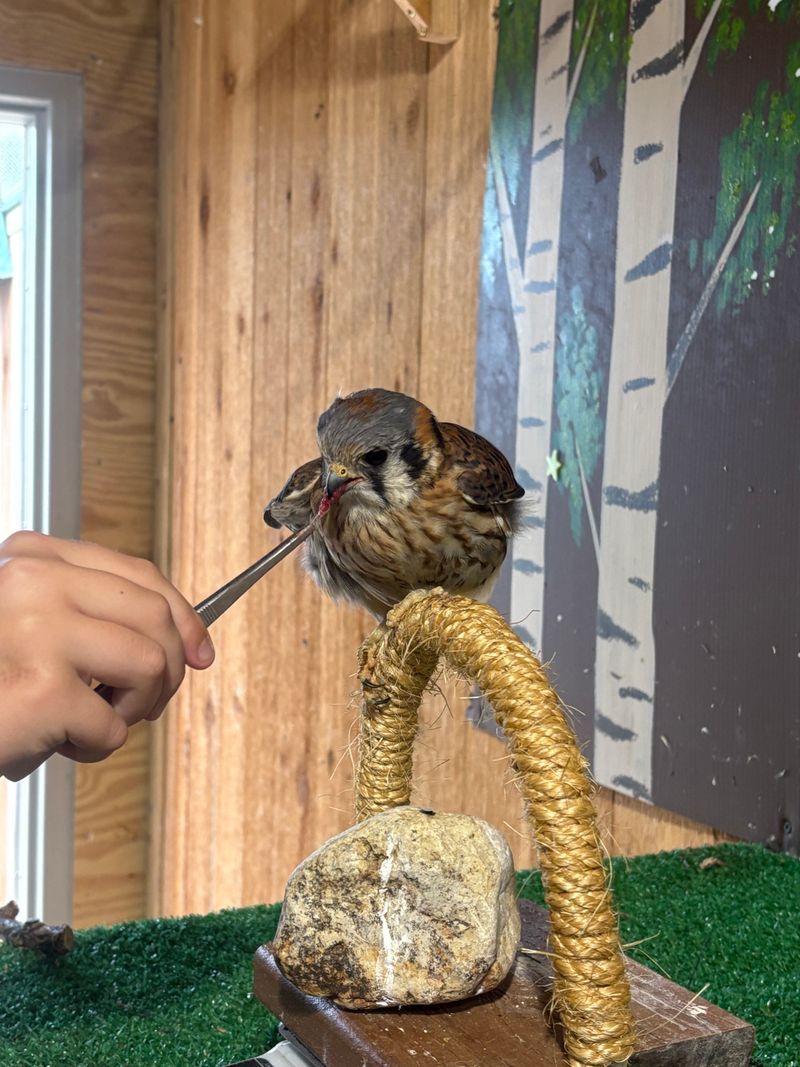
White Oak specializes in protecting critically endangered hoofed species that face extinction in their native habitats.
The sanctuary houses impressive populations of white rhinoceros, with visitors frequently commenting on seeing more rhinos in one location than anywhere else in their lives.
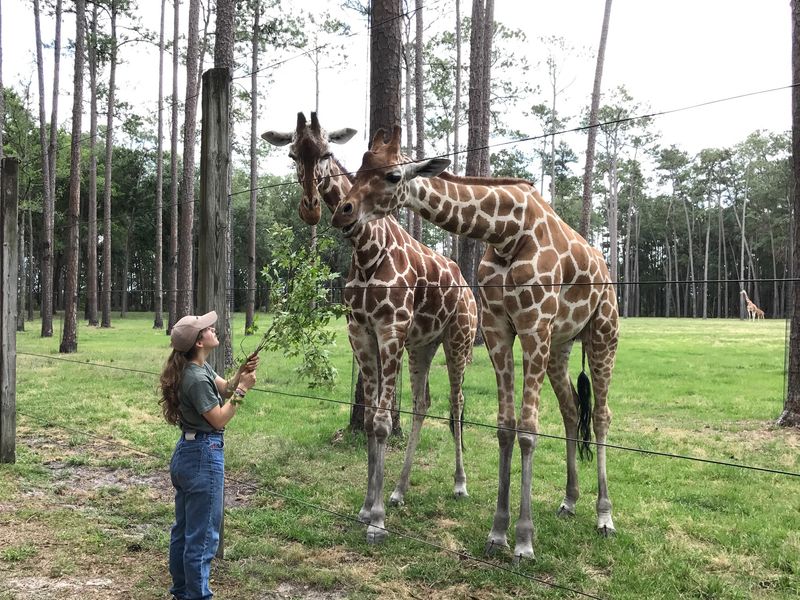
Giraffes roam in family groups across the property, their long necks visible above tree lines as safari vehicles approach feeding areas.
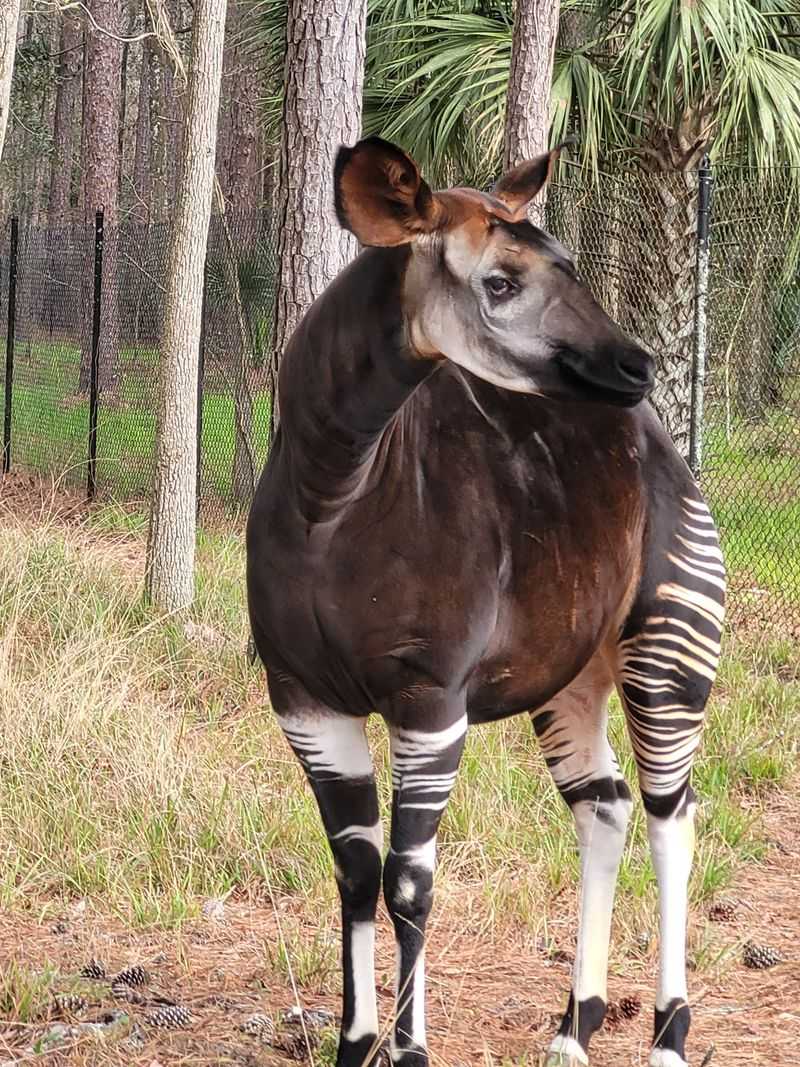
Other rare ungulates include various antelope species, okapi, and zebras that thrive in the carefully maintained grasslands.
Many of these animals exist in such small numbers worldwide that every birth at White Oak represents a significant conservation victory.
The sanctuary participates in Species Survival Plans that coordinate breeding between facilities to maintain genetic diversity and prevent inbreeding.
Guests on tours often encounter baby rhinos just weeks old or pregnant giraffes nearing their due dates.
These intimate glimpses into animal family life create memorable moments that underscore why protecting these magnificent creatures matters for future generations.
A Global Conservation Center Hidden In Florida
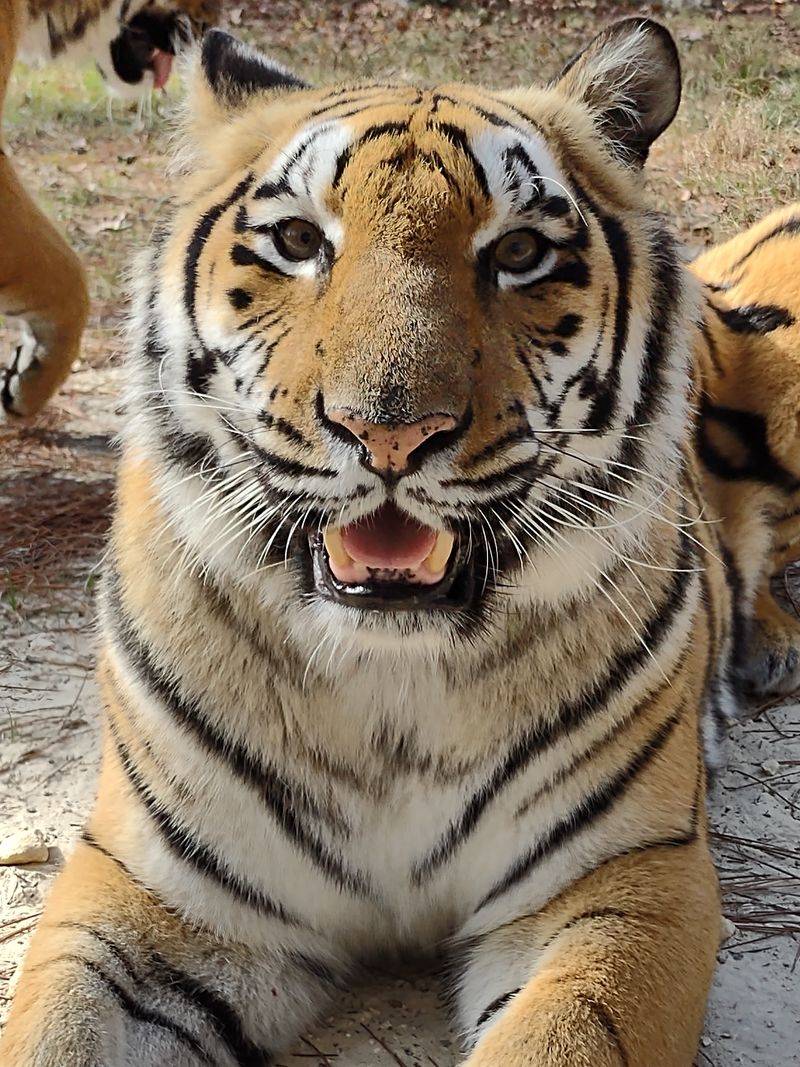
Despite its Northeast Florida location, White Oak Conservation maintains partnerships with wildlife organizations across six continents.
The sanctuary serves as a genetic reservoir for species that have disappeared from much of their historical range.
Animals born at White Oak sometimes travel to other accredited facilities worldwide as part of breeding programs that strengthen captive populations.
Conversely, the sanctuary receives animals from international partners, creating a global network dedicated to species preservation.
Research conducted on the property informs conservation strategies implemented in Africa, Asia, and South America.
Scientists study everything from reproductive biology to behavioral ecology, publishing findings that advance understanding of endangered species needs.
The facility also trains conservation professionals who return to their home countries equipped with knowledge gained at White Oak.
This international focus transforms a rural Florida property into a hub of worldwide significance, proving that meaningful conservation work can happen anywhere dedicated people commit resources and expertise to protecting vulnerable wildlife populations.
How Breeding Programs Help Save Endangered Species
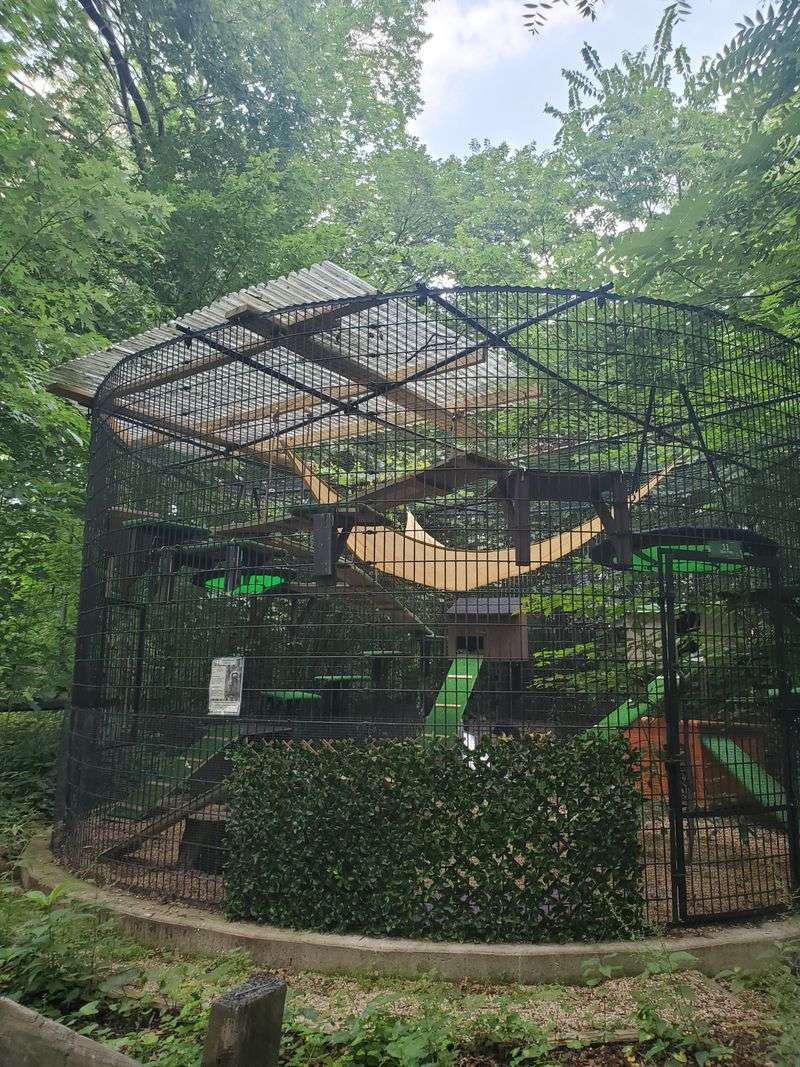
White Oak’s breeding programs follow strict scientific protocols designed to maximize genetic diversity within small captive populations.
Coordinators track family lines across multiple generations, carefully selecting breeding pairs that will produce the healthiest offspring.
The sanctuary has achieved remarkable success with species like the southern white rhinoceros, which was once reduced to fewer than 100 individuals.
Today, thanks to coordinated breeding efforts at facilities like White Oak, thousands exist across conservation centers worldwide.
Staff veterinarians monitor pregnancies using ultrasound technology and provide specialized care during births.
Newborns receive immediate health assessments and ongoing tracking to ensure proper development.
These programs operate with long-term vision, recognizing that rebuilding wild populations requires decades of sustained effort.
Animals born at White Oak carry genetic material that may prove crucial if reintroduction programs eventually return their descendants to protected habitats in their native ranges, offering hope that extinction can be reversed through patient, science-based intervention.
Why This Sanctuary Is Not A Zoo
The distinction between White Oak Conservation and traditional zoos becomes immediately apparent to visitors who expect typical zoo experiences.
No concrete enclosures confine animals to small spaces, and no scheduled performances interrupt natural behaviors.
Animals at White Oak live in expansive habitats where they can avoid human contact if they choose, unlike zoo residents constantly on display.
The sanctuary prioritizes animal welfare over visitor entertainment, sometimes meaning tours don’t guarantee sightings of every species.
Admission prices reflect the facility’s conservation mission rather than entertainment value, with funds directly supporting research and animal care.
Guest experiences last several hours and emphasize education about conservation challenges rather than quick photo opportunities.
Tour guides possess deep knowledge about individual animals and their backgrounds, offering insights that surpass typical zoo signage.
Multiple visitors describe feeling the staff’s genuine passion for their work, sensing that every employee views their role as contributing to something larger than providing amusement for paying customers.
Science, Not Entertainment, Drives Conservation Here
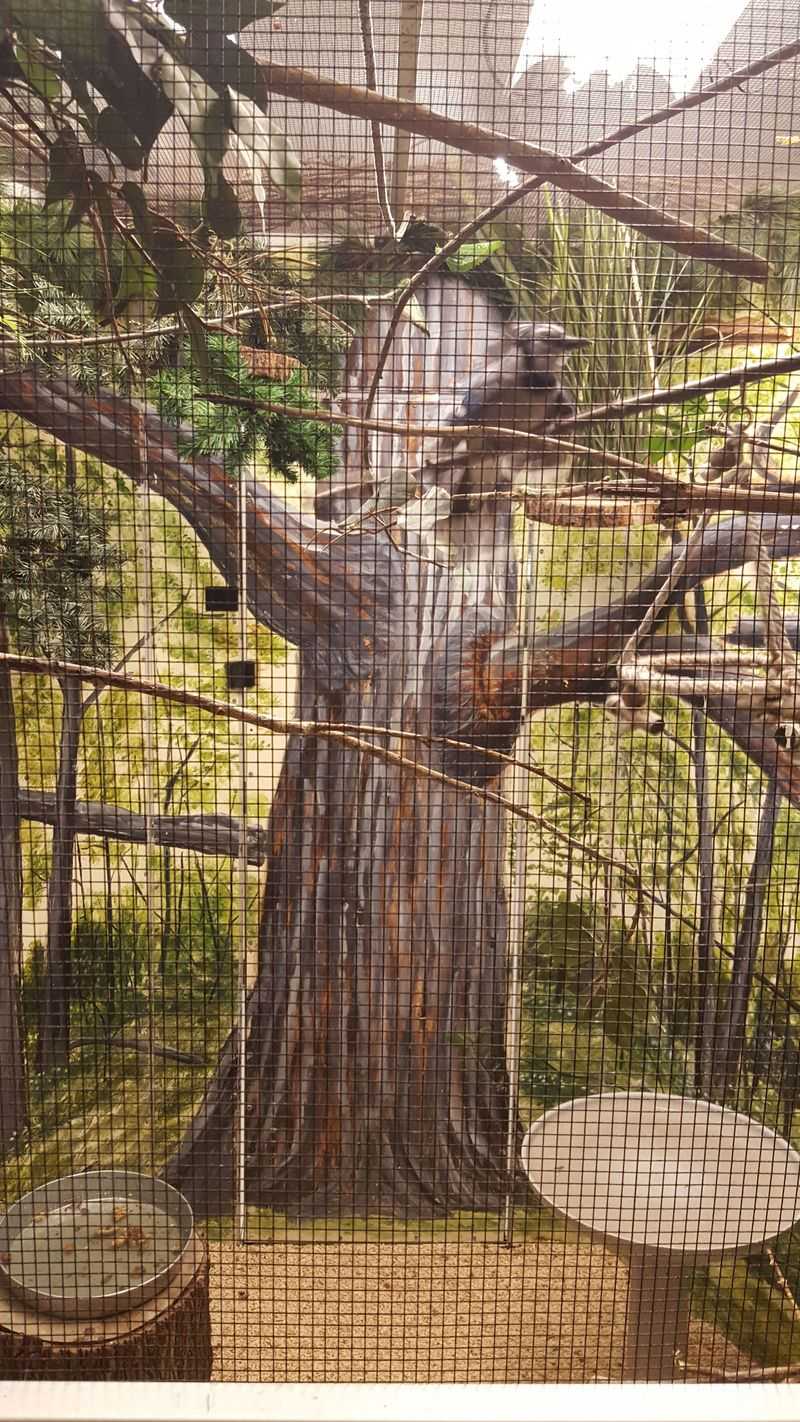
Research priorities shape every decision at White Oak Conservation, from habitat design to daily animal management routines.
Scientists on staff conduct studies that advance understanding of endangered species biology and improve captive care protocols.
The sanctuary maintains detailed records on animal behavior, reproduction, and health that contribute to international databases used by conservation professionals worldwide.
This data helps identify factors that influence breeding success and animal welfare.
Educational programs target wildlife professionals rather than general tourists, offering training in conservation techniques and species management.
The facility has become a destination for researchers seeking to study endangered animals in naturalistic settings.
Tour guides emphasize the scientific mission during visits, explaining how specific management practices benefit conservation goals.
Guests leave with understanding that their admission fees support ongoing research rather than simply funding entertainment operations, creating a sense of participation in meaningful scientific work that extends far beyond a single afternoon spent observing remarkable animals.
Florida’s Role In The Future Of Wildlife Conservation
White Oak Conservation demonstrates that Florida can contribute significantly to global wildlife preservation beyond its native species protection efforts.
The state’s climate and available land make it surprisingly suitable for housing animals from African and Asian ecosystems.
As wild habitats continue shrinking worldwide due to human development and climate change, facilities like White Oak become increasingly crucial for maintaining viable populations of threatened species.
The sanctuary represents a model that other regions might replicate.
Florida’s position as a tourism destination also creates opportunities for conservation education, exposing millions of annual visitors to wildlife protection messages.
People who tour White Oak often become advocates for conservation causes after witnessing endangered species up close.
The sanctuary’s success proves that private conservation initiatives can achieve remarkable results when proper resources and expertise combine with genuine commitment.
White Oak offers a glimpse of how dedicated facilities might preserve biodiversity even as wild spaces disappear, ensuring future generations inherit a world still populated by magnificent creatures.