
Inside Tennessee’s Gigantic Flea Market Where Incredible Deals Hide In Every Aisle
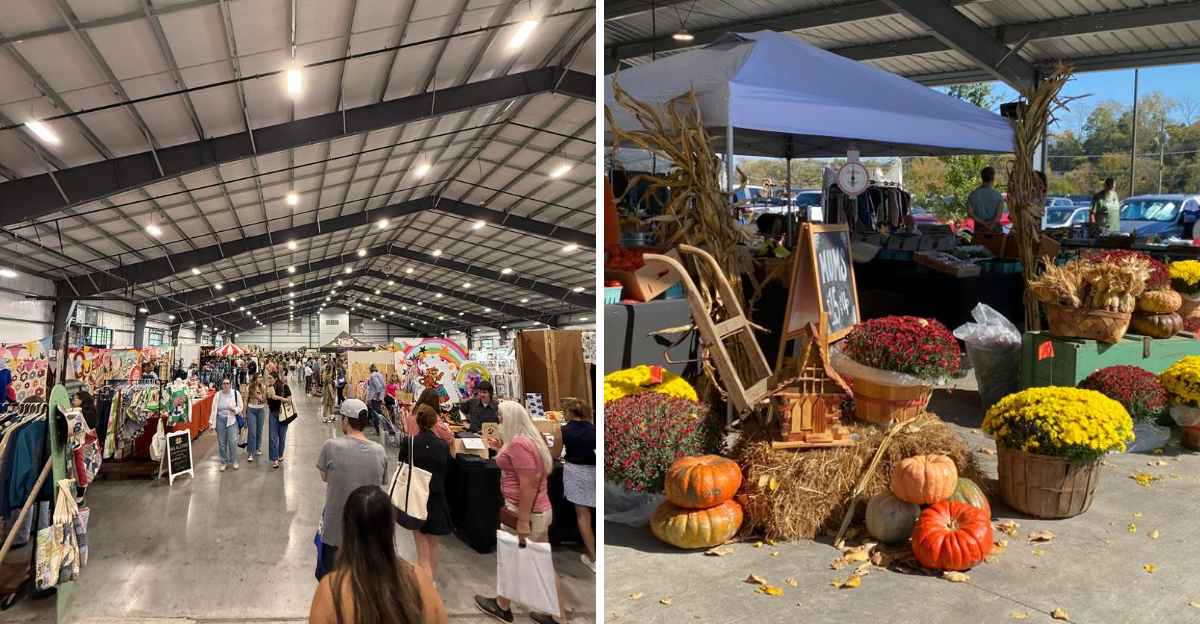
Crowds drift aisle to aisle, voices buzz with excitement, and every table seems to promise a fresh surprise at Nashville Flea Market, 401 Wingrove St. Bargain hunters scan vintage finds, handmade goods, antiques, quirky collectibles, and everyday bargains with the kind of focus usually reserved for treasure maps. One minute sparks a conversation over a forgotten record, the next reveals a lamp that feels destined for a second life.
Time stretches easily as curiosity leads the way, turning casual browsing into an energetic hunt. Deals appear when least expected, encouraging shoppers to slow down, look closer, and enjoy the thrill of discovery.
Keep reading to see why so many visitors treat this gigantic market like a joyful adventure rather than a quick stop.
Early Friday Mornings Set The Tone
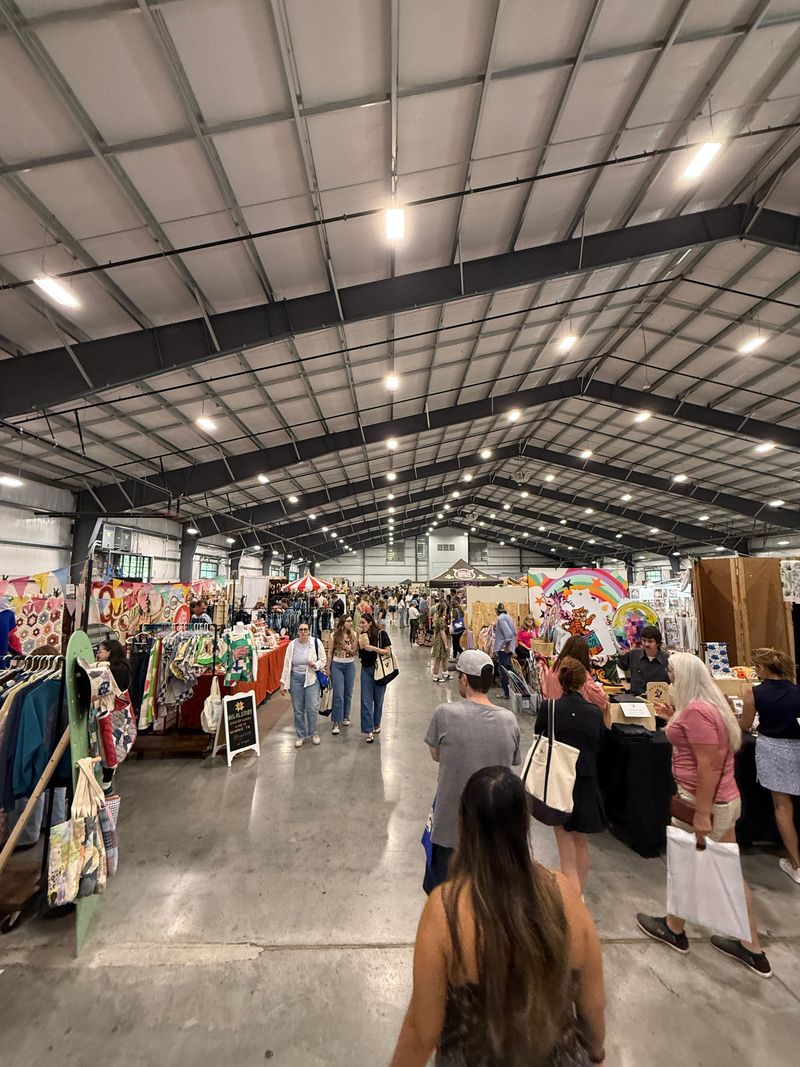
First light on a Friday feels unhurried here, and that suits thoughtful browsing. You catch vendors lifting roll-up doors, dusting shelves, and arranging displays with a precise hand.
The hallways look bright and manageable, letting you map a course before crowds thicken and prices stiffen.
Another step forward and patterns emerge, from racks of vintage tees to bins of mismatched hardware. You hear quiet greetings and the soft music of calculators, a gentle prelude to weekend bustle.
This is when bargaining lands best, respectful and straightforward, with both sides reading the room.
One vendor shares hours and notes that Sunday trims the clock, while Friday opens wide. You jot the times and keep an eye on booths still waking up, because early birds sometimes tuck away the rarest pieces.
A measured loop gives you landmarks, so a later return is easy when you are ready to commit.
Indoor Halls Offer Calm And Clarity
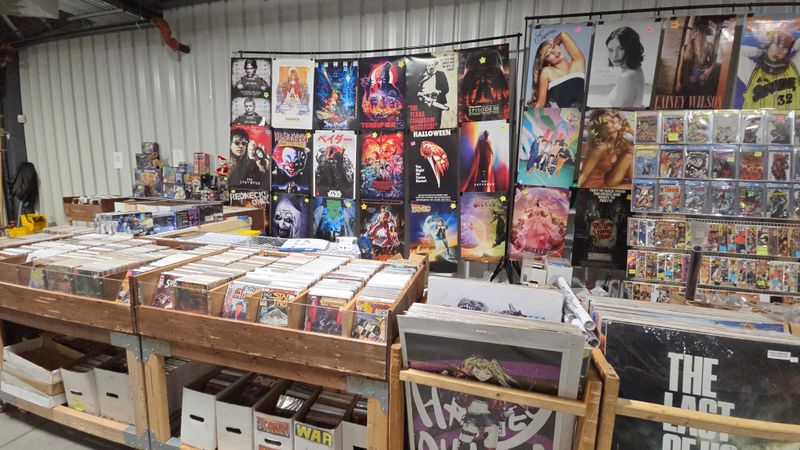
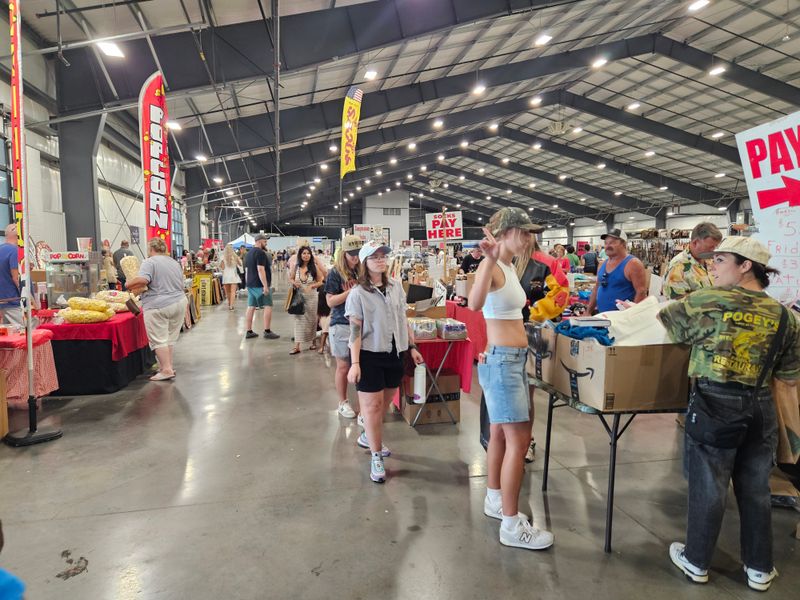
Inside the main buildings, the temperature holds steady and the lighting does your eyes a favor. You notice clear pathways and thoughtful signage, so navigating between antiques, collectibles, and crafts feels natural.
It is a pleasant place to linger, especially when summer heat presses outside.
One booth specializes in old coins and small cases, their glass tops smudge-free and neatly labeled. Another focuses on framed prints and maps, prices pegged with string tags that invite questions rather than insist on them.
You test a chair, admire a clock, and let a vendor demonstrate a careful mechanism.
The best rhythm involves slow passes and quick decisions when the right piece appears. You keep notes on stall locations to circle back before crowds build later in the day.
With aisles comfortably spaced, there is room for wagons and conversation, both useful when choice feels abundant.
The Outdoor Sheds Change With The Weather
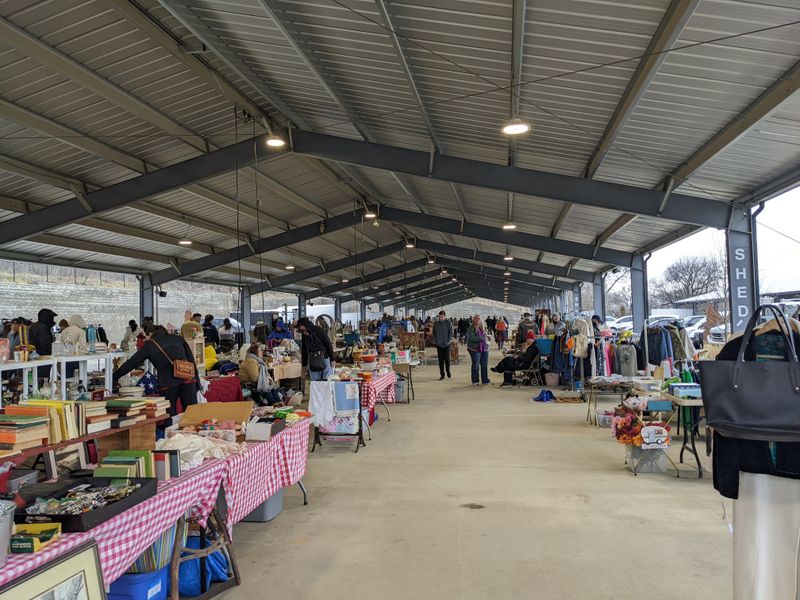
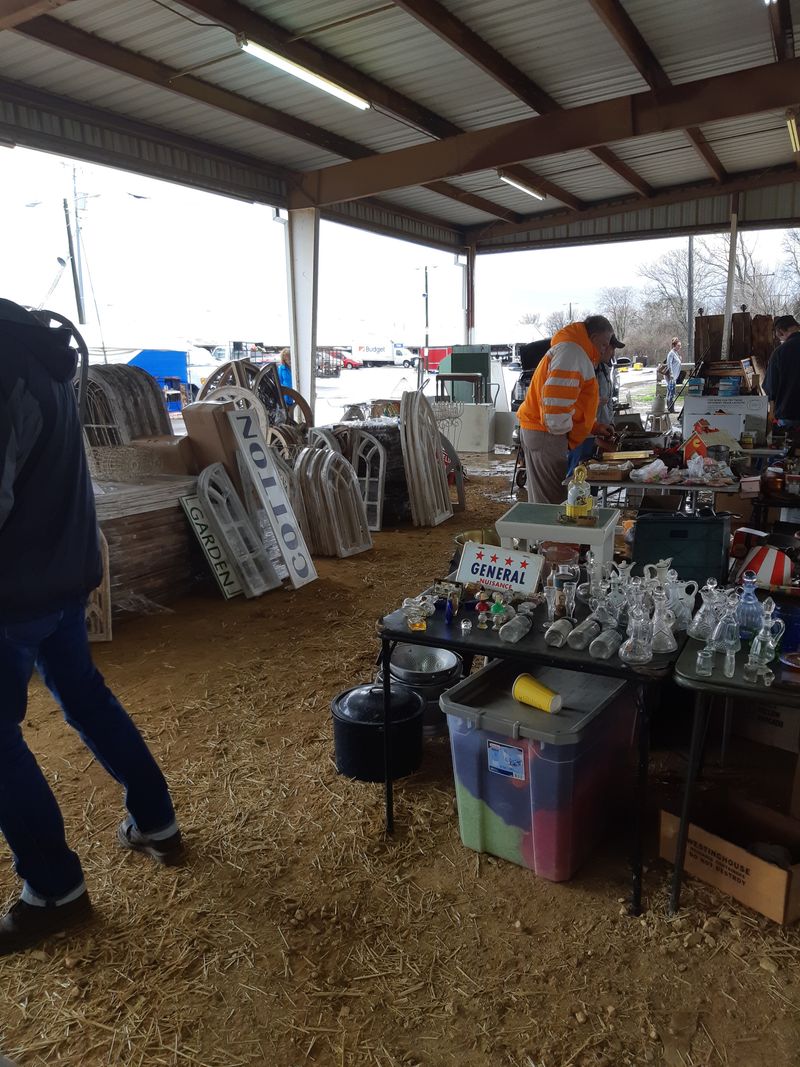
Out under the sheds, wind draws a soft line through flags and price tags. You find furniture with honest wear, garden tools with past lives, and the occasional crate of records begging for a good flip.
The air smells faintly of wood dust and fried food, and it feels straightforward and unpretentious.
Some months bring more vendors than others, and that variability is part of the charm. You learn to scan from a distance for solid wood, sturdy joints, and hardware that tells a story.
When rain threatens, tarps appear and bargaining tightens, but a polite word keeps the tone steady.
Footing can be uneven near the edges, so comfortable shoes make sense. You carry small bills and a tape measure, small tools that open big possibilities.
With a measured pace you can cover both sheds, then double back once decisions have ripened in your head.
Aisles Of Vintage Clothing Reward Patience
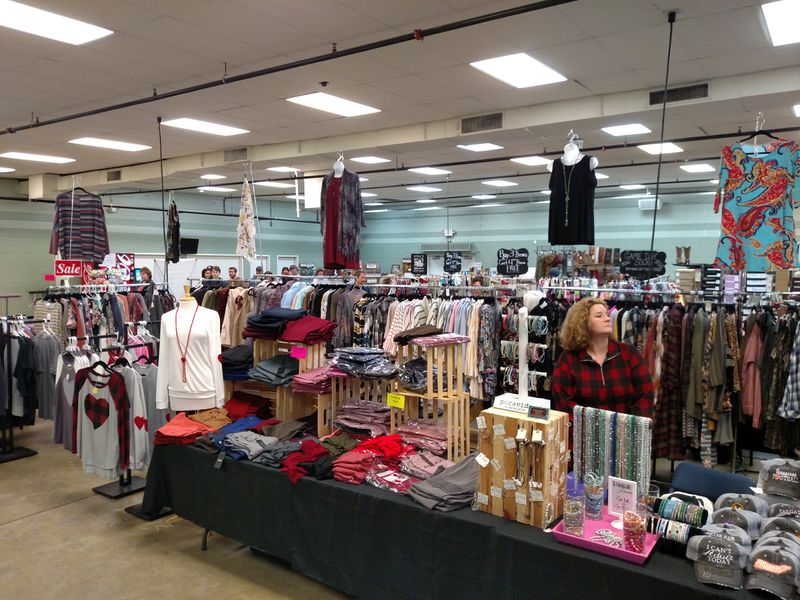
In the clothing rows, color arrives in a quiet wave of denim, flannel, and stitched patches. You run a hand over selvedge seams and check collars for integrity, small signs that outlast trend.
The better racks are organized by era and size, saving you from guesswork.
Vendors know their stock and share fit advice that feels practical rather than salesy. You ask about repairs, and a few stalls even offer on-site stitching for minor fixes.
Deals appear when you commit to a bundle, especially if you are flexible on shade or label.
Each pass reveals a piece you missed, perhaps a track jacket with a local team logo or a well-cut chore coat. You check for lingering odors and test zippers slowly, because time spent now saves disappointment later.
With patience and a touch of curiosity, a single aisle can dress a season.
Antiques And Oddities Tell Quiet Stories
Among the antiques, restraint becomes a helpful guide. You inspect joinery, lift a drawer, and listen for that dry wooden hush that signals quality.
The best finds are not always shiny, and patina often reads like a calm, trustworthy paragraph.
Display cases hold pocketknives, coins, and cameo brooches, each labeled with care. Nearby, you spot stoneware marked with regional stamps and a walnut side table with handmade pegs.
Dealers appreciate specific questions and respond with years, makers, and restoration notes rather than vague praise.
You take photos with permission and compare pieces across the market before deciding. Measurements go in a notebook alongside booth locations for a second visit later in the day.
When the right item aligns with budget and fit, the handshake feels earned rather than hurried.
Food Trucks And Small Treats Keep You Going
Hunger creeps up between aisles, and the food trucks answer with practical comfort. You spot tacos, barbecue, and the occasional sweet stand, each with a line that ebbs and flows.
Water helps with the walking, so a refillable bottle quickly proves its worth.
Indoors, options can be limited, which nudges you outside when the crowd thins. A short pause at a shaded table gives time to tally purchases and recalibrate your plan.
Prices are posted more clearly at some trucks than others, so you glance before committing.
The day stretches easier once you pace your breaks. You keep snacks handy for the longer look through books or hardware bins.
With modest expectations and a bit of timing, lunch supports the hunt rather than stealing the spotlight.
Parking Strategy Saves Time And Steps
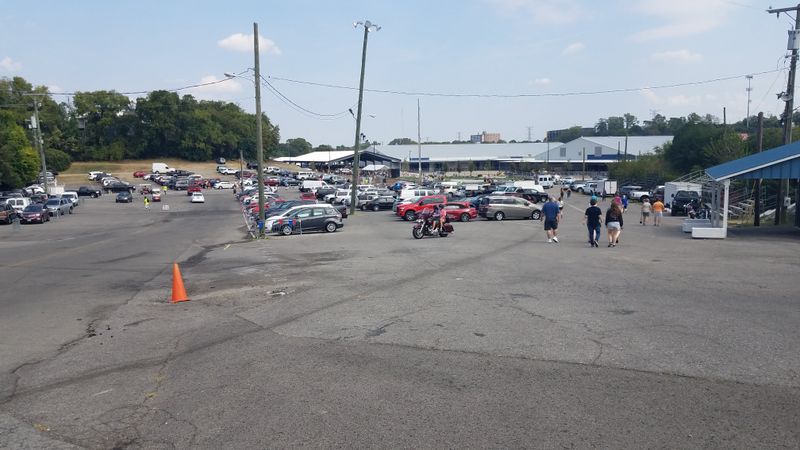
Arriving early pays dividends long before the first purchase. You follow signs to parking and note that fees apply, so cash on hand can speed the process.
The walk can feel longer than expected, especially with bags, so planning helps.
Some visitors wait for a small shuttle, though patience is necessary when crowds gather. You mark your spot with a quick phone photo to avoid an end-of-day search.
A wagon or backpack spreads weight sensibly, keeping hands free for rummaging.
Leaving spaces open near the exit path is considerate and often rewarded with smoother traffic. You stack fragile items in the car between soft goods, then return for a second lap.
A little structure around the car end of things keeps the browsing side generous and relaxed.
Bargaining With Polite Edges Works Best
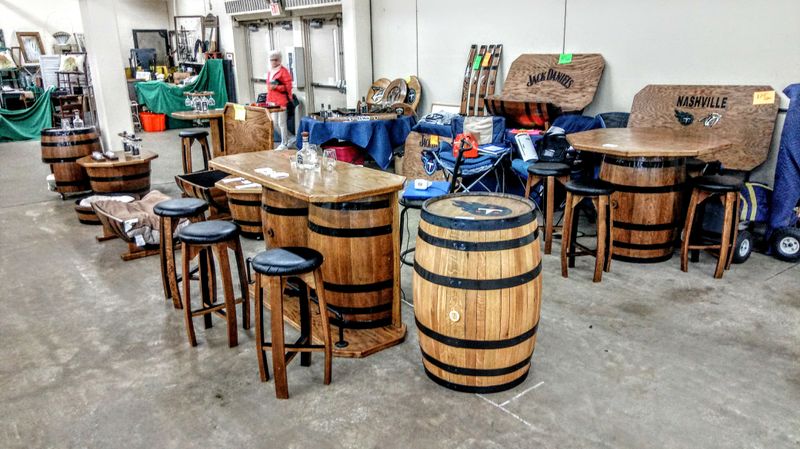
Negotiation here feels like conversation rather than contest. You start with a fair question, ask about firm prices, and listen for flexibility.
Cash sometimes loosens numbers, and bundles open room for both sides to feel satisfied.
Vendors appreciate directness, so you avoid lowballing and focus on condition, provenance, and repair costs. A gentle counteroffer lands better when you can point to a scuff or missing knob.
When the answer is final, a quick thank you keeps doors open for future visits.
Timing matters, with slight price shifts appearing late Sunday or after a slow morning. You respect that some pieces have sentimental weight and will not move.
With steadiness and a decent handshake, deals settle into place without drama.
Seasonal Themes Shape What You Find
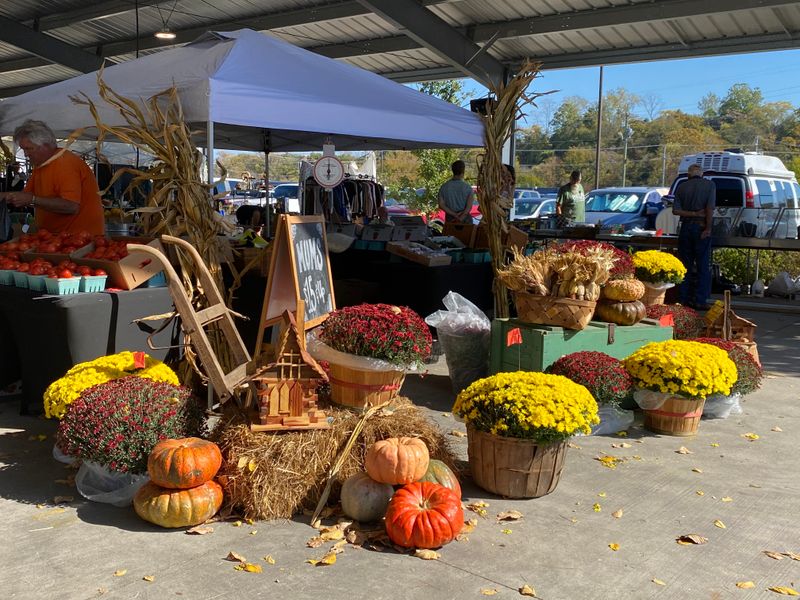
The calendar leaves fingerprints on the market. You notice holiday decor clustering as winter nears, with lights, village pieces, and sturdy ornaments filling shelves.
Warmer months bring garden tools, patio chairs, and roadside sign relics that brighten porches.
Some vendors align inventory with big weekends, so selection can spike during special events. You mark those dates and plan for thicker crowds and more competition at prime booths.
A measured approach helps, and arriving early still creates breathing room.
Pricing moves with demand, but patience usually finds a fair middle. You buy gifts ahead of the season to sidestep last minute scarcity.
In this steady cycle, the market keeps teaching you how timing can be its own kind of thrift.
Small Tools And Hardware Reward A Keen Eye
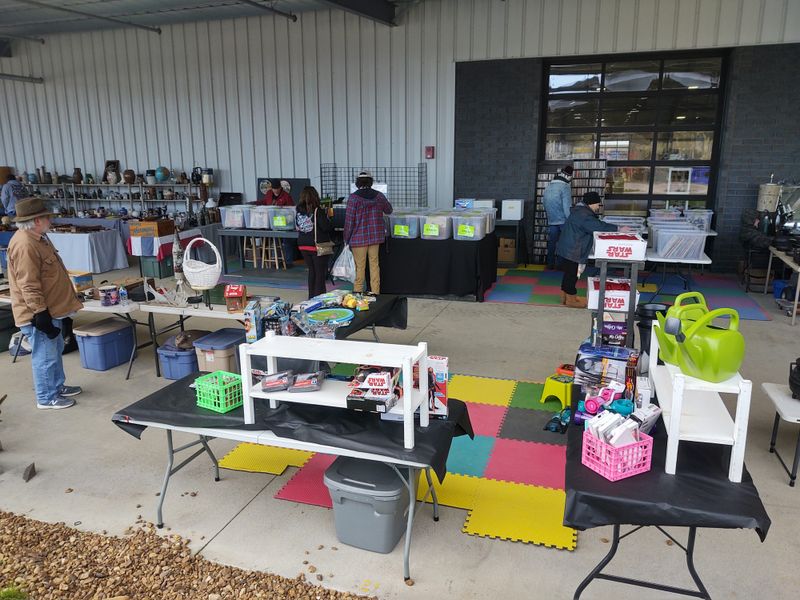
Hardware bins look chaotic at first, but they sort themselves out under a patient glance. You bring a magnet, a small flashlight, and a pocket ruler to separate sturdy from flimsy.
The goal is useful parts that outlast a new version twice the price.
Boxes of hinges, drawer pulls, and vintage screws appear in dusty rows. You match finishes and count sets, because an odd number complicates installation later.
Vendors often know their stock and will check a back box if you ask directly.
Packaging makes the trip home easier, so you carry small bags and tape. You label finds for the right projects while details are still fresh.
With deliberate steps through these bins, a single dollar can solve a problem waiting quietly in your workshop.
Leaving With A Plan For Next Time
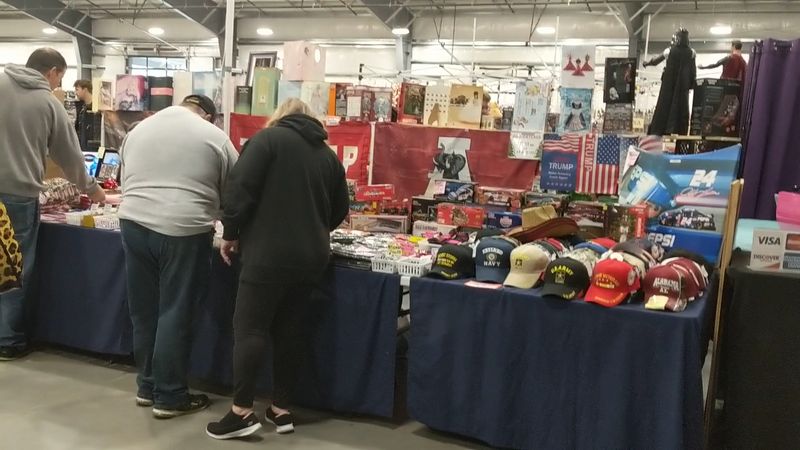
On the way out, you take stock without rushing. You note vendor names, hall locations, and prices that might soften next month.
The experience feels richer when you treat it like an ongoing conversation rather than a single haul.
Hours are dependable on Friday and Saturday, with Sunday closing a touch earlier. You mark the opening time and pencil in a morning visit for the next round.
Parking details go on the list too, along with weather notes to guide shoes and layers.
A final glance back shows new arrivals unpacking for the weekend peak. You wave to a vendor who offered a fair price and a bit of insight.
With that, the door closes on a satisfying circuit, and the next search starts forming in your head.