
Inside The West Virginia City Where Longtime Residents Say The Community No Longer Feels Familiar
Change arrives differently in small cities. In this West Virginia city, longtime residents say it has arrived faster than anyone was prepared for.
Familiar storefronts have closed, neighborhoods have shifted, and the faces at community gatherings look increasingly unfamiliar to the people who built them. This is not a story about growth or progress in the way those words are usually meant.
It is a story about a community trying to make sense of what it is becoming while holding onto what it used to be. Longtime residents describe a quiet disorientation that is difficult to explain to anyone who has not lived through it personally.
West Virginia has faced its share of economic and social pressures over the decades. What is happening here feels like a new chapter in that longer story.
Historical Community Dynamics
This city did not always look or feel the way it does today. At its peak in 1960, this city held around 86,000 residents packed into its riverside neighborhoods.
That number tells a big story. It means Charleston was once a buzzing, crowded, full-of-life kind of place.
The chemical industry, coal sector, and natural gas trade all drove serious economic energy here. Banking and manufacturing added even more jobs to the mix.
Families planted roots deep. Neighborhoods had identity and rhythm.
People knew their neighbors by name, sometimes by nickname, too.
Over the decades, those industries started shrinking. Jobs disappeared.
People followed the jobs elsewhere.
The West Side of Charleston, historically a strong Black community, began facing serious urban decay by the mid-20th century. The construction of interstates in the 1960s and 1970s wiped out the Triangle District entirely.
That loss still stings for former residents. Hundreds of people and businesses were displaced when those highways went through.
Charleston carries all of that history in its streets, its vacant lots, and its surviving neighborhoods. The city today is shaped by every decision made decades ago.
Impact Of Urban Development
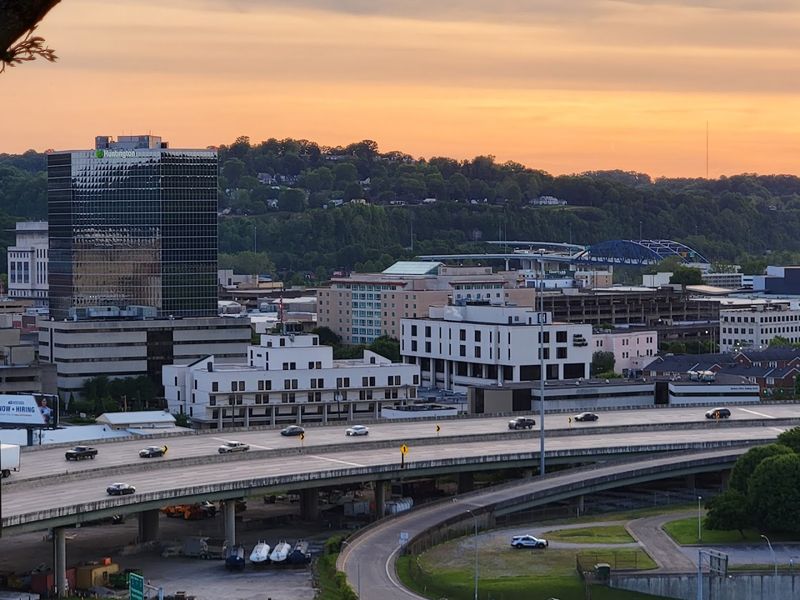
Charleston has not been sitting still. Major private investments exceeding 120 million dollars since 2012 have reshaped large parts of the city.
The Charleston Coliseum and Convention Center got significant upgrades. New hotels and restaurants started appearing downtown.
Areas like Summers Street are showing clear signs of change. Fresh businesses are opening, and a younger, wealthier crowd is moving in.
That shift excites some people. Others feel a quiet nervousness about what comes next for longtime residents in those blocks.
Gentrification is a word that gets thrown around carefully here. Nobody wants to dismiss growth, but nobody wants to erase community either.
On the West Side, the city has been demolishing over 100 vacant houses each year. In 2019, roughly 31 percent of West Side buildings sat empty.
Tearing down neglected structures clears space for something new. But it also removes the physical memory of what used to stand there.
Urban development in Charleston is a real balancing act. Progress is visible and measurable, but so is the displacement of the community identity that longtime residents built over generations.
Resident Sentiments On Neighborhood Change
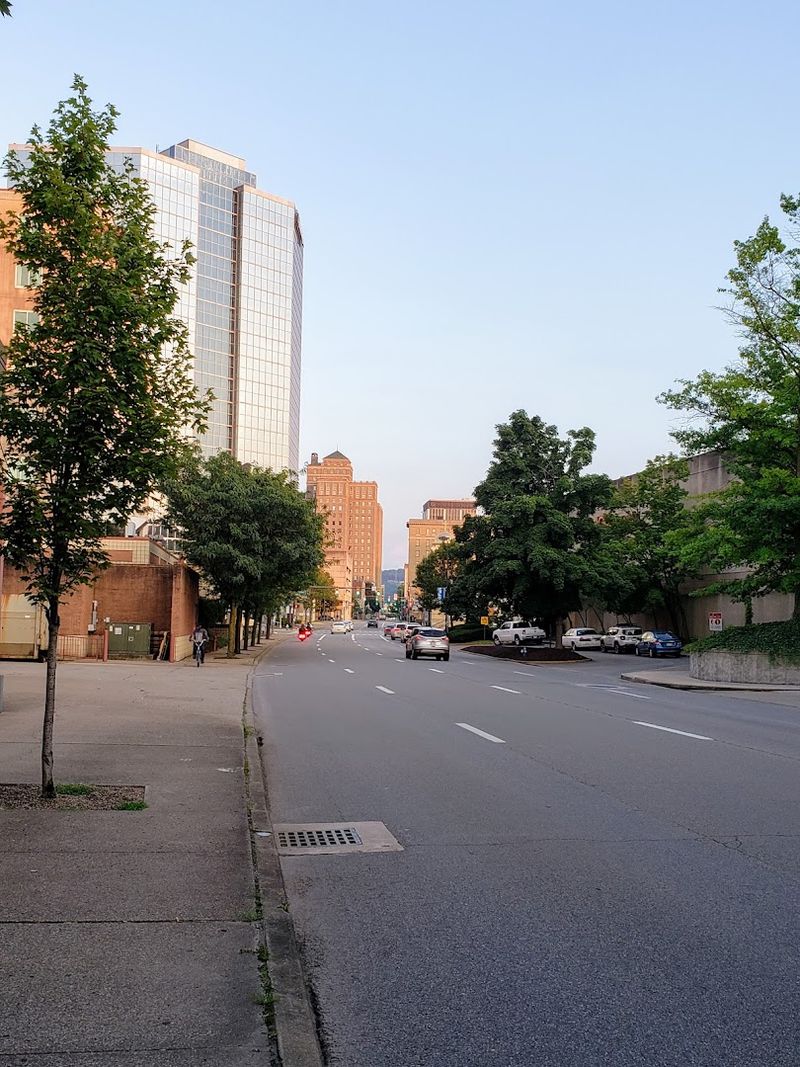
People who have lived in Charleston for thirty or forty years will tell you the city feels different now. Not bad, necessarily.
Just different.
Some describe walking through old neighborhoods and not recognizing the storefronts anymore. Familiar places have been replaced by things they did not expect.
Younger newcomers are arriving through programs like Ascend West Virginia. That initiative offers 12,000 dollars in cash plus free outdoor activity access to attract remote workers.
Remote workers bring fresh energy. They also bring different expectations for coffee shops, coworking spaces, and neighborhood culture.
Retirees are returning, too. Lower cost of living and proximity to family are pulling people back to Charleston after years away.
So the city is gaining people in some categories while still losing overall population. Charleston sits at around 45,000 to 47,000 residents today, down from its 86,000 peak.
That shrinkage leaves gaps. Empty storefronts, quiet streets, and missing familiar faces all contribute to the feeling that the community has shifted.
Longtime residents are not wrong to feel the change. The city is genuinely transforming, and that transformation does not look the same from every front porch on every block.
Social Connections And Community Bonds
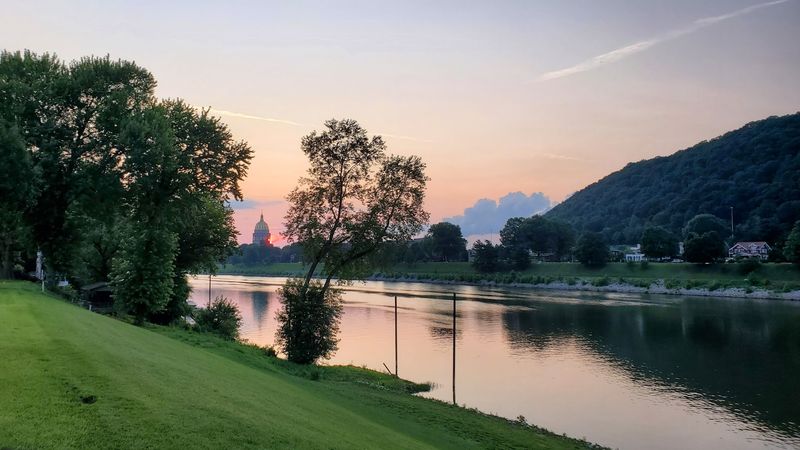
Charleston still holds onto something a lot of bigger cities have lost. People here actually talk to each other.
That small-city community feel is real and measurable.
Traffic is low. Neighbors wave.
Local businesses recognize regular customers. Those small things add up to a social fabric that many cities envy.
Community Cafes have been introduced in areas like the West Side specifically to strengthen those bonds. They bring people together around food, conversation, and shared goals.
Health and wellness are baked into these gatherings, too. The goal is not just social connection but building stronger, more resilient neighborhoods from the inside out.
Capitol Market downtown is a great example of community in action. It operates inside a former freight station and draws food vendors, local producers, and everyday residents together.
People meet there. Conversations happen.
Relationships form across neighborhoods that might not otherwise cross paths on a regular Tuesday.
The Clay Center for Arts and Sciences adds another layer of shared community experience. Its art museum, planetarium, and concert hall give residents common cultural ground.
Social bonds in Charleston are being tested by change, but they have not broken. The city still knows how to gather, and that matters more than most people realize.
Economic Factors Influencing Transformation
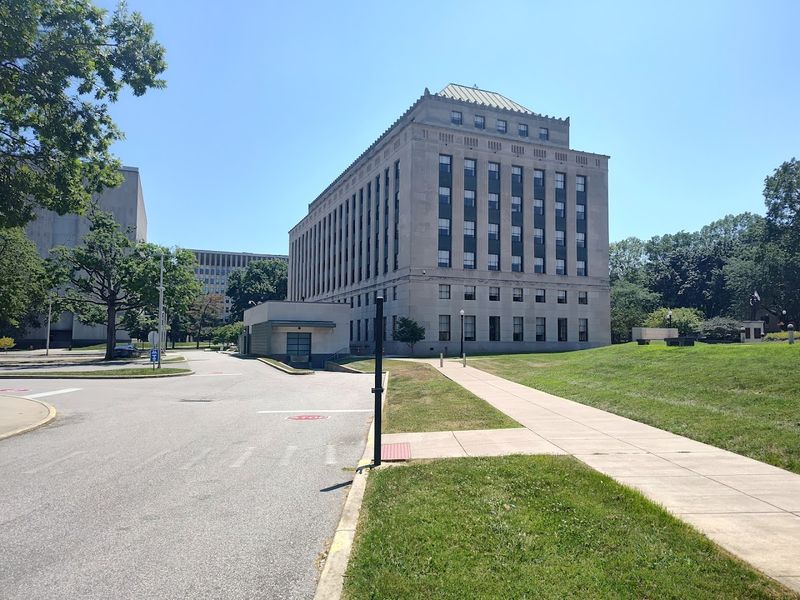
Charleston’s economy used to run on coal, chemicals, and manufacturing. Those industries built the city’s identity for most of the 20th century.
When they declined, the ripple effects were severe. Drug issues, poverty, and neglect crept into neighborhoods that once had steady employment, holding them together.
Employment in Charleston dropped 3.08 percent between 2023 and 2024. That is not a huge number on paper, but it stings in a city already working hard to recover.
The city is actively pushing into new sectors. Advanced manufacturing, healthcare expansion, technology, and tourism are now the focus of Charleston’s economic strategy.
The tech sector is growing here, partly because operational costs are low. Startups and established firms are being courted with that argument, and some are listening.
Home values in West Virginia run 29 to 58 percent lower than those in neighboring states. That affordability factor is a genuine draw for businesses and workers alike.
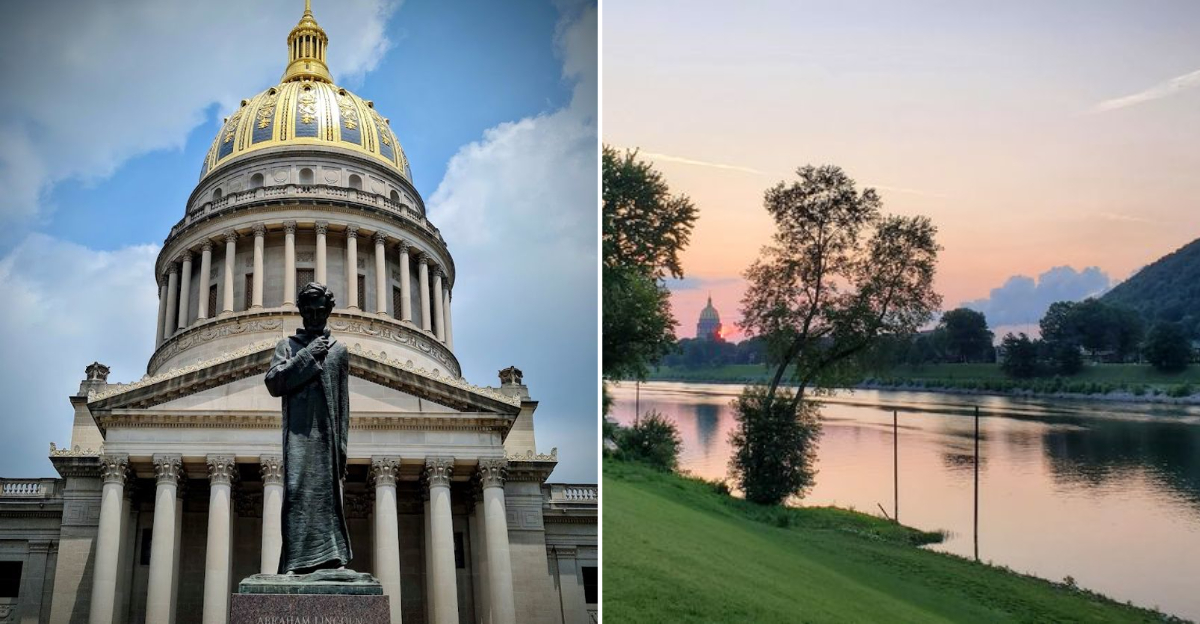
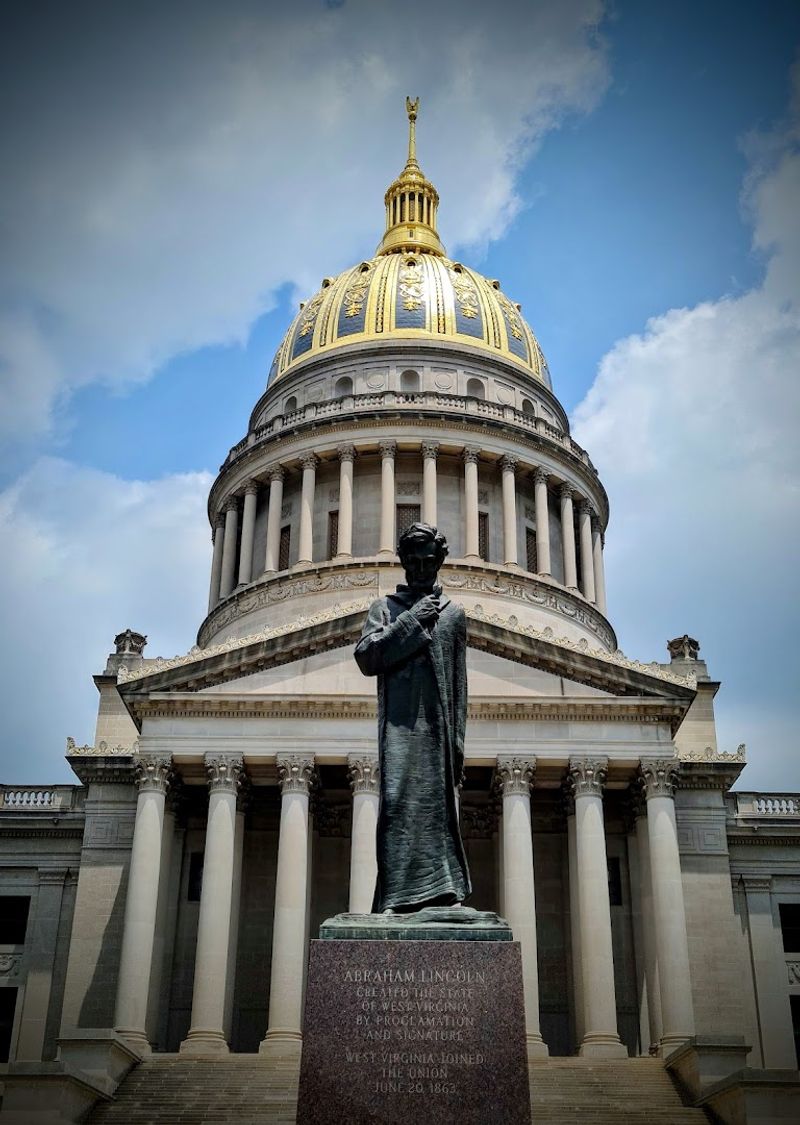
Tourism is also getting attention. Charleston’s location at the Elk and Kanawha river confluence, its gold-domed State Capitol, and outdoor recreation access all give visitors real reasons to show up.
Economic transformation is never painless. But Charleston is building a broader base than it has had in decades, and that wider foundation could finally hold.
Cultural Heritage Preservation Efforts
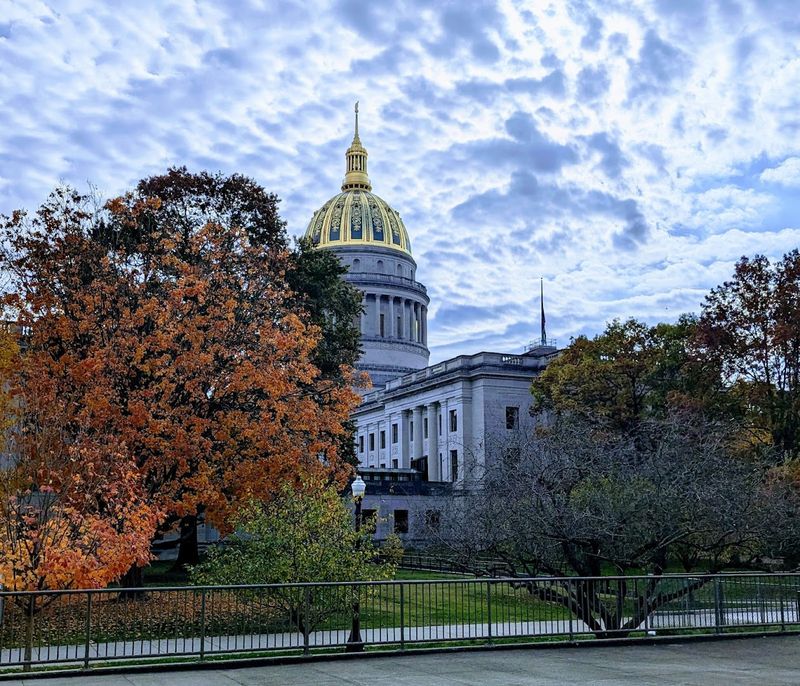
History is not just something Charleston reads about in textbooks. It is something the city actively works to protect and celebrate every year.
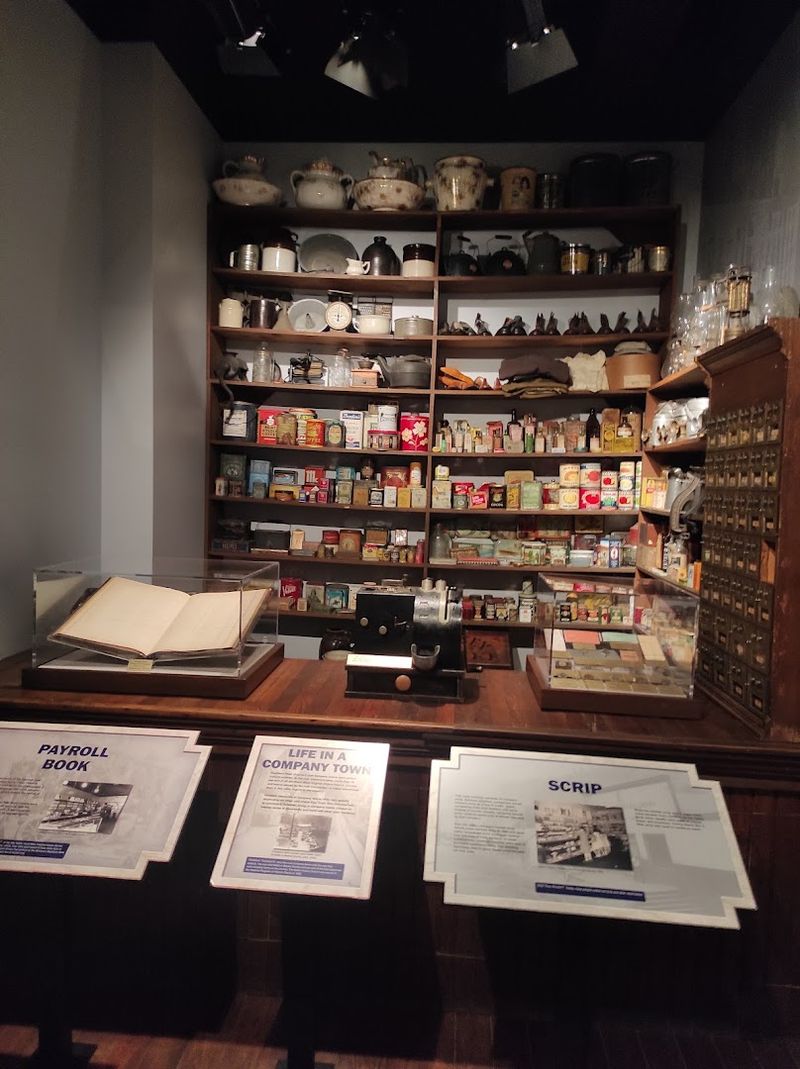
The West Virginia State Museum sits right inside the riverside Capitol Complex. It holds exhibits covering the state’s deep Appalachian roots and complex social history.
The Triangle District’s erasure by interstate construction in the 1960s is part of that history. Former residents and their descendants still carry grief over what was bulldozed away.
Acknowledging that loss is itself a form of preservation. Charleston has been working to recognize displaced communities rather than quietly pave over their stories.
The Gold-domed State Capitol is one of the most photographed buildings in the entire region. It anchors the city’s identity as West Virginia’s political and cultural heart.
Cultural events at the Clay Center bring residents into shared artistic experiences throughout the year. Music, visual art, and science education all live under one roof there.
Local food culture also carries heritage. Capitol Market vendors sell regional products that connect Charleston’s daily life to its agricultural and Appalachian traditions.
Preservation here is not just about old buildings. It is about making sure the people, stories, and traditions that built Charleston do not get quietly edited out of the city’s evolving identity.
Public Services And Infrastructure Evolution
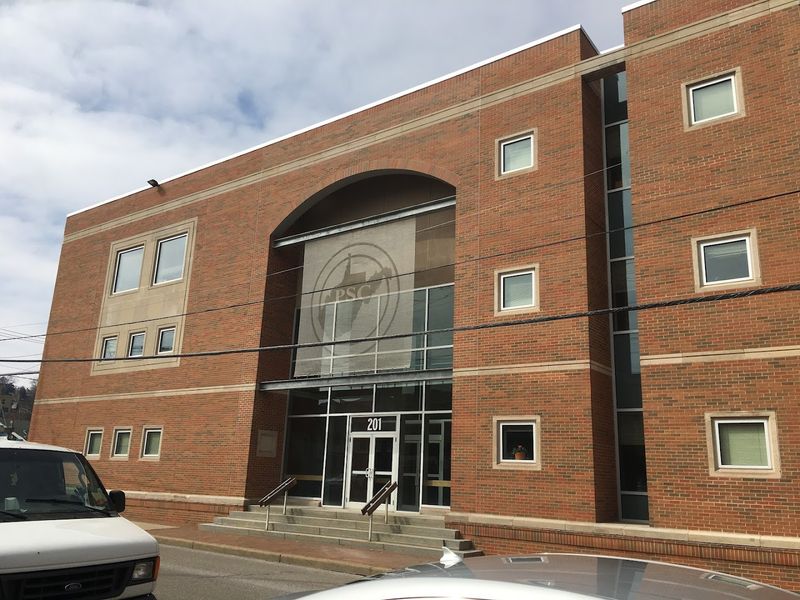
Infrastructure tells the story of a city’s priorities. In Charleston, what gets built, repaired, or demolished says a lot about where the city thinks it is headed.
The interstate construction of the 1960s and 1970s was a massive infrastructure decision. It connected Charleston to the wider region but destroyed entire neighborhoods in the process.
Today, demolishing vacant and deteriorated housing on the West Side is another infrastructure choice. Over 100 houses come down annually in an effort to clear blight.
That clearing is necessary, but it also removes the physical presence of communities that once thrived in those blocks. Empty lots do not tell stories the way standing houses do.
The Charleston Coliseum and Convention Center upgrades represent a different kind of infrastructure investment. Those improvements target economic activity and regional visibility.
Public services have had to stretch across a city with a shrinking tax base. Fewer residents mean less revenue for schools, roads, parks, and emergency services.
Healthcare infrastructure is growing as one of the city’s emerging economic sectors. That expansion also improves what residents can actually access close to home.
Charleston’s infrastructure evolution is uneven, as it is in most American cities. Some areas are seeing real investment while others are still waiting for their streets to reflect the city’s stated goals.
Future Prospects For Local Communities
Charleston’s future is genuinely open-ended right now, and that is both exciting and a little nerve-wracking. The city has real momentum in some areas.
The Ascend West Virginia program is pulling in younger residents, including Gen Z remote workers who are choosing affordability and outdoor access over big-city congestion.
Lower home values are a serious competitive advantage. When housing costs 29 to 58 percent less than neighboring states, that gets people’s attention fast.
Outdoor recreation is another card Charleston plays well. The rivers, trails, and natural landscapes surrounding the city are genuine draws for a new generation of residents.
The median age here is 43, which reflects an older population base. But the incoming younger demographic is already starting to shift that number slowly.
Community programs focused on social cohesion, like the Community Cafes on the West Side, show that the city is investing in people, not just buildings.
The tech sector’s growth, combined with healthcare expansion, gives Charleston an economic story that is not entirely dependent on the industries that faded decades ago.
Charleston is not trying to become something unrecognizable. It is trying to keep what made it great while building something sustainable enough to last another generation.
That goal is worth rooting for.