
Inside This Henderson, Nevada Bird Preserve, Kids Spot Ducks And Roadrunners Without Paying A Cent
A roadrunner can sprint at a pace that would embarrass most kids on field day, and one of the best places in Nevada to try spotting one charges nothing at the gate. Not a single dollar, either.
The spot started as part of a city water treatment operation, of all things. Today it holds nine ponds, about 140 acres, and more than 270 recorded bird species.
Ducks paddle past while quail scurry through the brush. Kids get plenty of wild action on flat, easy paths, and parents get a morning outing that doesn’t touch the budget.
I love how something so practical turned into something this lively. I really can’t imagine a better, cheaper way to show kids that wild places sometimes sit right next to busy streets and shopping centers.
Free Birdwatching On The Edge Of A Busy Desert City
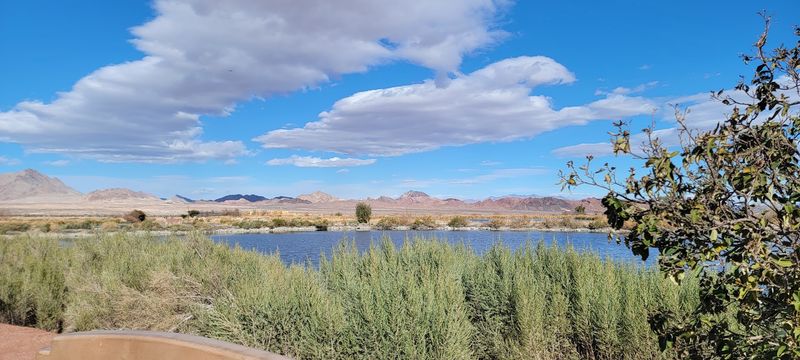
Nine ponds, roughly 140 acres, and zero admission fee make for a pretty convincing pitch. The Henderson Bird Viewing Preserve is a city-run birding spot in Henderson, Nevada, just southeast of Las Vegas.
It’s built around a chain of ponds that draw waterfowl, shorebirds, and desert species. Paths loop between the water, with benches, bird blinds, and elevated observation decks spaced along the way.
The ponds together form the third-largest body of water in southern Nevada. Only Lake Mead and Lake Las Vegas hold more, which feels wild for a place surrounded by neighborhoods and roads.
For families, the appeal is refreshingly simple. Kids can see ducks, quail, and maybe a roadrunner without anyone pulling out a wallet.
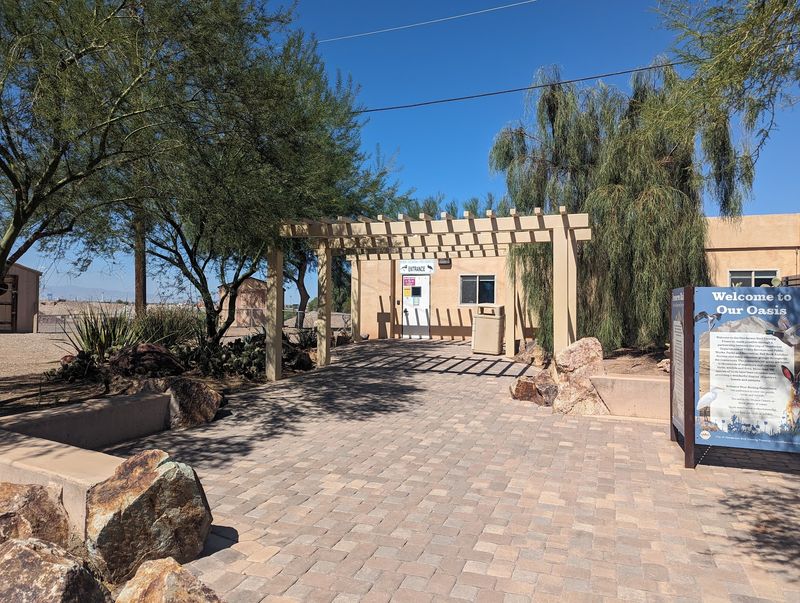
Every visit starts with a quick check-in at the visitor center near the entrance. First-timers may need to sign a short waiver, which is standard practice here.
Staff at the front desk can hand over a paper trail map, which makes planning easier with young kids. The map helps you decide whether to stick close to the entrance or wander the full network.
The preserve suits curious toddlers, school-age birders, and grandparents who prefer level ground. Nobody needs special gear or experience to enjoy an hour or three here.
Water Treatment Ponds That Turned Into A Bird Magnet
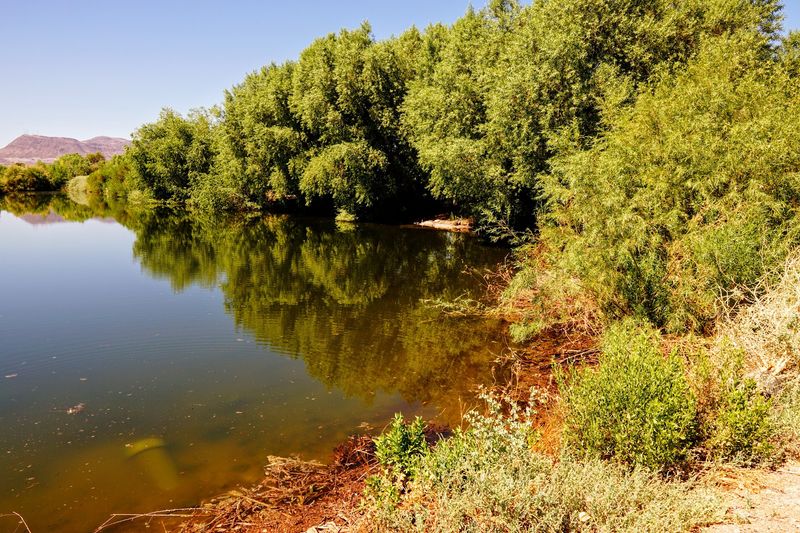
Plenty of nature spots start out as nature spots. This one began as part of the City of Henderson’s water reclamation facility, which is a far less glamorous origin story.
All that open water attracted migrating birds, and local birders noticed. Audubon added the site to its Christmas Bird Count back in 1967.
The city formally recognized the area’s birding value in 1995. Three years later, in May 1998, the Henderson Bird Viewing Preserve was officially dedicated.
Upgrades kept coming after that. A major 2011 renovation added observation decks and bird blinds, giving visitors better views without disturbing the residents.
More recently, a 2024 grant went toward improving the pathways. That’s welcome news for anyone pushing a stroller or helping a wobbly walker along the trails.
I like the idea of telling kids this part of the story before they arrive. It turns the visit into a lesson about how a city can make room for wildlife.
It also explains the layout. The ponds look orderly because they were designed for a job, and the birds simply moved in and made themselves at home.
Nevada has plenty of famous desert scenery. Few spots show this clearly how a little water changes everything in a dry landscape.
Nine Ponds Where The Ducks Run The Show
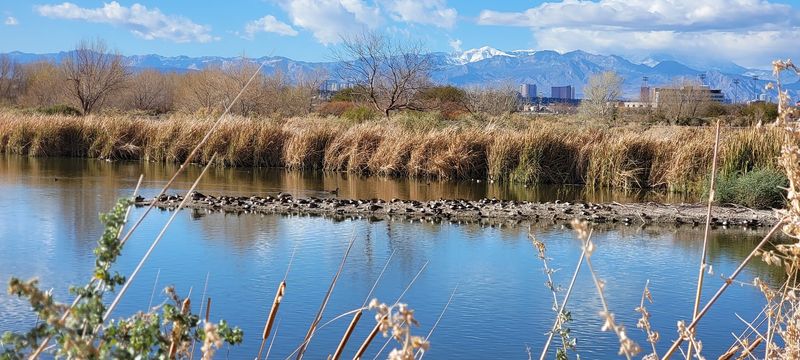
Ducks are the easy win here, and kids figure that out within minutes. The ponds give waterfowl plenty of room to paddle, dabble, and generally act like they own the place.
Each of the nine ponds has its own character, with different edges, plants, and depths. That variety helps attract a wide mix of birds, from swimming ducks to wading shorebirds.
Migratory waterfowl arrive in big numbers during cooler months, sometimes by the thousands. Some started their trips as far away as Alaska before stopping in southern Nevada to rest.
Spring brings another treat for families. Hatchlings and goslings can appear along the ponds, so keep an eye on brushy edges and give the parents plenty of space.
Elevated decks offer a wider view across the water. Bird blinds let kids watch at close range while staying hidden, which feels a bit like spy training.
Other critters share the ponds too. Turtles sometimes bask nearby, and young toads may cross the paths, so little feet should watch where they step.
Quiet voices help a lot. Birds tend to stick around when kids whisper, and the payoff is often a much closer look.
A simple bird checklist turns the walk into a friendly game. Kids can tally every duck and wader, then compare notes over snacks in the car.
Keep Watch For Roadrunners Dashing Across The Path
Cartoon fans, rejoice. Real roadrunners live around the preserve, and spotting one sprinting across a trail might become the highlight of a kid’s week.
They aren’t the only desert locals worth finding. Gambel’s quail travel in busy little groups, and their bobbing head plumes are easy for young eyes to recognize.
Listen for the Crissal thrasher too, a resident desert bird with a distinctive call. Hummingbirds also zip around the plantings, which keeps the attention of even impatient kids.
Over 270 bird species have been recorded at the preserve. Its spot on the eastern edge of the Pacific Flyway explains a lot of that impressive count.
Birds aren’t the whole cast, either. Rabbits hop through the brush, and raccoons or coyotes may leave tracks or appear at a distance.
Binoculars make a big difference for smaller birds hiding in trees and tall grass. A basic kid-sized pair is plenty for beginners learning to focus.
Sightings are never guaranteed, of course. That’s part of the fun, since every visit becomes a fresh treasure hunt with different winners.
Mornings tend to be the best bet for active birds. Roadrunners and quail may be out early before the desert heat sends everyone looking for shade.
Paved Paths That Keep Strollers And Little Legs Happy
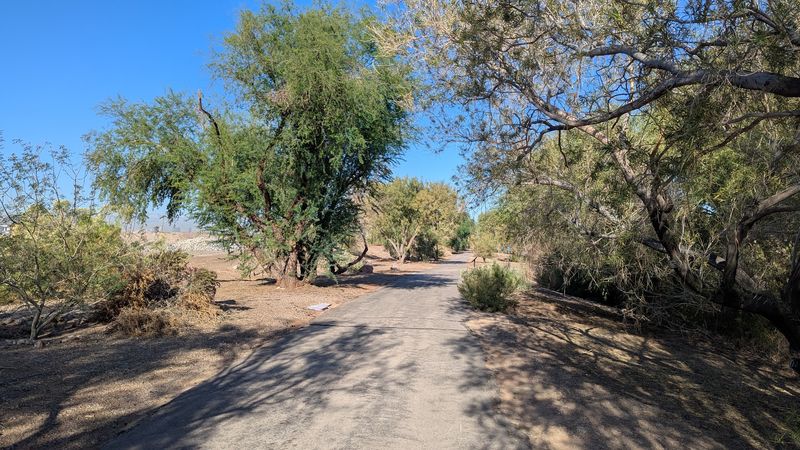
Flat ground is a parent’s best friend, and this preserve delivers plenty of it. A paved path runs about three-quarters of a mile, smooth enough for strollers and wheelchairs.
Beyond the pavement, level soft-surface and gravel paths continue around the ponds. Altogether, the trail network covers about five miles for anyone with energy to spare.
Nobody has to do the whole loop. Families with toddlers can stay near the entrance, while older kids may want to push farther out toward quieter ponds.
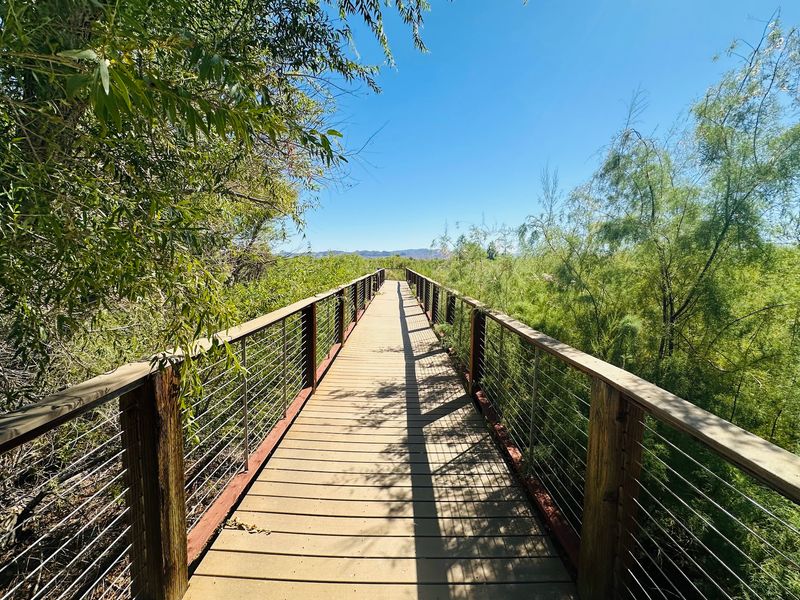
Benches appear along the routes, and some are covered for a break from the sun. A boardwalk section adds variety and makes kids feel like real explorers.
Shade does exist in spots, but summer can still feel intense. Plan short loops in hot months and save longer walks for cooler seasons.
Comfortable shoes matter more than most people expect. Five miles adds up quickly when kids keep stopping to point at every splash.
The trails are for strolling only. Biking and running aren’t allowed, which keeps things calm for both birds and visitors.
That slower pace is actually a gift. It nudges everyone to look around instead of racing toward a finish line.
A Butterfly Garden Adds A Splash Of Orange
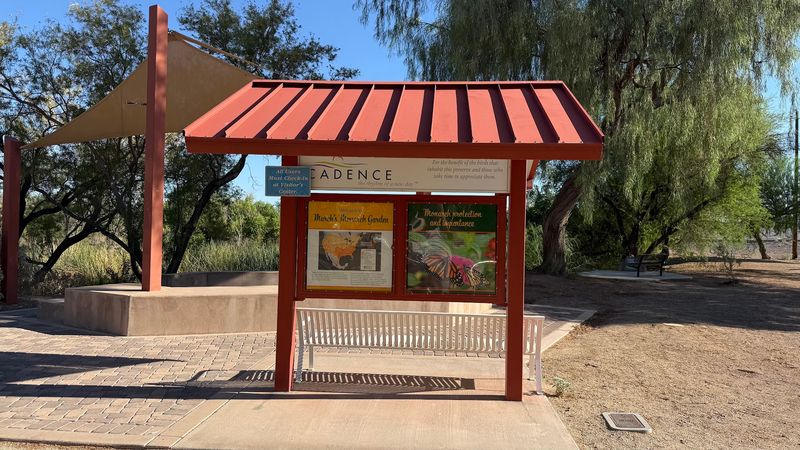
Birds get top billing, but monarch butterflies have their own corner too. March’s Monarch Garden is planted with milkweed and nectar plants chosen to support these famous travelers.
Milkweed matters because monarch caterpillars depend on it. Kids may find that fact surprisingly fascinating, especially if they’ve ever raised caterpillars at school.
A walking path winds through the garden with interpretive signs along the way. They explain why monarchs need help and how gardens like this one can make a difference.
A double-sided mural by a local artist brightens the space. It makes a cheerful backdrop for a family photo, and nobody has to wait in line for the shot.
Butterfly activity changes with the seasons and the weather. Some visits may bring lots of fluttering color, while others offer a quieter look at the plants.
Either way, the garden gives younger kids a nice change of pace. After an hour of scanning for birds, something closer to eye level can feel like a reward.
It’s also a sneaky science lesson. Monarchs migrate too, so the garden connects nicely with the bigger story of travelers resting at this Nevada stop.
Bring curiosity and maybe a small notebook. Sketching a butterfly or a milkweed leaf can keep a restless kid happily busy for several minutes.
An Indoor Classroom And Mini Museum For Curious Kids
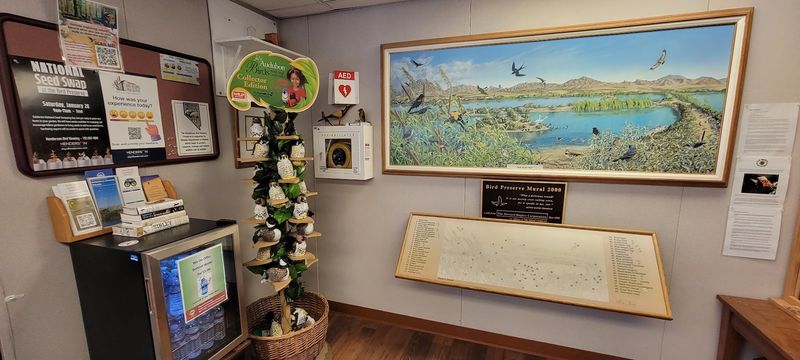
Not every lesson needs a whiteboard. Inside the visitor center, displays let families look at different birds and their eggs before heading out to the ponds.
That quick preview helps kids know what to look for. It’s much easier to recognize a quail outside after seeing one up close in a display.
The interpretive center adds context about the local ecosystem. Informational posts along the trails continue the story, so learning happens in bite-sized pieces.
The Henderson Bird Viewing Preserve also has an indoor classroom that holds up to 30 people. That makes it handy for school groups, scout troops, or homeschool meetups.
Educational programs and guided tours are offered at times. Schedules vary, so check with the city before planning a visit around a specific event.
Staff can share tips about which birds have been active lately. They may even lend binoculars, which is a big help for families who don’t own a pair.
Photographers are welcome here too. Kids practicing with a phone or camera can find endless subjects, from paddling ducks to sunbathing turtles.
The displays work well on hot days as well. A few minutes indoors can reset tired kids before another loop outside.
Plan Around An Early Closing Time And Pack Water
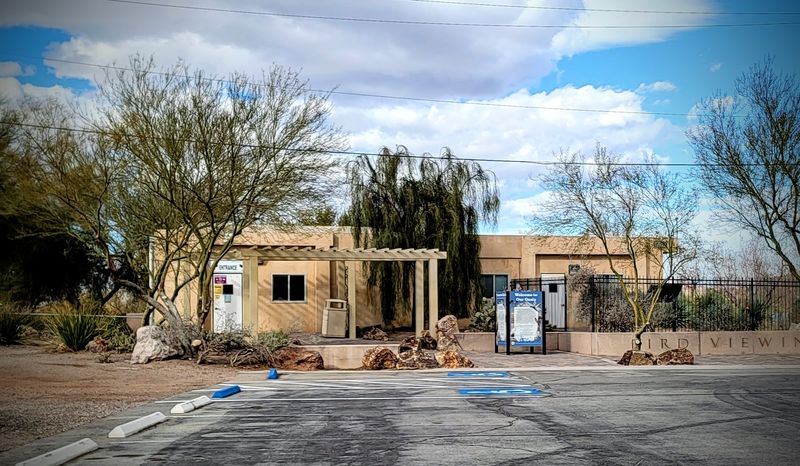
Early birds win twice here. The preserve opens at 7 a.m. and closes at 2 p.m. daily, and mornings usually bring the most bird activity.
Summer hours shift, with an earlier schedule during the hottest months. Hours can change, so confirm with the City of Henderson before driving over.
Admission is free for everyone. A family of four can spend a whole morning here and pay only for gas and maybe snacks afterward.
You’ll find the preserve at 350 E Galleria Dr, Henderson, NV 89011. It’s an easy drive from much of the Las Vegas Valley, and parking is available on site.
Pets need to stay home, and all visitors check in at the visitor center first. Bikes and running stay off the trails as well.
Pack water, hats, and sunscreen for everyone. The Nevada sun can feel strong even in spring, and shade along the paths is limited in places.
Binoculars, a camera, and comfortable shoes round out the bag. A paper map from the front desk helps families choose a loop that fits their energy.
Clark County Wetlands Park sits nearby for families wanting more nature. Pairing the two can fill a full, budget-friendly day.
A Free Morning Kids Will Talk About Long After
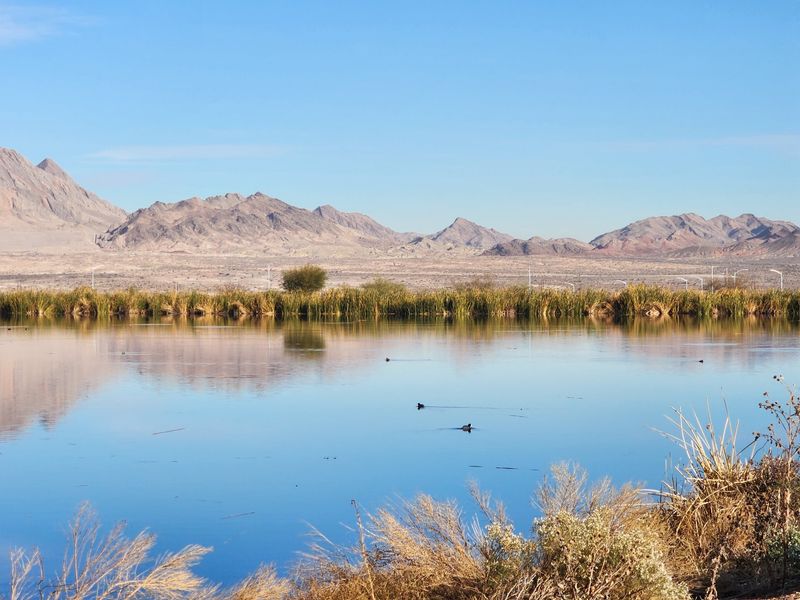
Plenty of family outings cost a small fortune. A morning at the Henderson Bird Viewing Preserve costs nothing, yet it can spark a real interest in wildlife.
Ducks keep toddlers giggling, while older kids chase the challenge of spotting roadrunners and quail. Grandparents get flat paths, benches, and a calm setting that rarely feels rushed.
The quiet stands out most. Even with planes passing overhead and city streets close by, the ponds feel peaceful and slow.
Visits can run an hour or stretch past three, depending on energy and weather. Short attention spans are fine, since the paved loop near the entrance packs in plenty.
Seasons change the cast regularly. Winter brings migrating waterfowl, spring may bring hatchlings, and every month offers something a little different.
That variety makes repeat trips easy to justify. A free outing in Nevada that never looks quite the same twice is a rare find.
I believe the best family traditions start small. A pair of binoculars, a bottle of water, and an early alarm might be all it takes.
Check the hours, pack the sunscreen, and keep voices low near the water. The birds will happily handle the rest of the entertainment.