
Kids Stand Next To The Wright Brothers’ Own 1905 Flyer Inside This Ohio History Park
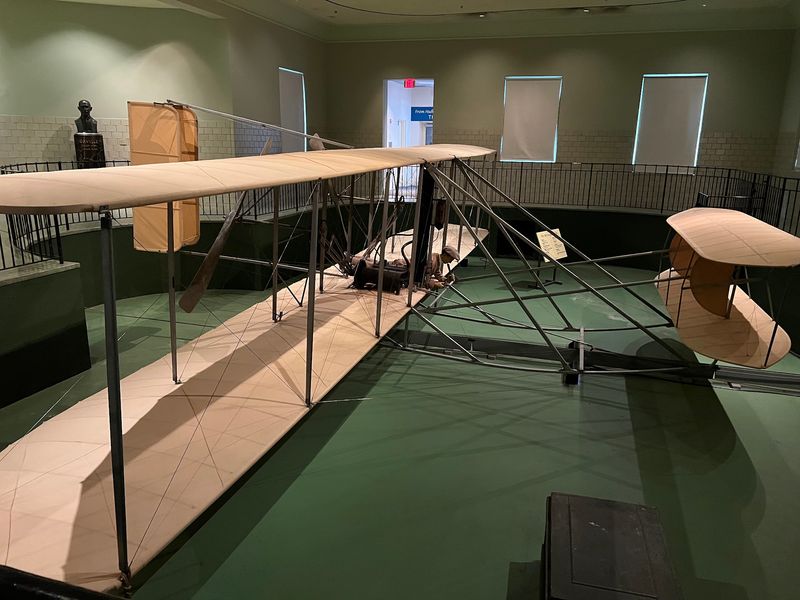
We only planned to stretch our legs and grab a snack on a long Ohio drive. Instead, my kids ended up leaning over a railing, staring down at a real airplane built by the Wright brothers themselves.
Not a copy, not a model, but the actual machine that taught the world how to fly. That surprise turned a quick stop into one of the best afternoons we have spent anywhere in Ohio.
A 65-Acre Open-Air Museum Along the Great Miami River
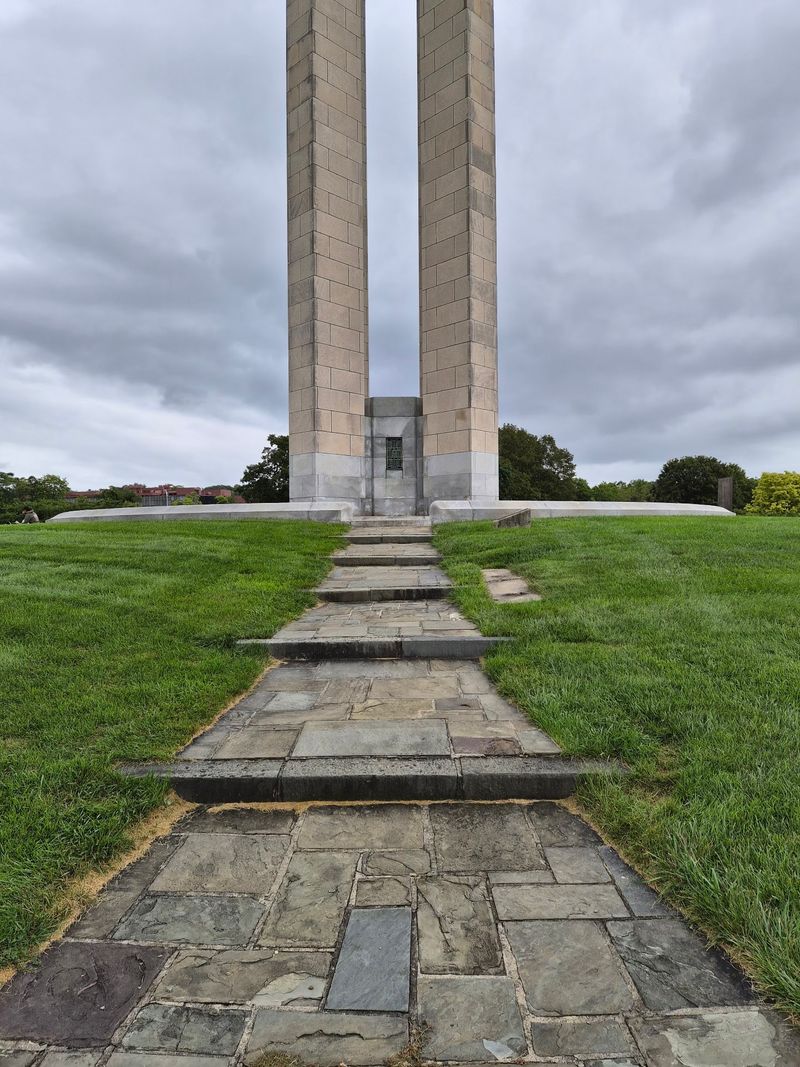
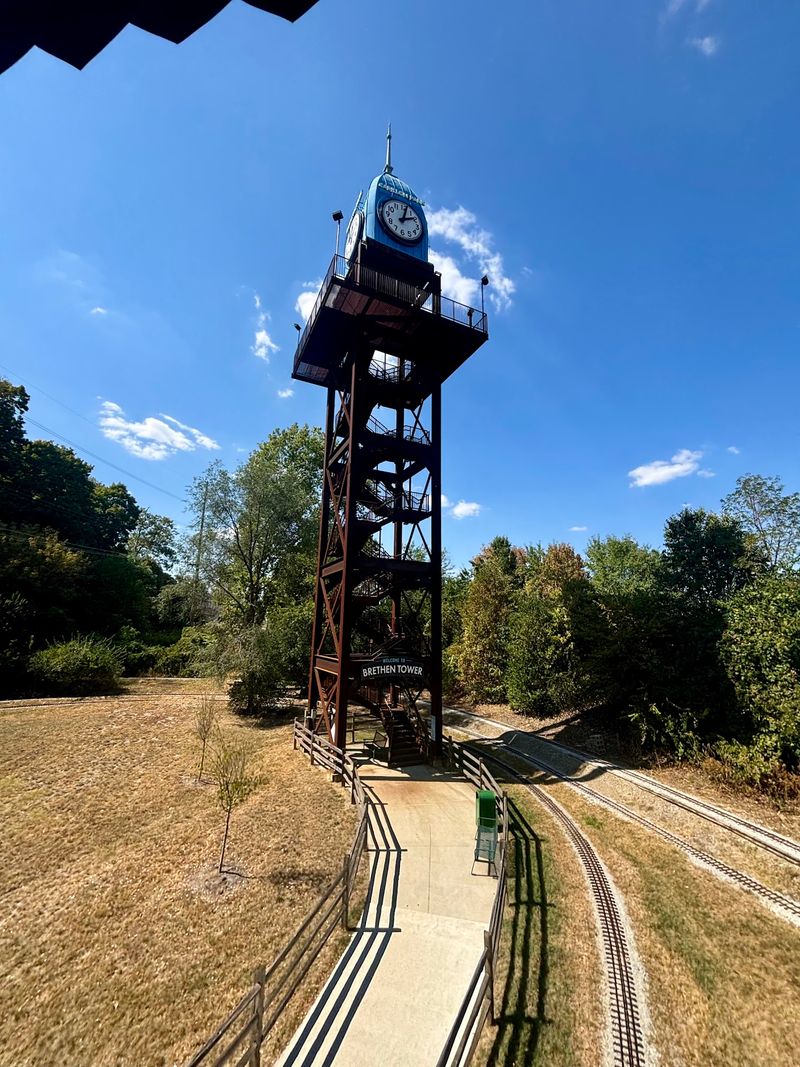
Picture a sprawling green campus on the south side of Dayton, right beside the Great Miami River, where old brick buildings, train tracks, and a towering bell tower share the same lawn. Carillon Historical Park sits at 1000 Carillon Blvd in Montgomery County, an easy hop off I-75 for families coming from Cincinnati, Columbus, or Toledo.
Run by Dayton History, the park covers 65 acres and works as an open-air museum. Instead of one big building with glass cases, you walk from structure to structure, stepping inside real historic spaces along the way.
There are transportation exhibits, a 4-D theater, and costumed interpreters who explain what daily life looked like generations ago.
What ties it all together is a single big idea. Dayton changed how the world moves, builds, and invents, and this park tells that story piece by piece.
The Wright brothers are the headliners, yet plenty of other local inventors get their moment too.
Parents should know one thing early. The grounds are spread out, and visitors often mention that you will walk nearly everywhere, so comfortable shoes and a stroller for little ones make the day far easier.
Why Dayton Built a Park Around Its Inventors
Few cities can claim the airplane, the cash register, and a long list of other everyday breakthroughs. Dayton can, and that pride shows in every corner of the grounds.
The park belongs to the larger Dayton Aviation Heritage National Historical Park, which links several sites around the city connected to the Wright brothers. Here, though, the focus widens beyond flight.
Exhibits cover transportation, industry, and the people whose tinkering shaped American life, and the main museum building is packed with inventions that came out of this one Ohio city.
Many first-time visitors arrive only for the airplane and leave surprised by how much industrial history they never knew about. Grandparents especially seem to enjoy pointing out familiar company names and places to younger family members.
A section on the 1913 flood, which reshaped Dayton, adds a sobering chapter that older kids tend to find fascinating.
For students, the setup works almost like a field trip without the permission slip. Ideas like problem solving and trial and error feel more real when you can see the actual results lined up in front of you, built by people who once lived just a few miles away.
The 1905 Wright Flyer III, Up Close
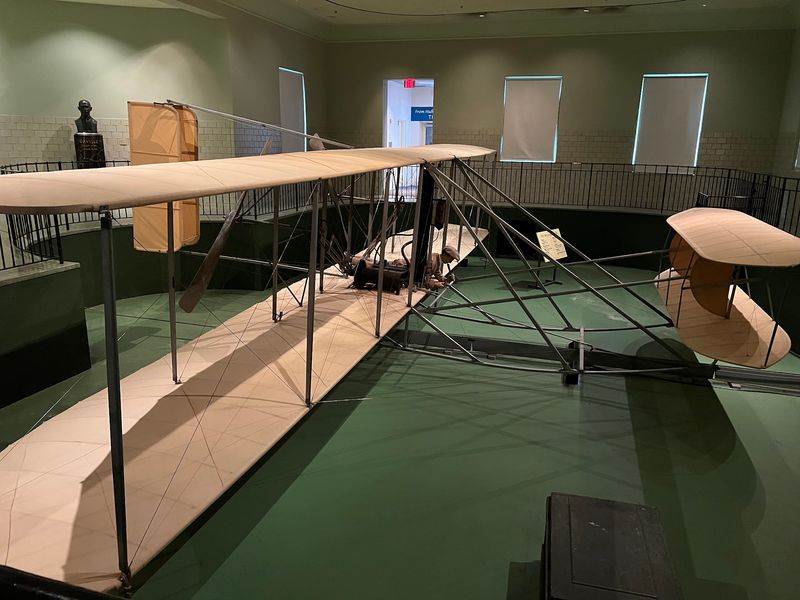
Here is the fact that stops kids in their tracks: the airplane in front of them is the real one. The 1905 Wright Flyer III is the original machine, and the Wright brothers themselves considered it their most important aircraft.
Why does it matter more than the famous 1903 flight? The earlier plane proved flying was possible, while this one proved it could be practical.
The 1905 Flyer was capable of sustained, controlled flight, banking and circling in ways that earlier attempts could not manage.
Its honors keep piling up. The Flyer is the only airplane ever designated a National Historic Landmark, and in 2025 Ohio named it the official state airplane.
Standing beside it, children quickly notice how fragile it looks. The wingspan stretches more than 40 feet, built from wood, fabric, and wire, with control mechanisms you can actually trace with your eyes.
A figure of Wilbur Wright lies flat across the machine, showing how the pilot rode stretched out on his stomach.
Give kids a minute to compare it to modern jets they have seen. That conversation tends to stick with them long after the car ride home.
Wright Hall and Orville’s Personal Touch
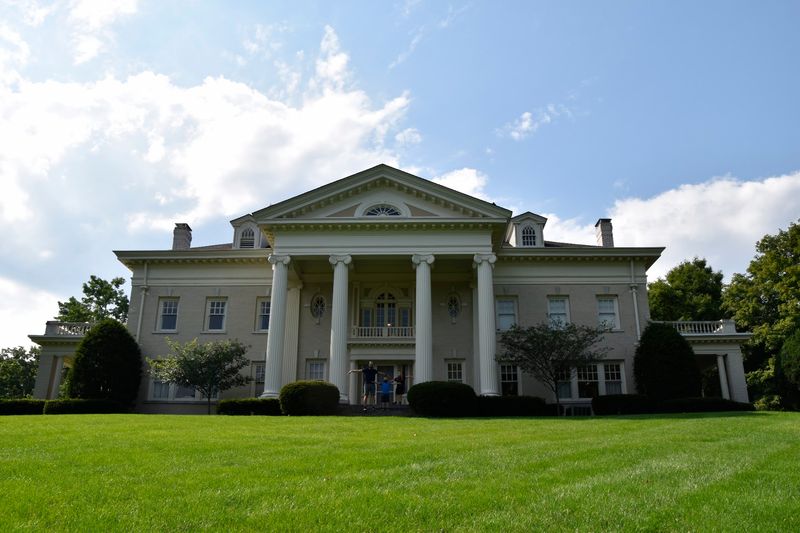
Orville Wright did not just leave this airplane behind for others to figure out. Between 1947 and 1950, he personally oversaw its restoration, making sure the machine would survive for future generations.
He went a step further, too. Orville helped design Wright Hall, the building where the Flyer now rests.
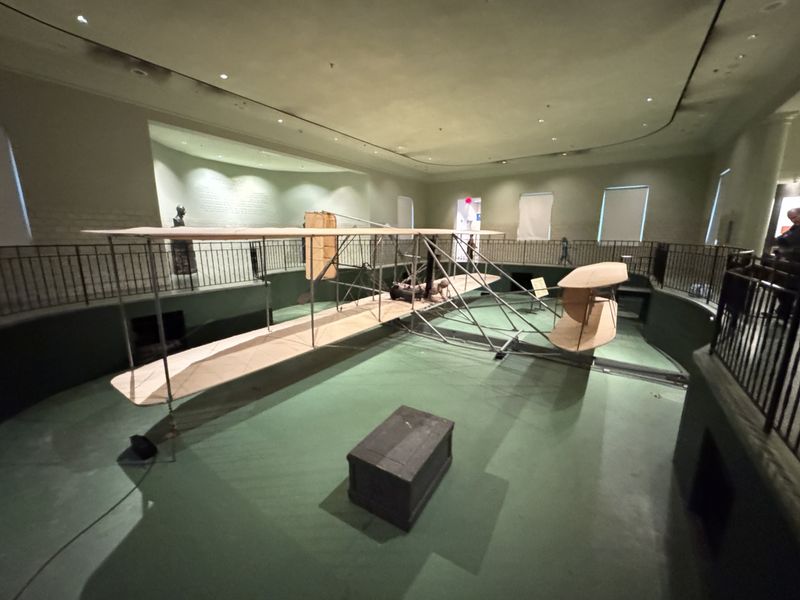
His idea was simple but clever: set the airplane down in an open pit so visitors could look down on it from above.
That viewing angle is the secret to the whole experience. From the railing, you see the full spread of the wings, the twin propellers, and the cables and levers that steered the craft, details that would vanish if it hung from a ceiling.
Short visitors get a surprisingly good look as well, which is a relief for parents tired of lifting kids up.
Around the Flyer, displays fill in the backstory of the brothers and their early flights. Visitors frequently mention that the Wright section turned out much larger and more detailed than they expected.
Plan at least half an hour here. Curious kids will have questions, and the exhibits answer a lot of them.
Riding the Carillon Park Railroad
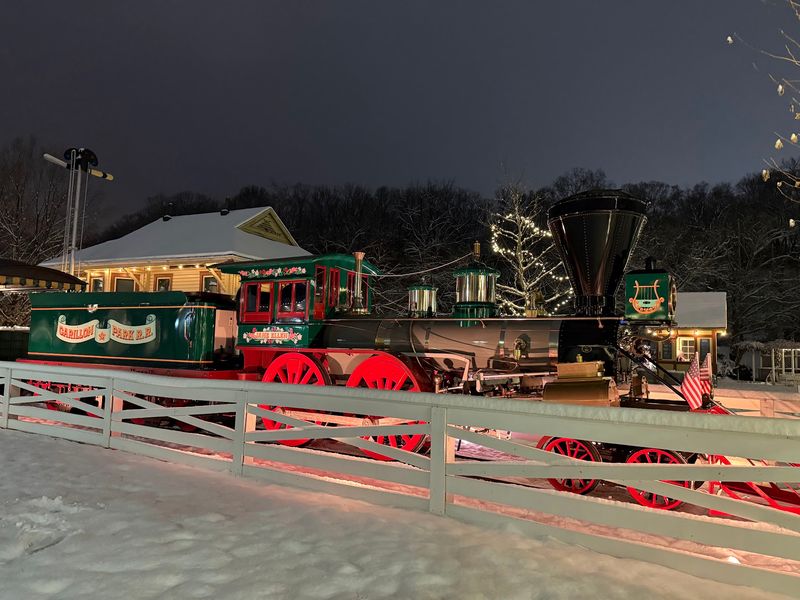
A whistle sounds, a little engine chugs past, and suddenly every child within earshot wants a ride. The Carillon Park Railroad is a large-scale train that loops roughly a mile around the campus with narration along the way.
It doubles as a smart way to rest tired legs. Since the grounds are spread out, a lap on the train gives younger walkers a break while still showing off the park.
Visitors describe it as a relaxing ride with a good amount of distance covered.
Expect a small extra charge on top of admission. During the holiday light season, guests reported paying around $5 per person, though pricing can change, so check when you arrive.
Some days bring a bonus. A smaller train occasionally runs as well, though it is not always available, so consider it a happy surprise rather than a guarantee.
Timing helps with lines. On busy evenings, especially during the winter lights event, riders noted the train got crowded later in the night, so hopping on earlier tends to mean less waiting with restless kids.
A Carousel Full of Dayton Ideas
Forget ordinary painted ponies. The Carousel of Dayton Innovation features 32 hand-carved figures, each representing a slice of the city’s history and inventions.
Kids usually race to pick a favorite seat, and parents can turn that moment into a mini history lesson. Each figure marks a different piece of the Dayton story, so riding twice gives you a chance to learn about two different ideas.
Visitors often call it one of the most unusual carousels they have seen.
Best of all for families watching the budget, it costs very little. Guests have reported paying about $1 per ride, which makes it easy to say yes to a second spin without guilt.
Little ones who are not ready for the bigger attractions tend to love this stop the most. It is colorful, it moves, and it does not ask much of anyone except holding on.
Pair it with a snack break nearby and you have an easy reset in the middle of a long day of walking and reading exhibit signs.
Slides, Schoolrooms, and a Working Print Shop
Hands-on moments are scattered all over the grounds, and they keep kids moving when attention spans start to fade.
Up at the History on the Hill Interpretive Center, decorated tube slides are built right into a hillside. Children who have politely studied exhibits for an hour suddenly have a reason to sprint, and parents get a few minutes on a nearby bench.
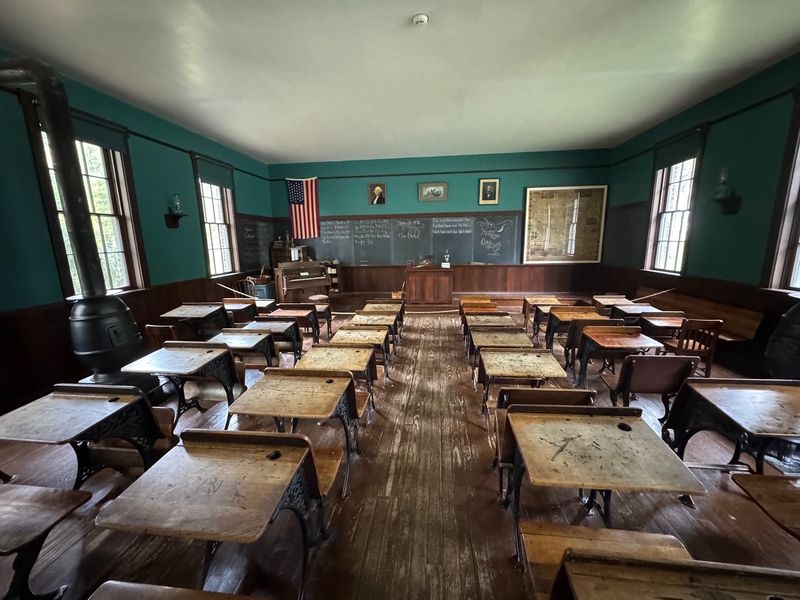
Over in the Early Settlement Area, historic structures give a peek at early Dayton life, including an 1890s schoolroom. Kids can compare those wooden desks to their own classrooms, which usually sparks a few funny reactions.
The print shop is a standout for many families. A working printing press shows how pages were made long before computers, and visitors repeatedly name it among their favorite stops.
During the holiday season, some guests even had Christmas cards printed there.
Costumed interpreters bring these spaces to life. Staff in period dress explain tools, trades, and daily routines, and visitors describe them as friendly and knowledgeable.
Sit near one for a bit and you might hear stories that are not printed on any sign.
Bell Tower Views, Bald Eagles, and River Paths
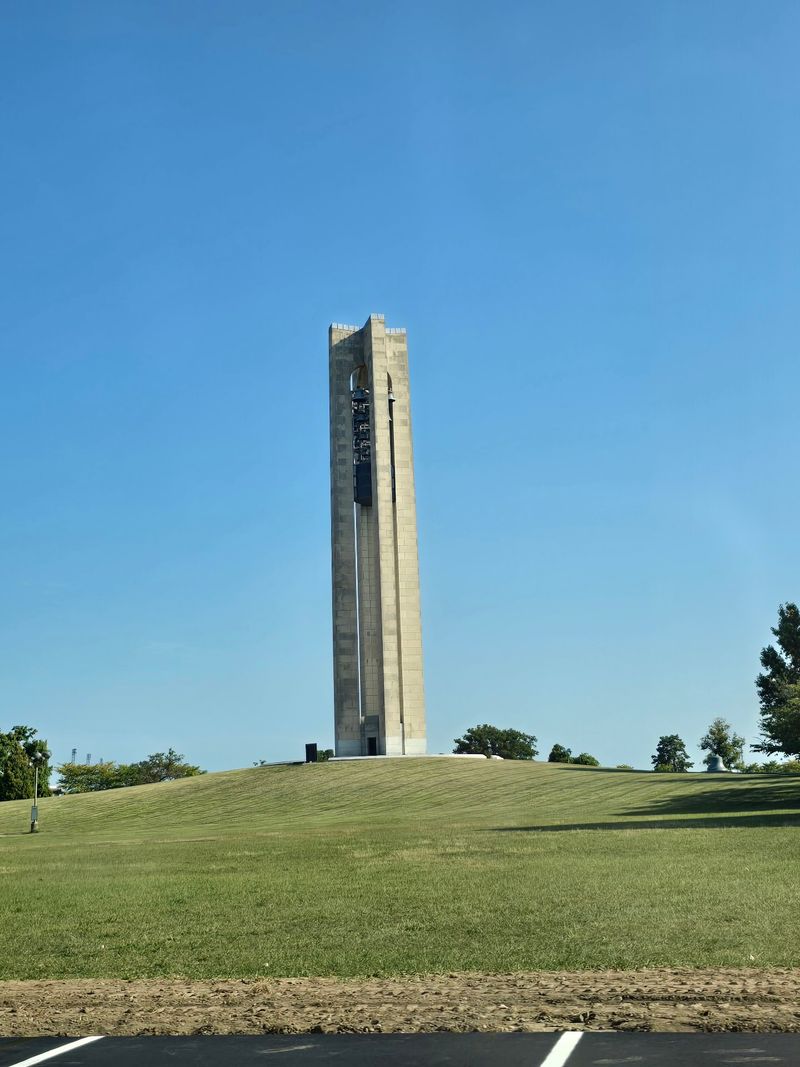
Before you even park, you will probably spot the tall carillon tower rising above the trees. Many visitors say it is the largest bell tower they have ever seen or heard, and catching it ring is a treat.
Adventurous families can also climb an eight-story tower that holds the old Gem City clock. Little legs might complain on the way up, so decide ahead of time who is up for it.
Nature gets a role here, too. Bald eagles nest nearby, and several visitors urge others not to miss a look at the eagle nest.
Bring binoculars if you have a pair rattling around the glovebox.
The park also sits along the Great Miami River Trail, with scenic views of the water and the Dayton skyline. Some folks simply stroll the public areas outside the museum, enjoying the well-kept grounds.
Peaceful walking paths, photo spots, and plenty of benches round out the outdoor side. On a mild spring or fall day, this part of the visit can feel more like a park outing than a museum trip, which suits kids who need fresh air.
Lunch in a 1903 Railcar
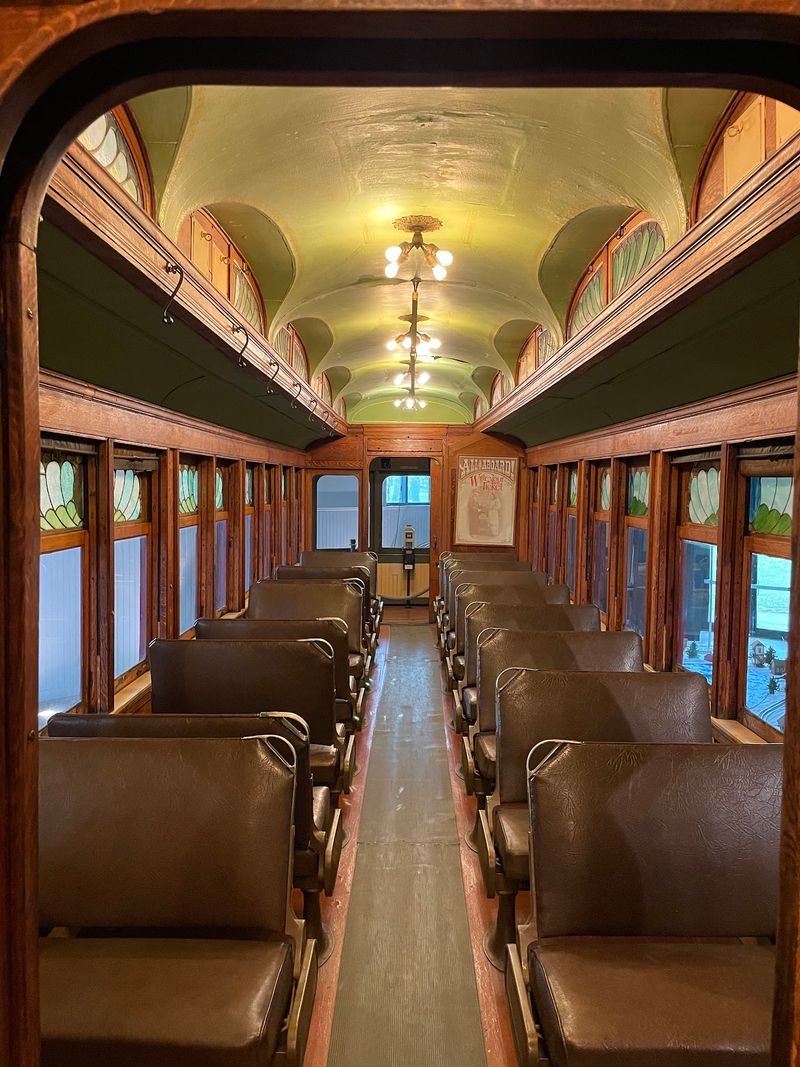
Hungry kids and history do not always mix, but eating inside a 1903 railcar helps. Culp’s Café brings a nostalgic, old-fashioned feel to lunchtime right on the grounds.
The menu stays friendly to picky eaters. Breakfast platters, sandwiches, soups, and classic soda fountain favorites cover most tastes, and kids can go plain with a grilled ham and cheese.
A fountain treat makes a handy reward after a long walk.
One caution from past visitors: not everything is open every weekday, and at least one guest found the café closed during their visit. Hours can vary by season, so it pays to have a backup plan.
That backup is easy. Families are welcome to bring packed lunches and eat within the park, and the open lawns make a picnic simple.
Coolers in the car and sandwiches on a bench can save real money for a big group.
Special historical dinners also pop up on the calendar. One seasonal feast served dishes made with 1830s recipes inside Newcom Tavern, described as the fourth oldest building in Ohio, with period music between courses.
Holiday Lights and Seasonal Happenings
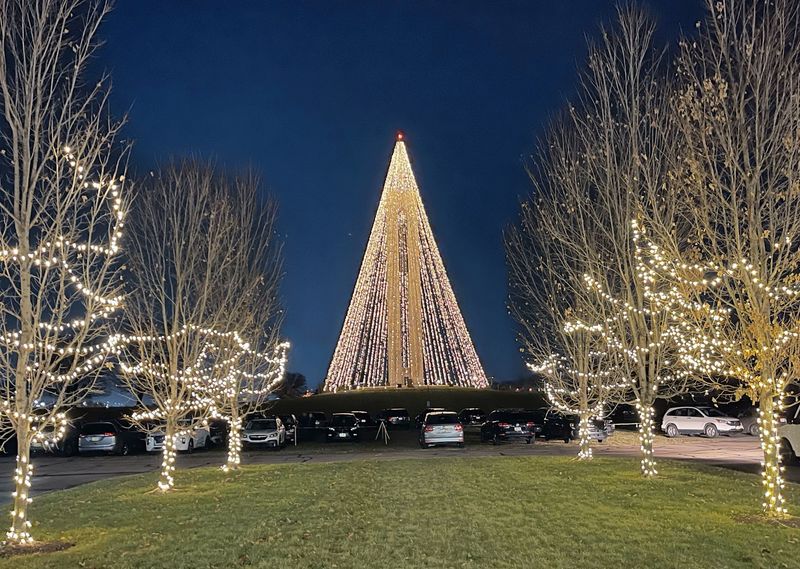
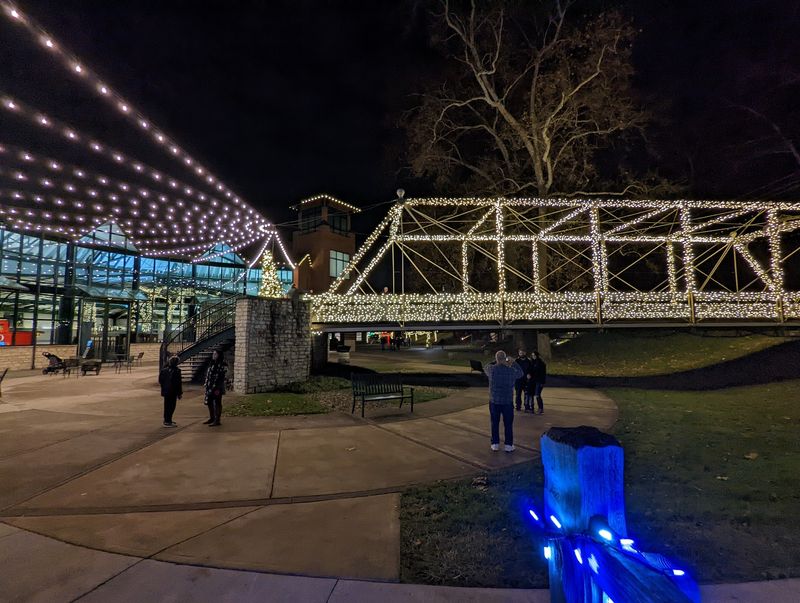
Winter changes the whole personality of the park. During the holiday season, the grounds glow with lights, and the evening experience reportedly begins around 5 PM.
Families describe sipping hot cider and hot chocolate, munching popcorn, meeting Santa, writing letters to him, and riding the train after dark. Historic buildings stay open as warm-up spots, so kids can thaw out while hearing a bit of history.
Crowds build as the night goes on. One visitor noted the train got very busy by about 6:45 PM, so arriving close to opening is a smart move.
Ohio winter evenings get cold quickly, so hats and gloves belong on the packing list.
Warmer months bring a different rhythm. Visitors have mentioned a vintage baseball club, the Clodbusters, playing at the park, and summer may offer more activities than quiet weekdays in the off-season.
A few guests also noticed construction during their visits, a sign the park keeps adding and updating. Returning families often say the place feels like it grows a little each year, which gives repeat trips a fresh edge.
Hours, Tickets, and Parking Details
Planning ahead keeps the day smooth. Regular hours run Monday through Saturday from 9:30 AM to 5 PM, and Sunday from noon to 5 PM, with closures on major holidays like Thanksgiving and Christmas.
Hours can shift for special events, so double-check before leaving home.
Admission is $14 for adults ages 18 to 59, $12 for seniors 60 and up, and $10 for kids ages 3 to 17. Children two and under get in free, as do Dayton History members.
Some visitors find the adult ticket a little pricey. Families planning more than one trip a year often mention season passes as the better deal, and some longtime fans say they renew every year.
Parking is generally free, though certain special events may charge a fee. Cars are not allowed to drive around the campus itself, so you will park once and explore on foot or by train.
Drive time is manageable from much of southwest Ohio. The park sits just south of downtown Dayton near I-75, roughly an hour from Cincinnati and about an hour and a quarter from Columbus, depending on traffic.
A Day Built for Curious Families
Some places entertain kids, and some quietly teach them. This park manages both, which is rarer than it sounds.
The 1905 Wright Flyer gives the trip its headline moment, but the smaller pieces fill out the day. A cheap carousel spin, a train lap, tube slides on a hillside, and a printing press clanking away keep different ages engaged.
Grandparents tend to enjoy it as much as the kids, especially when old Dayton memories surface.
Who might struggle? Families with toddlers who refuse strollers, or anyone visiting on a sticky, humid afternoon, may want to shorten the plan.
One visitor cut their stop short because of the heat, then promised to come back.
Allow plenty of time. Several guests said they arrived for the airplane and stayed for hours, surprised by how much else there was to see.
For an Ohio family looking for a day trip that mixes fresh air, real history, and a few rides, this stretch along the Great Miami River fits nicely. Pack snacks, wear good shoes, and let the kids linger at that railing above the Flyer as long as they like.