
Kids Watch Mules Turn The Press At This Tennessee Sorghum Mill, And You Drive Home With Syrup
Somewhere on the Upper Cumberland Plateau in Tennessee, a gravel lane ends at a barn where the sweetest smell you can imagine drifts out the open doors. A mule walks a slow circle, a wooden press groans, and green cane juice runs into a pan the length of a pickup truck.
Nobody charges you a dime to stand there and watch it happen, and the sample cup of warm syrup at the end is free too. Fall is the only season this works, which is exactly what makes an October Saturday here feel like something you caught just in time.
A Working Mill Down A Country Road In Monterey
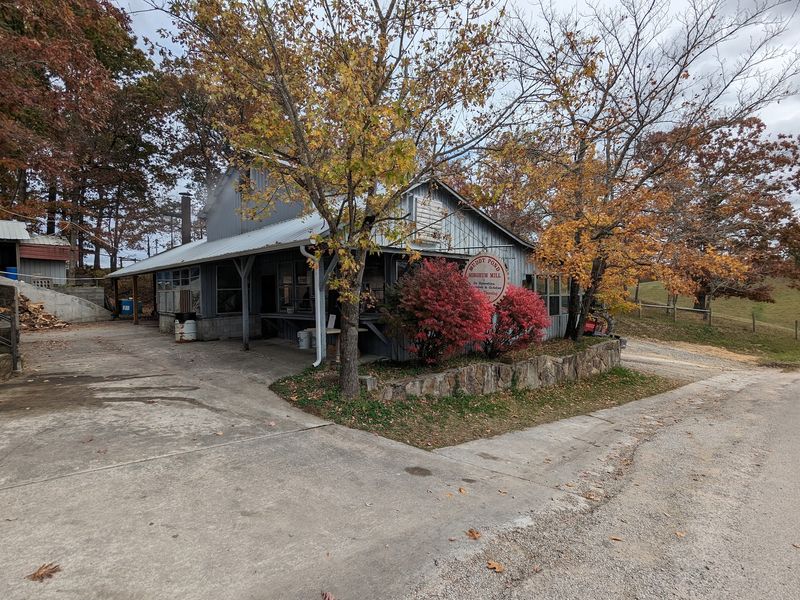
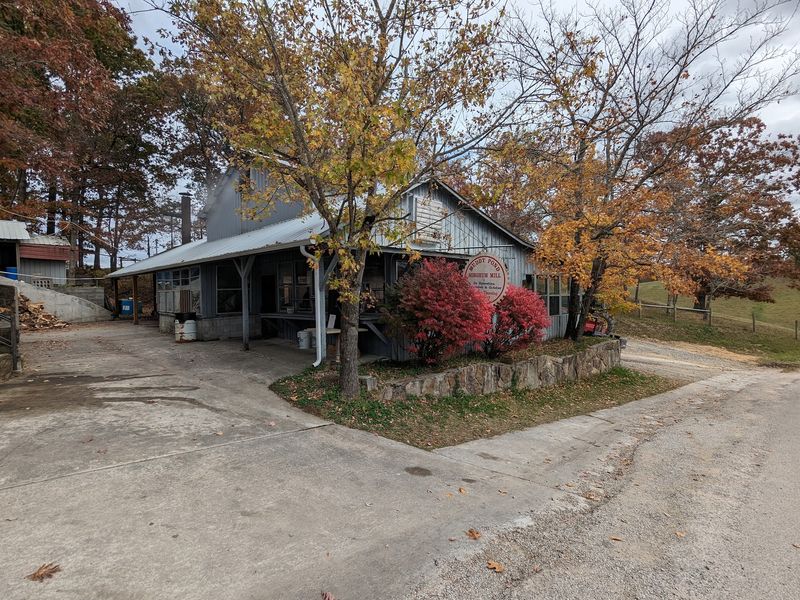
Muddy Pond Sorghum Mill sits at 4064 Muddy Pond Rd in Monterey, Tennessee, up on the Upper Cumberland Plateau roughly halfway between Nashville and Knoxville. It is not a museum or a re-creation of farm life.
It is a working operation where cane grown nearby gets crushed, boiled and bottled during a short autumn season.
Google lists the place simply as a mill, and that plain label fits. There is no ticket booth, no gift-shop turnstile, no costumed guide reciting a script.
The Guenther family runs the press, and several generations pitch in when the cane is ready.
What visitors find is closer to a farm workday you happen to be standing inside. Someone will stop and answer your questions about the boiler or the evaporator pan, and regulars mention that the crew genuinely likes explaining the process.
The address puts you in the Muddy Pond community, a small Amish-Mennonite settlement with a handful of family businesses within a short drive of each other. Call ahead at 931-445-3509 if you want to confirm they are milling on the day you plan to come.
Generations Of The Guenther Family Keeping The Cane Coming
Family names stick to places like this. Mark and Sherry Guenther are the ones most visitors associate with the mill, and grandchildren often turn up during milling season to tend the boiler, wash containers or help move cane.
Long-time customers describe returning year after year and being remembered, sometimes across decades. One visitor who grew up on a Benton County farm making sorghum said walking into the syrup house brought back memories from more than fifty years earlier.
Sorghum making used to be common across Tennessee farms every autumn. Neighbors gathered for what folks called stir-offs, and the season doubled as a social event.
Most of those small presses went quiet as sugar and corn syrup got cheap, which is a good part of why a mule-powered press still running draws crowds today.
The Guenthers have not frozen the operation in amber, either. Visitors who tour regularly mention new equipment and clever improvements added over the years, so the process keeps evolving even while the animal-powered press stays at the heart of it.
That mix of old method and practical updating is a big part of the appeal.
Mules Walking The Circle That Squeezes The Cane
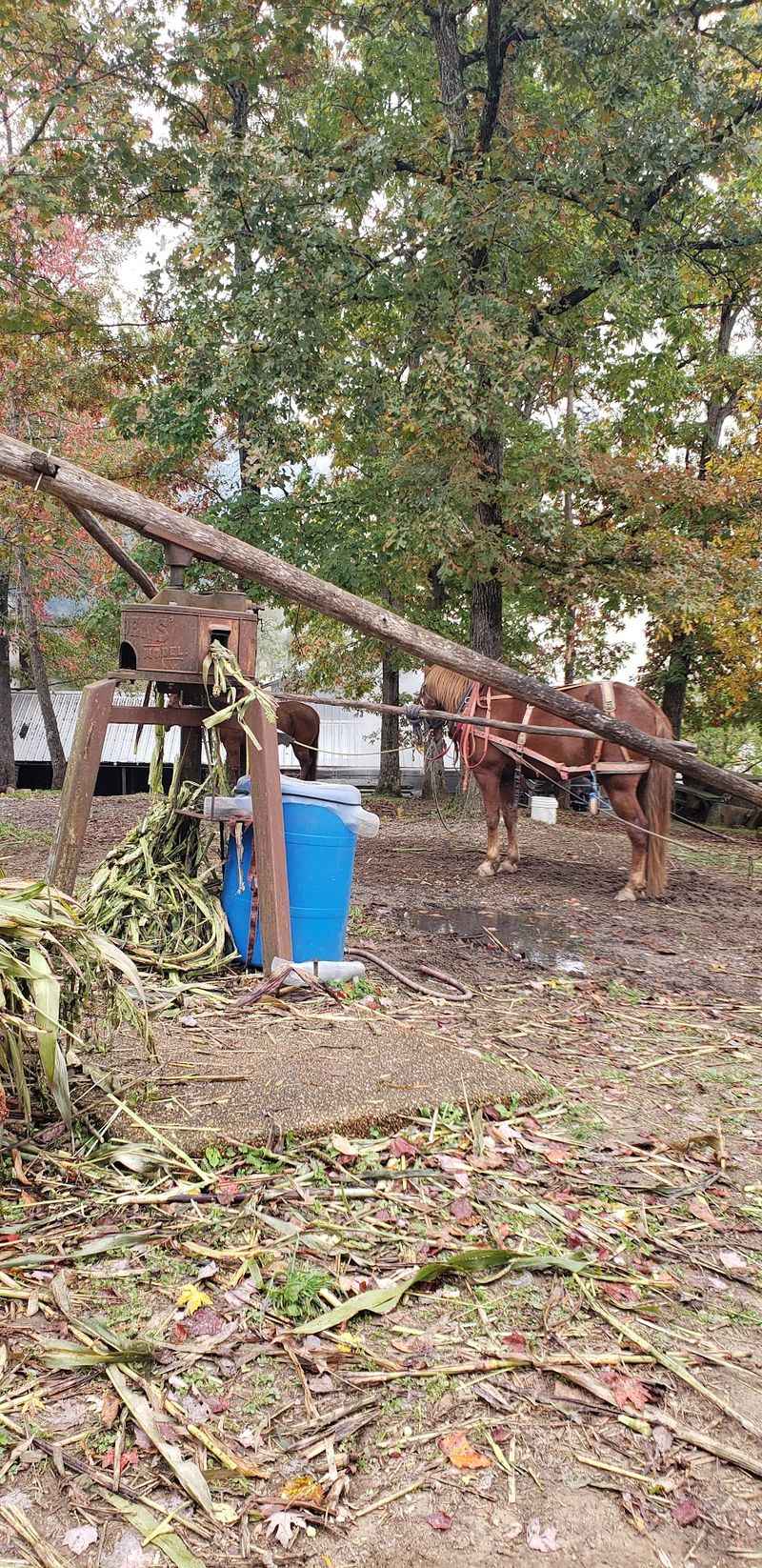
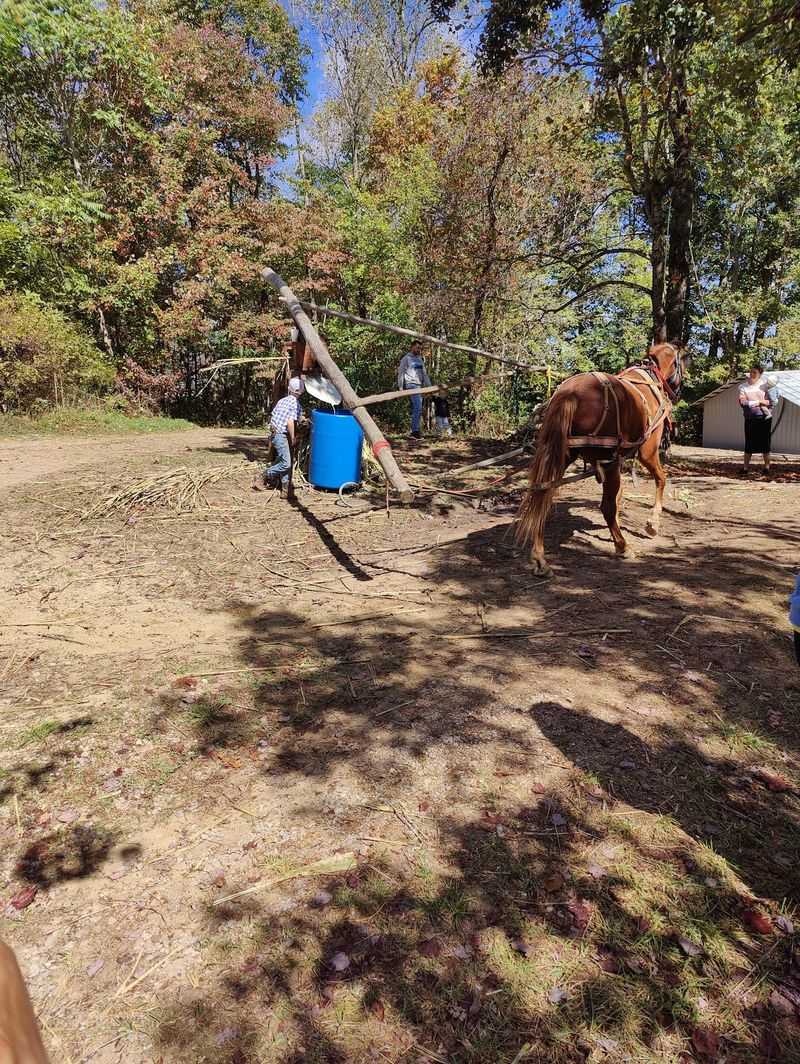
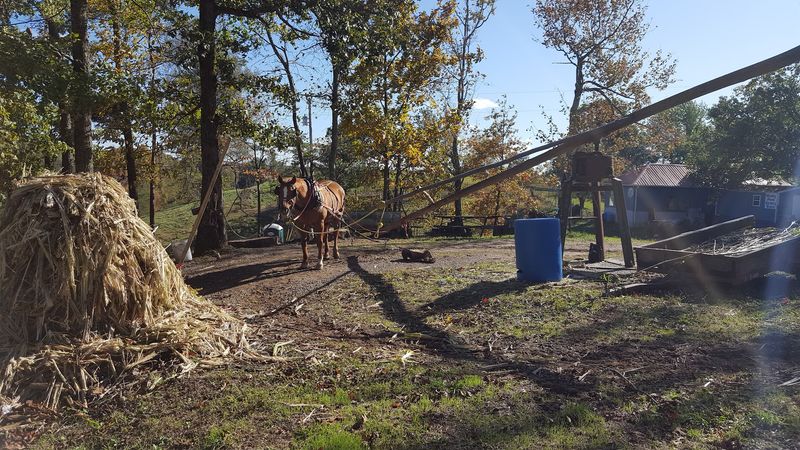
Children tend to go quiet the first time they see it. A mule, sometimes a horse, is hitched to a long sweep arm and walks a patient circle around an antique press while stalks of sorghum cane feed between the rollers.
Green juice runs out the bottom.
No motor, no belt drive, no hum of electricity. The whole thing moves at the speed of an animal that has done this before and knows exactly how many laps it takes.
Kids who have never seen a working draft animal usually want to stand there through several rotations, and that is fine. There is no line to move along, no timed entry pushing you toward the exit.
Sorghum cane looks a lot like corn without ears, growing tall and thick, and the stalks stack up in bundles beside the press. Watching a bundle disappear into the rollers and reappear as flattened, spent fiber makes the whole idea of pressing juice suddenly obvious, even to a six-year-old.
Bring a phone or camera. The circling mule is the shot everybody takes home.
Green Juice, A Locomotive Boiler And The Long Evaporator Pan
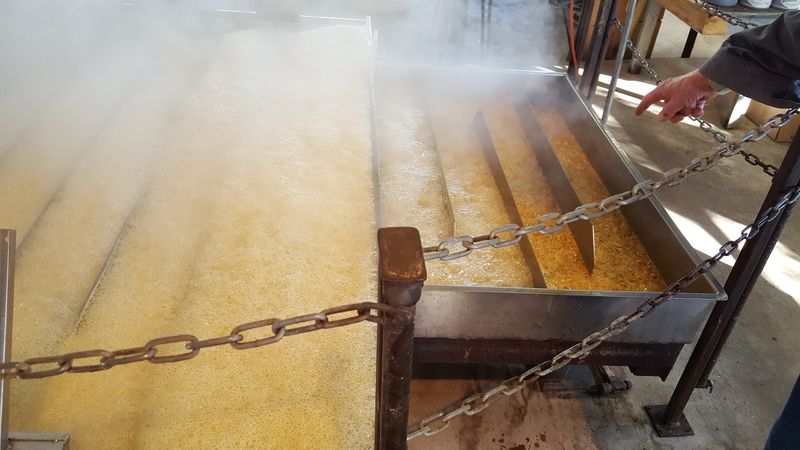
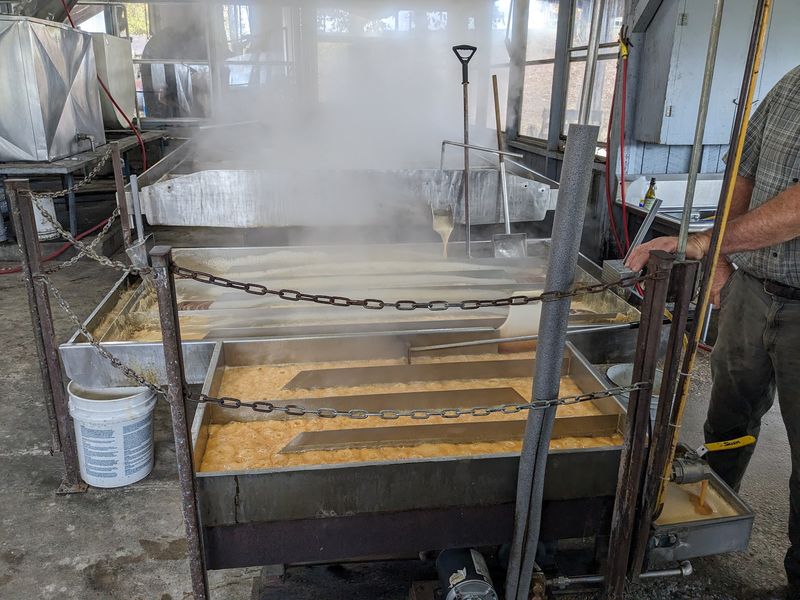
Steam is the second act. Once the press has done its work, the raw juice, cloudy and startlingly green, travels into a long evaporator pan heated by a wood-fired steam locomotive boiler.
Hours pass. Water cooks off, foam gets skimmed, and the liquid inches down the pan changing color as it goes.
Green turns to murky gold, then to the clear amber that ends up in jars.
Standing near the pan on a cool October morning is genuinely pleasant, warm and thick with a smell somewhere between caramel and fresh grass. Visitors who grew up around sorghum say that smell alone is worth the drive.
The workers are open about the details. Ask how they know when it is finished, how much cane makes a gallon, or why the boiler came off a locomotive, and you will get a real answer rather than a rehearsed line.
Because the process runs continuously through the day, arriving between 9 AM and 3 PM Central gives you the best chance of seeing pressing and boiling both underway at the same time.
Jars Of Amber Syrup And What Else Fills The Shelves
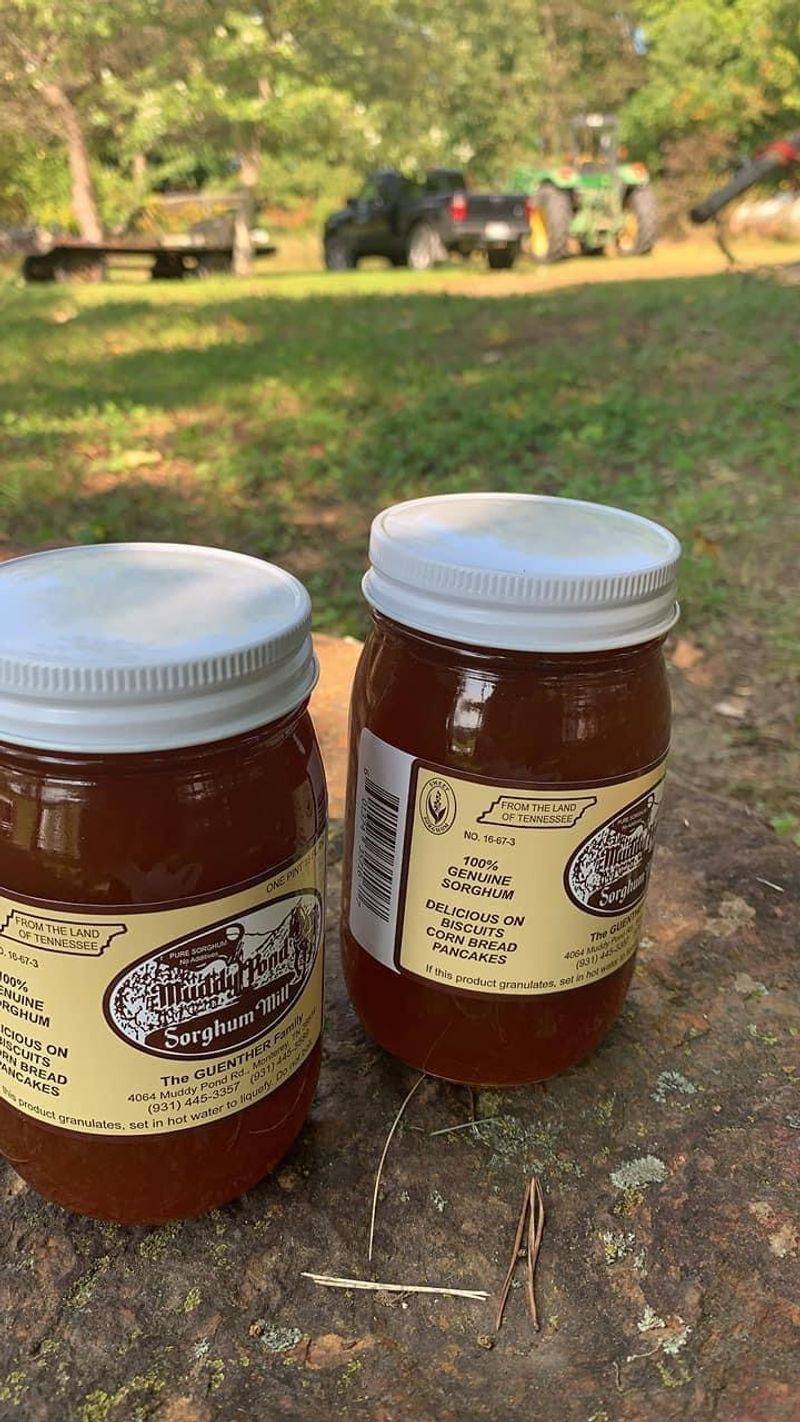
You came for the show, but almost nobody leaves without a jar. Sorghum syrup is sold at the mill in sizes ranging up to gallons, and honey turns up on the same shelves.
Fruit leathers get mentioned often by repeat visitors, as does a barbecue sauce that some folks first tasted at fairs and festivals far from Tennessee. Products from the mill have shown up at Dollywood during fall harvest and at state fairs out of state, which is how plenty of people learn the name before ever seeing the farm.
Taste matters here more than packaging. People who ate sorghum as children in Western North Carolina, Southwest Virginia and rural Tennessee consistently say this version tastes like the real thing they remember, not the thinner stuff sold in grocery aisles.
Poured over hot biscuits is the classic Tennessee use. It also works stirred into oatmeal, brushed on cornbread, or spooned straight from the jar, which more than one visitor admits to doing.
Prices are not posted publicly, so bring cash or a card and check current rates at the mill.
The Amish-Mennonite Shops Waiting Just Down The Lane
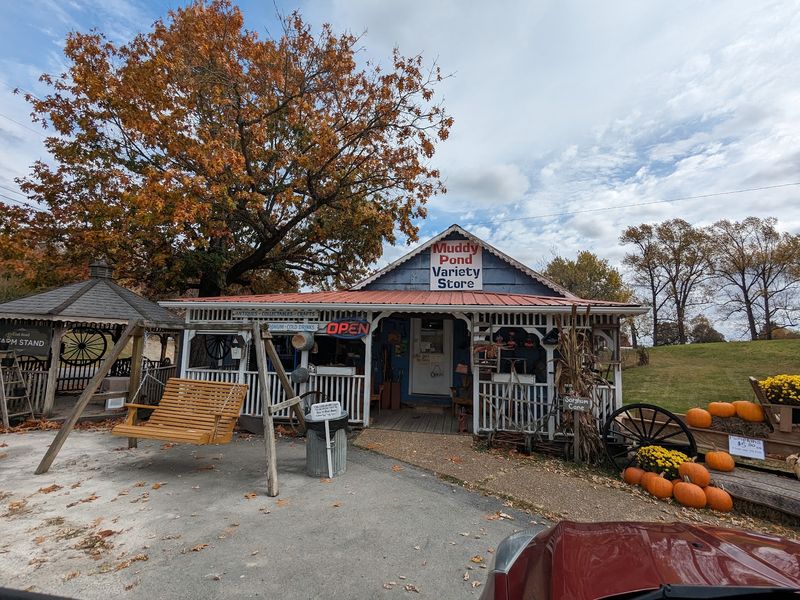
Half a day disappears easily once you factor in the neighbors. The Muddy Pond community around the mill includes several family-owned businesses, and most sit close enough that you can walk or make very short drives between them.
Across from the mill, the Muddy Pond Variety Store and a General Store stock bulk foods, spices, home decor, handmade quilts and fresh baked goods. Bulk bins are a quiet money-saver, and the quilts are the kind of handwork that stops people mid-aisle.
Hungry? The Country Porch handles lunch with deli sandwiches, salads and pastries, plus picnic tables outside for anyone who would rather eat in the open air.
Restrooms are available in the community at spots like The Country Porch, which is useful information when you are traveling with kids.
Packing a cooler works too, since picnic tables mean you can bring your own and spend nothing but gas money.
Plan the loop so you hit the mill during active milling hours first, then browse the stores afterward. Cane pressing runs on its own schedule; shelves of quilts do not.
Free Admission, Fall-Only Hours And The Drive From Your Town
Costs first, because that is what decides most Saturdays. There is no admission fee to watch the sorghum being made or to taste the fresh syrup, and parking within the community is free and plentiful.
A family of four can do the mill, lunch at The Country Porch and take home a jar for well under the price of a sit-down dinner in Nashville.
Season is the catch. Milling runs mainly through September and October, with cane typically starting mid-September.
Visitors are welcomed Tuesdays, Thursdays and Saturdays, and 9 AM to 3 PM Central is the window for seeing the full process.
From Nashville, figure roughly 1 hour 33 minutes. Knoxville runs about 1 hour 45 minutes, Chattanooga somewhat over 2 hours, and Memphis beyond 4 hours, which makes this a stretch as a day trip from West Tennessee.
Hours and days can shift with weather and how the cane crop is running, so call 931-445-3509 or check muddypondsorghum.com before you load the car. The roads in are rural two-lane, scenic and slower than the map estimate suggests.
Who Should Point The Car Toward Muddy Pond This Autumn
Grandparents and grandkids may be the ideal pairing here. Older visitors often arrive carrying memories of stir-offs and farm autumns, while children get a first look at an animal doing real work, and both walk out with something.
Anyone who cooks will find plenty to think about. Watching juice become syrup over hours in an open pan changes how a jar of sorghum reads on the pantry shelf.
Expect uneven ground, gravel, and a farm setting rather than a polished attraction. Strollers manage, but a carrier is easier with a baby, and sturdy shoes beat sandals.
Those chasing a full itinerary can pair the mill with fall color on the plateau, since late September and October put the timing squarely in foliage season around Monterey.
The mill holds a 5-star average across 27 Google reviews, and the themes people return to are the friendliness of the crew and the quality of the sorghum itself. For a fall Saturday that costs almost nothing, teaches kids something real and ends with amber syrup riding home in the back seat, few Tennessee drives deliver more per gallon of gas.