
7 Lesser-Known Utah Canyons Perfect For Scenic Hikes And Quiet Exploration
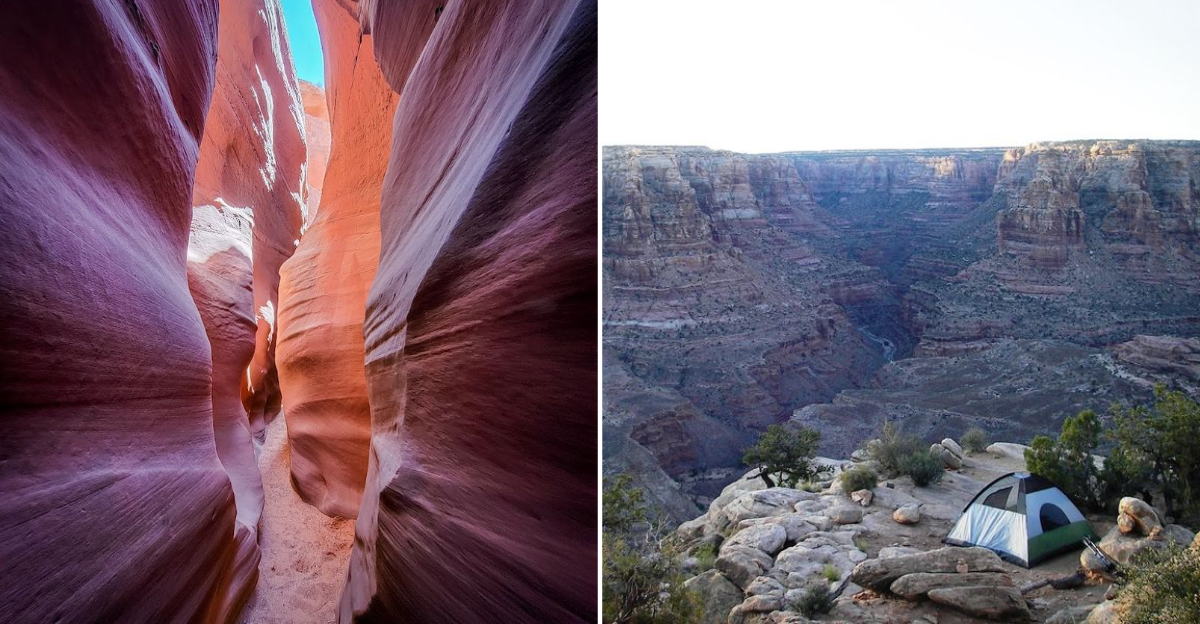
Utah’s famous canyons have earned everything said about them. They have also earned their crowds, their permit systems, and their parking lots that fill sunrise before.
The canyons on this list have not gotten there yet. The walls are just as red.
The silence is considerably more intact. That silence changes everything about the experience.
Hiking here without the crowd is a different activity from hiking with it. The canyon does not perform differently.
The light hits the walls the same way in the late afternoon. The scale is just as difficult to process from the bottom looking up.
What changes is the room around you. The ability to stop mid-trail and hear nothing except wind moving through rock.
These canyons sit outside the reservation systems, the shuttle buses, and the coordinates that send everyone to the same viewpoint at the same time. They require more research to find and return considerably more solitude for the effort.
The state has more canyon country than the famous parks can contain. Some of the best stretches are still waiting.
1. Little Wild Horse Canyon
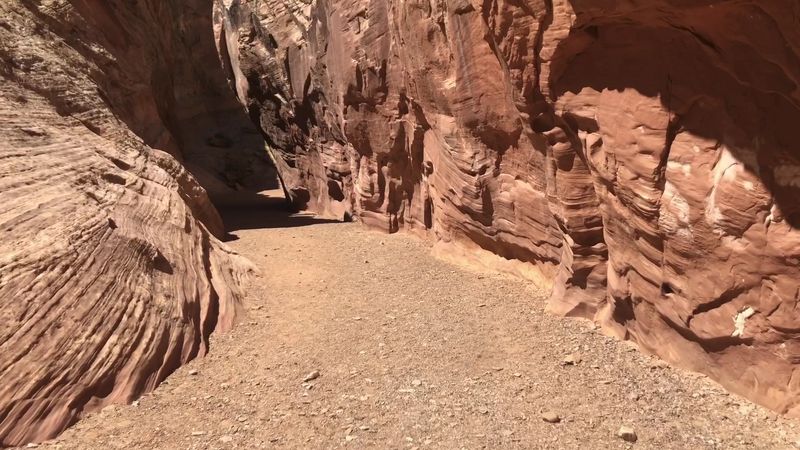
Imagine squeezing between canyon walls so close you can touch both sides at once. That is exactly what Little Wild Horse Canyon feels like, and honestly, it never gets old.
The rock layers here shift from burnt orange to deep red as you move through the narrows.
Located about 20 minutes from Goblin Valley State Park in the San Rafael Swell Wilderness Study Area, this place is a terrific spot. The canyon floor is mostly sandy and dry, which makes it surprisingly beginner-friendly.
You do not need technical gear or climbing experience to enjoy it.
The full loop connects with Bell Canyon for an 8-mile adventure. You will climb, squeeze, and scramble your way through nature’s own obstacle course.
It sounds intense, but even kids in decent shape can handle it with a little help.
Keep your eyes open for quartz crystals tucked into the rock walls. The colorful cliffs and swirling erosion patterns are everywhere, and every turn reveals something new.
It genuinely feels like exploring a living sculpture.
Flash floods are a real concern here, so always check the weather before you go. Wading shoes are smart to pack since occasional shallow water pops up in sections.
Nothing knee-deep usually, but wet feet happen.
Despite being the most popular hike in the San Rafael Swell Wilderness Study Area, crowds remain manageable thanks to its remote location. You will not feel rushed or crowded on the trail.
That out-of-the-way feeling is exactly the point.
2. Goblin Valley State Park
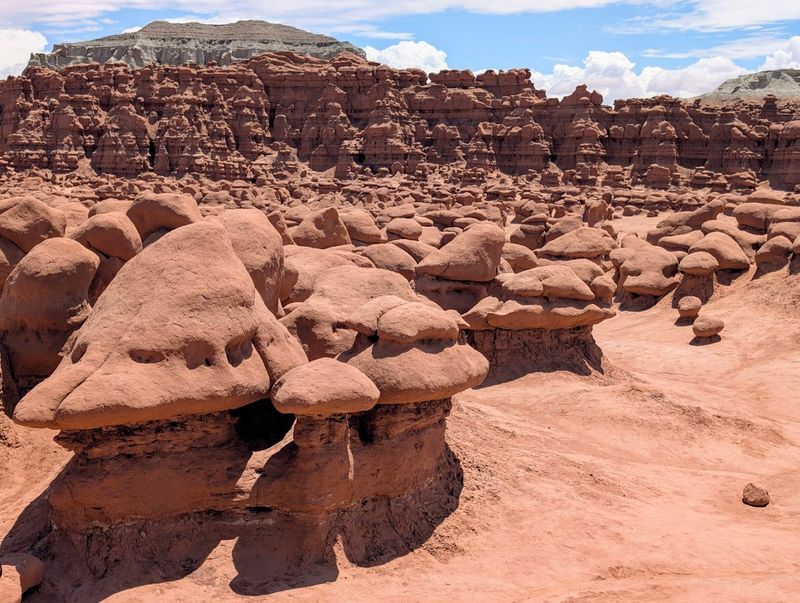
Nothing fully prepares you for the first moment you see Goblin Valley. You walk up to the overlook, look down, and suddenly, there are thousands of weird little rock creatures staring back at you.
They are called goblins, and they absolutely earn that name.
The valley floor is covered in rounded, mushroom-shaped sandstone formations called hoodoos. They range from knee-height to taller than a full-grown adult.
Wandering among them feels like walking through a fantasy movie set that someone forgot to clean up.
Unlike most state parks, there are no marked trails through the goblin formations. You are free to wander wherever your curiosity takes you.
That kind of open exploration is genuinely rare and refreshing in a world full of roped-off zones.
The park sits in a remote section of central Utah, which keeps the visitor numbers surprisingly low. Weekday mornings are especially quiet, almost eerily so.
Just you, the goblins, and the wide-open desert sky.
Stargazing here is absolutely unreal after sunset. The park is far from city light pollution, so the Milky Way shows up in full force.
Bring a blanket, lie on the ground, and prepare to feel very small in the best possible way.
Camping is available right inside the park, which means you can wake up at sunrise and hit the valley before anyone else arrives. The morning light turns the goblins a deep amber color that looks almost unreal.
Photographers, take note.
Kids absolutely love running through the formations, and adults tend to turn into big kids the moment they arrive. Pack plenty of water because the desert heat sneaks up fast.
Find it at 18630 Goblin Valley Rd, Green River, UT 84525.
3. Leprechaun Canyon
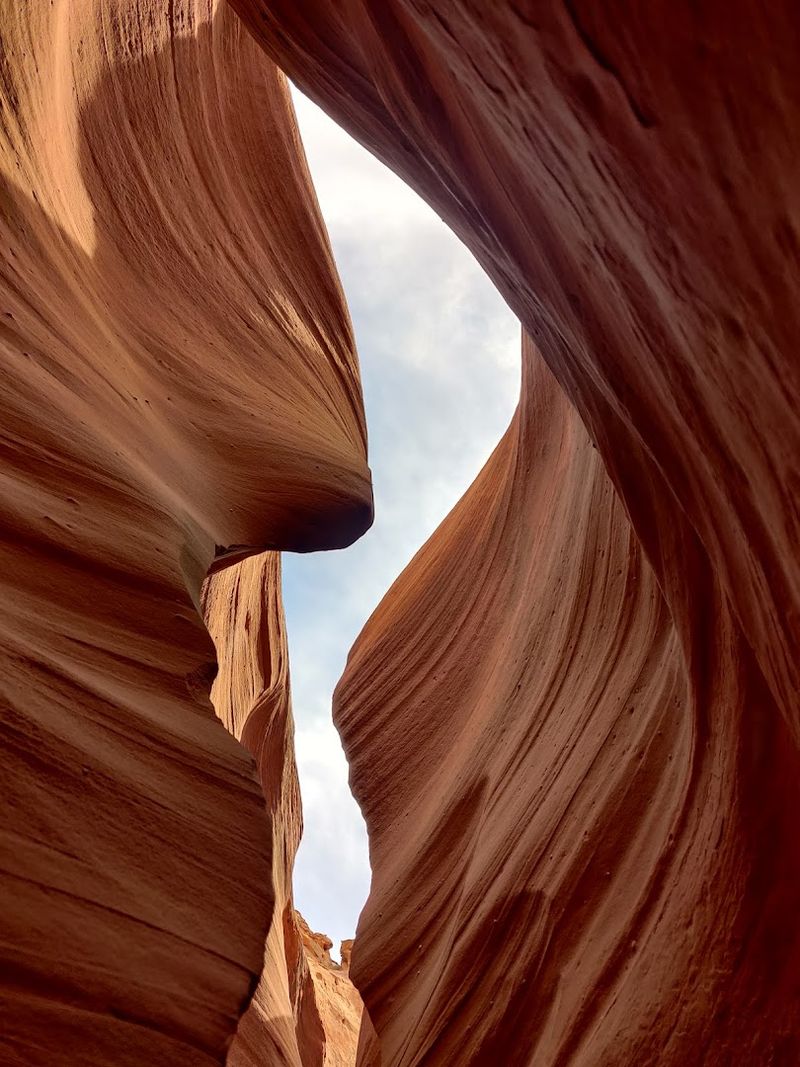
The name sounds playful, but Leprechaun Canyon is seriously one of the most visually stunning slot canyons in all of Utah. The walls curve and swirl in pastel shades of pink, cream, and orange that look almost painted on.
Light bouncing off the sandstone here creates a glow that photographers chase for hours.
Located near Lake Powell along UT-95, this canyon does not get nearly the attention it deserves. Most people driving that highway are heading somewhere else entirely.
Their loss, honestly.
Getting here requires a short hike across open desert terrain before you drop into the canyon. The approach is not marked with signs or guardrails, so navigation skills help.
A downloaded map or GPS track is a smart move before you set out.
Once inside, the canyon splits into multiple sections with different widths and formations. Some spots require short downclimbs between levels.
Nothing extreme, but you should feel comfortable moving on uneven rock surfaces.
Flash flood awareness is critical in any slot canyon, and Leprechaun is no exception. Check weather forecasts not just locally but upstream as well.
A storm miles away can send water rushing through without warning.
The canyon stays relatively cool even on hot days because the walls block direct sunlight for most of the interior. That shade makes a huge difference when the desert is baking outside.
Bring layers anyway, since temperatures can shift quickly in canyon country.
There are no fees and no permits required to visit, which makes it even more appealing. The solitude you find here on a typical weekday is the kind of quiet most people have to work very hard to find.
Find this spot at UT-95, Lake Powell, UT 84533.
4. Dry Fork Narrows
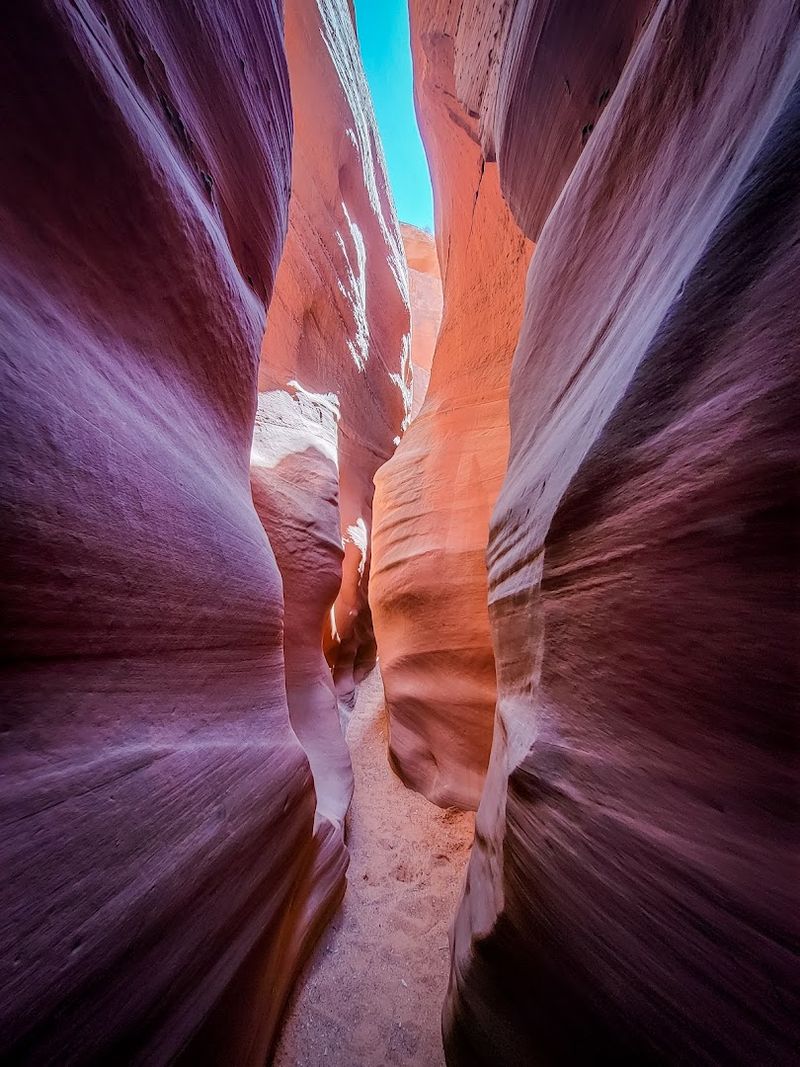
Grand Staircase-Escalante is one of the largest national monuments in the country, and most tourists only scratch the surface of what is hiding inside it.
Dry Fork Narrows is one of those hidden rewards waiting for anyone willing to explore beyond the obvious. The canyon walls here shoot straight up and squeeze together in ways that make your jaw drop on the spot.
The hike begins at the Dry Fork trailhead off Hole-in-the-Rock Road, which is a dirt road that requires a high-clearance vehicle after rain. Plan accordingly and check road conditions before you commit to the drive out there.
Getting stuck in the mud miles from pavement is not the adventure most people are looking for.
Once you reach the canyon, you will encounter three separate slot canyon sections known as Peek-a-Boo, Spooky, and the Dry Fork itself. Each one has its own personality and level of challenge.
Spooky Canyon is famously narrow, and larger hikers may need to remove their backpacks to squeeze through.
The rock colors shift constantly as you move through the different sections. Deep reds blend into creams and purples depending on the angle of the light.
Morning light is especially dramatic and worth the early alarm clock.
Wildlife sightings are not uncommon here. Lizards dart across the rock, and bird calls echo off the canyon walls in ways that feel almost musical.
The whole experience is sensory in a way that screens simply cannot replicate.
Permits are not required for day hiking in this area, though camping in the monument does require registration. Water sources are not reliable along the route, so carry everything you need.
5. Horseshoe Canyon
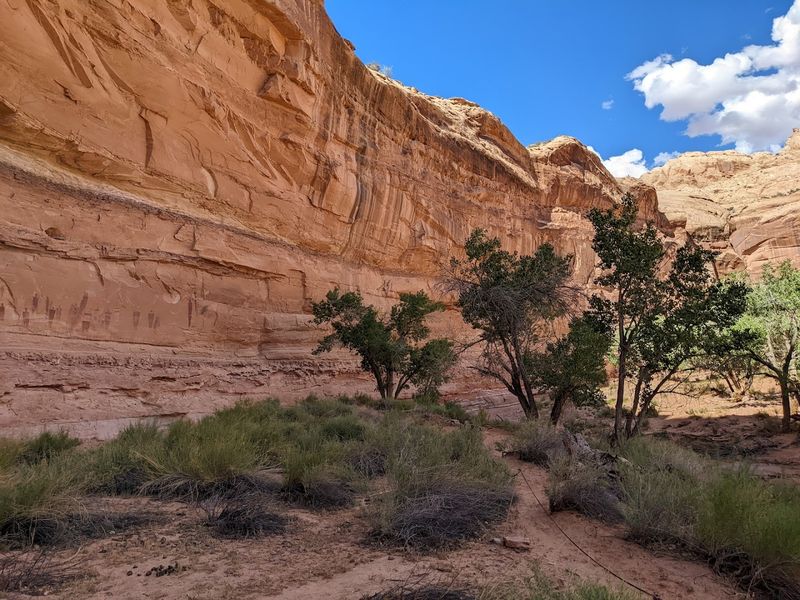
Before you even think about the scenery, know this: Horseshoe Canyon contains some of the most important ancient rock art in North America.
The Great Gallery panel stretches nearly 200 feet long and features life-sized human figures painted thousands of years ago. Standing in front of it feels genuinely humbling in a way that is hard to put into words.
This section of Canyonlands National Park sits apart from the main park units, which means far fewer visitors make the effort to reach it. The drive involves miles of unpaved road, and the trailhead has minimal facilities.
That is precisely why the experience feels so untouched and special.
The round-trip hike to the Great Gallery is about 6.5 miles with a 750-foot elevation change. Most of that elevation happens right at the start as you descend into the canyon.
The return trip back up is the part that earns you a good meal afterward.
The canyon floor is wide and sandy, lined with cottonwood trees that provide rare shade in the desert. Walking along the canyon bottom feels peaceful and almost dreamlike.
The scale of the walls above you is genuinely hard to comprehend until you are standing inside.
Wildlife here includes mule deer, coyotes, and a variety of desert birds. The quieter you move through the canyon, the more you tend to see.
Early morning hikers often have the whole place to themselves.
Photography of the rock art is encouraged, but touching the panels is strictly prohibited. The oils from human hands cause irreversible damage to these ancient works.
Respect the art, and it will still be there for every generation that comes after you.
6. Dark Canyon Wilderness
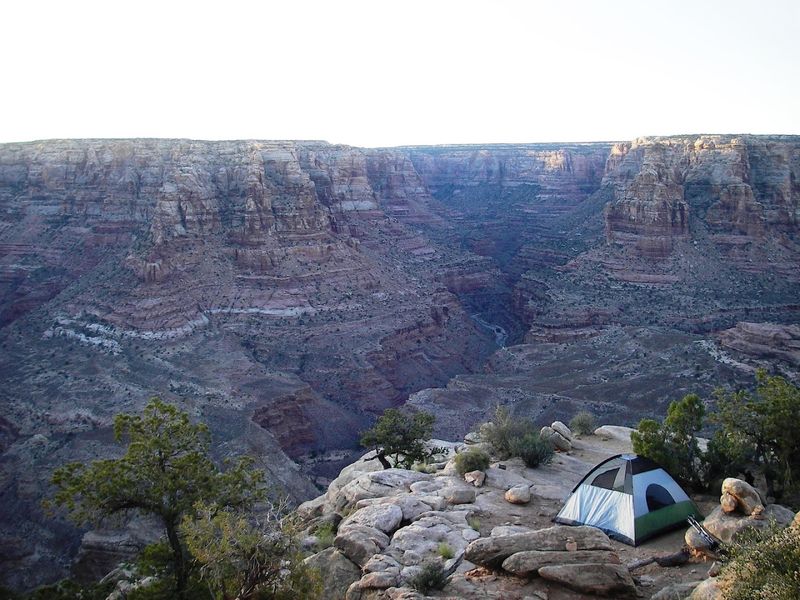
Dark Canyon Wilderness does not mess around with being subtle. This place is deep, remote, and absolutely massive, covering over 45,000 acres of canyon country in southeastern Utah.
The canyon itself drops nearly 2,000 feet from rim to floor in some sections, creating a world that feels completely separate from everything above it.
Access points are spread out and require long drives on rough roads, which is a big reason why visitor numbers stay so low. Most people simply never make the effort.
But if you do, the reward is a level of solitude that is almost impossible to find anywhere near a national park.
The canyon supports a surprising variety of plant life for a desert environment. Ponderosa pines grow along the upper rims, while cottonwoods and willows line the seasonal stream at the bottom.
The contrast between the green vegetation and the red canyon walls is visually striking at every turn.
Backpackers who spend multiple nights here consistently describe it as a transformative experience. The further you go from the trailhead, the wilder and more dramatic the canyon becomes.
Ruins and rock art from ancient Ancestral Puebloan people appear at various points along the route.
Water is available from the canyon stream, but it must be filtered before drinking. Navigation skills are essential since trails are not always clearly marked or maintained.
A topographic map and compass are not optional accessories out here; they are necessities.
The canyon is managed jointly by the Bureau of Land Management and the USDA Forest Service. No permits are required for day use or overnight camping, which keeps things refreshingly straightforward.
Pack out everything you bring in and leave the wilderness exactly as you found it.
7. Parunuweap Canyon
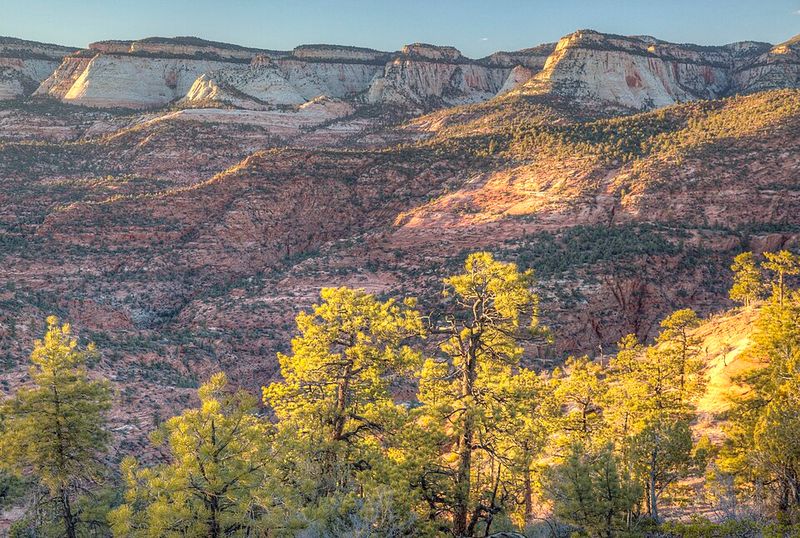
Parunuweap Canyon is the road less traveled version of Zion’s famous Narrows, and honestly, it might be even more dramatic.
The canyon was actually the original section of Zion explored by John Wesley Powell in 1872, which makes every step you take feel loaded with history.
The name itself comes from a Paiute word meaning roaring water canyon.
Getting here requires a permit and a landowner access agreement since the primary entry point crosses private property. That extra step keeps the crowds away more effectively than any fee or lottery system ever could.
Most days you will encounter only a handful of other hikers if any at all.
The hike involves significant wading through the East Fork of the Virgin River, which runs cold even in summer. Water levels vary by season and recent rainfall, so checking conditions before heading out is essential.
Neoprene socks or water shoes will save your feet and your mood.
The canyon walls rise dramatically on both sides, and the light that filters down between them shifts color throughout the day. Late afternoon turns the stone a deep amber that borders on glowing.
Photographers who make the effort here rarely leave disappointed.
Ancestral Puebloan petroglyphs appear on the canyon walls at various points along the route. They are easy to miss if you are moving too fast, so slow down and look carefully at the rock surfaces around you.
These images have survived thousands of years and deserve a moment of genuine attention.
Wildlife activity in the canyon is high because of the reliable water source. Great blue herons, beavers, and canyon wrens are frequent sightings.
The ecosystem here is rich in a way that surprises most visitors expecting pure desert.