
Locals Are Keeping This Beautiful State Park In Tennessee All To Themselves
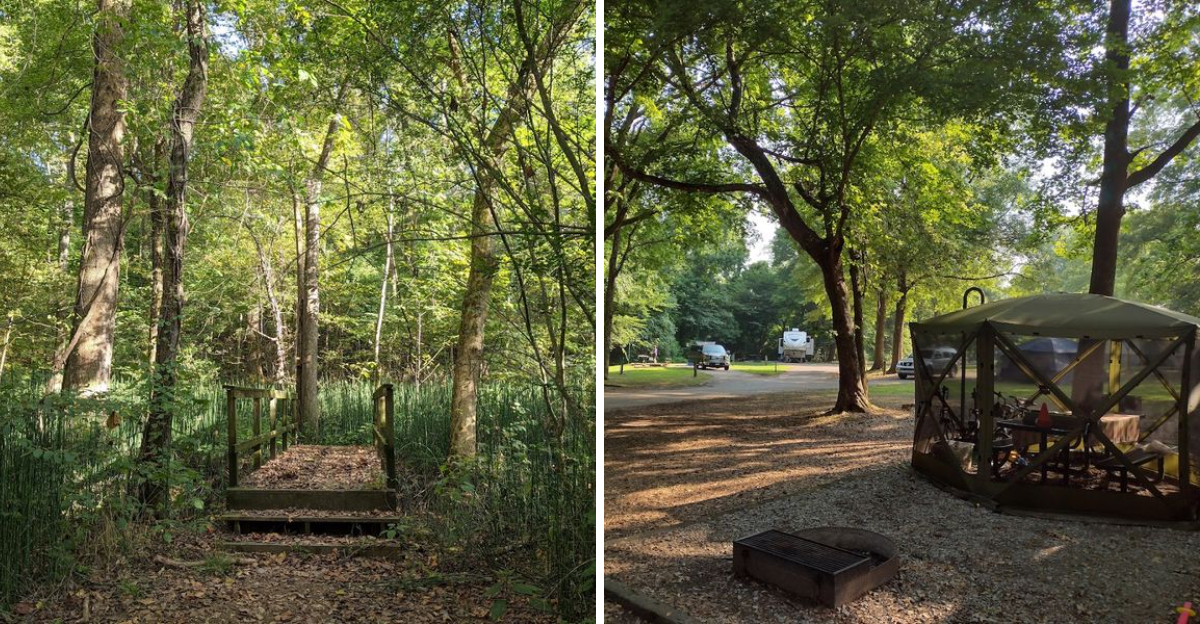
Tennessee has a secret. Not a small one either.
Somewhere on the outskirts of Memphis, there is a state park so beautiful, so peaceful, and so completely under the radar that the people who know about it would honestly prefer to keep it that way. Ancient trees.
Quiet trails. A history so deep and significant it makes every visit feel like more than just a hike.
While the rest of the world crowds into the obvious spots, Tennessee locals have been slipping away to this place for years and telling absolutely nobody.
A Park With A Past That Deserves To Be Known
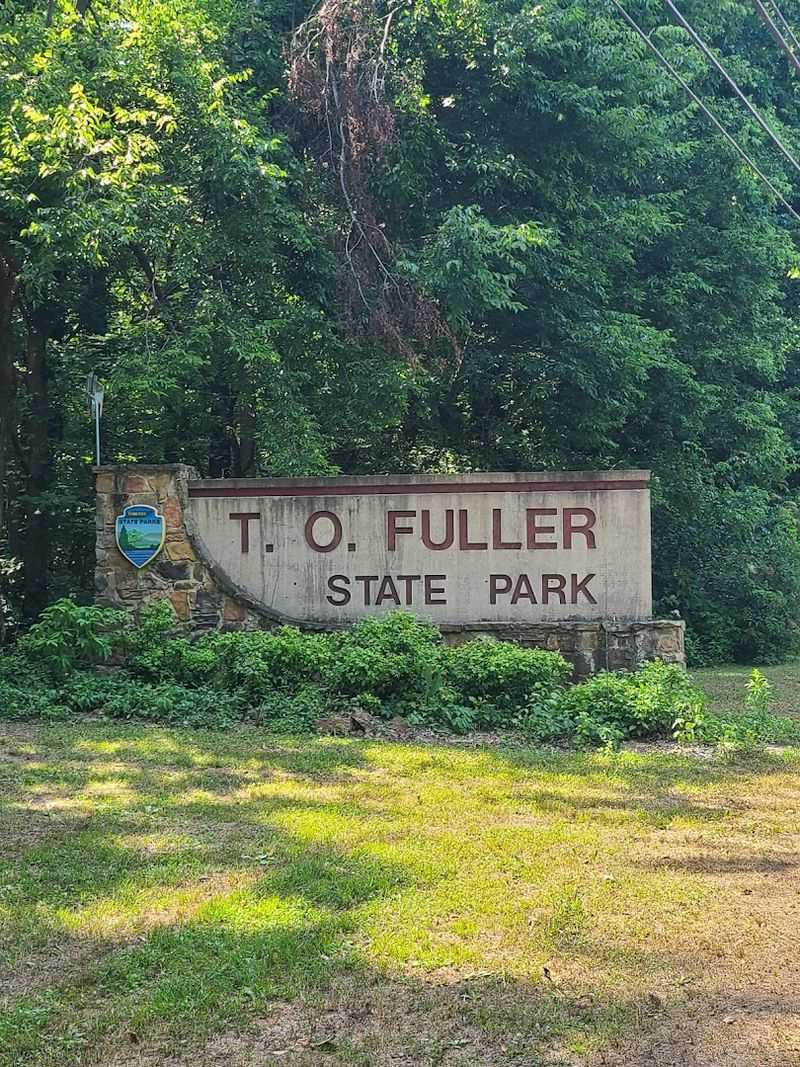
Long before Memphis became synonymous with rock and roll and river views, a group of African American men were carving something remarkable out of the South Memphis forest. In 1938, the Civilian Conservation Corps, composed entirely of Black workers, built the facilities that would become one of the most historically significant state parks in the American South.
The park opened as Shelby County Negro State Park, a name that reflected the painful segregation of its era. It held the distinction of being the first state park east of the Mississippi River that was open to African Americans.
That fact alone makes it a landmark worth understanding.
In 1942, the park was renamed in honor of Dr. Thomas O. Fuller, an African American educator, minister, and civic leader who made a lasting impression on Memphis.
His legacy runs through every trail and picnic shelter at this park. Visiting with that history in mind changes the experience entirely.
The trees feel older, the trails feel more meaningful, and the quiet becomes something closer to reverence for those who built this space against considerable odds.
Free Admission Makes Every Visit Feel Like A Win
There are not many places in a major American city where you can spend an entire day outdoors without spending a single dollar. T.O.
Fuller State Park is one of them. Admission to the park is completely free, which means a spontaneous Saturday morning decision costs nothing but the gas to get there.
That kind of accessibility matters more than people often acknowledge. State parks with entrance fees, however modest, create a small psychological barrier that can discourage casual visits.
When the gate is open and the price is zero, families show up more often, individuals wander in without overthinking it, and the park becomes part of the weekly rhythm of life rather than a special occasion destination.
Locals have clearly figured this out. On a warm weekend morning, you will find Memphis residents jogging the trails, walking dogs, letting kids burn energy at the playground, and claiming shaded picnic tables for afternoon gatherings.
The park has a 4.3-star rating across nearly a thousand reviews, which suggests that free does not mean forgettable. It simply means more people get to experience something genuinely good without worrying about the cost of the experience.
Miles Of Trails That Reward Every Fitness Level
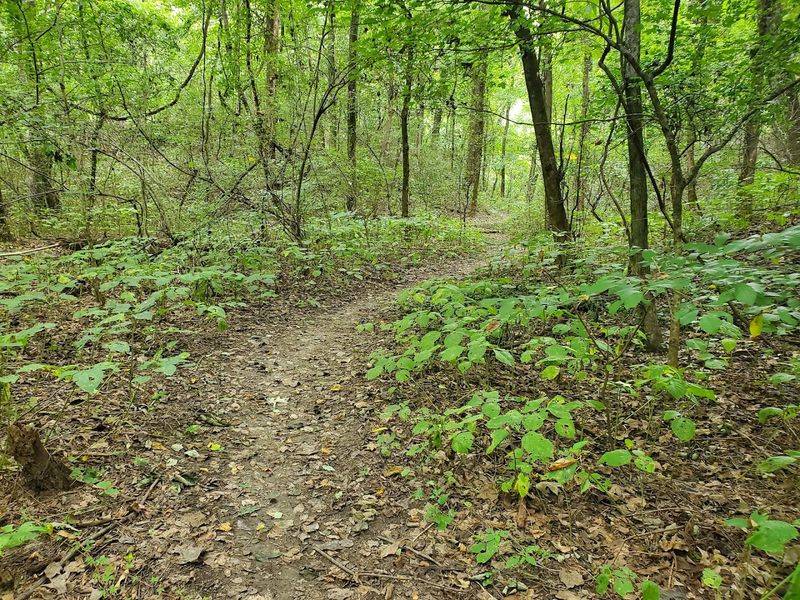
The trail system at T.O. Fuller State Park at 1500 W Mitchell Rd in Memphis covers more than six miles of paths that range from easy, flat walks to moderately challenging routes through forested terrain.
The Discovery Trail is among the most popular, winding through the woods in a way that feels genuinely removed from the surrounding city, even though downtown Memphis is only about fifteen minutes away by car.
A newer addition to the trail network is the 2.9-mile paved Nature Enhancement Area, dedicated in 2022. This accessible path moves through floodplain wetlands, wildflower valleys, native grassy meadows, and upland ponds.
It was designed with broader access in mind, making it a solid choice for visitors with strollers, wheelchairs, or anyone who prefers a stable surface underfoot.
Hikers who have walked the Discovery Trail often mention that it feels slightly overgrown in spots, but that rougher quality adds a sense of genuine wilderness rather than detracting from the experience. The trail connects to the Chucalissa archaeological site, giving walkers a cultural destination to aim for.
Wearing good shoes and bringing water are the only real preparations needed for a morning well spent on these paths.
Birdwatching Here Will Surprise Even Seasoned Observers
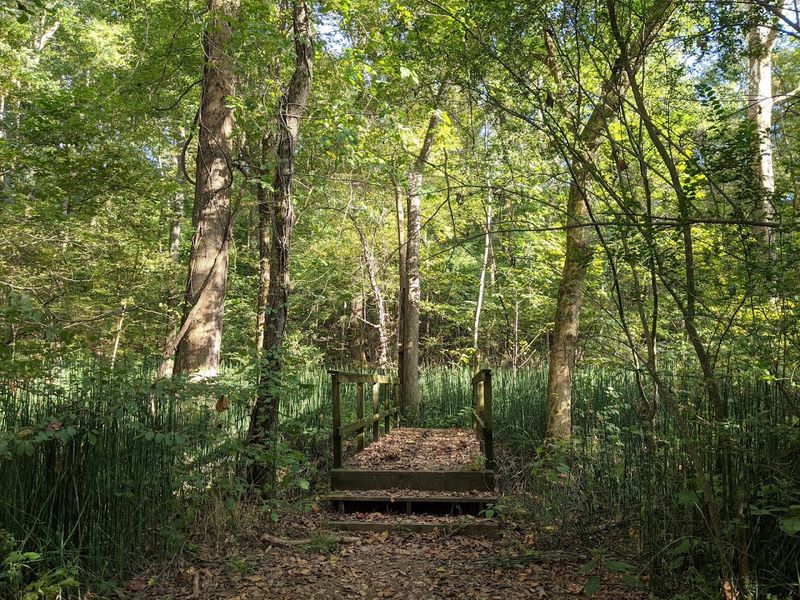
Over 215 species of birds have been recorded at T.O. Fuller State Park, a number that places it among the more impressive birding locations in the entire Memphis region.
The park sits directly within the Mississippi Flyway, one of the major migratory corridors in North America, which means spring and fall bring an influx of species passing through on their seasonal journeys.
The 2022 Nature Enhancement Area was built specifically to support wildlife habitat, and the results are already visible. The floodplain wetlands and native meadows attract waterfowl, songbirds, and raptors that would not typically stop in a purely forested urban park.
Birders with a checklist and a pair of quality binoculars can spend hours in this section alone.
Even casual visitors who show up with no particular birding intention tend to notice the activity. Warblers moving through the canopy in May, great blue herons standing at the edge of still water, and the reliable presence of barred owls make the park feel alive in a way that photographs rarely capture.
The Interpretive Nature and Education Center even houses a resident barred owl that was brought in due to injury, offering a close-up look at a bird most people only hear after dark.
Camping Inside A Major City Is Rarer Than You Think
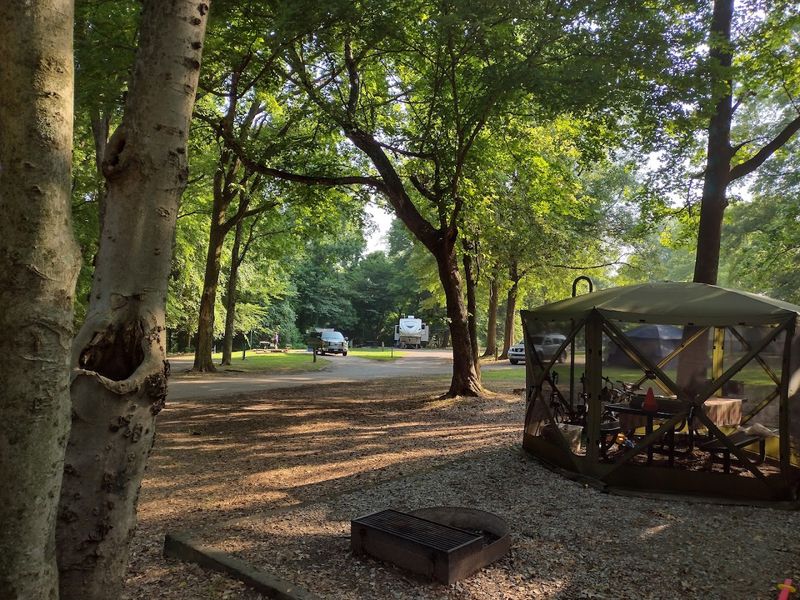
Spending the night inside Memphis city limits while surrounded by trees and birdsong is not something most people would think to search for. T.O.
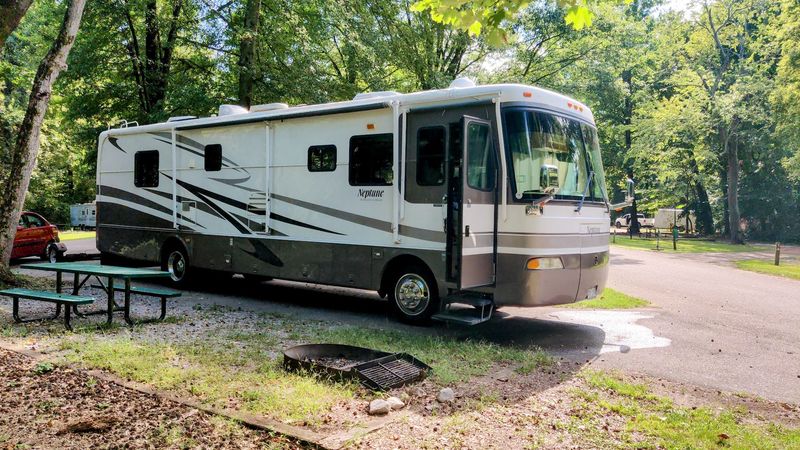
Fuller State Park offers exactly that, with 45 RV-accessible campsites equipped with water and electric hookups, picnic tables, grills, and fire rings. A dump station is also available on site.
The renovated bathhouse has become a recurring highlight in visitor reviews. Multiple campers have described it as among the cleanest and most comfortable they have encountered across their travels, with air conditioning that feels like a genuine luxury during Memphis summers.
Laundry facilities and ice are available on site as well, which makes longer stays considerably more convenient.
Staying at the campground also comes with a practical bonus: campers receive free admission to the Chucalissa archaeological site located within the park, a perk that adds real cultural value to the overnight experience. The park rangers and campground hosts are consistently praised for their friendliness and attentiveness.
One reviewer noted that the host personally warned campers ahead of an incoming storm, making sure everyone had time to secure their gear. That kind of care is not something a hotel concierge typically offers.
The Chucalissa Site Is An Archaeology Lesson You Can Walk Through
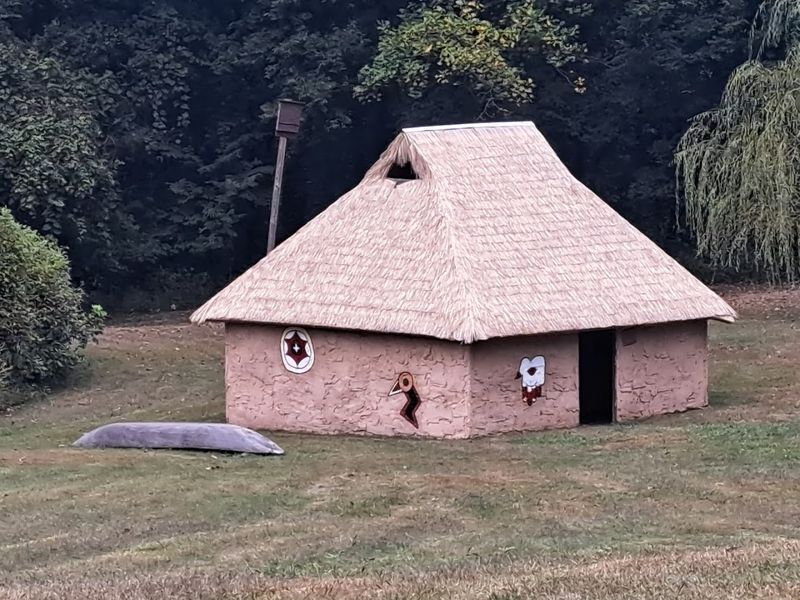
During construction of the original park in the 1930s, workers uncovered something that nobody anticipated: the remains of an ancient Mississippian Native American village. That discovery led to the creation of what is now the C.H.
Nash Museum at Chucalissa, operated by the University of Memphis and located within the park boundaries.
The site includes burial mounds, reconstructed structures representing the traditional architecture of the Mississippian people, and a museum with exhibits that explain the culture, daily life, and history of the communities that lived here long before European contact. The name Chucalissa comes from the Choctaw language and roughly translates to abandoned houses, a name that carries its own quiet story.
Visitors who make the walk from the campground to the museum along the Discovery Trail arrive with a different appreciation for the land they have just walked through. The combination of physical movement and historical discovery gives the experience a texture that purely indoor museums cannot replicate.
Campers staying overnight get in free, and all other visitors pay a modest fee to the University of Memphis. For anyone with even a passing interest in American prehistory, this site justifies the trip to South Memphis on its own.
The Swimming Pool Turns Summer Days Into Something Special
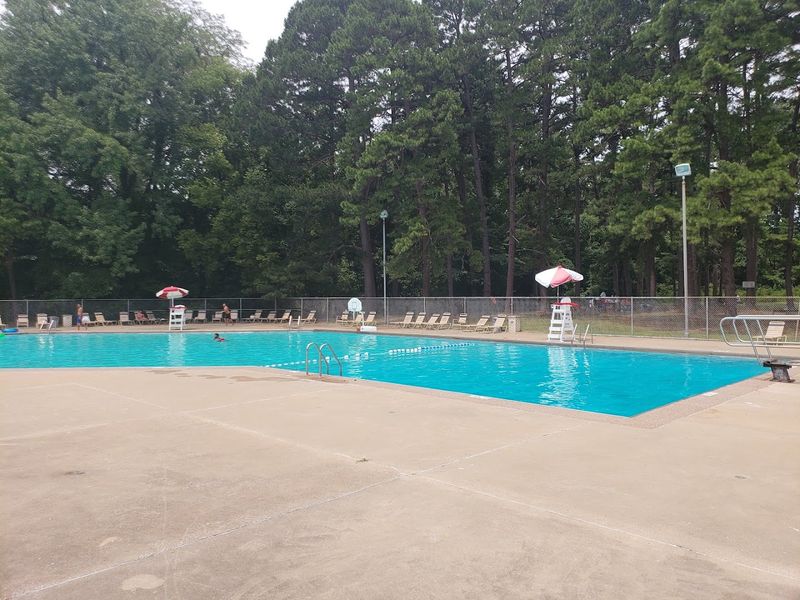
An Olympic-sized swimming pool inside a forested state park is not a combination most people picture when they think about Memphis summer activities. T.O.
Fuller State Park has maintained one for years, offering a seasonally open pool that serves as a genuine community gathering point for South Memphis residents during the warmer months.
The pool operates with a fee during its open season, which keeps it distinct from the free general park admission. That modest charge helps support upkeep and staffing.
Visitors who have used the pool describe it as a refreshing option that feels far removed from the crowded commercial water parks that tend to dominate summer recreation marketing.
The surrounding park environment adds to the appeal. After a swim, families can move to the shaded picnic shelters, fire up the grills, and extend the afternoon into an easy, unhurried outdoor gathering.
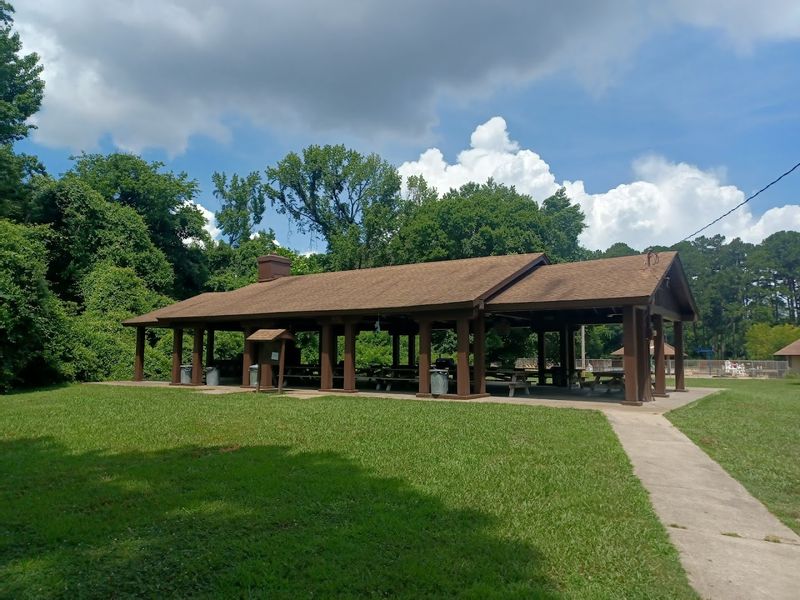
The pavilion facilities include covered shelters large enough for reunions and group events, with one reviewer describing a 30th class reunion held at Pavilion 4 as a smooth, well-organized experience. A kitchen area, play space, and basketball court rounded out that gathering, suggesting the park functions as a full-service outdoor venue rather than simply a swimming destination.
Sports Courts And Open Spaces Keep Active Visitors Coming Back

Not every visitor to T.O. Fuller State Park arrives with a hiking agenda.
Some come specifically for the basketball courts, tennis courts, softball field, and open recreational spaces that make the park function more like a neighborhood athletic facility than a traditional wilderness retreat. That flexibility is part of what makes it so consistently used by locals.
The basketball courts draw regular players on weekends, and the tennis courts offer a quieter option for those who prefer a less competitive afternoon. The softball field has hosted organized events and casual pickup games alike.
A playground keeps younger children occupied while older family members use the sports facilities nearby, which means a single visit can satisfy a group with very different ideas about what outdoor recreation should look like.
One visitor review mentioned watching a daughter and her friends practice softball at the park, describing the environment as clean and family-oriented. That kind of low-key, practical use is exactly what a well-functioning urban park is supposed to support.
T.O. Fuller does not try to be a destination resort.
It serves the people who live nearby, offers space for movement and play, and does so without charging admission. That straightforward value is something the locals have quietly appreciated for decades.
Wildlife Encounters Are Part Of The Everyday Experience Here
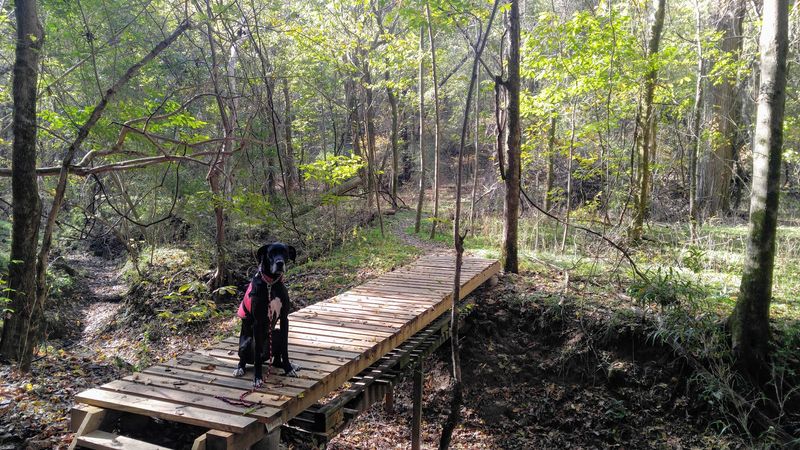
The Interpretive Nature and Education Center at T.O. Fuller State Park houses animals that have been injured and can no longer survive in the wild.
The resident barred owl is perhaps the most memorable of these, offering visitors a close and unhurried look at a bird that typically operates in the darkness well beyond human observation.
Beyond the education center, the park itself functions as an active wildlife habitat. The 2022 enhancement area introduced native plantings and restored wetland conditions that support a much broader range of species than the forested sections alone could sustain.
Deer, turtles, and various reptiles share the space with the extensive bird population, making casual wildlife sightings a regular feature of any visit.
The park sits atop the Chickasaw Bluff and borders several bodies of water including McKellar Lake, Cypress Creek, and Horn Lake Cutoff. Those water features draw species that would not otherwise be found in a purely upland forest environment.
For anyone who grew up watching nature documentaries and wishing they lived somewhere with more accessible wildlife, this park offers a practical answer that requires nothing more than a short drive and a willingness to slow down and look carefully at what is moving through the trees.
Getting There From Downtown Memphis Takes Less Time Than Expected
T.O. Fuller State Park sits approximately nine to fifteen miles from downtown Memphis, depending on the route taken.
For a city park, that distance translates to a surprisingly short drive, often around fifteen to twenty minutes in moderate traffic. Visitors staying near Graceland will find the park even closer, at roughly seven miles away, making it an easy addition to any Memphis itinerary.
The park is located in the South Memphis area. Some visitors have noted that the surrounding neighborhood requires attentiveness while driving, and a few reviews suggest sticking to main roads rather than exploring side streets.
The park entrance itself is clearly marked, and rangers patrol both the campground and the broader park area regularly, contributing to a sense of security once inside.
Operating hours run from 8 AM to 4 PM daily, which makes morning arrivals the most practical choice for visitors hoping to cover the trails, visit Chucalissa, and still have time for a picnic before the park closes. Calling ahead at the park phone number or checking the Tennessee State Parks website before arrival is a smart habit, particularly for anyone planning to use the pool or reserve a picnic shelter for a group event.