
Locals Claim That Popularity Has Ruined This Once Charming Delaware Beach Town
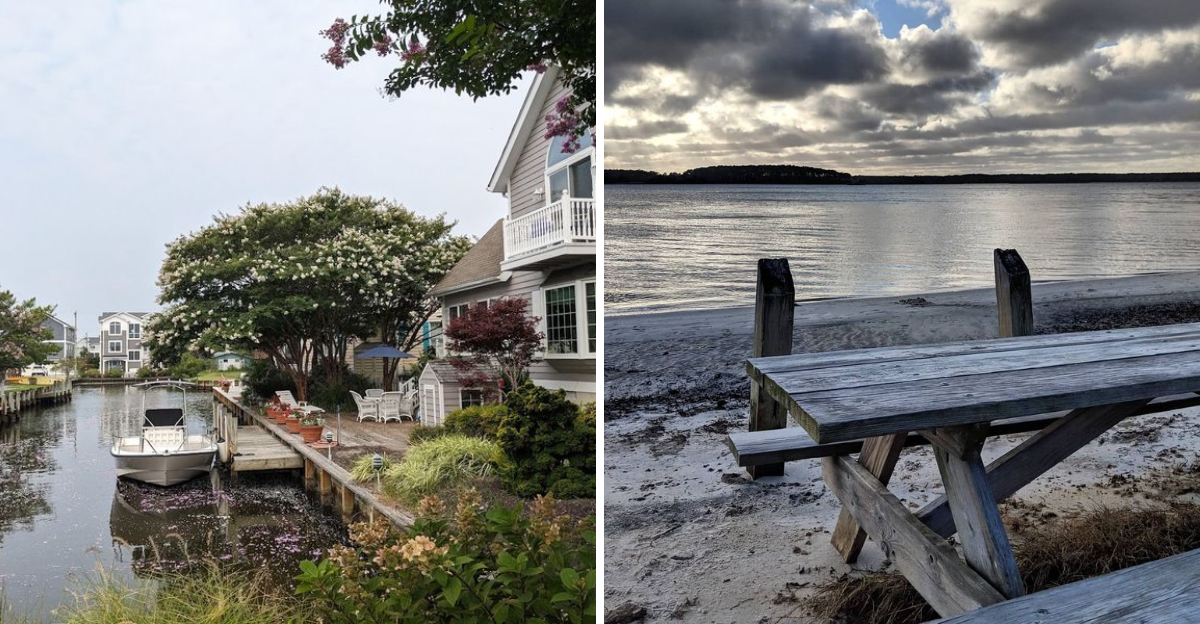
Charm has a price, and this Delaware beach town is paying it in traffic and crowds. Once a quiet stretch of sand, it stayed a secret that locals barely spoke about out loud.
Word got out anyway. Parking got tighter, evenings got louder, and everybody wanted a piece of that laid-back magic.
Here is the twist. The charm never fully disappeared; it just got harder to catch.
Canals still wind past sleepy docks. Dunes still hold their ground against the tide.
Delaware’s coastline carries a quiet story of loss wrapped in salt air and sunshine.
What pushed a beloved little escape toward becoming the next big thing? Stick around, because the real tension here runs deeper than crowded beaches could show.
How South Bethany Got Its Start
Back in 1952, a bridge changed everything. The opening of the Chesapeake Bay Bridge made Delaware’s coastline suddenly reachable for thousands of people who had never considered it before.
Shortly after, a couple named Richard and Elizabeth Hall purchased roughly 130 acres of marsh and farmland along the southern Delaware coast. Their vision was specific and deliberate.
They did not want a resort town packed with commercial strips and loud entertainment. They wanted a quiet, residential community where people could actually breathe.
That founding philosophy shaped South Bethany, Delaware from the very beginning. Streets were planned with homes in mind, not hotels.
The layout kept things small and intentional.
For decades, that vision held firm. The town stayed under the radar, attracting families who valued peace over party atmospheres.
It earned its nickname, “The Best Little Beach in Delaware,” not through marketing campaigns, but through genuine word of mouth passed quietly between people who had found something rare.
The “Quiet Resorts” Label That Defined a Region
Not every beach town earns a title worth keeping. South Bethany proudly carries the designation of one of Delaware’s “Quiet Resorts,” a label shared with neighboring Bethany Beach to the north and Fenwick Island to the south.
That phrase, “Quiet Resorts,” is not just clever branding. It represents a genuine commitment to keeping things calm, residential, and low-key.
No towering hotel strips. No carnival rides rattling through the night.
No amplified music spilling onto the sand until midnight.
For families who had grown exhausted by louder beach destinations, this corner of Delaware was a revelation. The contrast with places like Ocean City, Maryland, just a short drive away, could not be more stark.
The designation still exists today, but locals will tell you the “quiet” part is being tested. More visitors mean more noise, more traffic, and more pressure on a community that was specifically designed to resist exactly that kind of growth.
The label now feels more like a goal than a guarantee.
One Mile of Sand That Punches Above Its Weight
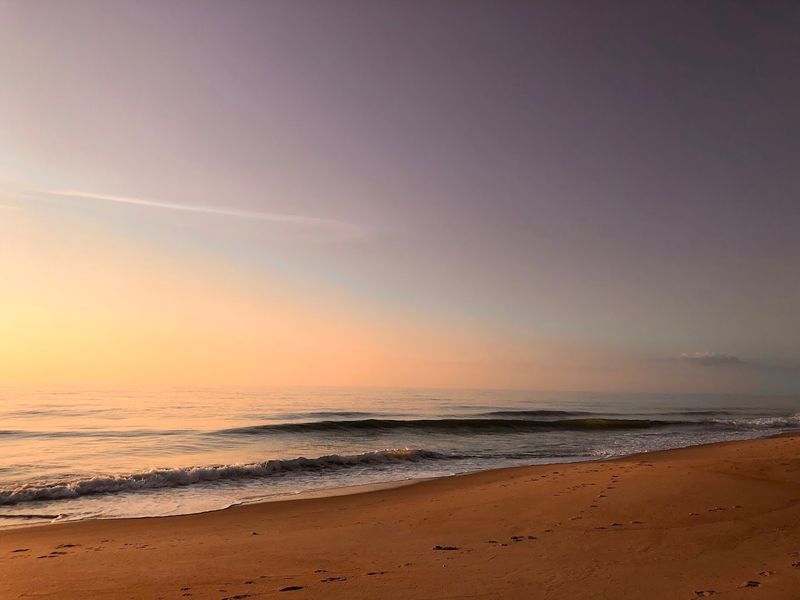
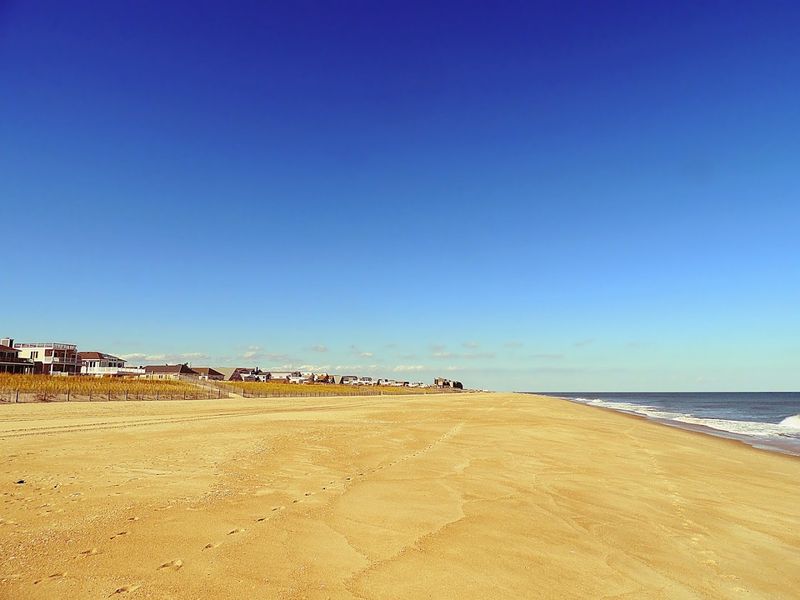
Size is not everything. South Bethany’s beach stretches just one mile, but that single mile has consistently ranked among the cleanest shorelines in the entire country.
Tall sand dunes line the back of the beach, acting as natural shields against coastal storms. They are not just pretty.
They protect the town’s infrastructure and help preserve the shoreline year after year. Fifteen public access walkways cut through those dunes, making the beach reachable for everyone without requiring a private property key or a local connection.
The water stays guarded during peak season, which matters for families with young children. The sand tends to be wide and well-maintained, giving visitors plenty of room to spread out even on busy days.
But “busy” is a relative term that has been shifting. Longtime visitors remember mornings when you could count the beachgoers on two hands.
Those mornings are harder to find now. The beach is still beautiful, still clean, and still worth the trip.
It is just no longer a secret.
Five Miles of Canals That Change the Whole Vibe
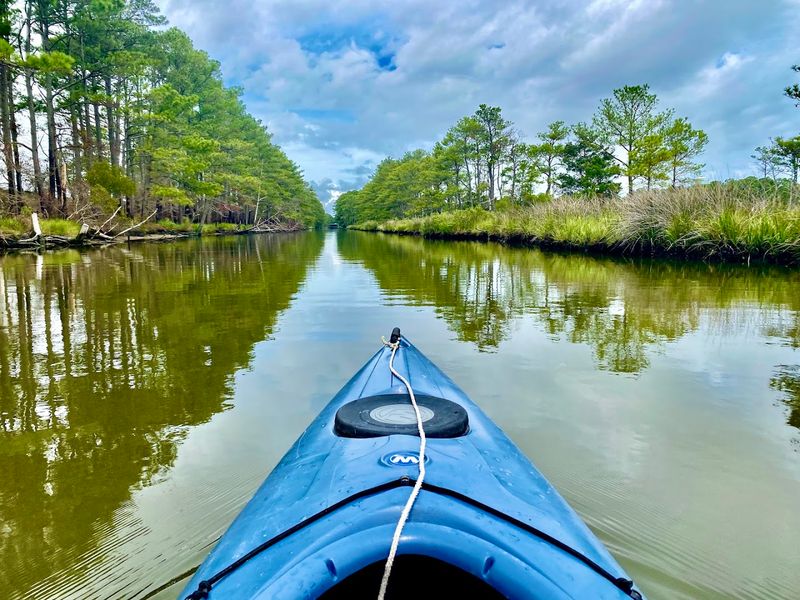
Most beach towns are defined by what faces the ocean. South Bethany is also shaped by what sits behind it.
A five-mile network of bayside canals winds through the town, offering a completely different kind of water experience.
These canals connect directly to Little Assawoman Bay and the Assawoman Wildlife Area, opening up a world of activity for those willing to look beyond the surf. Kayaking, crabbing, fishing, and boating are all fair game.
Families drop crab traps off small docks and spend entire afternoons waiting, watching, and snacking. It is the kind of slow, satisfying activity that fits perfectly with the town’s original character.
The canals also give South Bethany a layout that feels different from a standard grid beach town. Properties along the water have a bayside charm that rivals oceanfront views in their own quiet way.
For visitors who want to skip the crowded beach entirely, the canal network offers a peaceful alternative. Paddle out early in the morning and the whole area feels like it belongs only to you.
When Vacation Rentals Took Over the Neighborhood
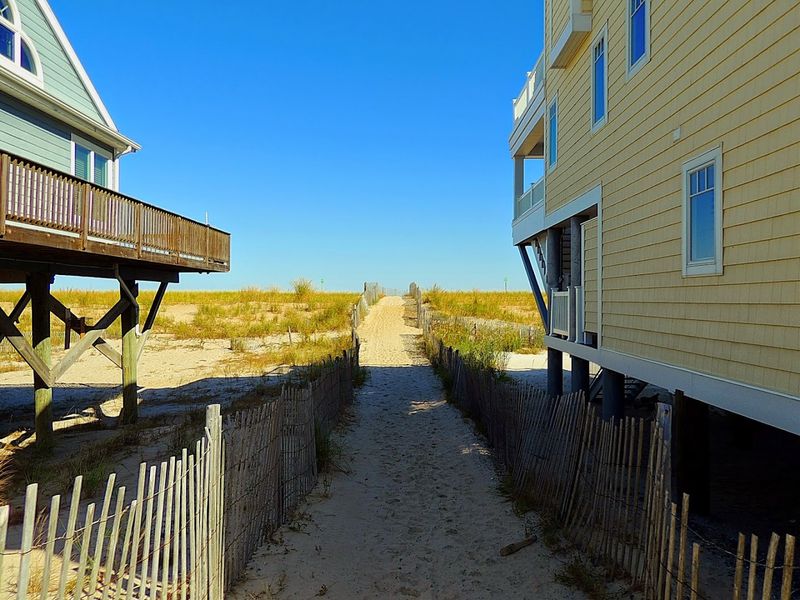
Something shifted when the vacation rental platforms arrived. Houses that once belonged to the same families for decades suddenly became rotating short-term accommodations.
A new group of strangers moved in every week, and the sense of knowing your neighbors quietly evaporated.
South Bethany has seen a significant rise in vacation rental properties over the past several years. For property owners, the financial math makes obvious sense.
A well-located beach house can generate serious income during peak summer weeks. But for full-time and long-time seasonal residents, the impact feels personal.
Community bonds take time to build. They require repeated interactions, shared routines, and familiar faces.
When a house turns over every seven days, none of that can develop. The close-knit atmosphere that once defined the town becomes harder to maintain with every new listing that appears online.
Property values have also climbed steeply, pricing out the kind of middle-income families who built the community’s character in the first place. The economic reality is complicated, and locals feel the tension every single summer.
Traffic, Noise, and the Slow Erosion of Calm
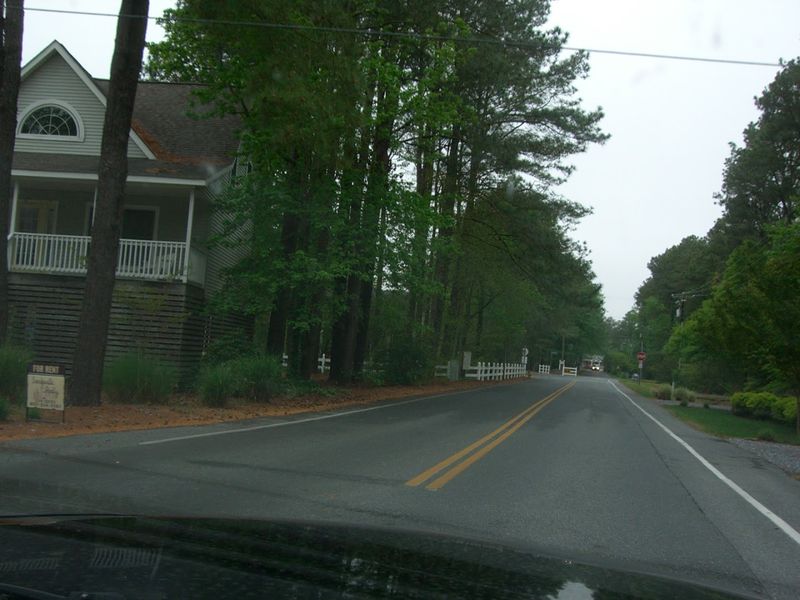
Peak summer weekends in South Bethany now look noticeably different from what long-term visitors remember. Cars circle looking for parking.
Noise levels rise past what the town’s residential design was ever meant to handle.
The roads were not built for heavy tourist traffic. They are narrow, residential, and designed for the kind of slow-moving pace that matches a community of just a few hundred permanent residents.
When summer swells that population dramatically, the infrastructure shows its limits fast.
Locals talk about this openly. Online community forums and neighborhood discussions frequently return to the same frustration: the town feels less like a retreat and more like a destination.
That distinction matters more than it might sound.
A retreat is a place you return to for restoration. A destination is a place you visit for stimulation.
South Bethany was built as the former, but growing popularity is steadily pushing it toward the latter. The physical beauty remains.
The sense of escape, for those who knew it before, feels a little harder to hold onto each passing season.
Sussex County Growth and What It Means for a Small Town
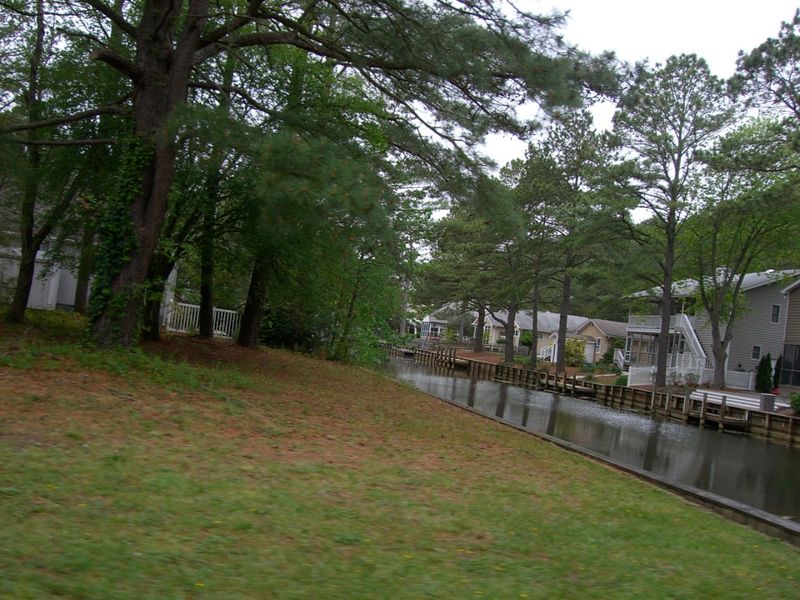
South Bethany does not exist in isolation. The town sits within Sussex County, Delaware, a region that has been grappling with what officials themselves have described as unsustainable population growth.
Large-scale housing developments have been spreading across Sussex County for years, drawing retirees, remote workers, and seasonal buyers from across the Mid-Atlantic region. Each new community adds pressure to roads, schools, utilities, and emergency services that were not designed for rapid expansion.
For a small incorporated town like South Bethany, with a permanent population of only around 451 people as of the 2020 census, the surrounding growth feels enormous by comparison. The town has little control over what gets built just outside its borders.
What happens in Sussex County does not stay in Sussex County.
Increased regional development means more visitors passing through, more cars on connecting roads, and more demand for services that the surrounding area is still scrambling to provide. The ripple effects land squarely on small communities that were never designed to absorb them.
Flooding Threats That Are Getting Harder to Ignore
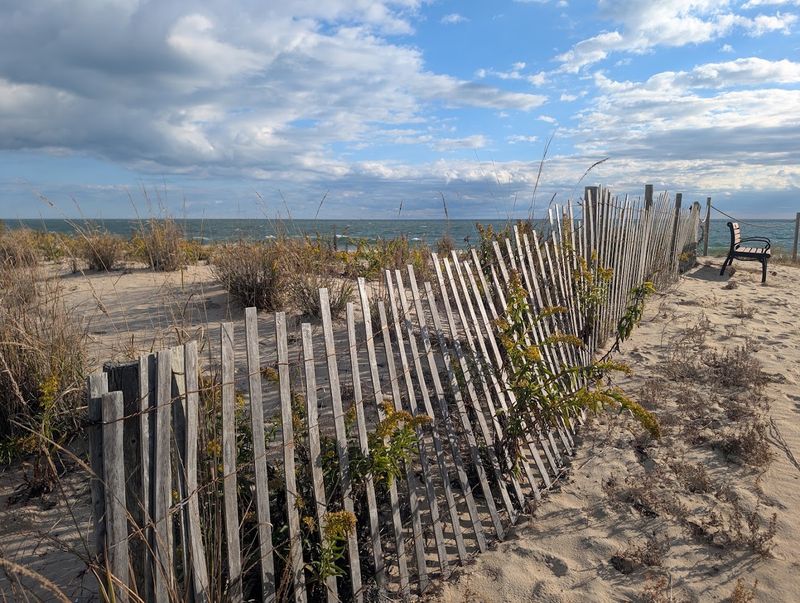
York Road floods. It has always flooded to some degree, but the frequency and severity of those flooding events have been increasing.
For a town where this road serves as a key entry and exit point, that is not a minor inconvenience.
Coastal storms, high tides, and even sunny-day flooding events now regularly submerge stretches of York Road, cutting off access and creating headaches for residents and emergency responders alike. The term “sunny-day flooding” refers to flooding that happens without any storm at all, driven purely by tidal patterns and rising sea levels.
South Bethany has been actively exploring solutions. Raising road elevations and constructing seawalls are among the options under consideration.
None of these fixes are simple, fast, or inexpensive. Each approach comes with its own set of tradeoffs for the community and the surrounding environment.
For a town already managing the pressures of popularity and growth, the flooding challenge adds another layer of complexity. Protecting the infrastructure that makes the town functional is now as urgent as protecting its character and appeal.
What the Town Actually Looks Like Up Close
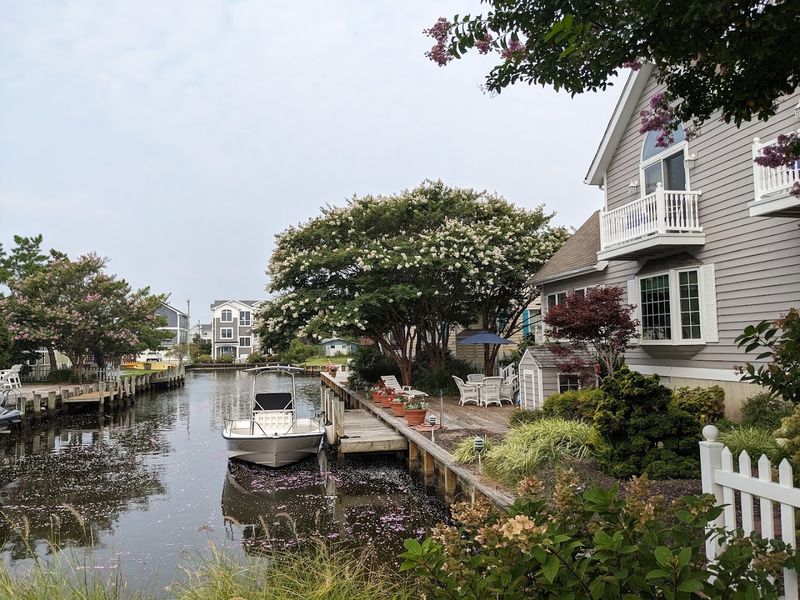
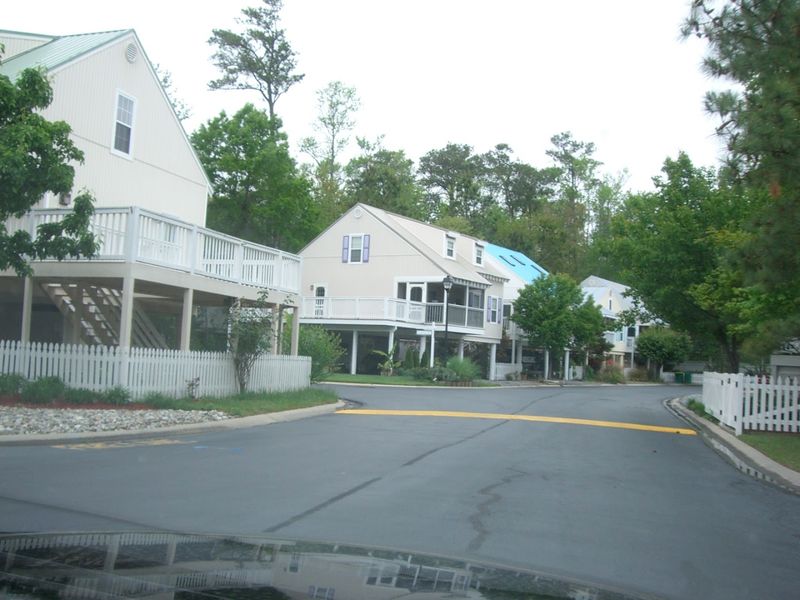
Pull off the main road and the scale of South Bethany becomes immediately clear. This is a small place.
The streets are short, the lots are modest, and the homes range from classic beach cottages to newer, larger constructions that have replaced some of the originals over the years.
The town’s only commercial area came through the annexation of York Beach in 1972. Before that, South Bethany had no commercial hub at all, which says a great deal about what its founders intended.
Even now, the commercial footprint remains limited. For restaurants, boutique shopping, and art galleries, most visitors head a short distance north to Bethany Beach.
That proximity to Bethany Beach is both an asset and a complication. It means South Bethany residents and visitors have easy access to more amenities without those amenities crowding the town itself.
But it also means the foot traffic from Bethany Beach spills over, particularly during peak summer weeks when every nearby road gets busier.
The physical layout of South Bethany still reflects its original vision, even if everything around it has changed considerably.
Nearby State Parks That Offer a Genuine Escape
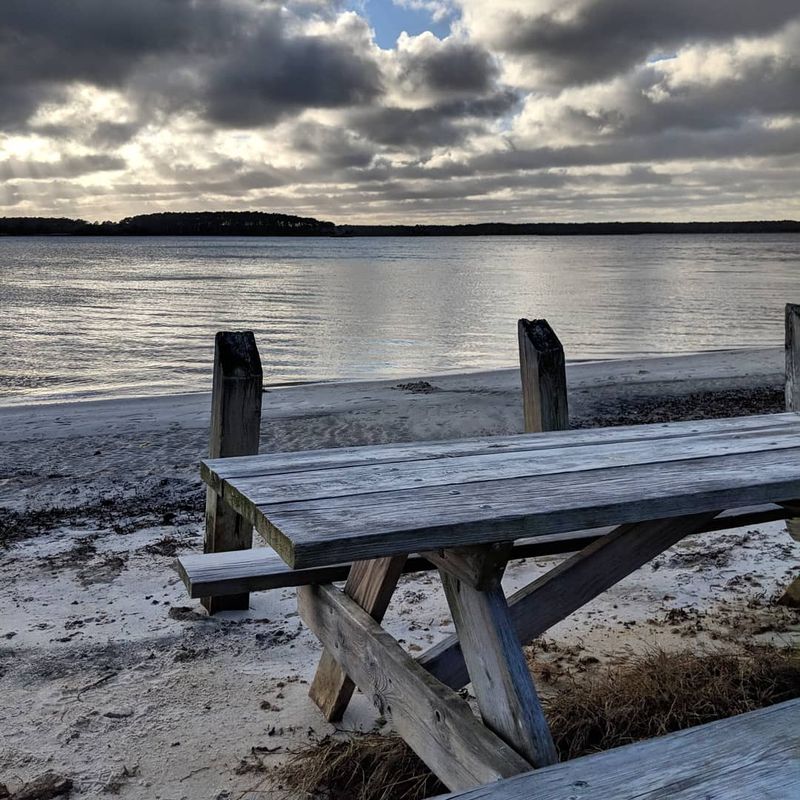
When the beach in town feels too crowded, the surrounding area offers real alternatives. Delaware Seashore State Park and Fenwick Island State Park are both within easy reach of South Bethany, and both deliver the kind of open, uncrowded natural experience that the town itself once provided more reliably.
Delaware Seashore State Park stretches between the Atlantic Ocean and Rehoboth Bay, offering miles of undeveloped shoreline, fishing access, and boat launch facilities. The park draws its own visitors, but its sheer size absorbs crowds in a way that a small residential town simply cannot.
Fenwick Island State Park, sitting just south of South Bethany near the Maryland border, offers a similarly natural setting with quieter beaches and excellent opportunities for wildlife observation. Both parks protect significant stretches of Delaware coastline from development, which benefits the entire region.
For visitors who come to South Bethany and find it busier than expected, these parks serve as a reminder that genuinely quiet coastal experiences are still available nearby, just a short drive in either direction.
Community Efforts to Hold the Line on Character

Change does not go unchallenged in South Bethany. The South Bethany Property Owners Association and the South Bethany Historical Society both work actively to preserve what makes the town worth caring about.
Community events still bring residents together in ways that feel distinctly local. Safe Boating classes, town birthday celebrations, and neighborhood initiatives create touchpoints that remind people why they chose this place over louder, flashier alternatives.
These are not tourist events. They are community rituals that belong to the people who live here.
One particularly charming initiative involves the Art Board program, which places coastal-themed artwork on outdoor trash receptacles throughout the town. It is a small detail, but small details are exactly what define a place like South Bethany.
The care put into something as ordinary as a trash can says something meaningful about collective pride.
These efforts will not reverse the broader trends reshaping the town. But they create anchors.
They remind both residents and visitors that South Bethany still has a community identity worth protecting, even as the pressure to become just another beach destination keeps building.
Is South Bethany Still Worth Visiting
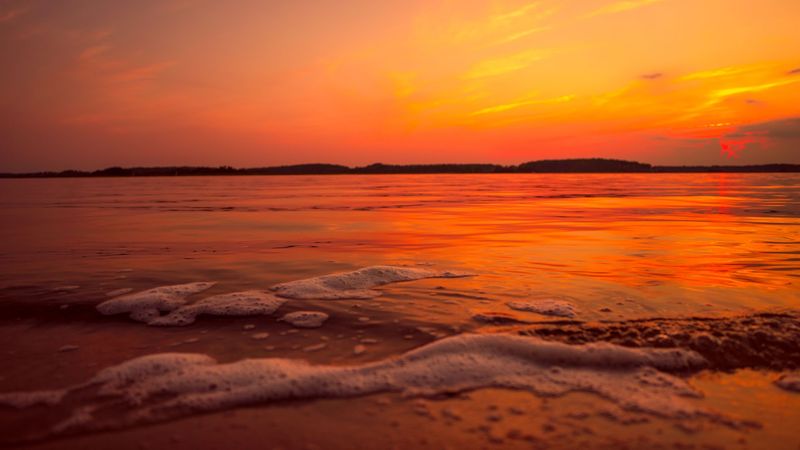
Fair question. The complaints from locals are real and grounded in genuine loss.
But the beauty that attracted all those visitors in the first place has not disappeared. The beach is still clean, the canals are still paddleable, and the dunes still stand between the town and the Atlantic.
What has changed is the experience of visiting. Expecting a hidden, unhurried retreat in peak July is setting yourself up for disappointment.
Arriving in the shoulder season, late spring or early fall, tells a completely different story. The crowds thin, the pace slows, and something closer to the original South Bethany comes back into focus.
Delaware’s southern coastline still offers one of the more accessible and genuinely scenic stretches of the Mid-Atlantic shore. South Bethany sits right at the center of that stretch, small and specific in a way that larger resort towns can never replicate.
The tension between what it was and what it is becoming makes South Bethany one of the more honest stories in American beach tourism right now. Worth visiting, worth understanding, and worth watching closely.