
Locals Claim Tourism Has Changed This Popular Utah Town Beyond Recognition
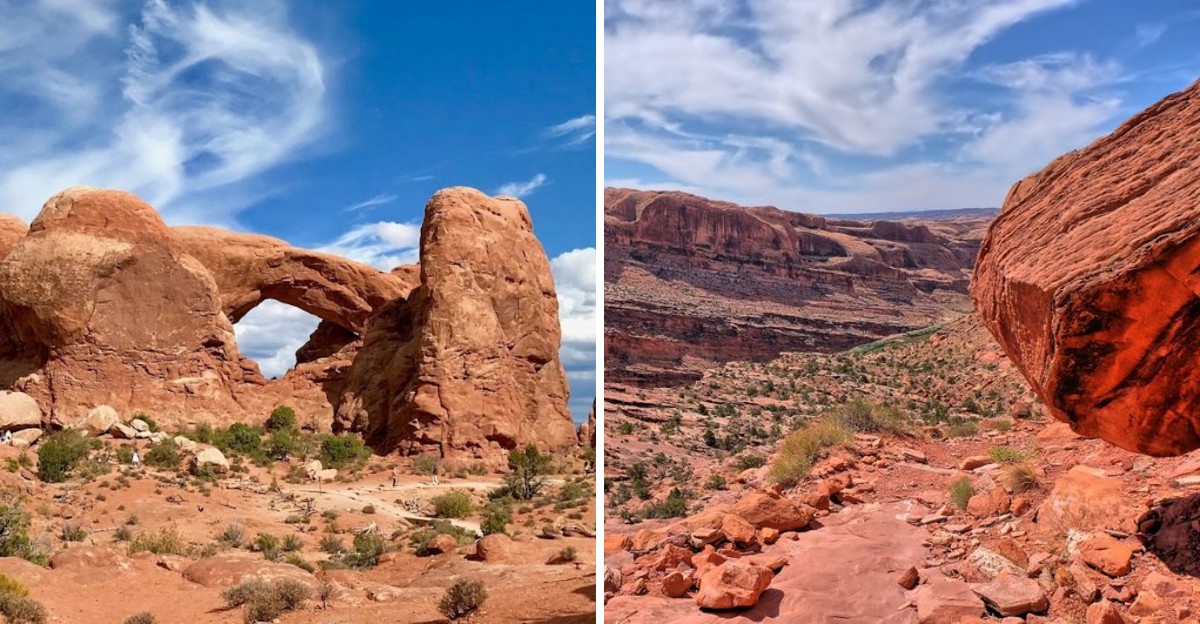
Red cliffs once guarded a secret nobody outside Utah knew. Now everyone wants a piece of it, and the shift shows on every street corner.
Bikers, jeeps, and sunburned hikers crowd sidewalks built for quiet ranch errands generations ago. Trailhead parking fills before most people finish breakfast.
Longtime residents watch grocery runs stretch longer every single season. Housing prices climb fast, yet local paychecks barely keep pace with any of it.
Ancient footprints still mark canyon walls just past the next bend, carrying stories most visitors never notice. Locals protect that history fiercely, even while millions keep arriving each year chasing the same red-rock magic.
Utah rewards travelers willing to slow down and actually look. Your next trip could be the one that finally gets it right.
Ancient Footprints Beneath The Red Rock
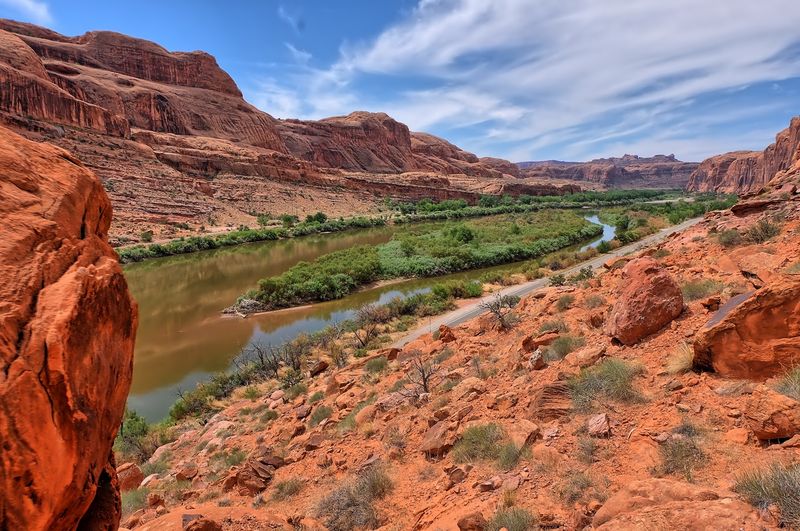
Long before bike racks and jeep tours, people carved their stories into these cliffs. Ute and Ancestral Puebloan communities lived across this valley for thousands of years.
Their petroglyphs and pictographs still mark sandstone walls around Moab. Some panels sit close to modern roads, which surprises first-time visitors.
Mormon pioneers arrived later, setting up the short-lived Elk Mountain Mission in 1855. The settlement struggled, then faded.
The name Moab stuck in 1880, when farming and ranching shaped daily life. Nobody then imagined millions of annual visitors.
For context, the Moab Museum at 118 East Center Street, Moab, Utah 84532, United States, gathers this layered history under one roof. Displays cover dinosaur-era fossils, prehistoric cultures, and pioneer families.
Spending an hour there changes how the landscape reads outside. Cliffs stop being scenery and start being record books.
Rock art sites also need care, since oils from hands can damage the surfaces. Look closely, but keep fingers off the stone.
Understanding this deep past helps explain the town’s practical, adaptable character. Moab has reinvented itself more than once, and residents remember every version.
How Mining Boots Gave Way To Bike Cleats
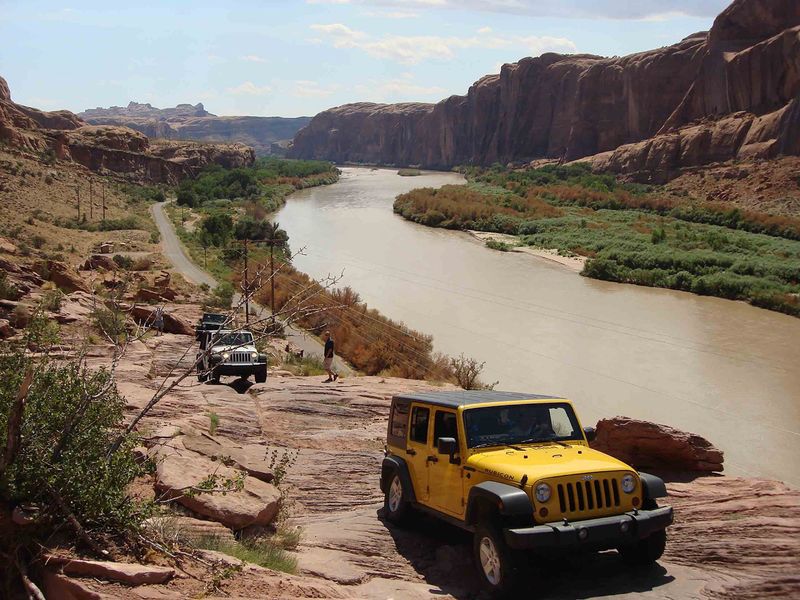
Uranium built the modern town. During the 1950s Cold War rush, prospectors poured into Moab and the population swelled fast.
New streets, schools, and homes appeared almost overnight. Then the market collapsed, and paychecks disappeared with it.
Residents needed another plan. Tourism, oddly enough, had been quietly growing in the background for decades.
Arches became a national monument back in 1929, drawing a modest trickle of curious travelers. River running caught on through the 1950s and 60s.
Canyonlands National Park followed in 1964, and suddenly Moab sat between two headline attractions. Still, the real surge waited until the late 1980s.
Mountain biking changed everything. Rim Cyclery, the town’s first bike shop, opened in 1983, and the Slickrock Trail turned into a global name among riders.
Old mining roads found second lives as trails and four-wheel-drive routes. Jeeps replaced ore trucks.
That pivot rescued the local economy, though it also locked the town into depending on visitors. Boom and bust simply changed costumes, and residents noticed the pattern repeating.
When Millions Arrive In A Town This Small
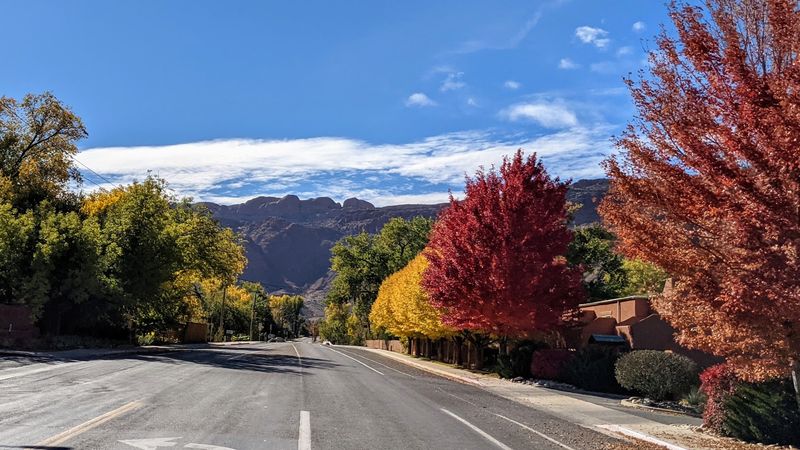
Do the math and the pressure becomes obvious. A small desert town now welcomes millions of visitors each year.
Water systems, roads, parking, and emergency services all feel that weight. So do the people who use them daily.
A recent survey of Moab residents found widespread frustration with tourism’s effects. Over half reported that their quality of life had slipped.
Many also said certain places in town operate well past comfortable capacity. Grocery runs take longer, and trailhead parking fills before breakfast.
None of this means visitors are unwelcome. Tourism funds jobs, restaurants, guiding companies, and shops throughout Grand County.
The tension sits in the balance. Economic gain arrives alongside crowding, noise, and constant adjustment.
Travelers can ease the squeeze with simple choices. Visit during shoulder seasons, book park entry ahead when required, and explore lesser-known trails instead of only the famous ones.
Slower mornings and midweek trips make a real difference. Moab rewards flexible planners, and the town breathes a little easier when crowds spread out across the calendar.
Half A Million Dollars For A Desert Address
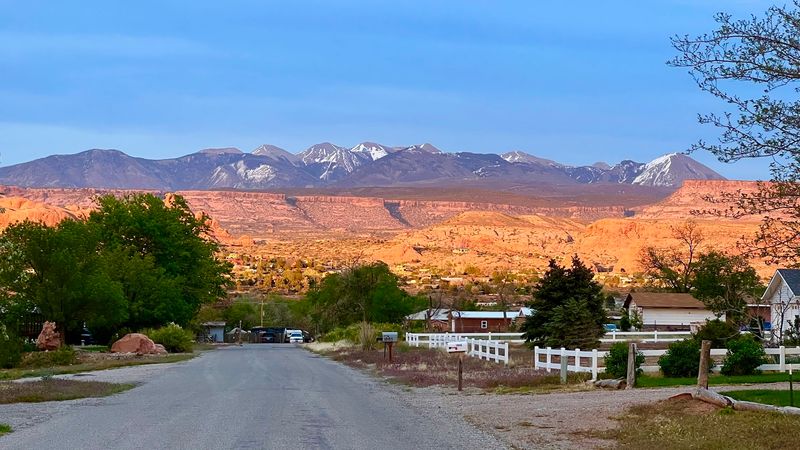
Housing might be the sharpest pain point of all. Home prices in Moab average around half a million dollars, and plenty of properties climb past a million.
For a town built on service work, those numbers do not add up. Wages simply cannot stretch that far.
Restaurant staff, shop clerks, and guides sometimes live in vehicles or campsites because rentals are scarce or priced out of reach. Seasonal demand makes the search harder.
Short-term rentals and hospitality development helped push values upward. Investors bought in, and long-time residents gradually moved away.
Businesses feel it too. Open positions sit unfilled, which shortens hours and slows service across Utah’s busiest adventure hub.
Visitors can notice this reality with a bit of attention. Patience with a thin staff goes a long way during peak weekends.
Tipping well, shopping at locally owned stores, and choosing licensed lodging all send money into the community rather than out of it.
Small gestures will not solve a housing crisis. Still, they acknowledge the people keeping Moab running behind the scenes.
Fragile Desert, Heavy Boots
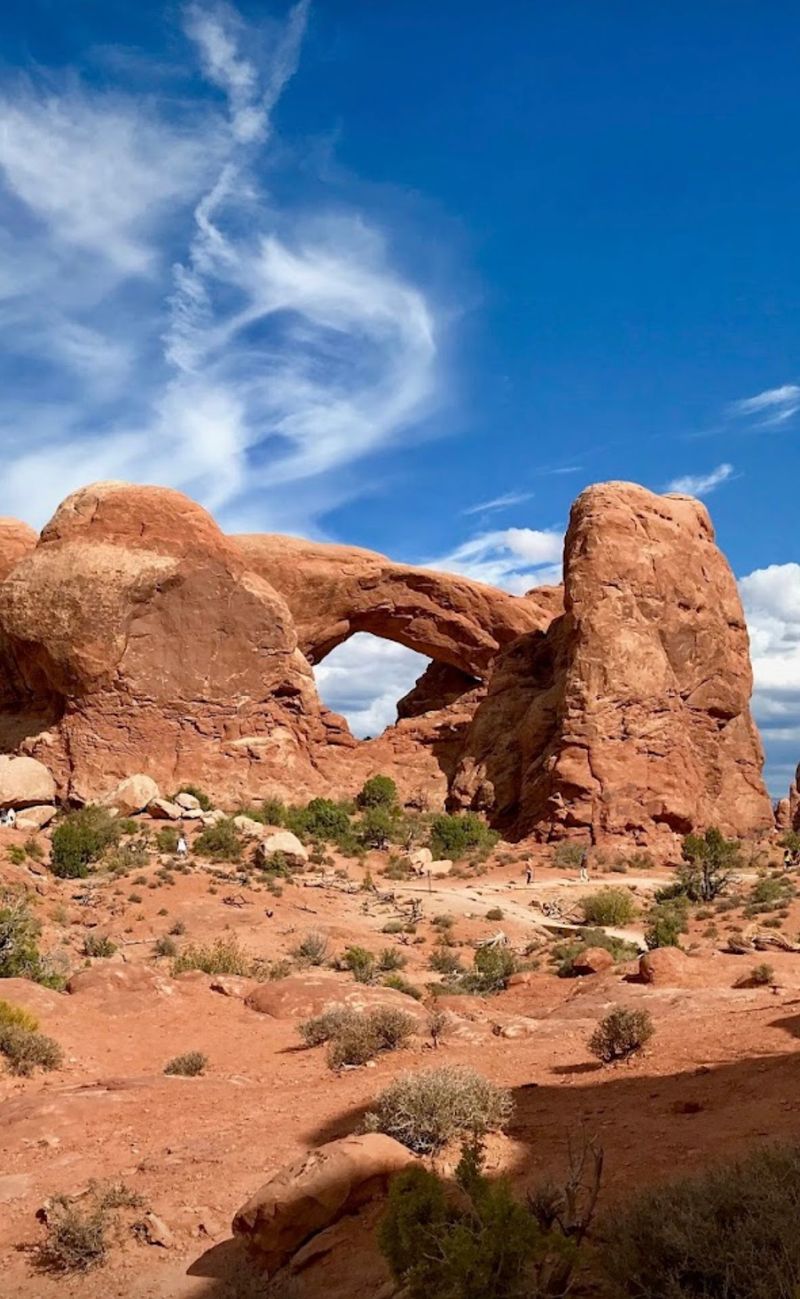
The desert looks tough and behaves the opposite. Crusty soils, sparse plants, and thin waterways recover slowly from damage.
Residents around Moab widely report tourism harming the environment they love. Traffic, litter, and trail widening show up year after year.
Popular corridors inside Arches and Canyonlands absorb the heaviest use. Shortcuts across biological soil crust can take decades to heal.
Land managers work constantly on repairs, shuttles, signage, and timed entry systems. Sheer visitor volume keeps the task enormous.
Good news arrives in the form of easy habits. Stay on marked paths, pack out every scrap of trash, and skip stacking rocks into cairns.
Water matters as well in this dry corner of Utah. Carry more than expected, and never rely on finding refills at remote trailheads.
Dogs face heat and restrictions in national parks, so check rules before loading the car. Paws burn on hot sandstone.
Careful travel keeps the scenery intact for the next arrival. Moab’s beauty depends on visitors treating the ground itself as the main attraction.
Main Street Runs On Adventure Now
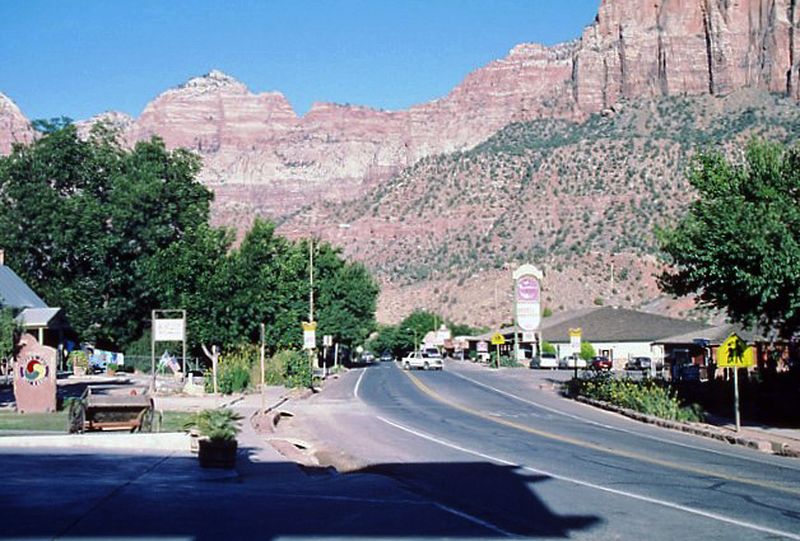
Gear shops, taco counters, galleries, ice cream windows. Main Street in Moab reads like a checklist for outdoor travelers.
Decades ago the same road served ranchers and miners running errands. Priorities shifted with the economy.
Today the corridor handles heavy seasonal traffic, and road upgrades reflect that reality. Jeeps with roof racks idle beside touring motorcycles.
Look up, though, and the view still stops people mid-sidewalk. Red cliffs frame the street at both ends.
Small-town details survive between the outfitters. Family-run bakeries, a bookstore or two, and murals brighten the walk.
Evenings bring the best atmosphere as heat fades and the rock glows orange. Sidewalks fill with dusty hikers comparing routes.
Parking gets tight midday during spring and fall, so walking the strip beats circling for a spot. Shoes work better than tires here.
Locals sometimes describe the street as unrecognizable compared with the 1980s. Change happened quickly, and the commercial heart of Moab now beats to a visitor rhythm rather than a rancher’s schedule.
Two National Parks And A River In Between
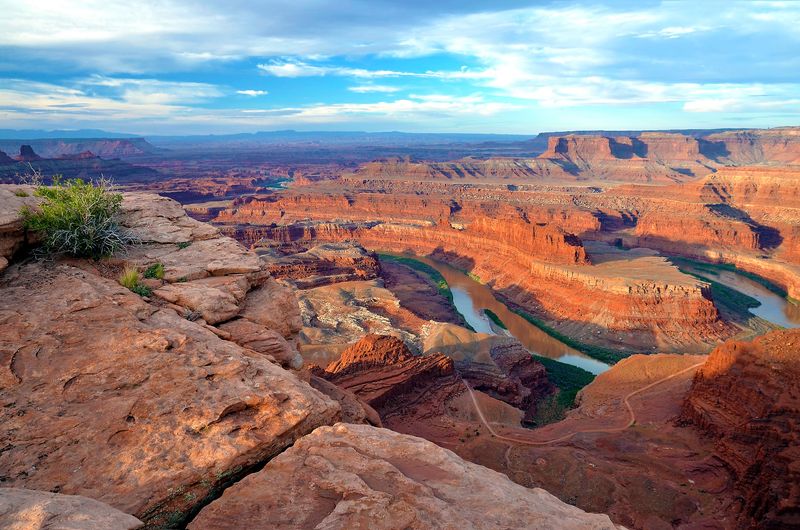
Arches and Canyonlands headline the region for good reason. Delicate Arch and Mesa Arch appear on countless screens and calendars.
Both parks sit within an easy drive of Moab, which explains the town’s gateway status.
Dead Horse Point State Park adds another angle, with canyon rim overlooks above a bend in the Colorado River. Sunsets there draw quiet crowds.
Beyond the viewpoints, activity options multiply fast. Rafting trips run the Colorado, ranging from splashy family floats to bigger whitewater days.
Mountain bikers chase slickrock and singletrack across the surrounding benches. Climbers, canyoneers, and four-wheel-drive fans each claim their own terrain.
Dinosaur tracks turn up at sites like Copper Ridge, a favorite stop for curious kids. Fossils hide in plain sight around here.
Timing shapes the whole experience. Summer heat can be intense, so early starts and shaded canyons help enormously.
Spring and autumn bring gentler temperatures along with bigger crowds. Winter offers solitude, snow-dusted arches, and a rare chance to see Moab breathing at its own pace.
Art Galleries Between The Gear Racks
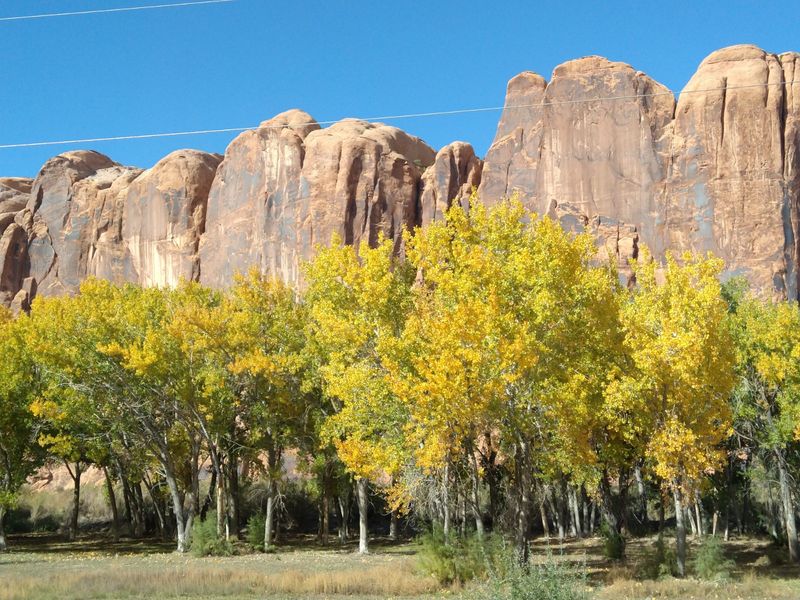
Adrenaline gets the headlines, yet creativity runs deep in this town. Painters, potters, photographers, and sculptors all draw from the same red cliffs.
Galleries and studios dot the streets of Moab, tucked between outfitters and cafes.
The Moab Arts and Recreation Center supports community events, including the Moab Art Walk and the Red Rock Arts Festival. Both spotlight work made right here.
Music adds another layer. The Moab Music Festival stages performances in striking outdoor settings around the canyons.
Attending one feels wonderfully out of step with the jeep engines outside. Sound carries strangely off sandstone walls.
For travelers, these events offer a rest day with substance. Legs recover while eyes keep exploring.
Buying directly from a local artist also keeps money circulating inside the community. A small print packs easier than a souvenir mug anyway.
Cultural life here reveals a side of Moab that guidebooks often skip. Residents are not only guides and shuttle drivers; many are makers who chose this landscape on purpose and stayed through every change.
Searching For A Sustainable Second Act
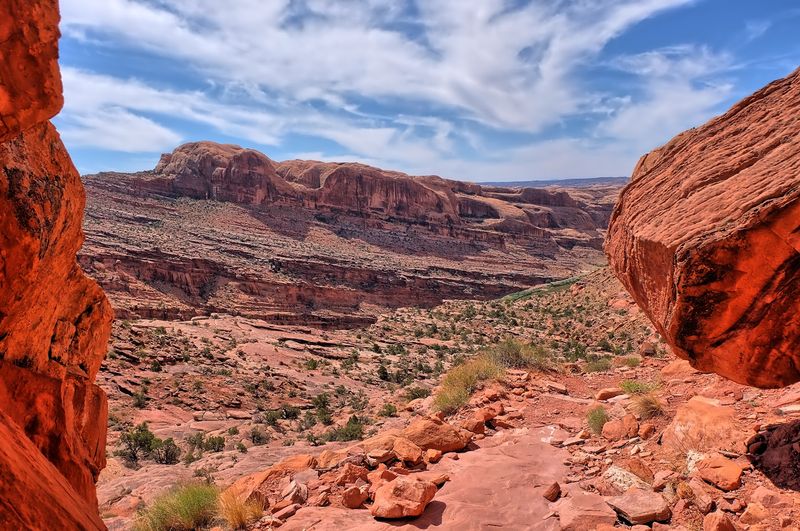
Can a town love its visitors and still protect itself? Moab wrestles with that question constantly.
Local officials have limited approvals for new tourist lodging, hoping to slow runaway expansion.
Complications follow, since statewide priorities in Utah often push tourism revenue upward. Local goals and broader promotion do not always align.
Grand County leaders talk about attracting travelers who respect both the community and the land. They also want tourism dollars reaching local workers rather than distant investors.
Funding rules create another hurdle. The Transient Room Tax collected from visitors is legally restricted mostly to tourism promotion, not housing or core infrastructure.
That mismatch frustrates residents who watch money flow toward more marketing. Fixing the side effects proves harder than creating them.
Conversations now center on managing visitor numbers and broadening the economy beyond recreation. Nobody expects a quick answer.
Moab’s situation offers a lesson for popular places everywhere. Success brings pressure, and the way a community handles that pressure decides whether the character survives.
Visitors who tread lightly become part of the solution rather than another statistic.