
Locals Consider This Wild Remote Wyoming River Their Greatest Kept Secret
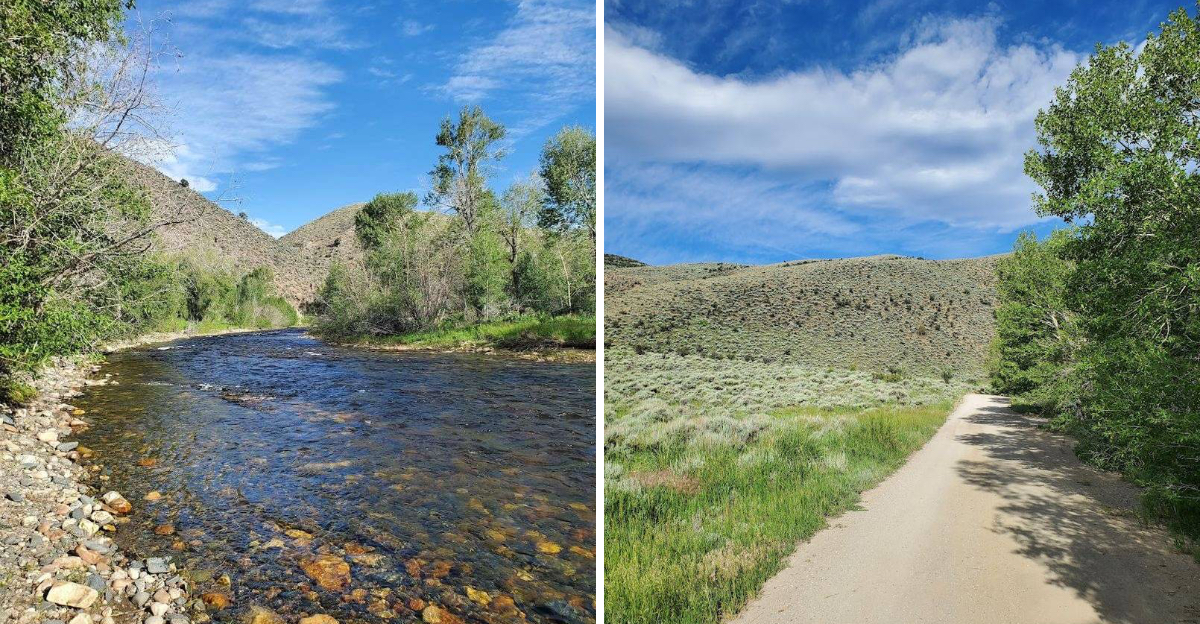
What if the wildest river in Wyoming has been running free for two hundred years without anyone noticing? Locals have kept this one close for a reason, and it shows the moment cold water meets rugged canyon rock.
Deep in a narrow gorge, trout dart through icy pools while golden eagles circle overhead. Old cabin ruins and rusted mining gear line a trail that climbs from gentle streamside paths into rocky, demanding terrain.
Wildlife roams freely here, completely unbothered by visitors passing through. History runs as deep as the water itself, stretching back to French trappers and a copper boom that once shook Wyoming’s economy.
There’s a reason those who know this place guard it fiercely, and once you see why, you may find yourself doing the same.
Where The River Carves Its Own Rules
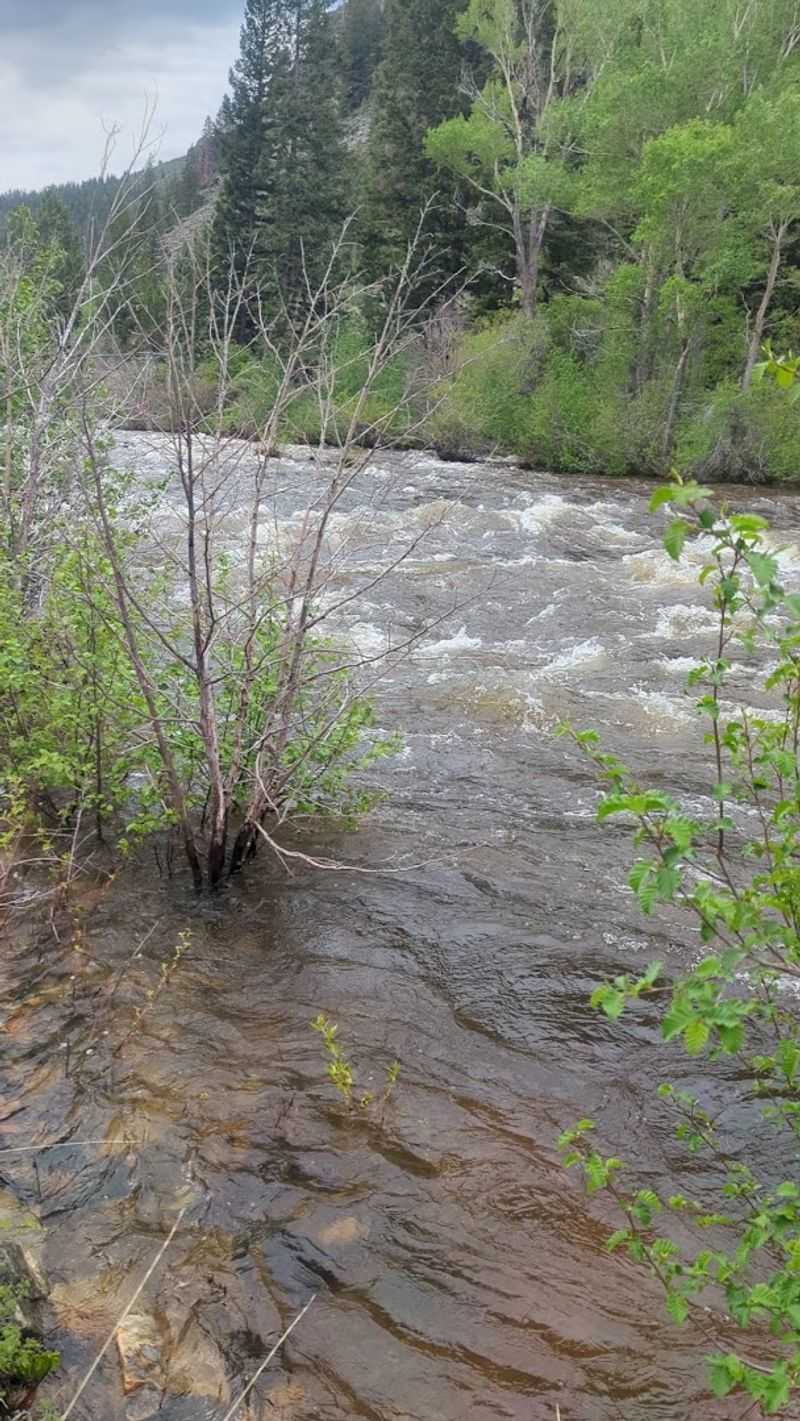
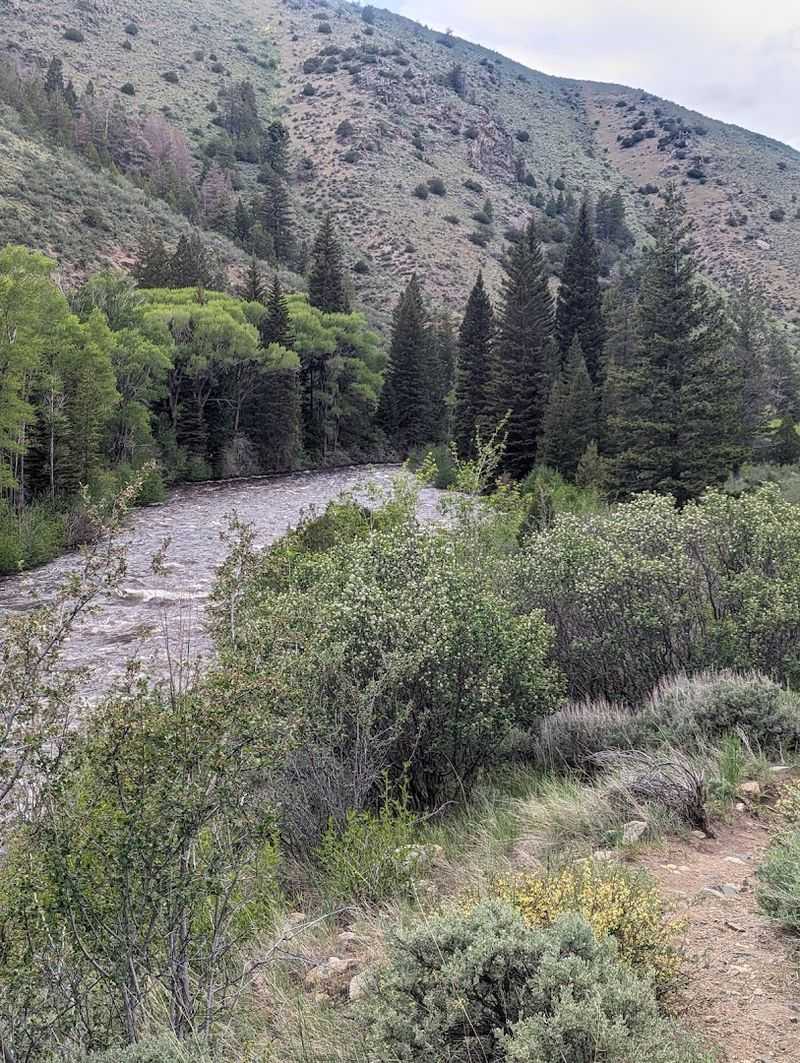
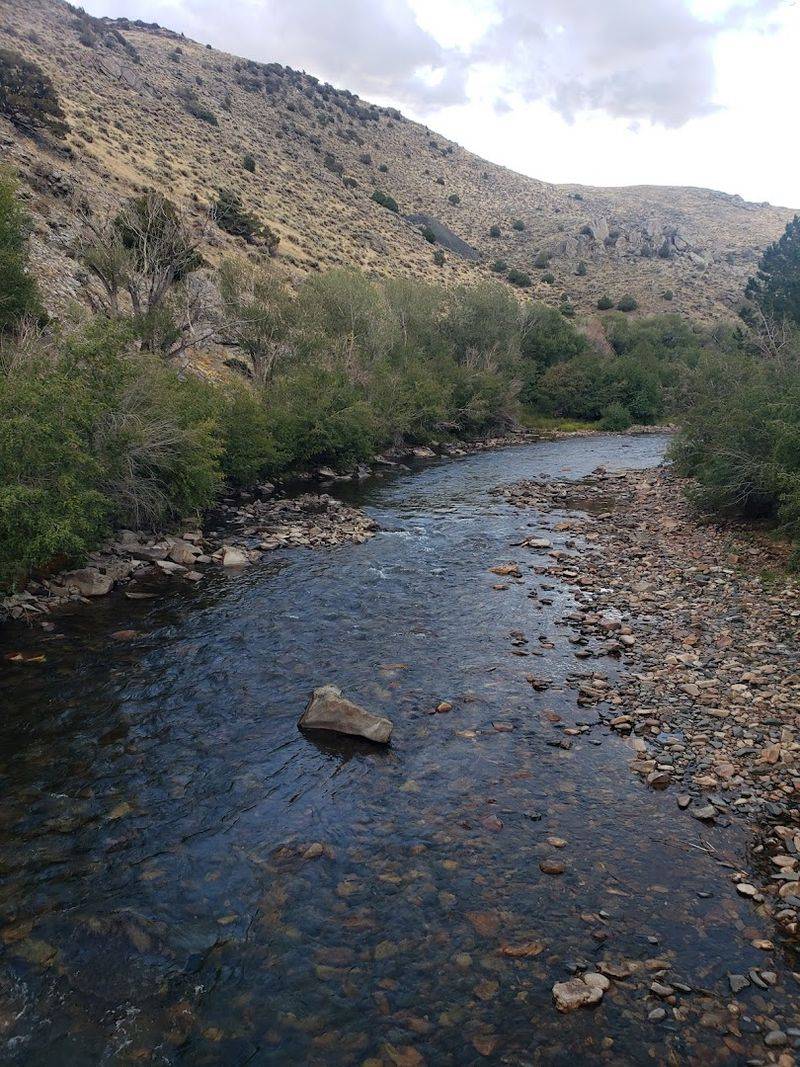
Cold water does not wait for anyone. The Encampment River moves with purpose, carving a dramatic path through one of Wyoming’s most striking natural corridors, shaping every rock and bank it touches.
The river originates in the snowfields of northern Colorado, flowing northward into Wyoming before shaping a narrow, rugged canyon that feels genuinely remote. Canyon walls rise sharply on both sides.
Dense evergreen forests press close to the water’s edge.
Open hillsides give way to sagebrush flats and patches of alder. Vibrant wildflowers erupt across the slopes during summer months, adding unexpected bursts of color to an already dramatic landscape.
The river itself shifts personalities depending on the season. Spring runoff turns it fierce and fast.
By midsummer, stretches calm into clear, fishable pools that practically beg for a line.
This is not a tamed, managed waterway. It runs on its own terms, and that raw unpredictability is exactly what makes every visit feel like a discovery worth remembering.
The History Hidden In Every Step
Long before hikers laced up their boots here, this land had a story worth telling. French-Canadian trappers gathered along these waters in the 1830s, naming their mountain trading fair “Camp le Grand” or “Grand Encampment,” a name that echoes through the valley to this day.
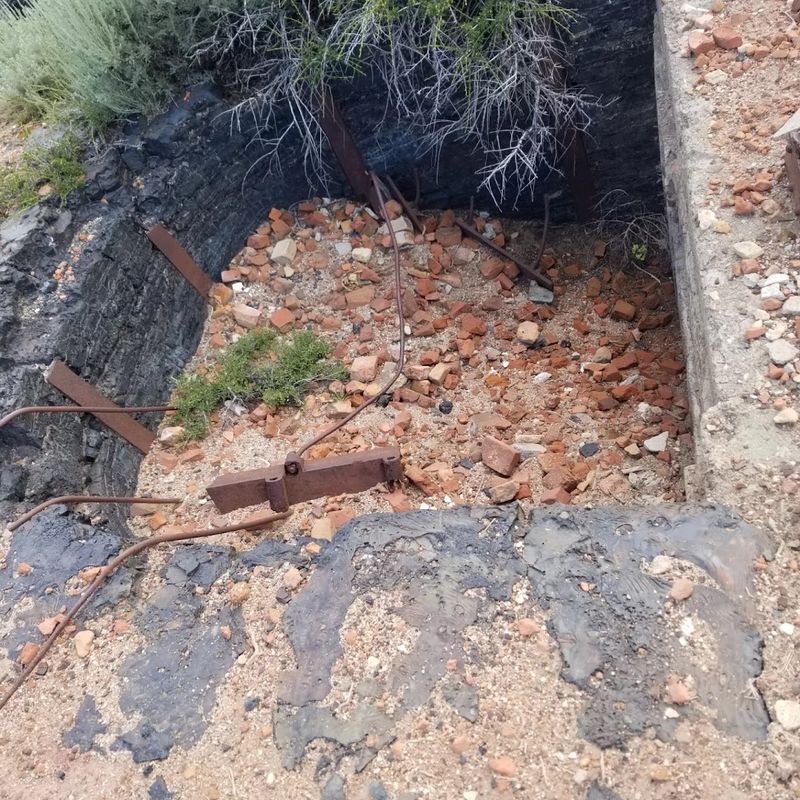
That fur trade era eventually gave way to a copper mining boom in the late 19th and early 20th centuries. Old cabins, prospect pits, and remnants of mining operations still dot the landscape.
The Boston-Wyoming Smelter ruins offer one of the most historically interesting hikes in the area.
These artifacts are not just curiosities. They are tangible links to the people who worked this land under brutal conditions, chasing fortune in the mountains of Wyoming.
Walking past a crumbling cabin wall or a rusted piece of equipment adds weight to the experience. History does not feel like a textbook here.
It feels like something you could almost reach out and touch with your bare hands.
The Trail Itself Is The Reward
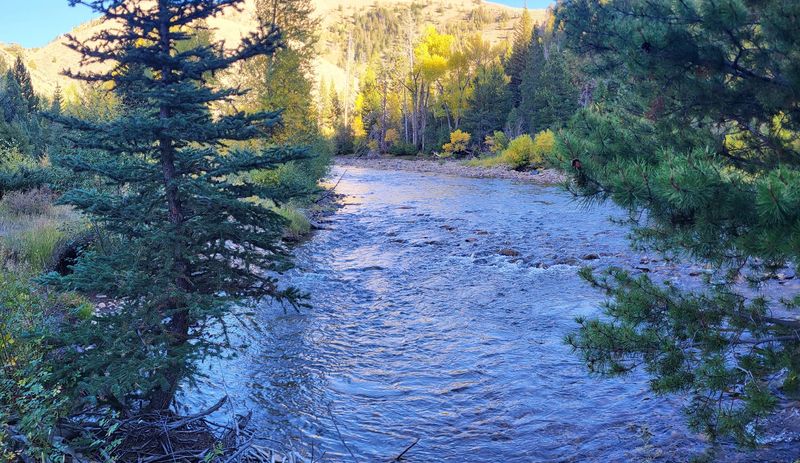
Right from the start, the Encampment River Trail sets a tone that is hard to shake. The main trailhead, located near Riverside, WY 82325, serves as the gateway into the Encampment River Wilderness, Wyoming’s smallest designated wilderness area.
The trail stretches approximately 16 miles through diverse terrain. The first five miles ease hikers in with relatively gentle ground and river views that reward every pause.
Beyond that, the path grows more demanding.
Upper sections feature steeper climbs, rockier footing, and longer stretches between shade. Moderately experienced hikers will find it challenging but entirely manageable with proper preparation.
Beginners should plan their turnaround point wisely.
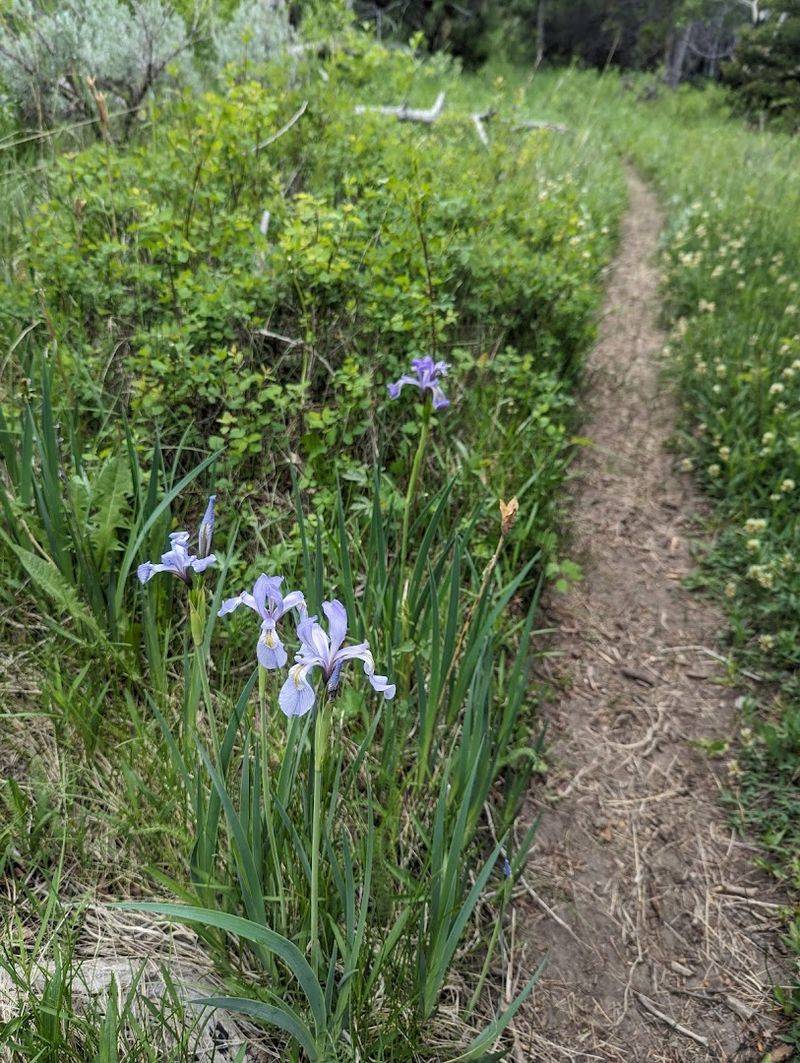
Wildflowers line the path during summer, and the sound of rushing water never fully disappears. Vault toilet facilities are available at the trailhead, keeping the starting point functional without feeling over-developed.
The trail rewards patience. Every mile reveals something the previous one did not, which is exactly the kind of hiking experience that keeps people coming back season after season.
Fly Fishing Heaven With A Wild Reputation
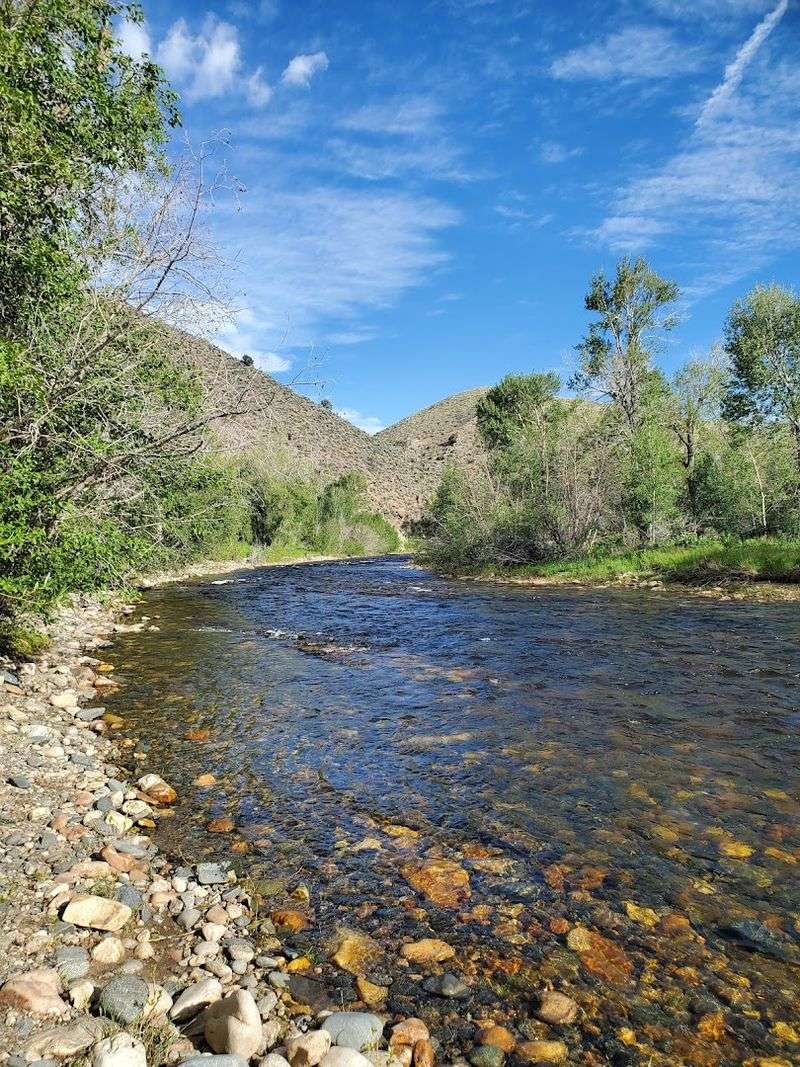
Ask any serious angler in Wyoming where the best dry fly fishing happens, and a knowing smile often follows. The Encampment River has earned a quiet but fierce reputation among fishing circles for its exceptional trout populations and technical water.
Brook, rainbow, and brown trout all call this river home. Salmon flies, Golden Stones, Caddis, and the legendary Green Drake hatches create opportunities that skilled fly fishers dream about all winter long.
The river runs fast and cold, which means wading demands full attention. A misplaced step can turn a perfect cast into a very wet afternoon.
That challenge, however, is part of the appeal.
Public access points like Baggot Rocks ensure that anglers without private land connections can still reach prime water. No reservations, no crowds, just the river doing what rivers do best.
Nymph fishing holds its own during certain periods, but when the dry fly action ignites on the Encampment, few rivers in the American West can compete with what unfolds on the surface.
Wildlife That Does Not Care You Are Watching
Out here, humans are the guests. Mule deer, elk, and Rocky Mountain bighorn sheep move through this corridor on their own schedule, largely unbothered by the occasional hiker passing through their territory.
Black bears and mountain lions also roam the area, though sightings are far from guaranteed. Moose have been spotted near the water, particularly in willowy stretches along the river’s edge.
Carrying bear spray is not optional; it is simply smart.
Smaller creatures add their own energy to the experience. Chipmunks dart across rocky outcroppings.
Marmots survey the landscape from boulder perches with an air of complete authority.
Birdwatchers will find plenty to hold their attention. Golden eagles ride thermals above the canyon rim.
Osprey drop from altitude with stunning precision to pull trout from the river below.
This biodiversity is not curated or managed. It exists because the Encampment River corridor in Wyoming remains wild enough to support it, a fact that makes every wildlife encounter feel genuinely earned rather than staged.
Camping Right On The River’s Edge
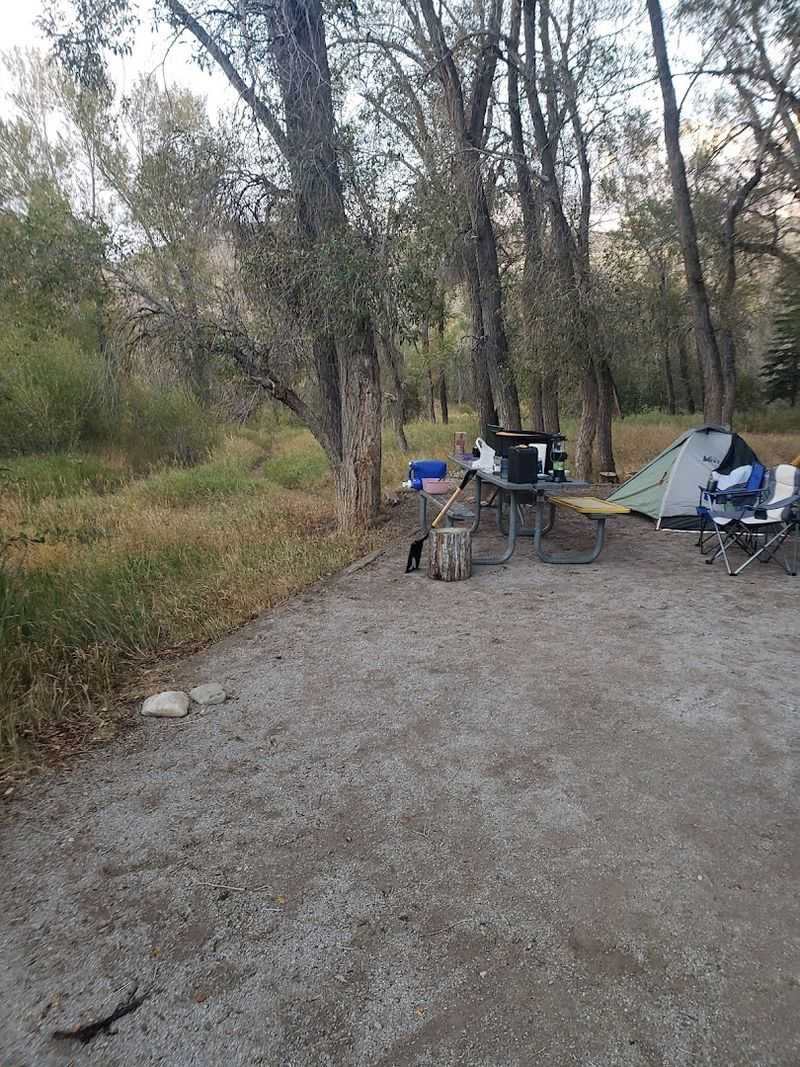
Pitching a tent beside a river that sounds like this one is its own kind of reward. The BLM Encampment River Campground offers developed sites right along the water, with vault toilets, fire rings, and well-maintained tent and RV pads that reviewers consistently praise.
The Odd Fellows Campground provides another solid option nearby. Both locations serve as excellent basecamps for multi-day exploration of the trail system and surrounding wilderness in Wyoming.
Dispersed camping is permitted along the trail for those who prefer solitude over established sites. Campers must set up at least 100 feet from trails, lakes, and streams.
Fires should be kept within existing rings or portable fire pans.
Potable water is not available at remote sites, so packing in all drinking water is essential. Planning ahead prevents problems that can turn a great trip into a frustrating one very quickly.
The campground holds just a handful of sites, which keeps the atmosphere quiet and uncrowded. Waking up to the sound of the Encampment River is the kind of alarm clock that requires absolutely no snooze button.
Getting There Requires A Little Grit
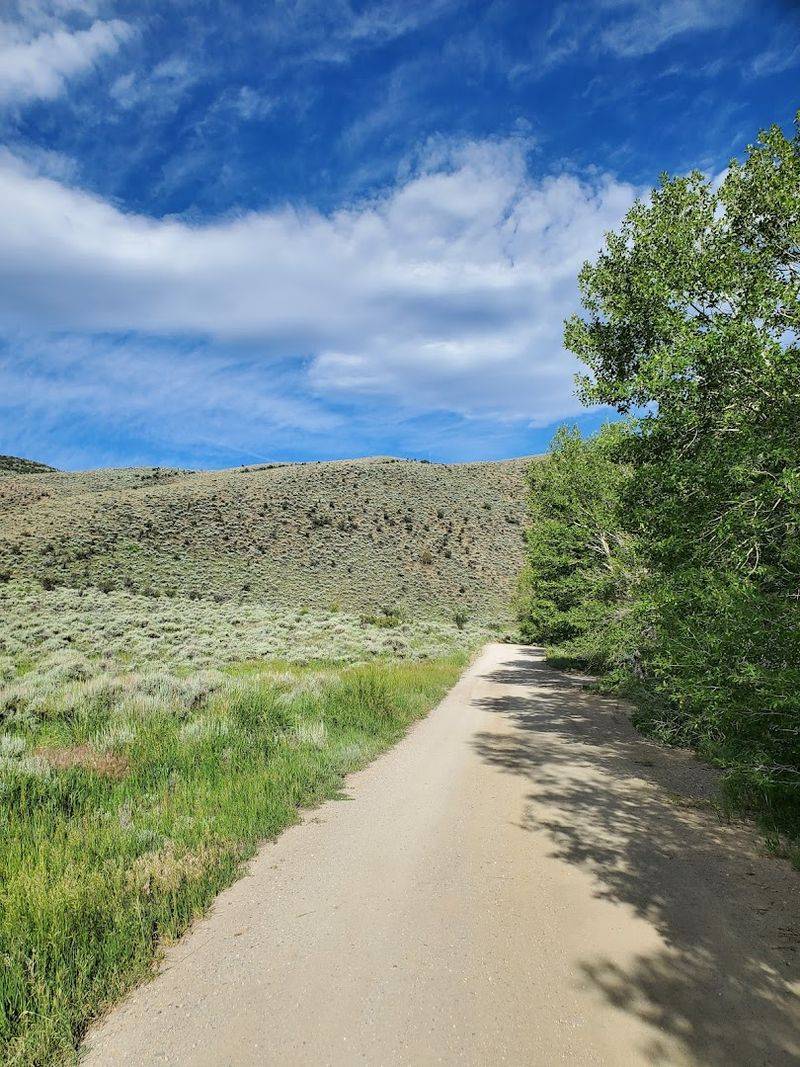
Reaching this trailhead is not complicated, but it does require some preparation. Gravel roads lead to many of the access points, and some stretches include washboard sections that slow even confident drivers down to a crawl.
Certain trailheads, like Purgatory Gulch, recommend high-clearance four-wheel-drive vehicles. Checking road conditions before departure saves a lot of frustration.
Wyoming Highway 70, also known as the Battle Pass Scenic Byway, closes during winter months, which limits access to the southern portions of the trail system.
That seasonal closure is worth noting for anyone planning a late-season or early spring visit. Timing matters out here more than most places.
The window for comfortable access is real but not unlimited.
Cell service in the area is limited or nonexistent in sections. Downloading offline maps before leaving town is a practical step that most experienced visitors take automatically.
The effort required to reach the trailhead is not a flaw in the experience. It is actually part of the filter that keeps this remote Wyoming river corridor as quiet and unspoiled as it remains today.
Riverside, Wyoming Keeps Things Real
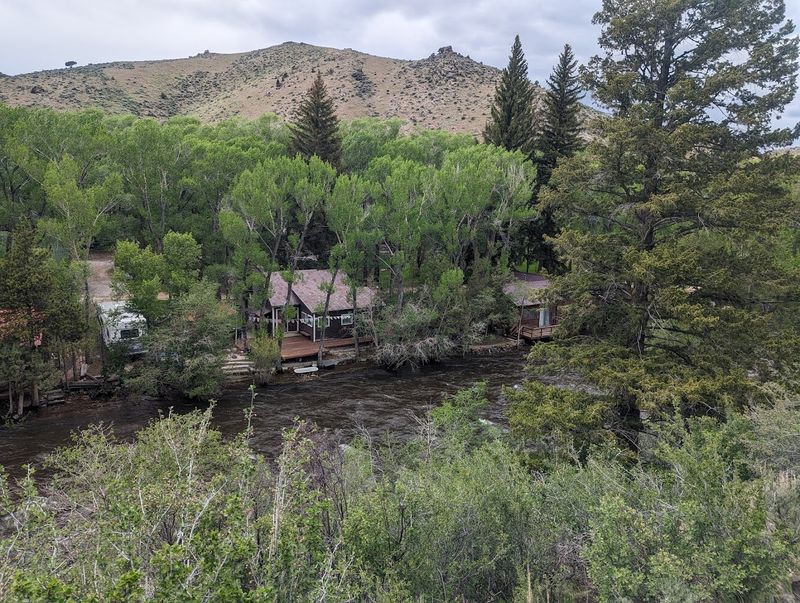
Just a short drive from the trailhead, Riverside punches well above its weight for a town of its size. Once known as Doggett, the community served as the area’s ranching headquarters during the copper mining era and has held onto its Western character ever since.
Today, Riverside provides the essentials that trail users actually need. Food, lodging, and fuel are all accessible without driving far.
The town atmosphere is relaxed and genuinely welcoming, the kind of place where strangers get a nod and locals remember faces.
Several reviewers who stumbled upon the campground near Riverside by accident ended up preferring it over in-town options. That says something real about the character of this little corner of Wyoming.
The proximity to the trailhead makes Riverside a logical basecamp for multi-day visits. Resupplying is straightforward, and the short drive back to camp never feels like a burden.
Small towns like this one often get overlooked in favor of bigger destinations. Riverside rewards the traveler who slows down long enough to actually notice what is right in front of them.
Beyond The Trail, More Surprises Wait
The river trail gets most of the attention, but the surrounding region holds its own set of draws worth building into any itinerary. The Grand Encampment Museum in nearby Encampment preserves the area’s layered history with artifacts from the copper mining era and frontier life.
The museum’s most talked-about feature might be its infamous two-story outhouse, a quirky piece of historical engineering that draws curious visitors and earns its place in the local lore of Wyoming.
The Indian Bathtubs offer a different kind of attraction. These natural rock formations collect rainwater and create small, refreshing pools that hikers often seek out on warm days.
They are easy to overlook if no one points you in the right direction.
Aspen Alley transforms into something spectacular during autumn. The scenic drive through golden aspen groves draws visitors from across the region, and the color display rivals anything the state has to offer.
Pairing these side trips with time on the main trail turns a single-day visit into a full regional experience that rewards curiosity at every turn.
Local Celebrations That Deserve A Spot On Your Calendar
The communities around the Encampment River Trail do not just exist alongside their history. They celebrate it loudly and enthusiastically every chance they get.
The Woodchoppers Jamboree and Rodeo is one of the region’s most beloved annual events. Lumberjacks compete in a range of traditional skills that connect directly to the logging heritage of this part of Wyoming.
The atmosphere is festive, competitive, and completely unpretentious.
The Grand Encampment Cowboy Gathering brings a different energy to the calendar. Old West gunfight reenactments and country music fill the streets with a spirit that feels more authentic than performative.
The Sierra Madre Muzzleloaders Mountain Man Rendezvous recreates 19th-century frontier life with participants wearing period-accurate clothing and demonstrating historical skills that most modern visitors have never seen performed in person.
Timing a visit to overlap with one of these events adds a cultural layer to the experience that the trail alone cannot provide. The river runs year-round, but these celebrations happen only once annually, making them worth planning around with genuine intention.