
Locals Go Wild For The Dirt-Cheap Deals At This Enormous Nevada Thrift Store
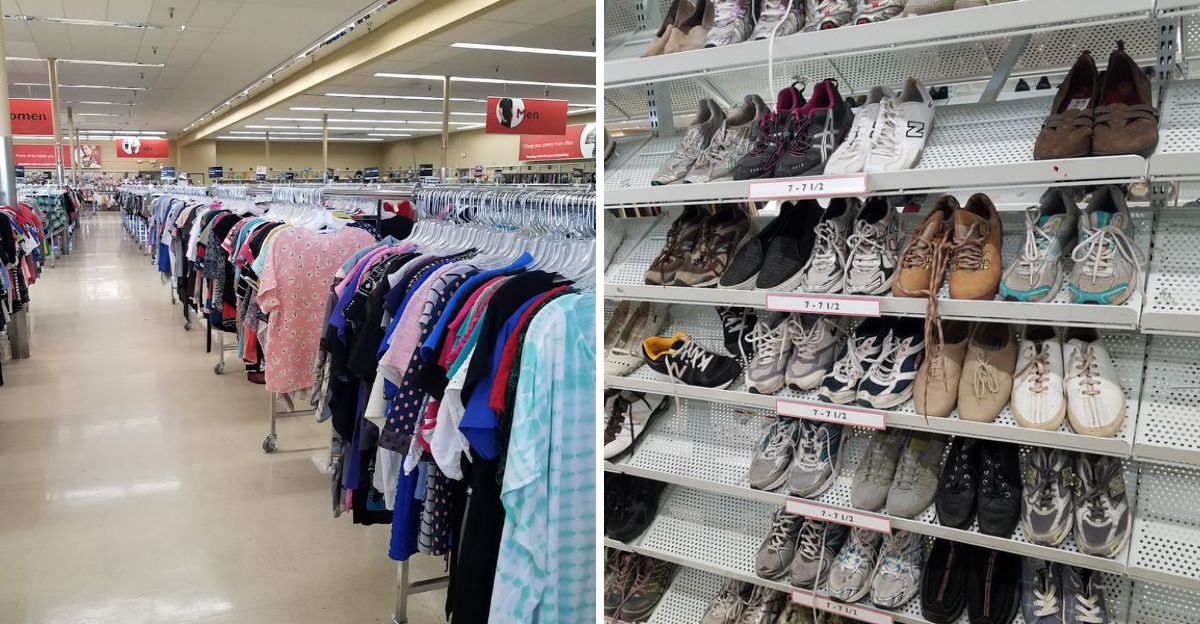
Thrift shopping is a lot more fun when you walk in with no plan and a cart that somehow fills itself. Nevada bargain hunters know the feeling.
You stop for one cheap sweater, then spot a lamp, a stack of books, a coffee mug, and a chair that suddenly seems necessary. That is how a good secondhand store gets you.
The prices make it easy to say yes, and the changing shelves make every visit feel different. There is no pressure to be fancy or spend big.
You just wander, dig a little, laugh at the odd finds, and hope luck is on your side. For Las Vegas shoppers, that kind of budget-friendly hunt is hard to beat every time.
This Rancho Drive Savers Sits In A Busy Las Vegas Shopping Area
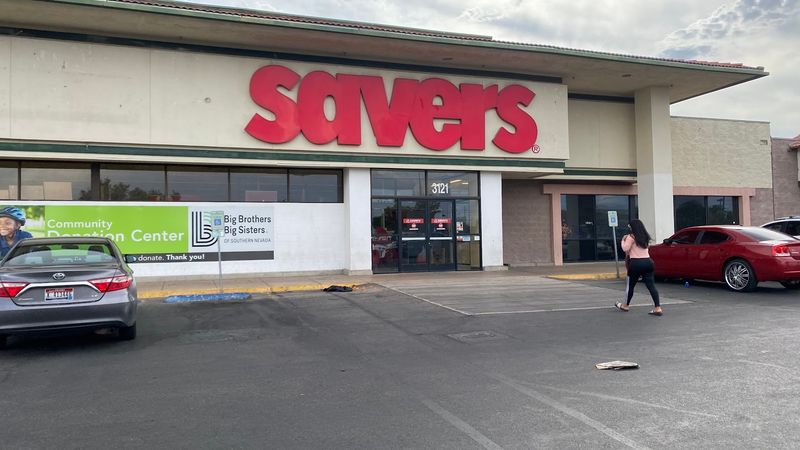
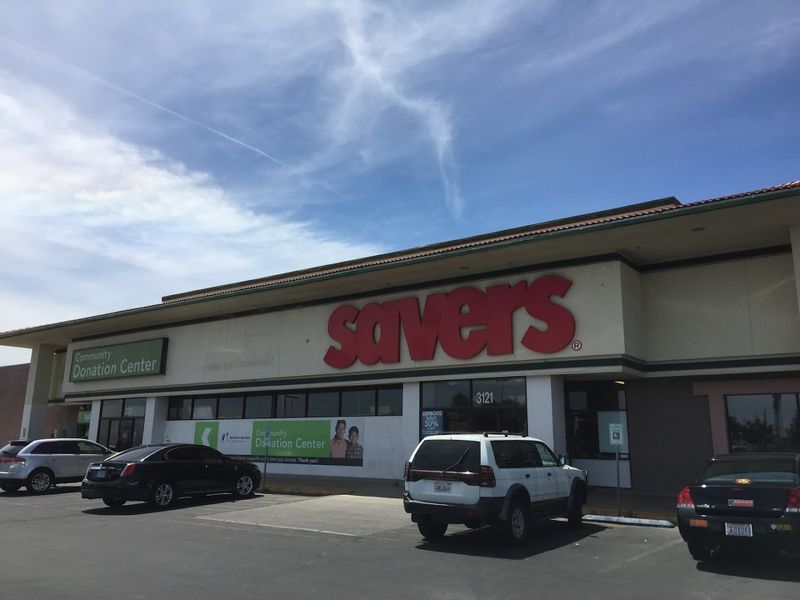
Finding the store takes no effort at all since it occupies a prominent spot along North Rancho Drive. The location puts shoppers right in the middle of a bustling commercial strip where grocery stores and restaurants create steady foot traffic throughout the day.
Plenty of parking spaces make it easy to stop by even during peak shopping hours.
The address at 3121 N Rancho Dr places the building within reach of several residential neighborhoods. Families from across the northwest side of Las Vegas consider this Nevada spot their go-to spot for affordable finds.
The store opens at nine in the morning Monday through Saturday and stays open until eight at night, giving working people time to browse after their shifts end.
Sunday hours start an hour later but still provide plenty of shopping time. The accessibility and convenient hours explain why so many locals make repeat visits instead of driving farther to other thrift locations.
The Store Feels Made For People Who Love A Long Treasure Hunt
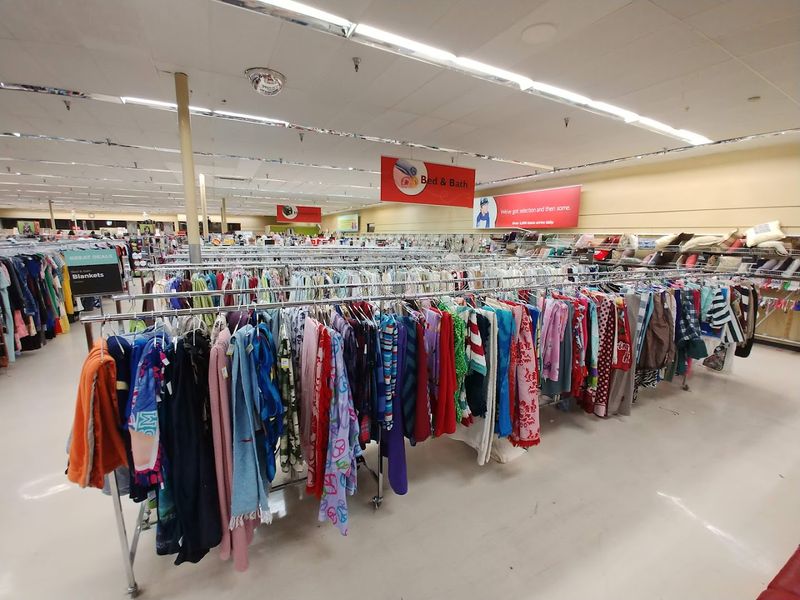
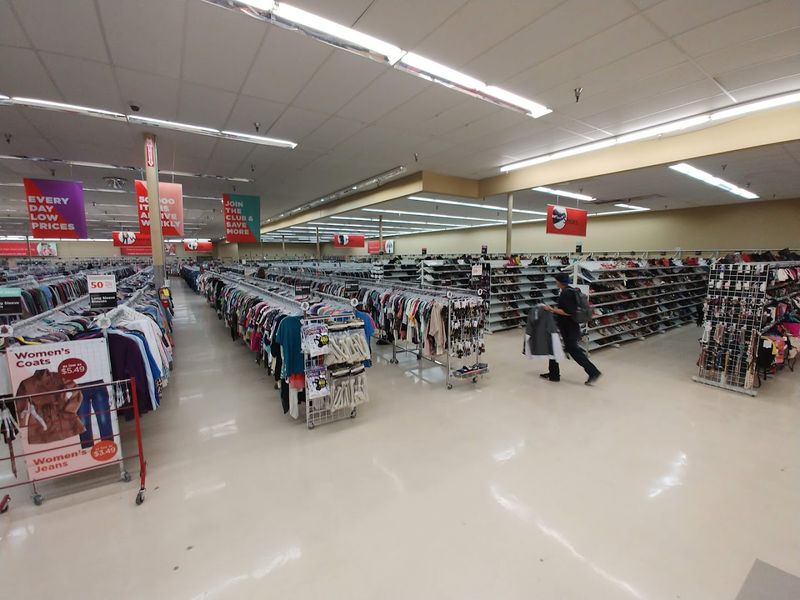
Walking through the front doors reveals a massive retail space that seems to stretch on forever. Bright lighting floods every corner, making it simple to examine items without squinting or guessing about colors.
The layout follows a logical pattern that helps shoppers navigate without getting lost, though the sheer size means you could easily spend an hour exploring.
Aisles stay wide enough for carts to pass comfortably. Staff members work constantly to keep sections organized, so you spend less time sorting through chaos and more time finding what you actually want.
The atmosphere strikes a balance between casual browsing and serious deal hunting.
Some people arrive with a specific shopping list while others wander through every department just to see what surprises might appear. The store rewards patience since new donations arrive daily and get processed quickly.
Regular visitors develop their own strategies for covering the most ground efficiently.
Clothing Racks Give Shoppers Plenty Of Room To Chase A Deal
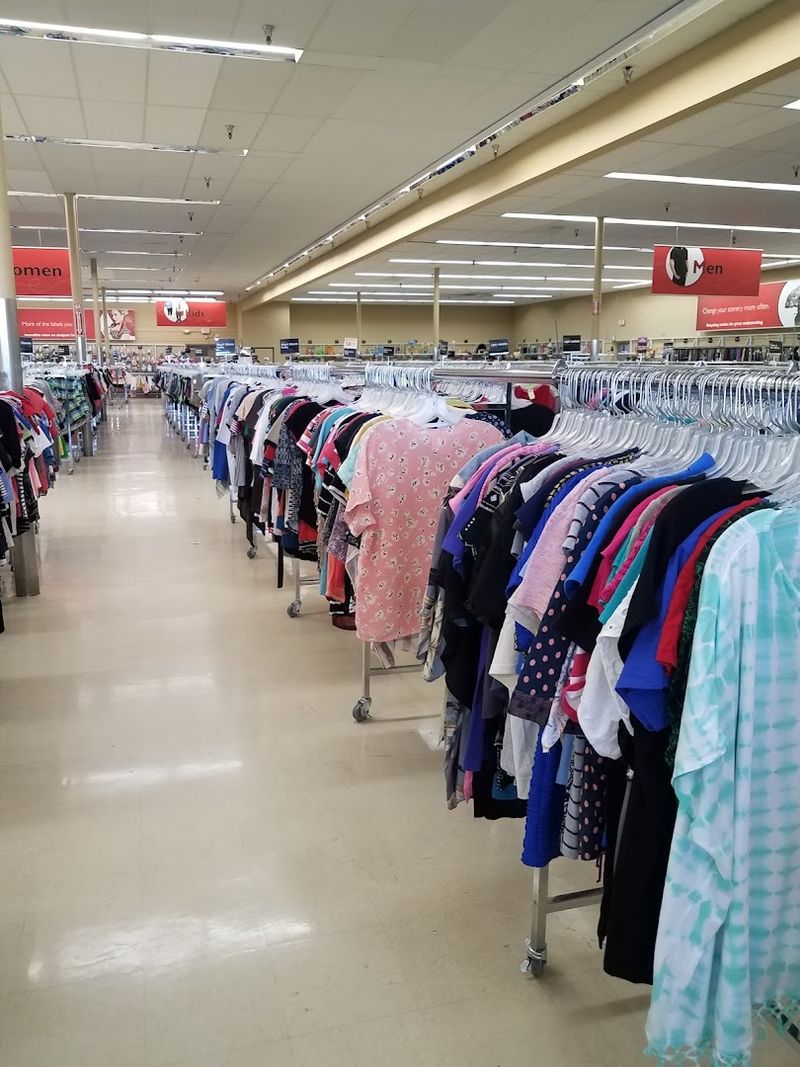
Rows upon rows of clothing dominate a huge portion of the sales floor at this Nevada shop. Everything gets sorted by gender, size, and sometimes even color, which cuts down on the frustration of random searching.
Hangers stay spaced out enough that you can flip through items without fighting tangled sleeves or stuck zippers.
The selection ranges from everyday basics to designer labels that somehow ended up on the donation truck. Prices start low and drop even further during special discount days.
Monday shoppers enjoy fifty percent off already reduced prices, turning a five-dollar shirt into a two-fifty steal.
Quality varies as it does in any secondhand shop, but careful inspection usually reveals gems hiding among the ordinary pieces. Some shoppers arrive with measuring tapes and smartphone apps to check original retail values.
Others simply grab anything that looks interesting and sort through their haul at home later that same day.
The Shoe Section Can Turn Into Its Own Little Adventure
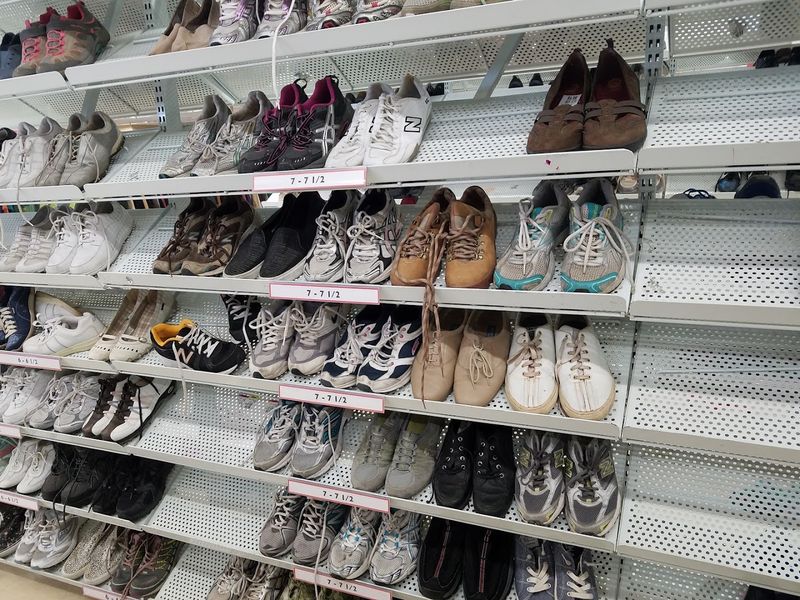
Footwear takes up considerable real estate near the clothing area. Shelves hold everything from athletic sneakers to formal heels, with boots getting their own designated zone during cooler months.
Prices often shock first-time visitors who expect thrift store shoes to cost more than three or four dollars.
Condition varies widely, so smart shoppers examine soles and insoles before committing to a purchase. Brand names appear frequently enough that bargain hunters can score practically new shoes for a fraction of their original cost.
The inventory changes constantly as people donate shoes they barely wore or simply outgrew.
Families appreciate the selection when kids need shoes for school or sports activities. Growing feet make buying expensive footwear impractical, so paying a few dollars for gently used pairs makes financial sense.
Some shoppers visit weekly just to check the shoe section since desirable sizes and styles disappear quickly once they hit the floor.
Books And Media Make This More Than A Clothing Stop
Hardcovers and paperbacks fill multiple shelving units arranged by general category. Mystery novels sit near romance titles while cookbooks and self-help guides occupy their own space.
Prices rarely exceed a couple dollars, making it possible to build a home library without draining a bank account.
Music and movies share the same area, with compact discs and vinyl records attracting collectors who know rare finds sometimes slip through. DVD cases line the shelves in alphabetical order, offering entertainment options for anyone still using physical media.
The selection reflects whatever people choose to donate, so browsing feels like exploring someone else’s personal collection.
Children’s books get separated into their own section where parents can hunt for bedtime stories and early readers. Some shoppers specifically target this area for homeschool materials or summer reading programs.
The media department proves that Savers caters to more than just clothing shoppers looking for wardrobe updates on tight budgets.
Housewares Are Where The Weirdest Finds Usually Appear
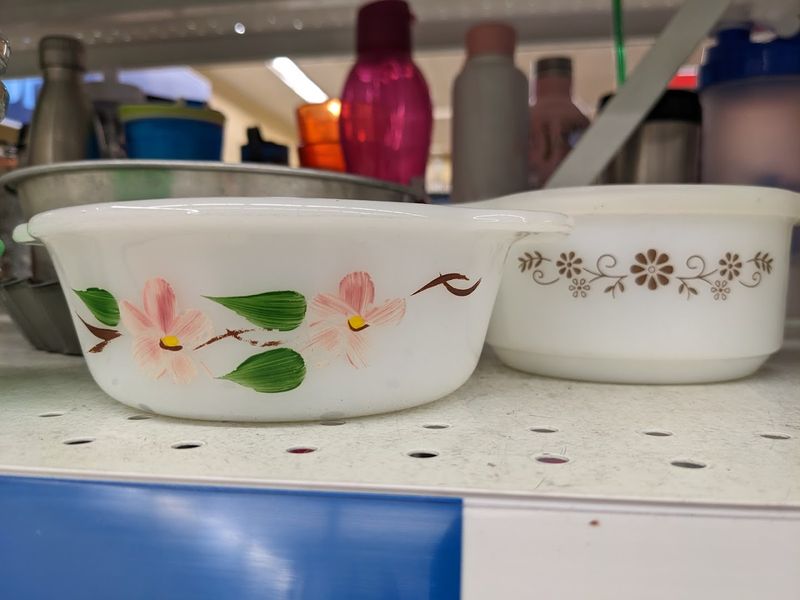
Kitchen gadgets and dining sets occupy a sprawling section that never looks the same twice. Coffee mugs bearing corporate logos share shelf space with crystal wine glasses and mismatched dinner plates.
The randomness creates the appeal since you never know when a vintage mixer or complete set of matching bowls might surface.
Decorative items range from practical to utterly bizarre. One day might bring tasteful picture frames and simple vases while the next unveils a collection of ceramic frogs or a lamp shaped like a palm tree.
Prices stay reasonable enough that buying something odd feels like a low-risk gamble rather than a financial mistake.
Home cooks appreciate the kitchen tools that still function perfectly despite showing minor wear. Baking dishes, cutting boards, and utensil sets cost a fraction of new retail prices.
Shoppers furnishing first apartments or college dorm rooms can outfit an entire kitchen for under fifty dollars by shopping strategically through the housewares department.
Small Furniture Gives Budget Shoppers Another Reason To Look Twice
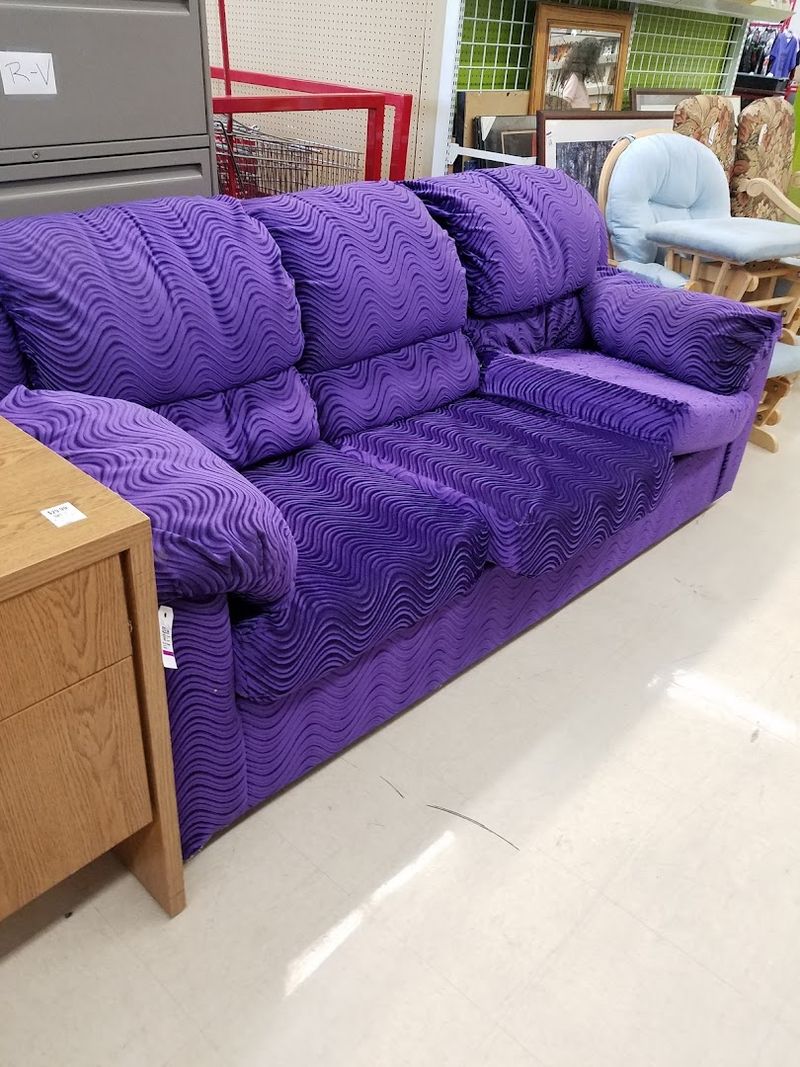
Chairs, side tables, and storage units line a designated furniture area near the back of the store. The selection focuses on smaller pieces that fit in standard vehicles rather than full-sized sofas or bedroom sets.
Prices reflect the secondhand nature but still offer substantial savings compared to buying new furniture at regular retail stores.
Condition varies from gently used to clearly well-loved. Some items need minor repairs or fresh paint while others look ready to place in a home immediately.
Shoppers with basic DIY skills see potential where others might see worn finishes, knowing a weekend project can transform a ten-dollar chair into something special.
Students and young professionals furnishing their first independent living spaces find practical solutions here. A functional desk, bookshelf, and lamp might cost less than fifty dollars combined.
The furniture selection changes as donations arrive, so checking back regularly increases the chances of finding exactly what a room needs at an unbeatable price.
Electronics And Small Appliances Add To The Bargain Hunt
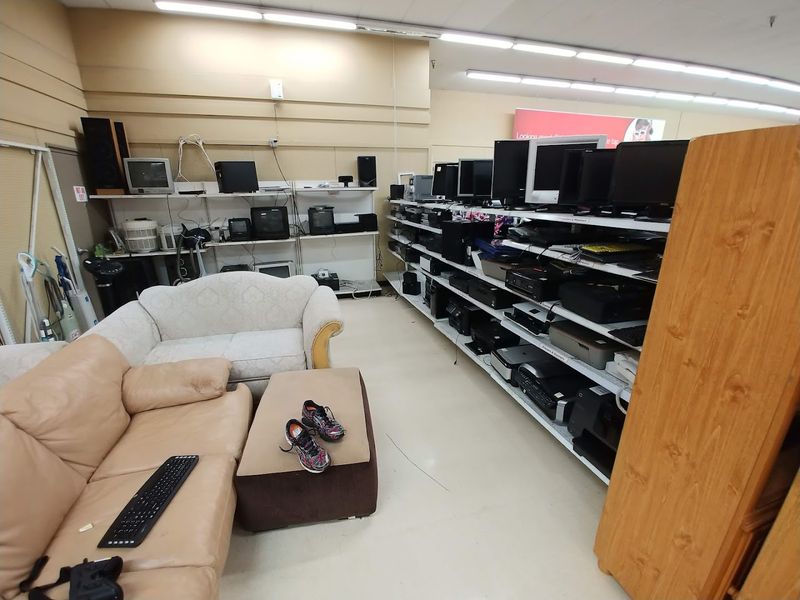
Coffee makers, blenders, and toasters sit on shelves waiting for someone to give them another chance. Most items get tested before hitting the sales floor, though shoppers should still plug things in at home to verify full functionality.
Prices make trying a used appliance worthwhile since even a short lifespan provides value at three or four dollars.
Small electronics like alarm clocks, desk fans, and portable speakers appear regularly. The inventory reflects current donation patterns, so popular items move quickly while less desirable gadgets linger.
Tech-savvy shoppers sometimes discover older models of quality brands that still perform well despite being a few generations behind current releases.
The appliance section attracts college students setting up dorm rooms and budget-conscious home cooks looking to expand their kitchen capabilities. A functional slow cooker or electric kettle purchased here costs less than a single meal at many restaurants.
Smart shoppers inspect cords and heating elements carefully before buying, ensuring their bargain find actually works as intended once they get home.
The Donation Center Keeps New Items Moving Through The Store
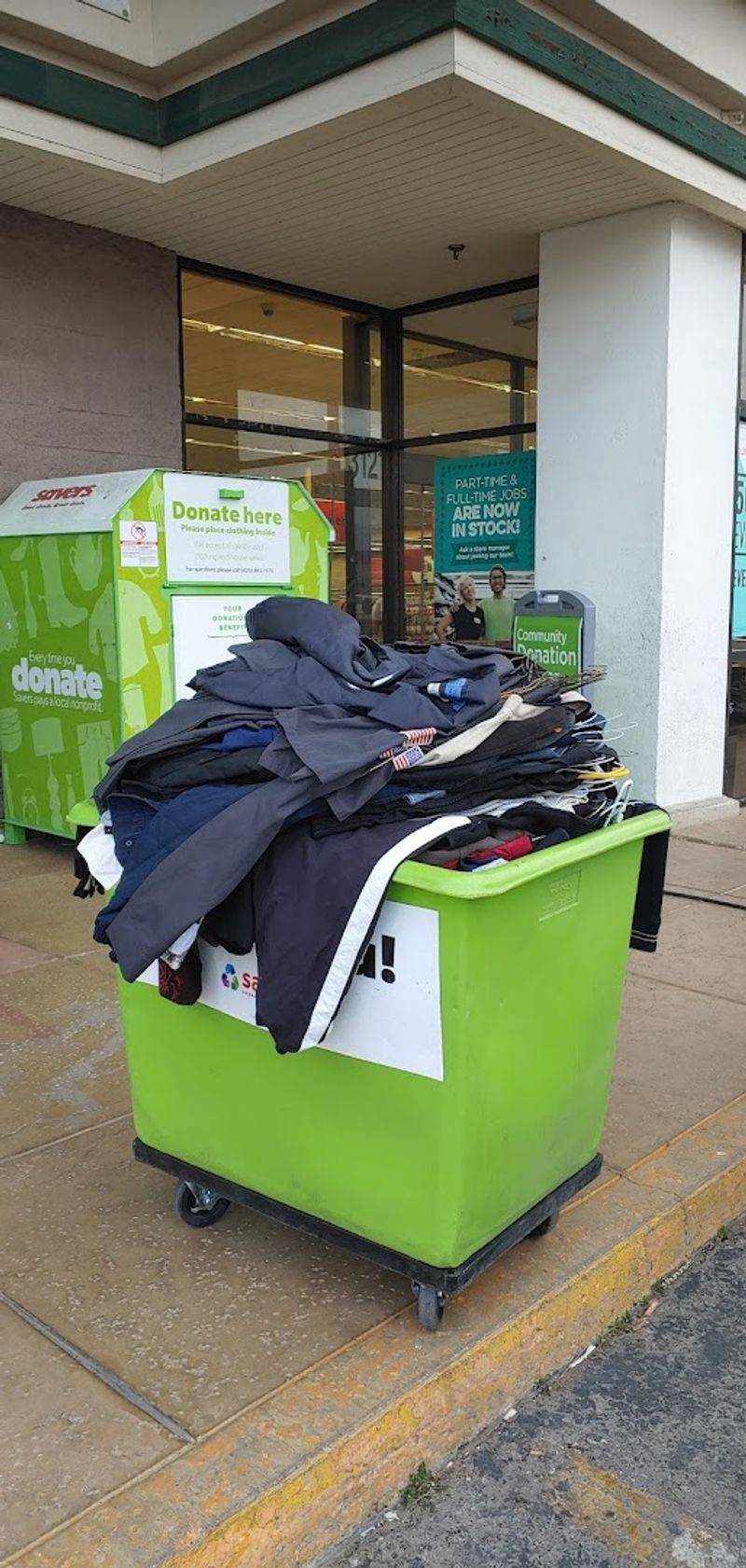
A dedicated donation entrance operates during store hours, making it convenient for people to drop off items they no longer need. Staff members greet donors and help unload vehicles, keeping the process quick and simple.
The steady flow of incoming goods explains how the store maintains such diverse inventory despite constant sales.
Donors receive receipts for tax purposes, adding an incentive beyond simply clearing out closets. The donation center accepts clothing, housewares, electronics, and many other categories, though certain items like mattresses or broken appliances get declined.
Clear guidelines posted at the entrance help donors understand what the store can accept before they make the trip.
The quick turnaround from donation to sales floor means shoppers encounter fresh merchandise every visit. Items get sorted, priced, and displayed within days of arrival.
This constant refresh cycle creates the treasure hunt atmosphere that keeps deal seekers returning multiple times each month to see what new arrivals might match their needs or interests.
Savers Gives Reusable Items A Second Life Instead Of Sending Them To Waste
Every item sold represents one less thing heading to a landfill. The environmental benefit of thrift shopping extends beyond personal savings since extending the useful life of clothing and household goods reduces demand for new manufacturing.
Shoppers who care about sustainability appreciate how their bargain hunting also serves a larger purpose.
The business model creates a cycle where donations become inventory, sales generate revenue, and the community benefits from affordable shopping options. Families stretching tight budgets find relief knowing they can clothe their children and furnish their homes without going into debt.
The store serves multiple purposes simultaneously by addressing both environmental concerns and economic needs.
Local residents recognize Savers as more than just a discount retailer. The store provides a practical solution for people who want to reduce waste while saving money.
Choosing secondhand items over new purchases represents a small but meaningful step toward more sustainable consumption habits, making every shopping trip feel slightly more purposeful than simply hunting for deals.