
Locals Swear This New York Town Is Tourist-Ruined Beyond Recognition
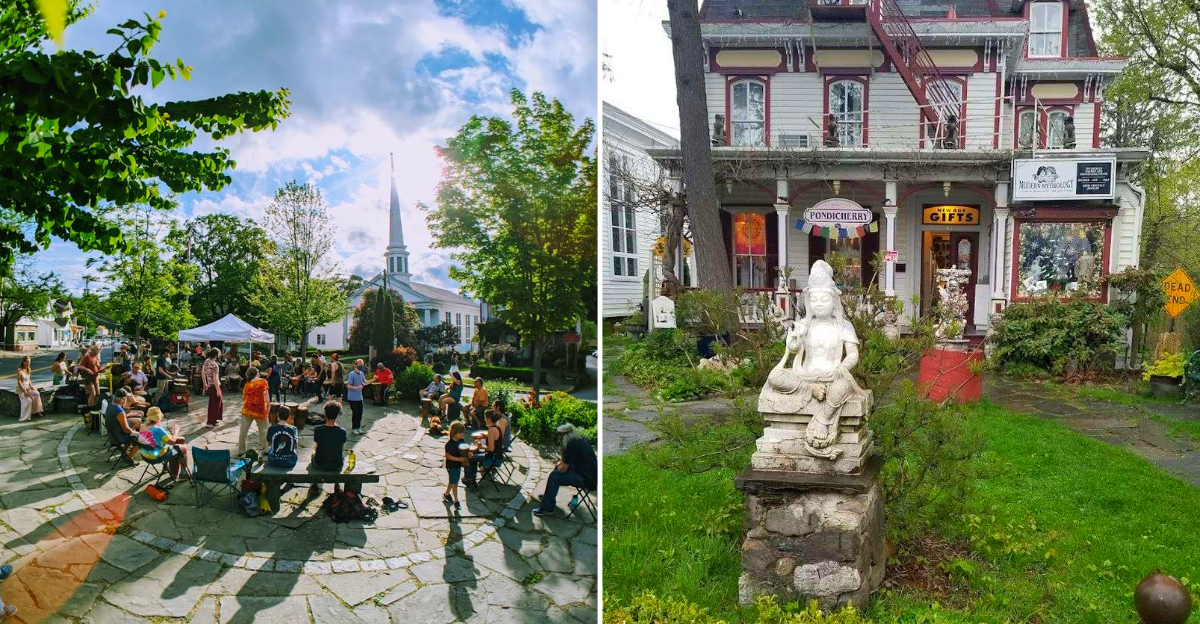
There was a version of this New York town that locals still talk about with the specific sadness reserved for things that were wonderful before everyone found out about them. The coffee shop where you could always get a table.
The main street that belonged to the people who actually lived on it. You name it.
That version is mostly gone now. What replaced it is not the same town and the people who knew it before will tell you that plainly if you ask and sometimes if you do not.
The restaurants that used to be affordable now have wait lists. The shops that used to sell things the community needed now sell things the community photographs.
New York has lost several towns to this exact process and this one is the most discussed examples of what happens when a place gets discovered too quickly.
A Mountain Town With A Soul Worth Protecting
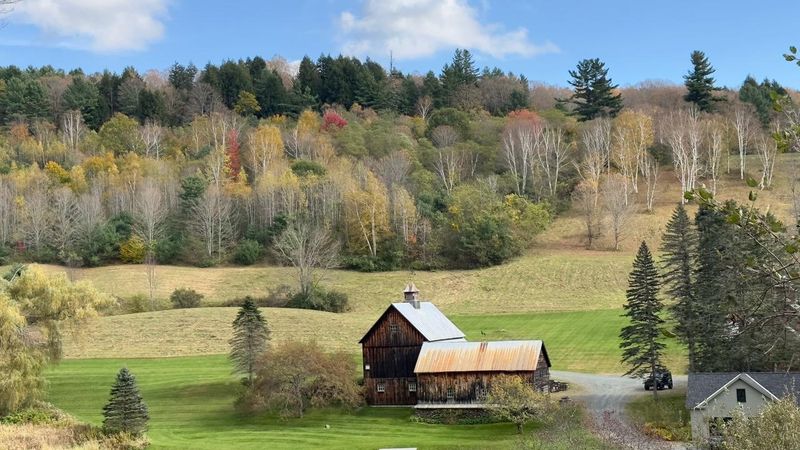
Before a place becomes a destination, it is usually just a home. Woodstock sits in Ulster County within the Catskill Park, about 100 miles north of New York City, and for most of its history it was known as a working artists’ colony.
Painters, sculptors, and musicians came here not for the crowds but for the quiet.
The Catskill Mountains wrap around the town like a natural frame. The air feels different at that elevation.
The light hits the hillsides in a way that has attracted creative people for well over a century.
The Byrdcliffe Arts Colony was established here in 1902, making Woodstock one of the oldest artist communities in the entire country. That legacy runs deep.
It shaped the town’s personality, its architecture, its values, and the kind of people who chose to call it home.
What made Woodstock special was never just the scenery. It was the culture underneath the scenery.
The sense that creativity was protected here, that there was room for ideas and individuality in a way that most towns simply do not allow.
Welcome To Woodstock, NY: The Town At The Center Of It All
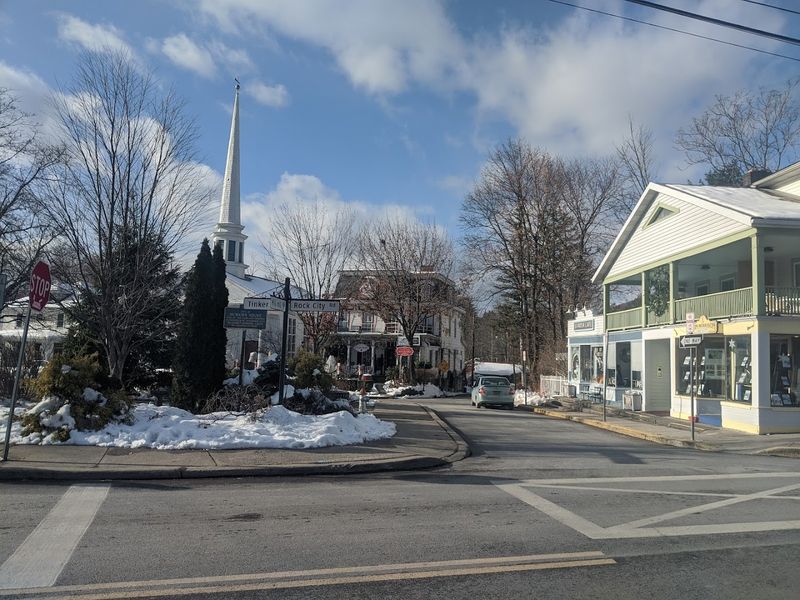
Woodstock, New York, sits at coordinates 42.04 north and 74.11 west, with a population of roughly 6,287 people as of the 2020 census. The main drag is Tinker Street, and it runs through the heart of the village like a spine holding everything together.
The town is northwest of Kingston and falls within the boundaries of the Catskill Park. Getting there from New York City takes about two hours by car, which is close enough to feel like an escape but far enough to feel like another world.
For decades, Woodstock attracted bohemian thinkers, folk musicians, visual artists, and writers who valued the town’s open spirit. The community that grew here was small, tight-knit, and fiercely proud of its counterculture identity.
The town’s address is simply Woodstock, NY 12498, and that zip code once carried a very specific meaning. It meant you had chosen a different kind of life, one built around art, community, and a rejection of mainstream commercial culture.
That identity is now being tested in ways the original settlers never anticipated.
The Festival That Never Happened Here
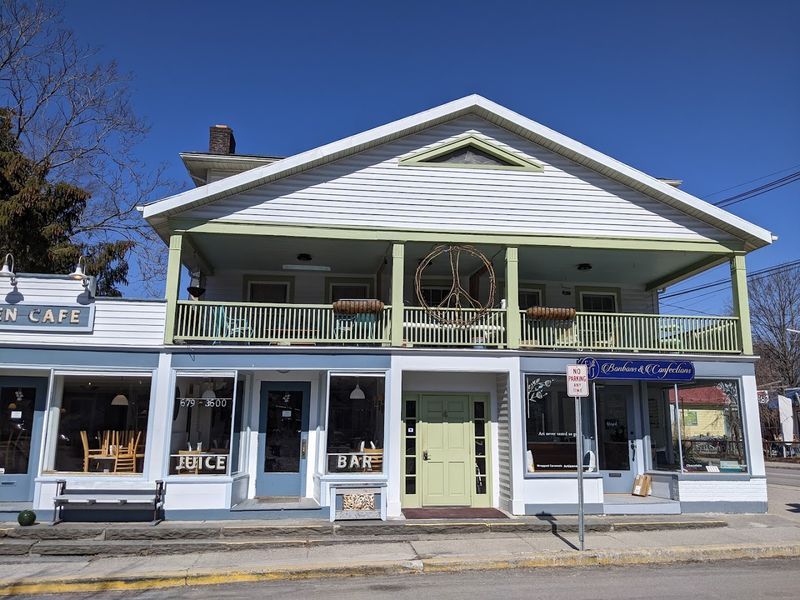
Here is a fact that surprises almost every first-time visitor. The 1969 Woodstock Music Festival did not take place in Woodstock, New York.
It happened 43 miles away in Bethel, NY, on a dairy farm owned by Max Yasgur.
The festival was originally planned to be held near Woodstock, and many of the musicians involved actually lived in the area at the time. Bob Dylan, The Band, and others had made the region their home.
But the event itself was relocated due to logistical issues before it ever took place.
A significant portion of the tourists who visit Woodstock today arrive believing they are standing on historic festival ground. That misconception drives real foot traffic into a town that was not built to handle it.
Local businesses have leaned into the association, which only deepens the confusion.
The actual festival site in Bethel has its own museum and memorial. Woodstock, meanwhile, carries the name and absorbs the tourism without having hosted the event.
It is a strange kind of fame, one that arrived uninvited and never quite left.
Airbnb And The Housing Crisis Nobody Planned For
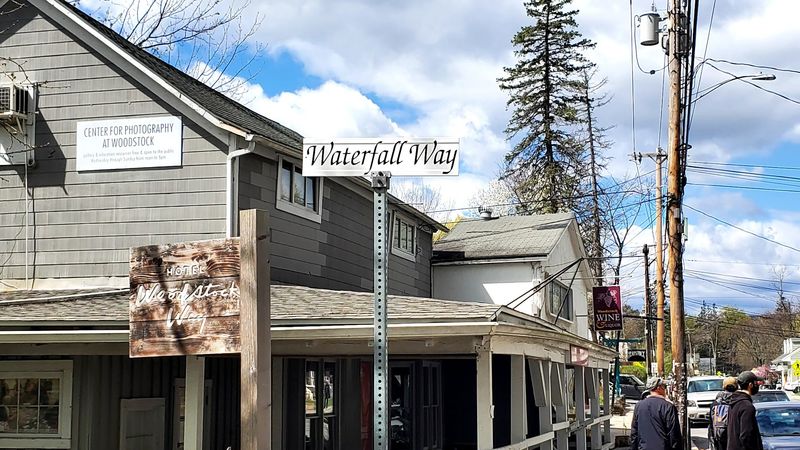
Short-term rental platforms changed the housing math in Woodstock faster than anyone could respond. When a property earns more as a weekend rental than as a year-round home, landlords make a straightforward financial decision.
The result is fewer available homes for the people who actually live and work in town.
Teachers, firefighters, musicians, and shop owners have all reported being priced out of the community they helped build. Rents that were already climbing became impossible when competing with tourist-season pricing.
Some residents have moved to neighboring towns. Others have left the region entirely.
The ripple effect goes beyond housing. When the people who staff local businesses cannot afford to live nearby, those businesses struggle to stay open year-round.
The community infrastructure starts to hollow out from the inside, even as the storefronts look busy on a Saturday afternoon.
Ulster County has been exploring short-term rental regulations, but enforcement remains a complicated and politically charged conversation.
Woodstock is not alone in facing this challenge, but given its size and the intensity of its tourism, the impact here feels especially concentrated and personal to the people who remain.
Big Deep And The Cost Of Going Viral
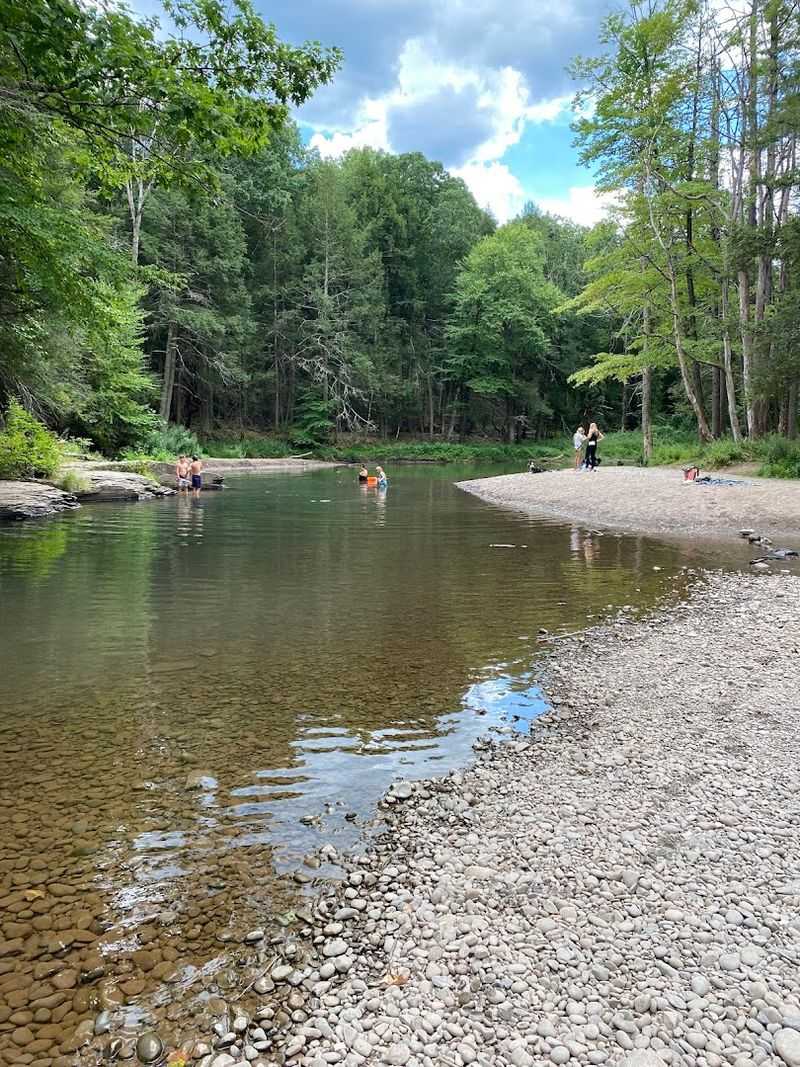
Big Deep and Little Deep are two natural swimming holes near Woodstock that locals once treated as their own quiet retreats. Fed by the Sawkill Creek, both spots offer cold, clear mountain water and the kind of scenery that belongs in a painting.
Once social media discovered them, everything changed. Photos spread quickly, and the spots began drawing far more visitors than they were ever designed to accommodate.
On summer weekends, the crowds can be genuinely overwhelming for an area with no formal parking, no restrooms, and no lifeguards.
Concerns raised by local environmental advocates include fire hazards from illegal campfires, unleashed dogs disturbing wildlife, and the physical degradation of the surrounding landscape. The land around the swimming holes was not built for high-volume tourism, and the strain is showing.
The situation at Big Deep is a clear example of what happens when a place becomes famous faster than its infrastructure can respond. The charm that made it worth sharing is being worn away by the very act of sharing it.
Locals who once visited regularly now avoid peak hours entirely, choosing solitude over the scene it has become.
Prices That Make Locals Wince
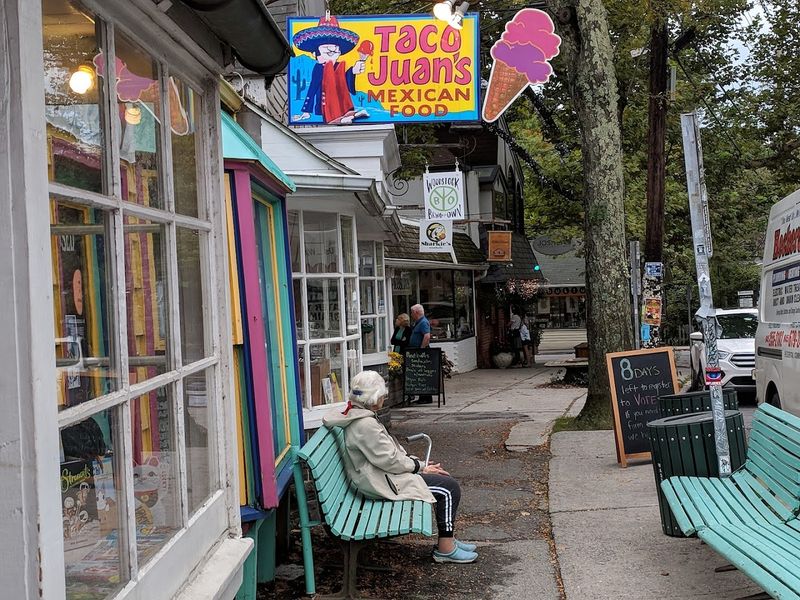
Dining in Woodstock has always leaned toward the independent and the artisanal, which is part of its appeal. But the price points in recent years have shifted to reflect a clientele that arrives from Manhattan with a very different spending baseline than the people who live here full time.
Locals describe meals out as an occasional luxury rather than a regular habit. A simple lunch can run well past what a working resident considers reasonable.
The market has essentially repriced the town around its wealthiest visitors, leaving everyday residents feeling like guests in their own community.
Grocery options and everyday services have followed a similar pattern. When a town’s economy tilts entirely toward tourism, the businesses that cater to ordinary needs either raise their prices to survive or close altogether.
Both outcomes hurt the people who live there year-round.
There is a phrase that circulates among longtime Woodstock residents: the town has become a playground for the rich. It is said without much bitterness but with a kind of tired clarity.
The people who say it are not angry at visitors personally. They are frustrated by a system that keeps repricing them out of their own lives.
What The Artists Colony Left Behind
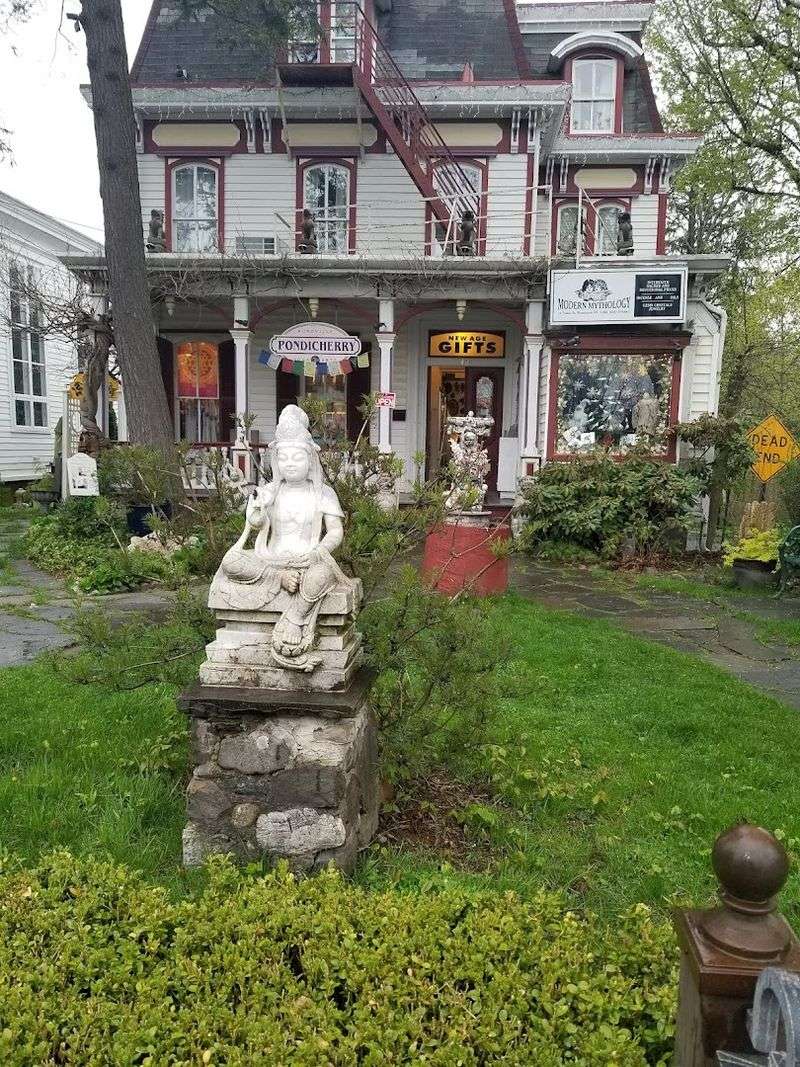
The Byrdcliffe Arts Colony, founded in 1902 by Ralph Radcliffe Whitehead, remains one of the most significant arts communities ever established in the United States.
It brought weavers, painters, woodworkers, and ceramicists to the Catskills at a time when the American arts and crafts movement was at its peak.
The colony’s original buildings still stand on the hillside above the village, and the Woodstock Byrdcliffe Guild continues to operate programs and residencies there. It is one of the few remaining examples of an intentional arts community that has survived into the modern era with its original mission mostly intact.
The existence of Byrdcliffe is a reminder of what Woodstock was built to be. The town did not become an arts hub by accident.
It was designed that way, with intention, by people who believed that creative community required physical space and economic protection.
Visiting the colony today offers a glimpse of what the broader town once felt like. The pace is slower, the atmosphere is serious, and the work being made there is real.
It stands in quiet contrast to the souvenir shops below it, a living artifact of the original Woodstock that many residents are still fighting to preserve.
Real Woodstock And The Tourism Debate
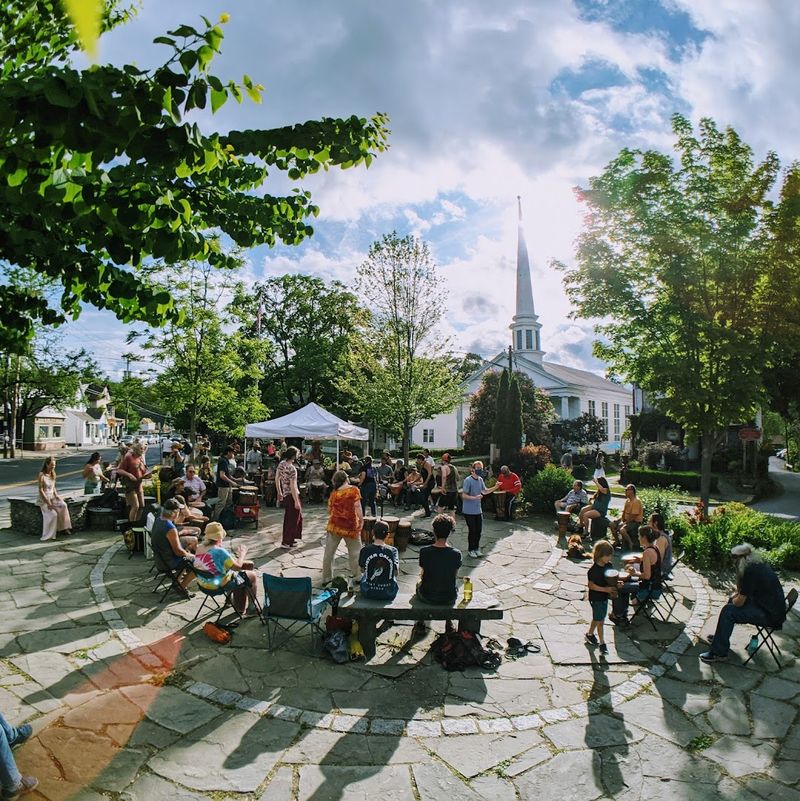
The town’s tourism organization, operating under the name Real Woodstock, has been developing a new tourism website with features like trip planning tools and a customer relationship management system. The goal is to attract more visitors in an organized and sustainable way.
Not everyone on the town council is convinced the investment is worthwhile. Some members have raised questions about whether the return on taxpayer money justifies the cost, especially at a time when residents are struggling with housing and infrastructure issues that feel more urgent.
The debate reflects a genuine tension that many tourism-dependent communities face. Visitors bring revenue, and that revenue funds public services.
But when tourism grows faster than a community can absorb it, the costs start to outweigh the benefits for the people who live there permanently.
Real Woodstock’s effort to manage and shape the visitor experience is not inherently a bad idea.
The question is whether better marketing addresses the actual problems residents are facing, or simply brings more people to a town that is already straining under the weight of its own popularity.
That is not a simple question, and Woodstock is still working through the answer in real time.
Why People Keep Coming And Why That Matters
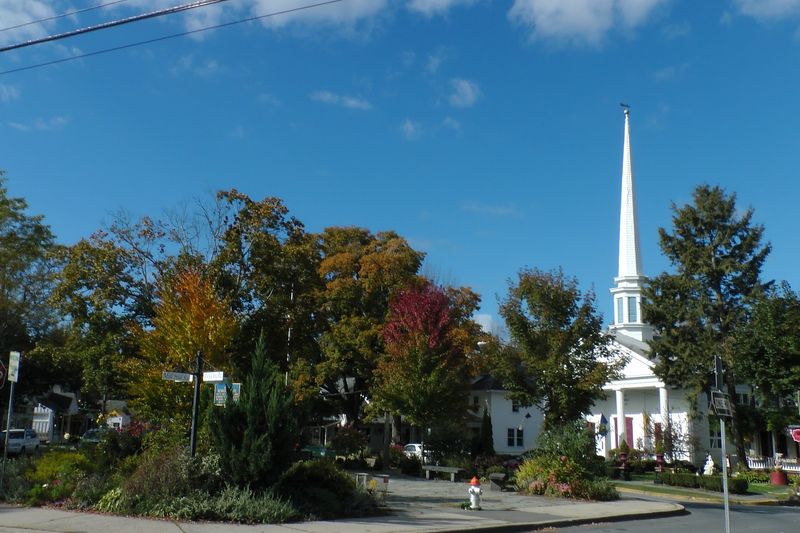
Woodstock is genuinely beautiful. That is not a marketing claim, it is a geographic fact.
The Catskill Mountains provide a backdrop that changes with every season, and the village itself retains enough of its original character to feel distinct from the average weekend destination.
The creative energy that drew artists here over a century ago has not fully left. Galleries still operate, musicians still perform, and the Woodstock Film Festival continues to bring thoughtful cinema to the region each fall.
The bones of something real are still standing.
People keep coming because the reputation, even if partly built on a festival that happened elsewhere, points toward something true. Woodstock represents a kind of freedom and creativity that is genuinely rare in the modern landscape.
Visitors are not wrong to want a piece of that.
The challenge is not that people love Woodstock. The challenge is that love, expressed at scale and without care, can wear a place down.
The residents who remain are not asking visitors to stay away. They are asking for a system that lets them stay too.
That is a reasonable request, and it deserves a real answer from everyone who benefits from what Woodstock has built.