
9 Long-Abandoned Wyoming Ghost Towns Where The Old West Still Lingers
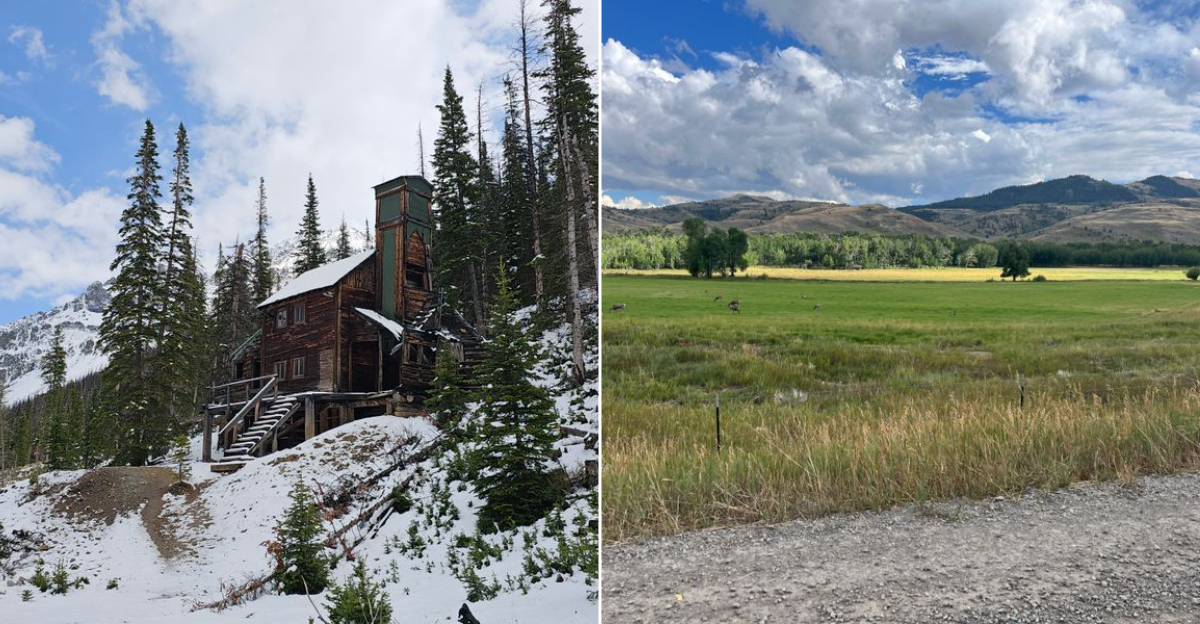
Pack a thermos, cue up a dusty road playlist, and let the high plains whisper their secrets.
Wyoming hides forgotten streets where boots once clacked and saloon doors creaked, and you can still feel that grit riding the wind.
I’m taking you to places where maps go quiet and history speaks up, guiding your steps past collapsed cabins, leaning storefronts, and stubborn memories that refuse to fade.
Each stop trades spectacle for atmosphere: sagebrush horizons, long shadows, and silence that feels earned.
Drive slowly, listen carefully, and you’ll find the Old West still lingering in sun-bleached boards and open sky.
1. South Pass City State Historic Site
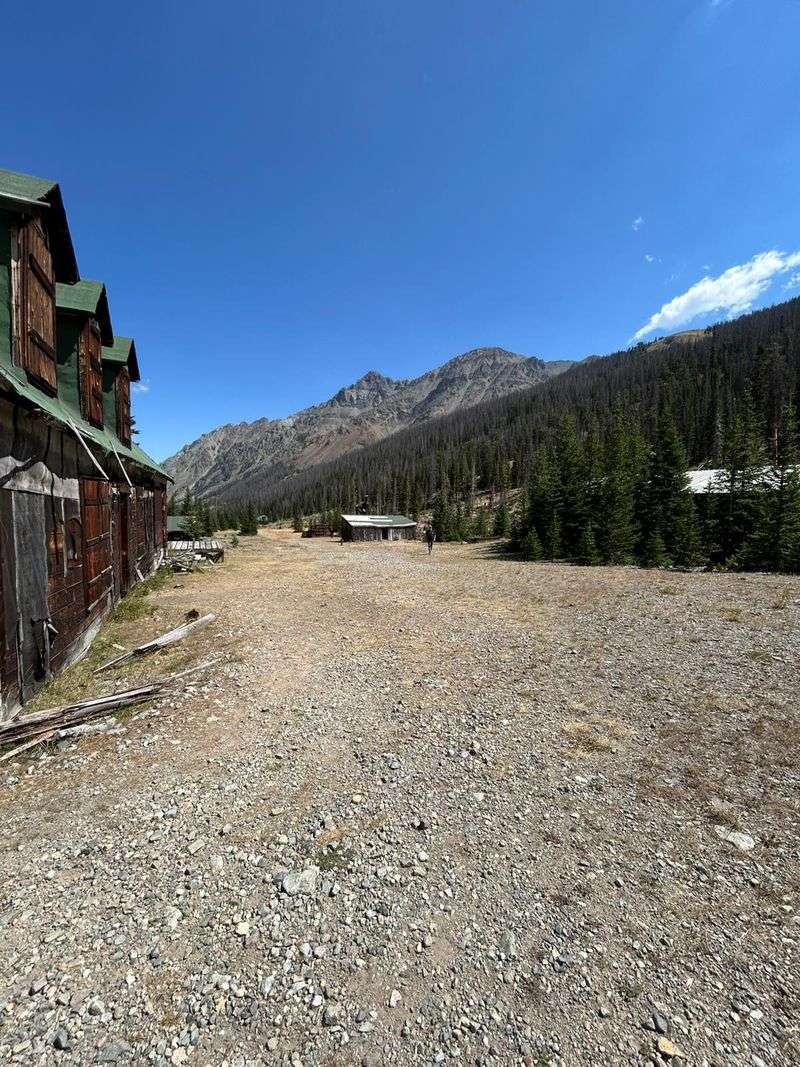
Roll up to South Pass City and the clapboard storefronts immediately set the scene.
Gold once pulled dreamers over the Continental Divide, and you can read that ambition in every creak of the wooden boardwalks.
Step quietly and you might swear a card game paused just for you.
The Carissa Mine anchors the story with iron machinery and bright ore buckets resting like sleeping giants.
Rangers and interpretive signs do a fine job without being pushy, so you can wander at your own rhythm.
Bring layers because mountain weather likes surprises, even in summer.
Parking is easy and the site keeps a tidy loop through preserved buildings, from a schoolhouse to the smithy.
Peek through wavy glass at shelves stocked with dusty wares that look ready to sell themselves.
You can almost taste the grit that once rode on every payday celebration.
Photography is a joy here, thanks to wide skies and that amber frontier light.
If you listen, the wind carries miners’ talk, horses snorting, and the thud of hammers that built a town from hope.
Give yourself time to sit on a porch and let the road dust settle on your boots.
2. Miner’s Delight Ghost Town, County Rd 237 and BLM Rd 2324 access (follow signs), Atlantic City
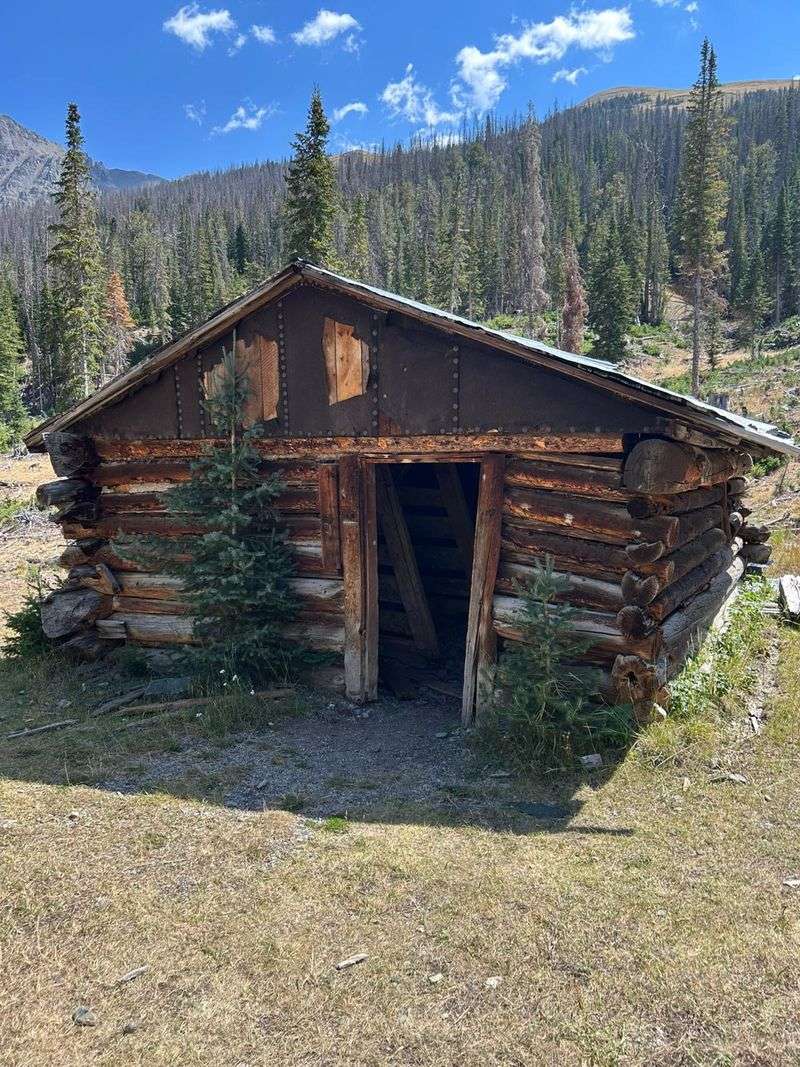
Miner’s Delight feels like a whisper you catch before turning your head.
The cabins crouch low in the sage, their dovetail corners still holding strong against the wind.
Past residents left small clues in doorways, and you can read their lives like marginal notes.
Follow the signs off County Rd 237 and roll slow because the track bumps and dips.
A careful step matters, both for safety and to keep the fragile site intact.
Pack water, sun protection, and a camera that handles contrast, because shadows here make their own drama.
Gold put this community on the map under the original name Hamilton City, and fortunes swung like a pickaxe.
You can see the cycle in collapsed roofs beside standing walls, as if optimism and gravity negotiated a truce.
Listen for ravens, the unofficial guides of lonely places.
There is a serenity in the scattered timbers that will steady your breathing.
Take a minute to trace tool marks on old logs and picture lanterns bobbing through winter nights.
Respect the privacy of the past, but do not be shy about letting your imagination walk the street.
3. Kirwin Ghost Town
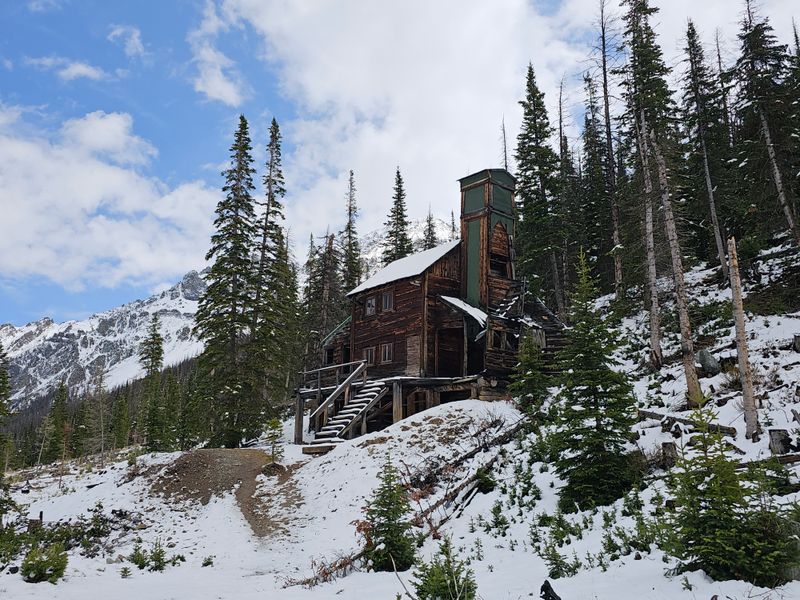
Kirwin hides deep in the Absarokas, and the road there demands respect.
Four wheel drive is not a suggestion, especially after storms or snow.
By the time you reach the meadows, the air feels new, like someone just opened the sky.
Cabins lean against a grand backdrop of serrated peaks, and history stacks up in scattered mining artifacts.
Amelia Earhart once planned a cabin nearby, which adds an unexpected note of celebrity to the silence. Pack bear spray, tell someone your plan, and give the weather a close watch.
The ruins speak softly: a stove door, a pulley, a cribbed mine opening fading into shadow.
I like to stand where the town’s main drag once ran and imagine wagons straining uphill.
It is easy to forget time while following a deer trail lined with purple lupine.
Summer brings alpine flowers and playful marmots, while fall paints everything bronze and blue.
If clouds build, head out early because the track gets slick and remote very quickly.
Kirwin rewards patience with thin, clean light and the sensation that the frontier never fully left.
4. Gebo Ghost Town
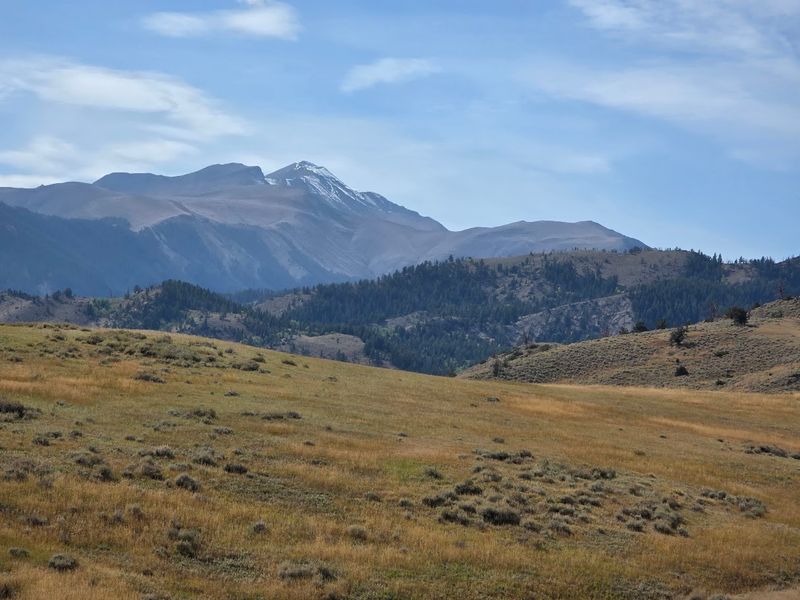
Gebo sprawls across rolling sage hills north of Thermopolis, a coal town that burned hot and faded fast.
Concrete foundations grid the ground like a ghostly blueprint.
Walk slowly and the layout of streets clicks into place under your feet.
The badlands light is harsh in the best way, sharpening edges of brick fragments and steel.
Wind pushes across the flats with the smell of dust and gypsum.
Keep an eye for open pits and unstable rubble, because coal history leaves both stories and hazards.
In its boom years, company houses, a school, and bathhouses served a busy population.
Now magpies patrol the ruins while pronghorn watch from a safe distance.
A thermos and broad-brim hat will make your visit a lot friendlier.
Close by, the Thermopolis hot springs offer a civilized reset after wandering the grit.
I like to sketch the old town grid, then compare it to historic photos to spot what survived.
Finish with golden hour light over the Owl Creek Mountains and you will get the mood just right.
5. Crosby Coal Camp
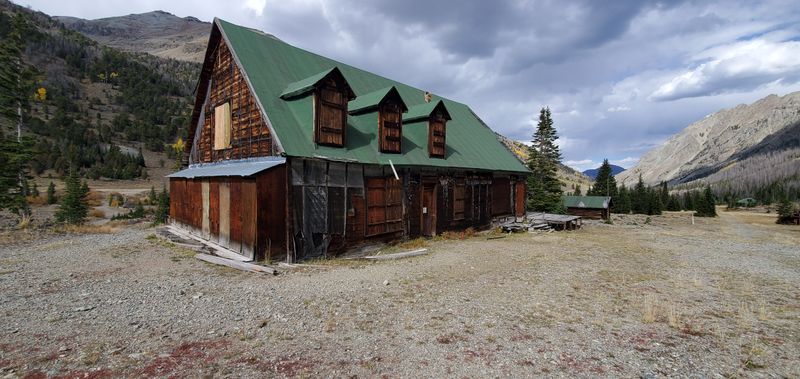
Just south of Gebo, Crosby hides in folds of the badlands where the wind keeps secrets.
The coal camp once fed mines with steady labor and a tight schedule.
Now only shards of buildings, foundations, and equipment outlines remain to sketch the past.
Use the Gebo-Crosby district access and drive with care, since the road can rut after rain.
A high clearance vehicle is helpful and patience is your friend.
Out here, silence breaks with the rattle of grasshoppers and the distant cough of a truck.
I like to stand where the tipple likely towered and picture carts clanking toward the scales.
The camp’s stories feel practical and gritty, more workbench than saloon bar.
Watch footing around eroded cuts and keep pets leashed near crumbly edges.
Pair a visit with Gebo to see how company communities linked across the coal field.
If you bring kids, turn it into a scavenger hunt for safe-to-spot artifacts like bolts and ceramic shards.
Always leave everything where it rests and let the landscape keep its memory intact.
6. Winton Ghost Town
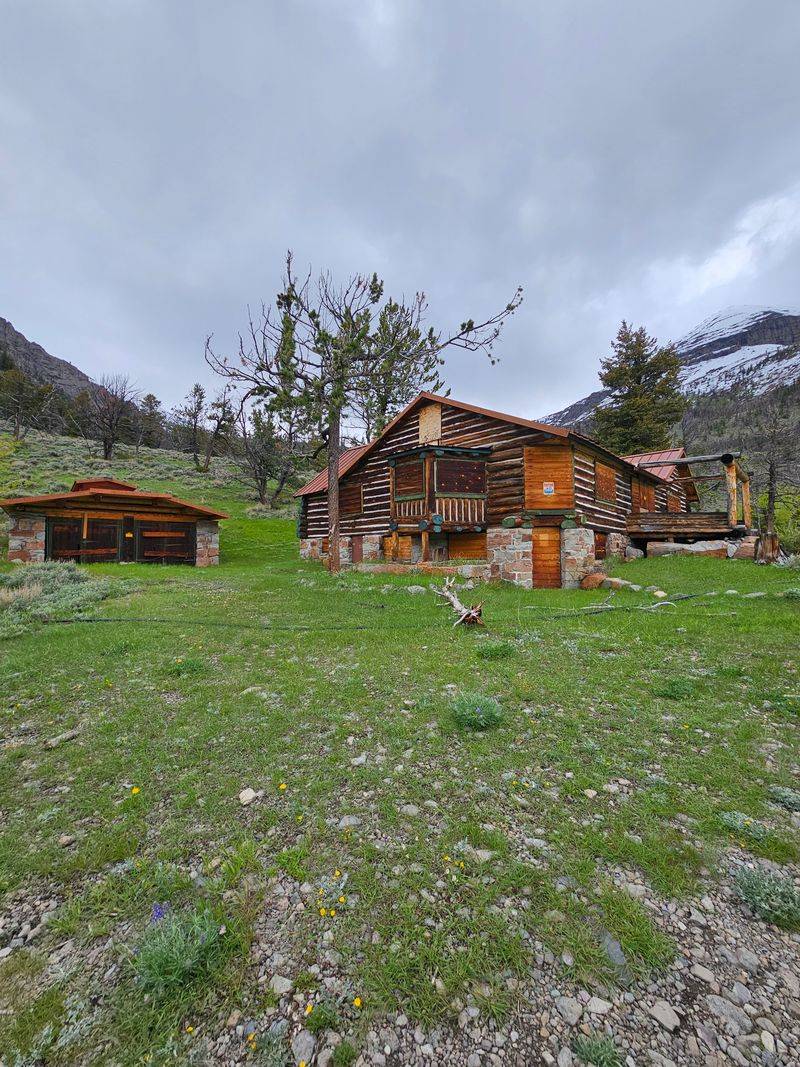
Winton sits above Rock Springs on a wind-exposed bench where coal once set the pace.
The town supported miners from multiple ethnic backgrounds, and that mix still echoes in the relics.
Foundations and rubble give you a map made of concrete and memory.
Park off the main track and walk the bench to let the site resolve around you.
The wind does the storytelling here, pushing steady against jacket sleeves and camera straps.
Bring layers, sturdy shoes, and caution around old shafts and hidden voids.
Company housing once lined the blocks with neat repetition, and the school anchored daily routines.
Today, you will meet lizards, crows, and the occasional antelope edging past.
If trains roll far below, the sound floats up like a ghost parade.
Late light spreads copper across the sage and pulls long shadows from every low wall.
I like to frame shots with railroad lines in the distance to connect mine to market.
Afterward, a meal in Rock Springs tastes better with coal dust stories still in your head.
7. Piedmont Ghost Town and Charcoal Kilns
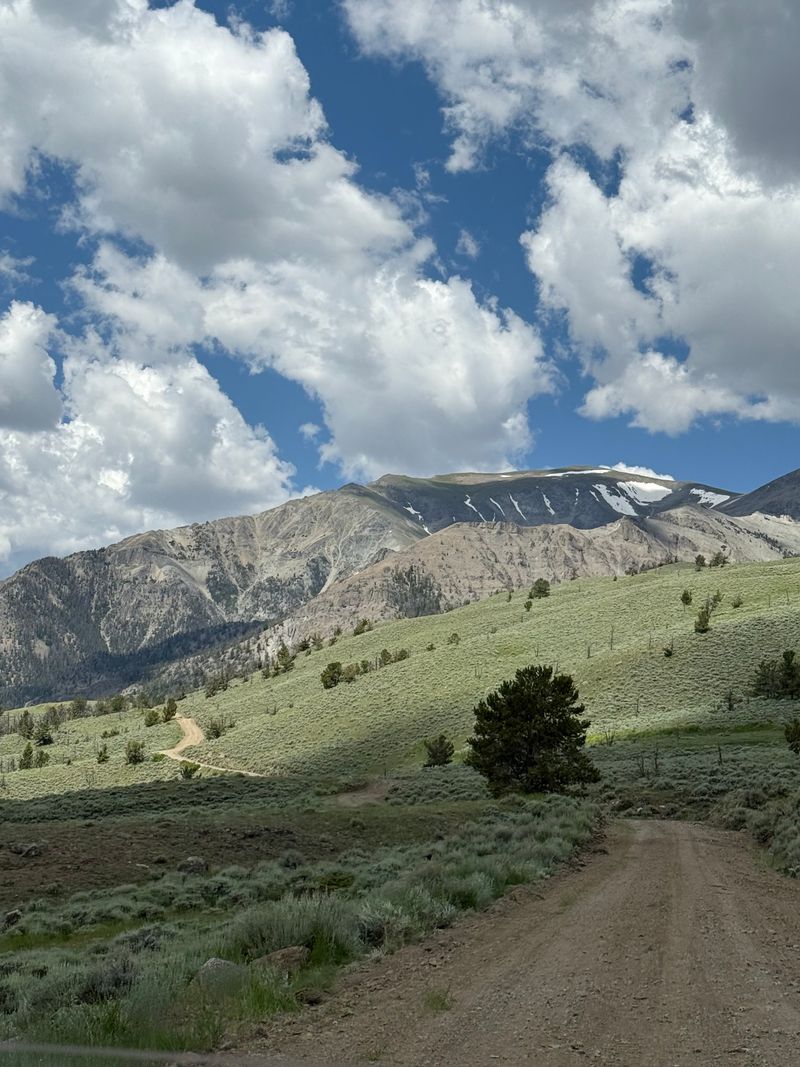
The charcoal kilns of Piedmont rise like beehive sculptures against open prairie.
Freight wagons once hauled wood here to feed rail-era smelters with clean-burning fuel.
Step inside a kiln and the acoustics bounce your voice back like a stage whisper.
County Road 173 is straightforward in dry weather, but watch for mud after storms.
The old townsite lingers nearby with timbered remnants and a wind-swept cemetery.
You will feel the railroad era circling back as trains hum far off along newer lines.
I love how the kilns catch sunset and glow with warm stone that begs for photos.
Walk gently, respect fences, and scan for rattlesnakes sunning near the walls.
If you bring a picnic, the prairie offers a front row seat to giant skies.
Stories here are about transformation: trees to charcoal, frontier to industry, and town to memory.
Read the historic plaques, then build your own timeline from the scars on the mortar.
When the evening cools, the place turns contemplative and you will not want to rush.
8. Bryan Ghost Town
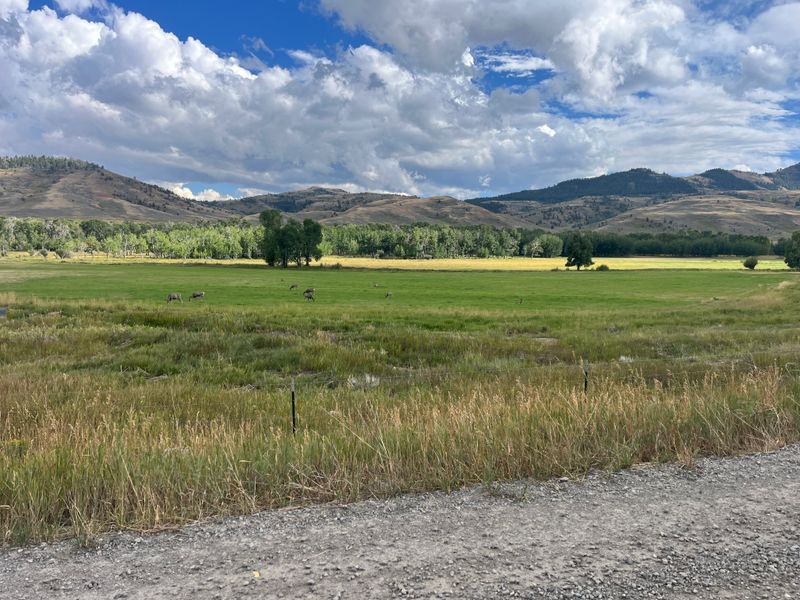
Bryan had one big moment when the railroad needed a river crossing and set up shop.
When tracks shifted, the town faded like a campfire under rain.
Today, squint and you will still catch platform lines etched into the earth.
Pull off WY-374 and explore on foot with a mind for uneven ground and cactus.
The Green River meanders nearby, adding a ribbon of green to the beige expanse.
It is easy to imagine telegraph clicks and steam whistles riding the afternoon air.
Rail towns grew fast, traded loud, and sometimes vanished overnight.
Bryan fits that pattern, leaving a handful of ruins and a lot of horizons.
I like to map the old alignment and then trace it with my gaze toward the bluffs.
Photography favors moody weather, when clouds stack and the light goes silver.
Respect private property signs and keep your visit tidy and brief if livestock graze.
Leaving with dust on your boots feels like a proper stamp from the past.
9. Dana No. 1 Mine site
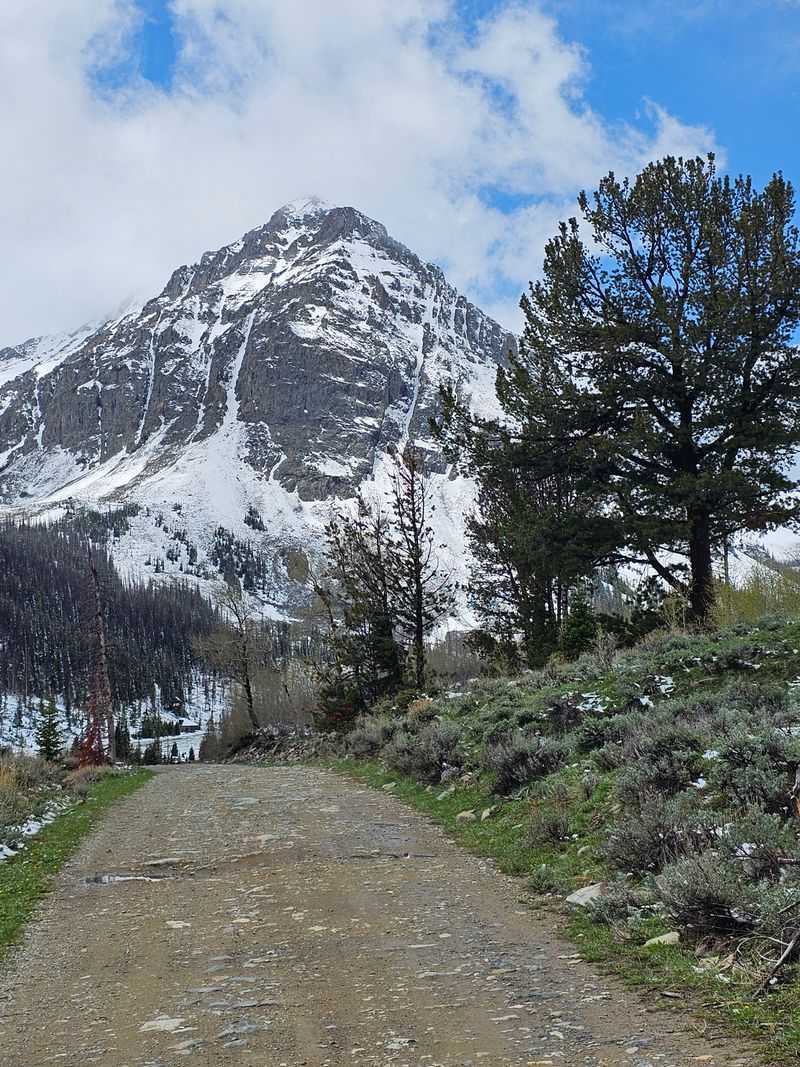
The Dana No. 1 site near Hanna carries a heavier hush than most ghost places.
Mining disasters here marked families and the region, and you can feel that weight.
Walk softly and let the memorials lead your thoughts toward the people behind the coal.
Coordinates help you land precisely, then the prairie opens with foundations and scattered artifacts.
Information boards and local histories fill in names, dates, and the human math of risk.
Keep a respectful distance from unstable remains and avoid probing into fenced areas.
I tend to slow down and read every plaque, giving each story proper time.
The wind moves steadily, like it wants to carry grief outward until it thins.
Bring water, good shoes, and a moment of quiet for those who never came home.
From town, you can connect this site to other Hanna coal landmarks for a fuller picture.
Photographs work best with soft light that matches the reflective mood.
Leaving, the prairie feels wider, and you will carry the memory longer than expected.