
Louisiana Is Home To A Charming Restaurant That Serves The Best Fried Fish Around
You think you have had good fried fish before. You have not.
You have had fish that was fried, which is a completely different thing. Louisiana knows the difference, and this restaurant has built its entire reputation on it.
One plate and you will understand why people in this state get genuinely emotional about food. It is not dramatic.
It is just that good. This is not a place that reinvents itself every season.
It does not need to. It has been doing the same thing, the same way, for longer than most restaurants have existed, and the result speaks for itself.
The crust has that crack. The fish has that flake.
The kind of bite that makes you put your phone down, which, if you know yourself at all, is saying a lot. Louisiana has always known how to fry fish.
This place just does it better than everyone else.
History Of Fried Fish In Louisiana
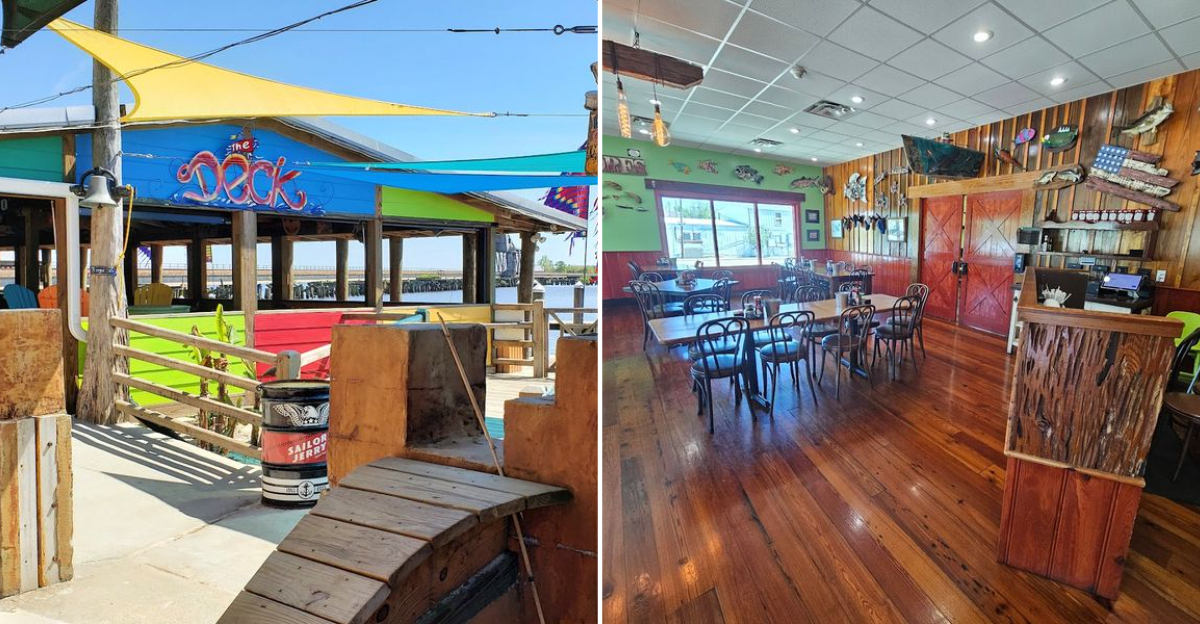
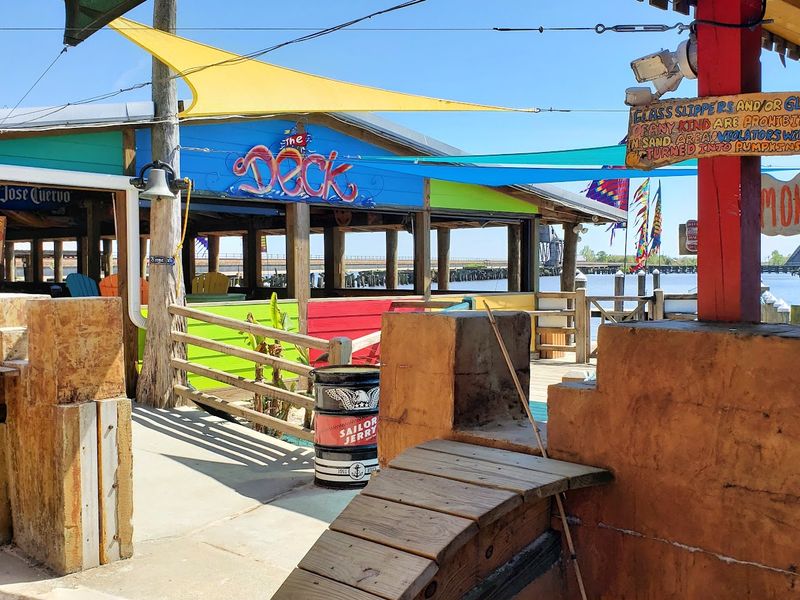
Louis and Josie Middendorf opened their small roadside diner in Manchac back in 1934. They picked a fishing village sandwiched between Lake Maurepas and Lake Pontchartrain.
That location was no accident. Fishermen were already pulling catfish out of those waters every single day.
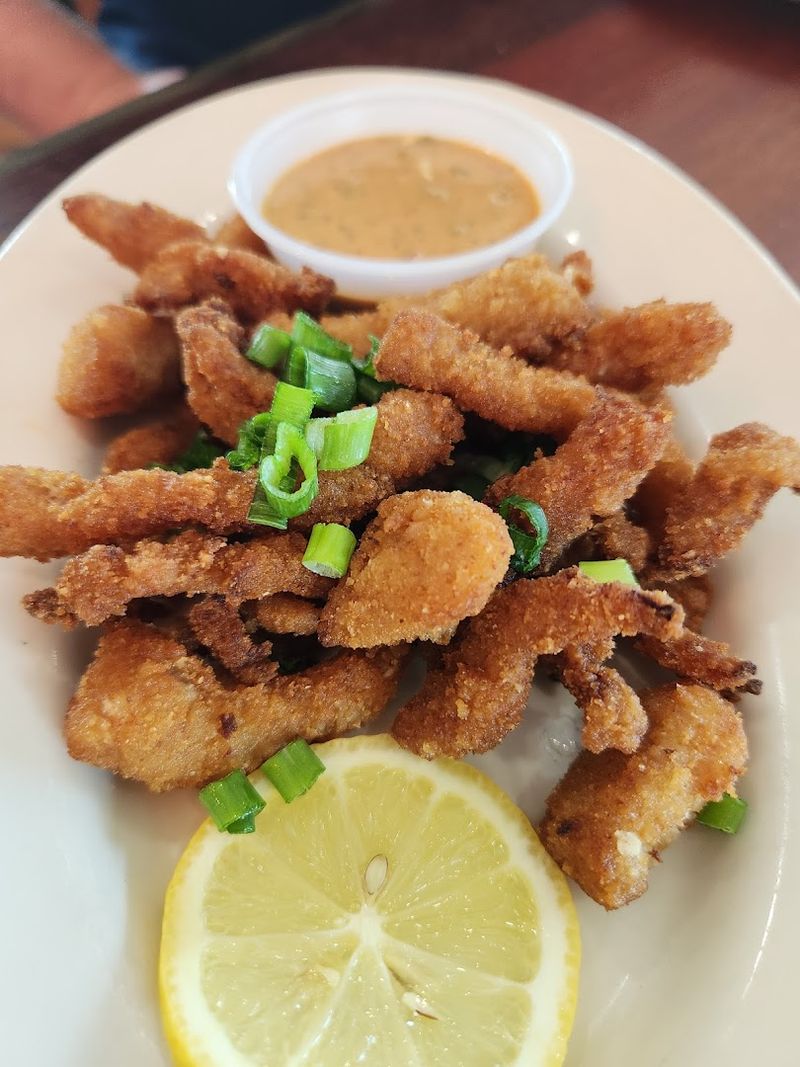
Josie figured out something most cooks never crack. Slice the catfish paper-thin, season it simply, and fry it fast.
That method became the restaurant’s entire identity. The recipe has not changed one bit since opening day.
Hurricanes have rolled through, including Katrina and Isaac. The building took hits but kept right on standing.
That kind of history earns respect in Louisiana. Middendorf’s became a landmark not just for food but for survival and consistency.
Current owners Horst and Karen Pfeifer took over in 2007. They kept the original recipe and the old-school atmosphere intact.
You can find Middendorf’s Manchac at 30160 US-51, Akers, LA 70421, open Wednesday through Sunday from 10:30 AM to 9:00 PM. The place still carries that honest fish camp energy that started it all ninety years ago.
Popular Cooking Techniques For Fried Fish
Frying fish sounds simple until you try doing it the Middendorf’s way. The catfish fillets get sliced almost translucently.
That thinness is the whole game. A thick fillet holds moisture in the wrong places and can taste muddy.
The bloodline and fat get removed before anything hits the fryer. That step alone kills the muddy flavor most people complain about with catfish.
Then the fillet gets lightly seasoned and coated in a corn flour and meal blend.
Hot oil does the rest fast. The thin cut means the fish cooks through in seconds.
There is no soaking in batter. There is no heavy coating weighing things down.
The result is a crispy, non-greasy finish every single time.
Middendorf’s reportedly processes around 2,000 pounds of catfish fillets every week. That volume demands precision and speed.
The kitchen has the technique down to a science. Every piece that comes out of that fryer looks and tastes exactly like the last one.
Consistency at that scale is genuinely impressive and worth studying if you care about frying fish right.
Unique Seasonings And Spice Combinations
Middendorf’s seasoning approach is restrained on purpose. The catfish is lightly seasoned before being coated with the breading.
Nothing overpowers the fish itself. That philosophy goes against the louder, spicier direction a lot of modern seafood places chase.
Corn flour and cornmeal make up the breading base. That combination fries up with a distinct crunch that regular all-purpose flour cannot match.
It has a slightly gritty texture that grips the fish without getting soggy. The coating stays crispy even as the plate cools down.
The restraint in seasoning is what makes each bite interesting. You taste the actual catfish.
You taste the corn breading. Nothing is buried under salt or heat.
It is a confident move to let the ingredients speak plainly.
Other menu items like hush puppies and gumbo carry bolder seasoning profiles. So the kitchen clearly knows how to layer flavors when it wants to.
Choosing simplicity for the catfish is a deliberate decision rooted in Josie Middendorf’s original vision. That vision has held up for over ninety years without anyone feeling the need to update it or fix what clearly was never broken.
Freshwater Fish Varieties Commonly Used
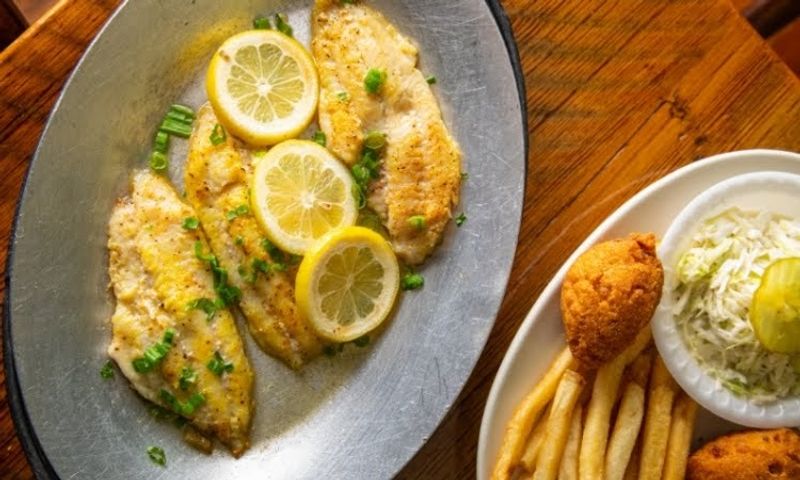
Catfish is the undisputed star at Middendorf’s Manchac. Specifically, freshwater catfish are pulled from the nearby waters.
Lake Maurepas sits practically in the backyard of the restaurant. Fish sourced that close to the kitchen does not get any fresher.
Catfish from Lake Maurepas sometimes arrives the same morning it gets cooked. That same-day freshness makes a real difference in flavor and texture.
A fresh catfish fillet has a clean, mild taste. An older one carries that muddy note everyone tries to avoid.
Catfish thrives in the warm, slow-moving freshwater systems across Louisiana. The species is deeply connected to Southern food culture.
It feeds families, fuels restaurants, and anchors traditions that go back generations. Middendorf has built an entire identity around one variety of one fish.
The menu also includes other seafood like shrimp, oysters, soft shell crab, and flounder. But catfish remains the reason most people make the drive out to Manchac.
Ordering anything else feels almost like visiting a famous barbecue joint and skipping the brisket. You can do it, but you probably should not on your first visit.
Perfect Side Dishes To Complement Fried Fish
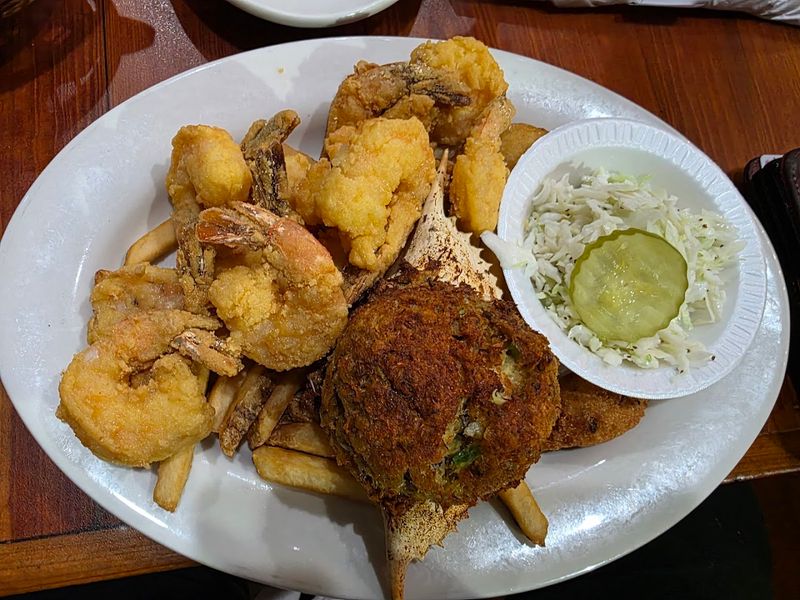
Hush Puppies at Middendorf’s have their own fan club. They come out golden, slightly crispy outside, and soft enough inside to make you order a second basket.
Paired with thin fried catfish, they hit a balance between crunch and softness that works perfectly.
The coleslaw leans sweet and light. A dill pickle slice lands on top, which sounds odd but tastes exactly right.
It cuts through the richness of the fried fish without overwhelming anything. Simple sides done well always beat complicated ones done poorly.
French fries come hot and crispy on the outside with a soft interior. They are exactly what fries should be.
The thin catfish plate comes with fries, hush puppies, and coleslaw altogether. That combination covers every texture and flavor angle you want alongside fried fish.
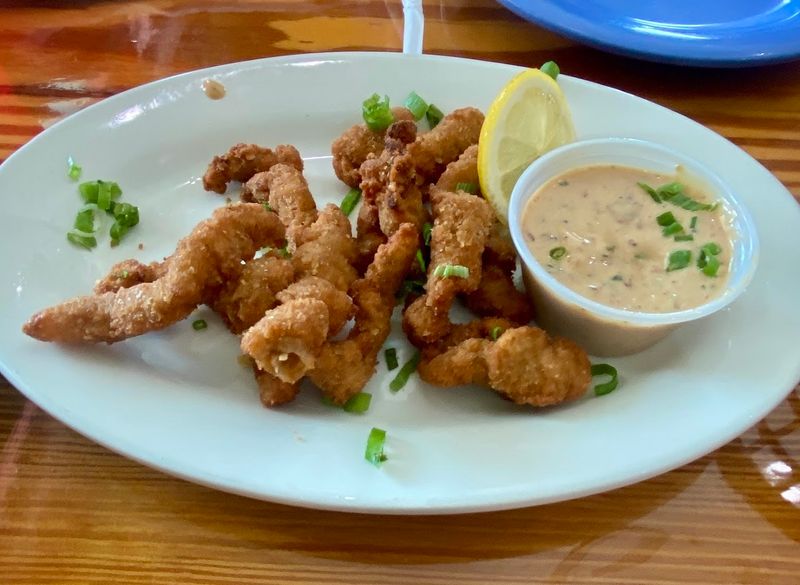
Gumbo is available as well, dark and rich with shrimp and crab. Alligator bites show up on the menu for the adventurous.
Turtle soup rounds out the more traditional Louisiana options. Every side feels chosen to honor the cooking culture of the region rather than just fill space on the plate.
Tips For Achieving Crispy Golden Batter
Getting a crispy batter on fried fish comes down to a few non-negotiable factors. Oil temperature matters most.
Too low and the fish absorbs grease. Too high and the outside burns before the inside cooks.
Middendorf’s has mastered that temperature window over ninety years of daily frying.
Thin slicing is the other major variable. Josie Middendorf figured out that thinner fillets fry faster and more evenly.
Less time in the oil means less chance for grease to work its way into the breading. The result is the signature non-greasy finish the restaurant is known for.
Corn flour and cornmeal create a breading that crisps up faster than wheat-based coatings. The coarser texture also creates more surface area for crunch.
Light seasoning before breading helps the coating stick evenly without clumping. Every step in the process connects back to the final texture.
Home cooks chasing that same result should focus on oil temp, thin cuts, and corn-based breading. Pat the fish dry before seasoning.
Do not crowd the fryer. Each of those small steps compounds into something noticeably better.
The Middendorf’s method is not magic. It is a discipline applied consistently every single day.
Local Seafood Sustainability Practices
Lake Maurepas provides much of the catfish that ends up on plates at Middendorf’s. That local sourcing keeps the supply chain short and the fish genuinely fresh.
Buying from nearby fishermen also keeps money circulating inside the Louisiana fishing community.
Catfish farming and wild-catch operations in Louisiana follow state and federal guidelines around harvest limits. Those rules exist to protect fish populations from being depleted.
A restaurant processing 2,000 pounds of catfish weekly needs a reliable, sustainable supply to keep operating at that scale.
The fishing village of Manchac has always depended on the health of the surrounding waterways. Lake Maurepas and its ecosystem support not just catfish but also shrimp, crab, and other species on Middendorf’s menu.
Protecting that ecosystem is directly connected to the restaurant’s survival.
Sourcing seafood locally also reduces the carbon footprint compared to shipping fish across the country. Freshness improves.
Quality control improves. The fishing community stays employed.
Every plate of thin fried catfish at Middendorf’s carries a connection to the lake just outside the window. That relationship between the kitchen and the waterway is part of what makes the food taste honest and real.
Cultural Significance Of Fried Fish Cuisine
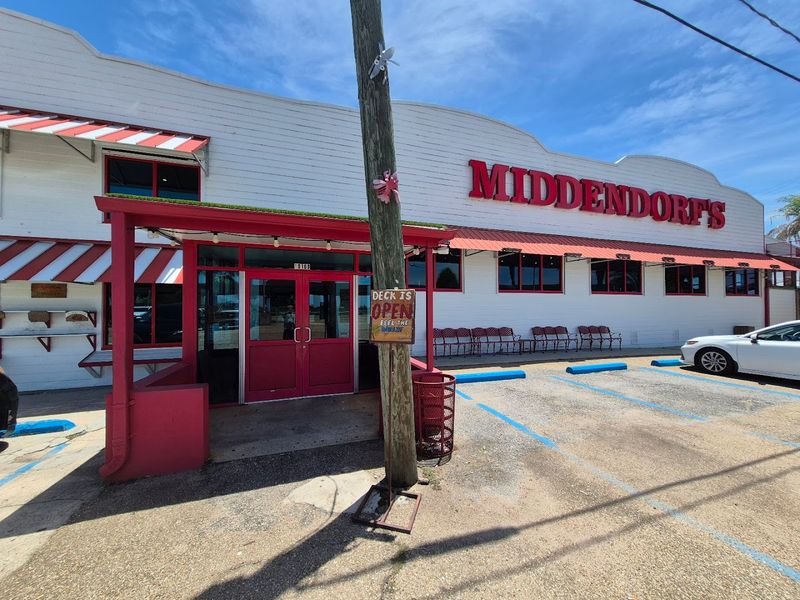
Fried fish in Louisiana is not just a menu item. It is a cultural institution.
Friday fish fries bring communities together across the state every single week. Church groups, families, and neighbors gather around shared platters the way other places gather around a backyard grill.
Middendorf’s Manchac represents the deepest version of that tradition. Opening in 1934, the restaurant survived the Great Depression, multiple hurricanes, and nearly a century of change.
It kept doing the same thing the same way because that thing was already exactly right.
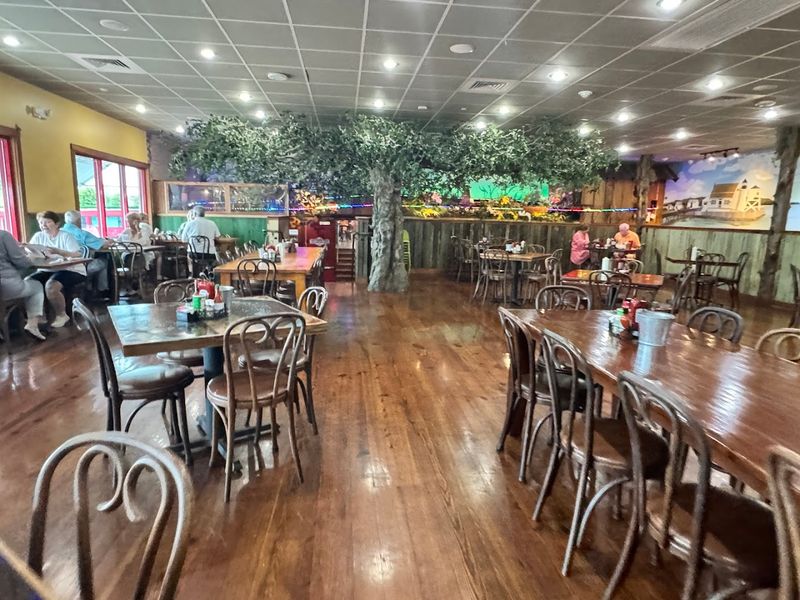
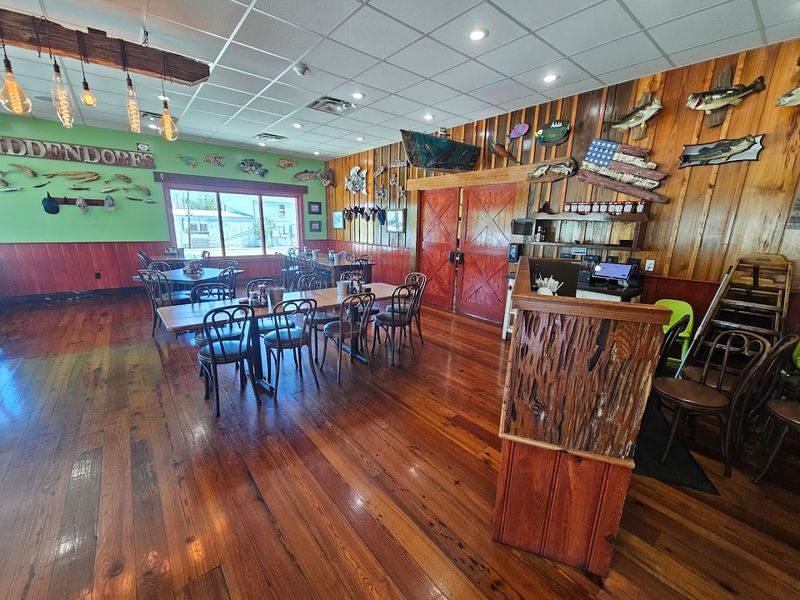
The interior decorations tell a story. Mardi Gras decor covers the walls alongside alligator themes and memorabilia from the restaurant’s long history.
That visual layer reminds every visitor that eating here connects them to something larger than a single meal. History is physically present in the room.
Louisiana food culture centers on freshness, community, and recipes passed down without alteration. Middendorf’s embodies all three.
Josie Middendorf’s original catfish recipe still runs the kitchen today. No chef has modernized it.
No trend has replaced it. That loyalty to the original is itself a cultural statement about what matters most in Southern cooking and why some things should never change.