
Louisianians Flock To This No-Frills Diner For The Best Gumbo
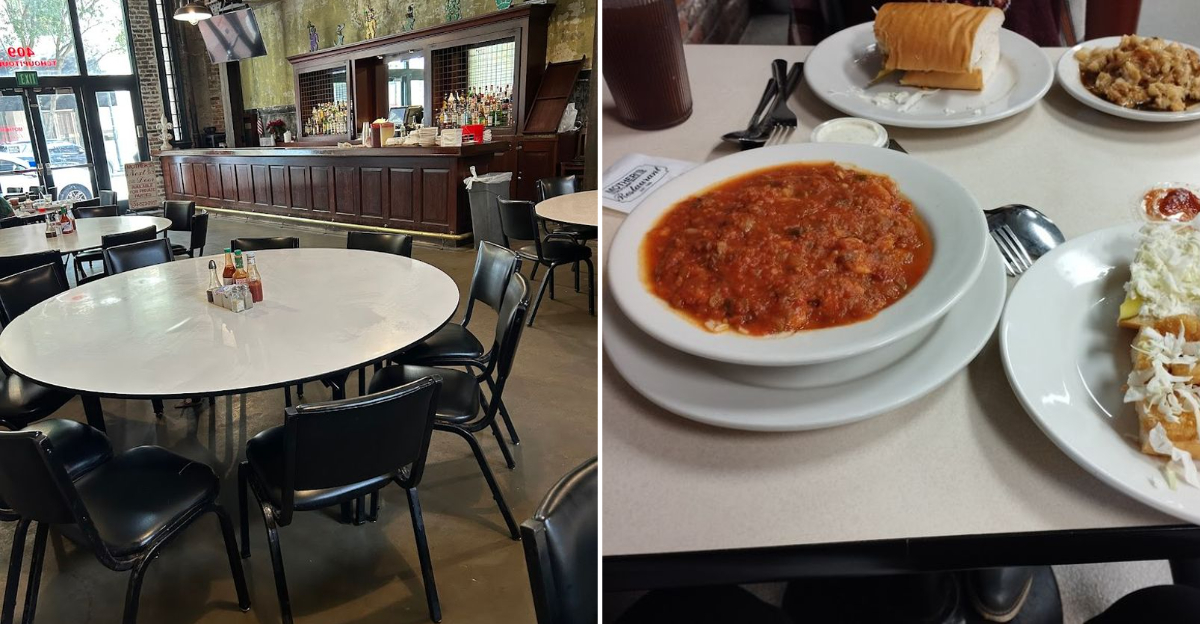
Food lovers and gumbo devotees often find their way to this restaurant, drawn by flavors that linger long after the last bite. In the state of Louisiana, places like this are more than just spots to eat.
They are part of a living tradition shaped by generations.
The air carries the scent of slow-simmered spices, and every dish tells a story. Each recipe reflects patience, care, and a deep respect for local ingredients.
Locals gather here not just for a meal, but for the comfort of something familiar. Visitors arrive curious and leave with a deeper appreciation for the culture on every plate.
It is the kind of place where time slows down. Conversations stretch, and the food becomes the center of everything.
Ingredients That Define Classic Gumbo Flavors
This place keeps it real with every ingredient that goes into their gumbo. The holy trinity of Louisiana cooking, which is onion, celery, and bell pepper, forms the backbone of every pot.
Without it, you just have soup. With it, you have something worth driving across the state for.
Andouille sausage brings that smoky punch that separates a great gumbo from a forgettable one. Mother’s uses sausage with real snap and depth, not the watered-down stuff.
Shrimp and crab show up fresh, adding a briny sweetness that balances all that richness beautifully.
Okra is not optional here. It thickens the broth naturally and adds a subtle earthiness that filé powder alone cannot replicate.
Some people debate okra versus filé, but the best gumbo uses both without apology. Filé, made from dried sassafras leaves, has been a Louisiana staple since Native American cooks introduced it centuries ago.
Every ingredient at Mother’s earns its place in the pot, and nothing is there just for show. The result is a bowl that tastes like Louisiana itself decided to show up for dinner.
Find this spot at 401 Poydras St, New Orleans, LA 70130.
Cooking Techniques To Enhance Gumbo Texture
The roux is where everything begins and where most home cooks panic. Mother’s Restaurant makes theirs low, slow, and dark, stirring constantly until it reaches the color of melted chocolate.
That patience is what separates their gumbo from everything else on the block. Rush the roux, ruin the gumbo.
Simple as that.
Once the roux hits the right shade, the holy trinity goes in, and the kitchen fills with a smell that should honestly be illegal. The sizzle, the steam, and the way the vegetables soften into the roux create a flavor base that no shortcut can replicate.
This step alone takes skill and attention that most fast kitchens simply skip.
Layering the proteins at the right time matters just as much. Sausage goes in early to release its oils into the broth.
Shrimp goes in last because overcooking it turns it rubbery and sad. Mother’s kitchen crew knows exactly when to add what, and that timing shows up in every bite.
The texture of a well-made gumbo should be thick but not pasty, smooth but with body. Getting there requires technique, not just a recipe.
Mother’s has clearly mastered both without making it look complicated.
The Role Of Broth In Traditional Gumbo Recipes

Broth is the soul of gumbo, and at Mother’s Restaurant, it is treated with real respect. A weak broth makes a weak gumbo, no matter how good the sausage is.
The broth needs time to absorb every flavor from every ingredient it meets along the way. At Mother’s, that process is never rushed.
Seafood stock made from shrimp shells and crab bodies creates a depth that plain water or store-bought broth cannot touch. When you combine that with the dark roux and the seasoned proteins, the liquid transforms into something layered and complex.
Each spoonful carries a little bit of everything that went into the pot.
Seasoning the broth correctly is a craft. Too much salt early on, and you lose control as the liquid reduces.
Too little and the whole bowl falls flat. The cooks at Mother’s have clearly learned how to walk that line with confidence.
Bay leaves, thyme, and cayenne pepper work quietly in the background without stealing the spotlight. The broth at Mother’s does not just carry the gumbo; it is the gumbo.
Everything else floats in it, but that liquid is what makes people close their eyes on the first sip and immediately want another bowl.
Cultural Significance Of Gumbo In Southern Cuisine
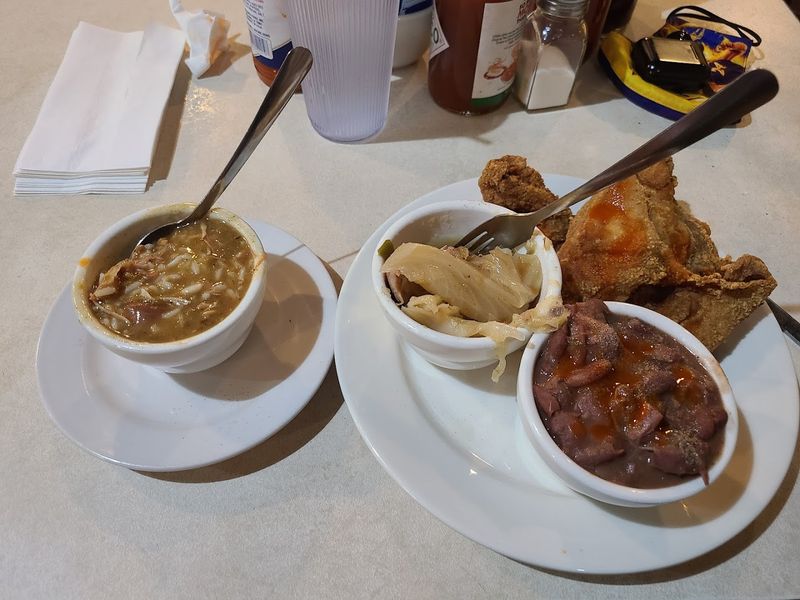
Gumbo is not just food in Louisiana. It is history in a bowl.
The dish pulls from African, French, Spanish, and Native American traditions, making it one of the most culturally layered dishes in American cooking. Every ingredient carries a story, and every family has their own version they swear is the correct one.
Mother’s Restaurant honors that history without turning it into a museum exhibit. The food is served simply, without lengthy explanations or fancy presentations.
That straightforwardness is itself a form of respect for the culture that created it. Locals recognize that immediately, which is exactly why they keep returning.
African cooks brought okra and the concept of thickened stews. French settlers introduced the roux.
Native Americans contributed filé powder. Spanish influences shaped the seasoning profile.
All of those threads wove together over centuries in Louisiana kitchens to create something entirely its own. Gumbo became the dish that said, without words, that this place is different from everywhere else in America.
Eating it at a no-frills spot like Mother’s feels like participating in something much bigger than lunch. It connects you to a community, a history, and a set of values around food that Southern culture has protected and celebrated for generations.
Pairing Suggestions To Complement Gumbo Meals
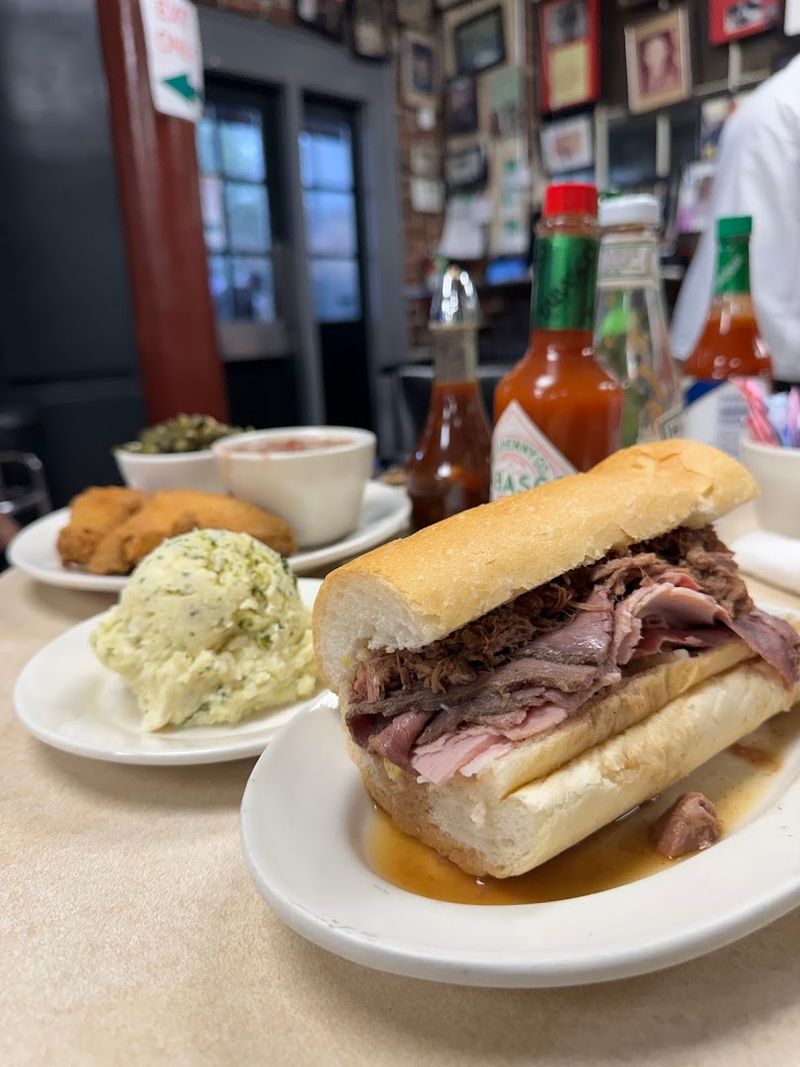
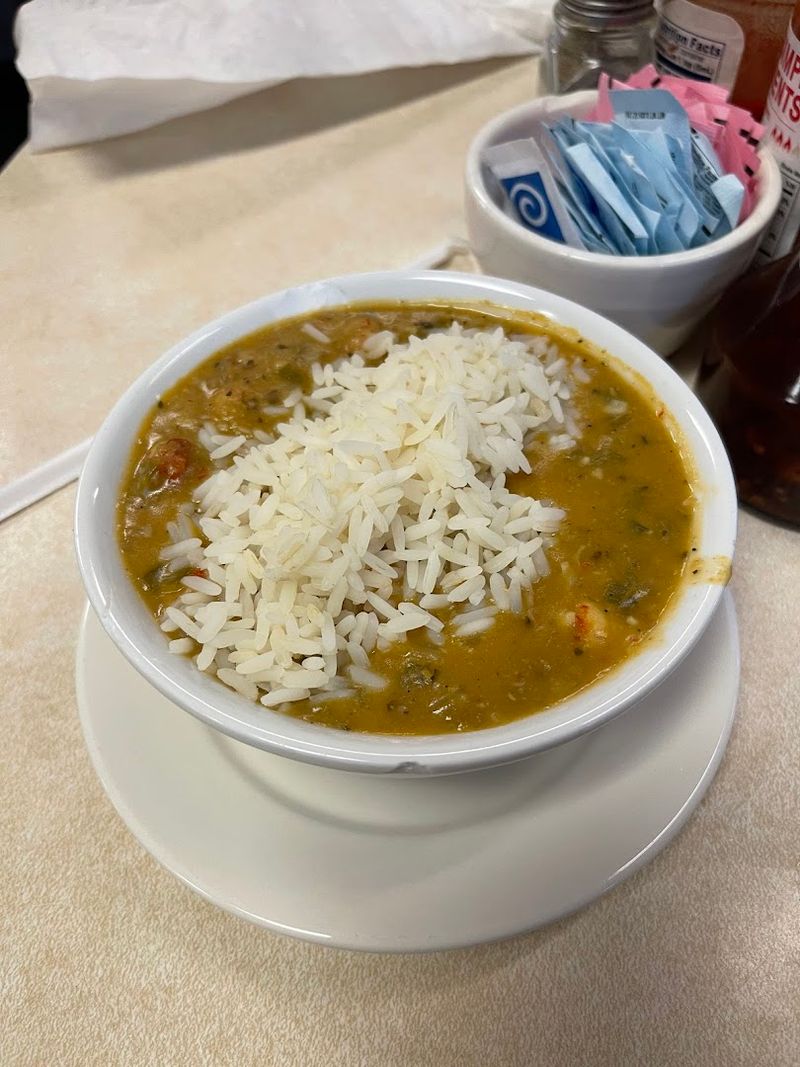
White rice is the classic partner for gumbo, and Mother’s Restaurant does not mess with that tradition. A scoop of fluffy white rice dropped right into the center of a bowl of gumbo soaks up the broth and adds a satisfying starchiness that rounds out the whole meal.
It is not complicated, and that is exactly the point.
Cornbread on the side is a smart move. It handles the extra broth that the rice leaves behind and adds a slight sweetness that plays nicely against the spice.
A good piece of cornbread at Mother’s is worth fighting your dining partner over, just saying.
Sweet iced tea is the go-to cold companion here. The sweetness cuts through the richness of the gumbo and cools things down when the cayenne starts making itself known.
Some people add a side of potato salad, which sounds odd until you try it and realize it is absolutely genius. The creaminess of the potato salad against the bold broth creates a contrast that works better than it has any right to.
Mother’s keeps the pairings honest and unfussy, letting the gumbo stay the main character while everything else plays a strong supporting role around it.
History Behind Popular Gumbo Variations
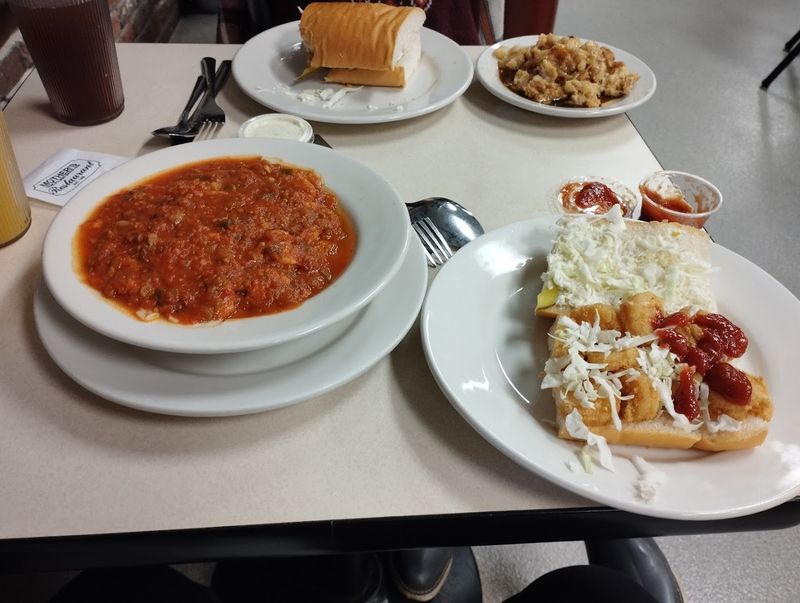
Gumbo has two main camps in Louisiana, and people feel strongly about both. Creole gumbo, rooted in New Orleans, often includes tomatoes and seafood.
Cajun gumbo, from the rural parishes, leans on chicken, andouille sausage, and a darker roux. Neither version is wrong.
They are just different conversations about the same subject.
Mother’s Restaurant leans into the New Orleans Creole tradition, which makes sense given its location in the heart of the city.
The gumbo here reflects the port city’s access to fresh seafood and its long history of blending cuisines from multiple continents. That history shows up in every bowl without anyone having to explain it.
The World Championship Gumbo Cook-Off in New Iberia draws over 70 cooking teams every year, which tells you everything about how seriously Louisiana takes these variations. Each team believes their version is the definitive one.
Regional pride runs deep when it comes to gumbo. Some cooks use file only, some use okra only, and some use both without apology.
Over time, these variations became their own traditions, passed down through families and neighborhoods. Mother’s version sits comfortably within that rich lineage, carrying forward what New Orleans has always done best.
It takes multiple influences and turns them into something completely unforgettable.
Dining Atmosphere That Enhances Comfort Food Experience
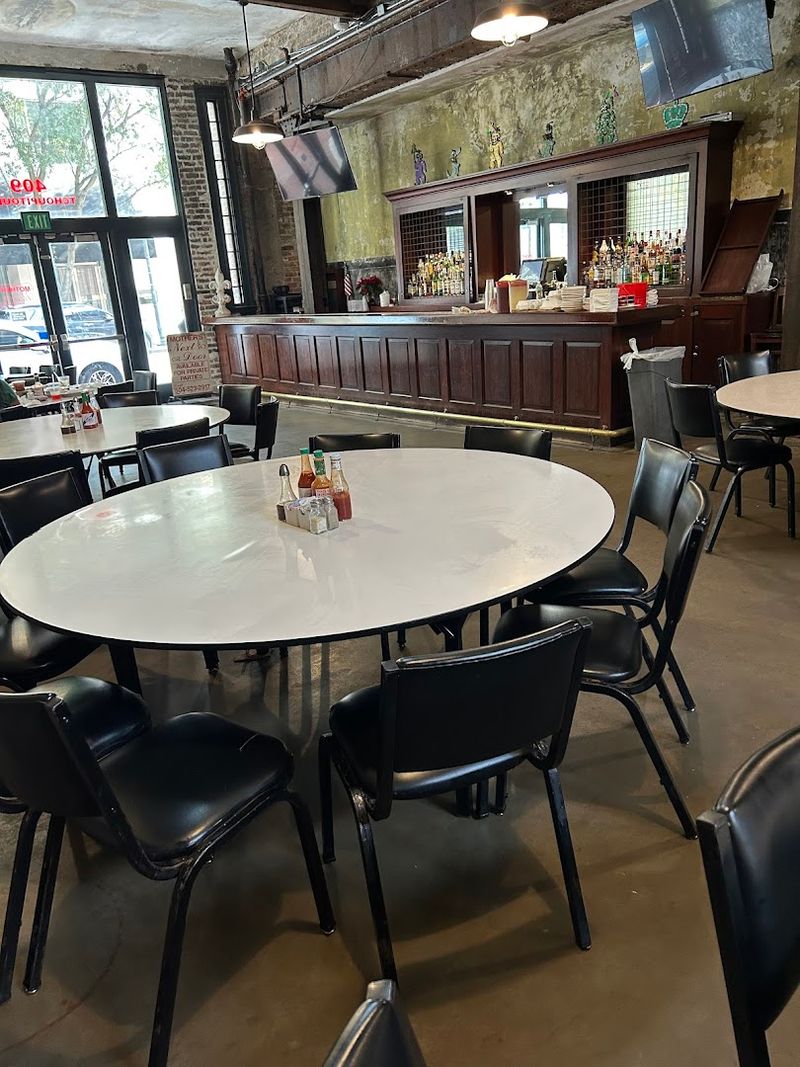
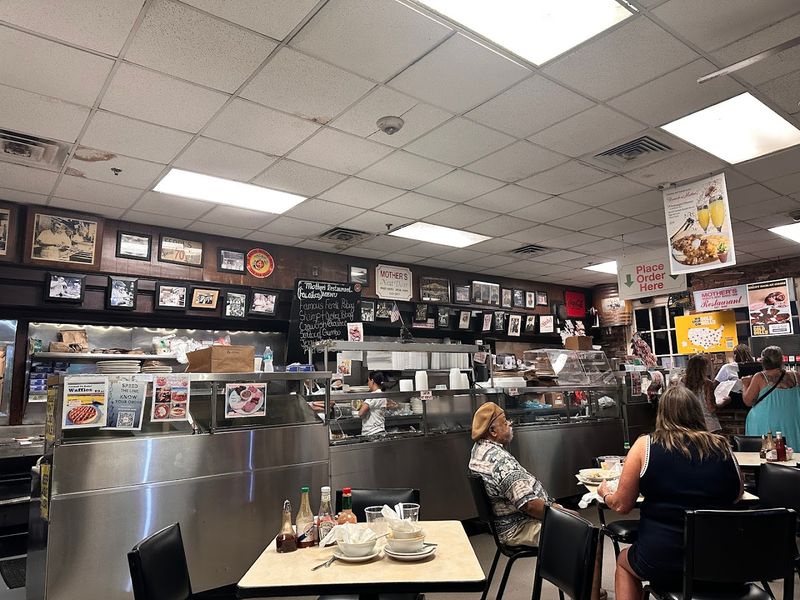
Mother’s Restaurant does not try to impress you with its decor. The space is clean, simple, and completely focused on the food.
Trays slide along a cafeteria-style line, menus are written on boards, and the seating is no-frills all the way. That honesty is refreshing in a city full of restaurants trying to outdo each other visually.
The noise level is part of the charm. Conversations overlap, trays clatter, and the kitchen hums constantly in the background.
It feels like eating in the middle of a city that actually loves food rather than just performing that love for tourists. Regulars chat with the staff like old friends because many of them genuinely are.
Comfort food tastes better in a comfortable setting, and comfort does not always mean quiet or fancy. Sometimes it means a crowded room full of people who all made the same smart decision to come here today.
The walls carry a sense of history, and the steady stream of customers through the door reinforces that this place has earned its reputation over decades. Mother’s has been feeding New Orleans since 1938.
The atmosphere is the result of that long track record. You feel it the moment you walk up to the counter and see what is on offer.
Best Time To Visit
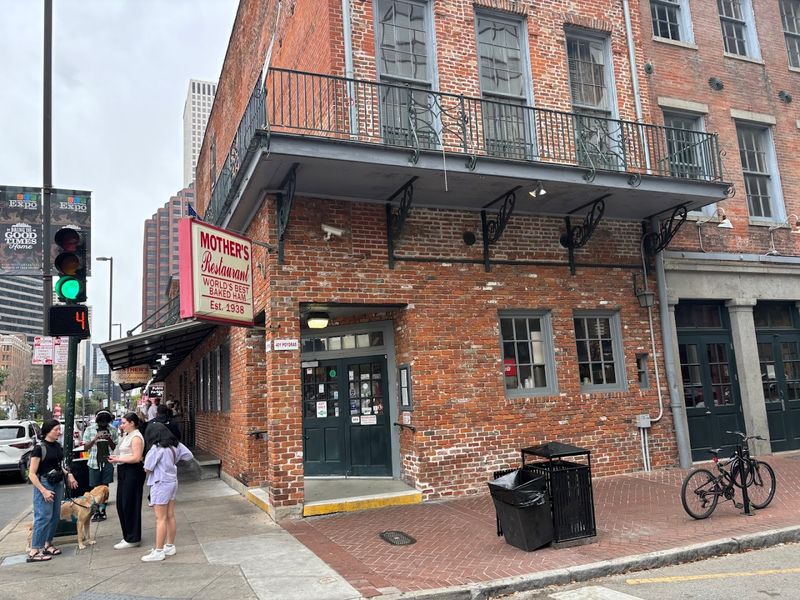
Timing your visit to Mother’s Restaurant can make a real difference in your experience. The lunch rush hits hard between 11:30 AM and 1:30 PM on weekdays, when the downtown crowd from nearby offices fills every seat fast.
If you want to avoid the longest wait, arriving just before 11 AM or after 2 PM is a smart play.
Weekends bring a different kind of crowd. Tourists mix with locals, and the line can stretch out the door.
That said, the wait is almost always worth it. The gumbo does not get worse because you waited twenty minutes.
If anything, the anticipation makes the first bite hit harder.
New Orleans has a packed event calendar, and visiting during quieter stretches means a more relaxed meal. Major festival weekends bring extra foot traffic to the whole area around Poydras Street.
Checking the local event schedule before you go can help you plan accordingly. Mornings are calmer, and the breakfast menu at Mother’s is its own separate conversation worth having.
No matter when you show up, the kitchen delivers. Early visits mean fresher energy from the staff and a slightly shorter line.
Come hungry, come early if you can, and plan to sit down for a while because leaving quickly would honestly be a waste.