
11 Massachusetts Cities With The Best Quality Of Life Right Now
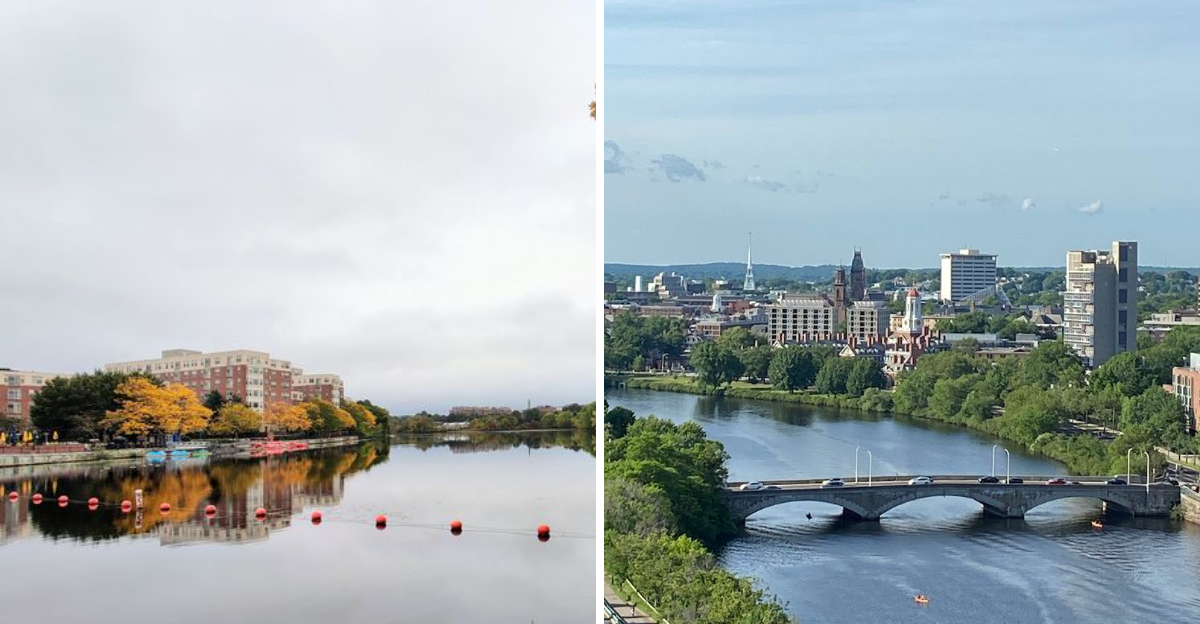
Some places just feel easier to live in. The pace works, the surroundings feel right, and day-to-day life runs a little smoother.
Massachusetts is filled with cities that stand out for exactly those reasons, each offering its own mix of comfort, opportunity, and livability. Good schools, walkable areas, access to jobs, and a strong sense of community all play a role.
Some are lively and fast-paced, others lean quieter and more relaxed. What they share is a balance that makes everyday life feel more manageable and enjoyable, and that is exactly what sets these cities apart right now.
1. Cambridge
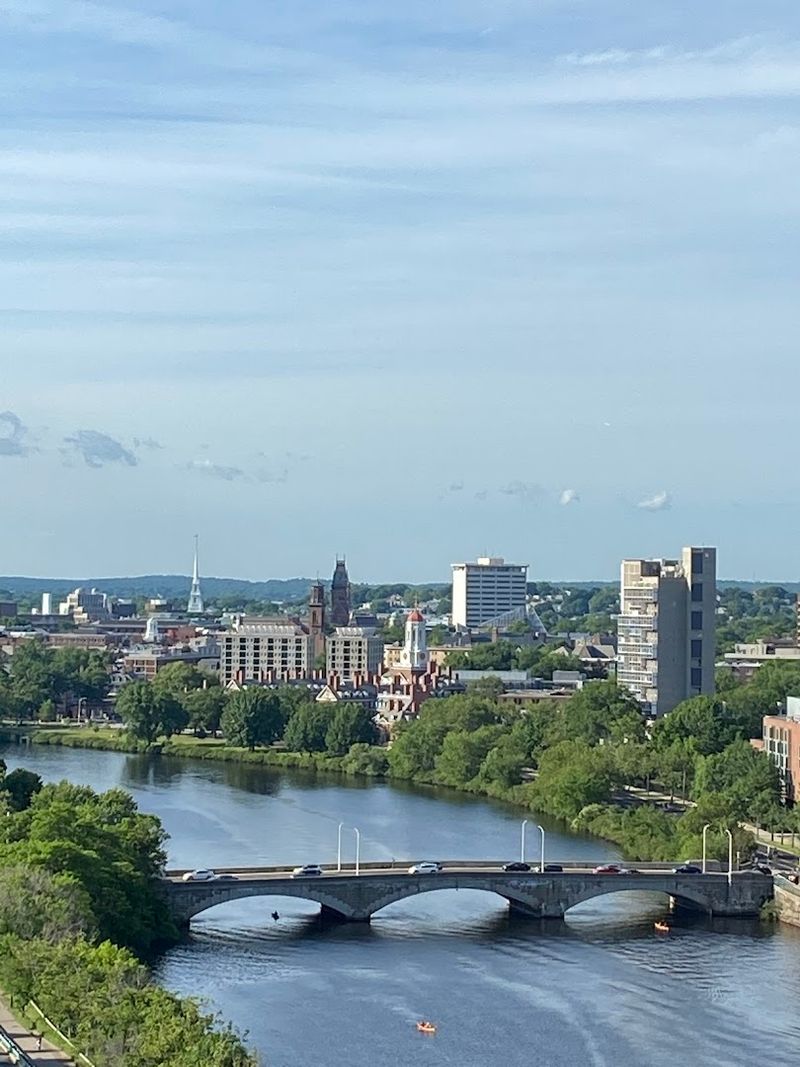
Ranked second in Niche’s 2026 “Best Places to Live” ranking, Cambridge is the kind of city that makes you feel smarter just by walking through it. Home to both Harvard University and MIT, this compact city in Middlesex County pulses with intellectual energy, world-class research, and a cultural scene that punches well above its size.
Career opportunities here are genuinely remarkable. Biotech, software, and academic research firms cluster throughout the city, meaning job seekers have serious options without ever leaving town.
About 20% of residents rely on public transit daily, making car-free living completely practical.
Walkable neighborhoods like Inman Square and Central Square offer restaurants, independent bookshops, theaters, and farmers markets within easy reach. The city blends urban energy with community warmth in a way that few places manage.
Whether you are a young professional chasing a career in tech or a family drawn by exceptional schools and cultural richness, Cambridge delivers on nearly every front. It is less a city and more a living, breathing idea.
2. Newton
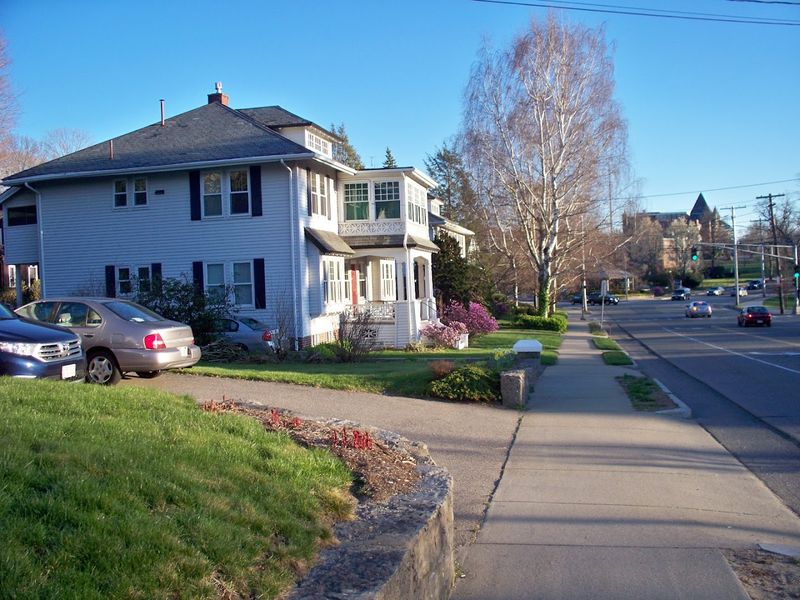
If safety and schools are your top priorities, Newton is basically the gold standard. Ranked second nationally for quality of life by U.S.
News and World Report in 2025, this city in Middlesex County sits just west of Boston and consistently earns praise from families and professionals alike.
The numbers tell a compelling story. Newton’s violent crime rate sits at just 52 per 100,000 people, and its total crime rate is only 6 per 1,000 residents, placing it firmly among America’s safest communities.
Its public schools are routinely ranked among the best in Massachusetts, attracting families who prioritize top-tier education.
Beyond academics and safety, Newton is genuinely pleasant to live in. Parks, playgrounds, and recreational facilities are spread generously across its 13 distinct villages, each with its own personality and local charm.
Proximity to Boston means residents enjoy big-city career opportunities without the stress of city living.
Newton manages to feel like a tight-knit community and a thriving suburb at the same time, a balance that is much harder to achieve than it looks from the outside.
3. Brookline
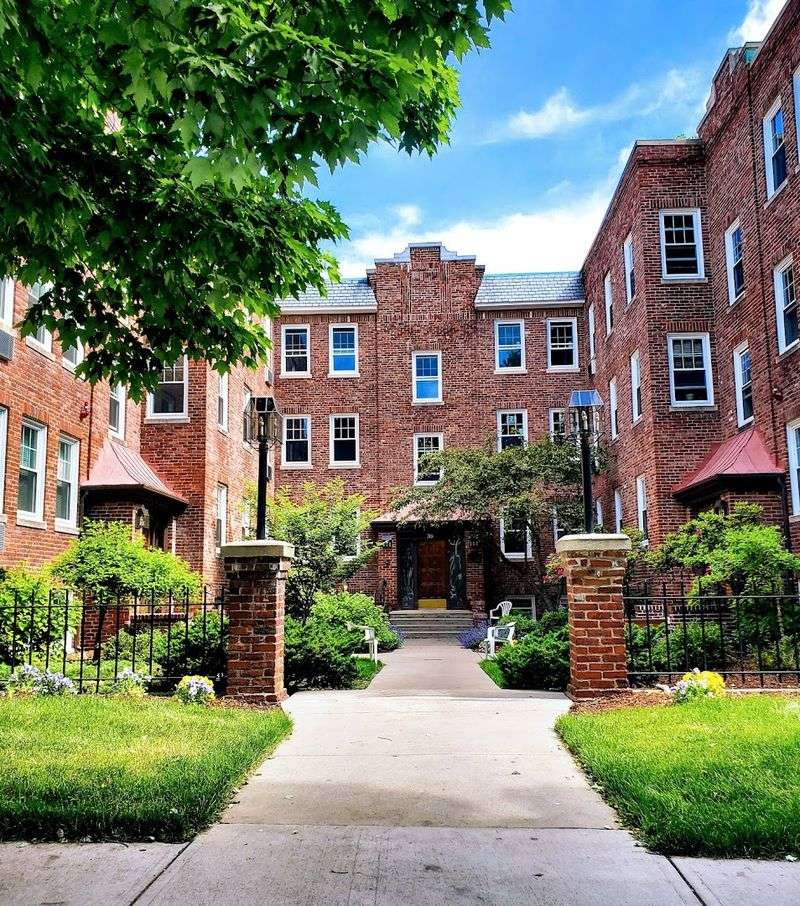
In 2025, U.S. News and World Report handed Brookline the top spot in its national quality-of-life rankings, and honestly, the city earned every bit of that recognition.
Located just outside Boston in Norfolk County, Brookline manages to feel like a big city and a tight neighborhood simultaneously.
A median household income of $144,602 reflects the strong economic base here, and the job market benefits directly from Brookline’s connections to Boston’s booming professional sectors. The city’s violent crime rate of just 68 per 100,000 people sits well below the Massachusetts state average, adding peace of mind to an already attractive package.
Public schools have earned an A+ rating from Niche, and residents enjoy seamless access to Boston via the MBTA Green Line subway. That transit connection is a genuine lifestyle upgrade, cutting commute stress considerably.
What sets Brookline apart is the layered richness of daily life here. Coolidge Corner buzzes with independent shops, cinemas, and restaurants, while green spaces like Larz Anderson Park offer breathing room.
Living in Brookline feels less like settling and more like arriving.
4. Somerville
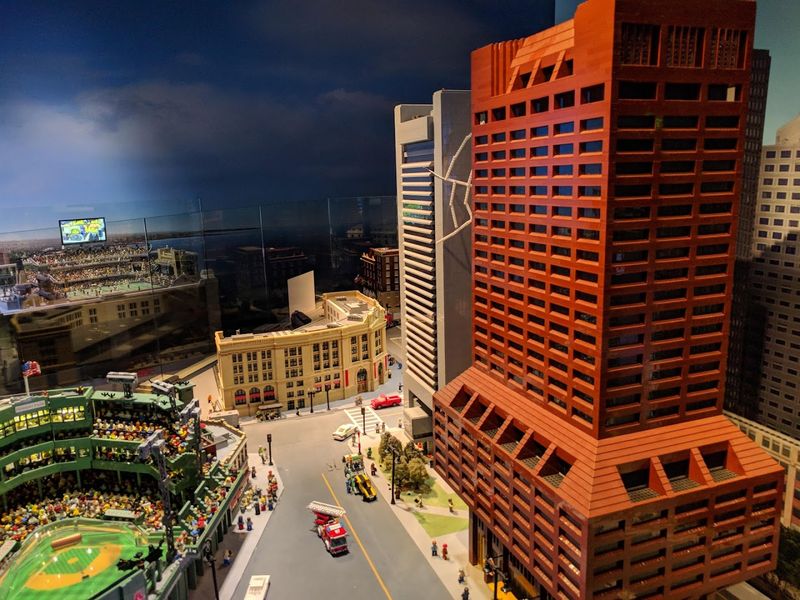
Somerville has spent years quietly becoming one of the most exciting cities in the entire Boston metro area, and at this point, the secret is fully out. Located in Middlesex County directly north of Cambridge, this densely packed city has transformed from a working-class enclave into a cultural powerhouse without losing its authentic neighborhood soul.
Public transit is a genuine strength here. The MBTA Green Line Extension brought new stations to Somerville, dramatically improving connectivity to Cambridge, Boston, and beyond.
Residents can reach downtown Boston in under 20 minutes without touching a car, which is a significant quality-of-life advantage.
The arts scene is thriving and locally rooted. Open studios events, independent galleries, and live music venues give Somerville a creative energy that feels organic rather than manufactured.
Davis Square and Union Square both offer excellent dining and community gathering spots.
Families, artists, and young professionals all seem to find their place here, which speaks to how genuinely inclusive and well-rounded Somerville has become. Few cities its size pack this much personality into every single block.
5. Waltham
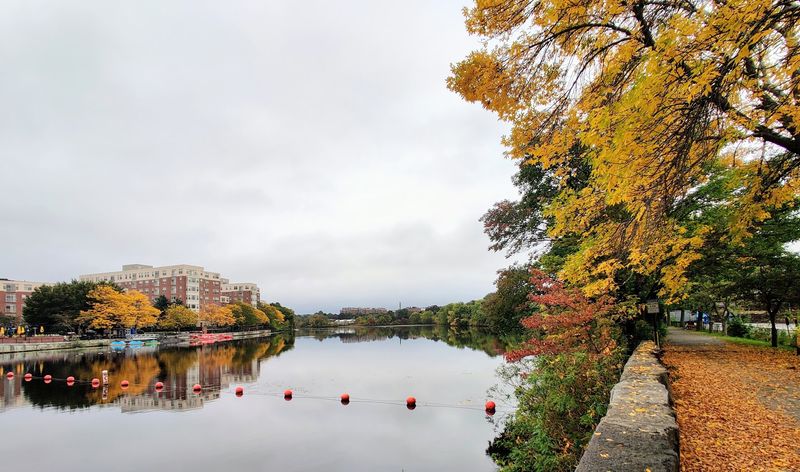
Waltham has a quiet confidence about it that more flashy cities could learn from. Sitting along the Charles River in Middlesex County, this mid-sized city strikes a balance between affordability and opportunity that is increasingly rare in the Greater Boston area.
Universities anchor much of Waltham’s appeal. Brandeis University calls the city home, and Bentley University sits right on the border, creating a steady academic pulse that supports local businesses, research jobs, and a younger, energetic population.
The Route 128 technology corridor runs through Waltham, placing major biotech and pharmaceutical employers practically at residents’ doorsteps.
Housing costs here are noticeably more manageable than in Cambridge or Newton, which makes Waltham a smart choice for professionals who want Boston-area access without Boston-area prices. Commuter rail and major highway connections make getting around relatively painless.
The Moody Street dining and entertainment district adds a lively social dimension, with a rotating cast of restaurants, coffee shops, and independent retailers. Waltham is the kind of city that rewards people who take the time to actually explore it rather than just pass through.
6. Boston
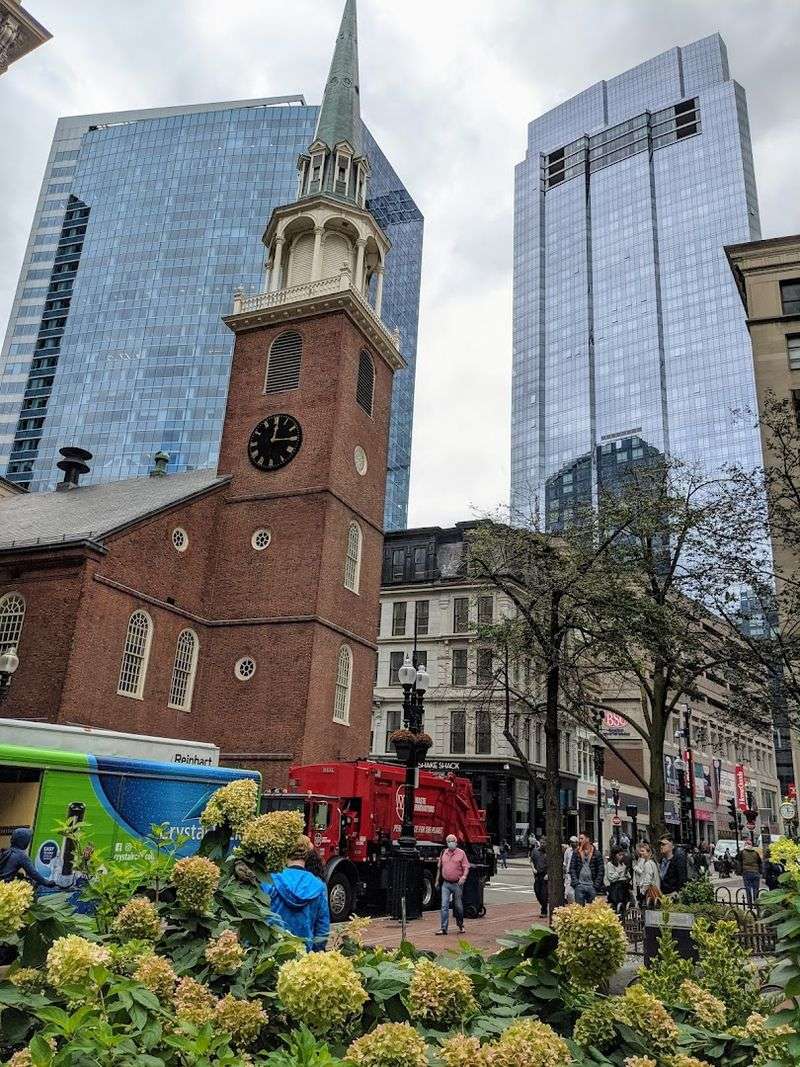
Boston needs no grand introduction, but its quality-of-life credentials deserve more credit than they typically receive. Yes, living costs are high, with a cost of living roughly 48% above the national average, but what residents get in return is a genuinely world-class urban experience in Suffolk County.
Healthcare access alone sets Boston apart from almost any other American city. Massachusetts General Hospital, Brigham and Women’s, and Boston Children’s Hospital represent some of the finest medical institutions on the planet, all within city limits.
For anyone with health as a priority, that matters enormously.
Career opportunities span finance, biotech, education, law, and technology, with major employers concentrated throughout the downtown core and the Seaport District. Cultural attractions range from the Museum of Fine Arts to the Boston Symphony Orchestra, giving residents an arts calendar that never runs dry.
Neighborhoods like the South End, Jamaica Plain, and Charlestown each carry their own distinct personality, meaning Boston rewards exploration. The city is expensive, but for those who can swing it, the return on investment in daily quality of life is hard to argue with.
7. Worcester
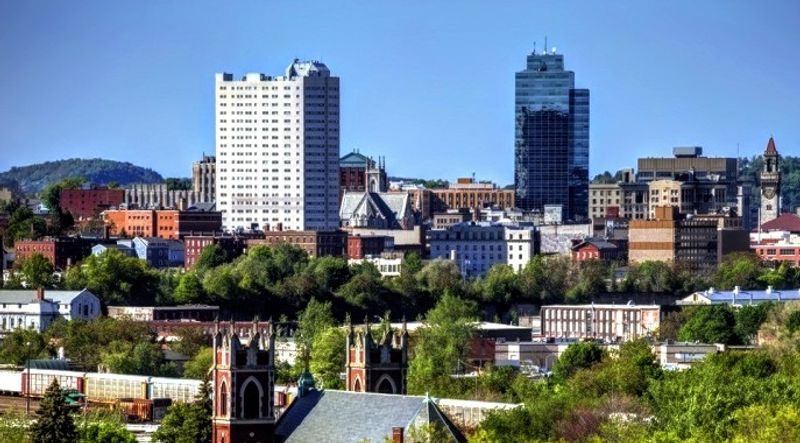
Massachusetts’ second-largest city is having a genuine moment, and it shows no signs of slowing down. Worcester, located in Worcester County at the geographic heart of the state, has spent the past decade quietly building the kind of infrastructure that turns a city from overlooked to outstanding.
Universities are central to this story. Clark University, Holy Cross, WPI, and several other institutions give Worcester a consistent influx of talent, ideas, and economic energy.
The healthcare sector is equally robust, with UMass Memorial Health anchoring a medical economy that employs thousands.
Affordability is one of Worcester’s most attractive features. The cost of living is significantly lower than Boston, making it accessible to young professionals, families, and creatives who want urban amenities without urban-sized price tags.
Livability has ranked Worcester among the great places to live in Massachusetts.
Polar Park, the home of the WooSox minor league baseball team, has become a genuine community anchor since opening in 2021, revitalizing the Canal District around it. Worcester rewards people who look past the surface and give the city the attention it genuinely deserves.
8. Quincy
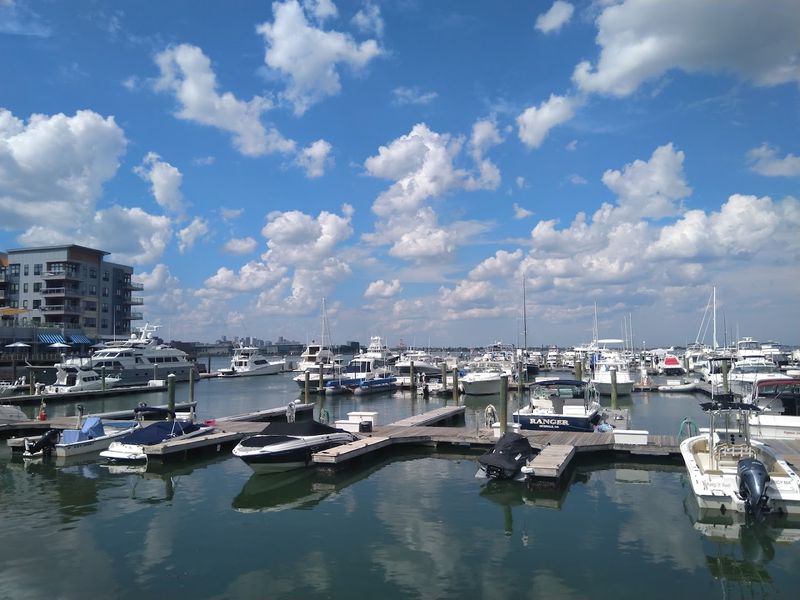
Quincy carries a distinction that most cities can only dream about: it is the birthplace of two American presidents, John Adams and John Quincy Adams. But history is only part of what makes this Norfolk County city increasingly attractive to people looking for a smart place to plant roots right now.
Coastal access is a real lifestyle perk. Quincy Shore Reservation and Wollaston Beach give residents genuine waterfront recreation within city limits, something that is genuinely rare this close to a major urban center.
That beach access alone upgrades daily life in a meaningful way.
Infrastructure improvements have been steady and visible. The MBTA Red Line runs directly through Quincy, providing fast, reliable connections to downtown Boston in roughly 20 minutes.
That transit link makes Quincy an appealing choice for Boston commuters who want more space and lower housing costs.
Quincy Center has seen notable redevelopment investment, with new dining, retail, and residential projects reshaping the downtown core. The city is clearly on an upward trajectory, and those who get in now are likely to feel very good about that decision in five years.
9. Framingham
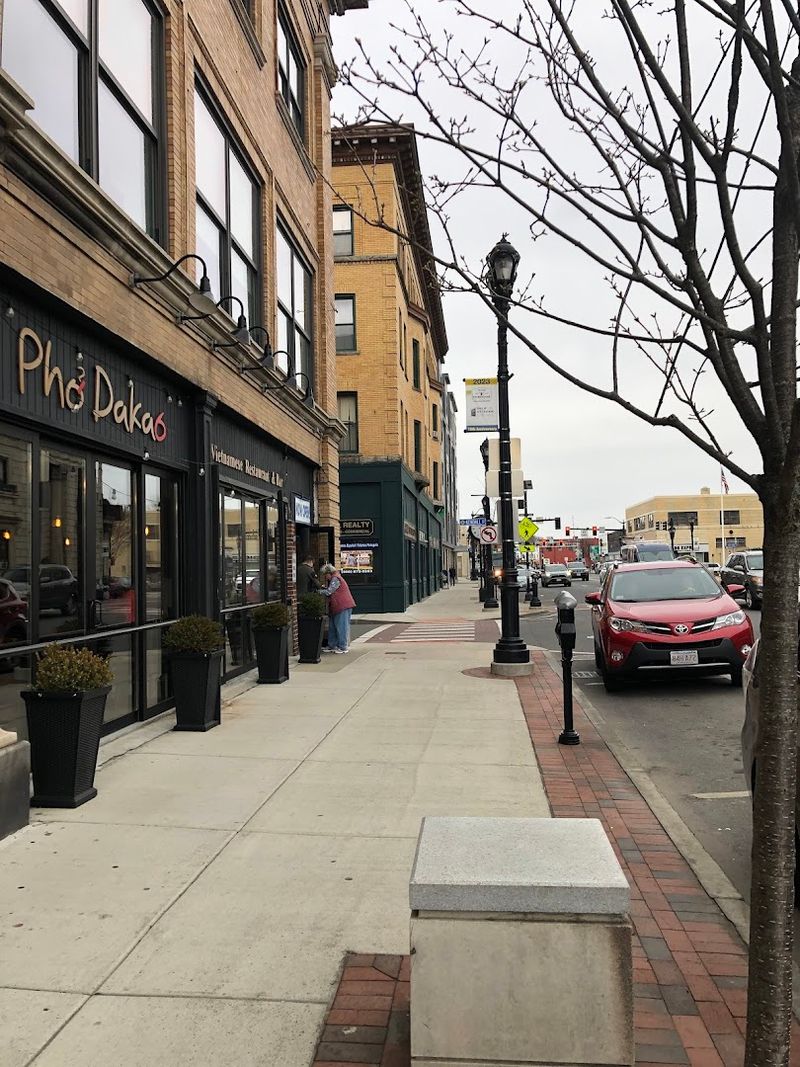
Framingham often gets described as a commuter city, and while that is accurate, it undersells what this Middlesex County community actually offers to the people who live there. As the largest city in the MetroWest region, Framingham has the amenities of a much bigger place paired with a suburban pace that many residents genuinely appreciate.
The commuter rail connection to Boston’s South Station is a major draw, placing downtown Boston within a manageable 45-minute ride. Major employers along Route 9 and the Route 495 corridor keep plenty of jobs local as well, giving residents real flexibility in how and where they work.
Shopping and dining options are extensive. Framingham is home to Natick Collection nearby and a wide variety of independent restaurants reflecting the city’s notably diverse population, which includes large Brazilian, Haitian, and South Asian communities.
That cultural variety adds genuine richness to everyday life.
Parks, recreational facilities, and Framingham State University round out the picture, giving the city an educational and recreational backbone that serves residents across all age groups. Framingham is a well-rounded city that consistently delivers more than most people expect from it.
10. Lowell
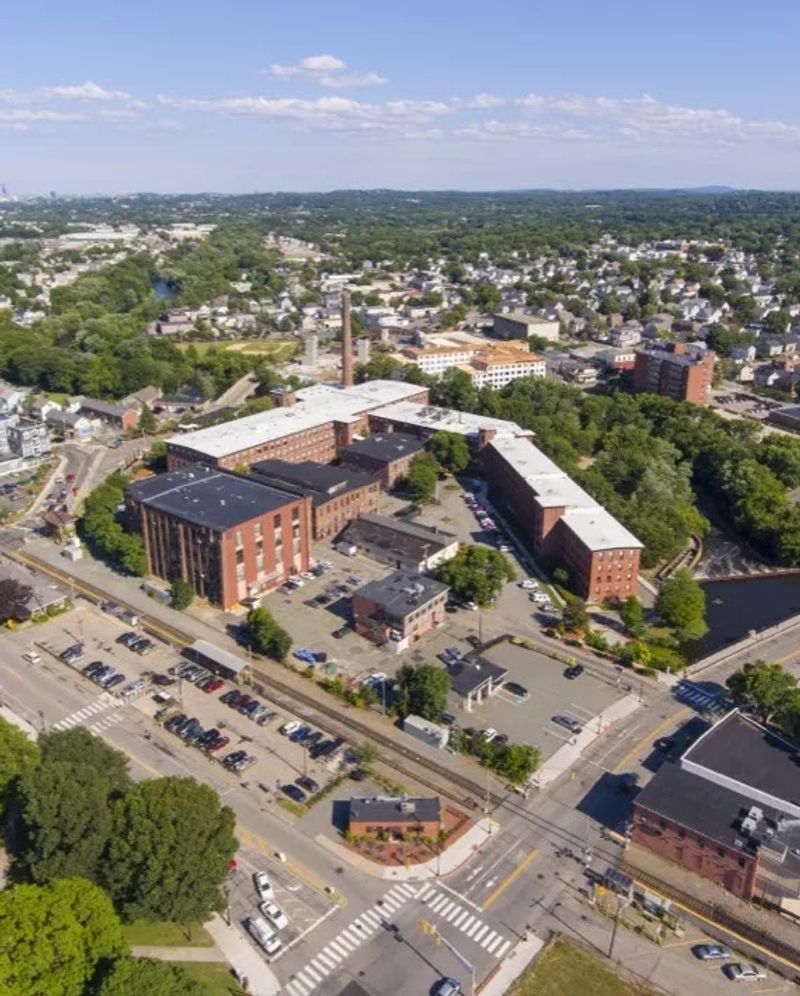
Livability named Lowell the best place to live in Massachusetts in 2026, a ranking that would have surprised people a decade ago but makes complete sense today. This Middlesex County city has done something genuinely impressive: it turned its industrial past into a cultural asset instead of an embarrassment.
The Lowell National Historical Park preserves the city’s remarkable mill canal system, and museums like the Boott Cotton Mills Museum and the New England Quilt Museum draw visitors year-round. History is not just displayed here; it is woven into the daily texture of city life in a way that feels alive rather than dusty.
Affordability is another major point in Lowell’s favor. The cost of living runs about 19% above the national average, which sounds like a lot until you compare it to Boston’s 48% premium.
For residents who want a real city without real city prices, Lowell is a logical answer.
A growing arts scene, strong healthcare and education employment sectors, and solid public transit usage round out the picture. Lowell is proof that a city can honor where it came from while building something genuinely exciting for the future.
11. Malden
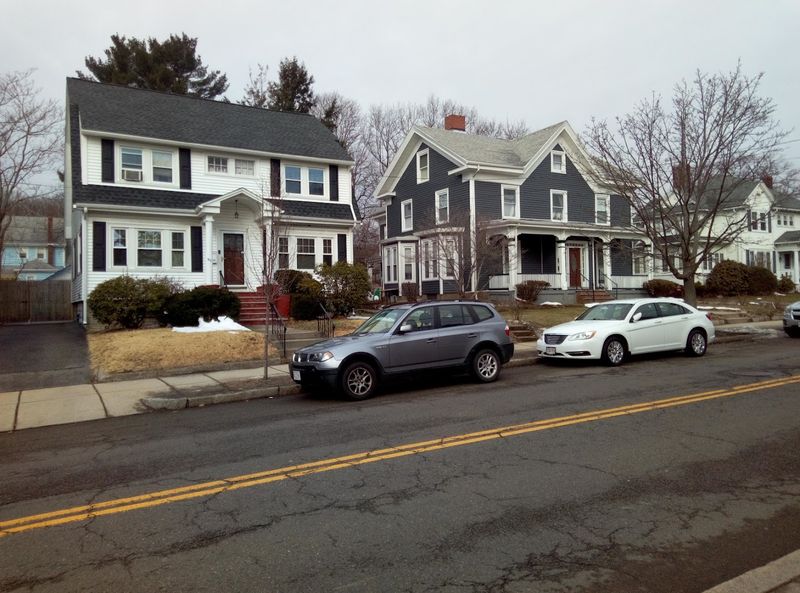
Malden is one of those cities that rewards people who pay attention to trends before everyone else catches on. Located in Middlesex County just north of Boston, Malden has been climbing quality-of-life rankings steadily, driven by a combination of transit access, community diversity, and genuine urban revitalization.
The MBTA Orange Line runs directly through Malden, with two stations connecting residents to downtown Boston in under 30 minutes. That level of transit access is a serious lifestyle advantage, particularly for residents who prefer not to own a car or want to reduce daily commuting stress significantly.
Malden’s population is one of the most diverse in the entire state, with large Asian American, Latino, and African American communities shaping a food scene, cultural calendar, and neighborhood energy that feels genuinely cosmopolitan. That diversity is not just a statistic; it shows up in the restaurants, festivals, and everyday street life.
Housing remains more affordable than many comparable transit-connected communities, making Malden an appealing option for first-time buyers and renters alike. The city is rising, and the momentum here feels less like a trend and more like a foundation being built to last.