
8 Massachusetts Islands Where The Views Alone Make The Trip Worth It
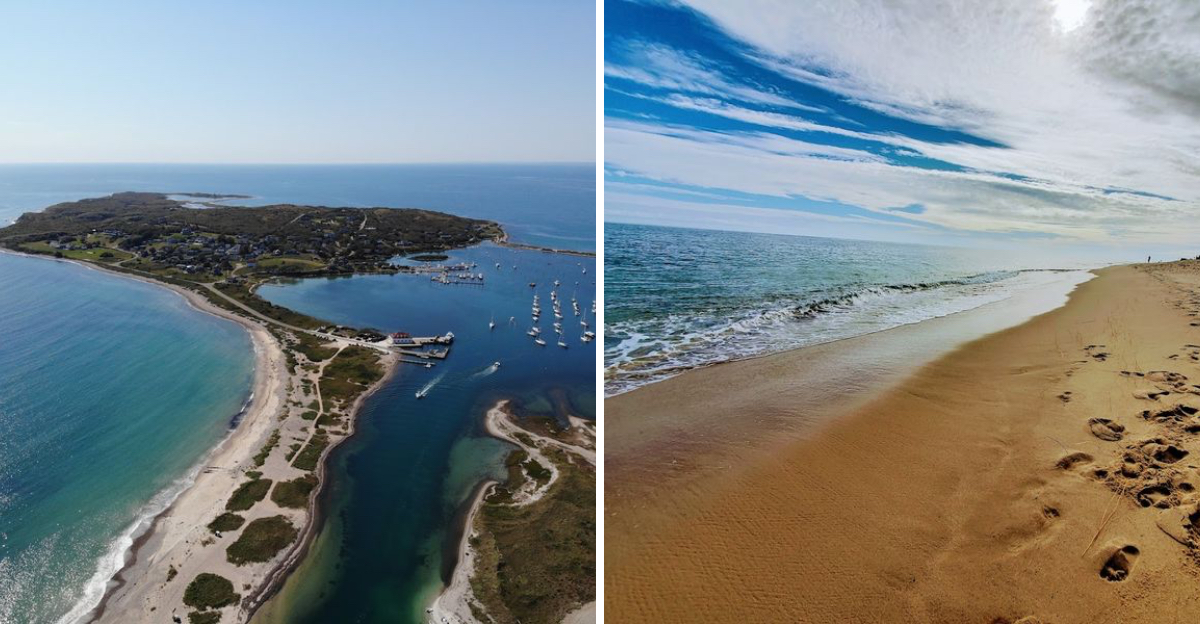
Grab your camera and get ready to be amazed. Massachusetts holds island views that turn a quick boat ride into an unforgettable day trip, again and again.
Each one carries its own wild personality, packed with forts, lighthouses, and centuries of layered history. Others feel like a secret escape, with quiet trails, salt marshes, and views that stop you in your tracks.
History buffs will love wandering old fortifications with sweeping harbor views and quiet, echoing hallways. Nature lovers will find dunes, marshes, and birds putting on quite a show from dawn until dusk.
Massachusetts really does islands right, blending rugged coastlines with postcard-worthy panoramas at every single turn. Ready to find your favorite view?
Your next island adventure is already calling your name.
1. Peddocks Island
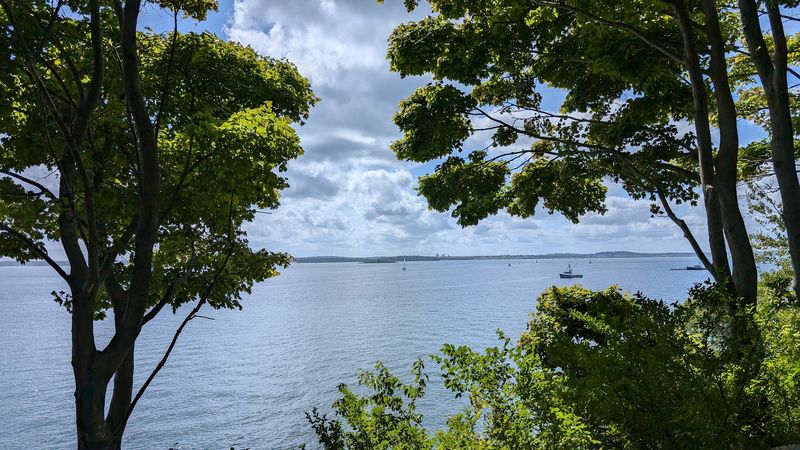
How many islands can say they hold a Civil War-era fort, a Portuguese fishing village, and a deer population all at once? Peddocks Island in Boston Harbor, Massachusetts, is one of the largest islands in the harbor, and it delivers a wild mix of history, wildlife, and waterfront scenery that surprises nearly every visitor.
Fort Andrews dominates the southern end of the island. Built around 1900, it served through both World Wars and even housed Italian prisoners during World War II.
A restored chapel still stands quietly on the grounds, and walking through the crumbling barracks gives you a real sense of time standing still.
The landscape shifts dramatically as you move across the island. Coastal forests, freshwater marshes, and open meadows create a patchwork of habitats that support deer, wild turkeys, and a wide variety of bird species.
The trails wind through all of it, and every bend seems to frame a new view worth stopping for.
Cottages near the eastern cove trace back to a Portuguese fishing community that settled here generations ago. Some families still spend summers in those same weathered homes, keeping a quiet tradition alive in the middle of the harbor.
The Boston skyline floats on the horizon from the island’s northern shores, making for one of the most unexpected city views in all of New England.
Peddocks Island is part of the Boston Harbor Islands National and State Park, located off the coast of Hull, Massachusetts.
2. Nantucket
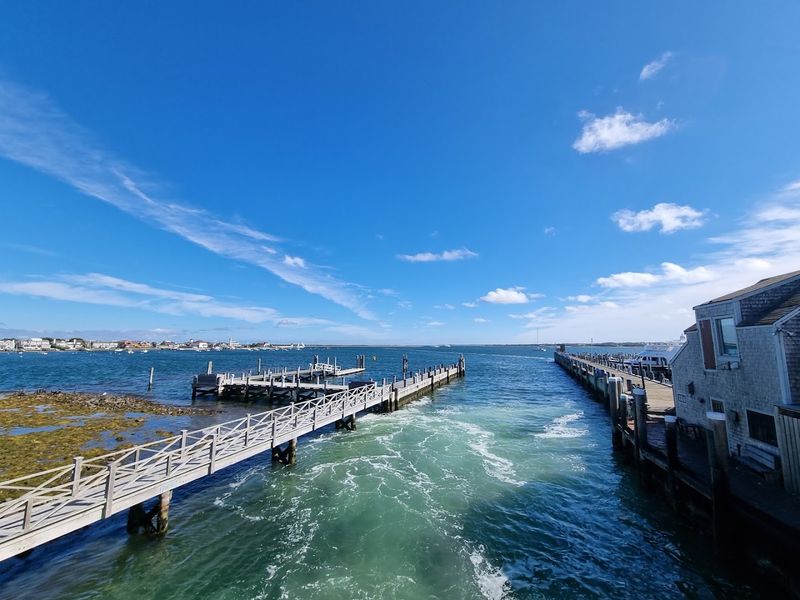
Nantucket does not try to impress you. It just does.
Sitting roughly 30 miles off the coast of Cape Cod, Massachusetts, this island operates on its own unhurried rhythm, and once you step off the ferry, the pace of the mainland feels like a distant memory.
The beaches here stretch in every direction. Some face the calm harbor waters, while others open directly onto the Atlantic, where waves roll in with enough energy to keep surfers happy.
Brant Point Lighthouse greets every ferry arrival with a classic New England welcome, and Great Point Lighthouse at the northern tip rewards the journey across the sand with sweeping views of open ocean.
More than half of the island is permanently protected from development. That means the rolling moors, maritime oak forests, and golden dune fields you see today will look essentially the same for generations to come.
Bike trails crisscross the island and connect the town to the beaches, the wildlife refuges, and the quieter corners most visitors never find.
Downtown Nantucket is a National Historic District. Over 800 buildings predate the Civil War, and the cobblestone streets lined with gray-shingled homes give the town a texture that feels genuinely earned rather than manufactured.
The Whaling Museum tells the story of how this small island once dominated a global industry.
Nantucket, Massachusetts, rewards slow exploration and repays every return visit with something new to notice along its storied shores.
3. Chappaquiddick Island
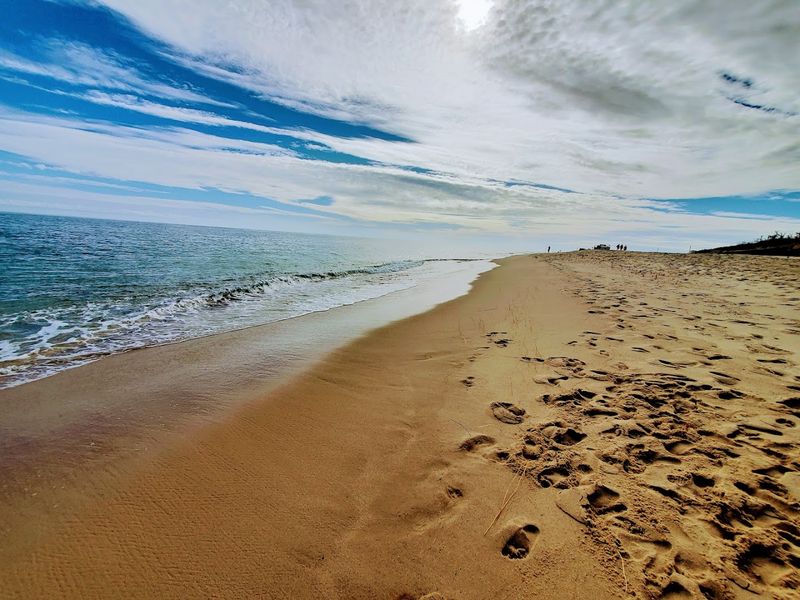
Cross a short ferry ride from Edgartown and the whole mood changes. Chappaquiddick Island, known locally as Chappy, sits just off Martha’s Vineyard in Massachusetts and carries a quieter, wilder energy that sets it apart from its famous neighbor almost immediately.
The Cape Poge Wildlife Refuge covers a large portion of the island’s eastern edge. Cedar forests give way to sweeping dune fields, and the Cape Poge Lighthouse stands at the far tip of a long barrier beach with nothing but open Atlantic on one side and a calm estuary on the other.
That view alone justifies the trip.
Mytoi Gardens offers a completely different experience inside the same small island. This serene Japanese-inspired garden features koi ponds, arching bridges, and winding paths through a landscape that feels quietly magical.
It is one of the most unexpected spots in all of Massachusetts, tucked away on an island most people drive right past.
Wasque Point draws visitors for surf fishing and wildlife watching, especially during migration season when shorebirds crowd the beach in impressive numbers. Kayaking on Poucha Pond is another favorite, with calm water and marsh views that make even a short paddle feel like a full afternoon well spent.
The Wampanoag people called this land home long before English settlers arrived, and that deep history adds meaning to every trail you walk here. Chappaquiddick Island, Edgartown, Massachusetts, is a place that earns its quiet reputation.
4. Plum Island
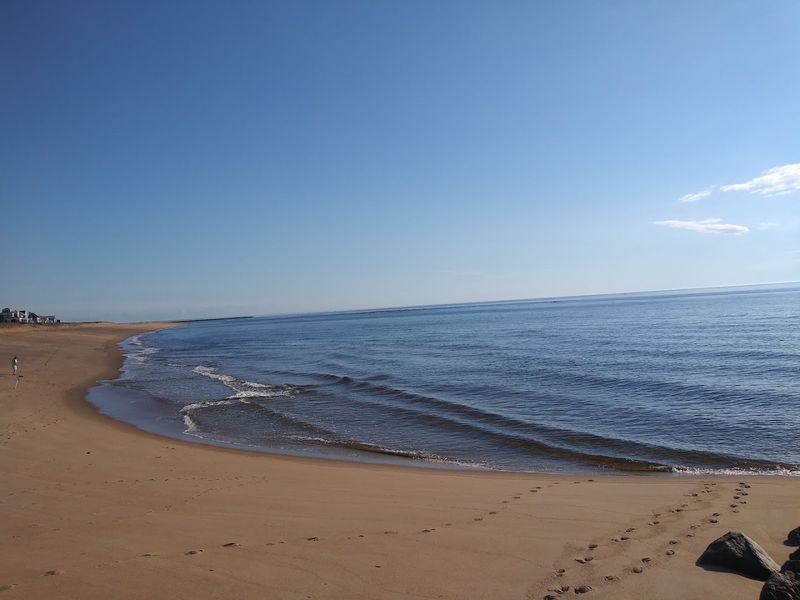
Purple sand sounds like something from a travel fantasy, but Plum Island in Newburyport, Massachusetts, actually delivers it. At certain tides, tiny crystals of pink pyrope garnet wash into the shoreline and give the beach an unmistakable rosy shimmer.
It is the kind of detail that makes you look twice and then reach for your camera.
This 11-mile barrier island is named for the wild beach plum shrubs that cover its dunes, and it protects one of the most ecologically rich stretches of coastline in New England. The Parker River National Wildlife Refuge spans the majority of the island and covers well over 4,000 acres of salt marsh, shrubland, and sandy beach habitat.
Birdwatchers treat Plum Island like a pilgrimage site. The island sits on a major migratory flyway, and during peak migration seasons the variety of species moving through is genuinely staggering.
Snowy owls sometimes appear in winter, drawing wildlife photographers from across the region who line up along the refuge roads with long lenses pointed at the dunes.
The Hellcat Interpretive Trail winds through marsh and upland habitats with accessible boardwalk sections that make the wildlife easy to observe without disturbing it. Surfing, swimming, and fishing round out the outdoor options for those who prefer the shoreline to the trails.
The Plum Island Lighthouse, dating to 1898, anchors the northern tip of the island with classic New England maritime character. Plum Island, Newburyport, Massachusetts, is a coastal treasure that rewards every season you visit.
5. Georges Island
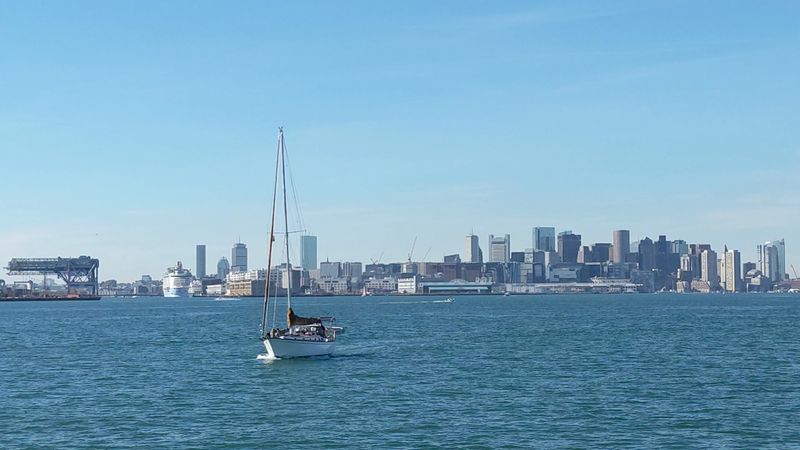
Fort Warren does not whisper its history. It announces it.
Georges Island in Boston Harbor, Massachusetts, is dominated by this massive Civil War-era fortification, and the moment you step through its granite archways, you feel the full weight of everything that happened here.
Construction on Fort Warren began in 1833, and the structure took decades to complete. During the Civil War it trained Union soldiers and held Confederate prisoners, including high-ranking officers and even a former vice president of the Confederacy.
The scale of the place is hard to grasp until you are actually walking its walls.
The Dark Tunnel is the most dramatic feature inside the fort. This long, unlit passage runs through the heart of the structure, and navigating it without a flashlight is not recommended.
Rangers lead guided tours that bring the fort’s layered story to life, from its construction through its final military use in World War II.
Beyond the fort, Georges Island offers wide paved paths, open picnic areas, and some of the best harbor views available anywhere in the Boston area. Boston Light, the oldest lighthouse site in the United States, is visible from the island’s shores, and the downtown Boston skyline fills the western horizon with a clean, striking profile.
Georges Island also serves as the main ferry hub for the Boston Harbor Islands, making it easy to island-hop across the archipelago. Georges Island, Boston Harbor, Massachusetts, is where history and scenery arrive together on every single visit.
6. Spectacle Island
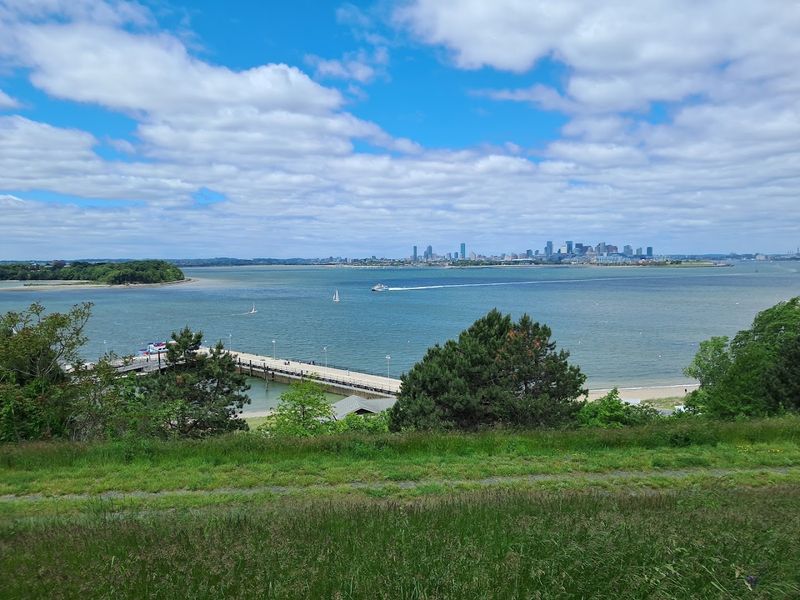
Few comeback stories in Massachusetts are as dramatic as Spectacle Island’s. What was once a city dump and industrial site in Boston Harbor is now a thriving 114-acre park with some of the most rewarding hilltop views in the entire region, and the transformation feels almost unbelievable when you learn what came before.
The island sits just four miles from downtown Boston, and the ferry ride over is short enough to feel spontaneous. Five miles of hiking trails fan out across the island and lead to the crest of a hill that rises to around 157 feet above sea level.
That summit view takes in the full Boston skyline, the harbor islands stretching in every direction, and on clear days the distant hills of the Massachusetts mainland.
A lifeguarded beach on the island’s western side makes Spectacle a favorite summer destination for families. The water is clean, the beach is sandy, and the proximity to the city means you can combine a morning of urban exploring with an afternoon of actual swimming without breaking much of a sweat logistically.
The island’s name likely comes from its original shape, which resembled a pair of spectacles when viewed from above. That shape changed significantly during the cleanup and restoration project that transformed it into the park it is today.
Summer programming includes ranger-led walks and outdoor events that draw visitors back season after season.
Spectacle Island, Boston Harbor, Massachusetts, proves that second chances can produce something genuinely spectacular.
7. Thacher Island
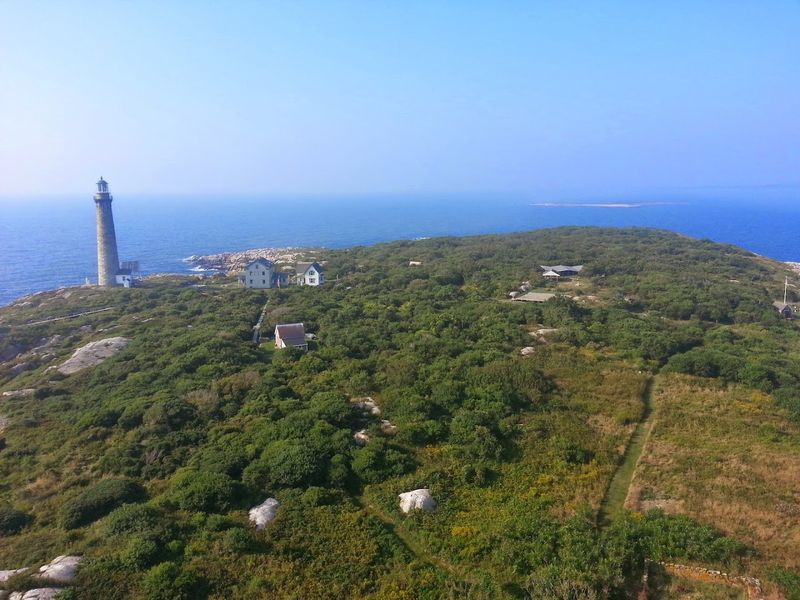
Two lighthouses are almost always better than one. Thacher Island, sitting off the coast of Rockport, Massachusetts, is home to the only pair of operational twin lighthouses in the entire United States, and that fact alone makes it one of the most distinctive island destinations in New England.
The original towers were first lit in 1771, making Thacher Island one of the earliest lighthouse stations in the country. The current 123-foot granite towers replaced those originals in 1861, and their twin beams were specifically designed to help sailors distinguish this light from others along the rocky Cape Ann coastline.
Aligning the two towers also helped mariners determine true north.
The island carries a story that predates the lighthouses by well over a century. It was named for Anthony Thacher, who survived a shipwreck off this coast in 1635 and was granted the island by the Massachusetts Bay Colony.
That history gives Thacher Island a layered significance that goes far beyond its striking visual profile.
Visitors can climb the North Tower and count all 156 steps to the top, where the Atlantic spreads out in every direction without interruption. Ann’s Way, a three-mile groomed trail, circles the island and passes through a wildlife refuge that supports nesting seabirds and migratory species throughout the year.
The twin lights are also visible from Rockport’s shoreline on clear evenings, glowing steadily against the dark Atlantic. Thacher Island, Rockport, Massachusetts, is a lighthouse lover’s dream that earns its National Historic Landmark designation completely.
8. Cuttyhunk Island
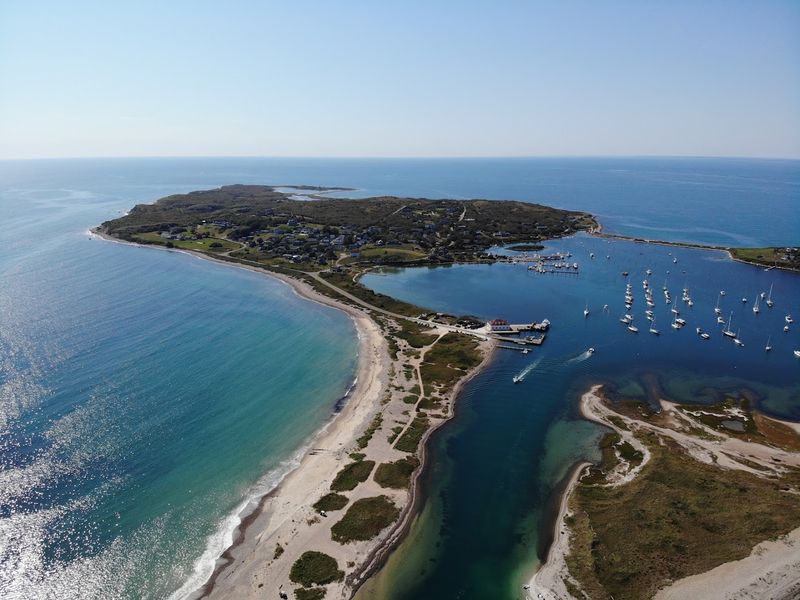
Less than a square mile of land, zero traffic lights, and views that stretch across three bodies of water at once. Cuttyhunk Island, the outermost of the Elizabeth Islands in Massachusetts, operates at a scale that feels almost impossibly small, and that is exactly the point.
Getting here requires a ferry from New Bedford, and the ride itself sets the tone. The harbor you arrive in is a classic New England anchorage, ringed with wooden docks and the kind of weathered boats that look like they belong in a painting.
Most residents and visitors get around on foot or by golf cart, which keeps the pace of life refreshingly unhurried.
The highest points on the island reward the short climb with panoramic views across Buzzards Bay, Vineyard Sound, and out toward Martha’s Vineyard on the southern horizon. On a clear day the view feels disproportionately grand for such a tiny piece of land, and that contrast is part of what makes Cuttyhunk so memorable.
Bartholomew Gosnold arrived here in 1602, making Cuttyhunk one of the earliest sites of English exploration along the New England coast. The island’s permanent population is remarkably small in winter, but summer brings a seasonal community that swells to several hundred and fills the small harbor with visiting boats from across the region.
Striped bass fishing has drawn anglers to Cuttyhunk for generations, and the tradition runs deep in the island’s identity. Cuttyhunk Island, Gosnold, Massachusetts, is small in size but enormous in character.