
10 Massachusetts Towns So Overrun By Tourists That Locals Avoid The Center
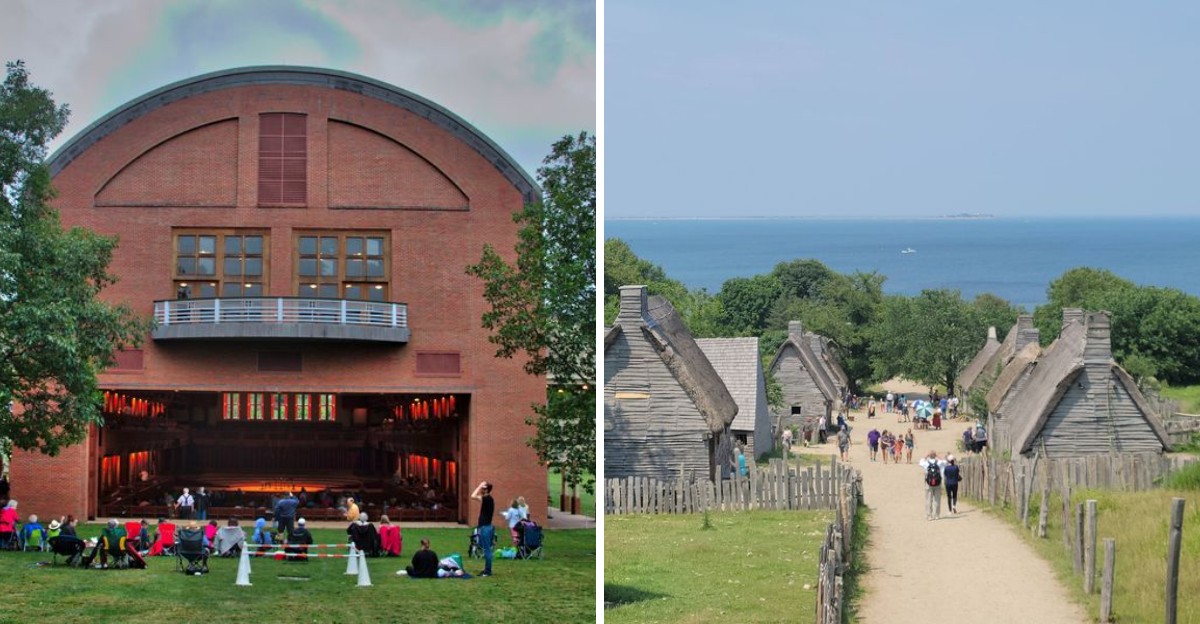
A town can be postcard perfect and still test your patience before you even find a parking spot.
That contradiction plays out all over Massachusetts once tourism season kicks into high gear. Harbor villages fill before noon.
Historic centers turn into pedestrian traffic jams. Popular restaurants start drawing lines, and roads built long before modern vacation traffic struggle to keep up.
For visitors, the energy can feel exciting. For residents trying to grab groceries or meet a friend for lunch, it can feel like a completely different town.
Seasonal crowds are nothing new here. Coastal escapes, literary landmarks, island communities, and Berkshire favorites have been pulling people in for generations.
The problem starts when a place built for a few thousand people suddenly has to absorb far more. These towns remain worth visiting. That is exactly why they get so busy.
And if you live nearby, you probably already know which streets to avoid when everyone else arrives.
1. Provincetown
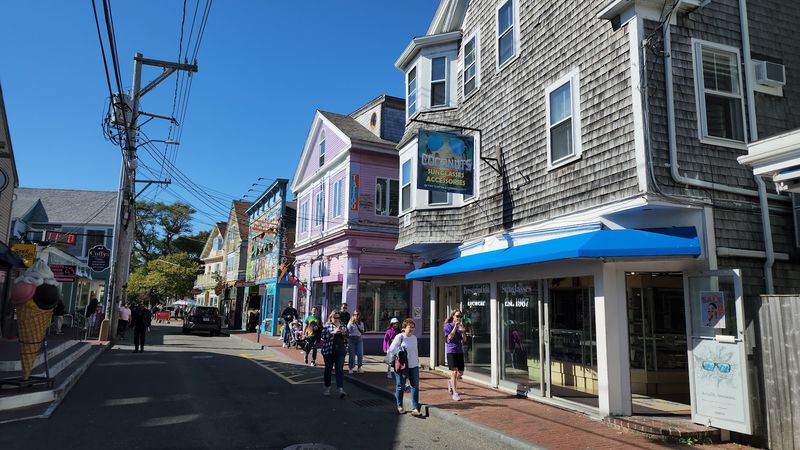
At the very end of Cape Cod, the road simply stops and a whole town begins. Provincetown sits at that outermost tip, and every summer it swells far beyond its winter size.
Commercial Street is the main event. Shops, galleries, bakeries, and eateries line the narrow stretch, and foot traffic moves faster than cars do. Drivers learn quickly that parking here is a competitive sport.
People who live year-round often treat the center as a place to pass through, not linger. They head instead for Race Point or Herring Cove, where the beaches stretch wide and the Atlantic does the entertaining.
The dunes behind those shores belong to the Cape Cod National Seashore. Sand, scrub pine, and old lighthouses create scenery that feels almost unreal at sunset.
Food leans heavily on the ocean, as it should. Fresh fish, lobster rolls, and small bakeries keep the crowds fed between gallery visits.
Artists have gathered here for more than a century, and that creative streak still shows. Studios sit next to seafood counters, which is a very Provincetown combination.
Visit early in the morning if you want the storybook version. By ten, the sidewalks belong to everyone.
Come September, the town exhales. That is when the light turns golden and the locals reclaim their street.
2. Nantucket
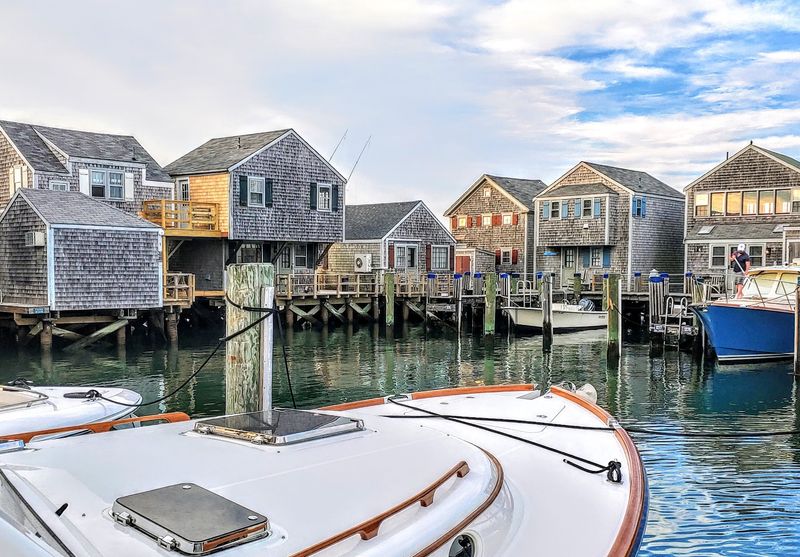
Thirty miles out to sea, an island runs on ferry timetables and very good manners. Nantucket’s population multiplies in July, and the cobblestones downtown absorb the shock.
Main Street looks like a preserved painting. Gray-shingled buildings, brick sidewalks, and flower boxes create a scene that photographs beautifully and fills up instantly.
Residents tend to time their errands around the ferries. When a boat unloads, the center gets loud, so the smart move is arriving before or well after.
Beyond town, the island opens up. Wide beaches, bike paths, and moors give you room to breathe without a crowd in sight.
Seafood is the heart of the menu here, pulled from the surrounding waters. Scallops are a point of genuine local pride, especially in colder months.
Whaling built this place, and the history is not decoration. Captains’ homes and the old lanes still carry that story clearly.
Getting a car over costs effort and planning. Many visitors skip it entirely and rent bicycles, which is honestly the better call.
Fog rolls in without warning and softens everything. Those gray mornings are when the island feels most like itself.
Stay past Labor Day if you can. Massachusetts islands save their calmest days for the shoulder season.
3. Chatham
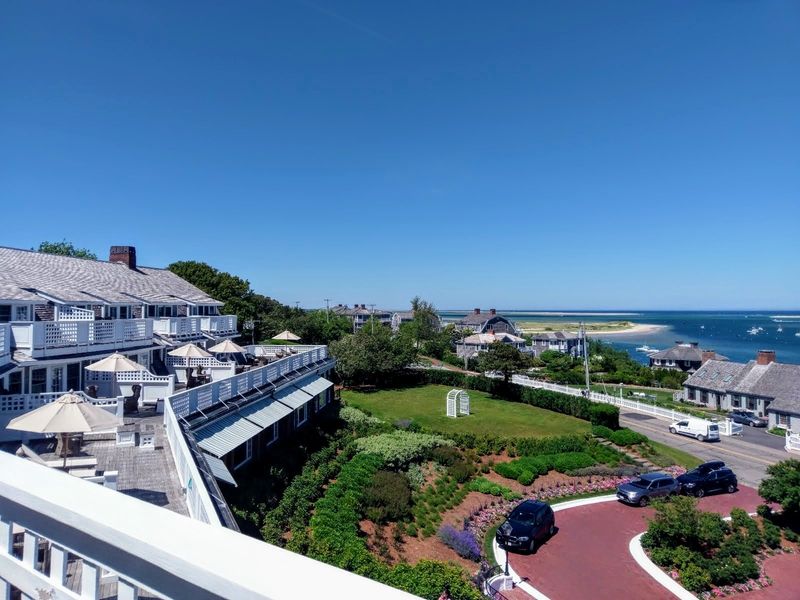
Water surrounds this town on nearly every side, which explains a great deal about its charm and its traffic. Chatham sits at the elbow of Cape Cod, where the coastline makes a hard turn.
Main Street is the postcard everybody wants. Tidy shops, white clapboard, and flags create a scene that draws steady summer crowds from morning until evening.
The Fish Pier is the real show. Boats unload the day’s catch while seals lurk nearby hoping for scraps, and spectators gather along the observation deck.
That working harbor means the seafood served here has not traveled far. Fresh cod, haddock, and shellfish appear on menus across town.
Chatham Lighthouse Beach gives you sweeping views and shifting sandbars. The shoreline changes shape over the years, which keeps things interesting.
Nearby, the Monomoy National Wildlife Refuge protects dunes and salt marshes. Birds outnumber people there by an enormous margin.
Longtime residents often shop early and then vanish toward quieter beaches. Their trick is simple: beat the mid-morning rush.
Band concerts in summer fill the park with families and folding chairs. It is old-fashioned in the best possible way.
Autumn brings back the parking spaces. The light softens, the boats keep working, and the town feels like a neighborhood again.
4. Edgartown
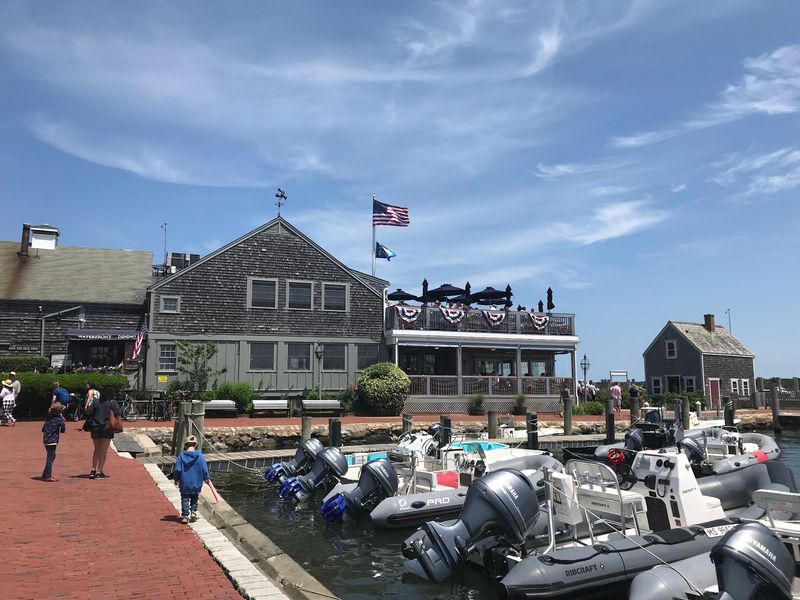
Crisp white houses, black shutters, and picket fences give this place an almost formal politeness. Edgartown anchors the eastern side of Martha’s Vineyard and wears its history with pride.
Whaling captains built those grand homes generations ago. Their narrow streets and brick sidewalks were never designed for July traffic, and it shows.
The harbor stays busy with boats of every size. Ferries to Chappaquiddick run back and forth, adding to the constant motion downtown.
Katama Beach, also called South Beach, draws people seeking open ocean and real waves. It is a short ride from the center and worth every minute.
Edgartown Harbor Light stands on a small stretch of sand near town. Sunrise there is quiet, which is rare during high season.
Dining leans toward polished seafood, and the farmers market brings local vegetables, meats, and fish together in one place.
Bicycles beat cars here almost every time. Parking downtown tests the patience of saints and residents alike.
Watch for the hydrangeas in midsummer. They spill over fences in shades of blue that seem slightly unreasonable.
Once the ferries slow in fall, the streets soften. That is when Edgartown feels less like a stage set and more like a town.
5. Oak Bluffs
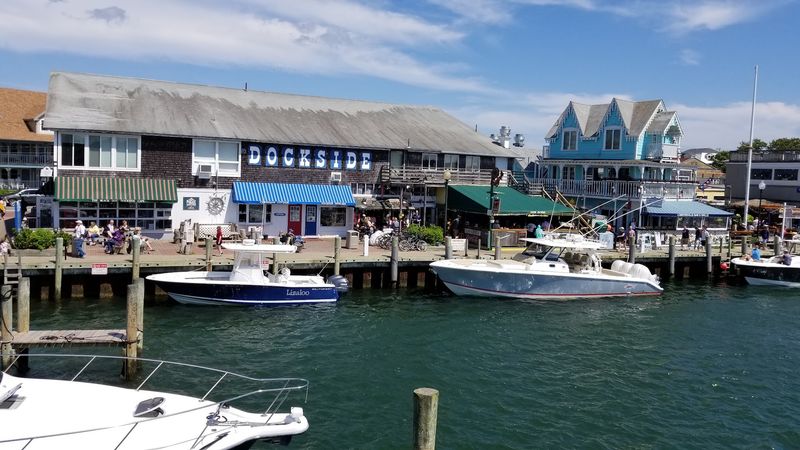
Imagine a neighborhood of pastel cottages trimmed like gingerbread houses, packed close together around a green. That is the Camp Meeting Association grounds, and it is the most photographed corner of Oak Bluffs.
Visitors wander those lanes constantly in summer. The cottages are private homes, so residents live under a steady gaze of cameras.
Circuit Avenue is the town’s engine. Ice cream counters, coffee shops, and seafood spots line the strip, and the energy runs late into the evening.
The harbor fills with boats while crowds circle looking for parking. Arriving on foot or by bus removes most of that headache.
Inkwell Beach and Joseph Sylvia State Beach offer calm water and long stretches of sand. The state beach faces the sound, making it gentler for young swimmers.
Oak Bluffs holds a special place in African American history on Martha’s Vineyard. Families have vacationed here for generations, building deep community roots.
Compared with other Massachusetts island towns, the mood here is looser and louder. Nobody pretends otherwise. Try visiting on a weekday morning. The cottages glow in early light and the sidewalks are yours.
By late September the pace drops noticeably. Shops thin out, and the gingerbread trim finally gets some peace.
6. Rockport
A little red fishing shack has become one of the most painted buildings in America. Motif No. 1 sits on the harbor in Rockport, out at the tip of Cape Ann.
Artists arrived here long ago and never fully left. Galleries and studios still fill the narrow streets, giving the town a relaxed creative streak.
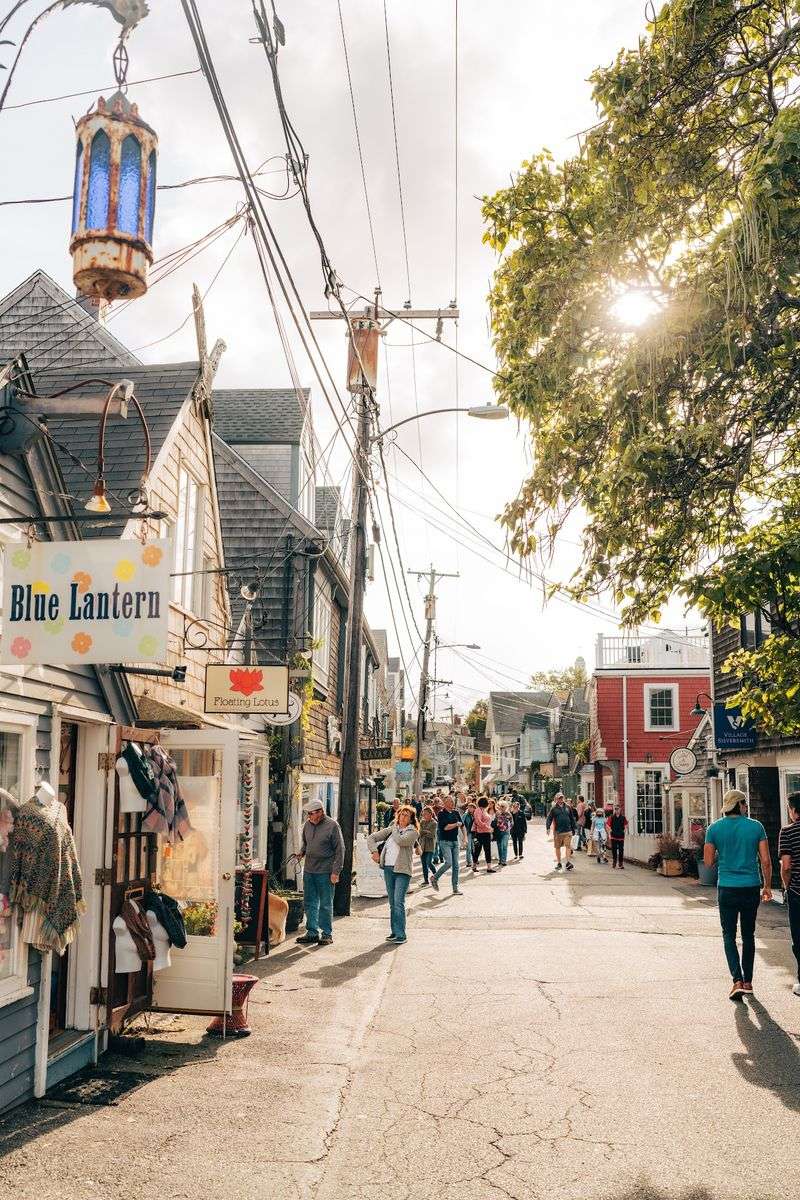
Bearskin Neck is the crowded heart. The old fishing lane now holds tiny shops, candy counters, and seafood windows packed shoulder to shoulder.
On busy weekends, movement there slows to a shuffle. Residents often skip it entirely and take the coastal roads instead.
Front Beach and Long Beach offer swimming with a rocky New England edge. The water is bracing, which is part of the fun.
Halibut Point State Park delivers dramatic scenery. Old granite quarries sit beside the open ocean, and the views run for miles on clear days.
Seafood dominates the menus, straight from boats working the same waters. Fried clams and chowder are the local currency.
Massachusetts has few towns this compact and this photogenic. That combination guarantees a full parking lot by ten in the morning.
Come for sunrise instead. The harbor is still, the shack glows red, and you will have the pier nearly to yourself.
7. Plymouth
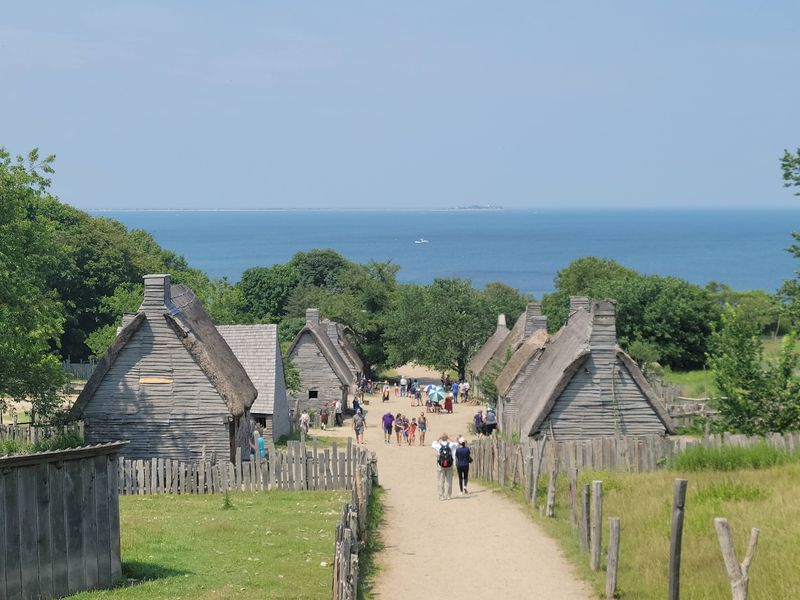
School buses, tour groups, and family road trips all converge on one stretch of harborfront. Plymouth calls itself America’s Hometown, and the title brings company.
Plymouth Rock sits under its stone portico, smaller than most people expect. Visitors still line up for a look, because the story matters more than the size.
Nearby, the Mayflower II floats at the dock. The full-scale replica ship gives a real sense of how cramped that 1620 crossing must have felt.
Water Street and the Town Wharf fill with people hunting for seafood and ice cream. Traffic backs up in a way locals learn to predict.
The historic district holds buildings spanning the 1600s through the early 1900s. Walking those streets is genuinely rewarding once you escape the waterfront crush.
Residents tend to hit the harbor early or late, skipping the midday peak entirely. Side streets hold the better parking anyway.
Beyond the famous sites, the town has beaches, trails, and a working waterfront. Plenty of visitors never notice.
November turns chaotic for obvious reasons. Thanksgiving week draws crowds that test every parking lot in the area. Go in spring instead. The harbor sparkles, the ship is open, and the sidewalks belong to you.
8. Concord
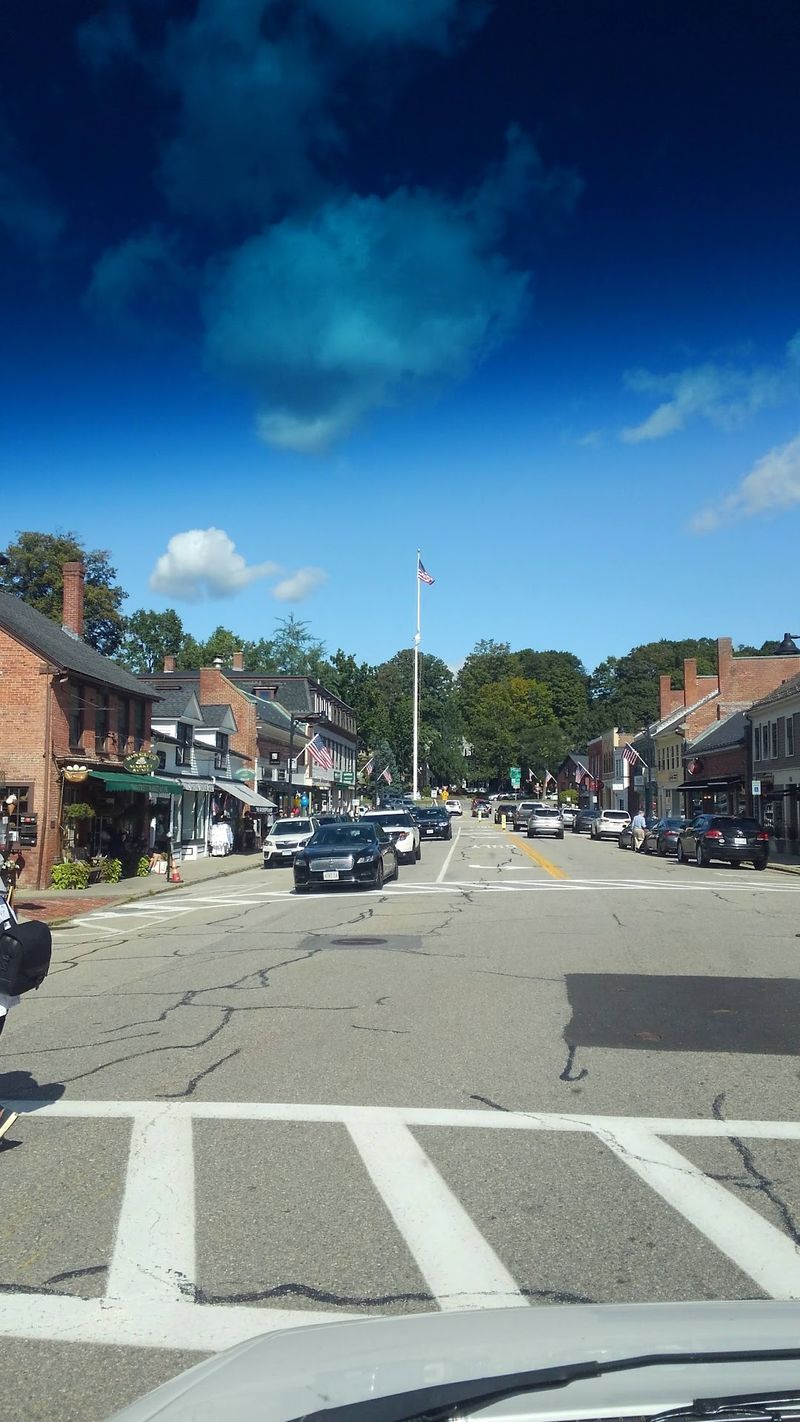
Few small towns carry this much weight in American history and literature at the same time. Concord holds Revolutionary War ground and the homes of writers who shaped a nation’s thinking.
The Old North Bridge draws steady streams of visitors. Standing there, the events of 1775 feel surprisingly close.
Louisa May Alcott, Ralph Waldo Emerson, and Henry David Thoreau all lived here. Their houses are preserved, and tour groups fill the sidewalks outside them.
Walden Pond remains the magnet. Thoreau found inspiration on its shore, and today swimmers and walkers arrive in numbers that force parking limits.
Downtown offers independent bookstores and small shops along Main Street and Walden Street. It is charming and, on fall weekends, thoroughly packed.
Leaf season doubles the pressure. Buses roll in, cameras come out, and residents quietly reroute their afternoons.
Arrive at Walden early if you plan to swim. The lot fills fast and closes once capacity is reached.
Winter has its own reward here. Snow on the bridge and empty bookshop aisles create a version of Massachusetts history that feels personal.
Take the trails past Author’s Ridge for a quieter walk. The woods here still do what they did for Thoreau.
9. Lenox
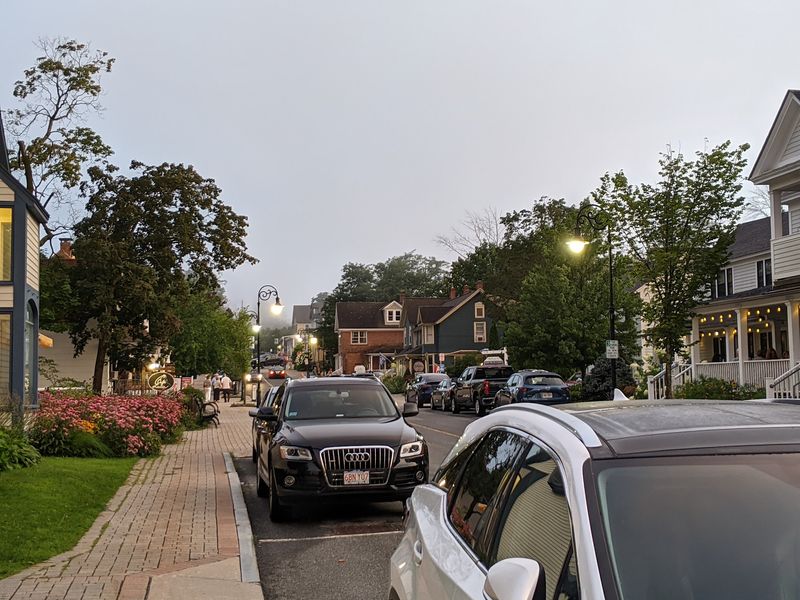
Music changes everything here. When the Boston Symphony Orchestra settles in at Tanglewood for summer, Lenox transforms from quiet Berkshire town to cultural hub.
Concert nights pack the roads. Lawn seats fill with blankets and picnic baskets, and the drive in becomes an exercise in patience.
Downtown holds a tight cluster of shops and dining spots. On performance weekends, tables and parking spaces disappear before dinner.
The setting helps explain the appeal. Forested hills, small lakes, and mountain backdrops surround the village in every direction.
Gilded Age mansions dot the area, including The Mount, once home to the writer Edith Wharton. Its gardens are worth slow exploration.
People who live here often plan errands around the concert calendar. They know exactly which hour to avoid.
Fall foliage brings a second wave. The Berkshires turn spectacular, and the roads reflect that popularity.
Hiking trails nearby stay far less crowded than the town center. A short drive buys you real solitude.
Massachusetts does not have many places where classical music causes traffic jams. Lenox owns that distinction proudly.
Visit midweek in early summer. The shops are relaxed, the hills are green, and you can actually hear the birds.
10. Stockbridge
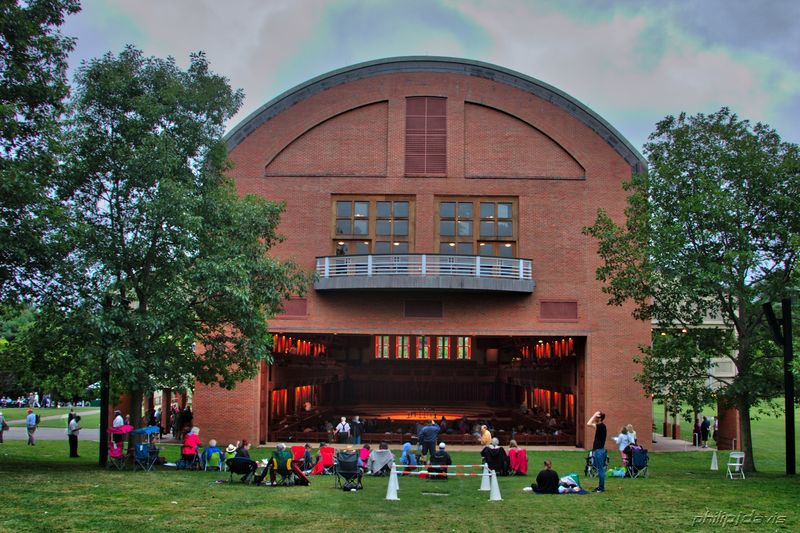
One painting turned a quiet Berkshire street into a destination. Norman Rockwell captured Stockbridge Main Street in winter, and visitors have been comparing the view ever since.
The town keeps a slower rhythm than most on this list. Tree-lined streets and historic buildings give it a settled, timeless feeling.
The Norman Rockwell Museum anchors the visitor traffic. Its collection draws steady crowds, especially during holiday weekends.
Naumkeag adds another draw entirely. The Gilded Age estate features elaborate gardens and terraces that reward a long, unhurried visit.
Main Street fills up quickly during foliage season. Buses arrive, cameras appear, and the small parking areas reach capacity early.
Cafes and local dining spots along the street stay cozy rather than flashy. That understated quality is part of the appeal.
Surrounding hills, forests, and lakes give residents plenty of escape routes. Most take them when the center gets busy.
December brings a holiday recreation of the famous painting scene. Vintage cars line the street and crowds gather to see it.
Try a weekday morning in late spring. The gardens are waking up and the sidewalks stay quiet.
Stockbridge proves a simple point. Beauty attracts company, and sometimes the best move is arriving before everyone else does.