
Michigan’s Hidden Northwoods Village Is A Quiet Secret Waiting To Be Found
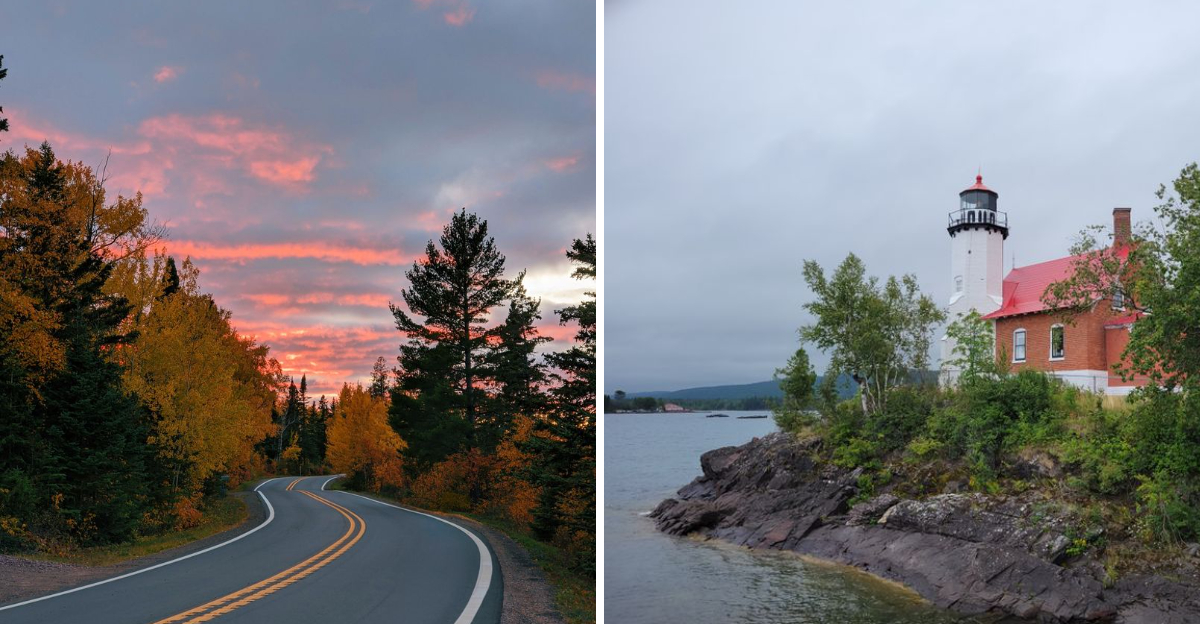
Tucked away at the very tip of Michigan’s Keweenaw Peninsula, Copper Harbor remains one of the Upper Peninsula’s best-kept secrets. This remote village, with a population barely exceeding a hundred souls, offers a rare escape from the noise and rush of modern life.
Surrounded by the wild beauty of Lake Superior and dense northwoods forests, Copper Harbor invites travelers to slow down, breathe deeply, and rediscover the quiet pleasures of nature and solitude.
A Remote Paradise At The Tip Of Michigan’s Keweenaw Peninsula
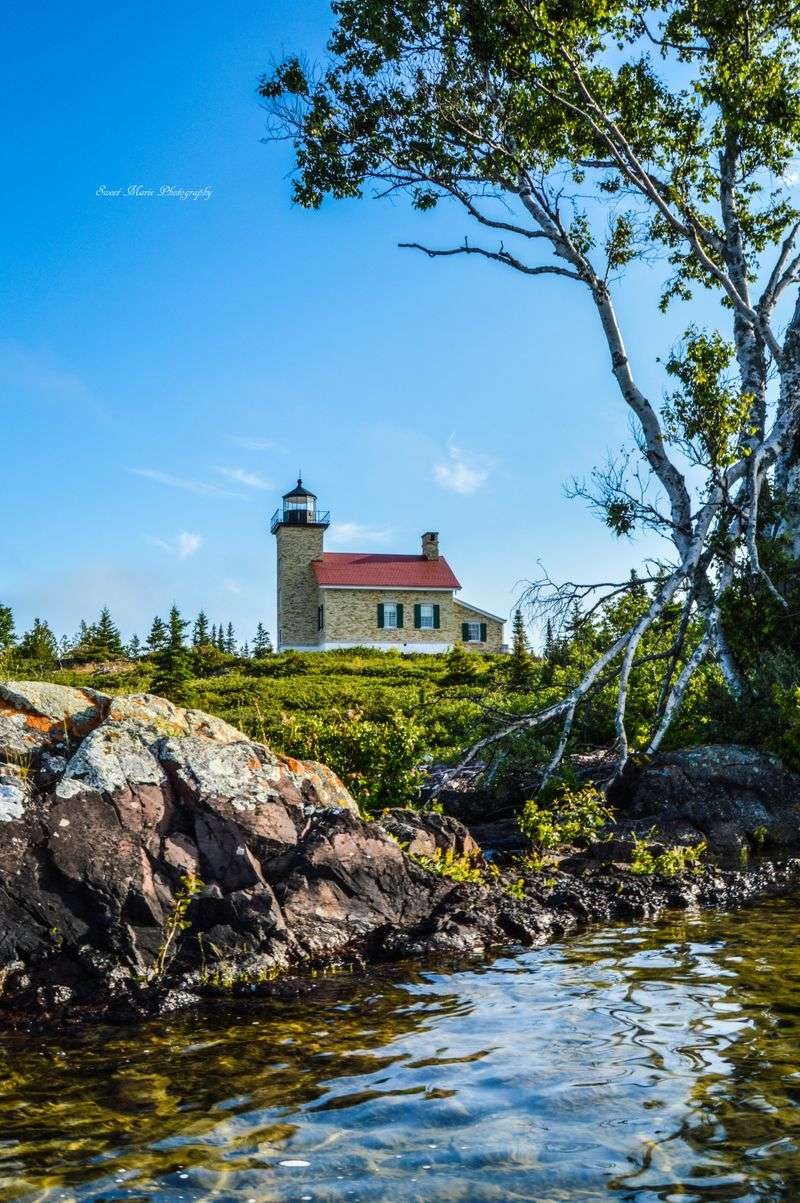
Copper Harbor sits perched at the northernmost reach of Michigan’s Keweenaw Peninsula, a finger of land jutting boldly into Lake Superior. Getting here requires commitment—nearly an hour’s drive north from Houghton along winding roads that thread through thick pine and birch forests.
The journey itself becomes part of the experience, as civilization gradually falls away and wilderness takes over.
Once you arrive in Grant Township, the village reveals itself as a collection of weathered buildings, modest homes, and a small harbor sheltered by rocky bluffs. The population hovers around 136 year-round residents, though summer brings a modest influx of visitors seeking refuge from crowded tourist towns.
There are no chain stores, no traffic lights, and no pretense of urban convenience.
What Copper Harbor offers instead is authenticity and isolation in equal measure. The air smells of pine and cold water.
The pace slows to match the rhythm of waves lapping against stone. For those willing to venture this far north, the reward is a place largely untouched by time or trend.
Rich History: The Mining Legacy Of Copper Harbor
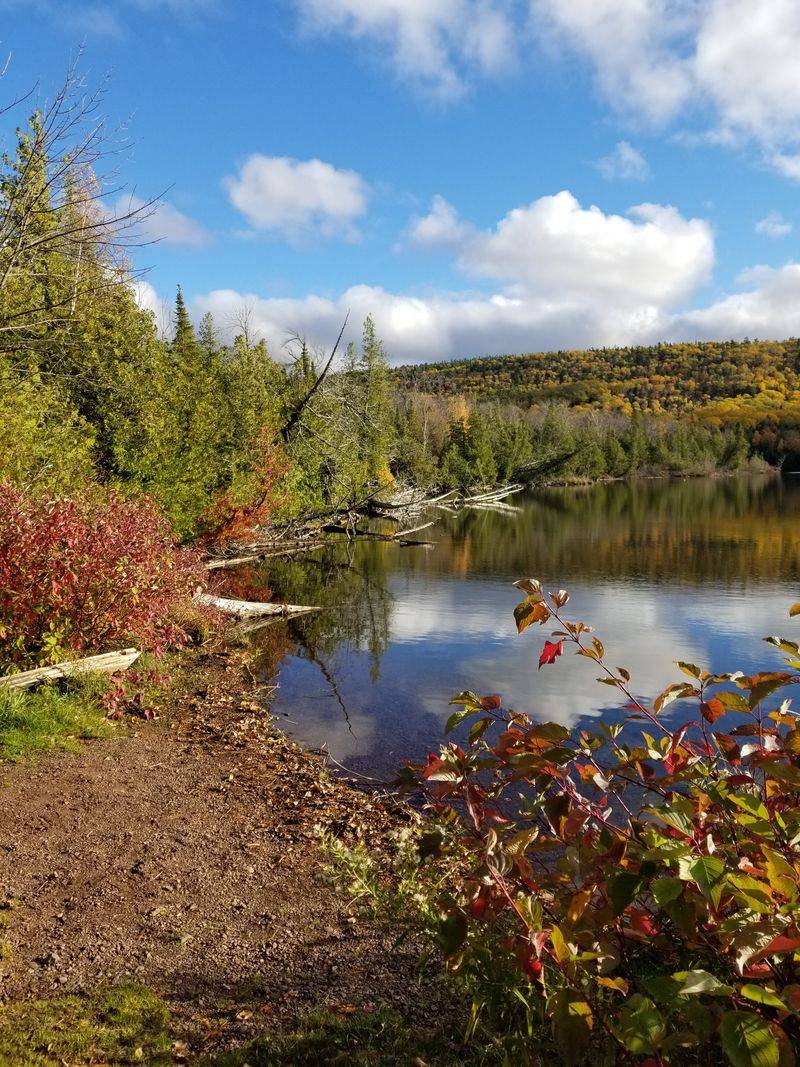
Long before tourists discovered this corner of Michigan, Copper Harbor thrived as a mining outpost during the mid-1800s copper boom. Prospectors and laborers flooded the Keweenaw Peninsula, drawn by rumors of rich veins of native copper hidden beneath the rocky soil.
The harbor served as a crucial supply point, with ships delivering equipment and provisions to the growing mining camps scattered across the region.
Fort Wilkins, established in 1844, still stands as a testament to this era. The military post was built to keep peace between miners and the local Ojibwe people, though it saw little actual conflict.
Today, the fort operates as a state park, with restored buildings and costumed interpreters offering glimpses into frontier life.
Walking through the old fort grounds, you can almost hear the echo of hammers on anvils and the shouts of soldiers drilling in the parade ground. The mining boom eventually faded, but the history remains etched into the landscape—in abandoned shafts, crumbling stone foundations, and stories passed down through generations of families who stayed behind.
Natural Beauty: The Stunning Views Of Lake Superior
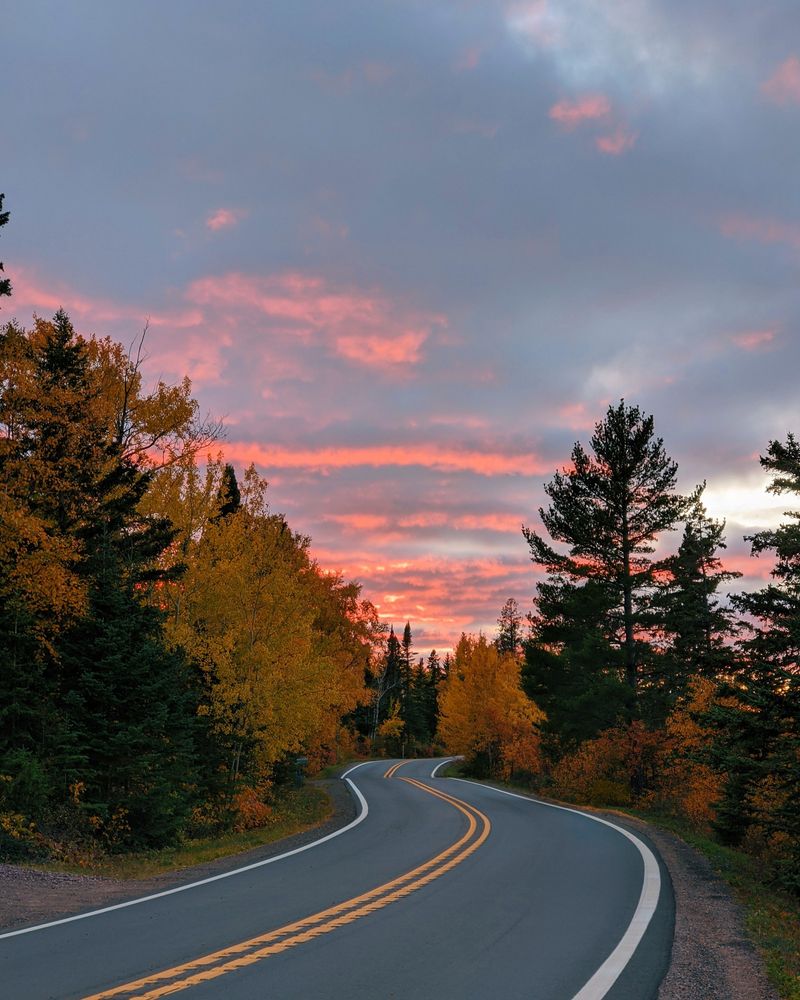
Lake Superior dominates the landscape around Copper Harbor with a presence both magnificent and humbling. This is the largest of the Great Lakes, a body of water so vast it creates its own weather patterns and holds enough fresh water to cover all of North and South America in a foot of liquid.
From the rocky shores near the harbor, the lake stretches endlessly toward a horizon where water and sky blur into one.
The water itself shifts in color depending on light and season—steel gray under cloudy skies, brilliant blue on summer afternoons, nearly black during storms. Waves crash against ancient basalt cliffs, sculpted over millennia into dramatic formations.
In winter, ice builds up along the shore in fantastic shapes, while summer brings calmer days perfect for kayaking or simply sitting on the rocks and watching freighters pass in the distance.
Sunrise over Lake Superior deserves particular mention. The first light catches the water and transforms it into liquid gold, while mist rises from the surface in ethereal columns.
Few experiences match the simple act of standing on these northern shores at dawn.
Outdoor Adventures: Hiking, Biking, And More
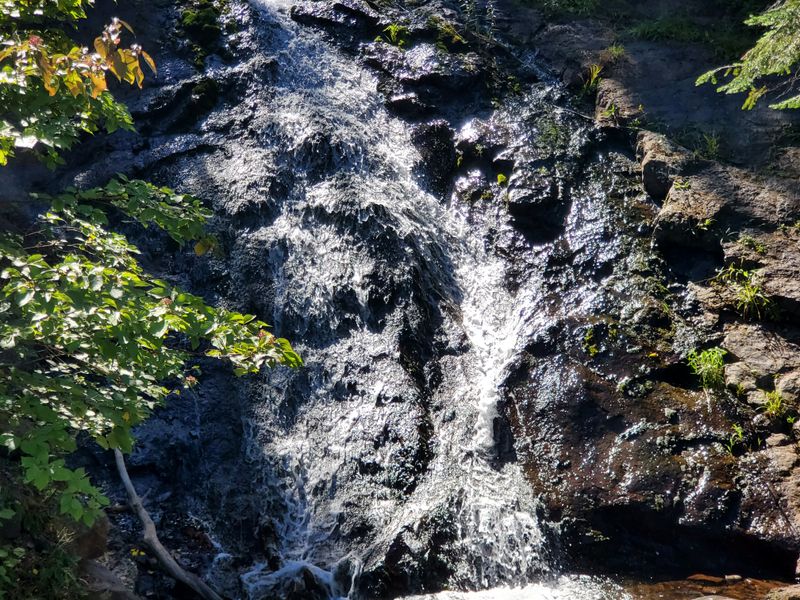
Copper Harbor serves as a launching point for some of Michigan’s finest outdoor recreation. Mountain biking enthusiasts make pilgrimages here to tackle the legendary trail systems that wind through the surrounding forests.
The Copper Harbor Trails network offers everything from beginner-friendly loops to technical single-track that challenges even experienced riders. Tree roots, rock gardens, and steep descents keep things interesting, while the scenery provides ample excuse to stop and catch your breath.
Hikers find equal satisfaction on trails leading to waterfalls, overlooks, and hidden inland lakes. The nearby Estivant Pines preserve protects some of the last old-growth white pines in the region—towering giants that predate European settlement.
Walking among these ancient trees inspires a particular kind of reverence.
Kayakers launch from the harbor to explore sea caves and rocky coastline accessible only by water. Fishing for lake trout and salmon draws anglers year-round.
Winter transforms the area into a snowy playground for cross-country skiing and snowshoeing. Whatever the season, Copper Harbor rewards those who venture beyond the pavement with experiences both challenging and deeply satisfying.
The Gateway To Keweenaw National Historical Park
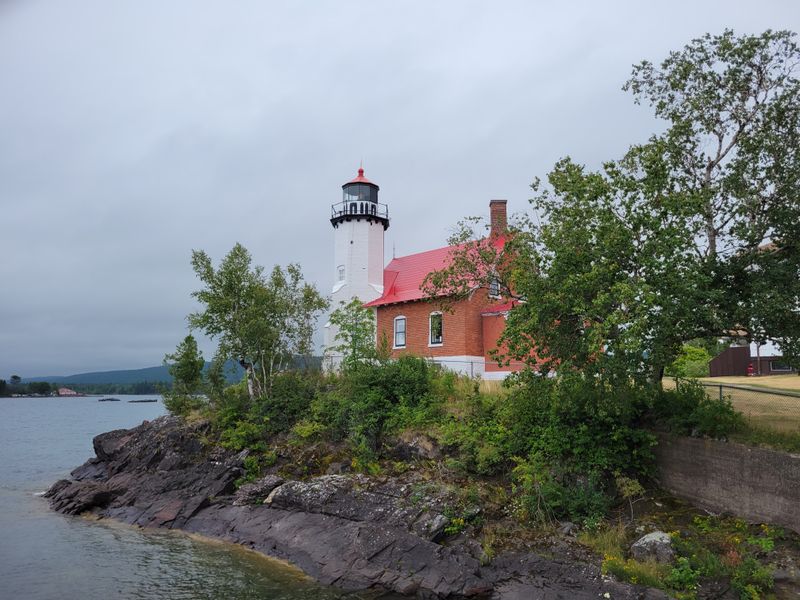
Copper Harbor functions as one of the primary access points to Keweenaw National Historical Park, a unique park spread across multiple sites throughout the peninsula. Unlike traditional national parks with defined boundaries, this park tells the story of copper mining through preserved mines, historic buildings, and interpretive centers scattered across the region.
The park preserves not just the physical remnants of the mining era, but also the cultural heritage of the diverse immigrant communities who came here seeking fortune.
From Copper Harbor, visitors can easily reach several park sites, including the previously mentioned Fort Wilkins. The park’s mission focuses on education and preservation, helping modern visitors understand the immense industrial effort that once transformed this remote wilderness into a global copper supplier.
Rangers lead tours through restored buildings and offer programs on everything from geology to labor history.
The park represents an important recognition that American history extends far beyond the familiar narratives of the East Coast and the West. Here in Michigan’s far north, immigrant miners from Cornwall, Finland, and Italy carved communities from rock and forest, leaving a legacy that still shapes the region today.
Seclusion And Tranquility: The Quiet Vibe Of Copper Harbor
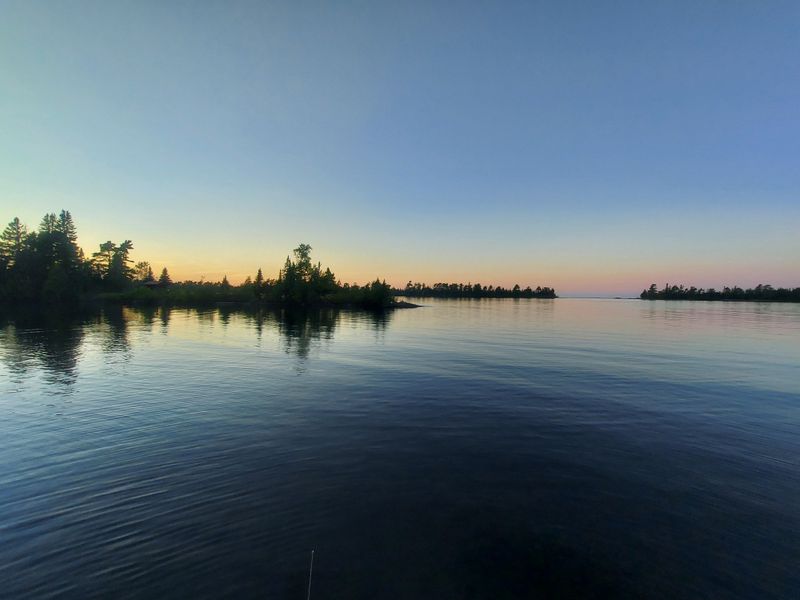
Perhaps Copper Harbor’s greatest asset is something it lacks—crowds. Even during peak summer months, this village maintains a peaceful atmosphere that seems increasingly rare in our connected, crowded world.
You can walk the harbor breakwall without jostling for position or sit on a lakeside bench without fighting for a spot. Restaurants rarely require reservations, and traffic jams remain blissfully unknown.
This seclusion stems partly from geography—Copper Harbor truly sits at the end of the road, with nowhere further north to go within Michigan. Visitors must choose to come here deliberately; nobody passes through Copper Harbor on the way to somewhere else.
This filters out casual tourists in favor of those seeking exactly what this place offers: quiet, space, and distance from the ordinary pressures of daily life.
Evenings bring a particular stillness, broken only by the sound of waves and wind in the pines. Conversations happen at normal volume rather than shouted over background noise.
The pace of life slows to match the unhurried rhythm of a place where nothing demands immediate attention. For those overwhelmed by constant connectivity and stimulation, Copper Harbor offers a welcome reset.
The Night Sky: Stargazing In Copper Harbor
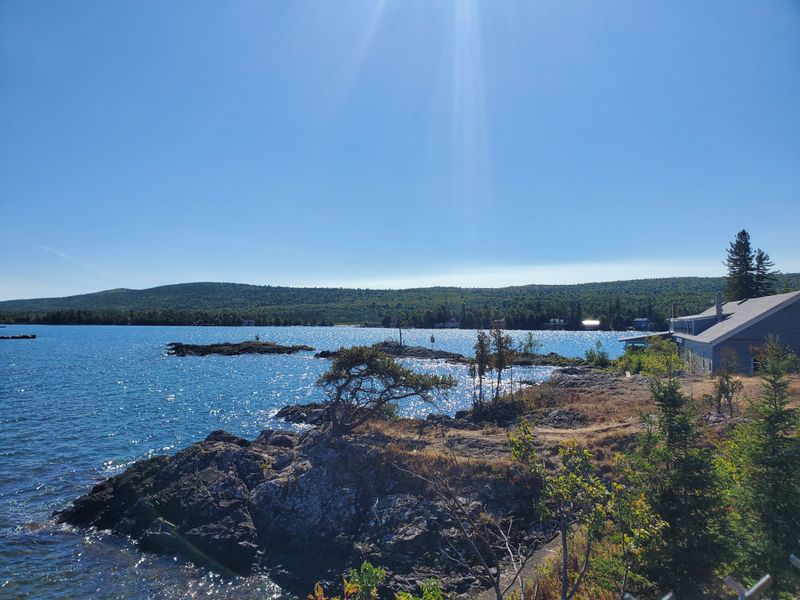
Far from the light pollution that dims the stars above most American towns, Copper Harbor offers night skies of remarkable clarity. On clear evenings, the Milky Way stretches overhead in a luminous band, while countless stars invisible to city dwellers blaze with unexpected brightness.
The darkness here is profound and complete, the kind of darkness that reminds you just how much artificial light obscures in our daily lives.
Astronomers and casual stargazers alike appreciate the viewing conditions. Meteor showers put on spectacular displays, with shooting stars streaking across the entire dome of the sky.
In autumn and winter, the northern lights occasionally dance on the horizon, painting the darkness in shifting curtains of green and sometimes red or purple.
No special equipment is required to appreciate the spectacle, though binoculars or a telescope reveal even more wonders. Simply stepping outside after dark and allowing your eyes to adjust brings the universe into sharp focus.
Standing beneath such a sky, with the sound of Lake Superior in the background, provides perspective that no planetarium can match. The stars have always been there, of course, but Copper Harbor lets you actually see them.
How To Get There: Journeying To Michigan’s Northernmost Point
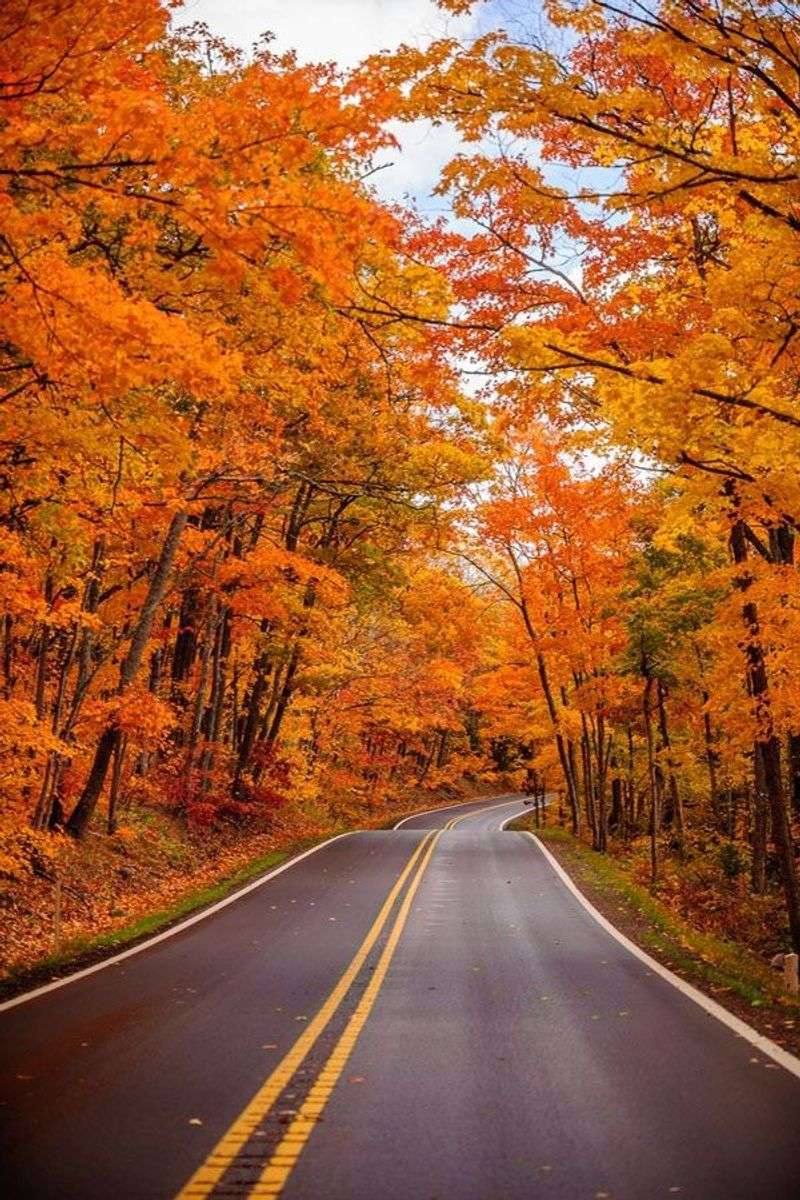
Reaching Copper Harbor requires planning and patience, but the journey itself becomes part of the adventure. From the south, most travelers take US-41 north through Michigan’s Upper Peninsula, passing through towns like Marquette and Houghton before continuing onto the Keweenaw Peninsula.
The final stretch of highway narrows and curves through dense forest, with occasional glimpses of Lake Superior through the trees.
The drive from Houghton to Copper Harbor takes roughly 50 minutes under normal conditions, covering about 47 miles of increasingly remote terrain. Winter travel demands extra caution, as snow and ice can make the roads treacherous.
Summer and fall offer the easiest driving, with autumn bringing spectacular color as the hardwoods turn gold and crimson.
No commercial flights serve Copper Harbor directly; the nearest airport is in Houghton. Most visitors arrive by car, though adventurous souls occasionally make the trip by motorcycle or bicycle.
The remoteness means services become sparse as you travel north—fill your gas tank, pack snacks, and prepare for limited cell phone coverage. The isolation that makes Copper Harbor special also requires a bit of self-sufficiency from those who seek it out.