
Michigan’s Least-Visited Shoreline Where The Great Lakes Feel Completely Untouched
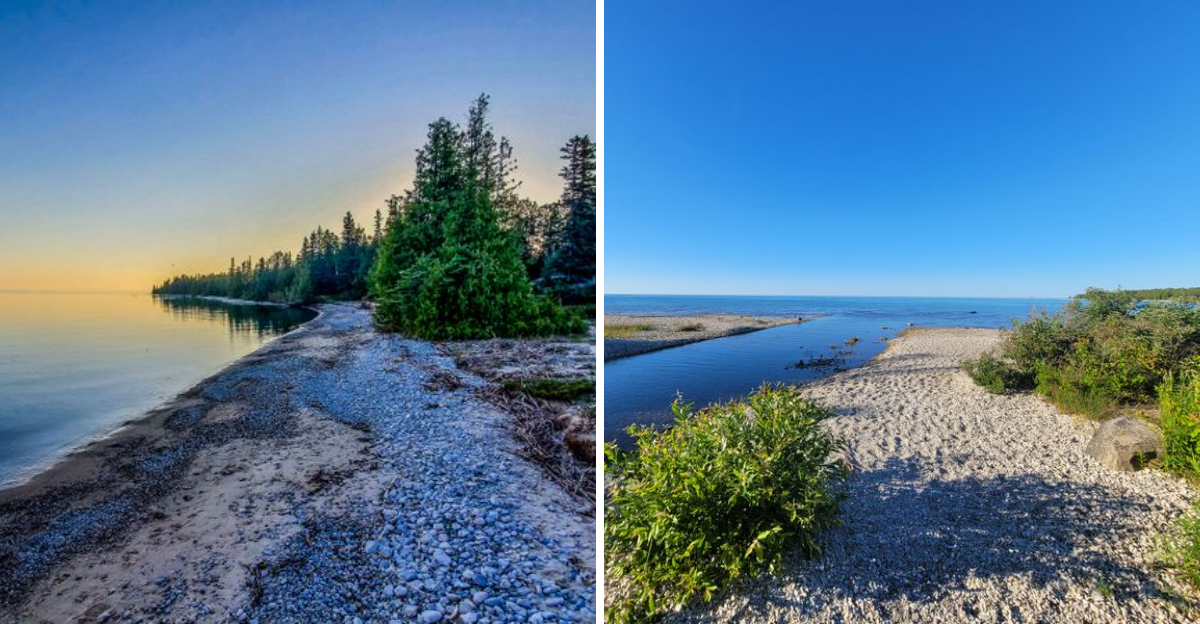
Thompson’s Harbor State Park holds a secret most travelers never discover.
Tucked along Michigan’s northeastern coast, this 5,000-acre preserve remains one of the least-visited shorelines on Lake Huron, offering seven miles of coast that feel unchanged by time or tourism.
While crowds flock to popular beaches elsewhere, this quiet corner near Posen, MI 49776 invites those seeking genuine solitude and a shoreline experience that feels entirely wild.
One Of Michigan’s Quietest Lake Huron Shorelines
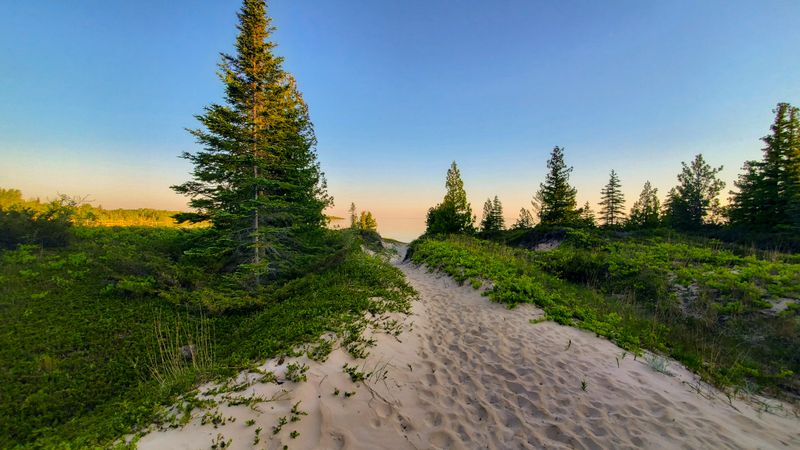
Silence defines the character of Thompson’s Harbor in ways most state parks cannot replicate.
Visitor numbers remain low year-round, creating an atmosphere where birdsong and wave rhythm replace the usual chatter of crowded recreation areas.
The park’s northern location in Presque Isle County keeps it off the radar for casual beachgoers who favor southern Michigan’s easily accessed coasts.
Rangers report that some summer weekdays pass without a single vehicle entering the grounds.
This absence of human noise allows the natural soundscape to dominate completely.
Wind moves through white cedar and spruce forests without interruption.
Lake Huron’s waves break along the cobblestone beach in their own unhurried cadence.
For visitors accustomed to fighting for parking spots or sharing trails with dozens of others, the emptiness here feels almost disorienting at first, then deeply restorative as hours pass in uninterrupted peace.
Why This State Park Rarely Sees Crowds
Geography and infrastructure combine to keep Thompson’s Harbor delightfully undervisited.
The park sits roughly 20 miles north of Alpena, far from major highways or population centers.
No signs advertise its presence along US-23, the main coastal route through northeastern Michigan.
Unlike developed state parks with swimming areas, playgrounds, and concession stands, Thompson’s Harbor offers only primitive facilities.
Visitors must bring their own supplies and entertainment.
Cell phone coverage remains spotty throughout most of the property, discouraging those who prefer staying connected.
The access road itself—a rutted two-track through dense forest—deters casual visitors driving low-clearance vehicles.
Michigan’s Department of Natural Resources maintains the park with minimal intervention, preserving its wild character rather than adapting it for mass tourism.
This management philosophy keeps the experience authentic but also keeps attendance numbers remarkably low compared to parks like Sleeping Bear Dunes or Pictured Rocks.
Seven Miles Of Undeveloped Great Lakes Coast
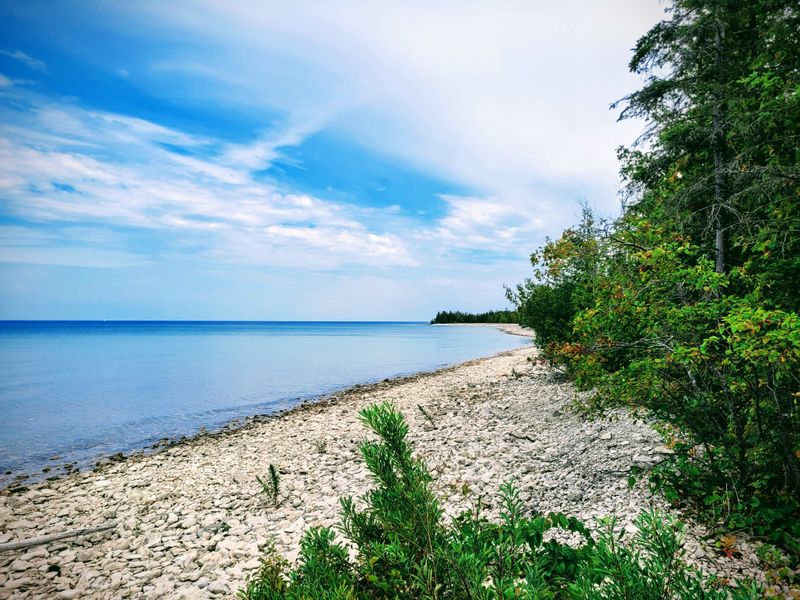
Thompson’s Harbor protects an extraordinary length of completely natural Lake Huron shoreline.
Seven miles of coast stretch without a single building, dock, or commercial structure interrupting the view.
This continuous wild shoreline ranks among the longest undeveloped stretches remaining on Lake Huron’s western shore.
Walking the entire length takes most of a day, with the landscape shifting subtly as you progress northeast.
Protected coves alternate with exposed points where waves have more force.
Driftwood accumulates in massive tangles after storms, creating sculptural formations that remain untouched for years.
The shoreline curves gently, never quite revealing what lies around the next bend.
Early morning fog often obscures the horizon, making the lake feel boundless.
By afternoon, clarity returns and the water takes on shades of turquoise and cobalt that rival ocean destinations.
This unbroken natural character allows visitors to experience Great Lakes coastline as it existed before development transformed most accessible shores.
A Shoreline Of Limestone, Cobble, And Sand
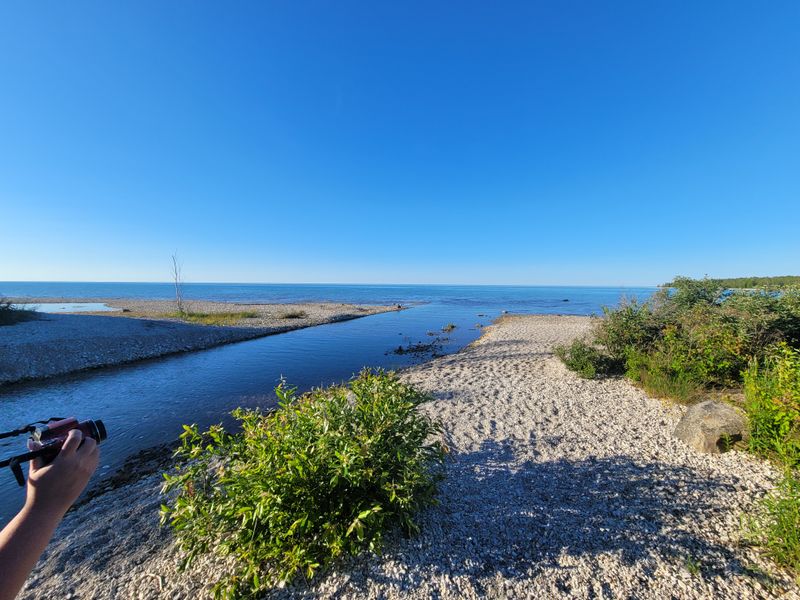
Geological diversity makes Thompson’s Harbor visually distinct from typical sandy beaches.
Ancient limestone bedrock surfaces in flat shelves along portions of the shore, creating natural platforms for exploration.
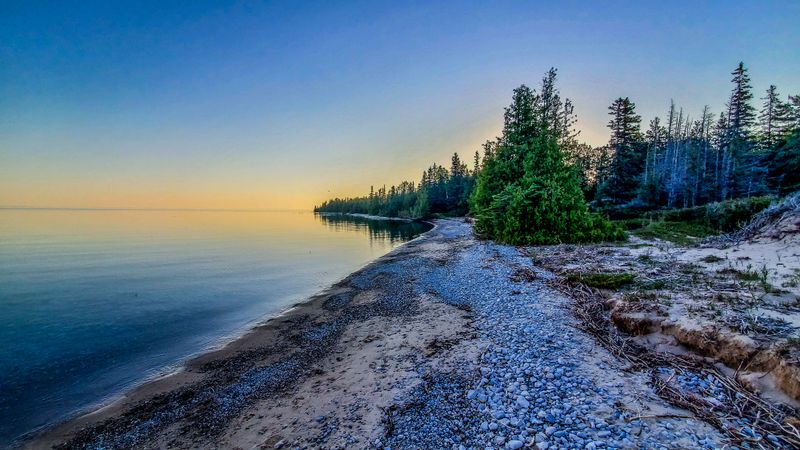
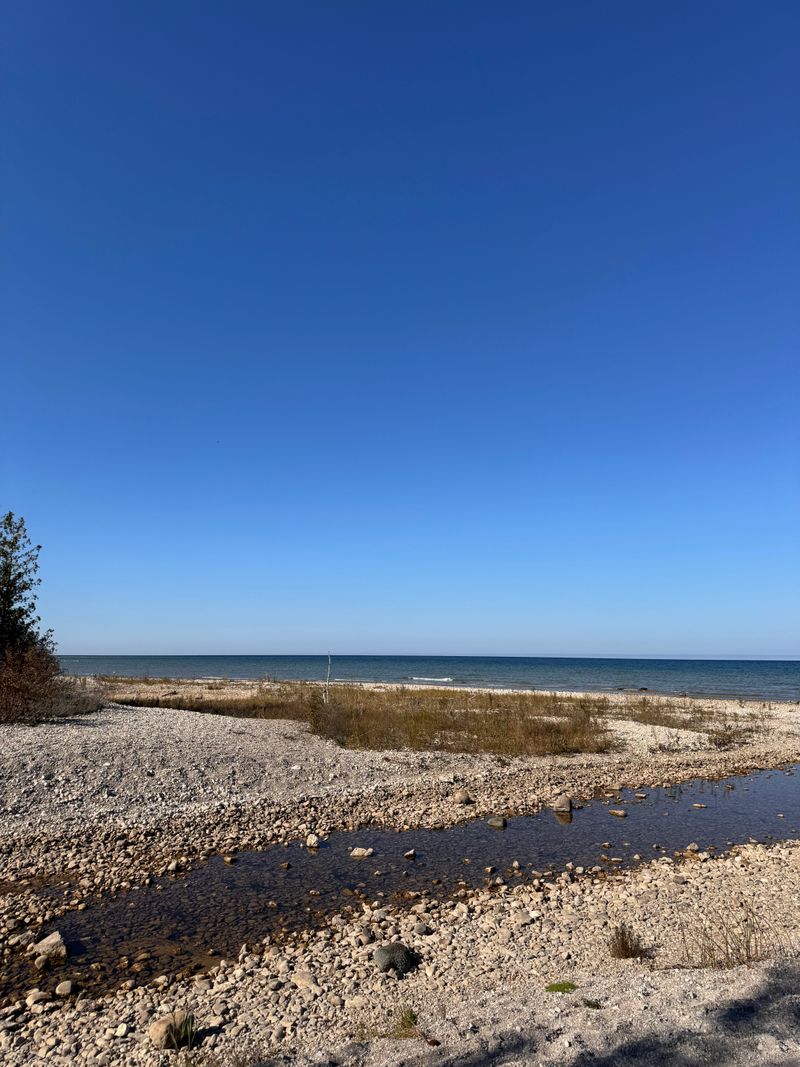
Glacial cobbles—smooth rounded stones in shades of gray, white, and rust—cover much of the beach in shifting bands.
Pockets of fine sand appear between the cobble sections, offering softer spots for sitting or wading.
The limestone formations host fossils from Devonian seas that covered Michigan 350 million years ago.
Patient observers can spot coral impressions and ancient marine life preserved in stone.
Water clarity allows you to see the transition from cobble to sand to bedrock as depth increases.
The varied substrate supports different ecological communities, with unique plant species colonizing each zone.
This geological complexity creates visual interest that changes with light and season, ensuring the shoreline never looks quite the same on repeat visits.
The stones themselves tell stories of ice age forces and deep time.
How Remote Access Keeps This Park Peaceful
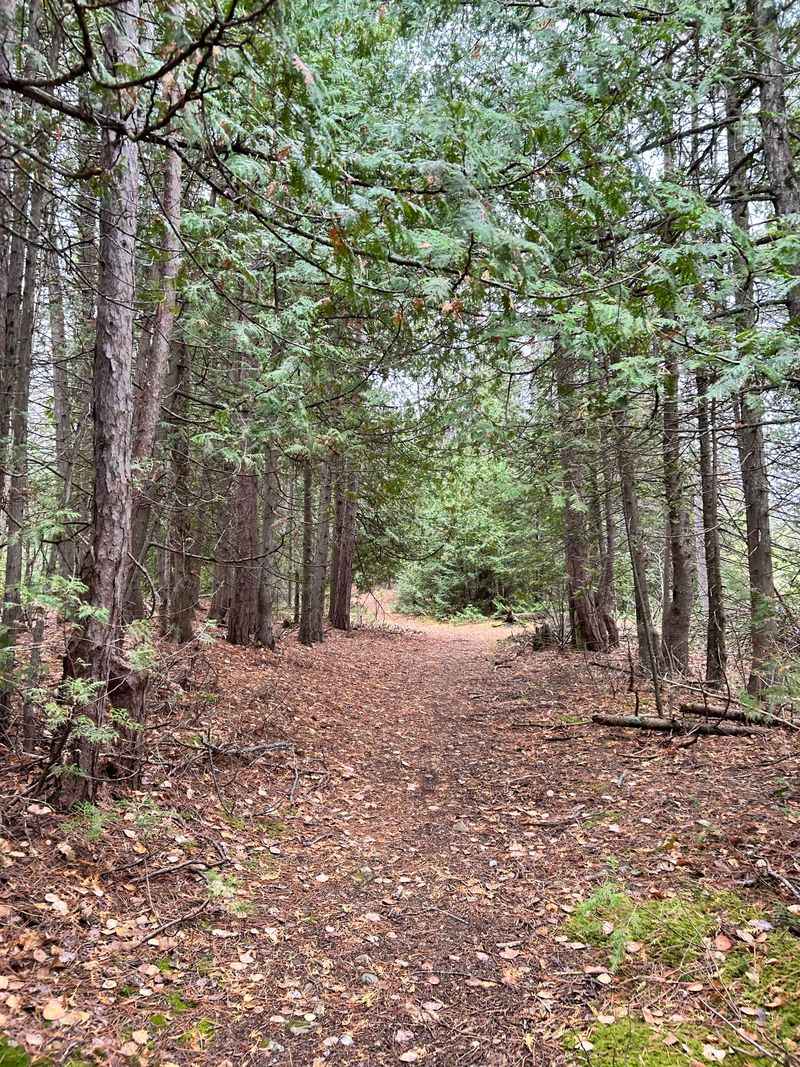
Reaching Thompson’s Harbor requires commitment that filters out casual visitors effectively.
From US-23, travelers turn onto County Road 638, following it north through farmland and forest for several miles.
The final approach involves navigating an unmarked two-track that branches from the county road, easily missed without GPS coordinates or prior knowledge.
This rough access road discourages RVs and trailers entirely.
Standard passenger cars can make the journey carefully, but ground clearance helps during wet seasons when ruts deepen.
No entrance booth collects fees or provides maps—visitors simply arrive at small parking areas scattered through the forest.
The remoteness creates a self-selecting visitor base of people genuinely seeking wilderness rather than convenient recreation.
Families with young children often find the access challenging.
Party groups looking for social beach scenes quickly realize this isn’t their destination.
The result is a park population consisting mostly of serious hikers, naturalists, photographers, and solitude-seekers who appreciate the effort required to experience genuine wildness.
Where Lake Huron Still Feels Wild
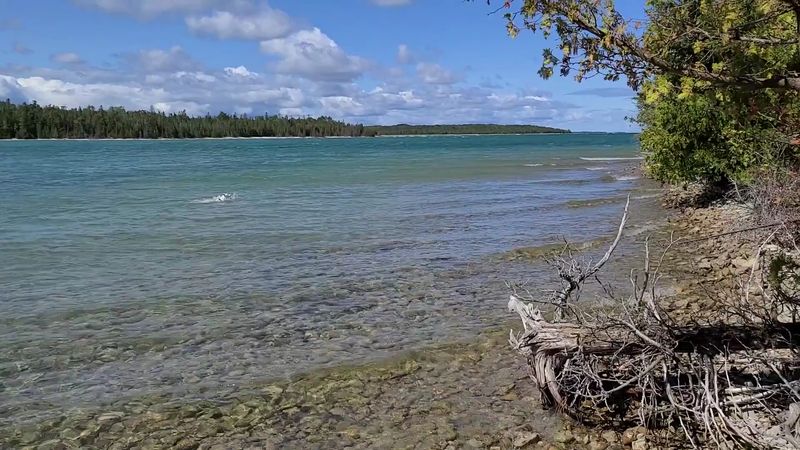
Standing on Thompson’s Harbor shoreline evokes what early explorers might have witnessed.
No marina lights dot the horizon at night.
No jet skis disturb the water’s surface during summer days.
The absence of human infrastructure allows natural processes to proceed without interference.
Storm-felled trees lie where they fall, gradually weathering into driftwood sculptures.
Shoreline erosion and deposition follow their ancient patterns without seawalls or engineering interventions.
Wildlife moves through the area with confidence, less wary than in heavily visited parks.
Loons call across the water without competing against motorboat noise.
Eagles nest in old-growth trees overlooking the shore.
The night sky reveals constellations obscured by light pollution elsewhere.
This wildness feels increasingly rare along Great Lakes coasts where development has claimed most accessible shoreline.
Thompson’s Harbor offers a reference point for understanding what these massive freshwater seas looked like before European settlement, making it valuable not just recreationally but also as a living ecological baseline for comparison.
No Resorts, No Boardwalks, No Noise
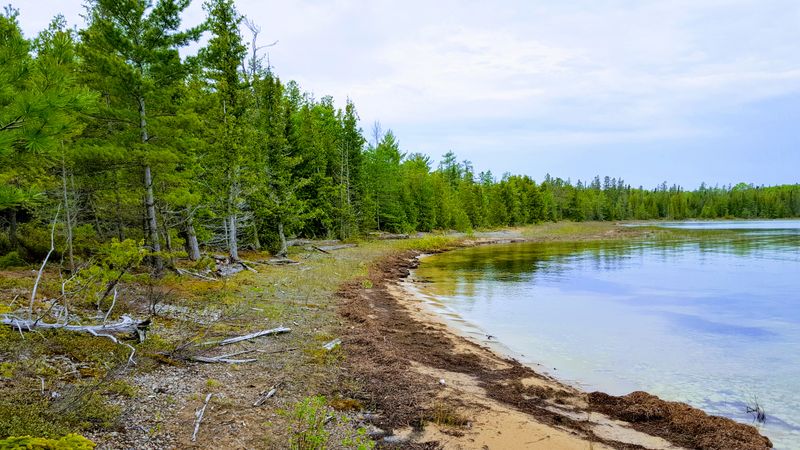
Commercial tourism never reached Thompson’s Harbor, preserving its essential character.
The park contains no gift shops, no ice cream stands, no equipment rental facilities.
Boardwalks and viewing platforms that define developed parks are completely absent here.
Visitors walk directly on forest trails and natural beach rather than manicured paths.
This lack of infrastructure means the landscape looks and feels fundamentally different from tourist-oriented destinations.
Nights pass in complete darkness without security lighting or illuminated signs.
Days unfold without PA announcements, music from nearby establishments, or traffic noise.
The quietness allows for experiences increasingly difficult to find—reading a book while hearing only waves, watching sunset without crowds gathering for photos, sleeping in a cabin with nothing but cricket song and breeze through screens.
Some visitors find the absence of amenities challenging at first, but most quickly appreciate how commercial-free environments allow genuine rest.
The park operates at 989-734-2543 for those seeking basic information before visiting this uncommercial refuge.
Wildlife And Trails Replace Tourist Attractions
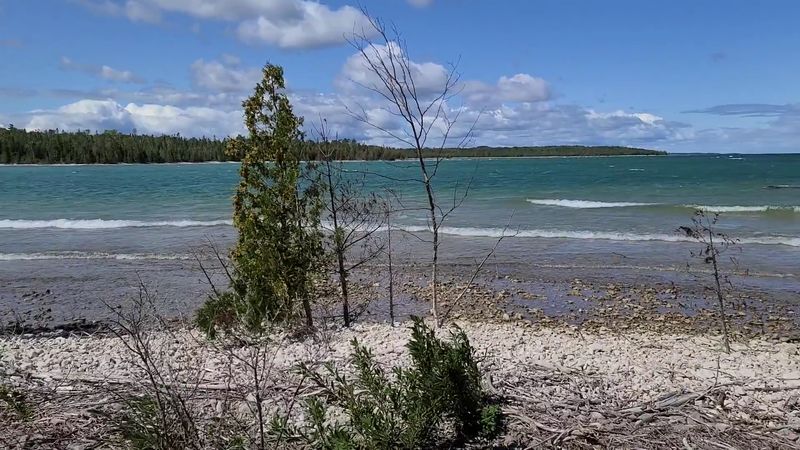
Entertainment at Thompson’s Harbor comes from observation rather than manufactured activities.
Trail systems wind through diverse habitats including rare limestone bedrock glades supporting unusual plant communities.
Spring brings migrations of warblers and other songbirds that use the shoreline as a navigational landmark.
Summer reveals wildflowers adapted to the park’s alkaline soils, including several threatened species found nowhere else in Michigan.
Deer browse along forest edges at dawn and dusk.
Black bears occasionally pass through, leaving tracks in soft sand.
The shoreline attracts shorebirds during migration periods, with plovers and sandpipers working the cobble beaches for invertebrates.
Patient wildlife watchers often spot more species in a morning here than in a week at busier parks where animals avoid human concentrations.
Trail conditions remain rustic—roots, rocks, and occasional muddy sections require attention.
No interpretive signs explain what you’re seeing; discovery happens through personal observation and curiosity rather than curated educational experiences that dominate modern nature tourism.
Rustic Cabins Along An Untouched Shore
Thompson’s Harbor offers four primitive cabins that provide shelter without compromising the wilderness experience.
These simple structures sit within walking distance of the shoreline, offering lake views through surrounding forest.
Each cabin contains basic bunks and a wood stove but no electricity, running water, or modern conveniences.
Visitors bring sleeping bags, cook on camp stoves, and haul water from hand pumps.
The rustic nature of these accommodations appeals to people seeking genuine backcountry experience without backpacking long distances.
Nights in the cabins pass with remarkable quietness—no refrigerator hum, no furnace cycling, no electronic device notifications.
Morning light filters through windows onto bare wood interiors.
Cooking breakfast becomes a deliberate process requiring fire-building and patience.
These simple rituals create a different pace of living, even during short stays.
Reservations for the cabins book months ahead despite their primitive conditions, suggesting many people hunger for this stripped-down experience.
The cabins prove that comfort and wildness can coexist when expectations adjust appropriately.
Big Skies And Clear Water Define The Experience
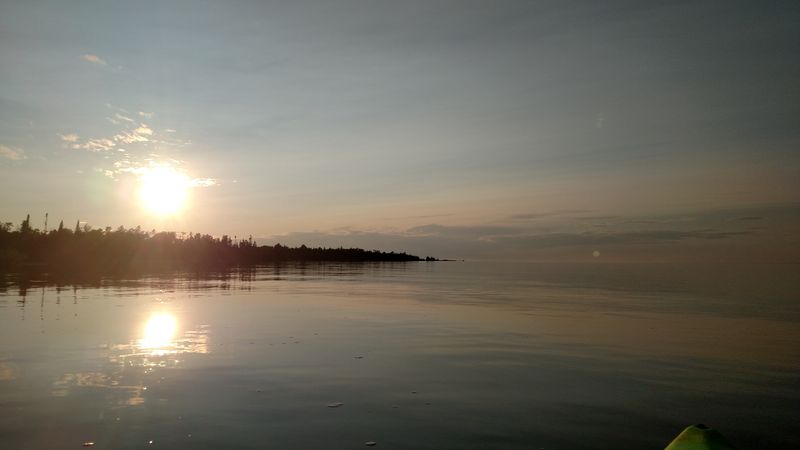
Visual clarity distinguishes Thompson’s Harbor from more developed Great Lakes destinations.
Lake Huron’s water here maintains exceptional transparency, often allowing visibility to depths of 20 feet or more.
The lack of nearby development means no runoff clouds the nearshore zone.
Underwater, you can watch fish moving over the cobble bottom and see aquatic plants swaying in gentle currents.
The sky above feels equally expansive without buildings or light pollution to constrain the view.
Weather systems approach across the lake with cinematic drama—thunderheads building on summer afternoons, northern lights occasionally visible during clear winter nights.
Sunrise and sunset unfold without obstruction, painting the water in colors that shift by the minute.
The combination of clean water and open sky creates a sense of space that feels almost oceanic.
This visual openness affects visitors psychologically, many reporting feelings of mental clarity and perspective that emerge after hours of gazing at unobstructed horizons.
The park’s location at 45.3519526, -83.619851 places it perfectly for these atmospheric displays.
Why Few Travelers Ever Find This Place
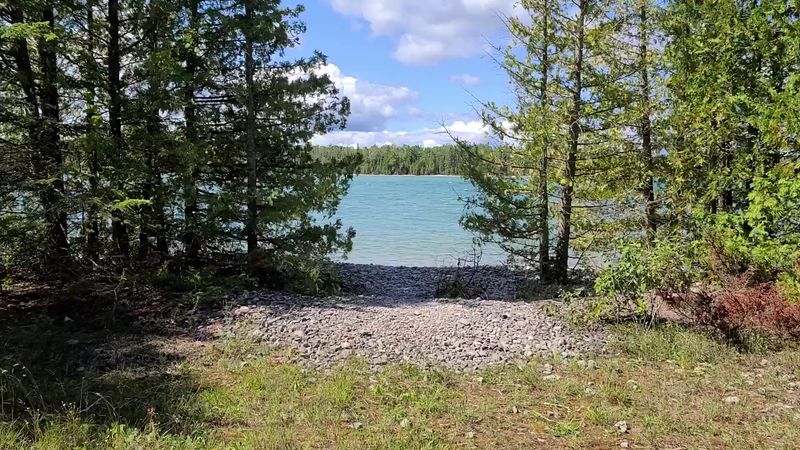
Thompson’s Harbor remains obscure through a combination of factors that work together effectively.
Michigan’s tourism marketing focuses on established destinations like Mackinac Island, Traverse City, and the Upper Peninsula’s waterfalls.
State park materials mention Thompson’s Harbor briefly if at all.
Travel blogs and social media influencers rarely feature locations this remote and unphotogenic in conventional ways.
The park lacks the dramatic cliffs of Pictured Rocks or the sandy beaches of Sleeping Bear Dunes that photograph well for promotional purposes.
Its beauty reveals itself slowly through extended time rather than immediate visual impact.
Locals in northeastern Michigan know about the park but tend to guard the secret, understanding that increased visitation would fundamentally change its character.
No nearby towns depend on park tourism, so no economic incentive exists to promote it aggressively.
The result is a place that remains genuinely undiscovered despite being publicly accessible.
Visitors who do find it often describe feeling like they’ve stumbled onto something precious and rare—a Great Lakes shoreline that time forgot.
A Great Lakes Shoreline That Feels Frozen In Time
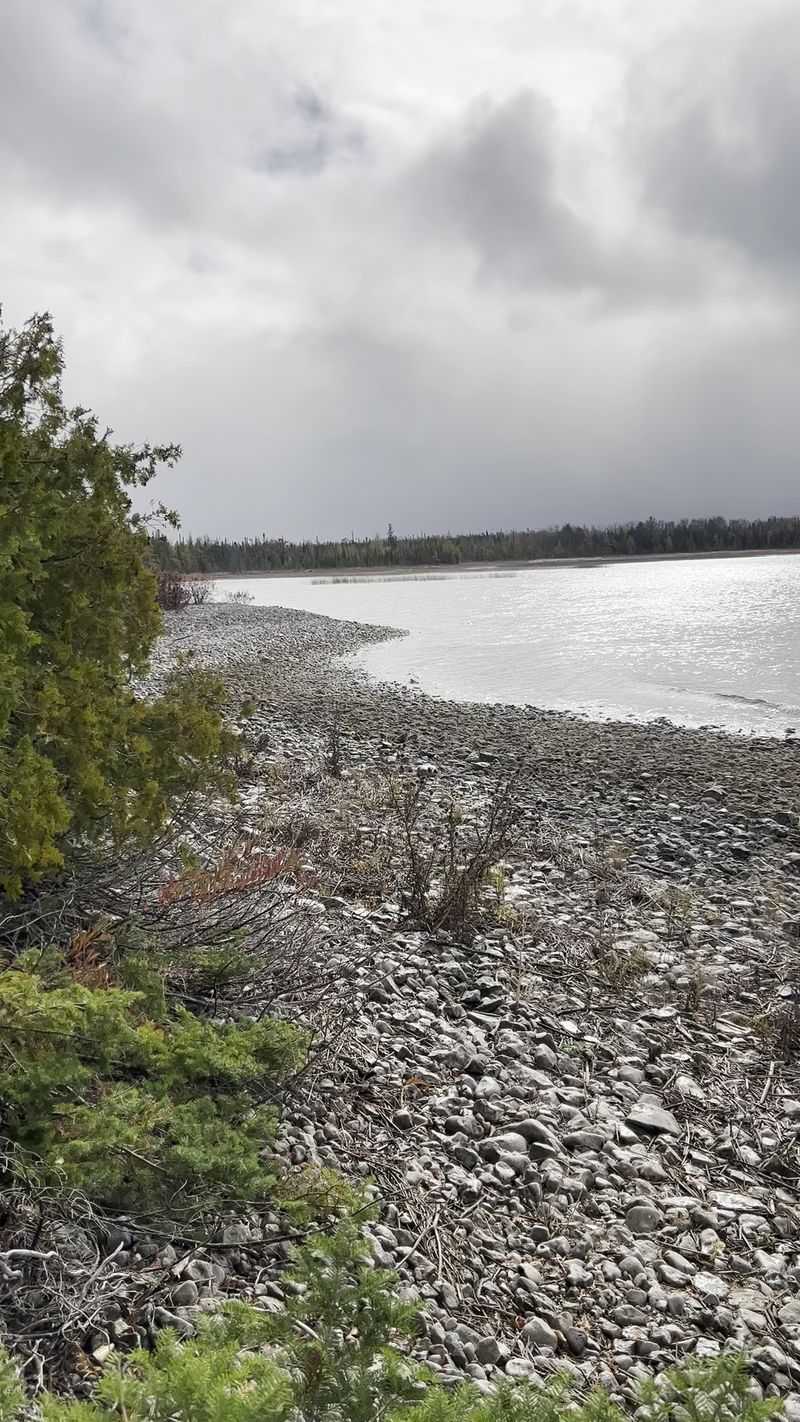
Visiting Thompson’s Harbor creates the sensation of stepping backward through decades.
The landscape looks remarkably similar to historical photographs from the early 20th century, before widespread coastal development transformed most Great Lakes shores.
Old-growth trees still stand in portions of the park, survivors from pre-logging eras.
The shoreline configuration remains natural, shaped only by waves and weather rather than human engineering.
This temporal quality becomes most apparent when comparing the experience to visits at other Lake Huron destinations where hotels, marinas, and commercial strips dominate the coastline.
At Thompson’s Harbor, you can spend entire days without seeing evidence of the modern world beyond your own gear.
The park’s 4.7-star rating from 167 Google reviews reflects appreciation from visitors who recognize this rare preservation.
Morning fog rolling across the water could be from any century.
Evening light on limestone bedrock looks exactly as it did when glaciers retreated 10,000 years ago.
This timeless quality offers perspective increasingly difficult to find in our rapidly changing world.