
Michigan’s Most Peaceful Village Tourists Skip Entirely
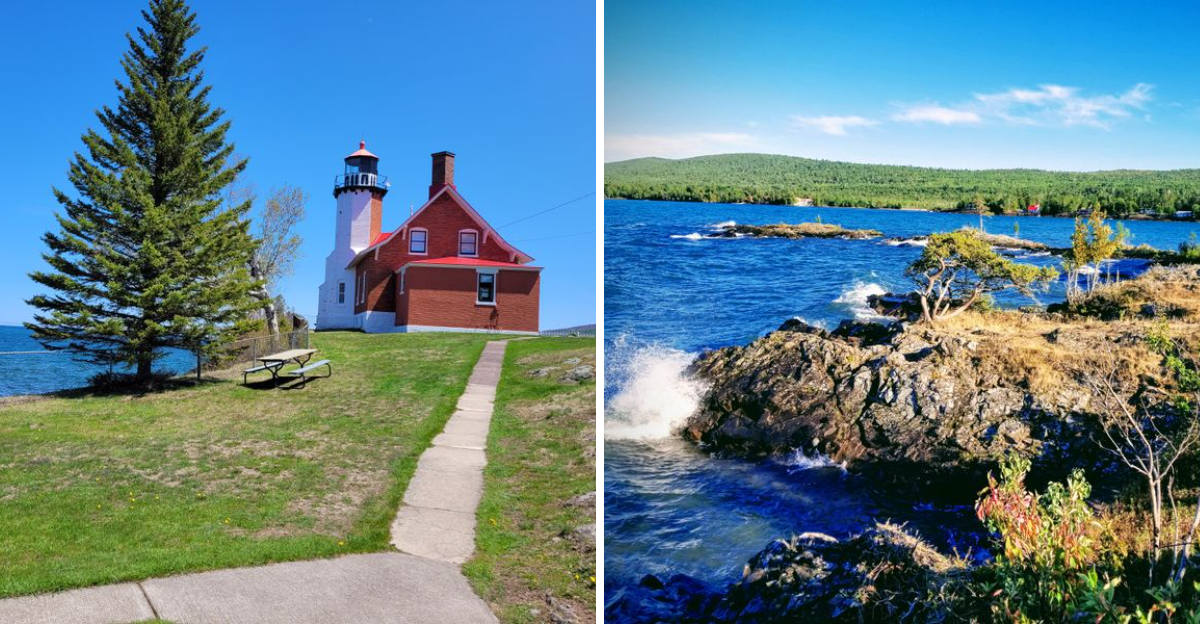
Eagle Harbor sits at the northernmost tip of Michigan’s Keweenaw Peninsula, where Lake Superior shapes everything from the weather to the way people live.
Most travelers rush past this tiny village on their way to busier destinations, unaware that one of the state’s most peaceful communities exists just off the main road.
With a population of only 69 residents, Eagle Harbor offers something increasingly rare: genuine quiet, unfiltered natural beauty, and a chance to experience Michigan as it existed long before tourism became an industry.
Remote Village On Lake Superior
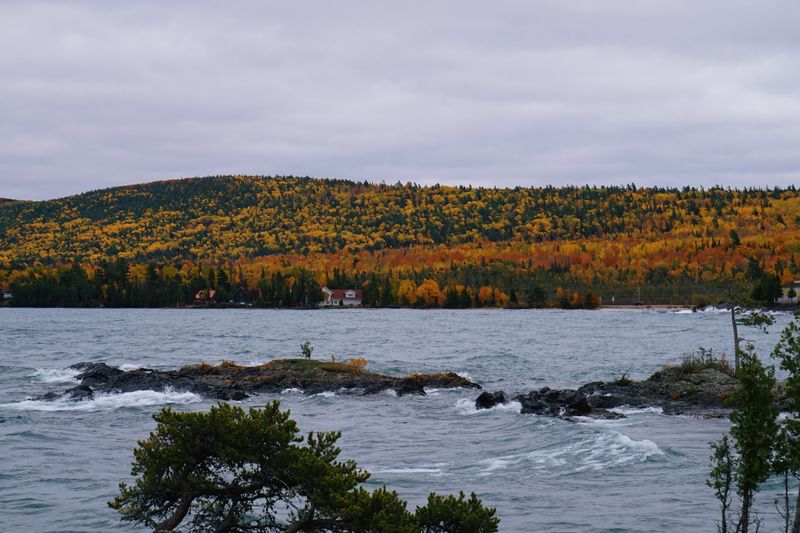
Eagle Harbor rests on the northern shore of the Keweenaw Peninsula, surrounded by water on three sides and accessible only by a narrow strip of land.
The village feels more like an island than a mainland settlement, with Lake Superior dominating the horizon in nearly every direction.
Waves crash against rocky shorelines just steps from the handful of buildings that make up the community center.
Located in Eagle Harbor Township, MI 49950, this unincorporated community functions without the infrastructure most Americans take for granted.
There are no traffic lights, no chain stores, and no cellular service in many spots.
The remoteness isn’t accidental—it’s the result of geography that has kept developers at bay and preserved a way of life that disappeared elsewhere decades ago.
Visitors who make the journey find themselves in a place where the lake dictates the rhythm of daily existence.
Why Tourists Skip Eagle Harbor
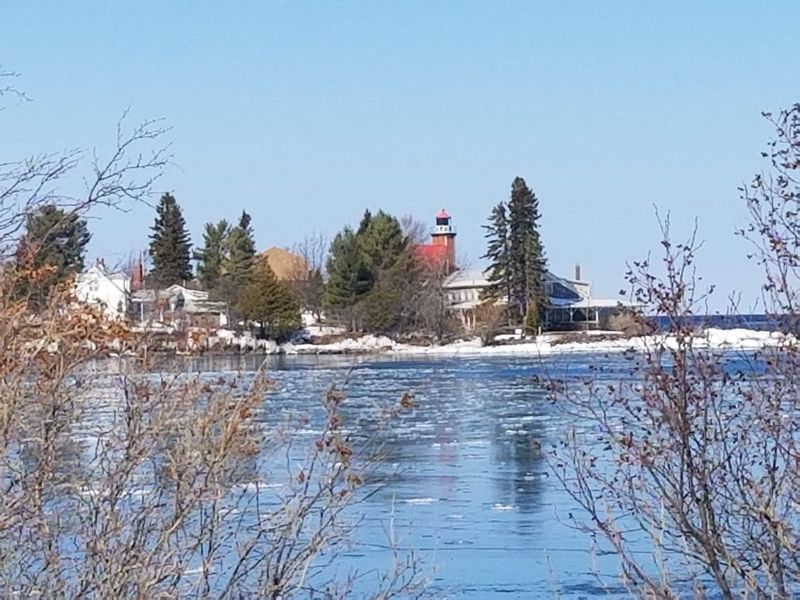
Most people driving through the Keweenaw Peninsula never realize Eagle Harbor exists because it sits off the main highway, hidden behind a bend in the road.
The village offers no attractions designed to draw crowds, no promotional campaigns, and no visitor center with glossy brochures.
Tourism marketing in this part of Michigan focuses on larger towns with hotels and restaurants, leaving Eagle Harbor off most travel itineraries entirely.
The lack of amenities also plays a role—there are no gas stations, no grocery stores, and limited dining options.
Travelers accustomed to convenience often bypass the village without a second thought.
The seasonal nature of the community means that outside of summer months, even fewer services operate, making it seem closed to outsiders.
But this invisibility is precisely what makes Eagle Harbor special to those who discover it.
One Of Michigan’s Quietest Places
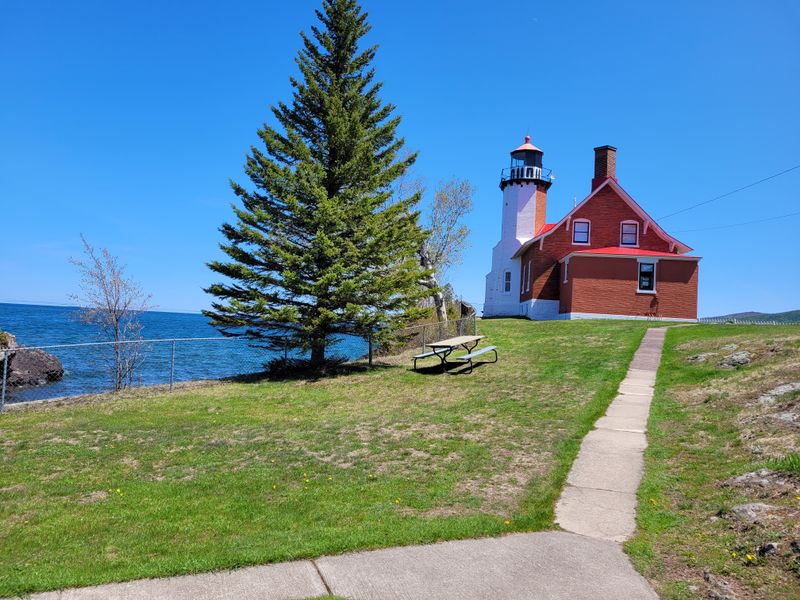
With only 69 residents recorded in the 2020 census, Eagle Harbor ranks among the smallest communities in Michigan.
The population density is so low that you can walk through the entire village without encountering another person.
Silence here isn’t just the absence of noise—it’s a tangible presence, broken only by wind, waves, and the occasional call of a bird.
The quiet extends beyond mere population numbers.
There are no bars with loud music, no late-night traffic, and no industrial sounds to interrupt the natural soundscape.
Even during peak summer months, when a few more visitors arrive, the village maintains its hushed character.
People speak in lower voices here, as if unwilling to disturb the peace that defines the place.
For anyone seeking escape from constant stimulation, Eagle Harbor provides relief that feels almost medicinal.
Life Shaped By Lake Superior
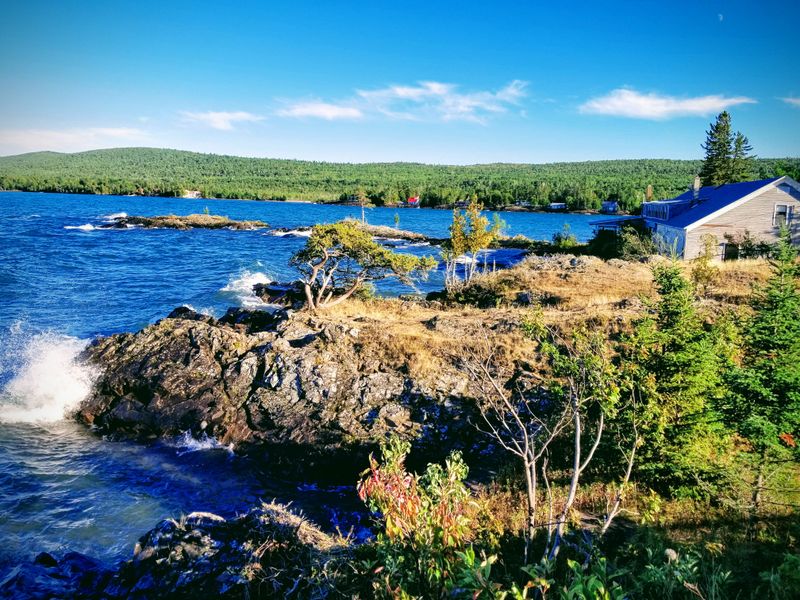
Lake Superior doesn’t just border Eagle Harbor—it controls every aspect of existence in this tiny village.
Weather patterns roll in from the water with little warning, bringing fog, storms, and temperature shifts that demand constant attention.
Residents check the lake before making plans, knowing that conditions can change within minutes.
The harbor itself provides protection for small boats, though the surrounding waters remain dangerous even on calm days.
Winter ice formations create landscapes that look more Arctic than Midwestern, with frozen waves suspended along the shoreline.
Spring brings dramatic ice breakups that locals watch with the same anticipation city dwellers reserve for sporting events.
Summer offers brief warmth, but the lake keeps temperatures cooler than inland areas.
Fall storms remind everyone who holds power in this relationship between land and water.
A Single Road Leads Here
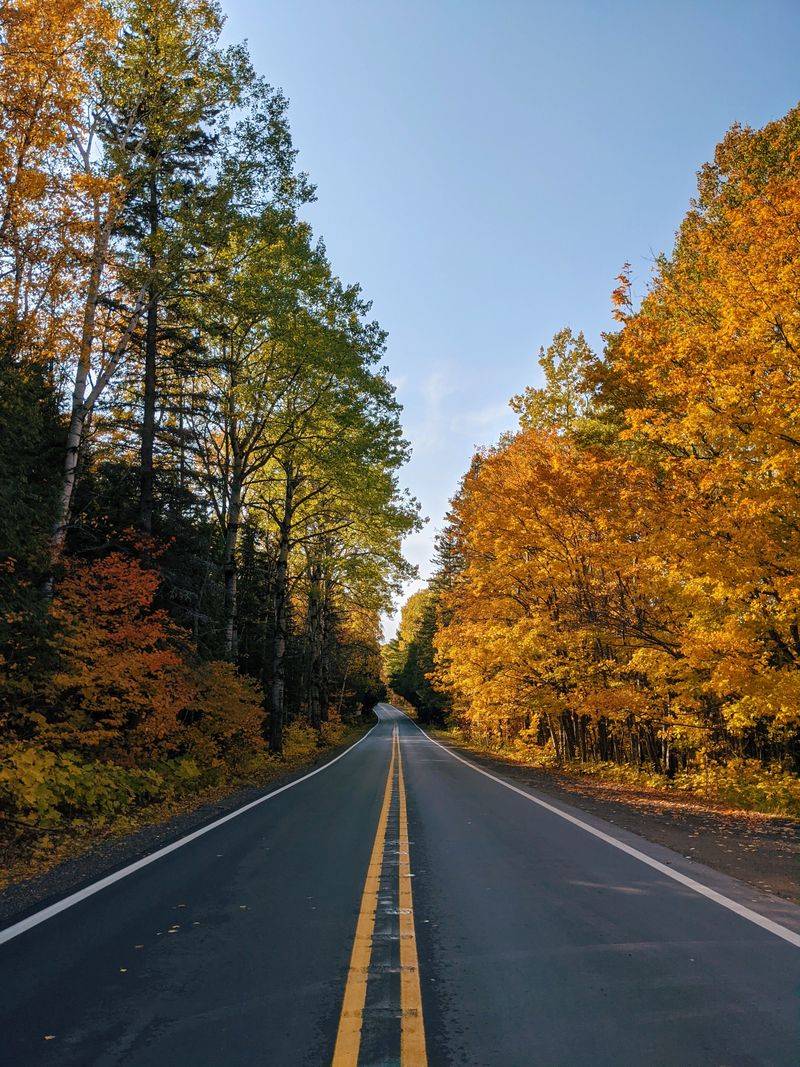
Access to Eagle Harbor requires commitment because only one road connects the village to the rest of Michigan.
This narrow route winds through dense forest and past rocky outcroppings, offering no shortcuts or alternative paths.
The isolation created by this single-road geography has preserved Eagle Harbor from the kind of development that transforms quiet places into tourist destinations.
During winter, the road can become impassable when snow accumulates faster than plows can clear it.
Residents accept this reality as part of living in a place that prioritizes peace over convenience.
The road’s condition serves as an informal filter, discouraging casual visitors while welcoming those willing to make an effort.
There’s something honest about a place that doesn’t pretend to be easily accessible, that makes no apologies for requiring intention from those who visit.
The Lighthouse Above The Harbor
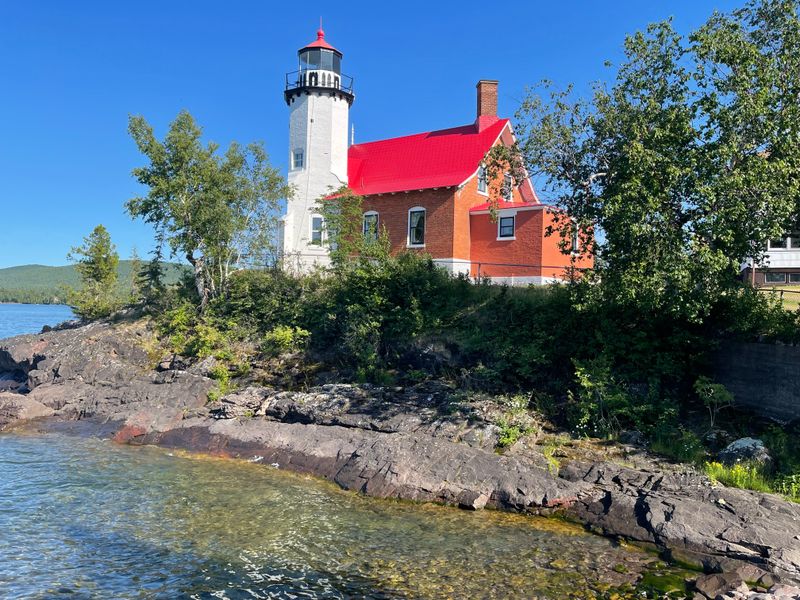
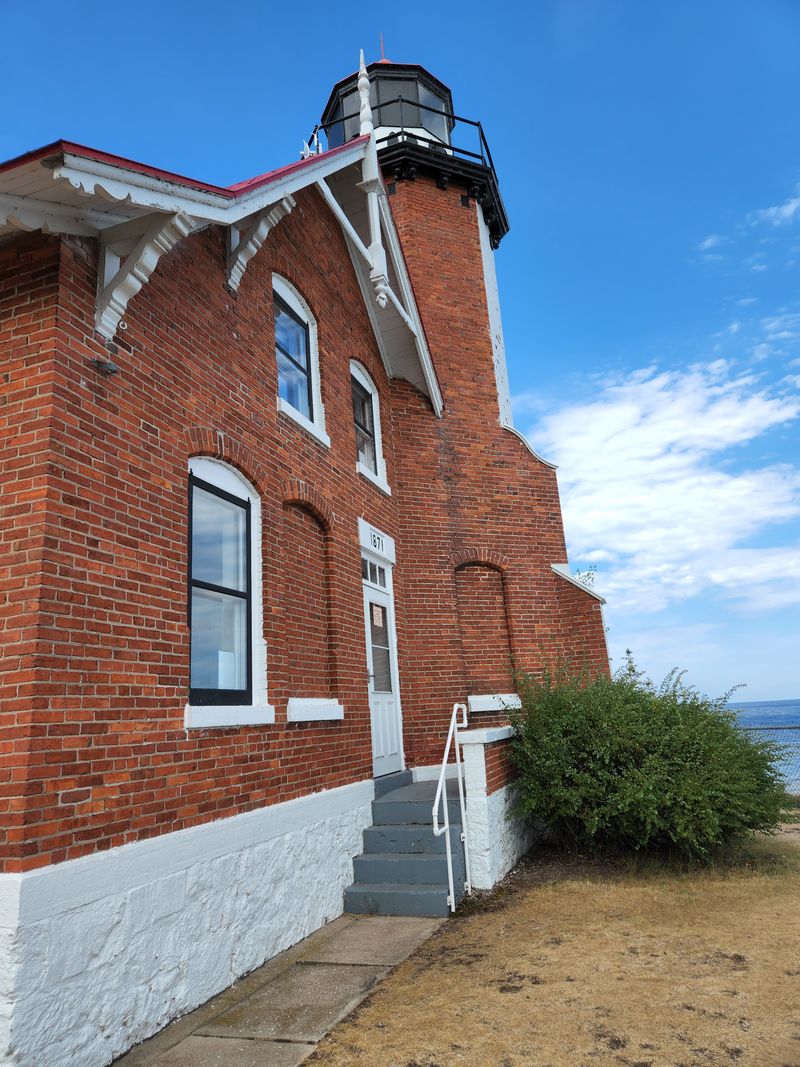
Eagle Harbor Lighthouse stands at the entrance to the harbor, a white tower and keeper’s house that have guided vessels since 1871.
The lighthouse complex includes several historic buildings that now function as a small museum during summer months.
Volunteers maintain the property, sharing stories about the keepers who lived in this isolated spot for decades.
The view from the lighthouse grounds stretches across Lake Superior to the horizon, offering perspective on just how vast and empty this part of Michigan remains.
Red sandstone cliffs drop away beneath the lighthouse, creating dramatic scenery that changes with the light and season.
Walking the grounds feels like stepping back to a time when maritime navigation required human presence in remote locations.
The lighthouse doesn’t just mark the harbor—it serves as the village’s most recognizable landmark and connection to its seafaring past.
No Resorts, No Crowds
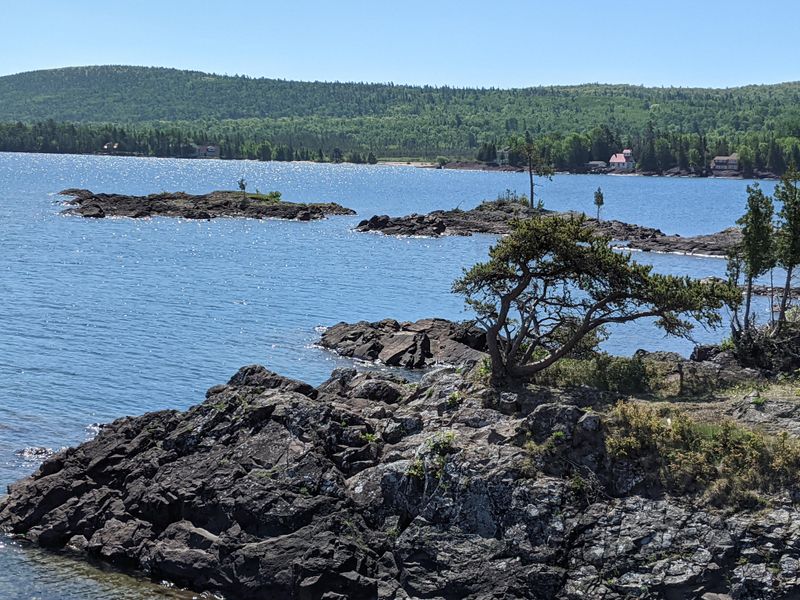
Eagle Harbor has resisted the resort development that transformed other Lake Superior communities into vacation destinations.
There are no luxury hotels, no spa facilities, and no golf courses carved from the forest.
The few accommodations that exist are simple, often family-owned operations that prioritize quiet over amenities.
This absence of commercial development means the village retains its authentic character, unchanged by the demands of tourism.
Beaches remain natural rather than manicured, with driftwood and stones instead of groomed sand.
The lack of crowds allows for genuine solitude, something increasingly difficult to find in popular destinations.
Visitors who arrive expecting entertainment or structured activities often feel disappointed, while those seeking simplicity discover exactly what they need.
The village makes no effort to be anything other than what it is—a small community focused on daily life rather than visitor satisfaction.
Built On Mining And Maritime History
Eagle Harbor’s existence stems from copper mining operations that drew workers to the Keweenaw Peninsula in the 19th century.
The harbor served as a shipping point for ore and supplies, connecting remote mining camps to the rest of the world.
Maritime traffic brought prosperity for several decades before mining declined and the village’s population dwindled.
Old mine shafts and remnants of industrial equipment still dot the surrounding landscape, reminders of an economic boom that ended generations ago.
The village adapted to its post-mining reality by becoming a seasonal community rather than disappearing entirely.
Historical markers and museum exhibits preserve stories about the miners, sailors, and lighthouse keepers who built lives in this harsh environment.
Understanding Eagle Harbor requires recognizing that it was never meant to be a tourist destination—it emerged from industrial necessity and survived through stubborn persistence.