
10 Minnesota Lake Cities That Have Lost Their Small-Town Feel According To Residents
Small town feel disappears gradually until one summer it simply does not return. These lake cities are living through exactly that transition, and the residents who remember what came before are most qualified to describe what has been lost.
Boat traffic that once felt neighborly now feels anonymous. Familiar faces at the dock replaced by unfamiliar ones, and a pace that used to define the season now competes with everything popularity dragged in alongside it.
Longtime residents describe the change with a specific kind of grief that stops short of anger. The lakes did not change, but the character that made them worth staying for has been slowly renegotiated without anyone’s consent.
Minnesota lake communities rarely anticipate what continued growth actually costs until the evidence becomes impossible to overlook.
These cities are navigating that reality, caught between what they were and what each new season seems determined to make them.
1. Brainerd
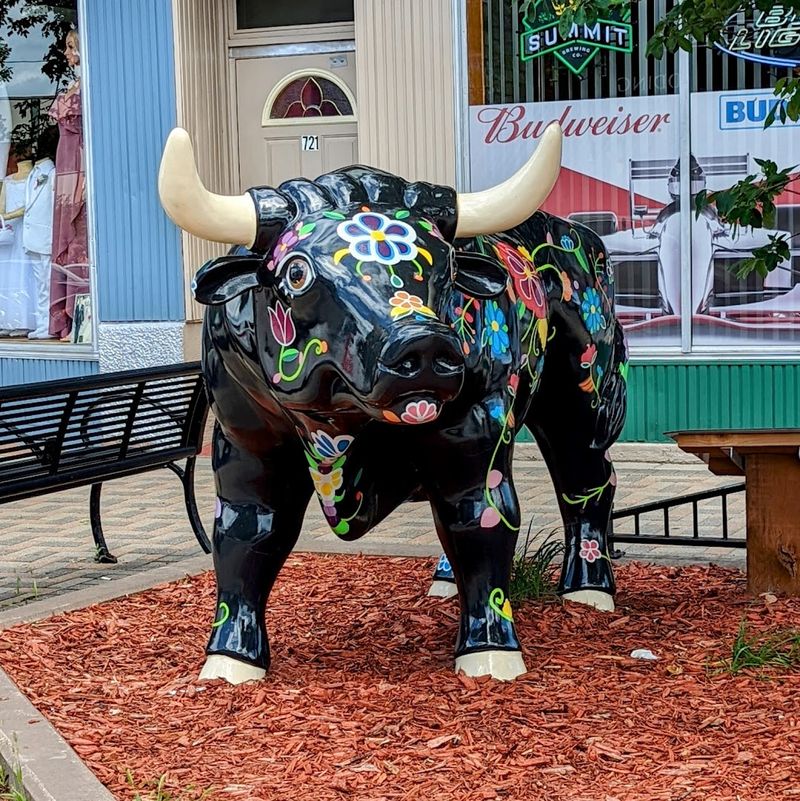
Brainerd used to be the kind of place where you knew the guy behind the counter at every shop. Now, the downtown is buzzing with new restaurants, renovated buildings, and fresh energy that feels more city than small town.
Residents affectionately call it a “big small town,” and honestly, that label fits perfectly. The “River to Rail” initiative has been reshaping the downtown core with mixed-use developments and building renovations.
New shops keep popping up, and the dining scene is expanding fast. It is exciting for some locals, but others miss the slower pace they grew up with.
Neighboring Baxter is actually outpacing Brainerd in retail and restaurant growth, which surprises a lot of visitors. That commercial sprawl along Highway 371 can feel overwhelming if you remember what it looked like ten years ago.
The Purple Fern is one spot that still carries a local, community-driven spirit. It sits right in the heart of downtown and draws a crowd that genuinely cares about the city.
Brainerd is not trying to become Minneapolis, but it is clearly no longer the sleepy river town of its past. Growth here is real, it is visible, and residents have a lot of feelings about it.
2. Bemidji
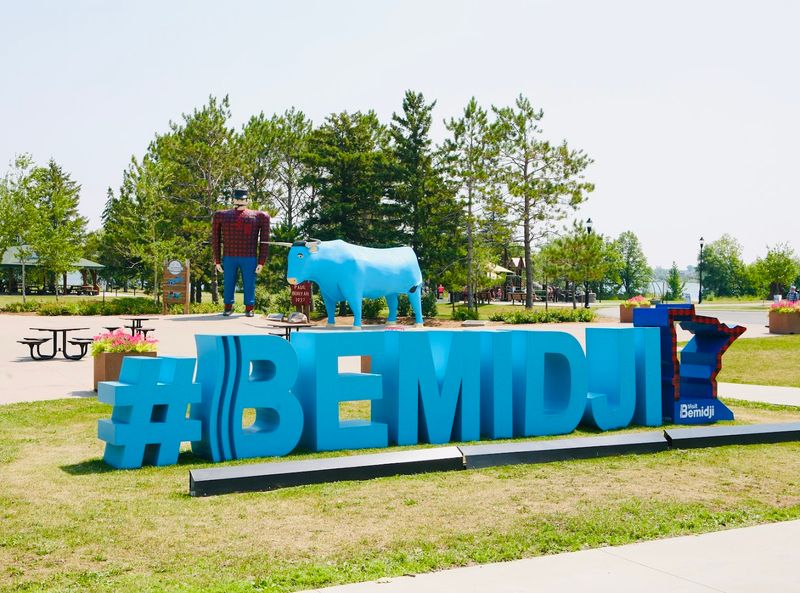
Bemidji sits right on the edge of Lake Bemidji, and that lakefront location has always been its greatest asset. But lately, residents are watching their hometown transform into something bigger and busier than they bargained for.
A major new YMCA project is set to reshape the downtown completely. Think new buildings, green spaces, housing units, and retail shops all packed into what used to be a quieter stretch of the city.
Healthcare and outdoor recreation industries are booming here. Bemidji is becoming a regional hub, which sounds great on paper but feels jarring if you moved here for the peace.
Some locals have even pushed back against new signage around the lake, arguing it changes the natural aesthetic they love. That kind of debate tells you everything about how protective residents are of this place.
The Paul Bunyan and Babe the Blue Ox statues still stand proudly on the lakefront, welcoming everyone who rolls into town. They have been there since 1937 and remain one of Minnesota’s most photographed roadside attractions.
Bemidji has a genuinely warm community spirit, but the pace of development is hard to ignore. Locals are proud of their city’s growth while quietly mourning the simplicity it is leaving behind.
3. Alexandria
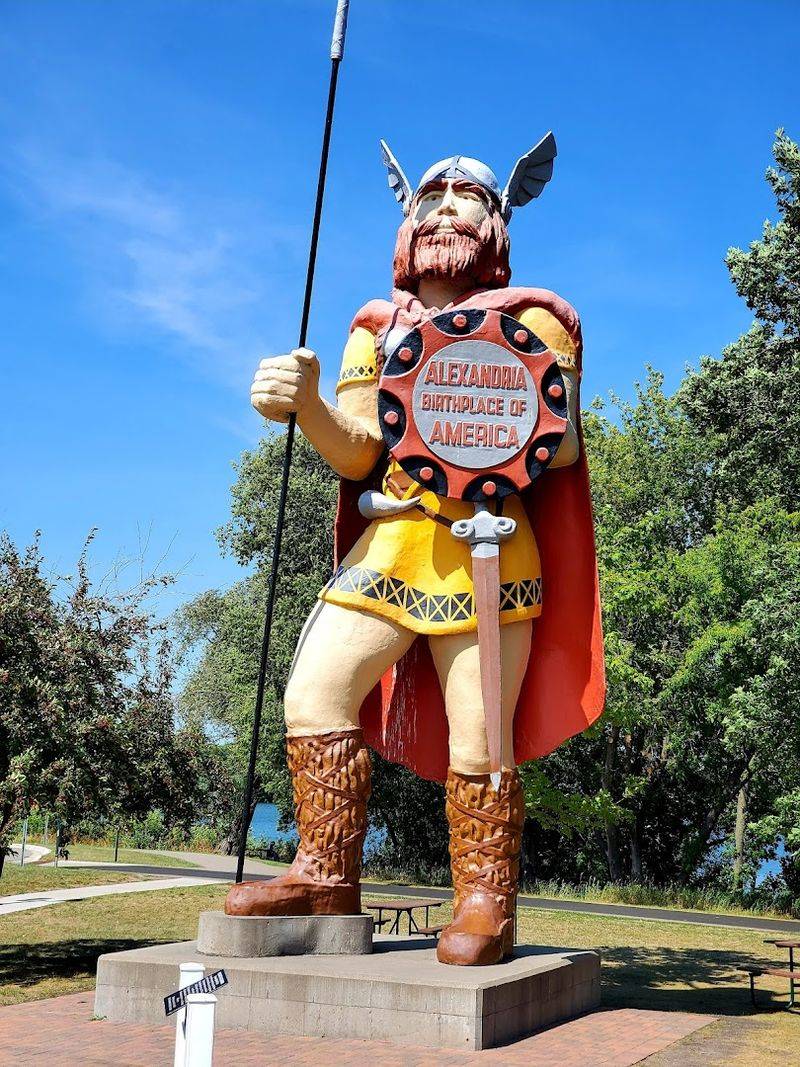
This city has a tourism problem, and locals will tell you about it with a mix of pride and exhaustion. The city has received national recognition for its growing economy, and summer sidewalks are packed with visitors exploring every corner of town.
Some residents joke that finding a table at your favorite restaurant in July is basically a competitive sport. The population can feel like it doubles overnight when the “lake people” arrive each season.
That influx of summer visitors has been great for local businesses. But it has also pushed long-time residents to the edges of their own community, at least during peak season.
Downtown sidewalks are lively and full of energy, which is genuinely fun to experience. Unique boutiques and specialty dining spots have replaced some of the quieter storefronts of the past.
The city is also working to spread tourism benefits beyond Old Town into newer areas of Alexandria. That expansion signals real ambition, but it also means more construction, more traffic, and more change.
The Runestone Museum is one of those anchors that remind you of Alexandria’s deep historical roots. It tells the story of a community that has always been a little more interesting than it lets on.
4. Detroit Lakes
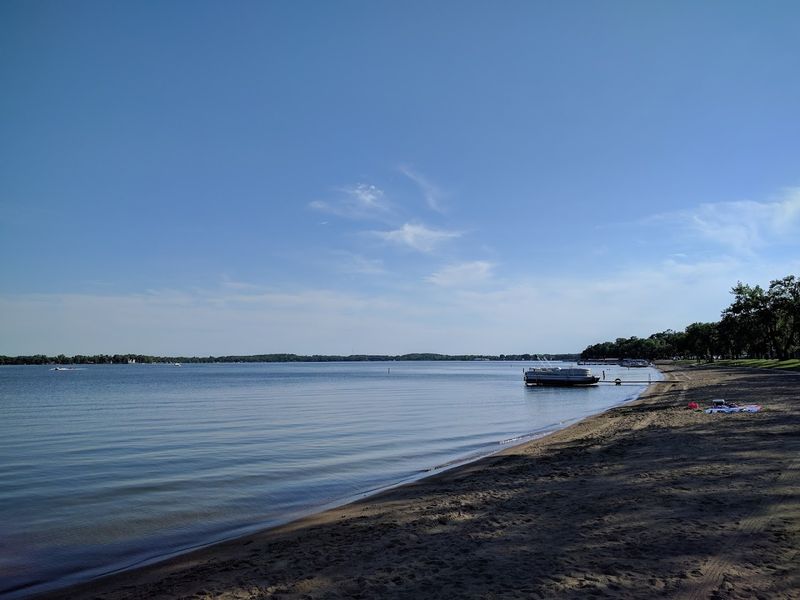
Detroit Lakes feels less like a hometown and more like a permanent vacation destination, and that is exactly what residents have been saying for years.
Summer transforms this city in a way that is hard to fully describe unless you have lived through it.
The population nearly doubles during the warm months. Streets that feel manageable in October become gridlocked in July, and the energy shifts completely.
There is a social layer here that longtime locals talk about quietly. People who live on the lake carry a certain status, and that divide becomes more visible as the city grows and attracts wealthier seasonal residents.
The city blends manufacturing and retail with a heavy dose of tourism, which gives it an interesting economic personality. It is not just a resort town, but it is definitely leaning that direction.
A former bowling alley near the lake is being torn down for a new townhouse development. That kind of change signals where priorities are heading, and not everyone is cheering.
Detroit Lakes City Park is still one of the best public beaches in the region. Locals and tourists share the sand, the water, and the sunsets without much fuss, which is actually kind of beautiful.
5. Nisswa
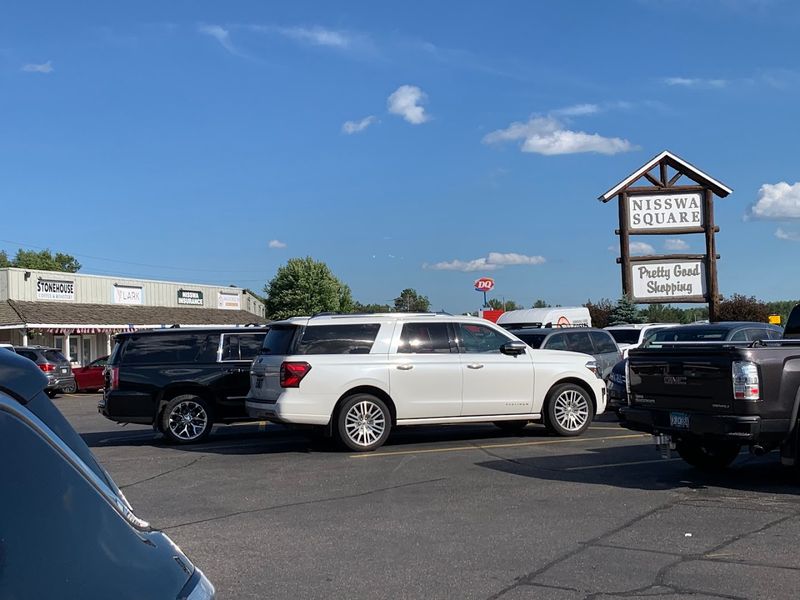
A place like this is one of Minnesota’s biggest tourist draws, and it wears that title with full confidence. Main Street here is lively, colorful, and packed with boutiques, eateries, and gift shops that cater to every type of visitor imaginable.
The town sits at the heart of the Brainerd Lakes Area, surrounded by dozens of lakes, including the beloved Gull Lake. That geography alone guarantees a steady stream of visitors all summer long.
Grand View Lodge, one of the most iconic resorts in the Midwest, operates just a short drive from town. It adds an upscale layer to Nisswa’s identity that influences everything from local prices to the crowd it attracts.
Residents remember when Nisswa was quieter, more personal, and easier to navigate on a Saturday afternoon. Now, parking on Main Street during peak season requires patience and a little luck.
The Chocolate Ox has become one of those legendary local stops that everyone talks about. It is charming, delicious, and exactly the kind of place that made Nisswa famous in the first place.
Nisswa is not pretending to be something it is not. It knows it is a tourist town.
But residents who have watched it grow say the small-town soul gets harder to find every year.
6. Walker
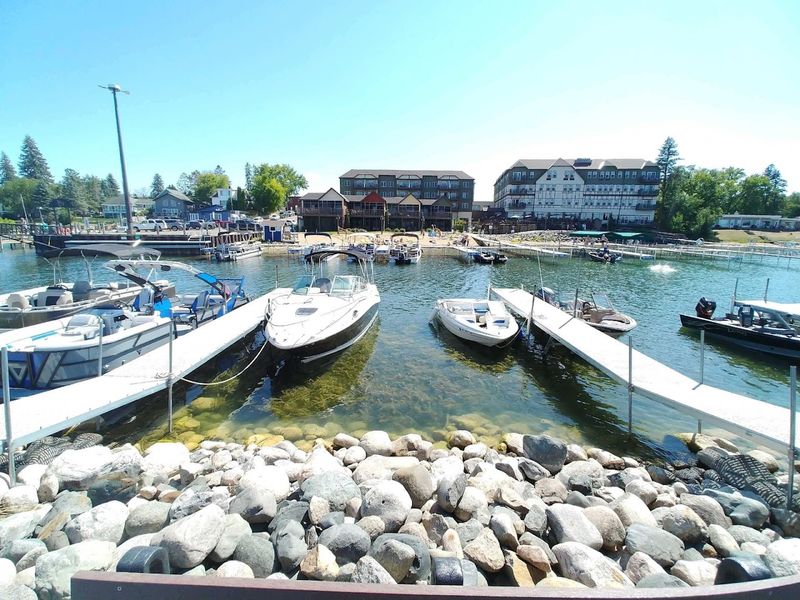
Walker sits on the shores of Leech Lake, Minnesota’s third-largest lake, and that address alone guarantees a busy season. Locals have always taken pride in their lakeside location, but the crowds that come with it are a different story.
Downtown Walker has evolved into a serious shopping destination for visitors passing through the area. What was once a quiet main street now sees steady foot traffic from spring through fall.
Chase on the Lake, a historic hotel restored to its 1920s elegance, sits right on the waterfront and draws guests from across the Midwest. That level of upscale tourism changes the character of a town in subtle but real ways.
The city park is a constant hub of activity, especially on summer weekends. Families, anglers, and boaters all converge there, and it can feel more like a festival than a neighborhood park.
Leech Lake itself is world-famous among fishing enthusiasts, and that reputation brings serious angling tournaments to Walker every year. Those events flood the town with visitors and energy that not everyone finds relaxing.
Walker still has genuine warmth and a community-first attitude that residents fiercely protect. But even they admit the town feels a little less like a secret hideaway than it used to.
7. Crosslake
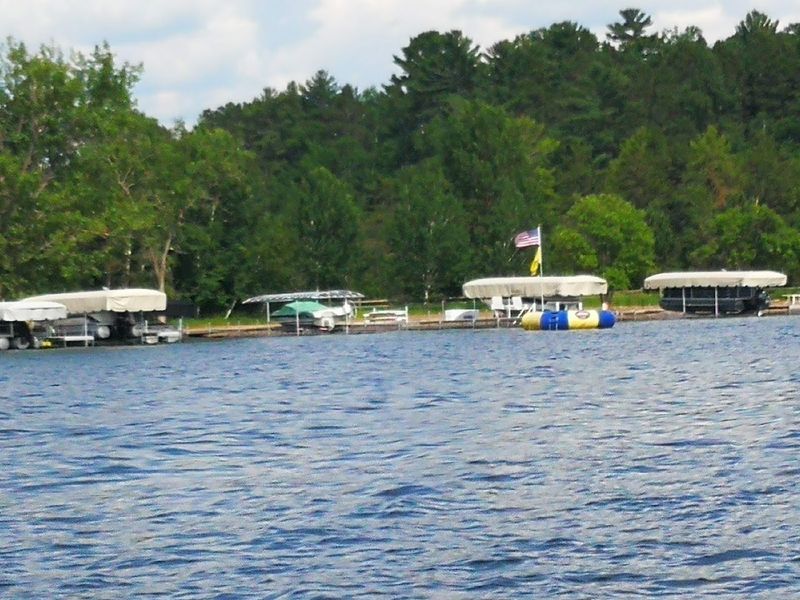
Crosslake is the anchor of the famous Whitefish Chain of Lakes, and that distinction comes with a whole lot of boat traffic. This town is not pretending to be quiet.
It fully embraces its role as one of Minnesota’s premier recreation destinations.
Shops, golf courses, and waterfront restaurants line the area, creating a well-developed tourist infrastructure that surprises first-time visitors. You come expecting a small town and find something much more organized and commercial.
WinterFest and Crosslake Days are two of the most popular annual events in the region. They draw massive crowds and give the town a festival-like energy that locals either love or endure depending on their personality.
Luxury home development has been creeping into the surrounding lakeshore areas for years. That growth has pushed property values up and slowly changed who can afford to live here year-round.
Resort expansion continues to reshape the landscape around Crosslake, adding more amenities and attracting a wealthier demographic each season. Long-time residents notice the shift and talk about it openly.
The Crosslake Historic Log Village is a rare reminder of what this area looked like before the resorts and boutiques arrived. It is worth a visit if you want to understand where Crosslake actually came from.
8. Pequot Lakes
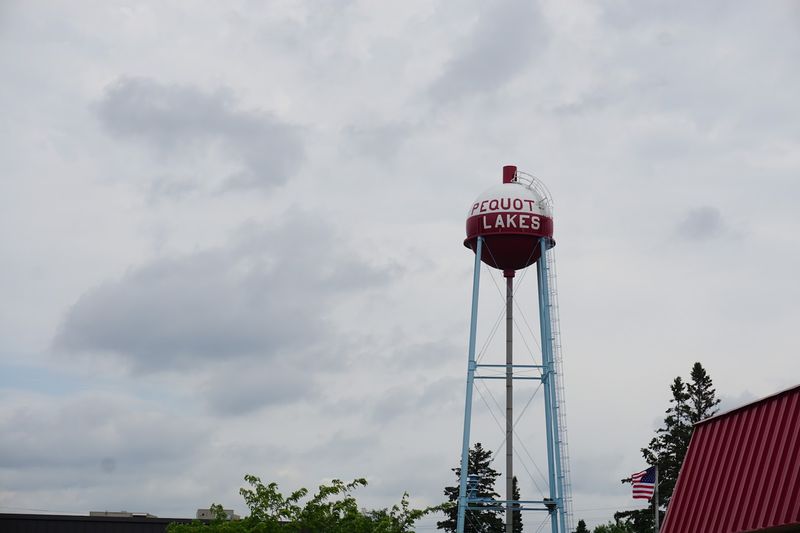
This spot calls itself Bobber Town, and yes, the water tower is actually shaped like a giant fishing bobber. That quirky detail tells you a lot about how this town presents itself to the world.
It is not just a novelty, though. Pequot Lakes has developed a genuinely lively commercial scene with restaurants, retail shops, and a growing reputation for community events.
Residents brag about their town, and they have every right to.
New businesses like MN Traders Co. have brought a more upscale feel to the area, offering craft coffees and home goods that feel more boutique city than lake town. That shift is deliberate and noticeable.
Community events here are frequent and well-attended. The town has a reputation for knowing how to throw a good celebration, which keeps both locals and visitors coming back regularly.
The shopping districts have grown enough that residents describe them as extravagant by small-town standards. That word choice alone signals how much has changed in recent years.
A-Pine Family Restaurant is the kind of old-school spot that anchors Pequot Lakes to its roots. It is honest, unpretentious, and exactly the counterpoint to all the new boutique energy swirling around town.
9. Ely
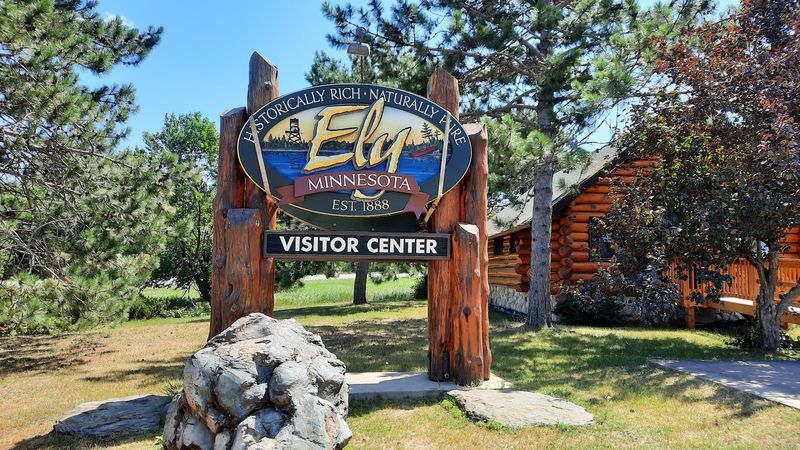
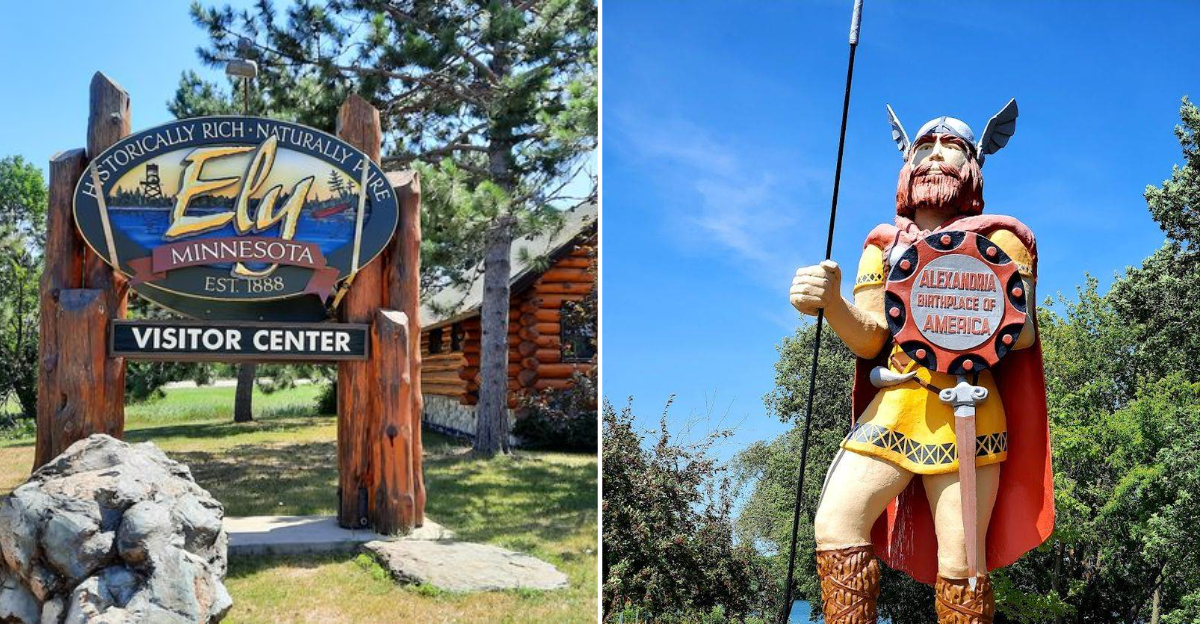
Ely wears its identity as an outfitter town like a badge of honor. Every other storefront seems to sell canoes, gear, or trail maps, and the whole downtown smells faintly of adventure and pine trees.
It serves as the main gateway to the Boundary Waters Canoe Area Wilderness, which is one of the most visited wilderness areas in the entire country. That status brings a steady, enthusiastic crowd every single summer.
The downtown is walkable and genuinely friendly, with locally owned restaurants and shops that still feel personal. But the busy season is intense, and longtime residents notice the difference between May and August immediately.
Hiking trails around Ely attract visitors who are not even interested in paddling. The surrounding landscape is stunning enough to pull people in from hundreds of miles away just to walk through it.
Locals are proud of Ely’s rugged reputation and protective of its wilderness character. But more tourism infrastructure keeps appearing, and the line between outpost town and resort destination gets blurrier each year.
The International Wolf Center is one of the most unique attractions in all of Minnesota, drawing wildlife enthusiasts and school groups throughout the season. It is fascinating, educational, and genuinely unlike anything else in the state.
10. Grand Rapids
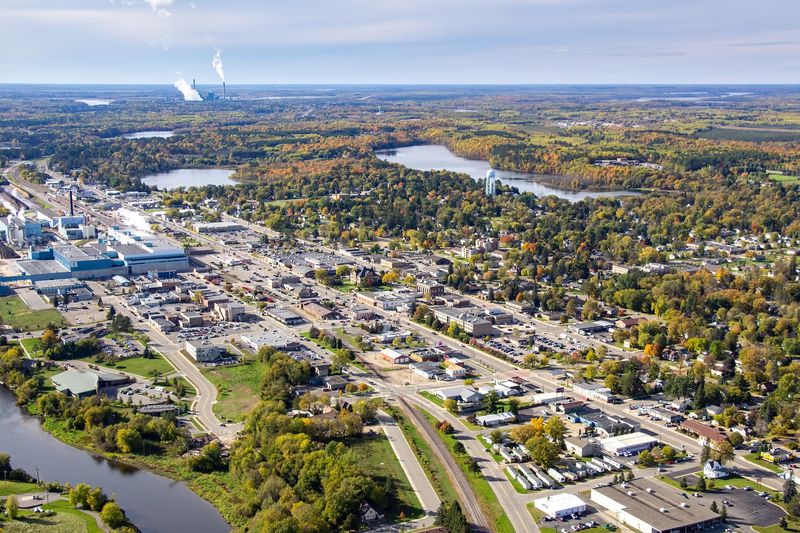
Grand Rapids is actively branding itself as a destination, and city leaders are not shy about it. That strategic shift away from an organic, quiet identity is exactly what longtime residents have been noticing and discussing.
The arts and culture scene here is a legitimate economic driver. Grand Rapids has galleries, theaters, and a creative community that punches well above its weight for a city of its size.
Boutique shopping and vibrant entertainment options have replaced some of the simpler storefronts that defined the old downtown. The charm is still there, but it is packaged differently now, more polished and deliberate.
Some tourism-related businesses have actually declined in recent years, which seems counterintuitive given all the talk of development. But economic shifts are complicated, and Grand Rapids is navigating them in real time.
The city is focused on attracting new residents, not just visitors, which means the community itself is expected to grow and change significantly in the coming years. Residents have mixed feelings about that trajectory.
MacRostie Art Center is one of the crown jewels of Grand Rapids, showcasing local and regional artists in a beautiful facility. It is the kind of place that makes you realize this city has always had more depth than its small-town label suggested.