
10 Montana Ghost Towns That Are Hauntingly Gorgeous
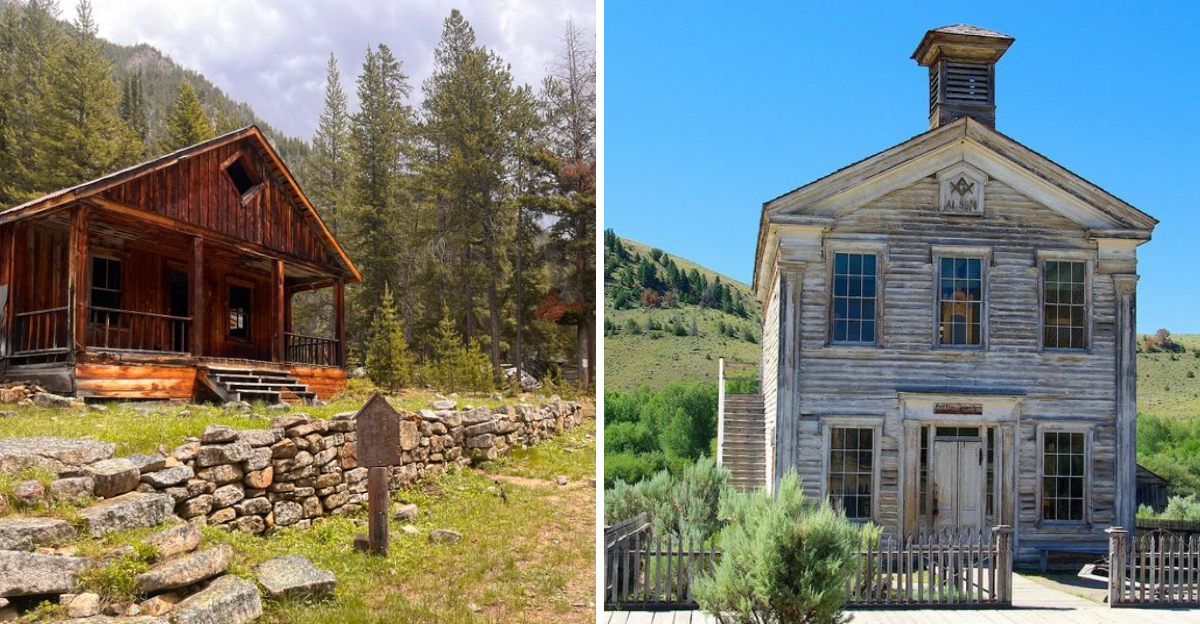
Montana’s rugged landscapes hide secrets from the past, where boom-and-bust mining towns once buzzed with fortune seekers and dreamers.
Today, these abandoned settlements stand frozen in time, offering glimpses into the Wild West era through weathered buildings and dusty streets.
Walking through these ghost towns feels like stepping into a history book, where every creaky floorboard and faded sign tells a story.
From gold rush remnants to silver mining relics, Montana’s ghost towns blend eerie beauty with fascinating tales of frontier life.
1. Garnet
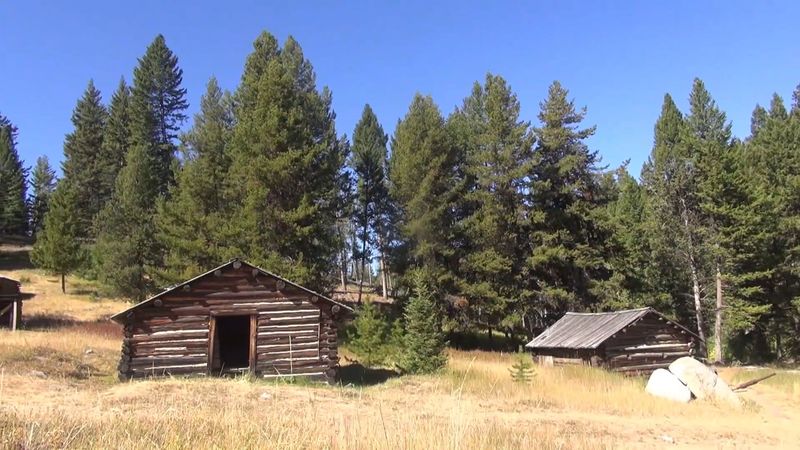
Tucked away in the mountains, this remarkably preserved town once housed nearly 1,000 miners chasing gold and silver dreams.
Around 30 buildings remain standing, many with original furnishings still inside, creating an authentic time capsule experience.
Snow blankets the town each winter, making it accessible only by snowmobile or cross-country skis.
Summer visitors can peek through windows at furniture, dishes, and personal items left behind.
2. Bannack
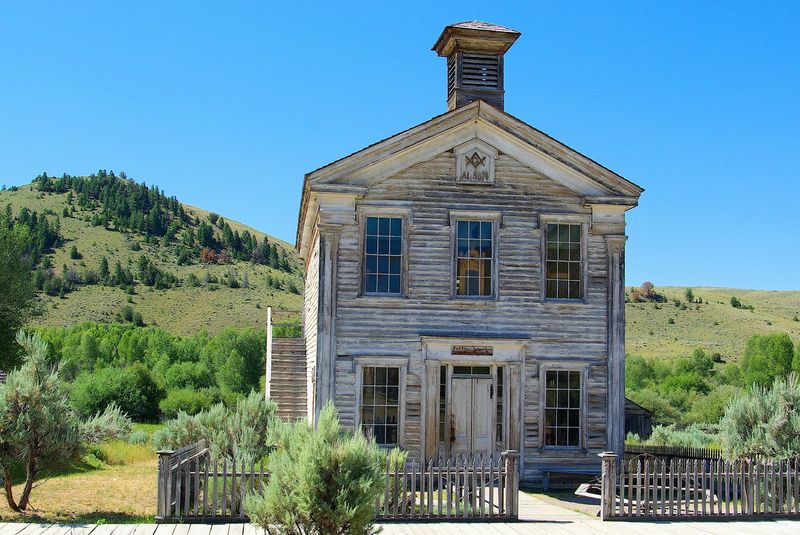
Montana’s first territorial capital started as a gold rush hotspot in 1862 and quickly became a bustling community.
More than 60 structures still stand today, including the old hotel, schoolhouse, and Skinner’s Saloon where outlaws once gathered.
The town hosted Montana’s first hanging, adding a spooky edge to its already fascinating history.
Visitors can explore buildings at their own pace during summer months.
3. Virginia City
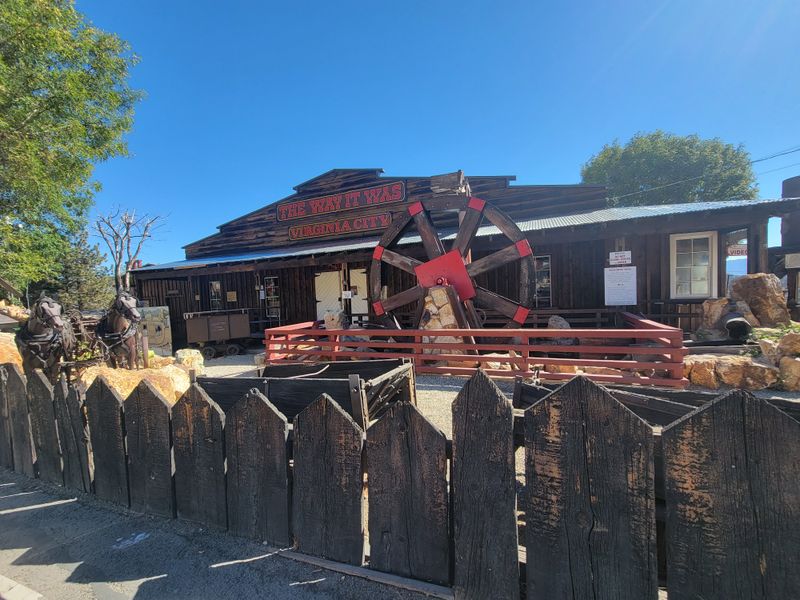
Gold fever brought thousands to this boomtown in the 1860s, and it quickly became Montana’s second territorial capital.
Unlike most ghost towns, Virginia City never completely died—it transformed into a living museum instead.
Restored buildings house shops, museums, and even a working theater with vaudeville performances.
The town perfectly balances preservation with entertainment, making history accessible and fun for everyone.
4. Nevada City
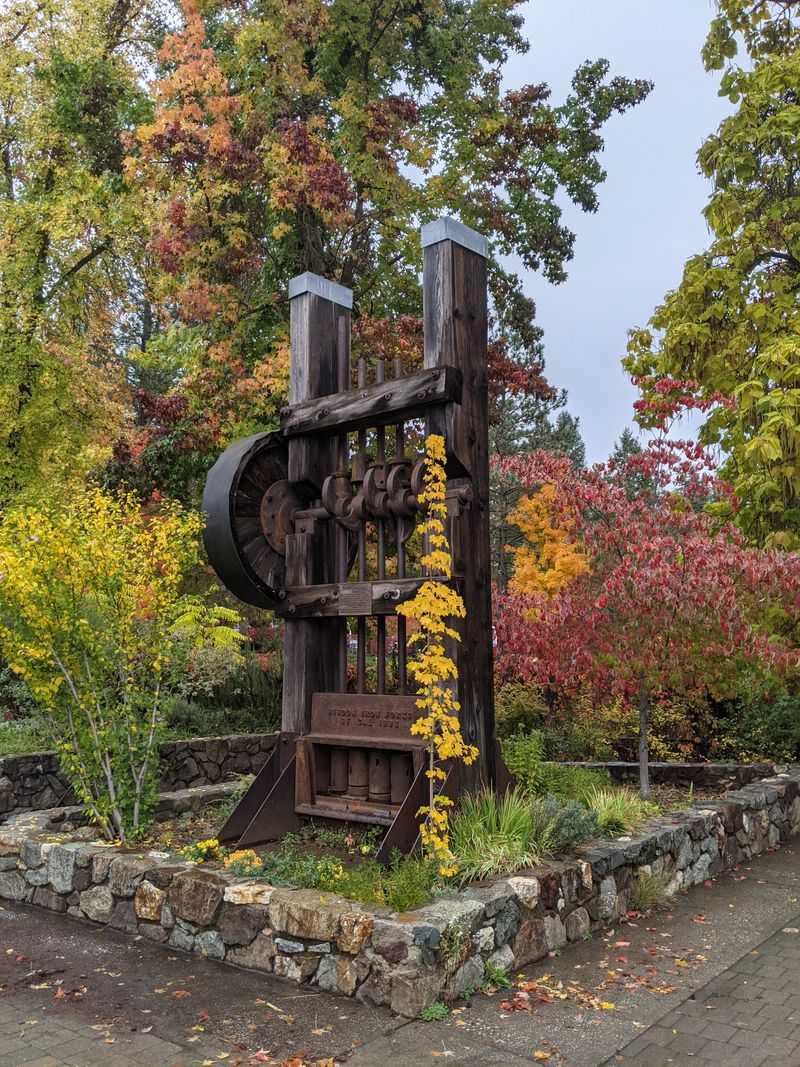
Just a stone’s throw from Virginia City sits this quieter sibling town, featuring over 100 historic structures relocated from other Montana sites.
The collection creates an outdoor museum showcasing frontier architecture and daily life from the 1800s.
Antique music machines fill one building, playing haunting melodies from a bygone era.
Nevada City offers a more peaceful exploration experience compared to its livelier neighbor.
5. Elkhorn
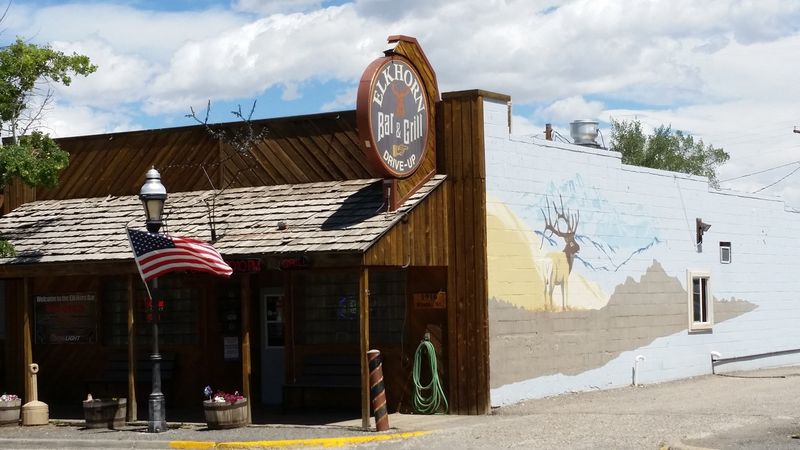
Two magnificent buildings dominate this silver mining town’s skyline: Fraternity Hall and Gillian Hall, both standing tall despite decades of harsh Montana winters.
Silver deposits discovered in 1870 attracted miners who built a thriving community that peaked around 2,500 residents.
The town’s remote location keeps crowds away, offering solitude among the ruins.
Weathered wood contrasts beautifully against mountain meadows filled with wildflowers.
6. Granite
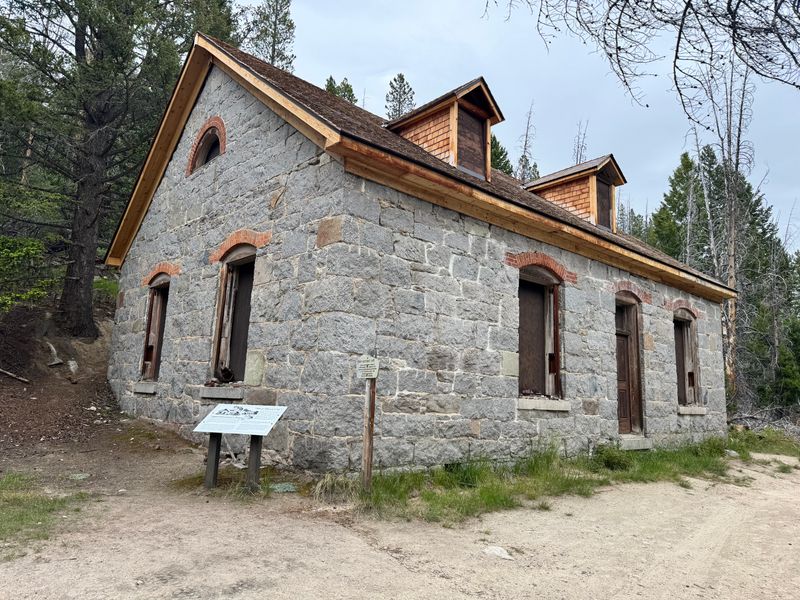
Perched high in the mountains, this silver mining town once boasted 3,000 residents and the richest silver mine in the world.
Today, only foundations and scattered ruins remain, creating a hauntingly beautiful landscape.
Hiking to Granite requires effort, but the panoramic scenery rewards adventurous visitors.
Wildflowers carpet the mountainside each summer, softening the stark remains of industrial ambition gone quiet.
7. Coolidge
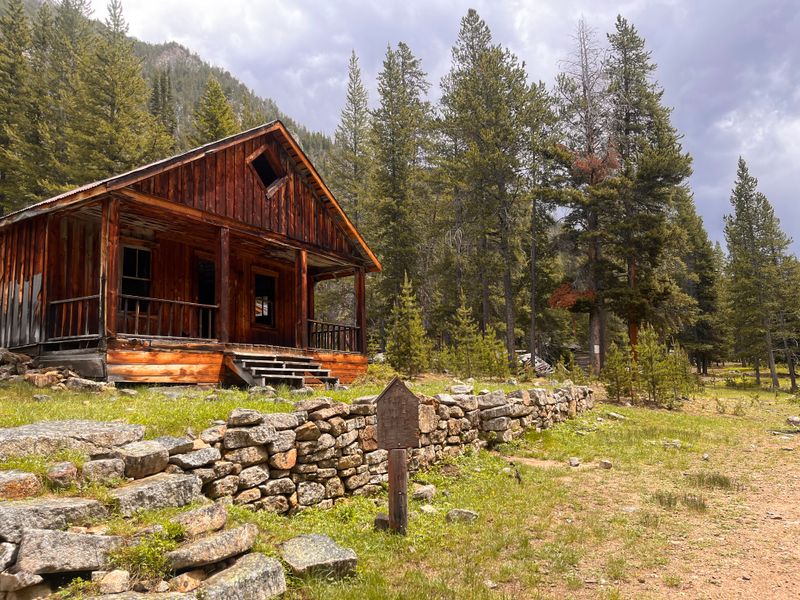
This remote mining camp operated during the early 1900s, serving workers who extracted silver and lead from nearby mountains.
Several log structures and mining buildings survive, slowly surrendering to nature’s reclaiming embrace.
Getting there requires navigating rough forest roads, adding adventure to the journey.
Coolidge represents Montana’s later mining era, when industrialization began replacing frontier-style operations throughout the state.
8. Comet

Named after a productive mine rather than celestial objects, this town produced millions in gold and silver between the 1880s and 1940s.
The town’s layout remains visible despite nature’s persistent creep across abandoned streets.
Comet’s relatively recent abandonment means structures retain more detail than older ghost towns.
Visitors can spot remnants of daily life, from rusted machinery to household items slowly weathering away.
9. Pony
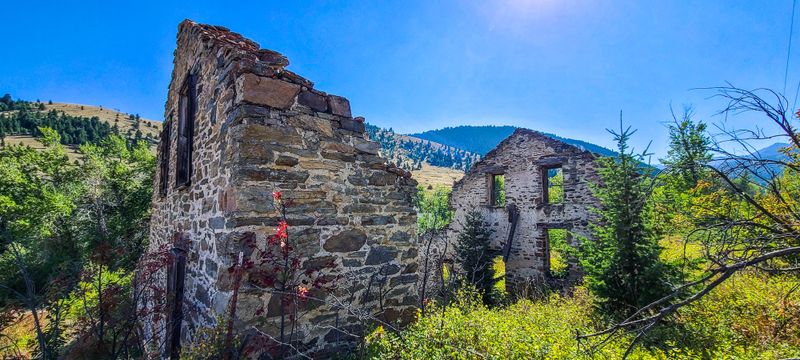
Gold discoveries in 1868 birthed this quirky-named town, which survived multiple boom-and-bust cycles before finally quieting down.
Several original buildings still stand, including the old schoolhouse and various mining structures scattered across hillsides.
A few hardy souls still call Pony home, making it a semi-ghost town with character.
Spring brings wildflowers that frame the weathered structures beautifully against Montana’s endless blue skies.
10. Kendall
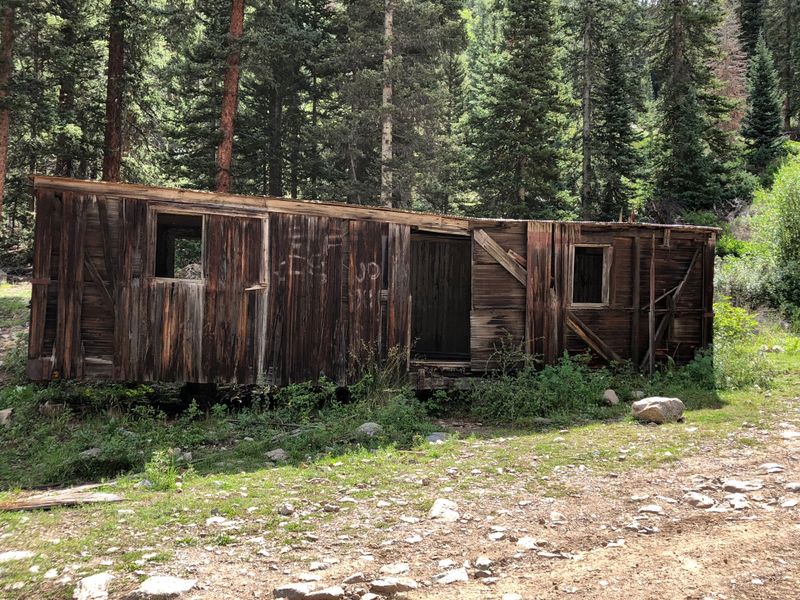
Gold mining fueled this town’s brief but intense life from the 1890s into the early 1900s, when new cyanide-processing techniques made extracting precious metals remarkably efficient.
Only foundations and partial walls remain, offering quiet clues to the community that once stood here. Spread across open grasslands, the townsite feels lonelier and more windswept than forested ghost towns, with views stretching endlessly in every direction.
Nature has reclaimed nearly everything, leaving visitors to imagine the bustle that once filled these now-empty spaces.