
More Washington Families Are Choosing This Animal Sanctuary Instead Of The Zoo
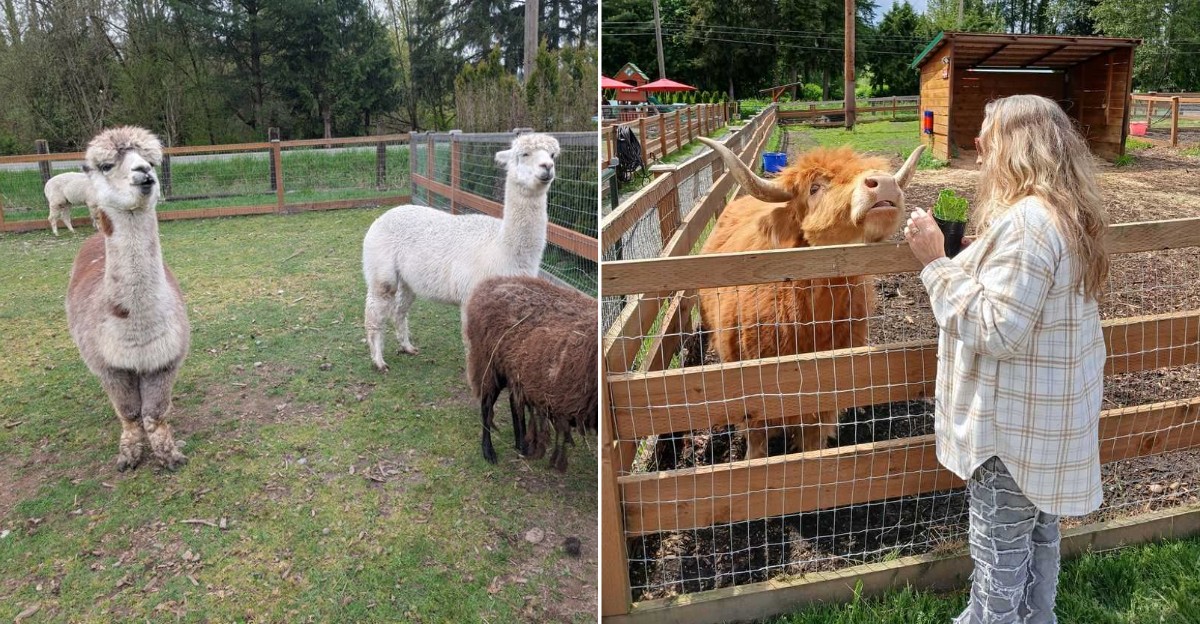
Forget crowded walkways and long waits for a closer look at the animals. Washington offers families a quieter kind of outing, where rescued farm animals roam open pasture and visitors can get much closer to the experience.
Families are choosing this kind of visit over the zoo for good reason. Who needs glass enclosures when a friendly goat can trot over to say hello and a Highland cow might happily accept a scratch?
The animals have names, personalities, and stories worth hearing. Kids can learn about their new four-legged friends while enjoying an afternoon away from the usual attractions.
Wear shoes that can handle mud and leave plenty of time to wander.
Where Rescued Barnyard Animals Finally Rest
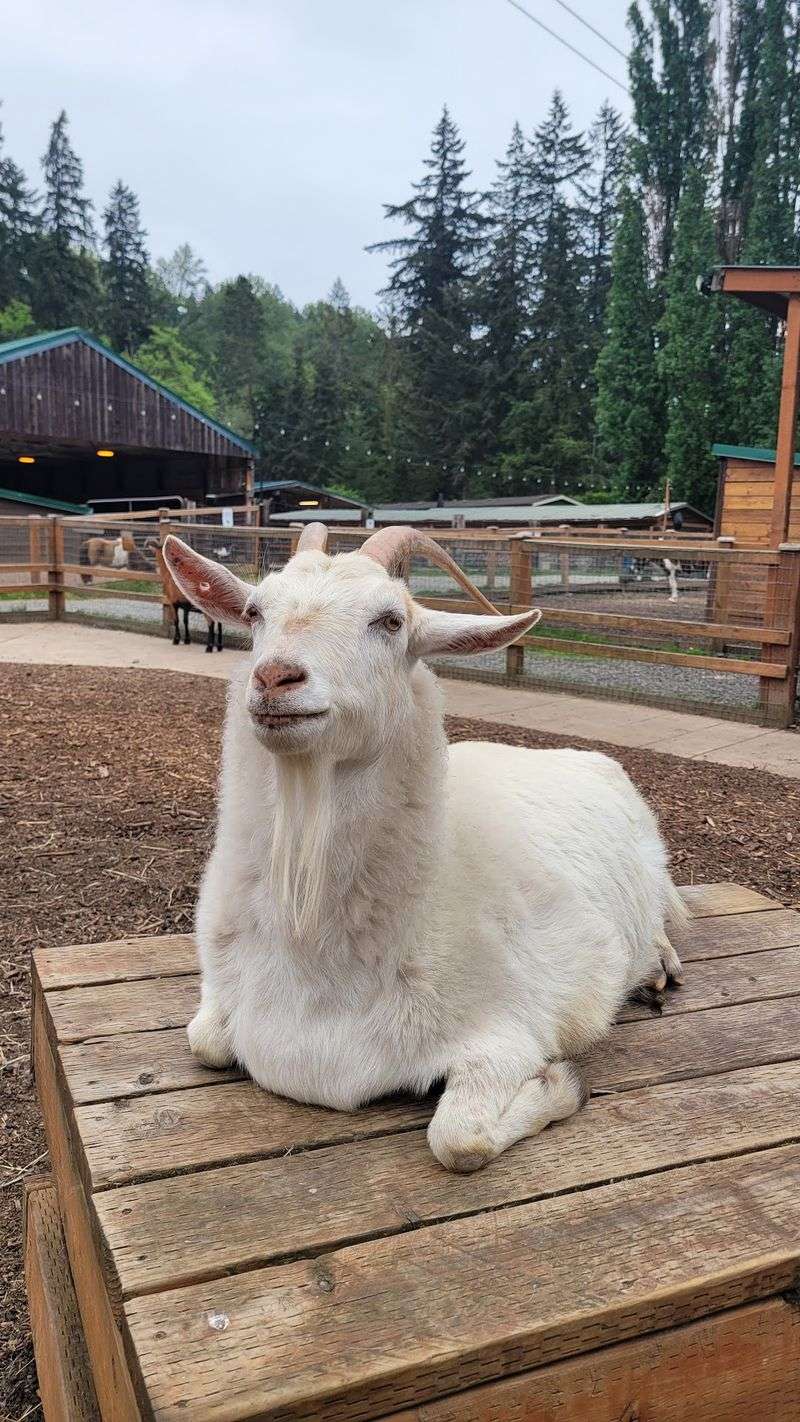
Sammamish Animal Sanctuary began with a simple idea: every farm animal deserves a home that lasts forever. This non-profit takes in goats, alpacas, horses, cows, pigs, rabbits, guinea pigs, ducks, chickens, and donkeys who were neglected, abandoned, or simply unwanted.
Once they arrive, they stay. No trades, no transfers, no sales.
Just pasture, shade, water, and people who know their quirks by heart.
The difference from a traditional zoo hits you fast. There are no exotic animals shipped from far away, no crowds pressed against thick glass.
Instead you get a working farm in Washington where the residents wander over because they actually want to say hello.
Signs posted around the property share each animal’s name and backstory. Kids read them out loud and suddenly a goat is not just a goat anymore.
She is Petunia, and she has a history.
That small shift changes everything about the visit. Children start asking real questions about kindness, rescue, and responsibility.
The whole place runs on donations and volunteer hours, which somehow makes the peaceful atmosphere feel even more earned. Nothing here is flashy.
It is just genuine care, repeated daily, for a herd of animals who once had nowhere else to go.
Ever met an animal whose life story made you stop and think twice?
Treat Buckets And Instant Friendships
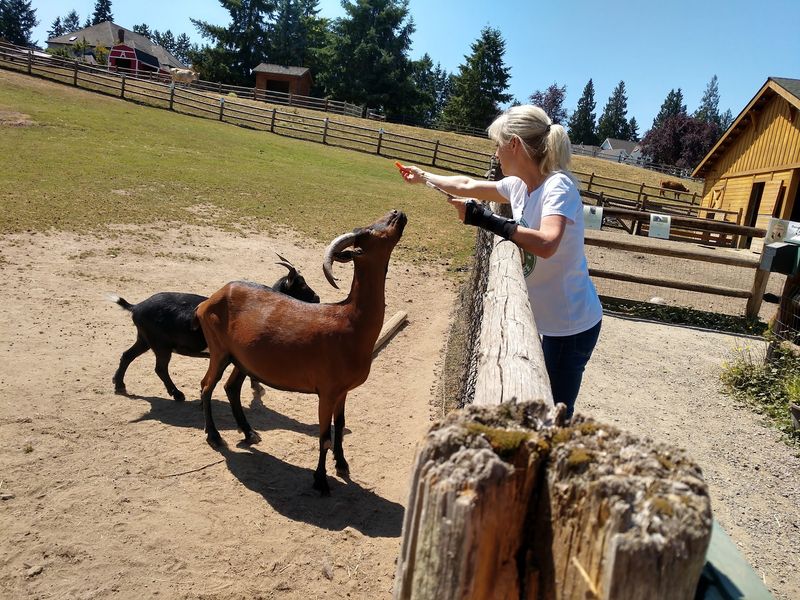
Nothing turns a shy kid into a confident farmhand faster than a small bucket of hay cubes. For a five dollar donation you get one, and from that moment forward you are the most fascinating human on the property.
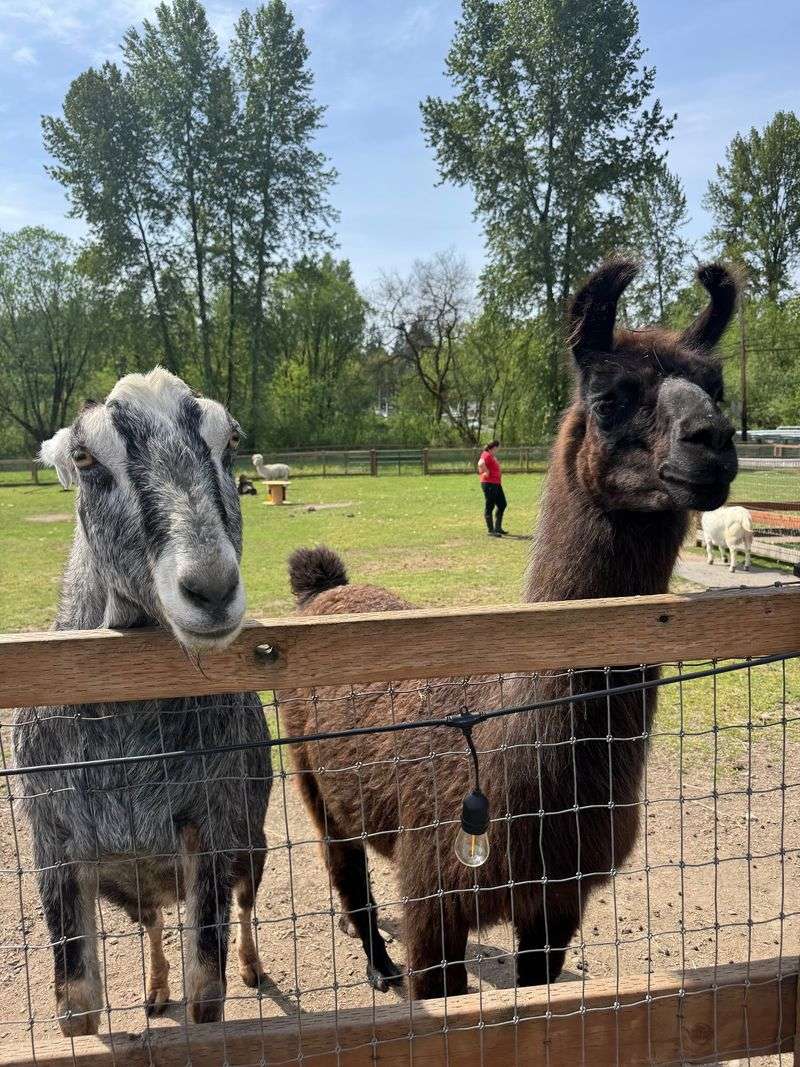
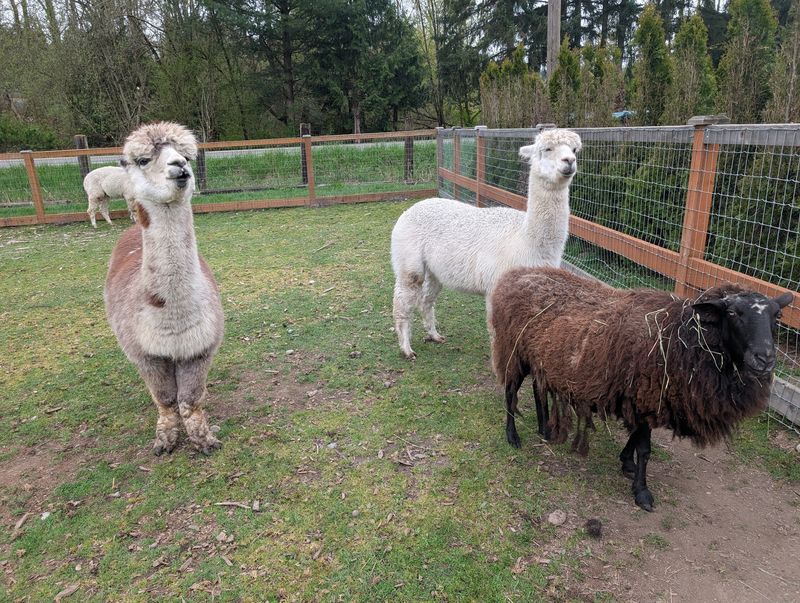
Goats will jog toward you. Alpacas will crane their necks.
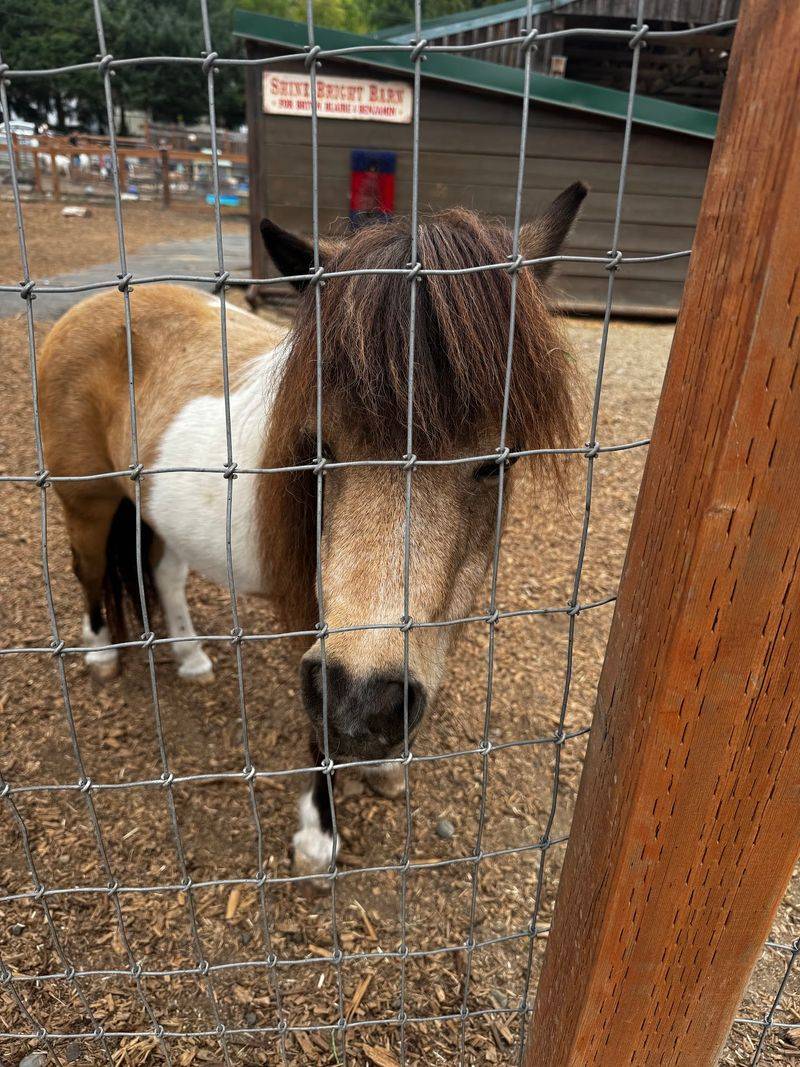
Mini donkeys will give you that hopeful stare that no one has ever successfully resisted.
Outside food is not allowed, and that rule exists for good reason. The sanctuary controls exactly what the animals eat so nobody ends up sick from too many snacks.
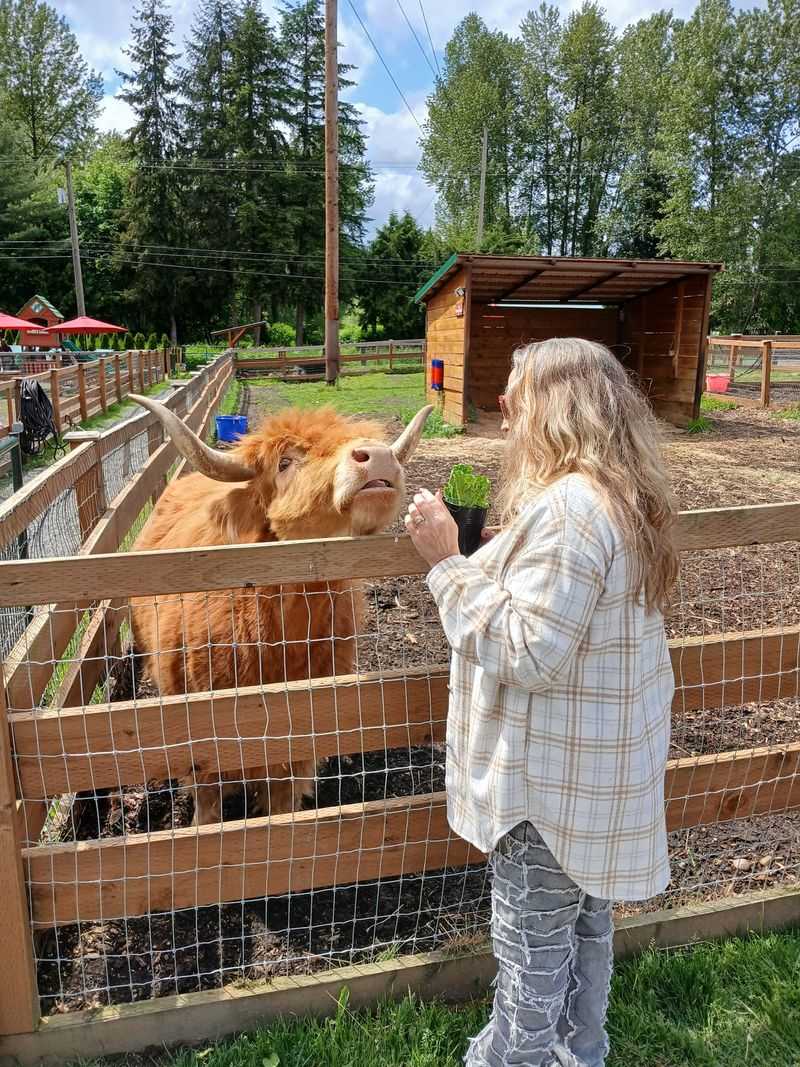
Frilly, the Scottish Highland cow, has become something of a local celebrity. She adores back scratches and will happily stand there while you work through that thick red coat.
Volunteers explain the personalities before you go in. Alpacas, for instance, love being fed but would rather you skip the petting.
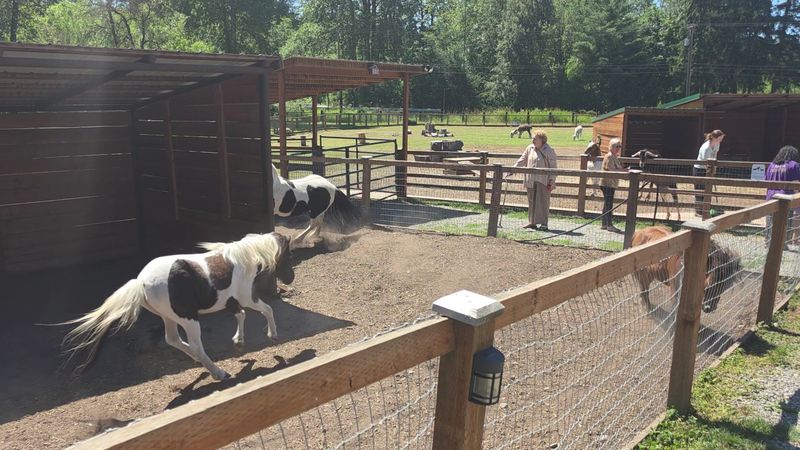
Horses and minis are look-only.
Respecting those boundaries is part of the lesson, and children pick it up quickly. They learn that consent applies to animals too.
Two separate interactive areas let visitors step right into the goat and alpaca pens. Standing in a pasture surrounded by curious animals beats watching from behind a railing every time.
Playgrounds Built For Muddy Boots
Toddlers have opinions, and sometimes those opinions involve climbing on a giant tractor tire instead of admiring a llama. The sanctuary planned for exactly that.
Two play areas sit on the property. One includes baby goats bouncing around like popcorn, and the other stays completely animal-free for families who want a calmer break.
There is a slide, there are little playhouses, and there is farm machinery that somehow fascinates every four-year-old who walks past. Parents get picnic tables and a moment to breathe.
Pack a light lunch and settle in. Plenty of families spend two or three hours here without ever feeling rushed, because nobody is herding you toward the next exhibit.
The whole layout was designed with kids in mind, right down to the visitor map. Signage is clear, colorful, and easy enough for a first grader to follow.
Portable restrooms and handwashing stations are kept clean and stocked, which matters more than people admit when traveling with small children.
Wear shoes you can hose off later. This is real pasture ground in Washington, and mud is part of the deal after rain.
Honestly, the combination works beautifully. Kids burn energy, adults relax, and the animals carry on with their day.
Yoga Poses Interrupted By Goats
Picture yourself balanced in a careful pose, breathing slowly, feeling centered. Then a pygmy goat climbs onto your back and the entire class dissolves into laughter.
Goat yoga sessions at the sanctuary have become one of the most requested activities on the property. They mix real stretching with total unpredictability.
The goats do whatever goats do. They nibble mat corners, nap in the sunshine, and occasionally headbutt someone mid-stretch just to keep things interesting.
Instructors keep the poses gentle and beginner-friendly, so nobody needs previous experience. Showing up curious is enough.
Adults tend to arrive expecting a workout and leave having laughed harder than they have in weeks. That is the real benefit.
These classes also help fund animal care, so your morning of giggling directly feeds the residents. Not a bad trade.
Sessions fill up and dates shift with the seasons, so checking the sanctuary website ahead of time saves disappointment. Spots are limited by design, keeping groups small and the goats comfortable.
Wear clothes that can handle grass stains and tiny hoofprints. Bring a friend who needs cheering up.
Few places in Washington offer relaxation and comedy in the same hour, and this one manages it without trying too hard.
Summer Camp With Real Chores
Summer changes the rhythm of the place completely. Kids between four and twelve arrive for camp days packed with grooming brushes, feed buckets, and dirt under fingernails.
Campers learn what each animal eats and why. They discover that a pig’s diet looks nothing like a goat’s, and that details like that matter enormously.
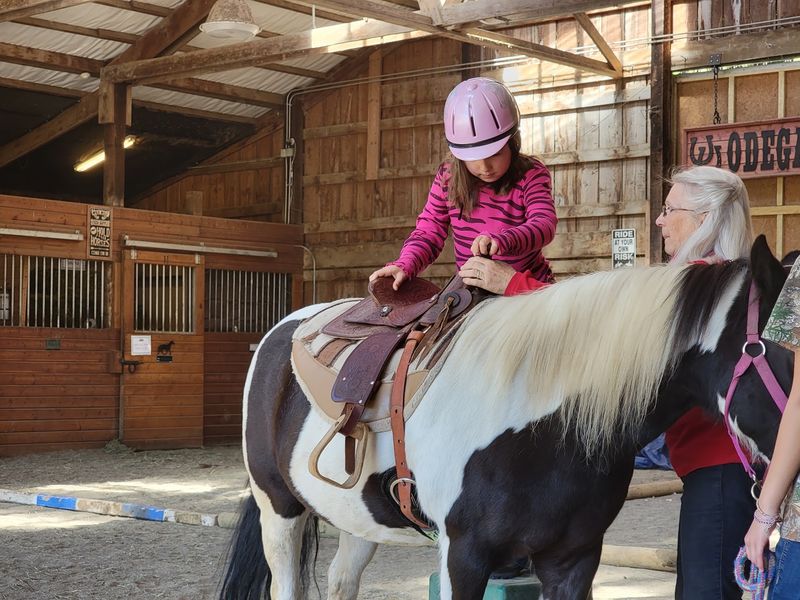
Younger participants often get guided horse rides. Older ones sometimes work with miniature horses on agility courses, which is exactly as adorable as it sounds.
Arts and crafts sessions break up the day. Painting a portrait of the alpaca you just met carries a different weight than copying a picture from a book.
What makes these camps stick with families is the responsibility. Kids are trusted with real tasks, and they rise to it.
Screens stay in backpacks. Conversations happen face to face, usually while shoveling something.
Registration opens ahead of the season and spots go quickly, so parents across Washington tend to mark their calendars early. The sanctuary website posts current dates and age groups.
Send your camper in old clothes and sturdy boots. Nobody finishes a farm day looking tidy, and that is entirely the point.
Many kids come back the following summer asking for the same animals by name, which says plenty.
Birthday Parties Among Friendly Alpacas
Bounce houses are fine. Alpacas are better.
The sanctuary hosts birthday parties, family reunions, and company team-building days across its five acres of pasture and shade. Guests get exclusive playtime with specific animals, which beats any pizza parlor party room.
Themes can be built around favorite residents. A goat-themed birthday sounds silly until you watch a group of seven-year-olds completely lose their minds with joy.
Space is generous, so children can run without knocking anything over. Picnic tables handle cake duty.
Corporate groups have discovered the same thing. Nothing breaks down office awkwardness faster than a coworker being chased by a determined donkey.
Every private event supports the animals directly, so the celebration doubles as a donation. Guests usually leave asking how they can come back and help.
Booking details, available dates, and group sizes are all handled through the sanctuary, and reaching out early is smart since weekends fill fast.
Photos from these events tend to be the ones families frame. Real animals, real laughter, no staged smiles.
Washington has no shortage of party venues, but very few send guests home smelling faintly of hay and grinning about it.
Volunteers Who Make Everything Possible
Behind every clean pasture and well-brushed coat stands a volunteer who showed up on a rainy Tuesday. The sanctuary runs almost entirely on donated time.
People come to feed, muck stalls, groom animals, repair fencing, and greet visitors at the gate. Some have been doing it for years.
Volunteers built shade shelters by hand. They set up pools around the pastures during hot stretches so the animals can cool off, and yes, the llama has been spotted taking a dip.
Visitors notice the difference immediately. Guests often mention how relaxed and unhurried the atmosphere feels, with nobody pushing them along a route.
Groups can arrange volunteer days too. Companies across Washington book team sessions that trade conference rooms for wheelbarrows, and the feedback is consistently glowing.
Local youth organizations have visited as well, using the sanctuary as a field trip destination where welcome comes first and judgment never enters the picture.
The mission goes beyond feeding animals. Raising awareness about mistreatment is a core part of what happens here, shared quietly through the stories on each sign.
Donations cover feed, veterinary care, and shelter, since there is no admission fee at all. Every dollar goes straight into the pasture.
Smart Tips Before You Arrive
A little preparation turns a good visit into a great one. Reservations are required, no exceptions, because limiting the number of guests keeps the animals calm and unstressed.
Booking happens online through the official website, where current time slots and seasonal hours are posted. Days and opening times can shift, so always confirm before driving out.
Admission is free. Donations keep the lights on, and the five dollar treat buckets are worth every penny for the interaction alone.
Footwear matters more than you think. Boots or old sneakers you can rinse off will serve you far better than white shoes.
Parking is limited but manageable, since the reservation system prevents overcrowding. Arriving a few minutes early is always wise.
Pack a light picnic and use the tables in the play area. Outside food is for humans only, never for the animals.
Hot summer days are more pleasant in the morning, so early slots are the smart pick. Rainy Washington afternoons mean mud, and honestly, kids love that part.
You will find this welcoming property at 16515 SE May Valley Road, Renton, WA 98059, an easy drive from Seattle that somehow feels a world away.