
Most People Don’t Know About This Captivating Waterfall Park In Tennessee
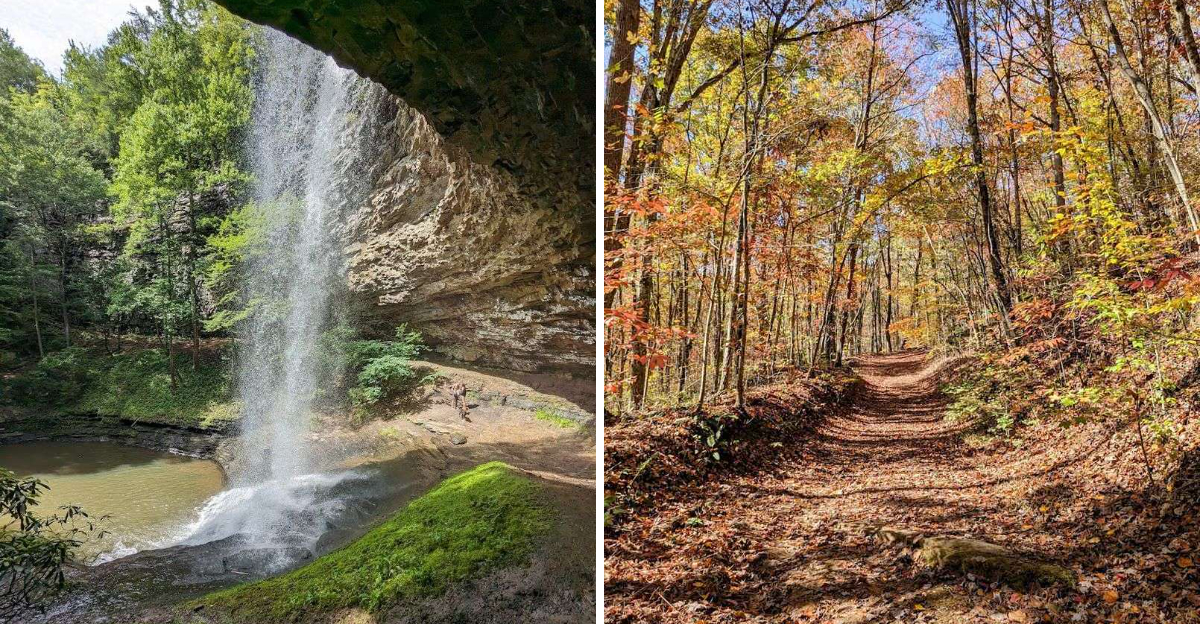
The sound reaches you first. A rush of water echoing through thick forest, growing louder with every step along the trail.
In Tennessee, dramatic waterfalls usually draw crowds, yet this particular park still surprises people who have spent years exploring the state. The path winds through towering trees, rocky overlooks, and quiet stretches where the only soundtrack is birdsong and rushing water.
Then the landscape suddenly opens and a powerful cascade spills over the cliffs below. It feels wild, peaceful, and wonderfully unspoiled.
Many travelers drive past without ever realizing that one of Tennessee’s most captivating waterfall parks is waiting just beyond the trees.
What The Place Actually Is
Most people scroll past this place because the name does not immediately suggest drama. This park operates as a protected nature preserve managed by the Tennessee Department of Environment and Conservation.
It is not a theme park. It is not a resort.
It is a carefully preserved stretch of land where the natural world runs the show.
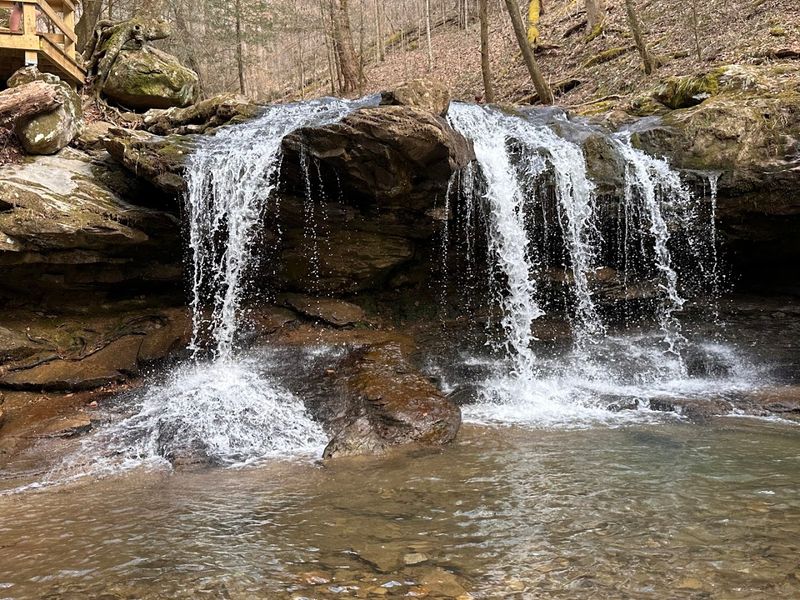
The area features two distinct waterfalls, Upper Piney Falls and Lower Piney Falls, connected by a loop trail that offers varying levels of challenge. Visitors have described the experience as a moderate hike with moments of genuine thrill, including rock scrambling and cable-assisted climbing near the falls.
The preserve is open daily from 8 AM to 5 PM, which gives hikers a solid window to explore without rushing. Because it sits off a rural fire tower road in Grundy County, it attracts far fewer visitors than comparable parks in the state.
That quietness is part of its character, and for many, it becomes the primary reason they return.
The Two Waterfalls That Make This Place Worth The Drive
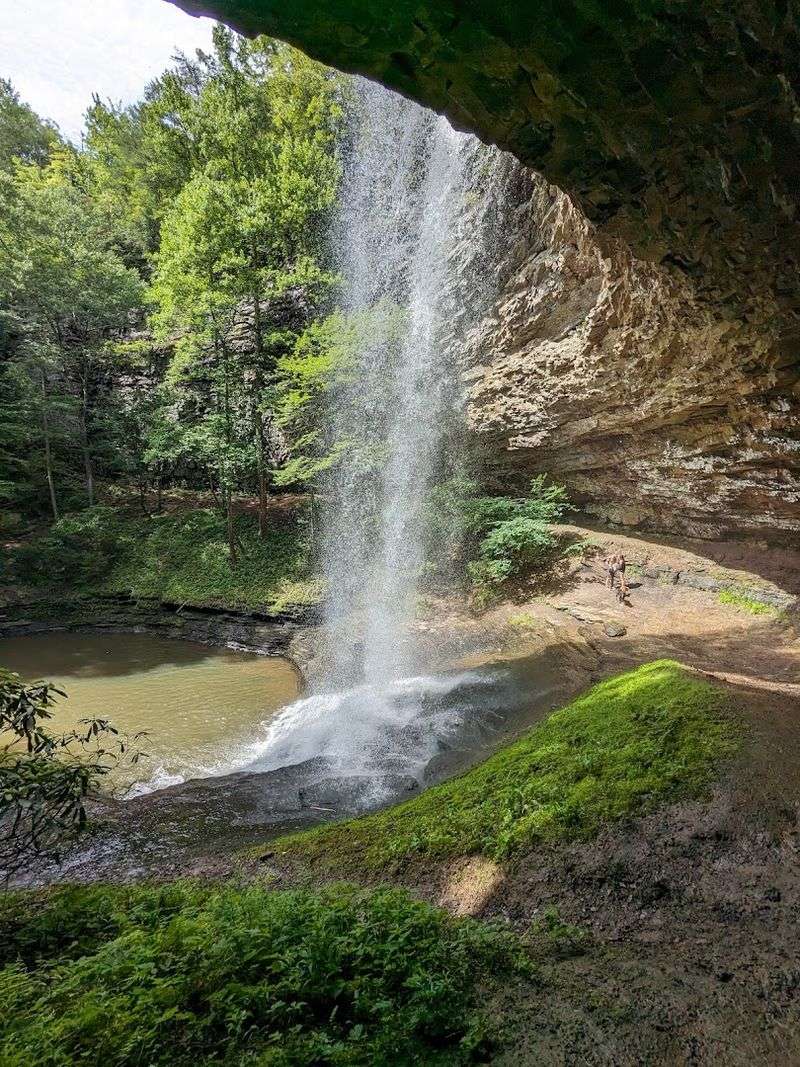
Two waterfalls for the price of one hike is a good deal by any measure. Upper Piney Falls is the showstopper, a tall cascade that commands attention the moment it comes into view.
Lower Piney Falls is a quieter counterpart, flowing with its own steady rhythm along the base of the bluff. Together, they create a complete experience that rewards hikers who take the full loop.
Visitor reviews consistently describe both falls as beautiful, with several noting that the water flow varies by season. Early October tends to produce lighter flow, while spring and early summer bring stronger currents that fill the canyon with sound.
Planning your visit around rainfall and season will significantly change what you see.
One reviewer specifically mentioned hiking to the lower falls and advising others to follow along the base of the bluff and not give up when the trail feels unclear. That small piece of advice captures something important about this place.
It rewards patience and persistence, and the payoff at each waterfall is absolutely worth the effort you put into reaching it.
Understanding The Loop Trail And How To Navigate It
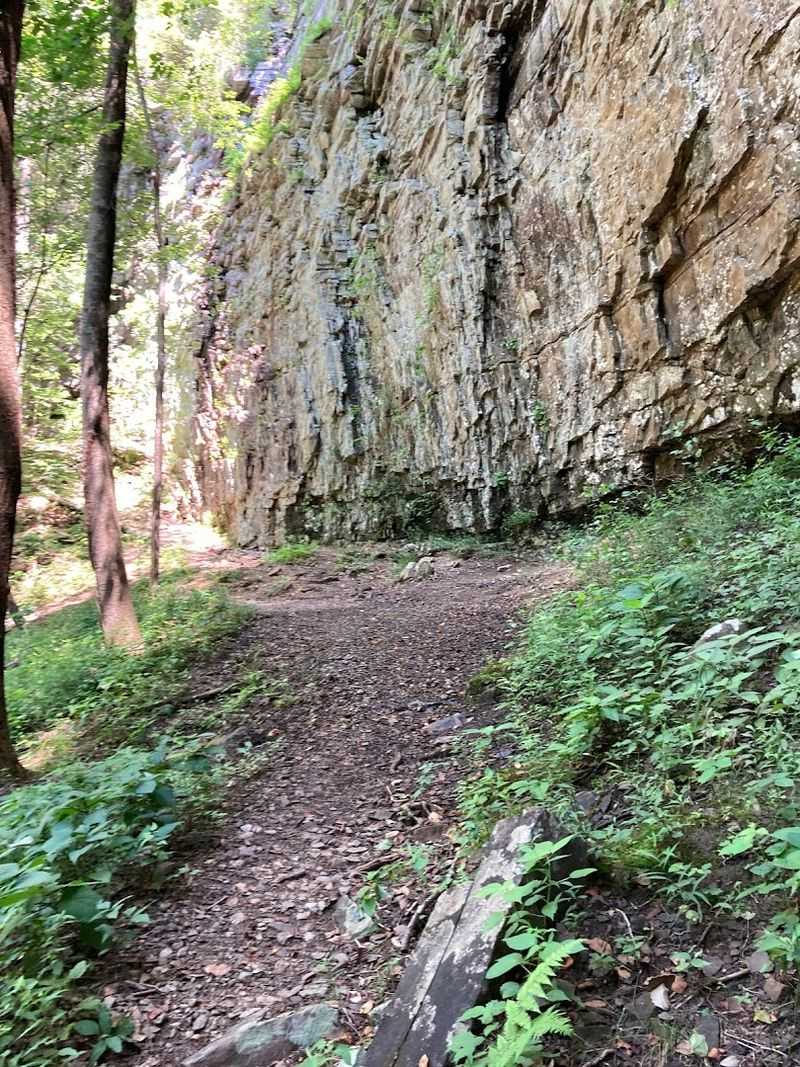
The trail system at Piney Falls at 1712 Firetower Rd in Grandview is a loop, and the direction you choose at the split genuinely changes your experience. Going left takes you down to Lower Piney Falls first, then behind the larger upper falls, up through a cable-assisted rock section, and back over the top.
Going right reverses that order, sending you over the falls first before descending the cables and looping back around.
Most experienced visitors recommend going left, or clockwise, so that the more physically demanding cable climb happens on the ascent rather than the descent. Climbing up while holding a cable is generally safer and less intimidating than climbing down the same route.
That said, both directions eventually deliver the same views.
The trail is described as easy to moderate overall, with specific sections that push into difficult territory near the cable areas. Footing near the waterfall can be slick, so waterproof hiking boots with solid grip are a practical choice rather than a casual suggestion.
The trail is tight in places and not recommended for very small children or pets, according to multiple visitor accounts. Plan accordingly and enjoy the adventure.
The Cable Climb Section And What To Expect
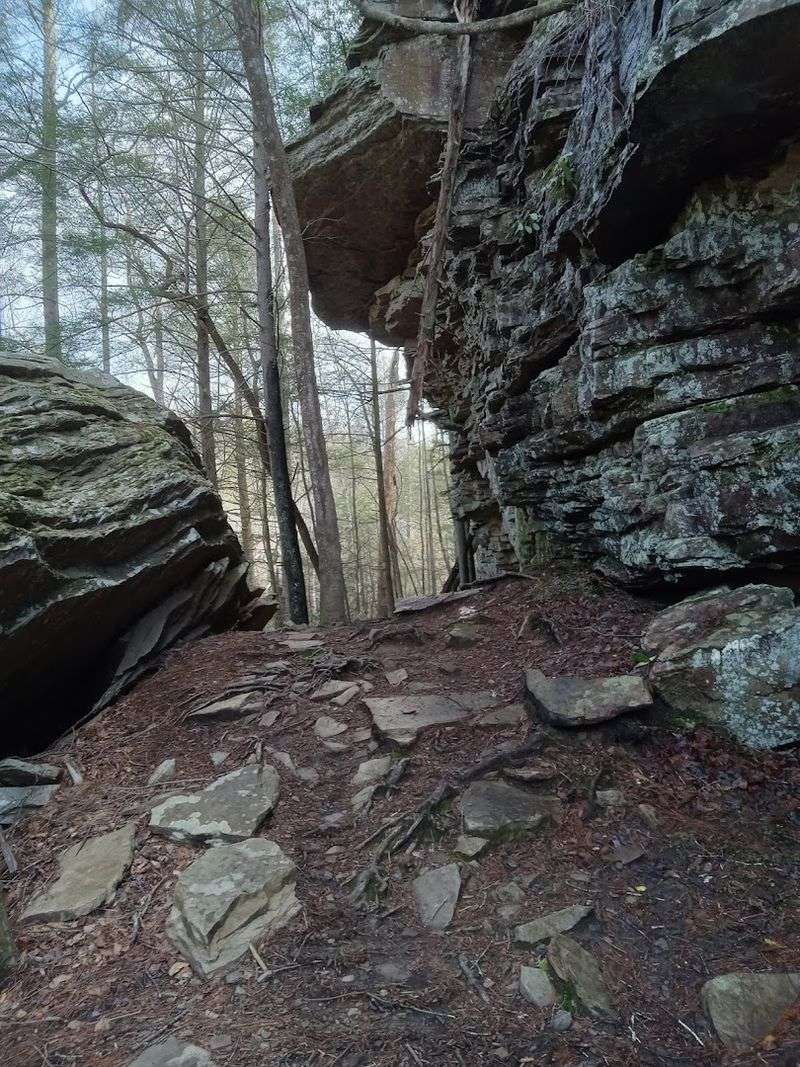
Few hiking features spark as much conversation in visitor reviews as the cable section at Piney Falls. A metal wire or cable is anchored into the rock face along the steeper portion of the trail, giving hikers something to grip as they navigate the climb near the upper falls.
For some visitors, this is the highlight of the hike. For others, it is the part that requires a deep breath before proceeding.
One reviewer described the cable descent as very sketchy and recommended it only for advanced hikers. Another called it a fun time and praised the overall thrill of the route.
Those two reactions tell you something useful: this section is not dangerous for a prepared hiker, but it is not a casual stroll either.
Wearing shoes with strong ankle support and a non-slip sole will make the cable section feel manageable rather than stressful. Keeping your center of gravity low and moving deliberately through the rocky scramble sections also helps.
Children and dogs are specifically mentioned in reviews as not well-suited for this portion of the trail, so factor that into your group planning before you head out.
Going Behind The Falls And What That Experience Feels Like
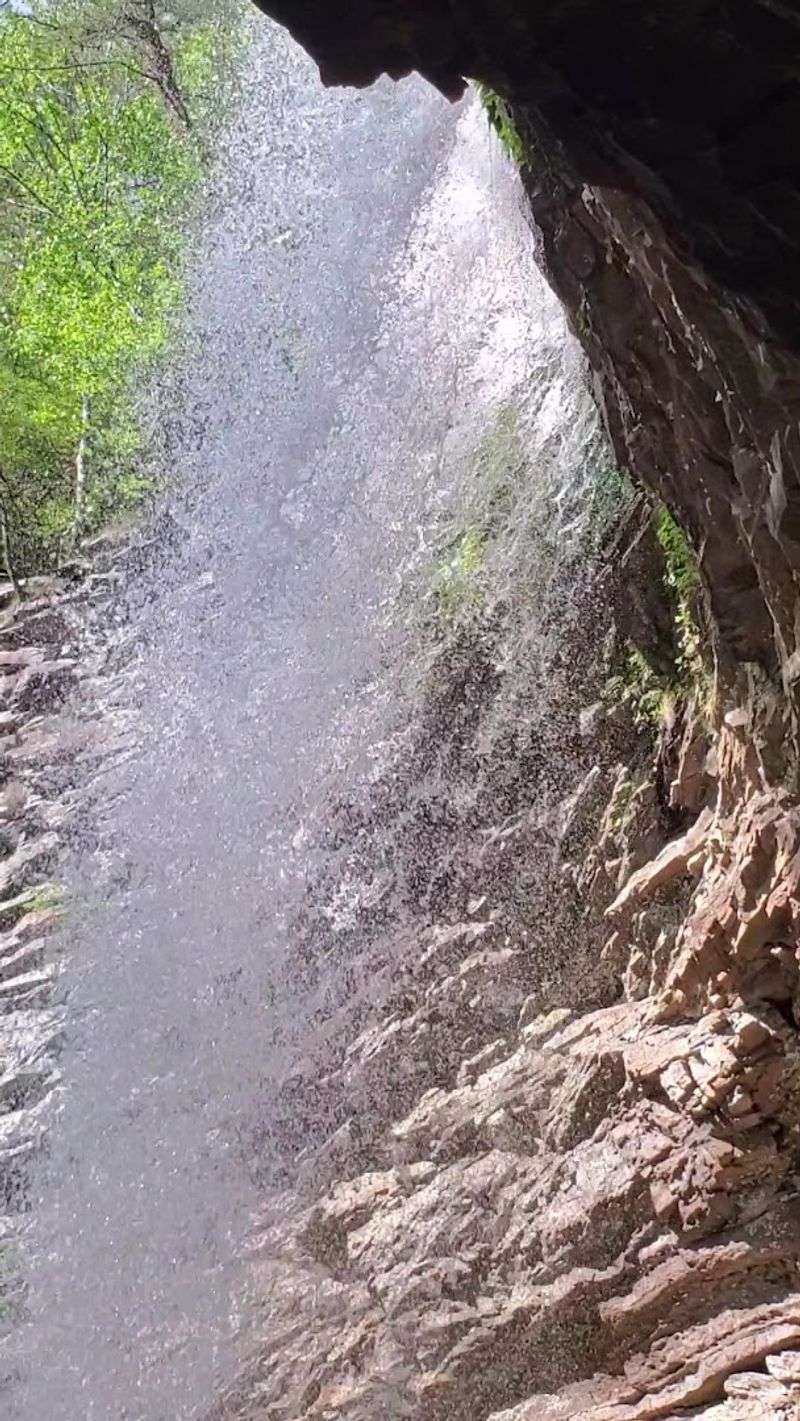
Walking behind a waterfall is one of those experiences that sounds better than most things actually feel in practice. At Piney Falls, it genuinely delivers.
The loop trail routes hikers directly behind the larger upper falls, placing you in a position where the water drops in front of you and the rock wall rises behind you. The sound alone is worth the hike.
Multiple visitors have mentioned this section as a highlight, and it is easy to understand why. The perspective from behind the falls offers a completely different visual than any overlook or distant viewpoint.
You are inside the experience rather than observing it from a safe distance, and that distinction matters when you are trying to connect with a natural place.
The rock surface behind the falls can be wet and uneven, so moving carefully through this section is advisable. The spray from the falling water adds to the atmosphere but also adds to the slickness underfoot.
Waterproof footwear becomes especially useful here. Photographers will find this spot produces compelling images, particularly in the morning when light angles through the water and catches the mist rising from the base of the falls.
Best Time Of Year To Visit For Maximum Water Flow
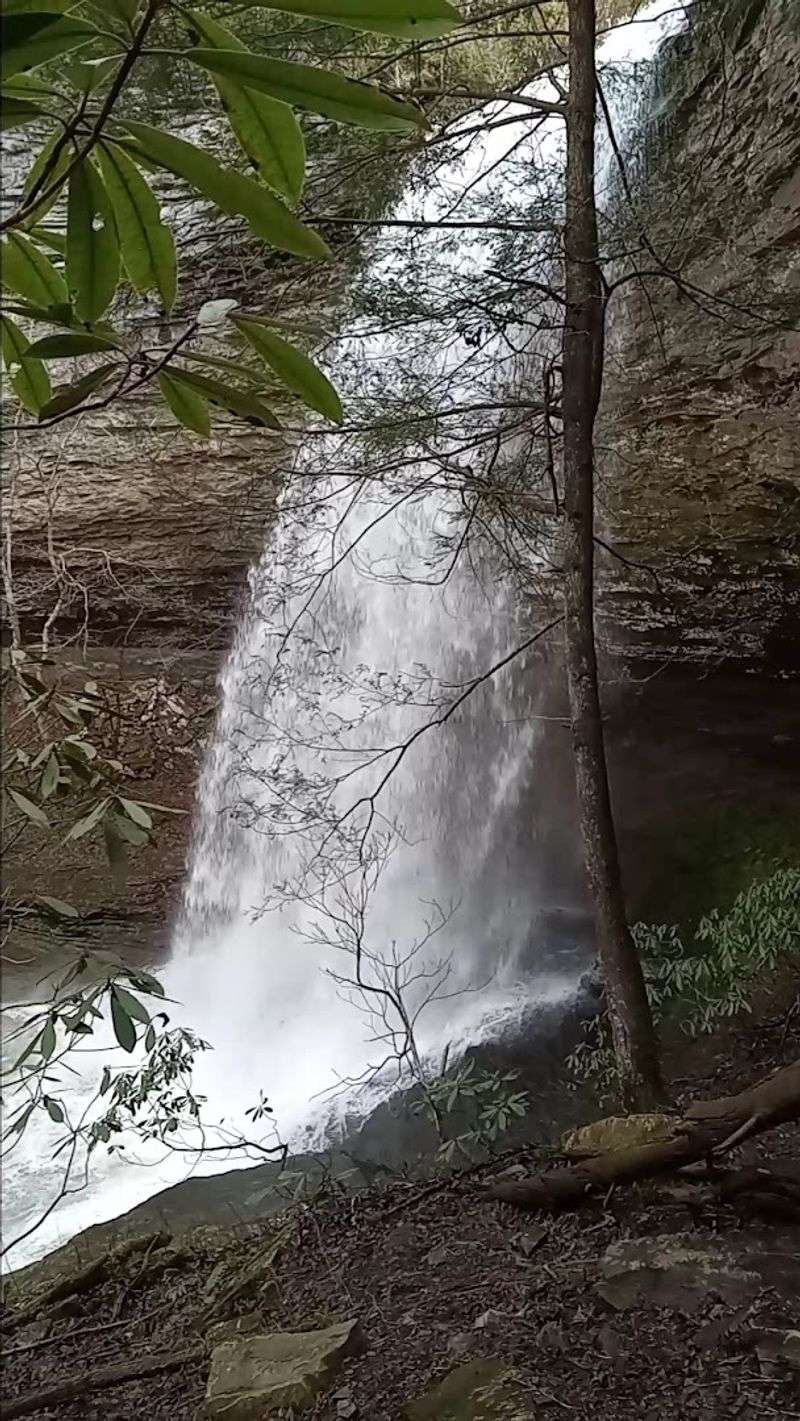
Timing a waterfall visit correctly makes a significant difference in what you actually see when you arrive. At Piney Falls, water flow is directly tied to recent rainfall and seasonal patterns.
Spring, particularly March through May, tends to produce the most dramatic flow as snowmelt and rain combine to fill the creek feeding both falls. Early summer can also be rewarding after a wet winter season.
One reviewer made a point of noting that visiting in early October may disappoint if you are expecting the dramatic flow seen in online photos. Late summer and early fall are typically drier periods in this part of Tennessee, which means the falls can look considerably less powerful than their peak-season version.
That does not make the hike less enjoyable, but it does change the visual reward.
Winter visits carry their own appeal, especially after cold snaps when ice formations appear along the rock faces and edges of the falls. The forest is bare, which opens up sight lines through the trees and creates a starkly beautiful atmosphere.
Whatever season you choose, checking recent rainfall data for Grundy County before your trip will give you a reasonable sense of what flow conditions to expect on arrival.
Practical Information About Parking And Trail Access
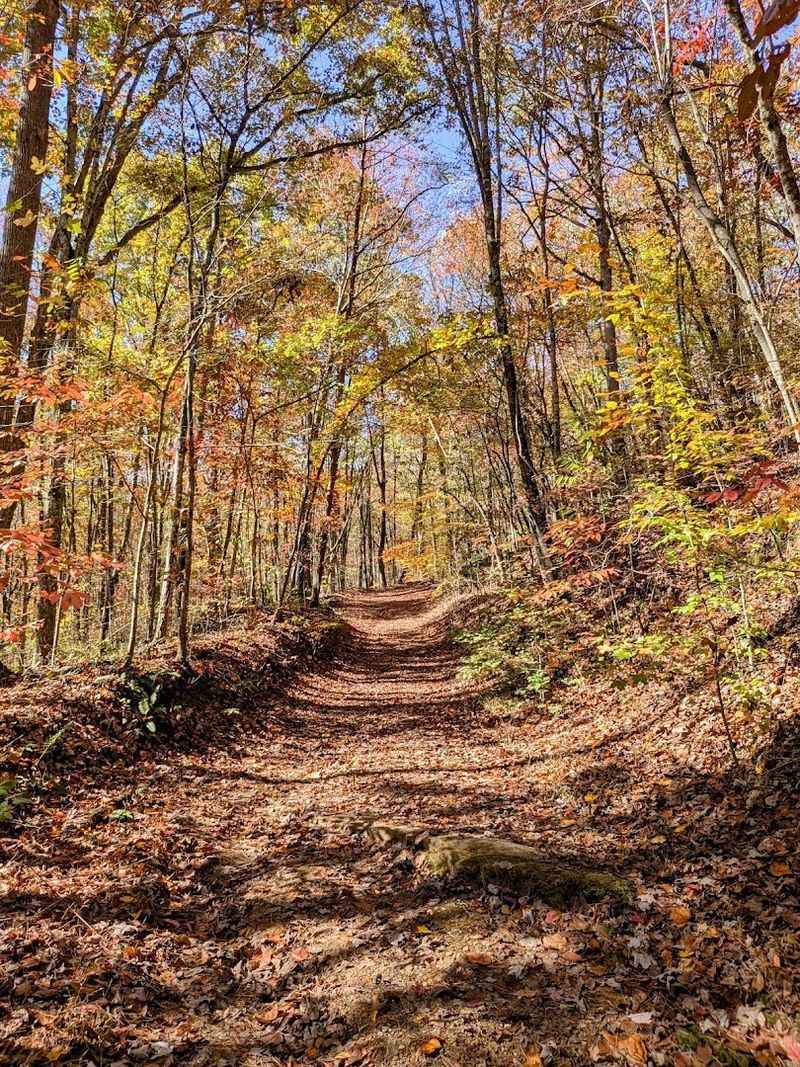
Getting to Piney Falls requires navigating to 1712 Firetower Rd in Grandview, which sits in a rural stretch of Grundy County on the Cumberland Plateau. The road leading to the trailhead is a fire tower road, meaning it is functional but not heavily developed.
A GPS signal is helpful here, and double-checking your route before leaving a major road is a sensible precaution.
Parking at the trailhead is limited to a small number of vehicles, which is one reason the area stays quiet even on weekends. Arriving early, particularly on spring and summer weekends, reduces the chance of finding the lot full.
The preserve opens at 8 AM and closes at 5 PM daily, so planning a mid-morning arrival gives you enough time to complete the full loop and still exit before closing.
There are no fees currently associated with visiting Piney Falls State Natural Area, making it one of the more accessible outdoor experiences in Tennessee from a cost perspective. Facilities are minimal, so bringing your own water and snacks is practical rather than optional.
Cell service in this area can be inconsistent, so downloading an offline map of the trail before you leave home is a small step that can prevent real inconvenience.
Wildlife And Flora You Might Encounter Along The Trail
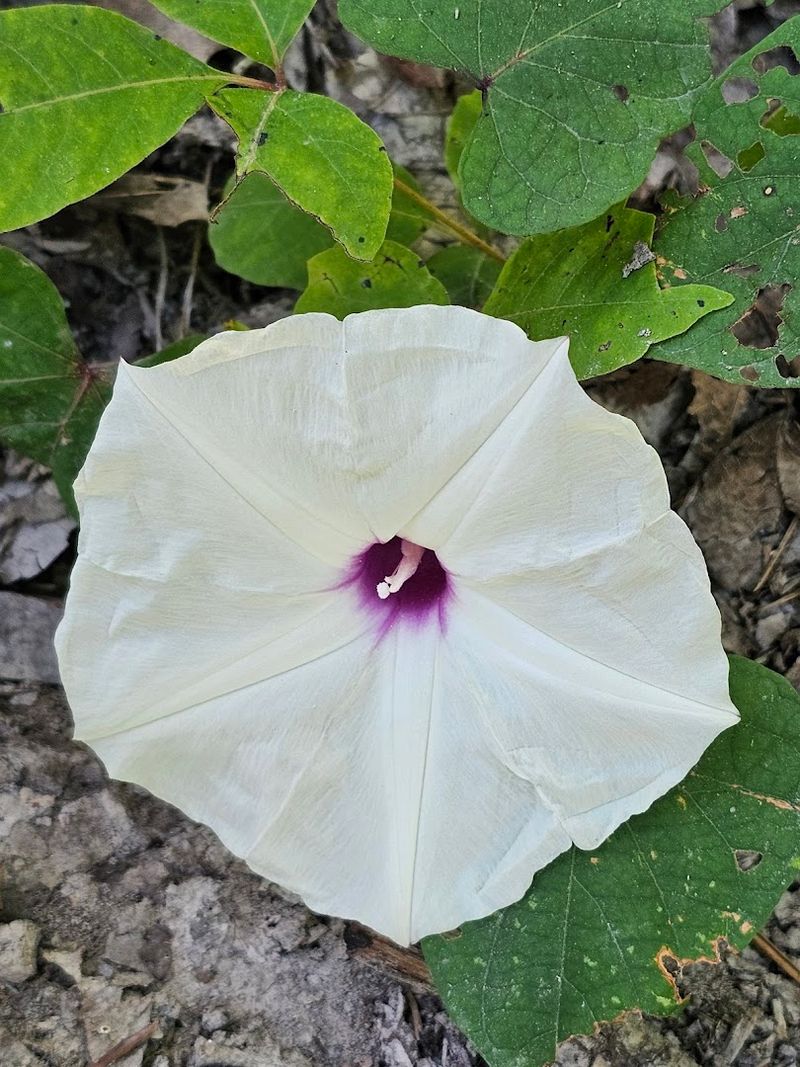
The forest surrounding Piney Falls is a living catalogue of the Cumberland Plateau ecosystem. Hardwood trees dominate the canopy, with oak, hickory, and tulip poplar forming the upper layer while ferns, mosses, and wildflowers spread across the forest floor.
In spring, the understory becomes particularly vivid as trillium and other native wildflowers bloom along the creek corridor leading to the falls.
The creek itself supports aquatic life adapted to fast-moving, cool water. Visitors who spend time near the base of the falls may notice small fish and crayfish in the shallower pools.
The rocky outcroppings along the trail also provide habitat for lizards and salamanders, the latter being especially common in the damp areas near the waterfall spray zones.
Bird activity is consistent throughout the year, with warblers and woodpeckers particularly active in spring and early summer. The forest canopy creates ideal conditions for species that prefer shaded, mature woodland.
White-tailed deer are occasionally spotted near the trailhead during early morning visits. Bringing a small field guide or using a nature identification app adds a layer of engagement to the hike that goes well beyond simply reaching the falls and turning back.
Why The Crowd Size Here Is Surprisingly Small
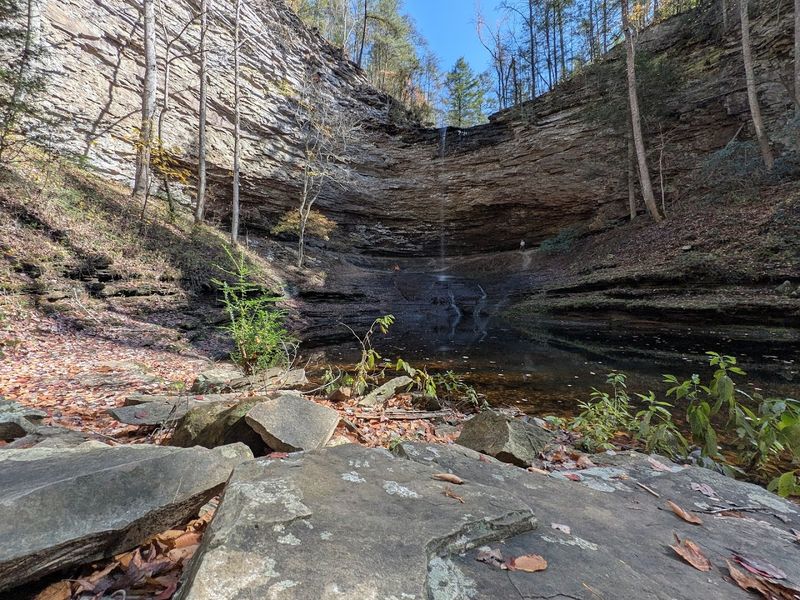
A waterfall park with a 4.9-star rating and virtually no crowds sounds like a contradiction. At Piney Falls, it is simply reality.
The combination of a rural address, limited parking, and low marketing visibility keeps visitor numbers far below what the quality of the destination would normally attract. Most people driving through Grundy County have no idea the preserve exists.
This is partly by design. State natural areas in Tennessee operate under a conservation-first model, meaning the land is protected rather than promoted.
Unlike state parks with visitor centers, gift shops, and active tourism campaigns, natural areas like Piney Falls rely on word of mouth and low-key online presence. That approach keeps the ecosystem intact and the experience peaceful.
For hikers who find crowded trailheads draining, this is a genuine advantage. You are likely to encounter only a handful of other visitors on any given weekday, and even weekends tend to remain quiet by comparison to more publicized destinations.
The small parking lot acts as a natural cap on daily traffic. That intimacy with the landscape is increasingly rare in a state where popular waterfall destinations regularly attract hundreds of visitors per day.
What To Bring And How To Prepare For The Hike
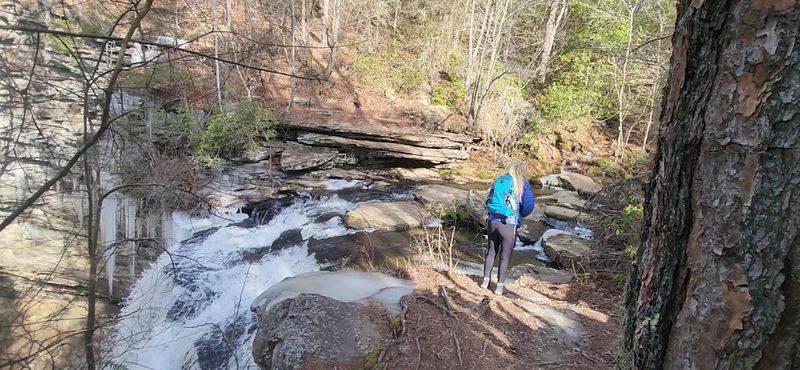
Preparation for Piney Falls does not require an extensive gear list, but a few specific items will meaningfully improve your experience. Waterproof hiking boots with a firm grip are the single most important piece of equipment for this trail.
The terrain near the falls is consistently wet and rocky, and standard sneakers or sandals create unnecessary risk on the slick surfaces around the waterfall base and behind the falls.
Trekking poles are worth considering for the cable section, particularly for hikers who are less confident on steep or uneven terrain. They add stability during the rocky scramble portions and reduce fatigue on the descent.
A small daypack with at least one liter of water per person, a light snack, and a basic first aid kit covers the practical essentials for a hike of this length and difficulty.
Layering clothing is advisable because the temperature near the waterfall is noticeably cooler than the surrounding forest, especially on spring and fall days. A light rain jacket doubles as wind protection in the spray zone.
Cell service is limited in this area, so informing someone of your plans before you leave is a straightforward safety measure. The hike is rewarding at every level, and arriving prepared makes the entire experience more enjoyable from start to finish.