
Most People Don’t Know About This Hidden New York Waterfall Just Outside NYC And It’s Worth The Drive
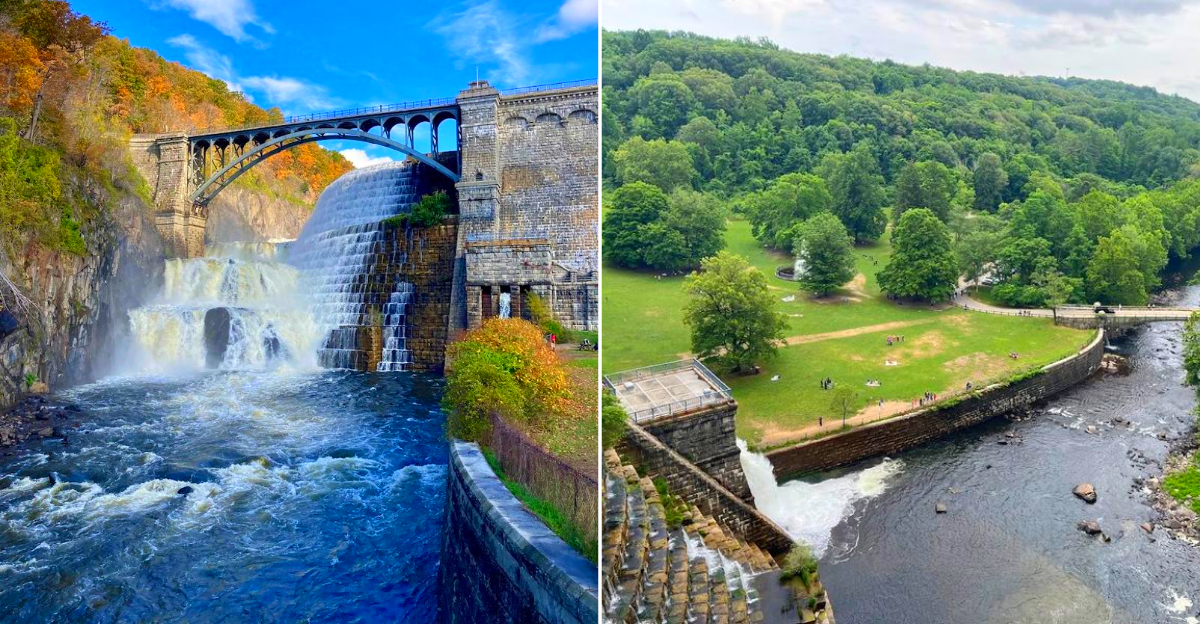
Just outside the chaos of New York City, close enough to reach before lunch and beautiful enough to justify clearing the afternoon, a waterfall exists that most people have genuinely never heard of.
That gap between how good it is and how little known it remains is one of the more pleasant mysteries the greater New York area has going right now and the people who have found it are showing absolutely no urgency to solve it.
The waterfall itself does everything right. The kind of natural feature that makes the surrounding landscape look like it was arranged specifically to show it off, and delivers a moment of genuine stillness that the city makes increasingly difficult to find.
New York rewards the people willing to drive twenty minutes past the familiar and this hidden waterfall is one of the strongest arguments for doing exactly that. Worth the drive is an understatement.
Worth making a habit of is more accurate.
A Waterfall That Stops You In Your Tracks
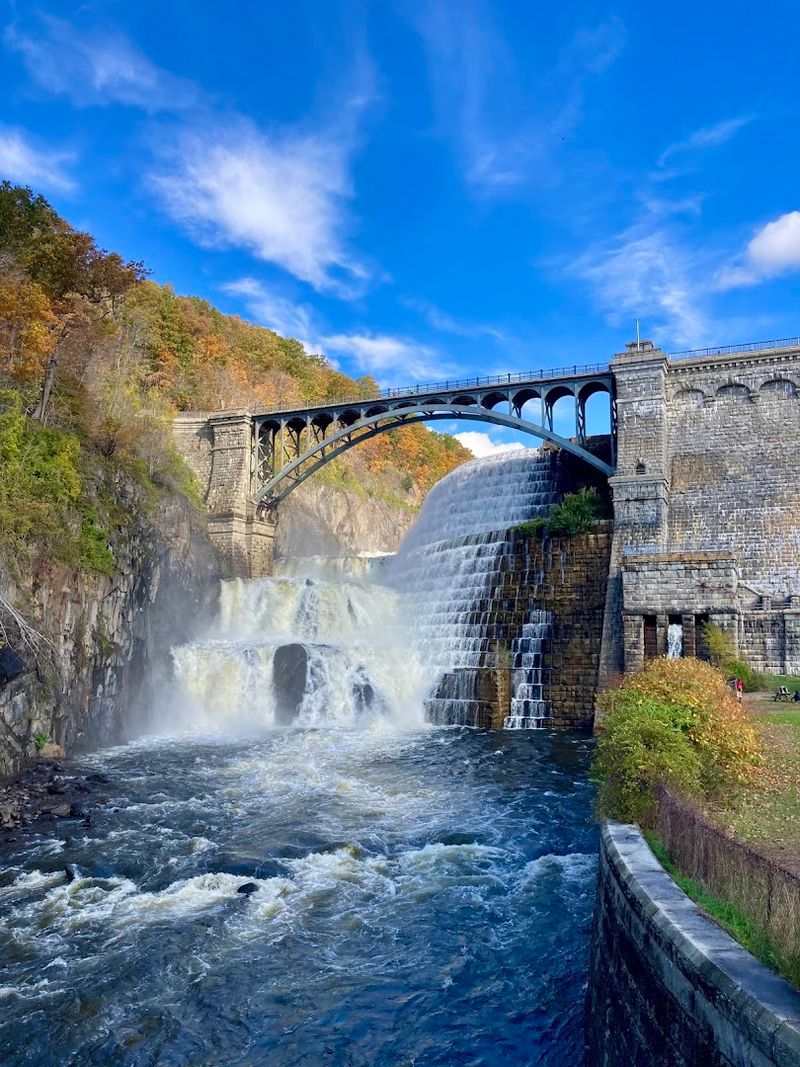
Few things in nature command attention quite like the sound of rushing water before you even see its source. At Croton Gorge Park, that sound greets visitors almost immediately upon entering the grounds, building anticipation with every step closer to the dam.
The waterfall here is no ordinary woodland trickle or gentle seasonal stream.
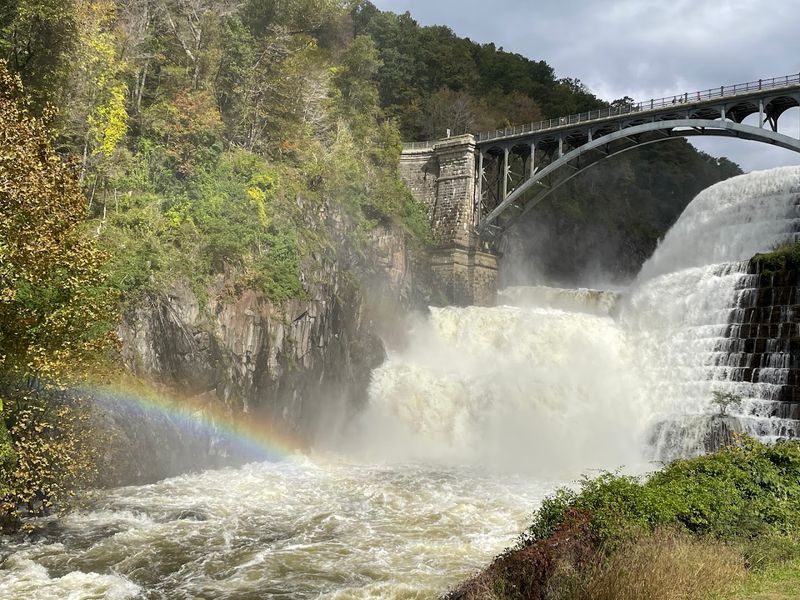
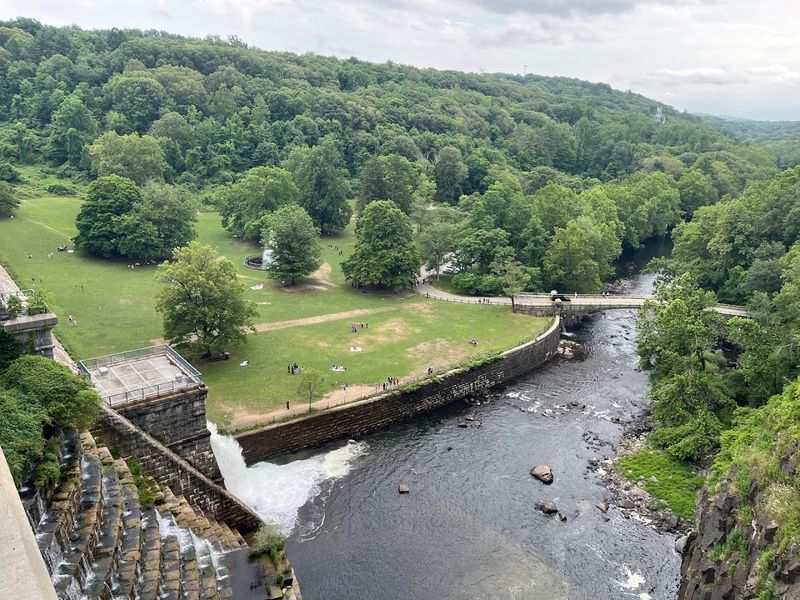
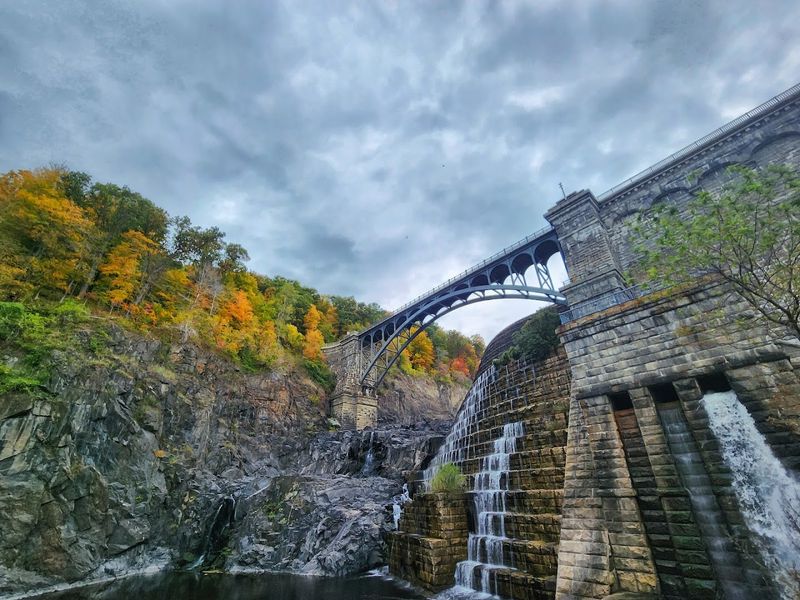
The cascade is actually the spillway of the New Croton Dam, and when water flows over it, the effect is genuinely spectacular. Sheets of white water tumble down the face of the structure and crash into the gorge below, sending mist into the surrounding air.
Standing at the base and looking up gives you a sense of scale that photographs simply cannot capture accurately.
The gorge itself frames the scene with rocky walls and dense greenery, creating a natural amphitheater around the falling water. Even on a calm day, the visual impact is striking enough to hold your attention for a long stretch of time.
Families spread out on the open grass nearby while the waterfall provides a constant, satisfying backdrop. It is the kind of place that earns a second visit before you have even finished the first one.
Croton Gorge Park And Why It Deserves Your Attention
Croton Gorge Park sits at 35 Yorktown Rd, Croton-On-Hudson, NY 10520, and covers 97 acres of well-maintained parkland at the base of the New Croton Dam in Westchester County. The park is managed by Westchester County and holds a 4.8-star rating, which is a remarkably consistent score for any public outdoor space.
Open every day of the week from 8 a.m. to 7:30 p.m. year-round, the park welcomes everyone from solo hikers to large family gatherings.
A parking fee of ten dollars per vehicle applies on weekends in May and September, and daily from Memorial Day through Labor Day, while a county park pass reduces that to five dollars.
The fee is a fair trade for what the park delivers.
The grounds include open fields ideal for picnicking, a playground for younger visitors, trail access to the Old Croton Aqueduct Trail, and direct views of the dam and its cascading spillway. The park is also dog friendly on leash, and some areas offer wheelchair accessibility.
For a destination this rewarding, the drive from New York City feels surprisingly short once you arrive and take in the full scene.
The Engineering Story Behind The Falling Water
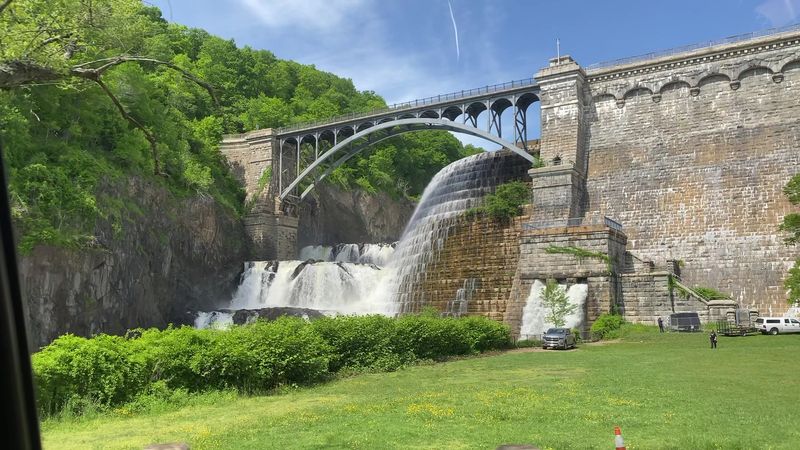
The New Croton Dam is not just a scenic backdrop but one of the most significant engineering achievements of its era. Construction began in 1892 and was completed in 1906 and 1907, replacing the original Croton Dam that had been built back in 1842.
The dam was designed to expand New York City’s water supply as the population of the city grew rapidly through the late 1800s.
Standing nearly 300 feet tall and stretching 2,188 feet in length, the structure held the title of the tallest dam in the world at the time of its completion.
It is also recognized as the third-largest hand-hewn stone structure on Earth, placing it in remarkable company alongside the Great Wall of China and the Great Pyramids of Egypt.
That is an extraordinary claim for a dam sitting quietly in Westchester County.
Every stone in the dam was cut and placed by hand, which makes the sheer scale of the structure even more impressive to consider while standing at its base. The craftsmanship visible in the masonry is meticulous and enduring.
More than a century after it was built, the dam continues to supply water to New York City and draws thousands of curious visitors each year who come to see it up close.
Walking Across The Top Of The Dam
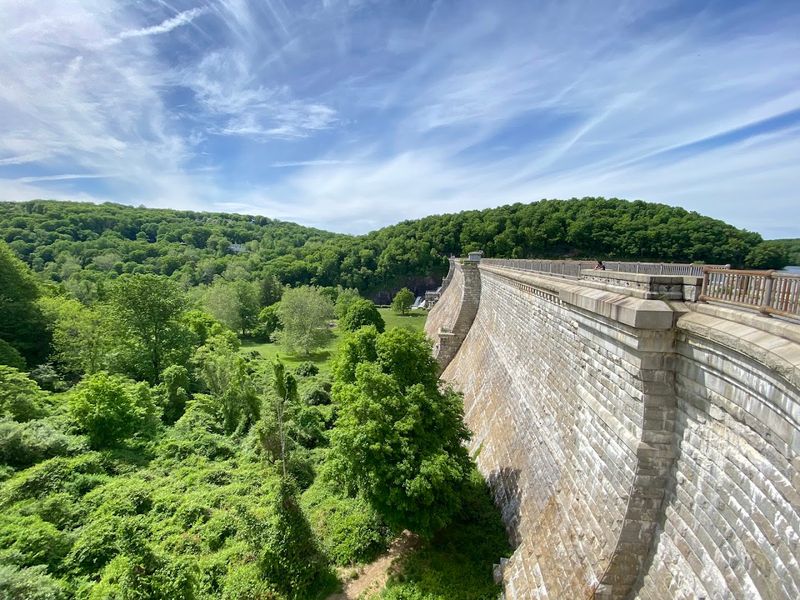
One of the most rewarding physical experiences at Croton Gorge Park is the walk up to the top of the dam itself. A trail leads visitors from the park grounds up to the dam crest, where a pedestrian-only bridge offers unobstructed views in both directions.
On one side, the Croton Reservoir stretches out in a broad, calm expanse of water that seems to extend endlessly into the surrounding hills.
On the other side, the gorge drops away sharply, and the full height of the spillway becomes clear in a way that ground-level viewing simply does not provide. The sense of elevation combined with the sound of water far below creates a genuinely memorable experience.
It is the kind of walk that makes you feel like you have earned a view rather than just stumbled upon one.
The trail to the top is described as short but steep on one side, with a gentler path available on the opposite side for those who prefer a more gradual ascent. Either route takes visitors to the same elevated vantage point.
Arriving at the top and looking out across the reservoir and down into the gorge simultaneously is one of those rare outdoor moments that rewards even the most casual visitor with something genuinely worth remembering.
Hiking Trails And The Old Croton Aqueduct Connection
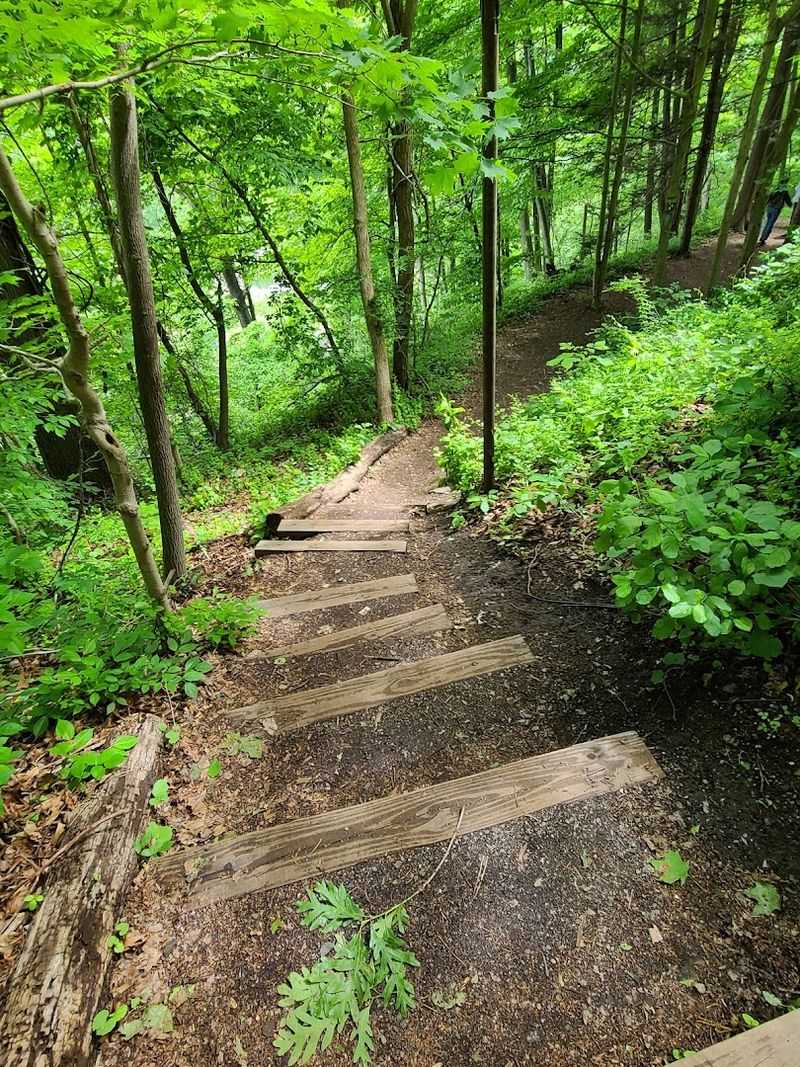
Croton Gorge Park connects directly to one of New York State’s most historically significant trail systems. The Old Croton Aqueduct Trail runs through the park, giving hikers a path that links natural scenery with genuine American infrastructure history.
The aqueduct itself was built in the 1840s to carry water from the original Croton Dam all the way down to New York City, and the trail follows its route through Westchester County.
For visitors who enjoy longer excursions, accessing the aqueduct trail from the park opens up a broader network of paths through the surrounding landscape. The terrain is manageable for most fitness levels, with trail options that range from easy strolls to more committed hikes.
Bringing sturdy footwear is always a sensible choice, particularly after rain when the ground near the gorge can be uneven.
The park’s trail network also provides access to fishing spots along the Croton River, which flows from the base of the dam. Anglers regularly visit the park hoping to catch fish in the cold, clear water below the spillway.
The combination of hiking, history, and fishing in a single 97-acre park makes Croton Gorge a genuinely versatile destination that satisfies outdoor enthusiasts with a range of different interests and energy levels.
Picnicking With A View That Most Parks Cannot Match
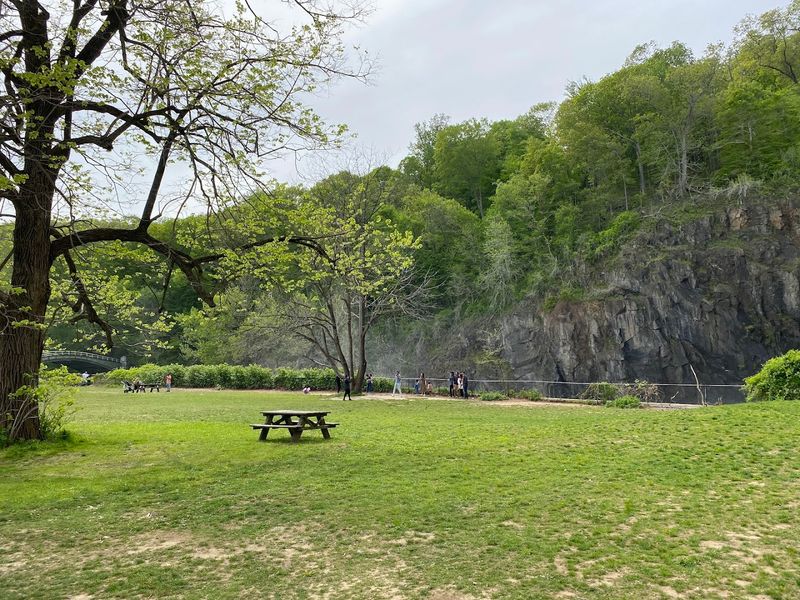
Not every park visit needs to involve strenuous activity, and Croton Gorge Park understands that completely. The open fields at the base of the dam provide generous space for picnicking, and the backdrop of the spillway waterfall makes even a simple lunch feel like a special occasion.
Families spread out across the grass throughout the warmer months, and the atmosphere carries a relaxed, unhurried energy that is genuinely hard to find this close to New York City.
Picnic tables are available throughout the park, giving visitors a comfortable place to settle in for an extended stay. Food trucks have been spotted on-site during busy seasons, which is a welcome convenience for anyone who arrives without a packed meal.
The open layout of the park also means there is plenty of room for groups of any size without feeling crowded or hemmed in.
Children have access to a playground area, which keeps younger visitors entertained between walks and exploration. The combination of structured play space and wide open fields gives families flexibility in how they spend their time.
Arriving early on a summer weekend is genuinely worth the effort, as parking fills up on peak days and the best spots along the grass go quickly to those who plan ahead.
What Winter Looks Like At The Gorge
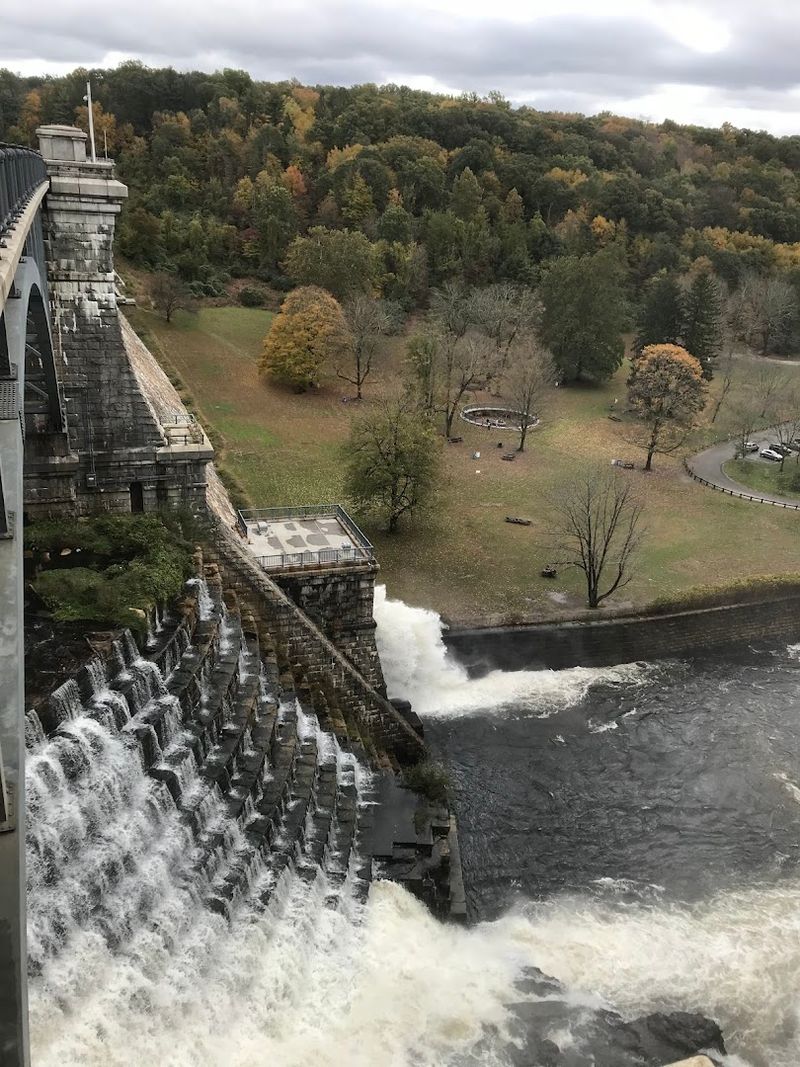
Most people associate waterfall destinations with warm weather and green foliage, but Croton Gorge Park offers a completely different kind of appeal once temperatures drop. Winter transforms the park into a quieter, more contemplative space where the dam and gorge take on a stark and striking character.
Snow on the open fields and ice forming along the edges of the spillway creates a scene that feels far removed from the bustle of the city below.
Cross-country skiing and sledding are both popular activities at the park during winter months, drawing a different crowd than the summer picnickers and hikers. The open fields that serve as gathering spots in warmer seasons become natural sledding terrain when snow accumulates.
Few parks in the greater New York area offer this kind of seasonal versatility within the same grounds.
The gorge itself looks particularly dramatic in winter, with the stone face of the dam contrasting against white snow and grey sky.
Visiting during a quiet weekday in January or February means having the park largely to yourself, which is a rare luxury for any outdoor destination within driving distance of New York City.
The park remains open year-round, so there is genuinely no wrong season to make the trip up to Croton-on-Hudson.
Practical Tips For Planning Your Visit
Planning ahead makes a meaningful difference at Croton Gorge Park, particularly during the warmer months when the park draws its largest crowds. Parking costs ten dollars per vehicle on weekends in May and September, and daily from Memorial Day through Labor Day.
Westchester County park pass holders pay a reduced rate of five dollars, making the pass a worthwhile investment for anyone planning multiple visits to county parks throughout the season.
The park opens at 8 a.m. every day of the week and closes at 7:30 p.m., giving visitors a solid window of daylight hours to explore. Arriving early on summer weekends is strongly encouraged, as parking lots can fill up by mid-morning on particularly nice days.
The park can be reached by phone at 914-862-5290, and full visitor information is available at parks.westchestergov.com/croton-gorge-park.
Cell service and Wi-Fi can be unreliable near the waterfall area, so downloading a map or directions before leaving home is a practical step. The park is dog friendly with leashes required, and some areas offer wheelchair accessibility for visitors with mobility considerations.
Bringing water, snacks, and comfortable shoes covers most of what you need for a full day of exploration at this genuinely rewarding destination.
Why This Place Is Worth Every Mile Of The Drive
There is a particular kind of satisfaction that comes from discovering a place that has been hiding in plain sight for years. Croton Gorge Park carries that feeling from the moment you pull off the road and hear the water.
The combination of a record-setting historic dam, a dramatic cascading spillway, open parkland, and direct trail access to a storied aqueduct route is genuinely difficult to match within a 90-minute drive of New York City.
The park holds a 4.8-star rating, which speaks to a consistent quality of experience that goes beyond seasonal novelty. People return to this park in summer for picnics, in fall for the foliage framing the gorge, in winter for sledding across snowy fields, and in spring when the water runs high and the spillway roars with full force.
Each season offers something distinct and worth seeing.
At its core, Croton Gorge Park is the kind of destination that reminds you how much remarkable scenery exists just beyond the edges of the city.
The drive north through Westchester County is pleasant in its own right, and arriving at the base of a nearly 300-foot dam with water cascading down its face confirms that the trip was entirely worthwhile.
Some places earn their reputation quietly, and this is one of them.