
Most People Don’t Know These 11 Incredible Spots In Tennessee Even Exist
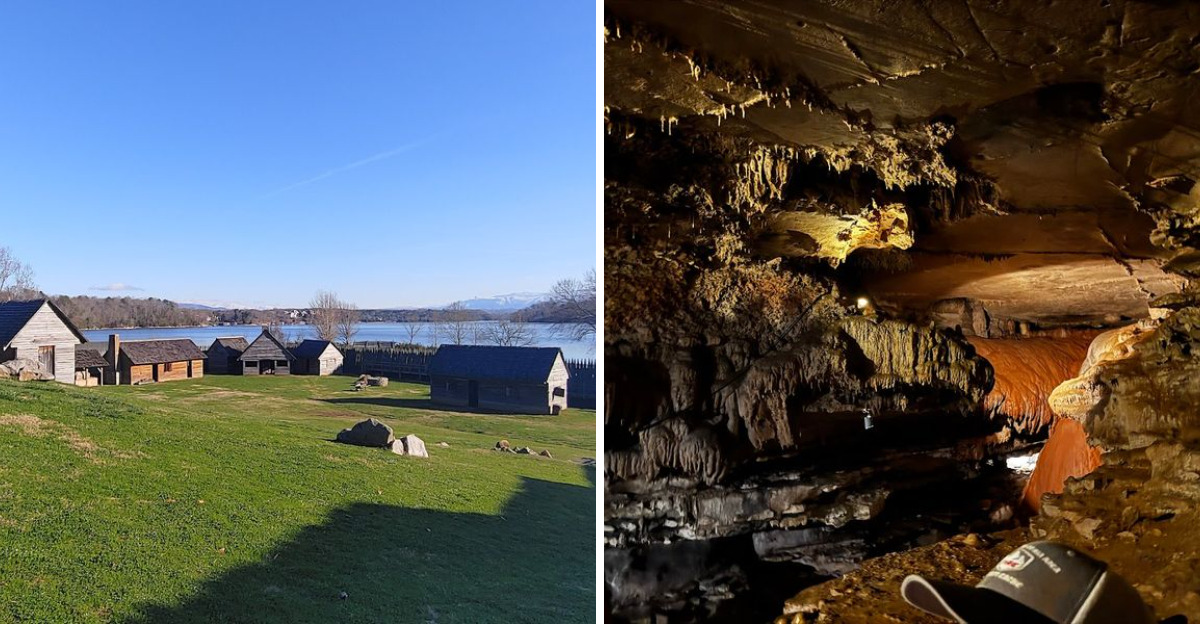
Think you know Tennessee? Think again.
Beyond the busy cities, famous parks, and roadside attractions lies a side of the state many travelers completely overlook. Tennessee is full of surprising places that spark curiosity the moment you hear about them.
An unusual museum here. A strange landmark there.
A historic site with a story that makes you pause and look closer. Some feel quirky, others feel almost mysterious, yet all add a fascinating layer to the Volunteer State’s personality.
Ready to see Tennessee a little differently? These remarkable spots prove the state still holds plenty of surprises waiting for curious explorers.
1. Bell Witch Cave, Adams
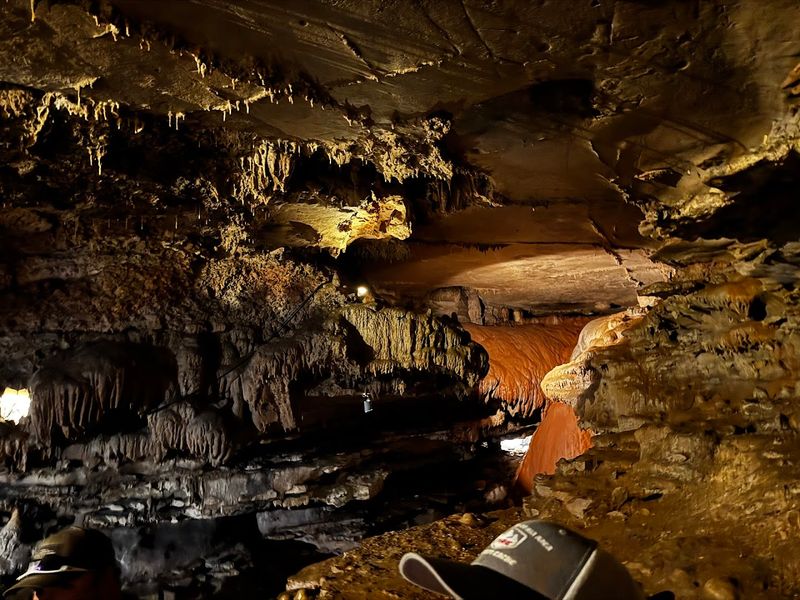
Few places in the American South carry a legend as bone-chilling as the one attached to this unassuming cave in Adams. The Bell Witch Cave, located at 430 Keysburg Rd, is tied to one of the most famous paranormal stories in United States history, dating back to the early 1800s when the Bell family reportedly experienced terrifying supernatural events on their farm.
Visitors today can take guided tours deep into the limestone cave system, where guides share the full, eerie history of the Bell Witch haunting. The cave itself runs along the Red River and features impressive rock formations that look like something out of a storybook.
What makes this spot so compelling is the way history, folklore, and natural geology all blend into one unforgettable experience. Many visitors report feeling an unexplainable chill inside the cave, though whether that is the temperature or the atmosphere is entirely up to you to decide.
Tours are available seasonally, so check ahead before you plan your visit to this one-of-a-kind Tennessee landmark that has kept storytellers busy for over two centuries.
2. Historic Brushy Mountain State Penitentiary, Petros
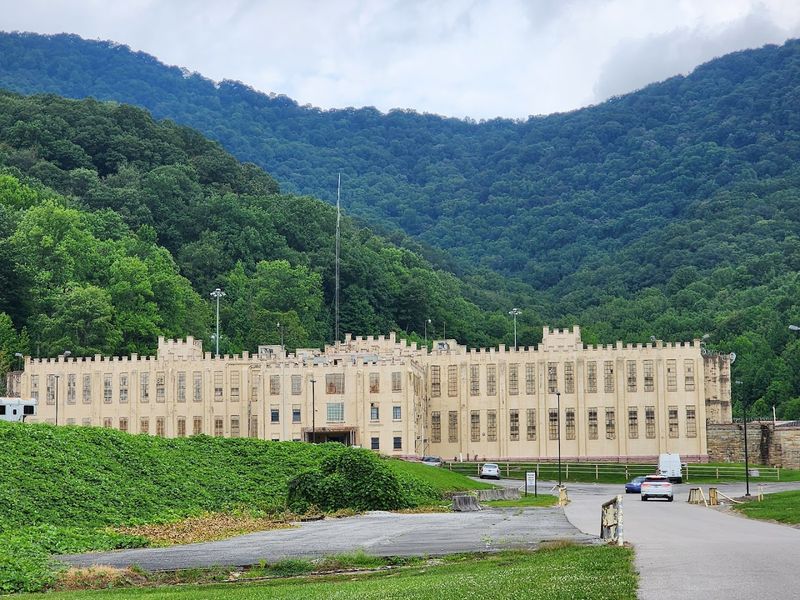
There is something deeply fascinating about walking through a place where history feels locked into the very walls around you. Brushy Mountain State Penitentiary, located at 9182 TN-116 in Petros, operated as a working prison from 1896 all the way until 2009, and its story is as rugged as the mountains surrounding it.
Perhaps its most notorious claim to fame is that James Earl Ray, the man convicted of assassinating Dr. Martin Luther King Jr., once attempted a daring escape from these grounds. That single fact alone gives the place a weight that is hard to shake as you walk its corridors.
Today, the penitentiary has been transformed into a museum and entertainment complex where visitors can take guided tours through the actual cellblocks, solitary confinement areas, and warden’s quarters. The coal mining history of the region is also woven throughout the experience, adding an extra layer of Appalachian heritage to the visit.
If you are someone who loves history that feels raw and real rather than polished and sanitized, Brushy Mountain will absolutely deliver on every level.
3. The Mindfield, Brownsville
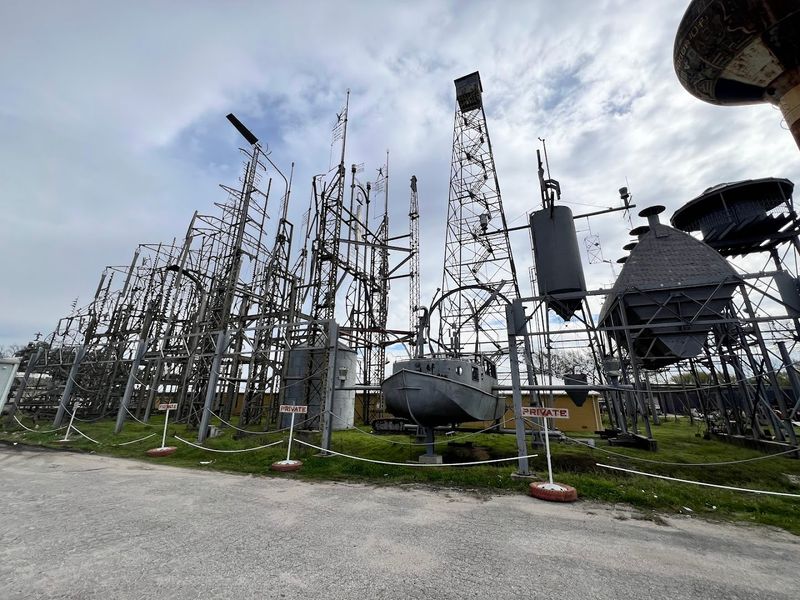
Imagine driving through a small West Tennessee town and suddenly spotting what looks like an alien city rising out of a vacant lot. That is exactly the experience waiting for you at The Mindfield, located at 334 W Main St in Brownsville, one of the most jaw-dropping examples of outsider folk art you will find anywhere in the country.
Created almost entirely by one man, Billy Tripp, who has been building and adding to this sprawling metal sculpture since 1989, The Mindfield is a deeply personal monument to his life, his losses, and his philosophy. Towers, archways, and intricate metal frameworks stretch toward the sky in a way that feels both chaotic and intentional at the same time.
The structure spans multiple stories and continues to grow, since Tripp has vowed to keep building until he passes. Visiting is free, and the artwork is visible from the street, though getting closer reveals incredible detail in every welded connection and repurposed piece of material.
This is the kind of place that makes you stop, stare, and think, and that combination is rarer than you might expect on a road trip through Tennessee.
4. Salt And Pepper Shaker Museum, Gatlinburg
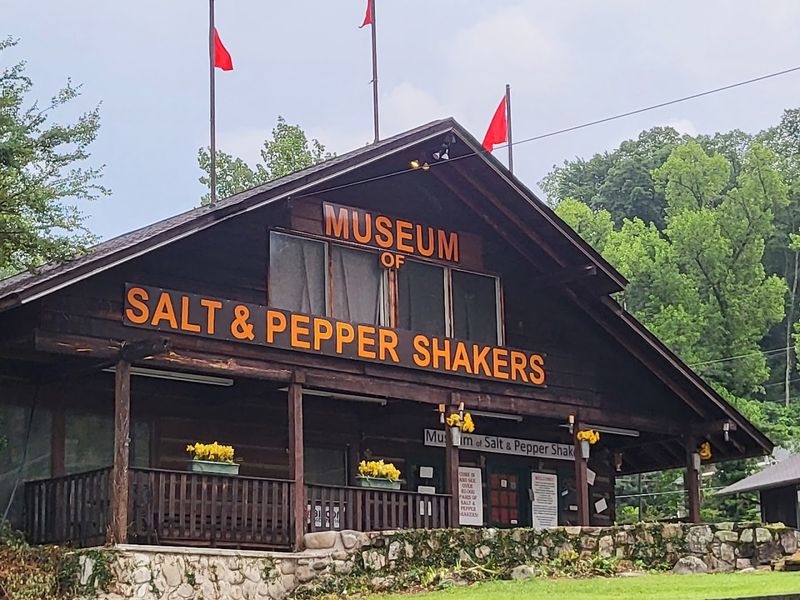
Right in the heart of Gatlinburg, just steps from the more famous attractions of the Smoky Mountains, sits a museum so delightfully specific that it almost feels like a dare. The Salt and Pepper Shaker Museum, located at 461 Brookside Village Way, houses more than 20,000 sets of salt and pepper shakers collected from all over the world, making it the largest collection of its kind on the planet.
Founded by Andrea Ludden, who began collecting shakers decades ago and never quite stopped, the museum is organized into themes and categories that range from the adorably quirky to the genuinely artistic. You will find shakers shaped like animals, famous landmarks, cartoon characters, and objects so obscure they defy easy description.
Beyond the sheer volume of the collection, what makes this museum memorable is how much personality and warmth it carries. Each set tells a small story about the era and culture it came from, turning what could have been a novelty stop into a surprisingly meaningful cultural experience.
Admission is modest, and guests even get to take home a free pair of shakers as a souvenir, which is a pretty sweet deal by any measure.
5. Old Stone Fort State Archaeological Park, Manchester
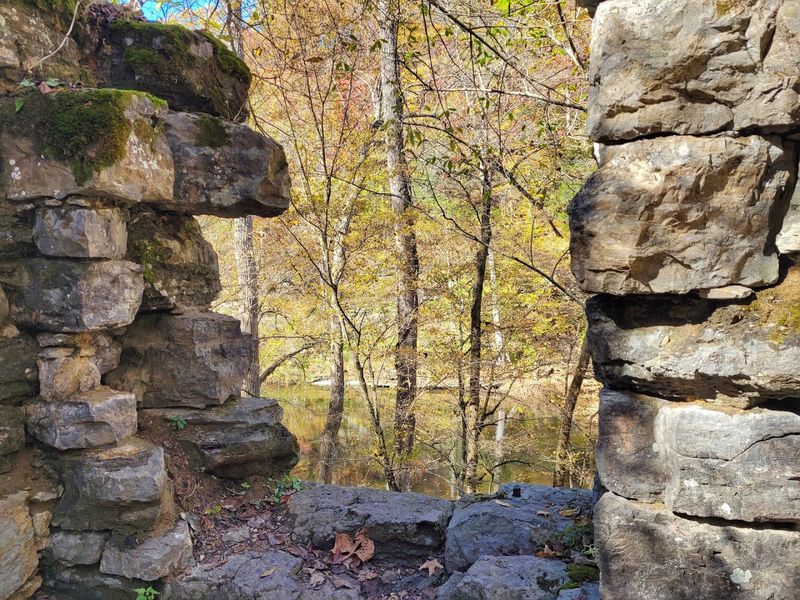
Long before European settlers arrived in Tennessee, Indigenous people were already building remarkable structures in the landscape. Old Stone Fort State Archaeological Park, located at 732 Stone Fort Dr in Manchester, preserves a ceremonial site built by Native Americans nearly 2,000 years ago, making it one of the oldest and most significant archaeological sites in the entire southeastern United States.
The site features a series of earthen and stone walls that stretch for about 1.3 miles, enclosing roughly 50 acres of land where two rivers meet. Researchers believe it was used for ceremonial purposes over a period of about 500 years, which speaks to its enduring spiritual importance to the people who built it.
Walking the trail that follows the perimeter of the walls is a genuinely moving experience, especially when you pause to consider the timescale involved. The park also includes a small museum that explains the history and archaeology of the site in clear, engaging terms.
Several beautiful waterfalls are visible along the trail, making the visit both educational and visually stunning in a way that few state parks manage to pull off so effortlessly.
6. Fort Loudoun State Historic Park, Vonore
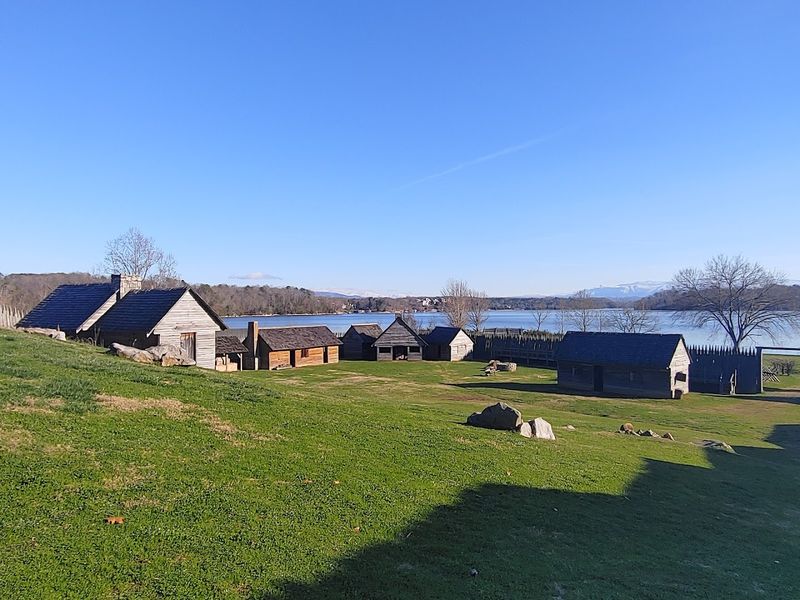
Standing on the banks of Tellico Lake in Vonore, Fort Loudoun State Historic Park offers a remarkably detailed window into the colonial era of the American South. Located at 338 Fort Loudon Rd, this fully reconstructed 18th-century British fort tells the story of one of the earliest English settlements west of the Appalachian Mountains, built in 1756 during the French and Indian War.
The fort was constructed as a gesture of alliance with the Cherokee Nation, and the complicated, often tense relationship between British soldiers and Cherokee people is explored honestly throughout the site’s exhibits. That nuance is what elevates this park above a simple history lesson and turns it into something genuinely thought-provoking.
Costumed interpreters bring the fort to life on weekends, demonstrating period crafts, military drills, and daily colonial activities that make the past feel tangible rather than distant. The setting along the water is peaceful and scenic, adding a natural backdrop that makes the whole visit feel complete.
For anyone interested in early American history beyond the usual East Coast narrative, Fort Loudoun is a rewarding and often overlooked chapter worth reading in full.
7. Discovery Park Of America, Union City
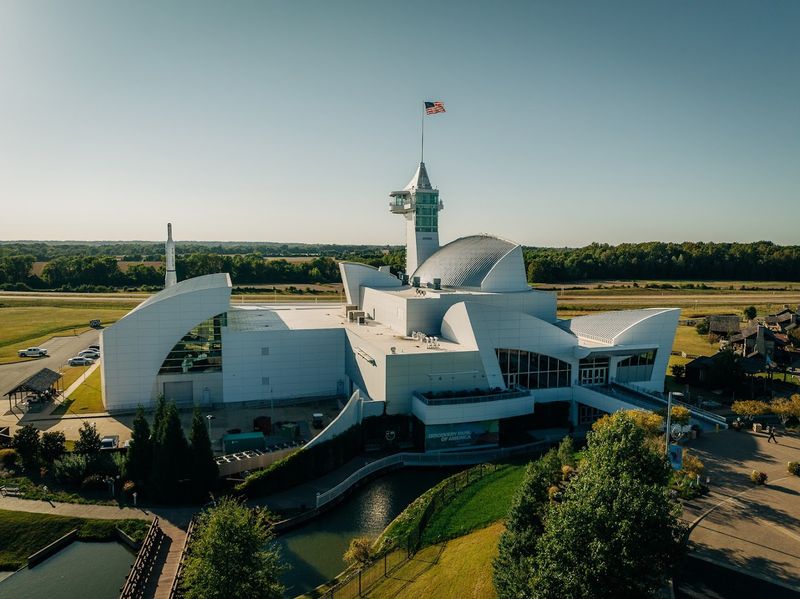
Union City is not the kind of place most people expect to find a world-class museum, but that is exactly what makes Discovery Park of America so wonderfully surprising. Located at 830 Everett Blvd, this massive 100,000-square-foot facility covers science, history, nature, and art across dozens of interactive galleries that would feel at home in a major metropolitan city.
The park was funded largely through the generosity of local businessman Robert Roberson, whose vision was to bring a truly exceptional educational experience to rural West Tennessee. That community-driven origin story gives the place a warmth that bigger, more corporate museums sometimes lack.
Outside, a sprawling 50-acre heritage park includes a reconstructed Civil War-era farmhouse, a working train, and native plant gardens that make the grounds as interesting as the building itself. Inside, visitors can explore everything from prehistoric fossils to space exploration technology, often with hands-on components that keep younger visitors fully engaged.
It has been called one of the best museums in the entire South, and after spending even a few hours here, it becomes very easy to understand why that reputation is completely earned.
8. The Sam Davis Home And Museum, Smyrna
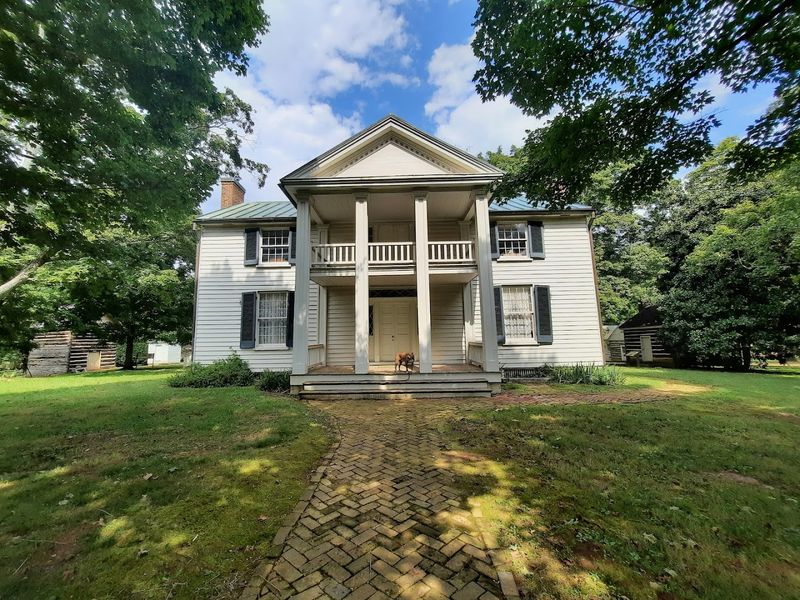
History has a way of becoming personal when you walk through the actual rooms where it happened. The Sam Davis Home and Museum, located at 1399 Sam Davis Rd in Smyrna preserves the antebellum farmstead of a young Confederate soldier who became one of the most celebrated figures in Tennessee Civil War history after his capture and execution at just 21 years old.
Sam Davis was hanged in 1863 after refusing to reveal the identity of his intelligence sources, a decision that earned him the nickname the Boy Hero of the Confederacy. His story raises complex questions about loyalty, courage, and conviction that visitors continue to wrestle with long after leaving the property.
The original two-story home, several outbuildings, and a cemetery where Sam and members of his family are buried have all been carefully preserved on the 168-acre site. Guided tours walk visitors through the house with original period furnishings still in place, creating an atmosphere that feels remarkably intact for a structure of its age.
The surrounding farmland and mature trees add a quiet, reflective quality to the visit that makes the history feel both personal and profound.
9. Casey Jones Village, Jackson
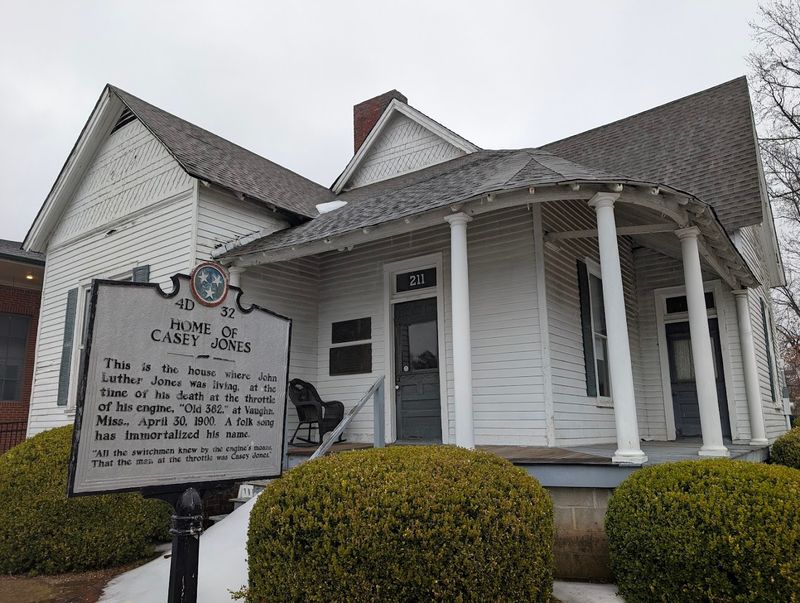
John Luther Jones, better known as Casey Jones, became an American legend not for what he lived through but for how he chose to face what he could not avoid. On April 30, 1900, Casey Jones kept his hand on the brake of the Cannonball Express as it barreled toward a stalled train, saving his passengers at the cost of his own life, and his story has captured imaginations ever since.
Casey Jones Village, located at 40 Casey Jones Ln in Jackson honors that legacy with a museum built around the actual home where Jones lived with his family. The site includes a full-size replica locomotive, the original 1900s-era house, and exhibits that trace both the history of railroading in America and the life of the man who became its most famous folk hero.
The village has expanded over the years to include shops, a restaurant, and family-friendly attractions that make it a comfortable stop for travelers of all ages passing through West Tennessee. The story of Casey Jones is one that resonates differently depending on your age, but it never loses its emotional punch, and the museum does an excellent job of keeping that story alive with real artifacts and genuine heart.
10. The International Towing And Recovery Museum, Chattanooga
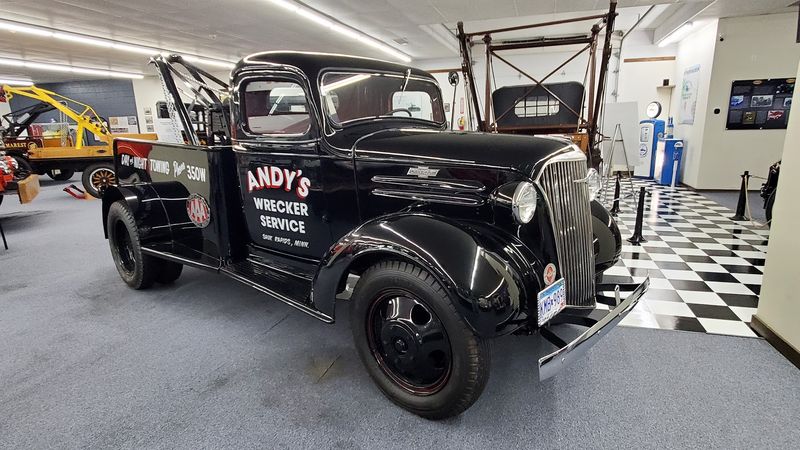
Chattanooga has no shortage of interesting attractions, but, at Broad Street at number 3315 is a museum that most people drive right past without realizing what they are missing. The International Towing and Recovery Museum celebrates the history of the towing industry, and before you scroll past that description, know that this place is genuinely fascinating in ways that are hard to anticipate.
The museum traces the origins of the tow truck all the way back to 1916, when a man named Ernest Holmes Sr. invented the first one right here in Chattanooga after spending hours trying to pull a car out of a creek with ropes and poles. That local invention story gives the whole museum a hometown pride that is impossible not to appreciate.
Inside, visitors will find an impressive collection of vintage wreckers and tow trucks spanning over a century of design evolution, alongside exhibits honoring towing operators who have lost their lives in the line of duty. The Hall of Fame recognizes industry leaders from around the world, giving the museum an international scope that its name promises and fully delivers.
It is quirky, heartfelt, and genuinely educational, a combination that makes for an unexpectedly memorable afternoon in Chattanooga.
11. Historic Rugby, Rugby
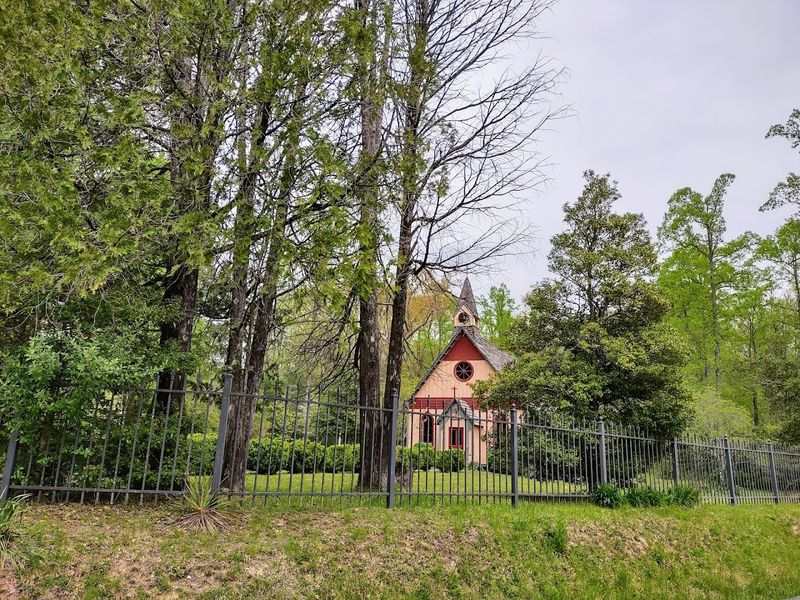
Somewhere in the rolling hills of the Cumberland Plateau, a Victorian English village has been quietly existing since 1880, and most people have absolutely no idea it is there. Rugby, located along Rugby Pkwy at address 1331, was founded by British author Thomas Hughes as an idealistic community where younger sons of English aristocracy could build new lives outside the rigid class system of Victorian England.
Hughes imagined a cooperative, cultured society in the American wilderness, and while the colony never quite reached the scale he envisioned, what remains today is a remarkably well-preserved collection of original Victorian buildings set within a lush forested landscape. The Hughes Public Library, dating to 1882, still holds its original collection of over 7,000 Victorian-era volumes, making it one of the most extraordinary small libraries in the country.
Guided tours of the historic buildings are available, and the Christ Church Episcopal building, constructed in 1887, remains an active place of worship with its original furnishings still in use. The surrounding terrain is ideal for hiking, with trails that wind through the Big South Fork region nearby.
Rugby is the rare kind of place that makes you feel like you have genuinely stepped out of the present, and that feeling is worth every mile of the drive.