
Most People Have Never Heard Of This Nevada Mountain Town With Only 33 Residents And No Paved Roads
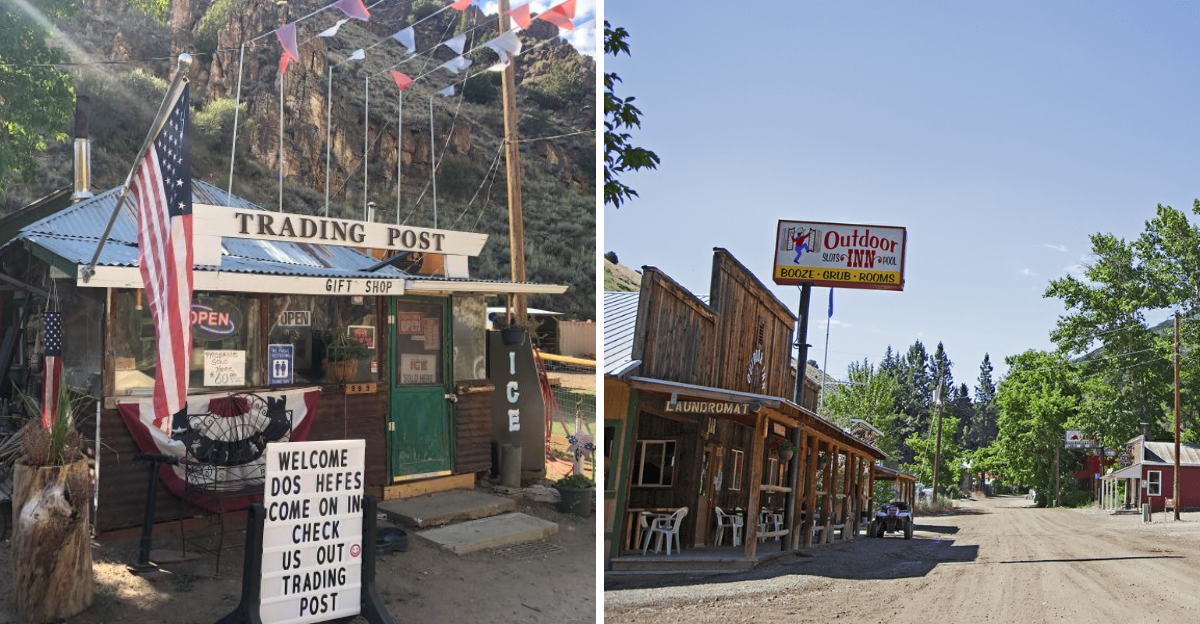
Pavement eventually gives up, and that is where the adventure gets interesting. Deep inside a rugged canyon, one tiny Nevada community still runs on gravel roads, strong neighbors, and a stubborn frontier spirit.
Only a few dozen people live here year round, surrounded by mountains that make quick errands feel like full expeditions. Spring mud can test every vehicle, while winter cold turns the roads hard and unforgiving.
Life follows the weather rather than the clock, and residents handle challenges that most modern towns left behind long ago. Visitors will not find stoplights, shopping centers, or polished sidewalks.
What they will find is a rare piece of the American West where isolation remains part of daily life, not a carefully staged attraction.
Jarbidge Claims To Be The Most Remote Town In The Lower 48
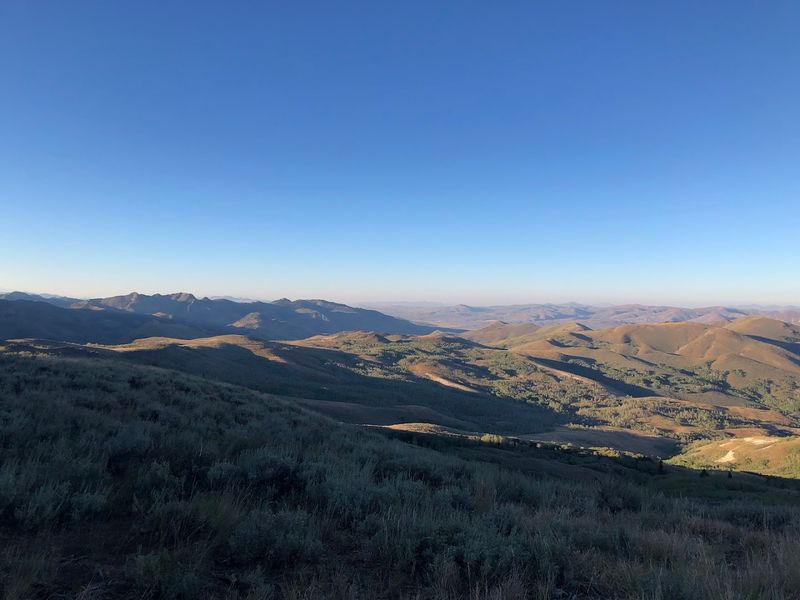
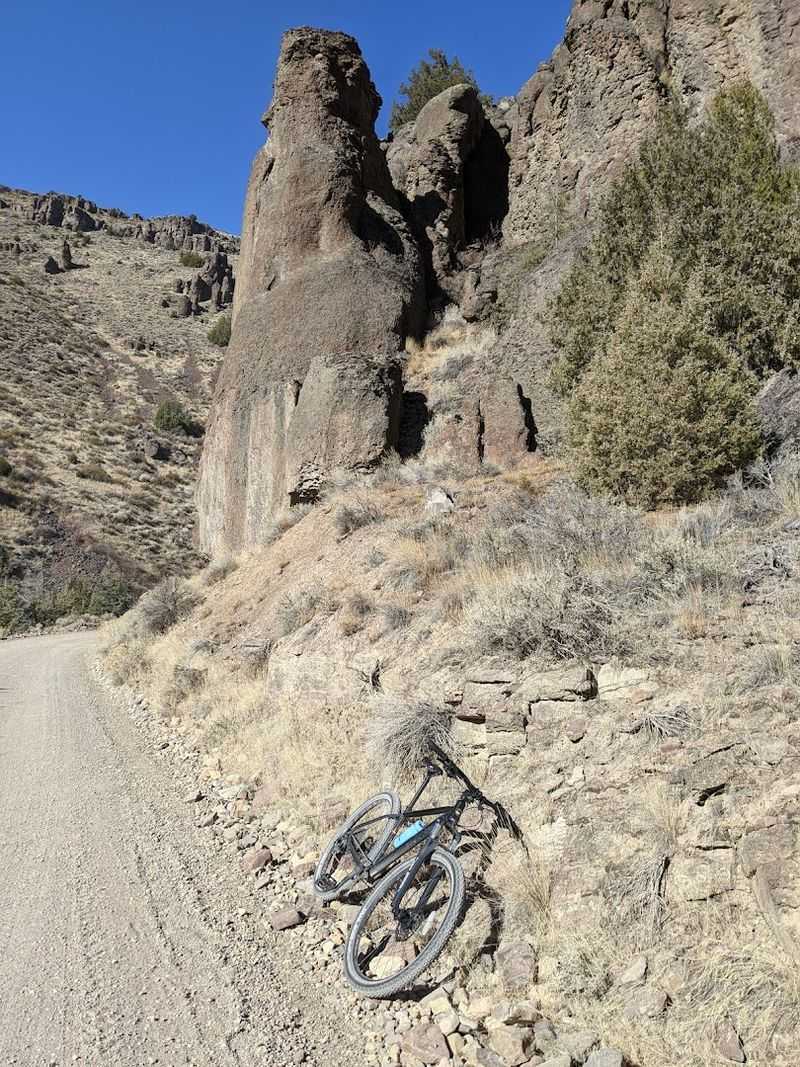
Reaching Jarbidge requires commitment. The final approach involves navigating more than fifty miles of gravel road that winds through some of the most unforgiving terrain in Nevada.
Cell phone service vanishes long before you arrive, and the nearest traffic light sits over a hundred miles away in Twin Falls, Idaho.
Geographic isolation defines everything about daily life here. Residents stock up on supplies during summer months because winter snows frequently cut off access for weeks at a time.
The town sits in Elko County at coordinates 41.8749232, -115.430608, tucked into a canyon so deep that sunlight arrives late and departs early during winter months.
This remoteness attracts a particular type of person. Those who call Jarbidge home value independence above convenience and prefer the company of mountains to the comforts of modern infrastructure.
Unpaved Streets Keep Its Frontier Character Alive
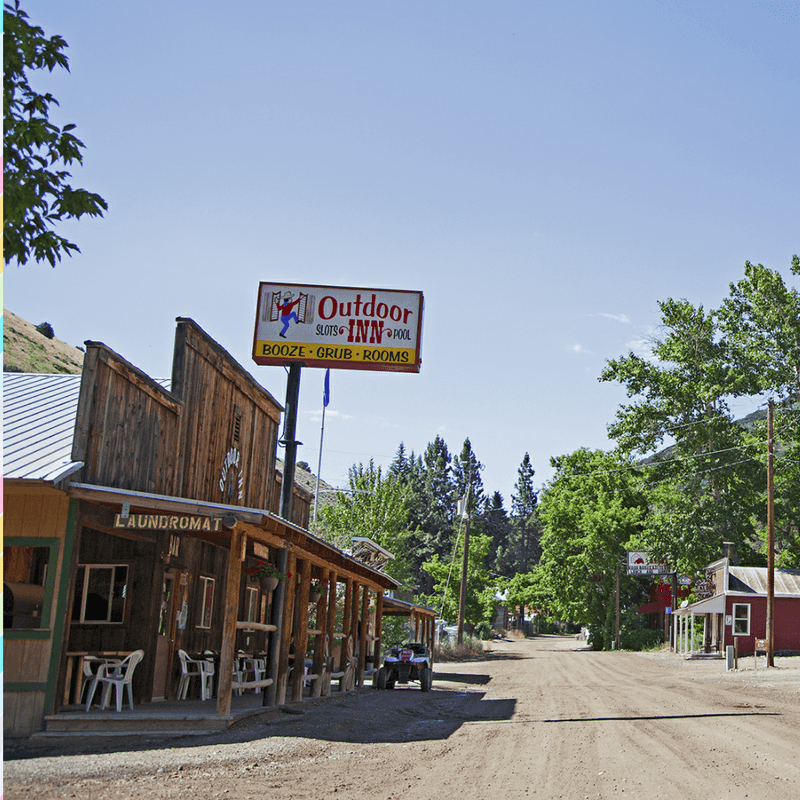
Walking down Main Street in Jarbidge feels like stepping onto a movie set, except the dust is real and the buildings actually lean from age rather than artistic direction. Every road remains unpaved, just as they were when miners first carved them from the mountainside over a century ago.
Rain turns these thoroughfares into muddy channels, and summer heat bakes them into washboard patterns that rattle every vehicle that passes.
The absence of asphalt serves a purpose beyond preserving history. Paving would require maintenance crews, drainage systems, and a tax base that simply does not exist in a community of thirty-three people.
The gravel roads cost nothing to maintain and repair themselves somewhat with each passing storm.
Locals prefer it this way. The rough roads discourage casual visitors and preserve the quiet that drew most residents here in the first place.
The Final Gold Rush In The Continental U.S. Began Here
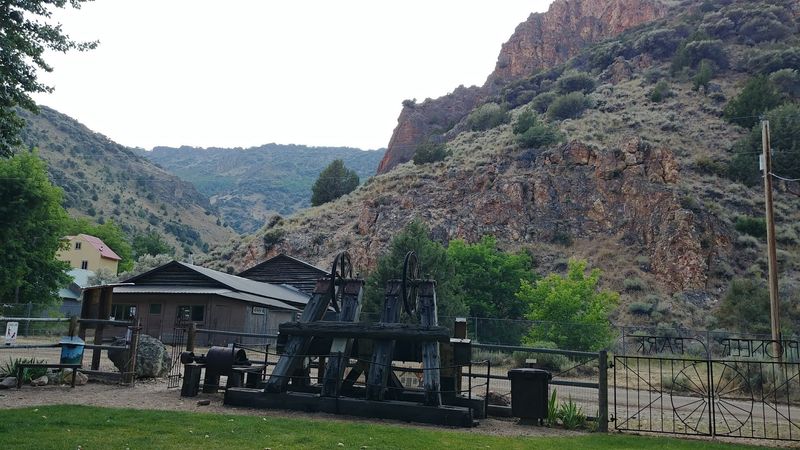
Gold fever arrived late to Jarbidge. In 1909, while most of the West had already exhausted its easily accessible deposits, prospector Dave Bourne discovered rich ore in the Jarbidge Mountains.
Word spread quickly, and within months, thousands of hopeful miners descended on this remote canyon, establishing what historians now recognize as the last major gold rush in the continental United States.
The timing seemed almost anachronistic. By 1909, automobiles were replacing horses, electric lights were illuminating cities, and the frontier era was supposedly finished.
Yet here in northern Nevada, men still arrived with pickaxes and dreams, willing to endure brutal winters and complete isolation for a chance at striking it rich.
Some actually succeeded. The mines around Jarbidge eventually produced millions of dollars worth of gold and silver before playing out decades later.
More Than 1,500 People Once Called Jarbidge Home
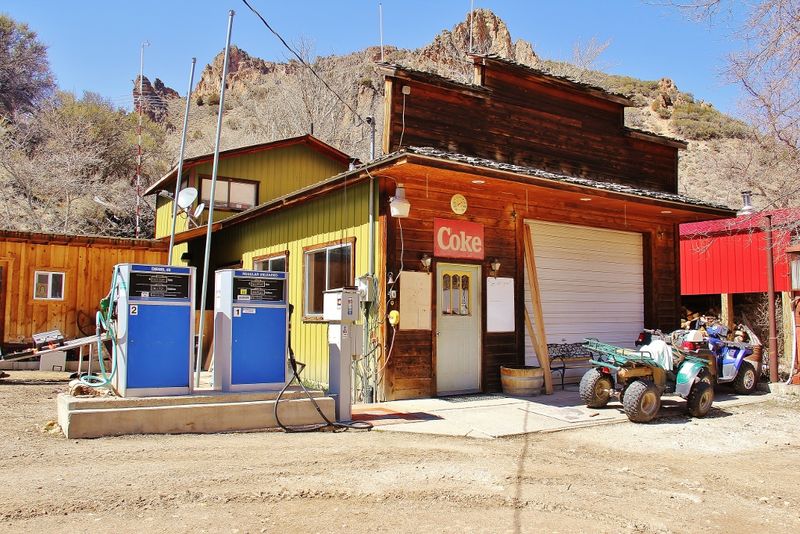
At its peak around 1911, Jarbidge bustled with life that seems impossible to imagine today. The population swelled past 1,500 residents, supporting multiple saloons, hotels, general stores, and even a red light district.
Wooden buildings climbed the canyon walls wherever flat ground could be found, and the sound of stamp mills crushing ore echoed day and night.
Photographs from this era show a genuine town rather than a ramshackle mining camp. Women in long dresses shopped at proper storefronts, children attended school, and businesses advertised their services with painted signs.
For a brief moment, Jarbidge functioned as a real community with all the institutions and social structures of much larger settlements.
The decline came gradually as the richest deposits played out. By the 1930s, most residents had departed, leaving behind the buildings and memories of boom times.
The Town Has Been Continuously Inhabited Since Its Mining Days
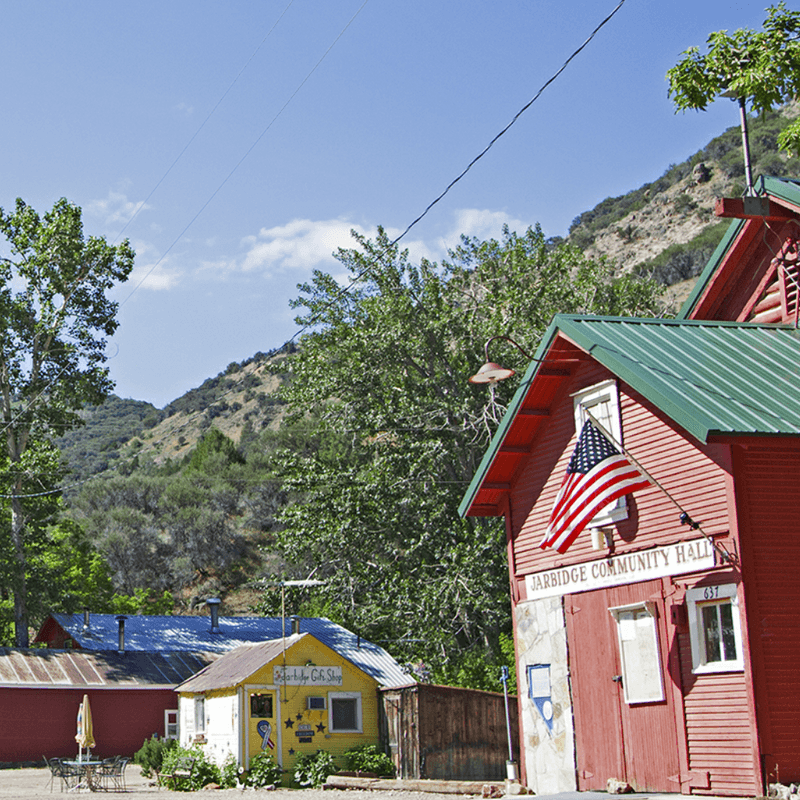
Unlike countless other Western mining camps that became complete ghost towns, Jarbidge never emptied entirely. Even after the major mines closed and the population dwindled from over a thousand to just a few dozen, someone always remained.
This continuous habitation distinguishes Jarbidge from the abandoned ruins that dot Nevada’s landscape.
The families who stayed did so for reasons that had nothing to do with gold. Some loved the mountains too much to leave, others had nowhere else to go, and a few simply preferred the solitude.
They kept the post office operating, maintained a few businesses, and preserved the buildings from complete collapse.
Today’s thirty-three residents carry on this tradition. They live here by choice, accepting the hardships in exchange for a lifestyle that values community, self-reliance, and connection to a landscape that has changed remarkably little since the first prospectors arrived.
America’s Last Horse Drawn Stage Robbery Happened Nearby
On December 5, 1916, the mail stage from Rogerson, Idaho to Jarbidge never arrived on schedule. When searchers finally located the vehicle the next day, they discovered driver Fred Searcy dead from a gunshot wound and the mail sacks rifled through.
Robbers had made off with approximately $4,000 in cash, making this the last recorded stagecoach robbery in American history.
The crime shocked residents because such holdups belonged to an earlier era. By 1916, most rural areas had switched to automobile transport, making horse-drawn stages an anachronism.
Only in places as remote as Jarbidge did the old ways persist long enough for one final act of frontier lawlessness.
The robbery captured national attention precisely because it seemed so out of time. Newspapers across the country reported on this throwback crime, turning Jarbidge into a symbol of the vanishing Old West.
A Bloody Palm Print Helped Secure A Historic Conviction
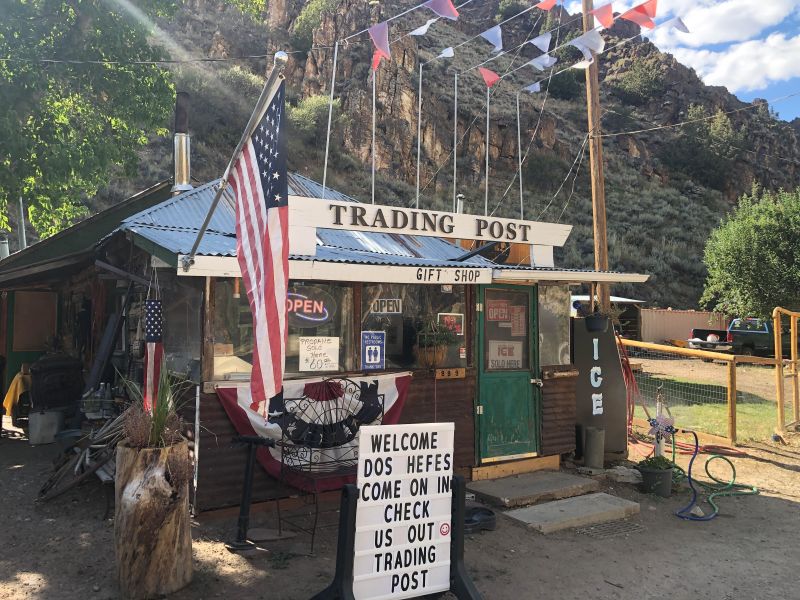
Investigators discovered a crucial piece of evidence on one of the rifled mail sacks: a clear bloody palm print left by the killer. This physical evidence led them to Ben Kuhl, a local man with a criminal history.
When authorities compared Kuhl’s palm print to the one found at the crime scene, they had their match.
The subsequent trial made legal history. Kuhl’s conviction represented one of the first times in American jurisprudence that a palm print alone secured a murder conviction.
The case established important precedents for forensic evidence that courts still reference today. Kuhl received a life sentence and died in prison decades later, never admitting his guilt despite the physical evidence against him.
The murder weapon was never recovered, and some residents still speculate about whether Kuhl acted alone or had accomplices who escaped justice.
The Original Jail Still Stands Along The Main Street
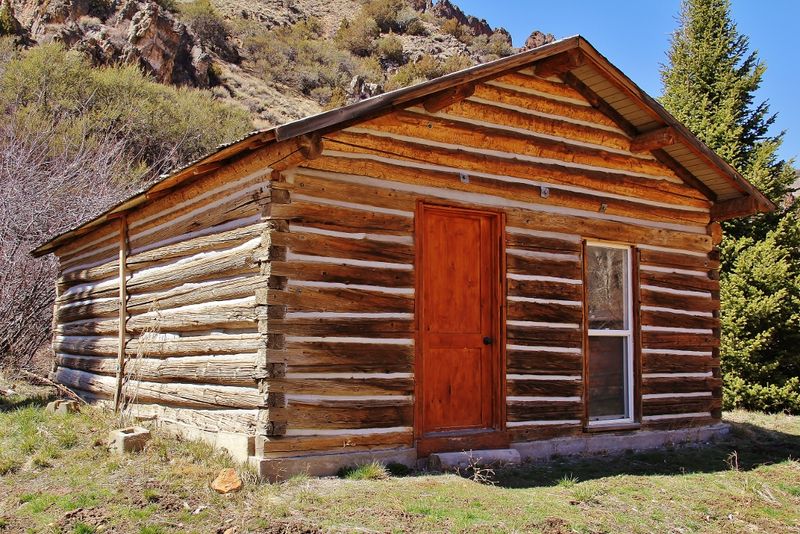
A modest wooden structure on Main Street once served as the town’s jail during the boom years. The building remains standing today, its barred windows and heavy door still intact despite more than a century of mountain weather.
Visitors can peer inside and see the cramped cells where lawbreakers awaited transport to the county seat in Elko.
The jail saw regular use during Jarbidge’s wild early years. Drunken miners, claim jumpers, and petty thieves all spent time behind these bars.
The building’s small size reflects the informal nature of frontier justice, where serious criminals were quickly sent elsewhere and minor offenders were released after sobering up or paying a fine.
Today the structure serves as a museum piece, a tangible reminder of when Jarbidge required its own law enforcement facilities. The jail stands as one of the best-preserved buildings from the town’s founding era.
A Shoshone Legend Gave Jarbidge Its Unusual Name
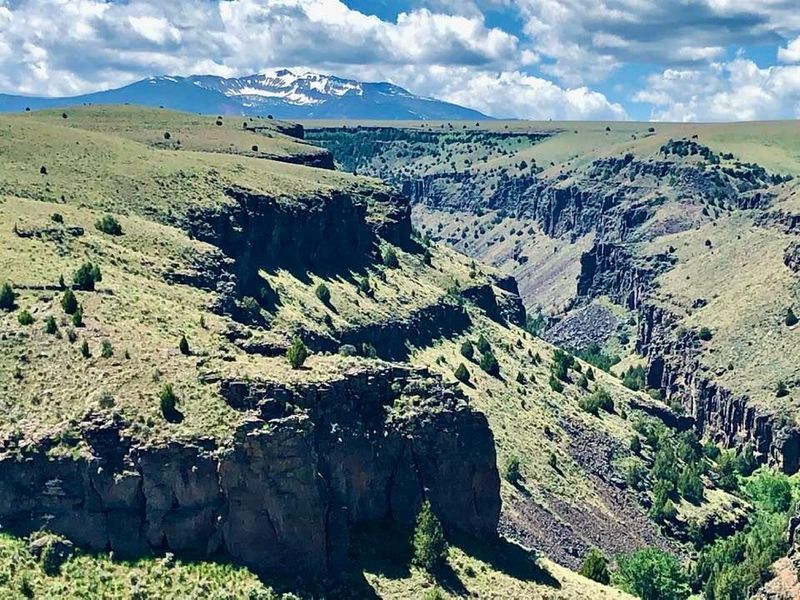
The name Jarbidge derives from a Shoshone word referring to a legendary creature said to inhabit these mountains. According to tribal stories passed down through generations, this being lurked in the deep canyons, preying on unwary travelers.
Different versions of the tale describe the creature in various ways, but all agree on its dangerous nature and connection to this particular landscape.
When white settlers and miners arrived, they adopted a corrupted pronunciation of the Shoshone term, eventually settling on Jarbidge. The name stuck despite its unusual sound and spelling, giving the town a distinctive identity that sets it apart from the many Nevada settlements named after minerals or geographic features.
Local residents embrace the mysterious origins of their town’s name. Some even claim to sense the presence the Shoshone described, especially during winter nights when wind howls through the canyon and shadows move strangely across the snow.
Towering Peaks And Deep Canyons Replace Nevada’s Familiar Desert Scenery
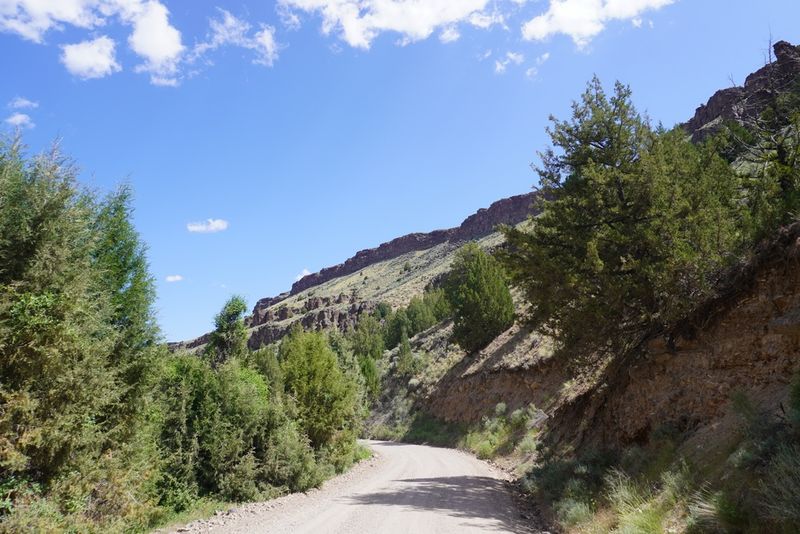
Visitors expecting Nevada’s typical sagebrush and sand encounter a completely different landscape in Jarbidge. The Jarbidge Mountains rise to over 10,000 feet, creating an alpine environment more reminiscent of Colorado or Montana than the Silver State.
Dense stands of pine and aspen cover the slopes, and wildflowers carpet the meadows each summer.
The Jarbidge River carved the canyon over millennia, creating walls so steep that sunlight reaches the town for only a few hours during winter. Snow accumulates to remarkable depths here, sometimes burying buildings to their rooflines and making the community completely inaccessible for weeks.
Spring runoff transforms the normally placid river into a roaring torrent that reshapes the landscape annually.
This dramatic scenery attracts outdoor enthusiasts who value solitude. The surrounding wilderness offers exceptional hiking, fishing, and hunting opportunities without the crowds found in more accessible mountain ranges.