
Most Summer Visitors Completely Overlook This Ouachita Mountains Town In Arkansas
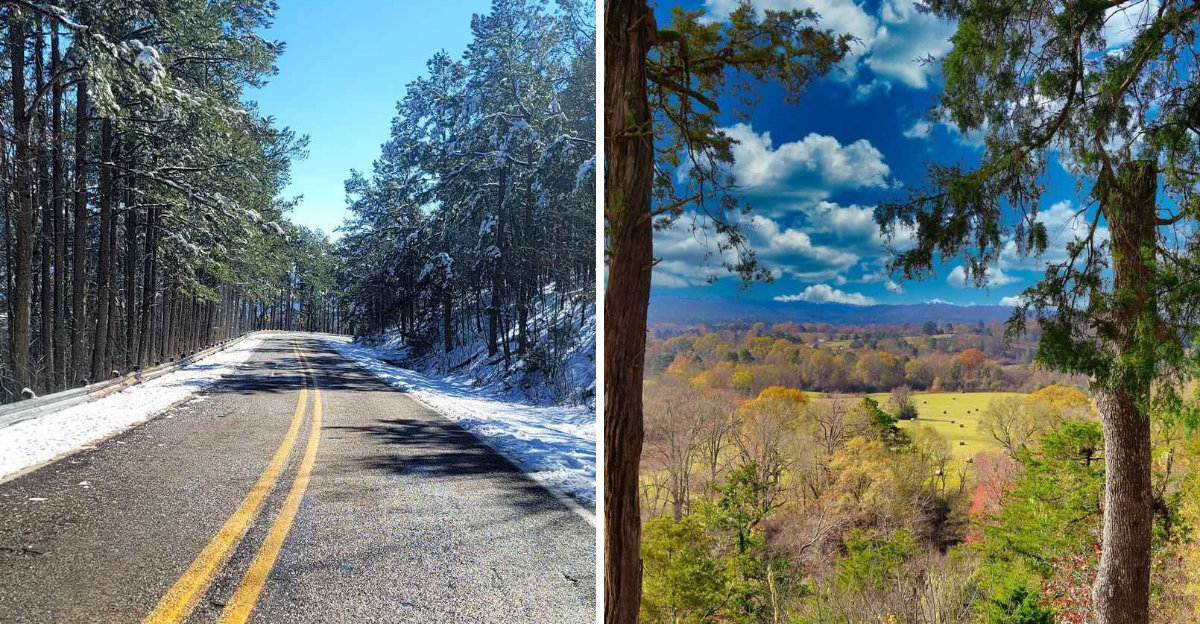
Summer travelers speed straight past one of Arkansas’s wildest mountain secrets.
Rugged peaks here run sideways, cutting east to west instead of north to south like nearly everywhere else in the country.
Fog rolls through valleys below a mountaintop lodge that seems to float above the clouds, and overlooks stretch for miles on a clear day.
Crystal hunters dig their own sparkling finds straight from the ground and keep everything they uncover.
A scenic byway curls along the ridgeline, blazing gold and red each autumn, while trails wind for miles through forest most visitors skip entirely.
Rivers carve through canyons shaped over millions of years, and Arkansas keeps most of this quietly out of the spotlight. A slower weekend here reveals far more than any quick drive could show.
A Railroad Town With A Fascinating Origin Story
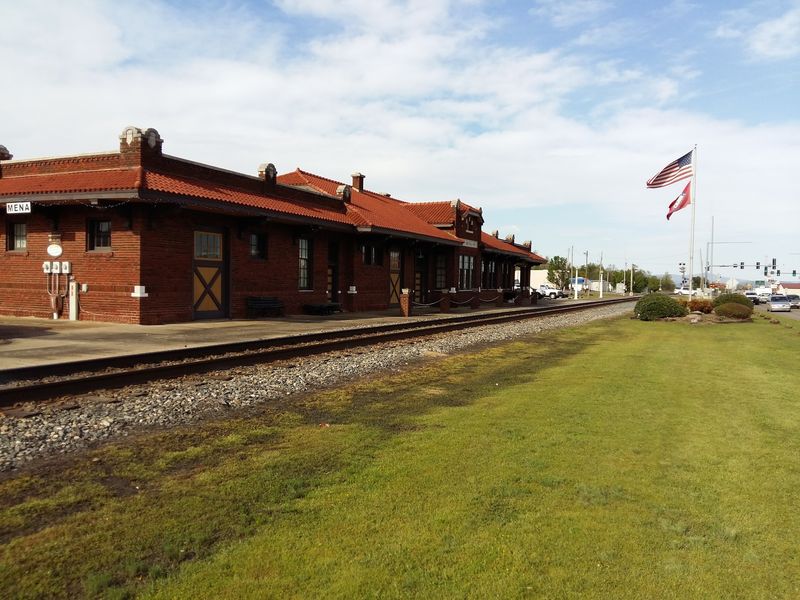
Mena did not grow slowly from a frontier settlement. It was deliberately built, almost overnight, because a railroad needed it to exist.
Arthur Edward Stilwell founded the town in 1896 during construction of the Kansas City, Pittsburg and Gulf Railroad. The line stretched from Kansas City, Missouri, all the way down to Port Arthur, Texas.
Stilwell named the new settlement after Folmina Margaretha Janssen-De Goeijen, the wife of his Dutch financier. Her nickname was simply “Mena,” and that stuck as the official name.
The first train rolled in on August 19, 1896. The town incorporated the very next month.
By 1900, the population had already climbed to over 3,400 residents. Mena marketed itself as a health destination with clean mountain air.
The county seat moved here in 1898, cementing its role as a regional hub. The restored 1920 Kansas City Southern Depot now serves as a local history museum, located in downtown Mena, Arkansas 71953, and it is well worth a visit.
Ancient Mountains Running The Wrong Way
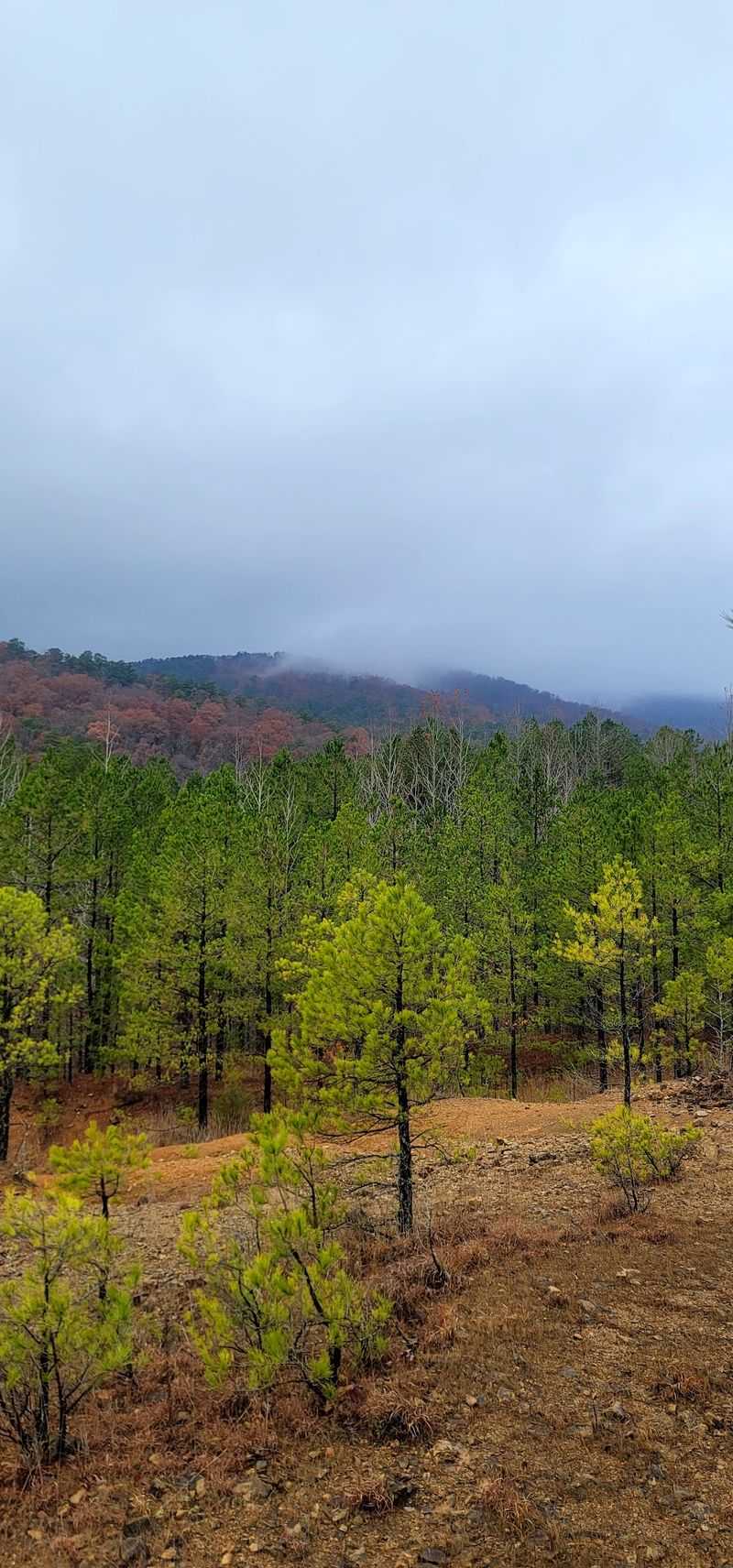
Most mountain ranges in North America run north to south. The Ouachita Mountains break that rule entirely, running east to west instead.
That unusual orientation creates dramatically different environments on each slope. North-facing sides stay cool and moist, supporting lush ferns and hardwood trees.
South-facing slopes get more sun and host drier, more open plant communities. This variety packs an impressive range of ecosystems into a relatively compact area.
Wildlife thrives across both exposures.
The Ouachita National Forest wraps around Mena like a protective blanket, covering roughly 1.8 million acres. It is the largest national forest in the entire South.
Ancient geology shaped these ridges over hundreds of millions of years, and erosion has worn them into smooth, rounded forms quite different from younger, jagged ranges. Clear streams cut through valleys.
Waterfalls appear after heavy rain. The whole landscape invites slow, deliberate exploration rather than a rushed drive-through.
Arkansas does not advertise this geological quirk loudly enough, but it genuinely sets this region apart from anywhere else.
Queen Wilhelmina State Park Sits Above The Clouds
Rich Mountain has a crown, and it is called Queen Wilhelmina State Park. Perched near the summit of Arkansas’s second-highest peak at around 2,681 feet, this park earns its royal nickname.
People call it the “Castle in the Clouds” for good reason. On misty mornings, the lodge appears to float above a sea of white fog rolling through the valleys far below.
The views from the overlooks stretch for what feels like forever on a clear day. Hikers explore well-maintained trails that wind along the ridgeline.
The park offers a mix of easy walks and more demanding routes.
A lodge and restaurant sit at the top, making this more than just a day trip destination. Guests can stay overnight and wake up to those sweeping mountain vistas right outside their window.
The park has seen several versions of its lodge since the late 1800s, each one rebuilt after various setbacks. The current structure offers genuine comfort paired with jaw-dropping scenery.
For anyone visiting the Ouachita Mountains, this stop is absolutely non-negotiable.
The Talimena Scenic Byway Is A Road Worth Every Curve
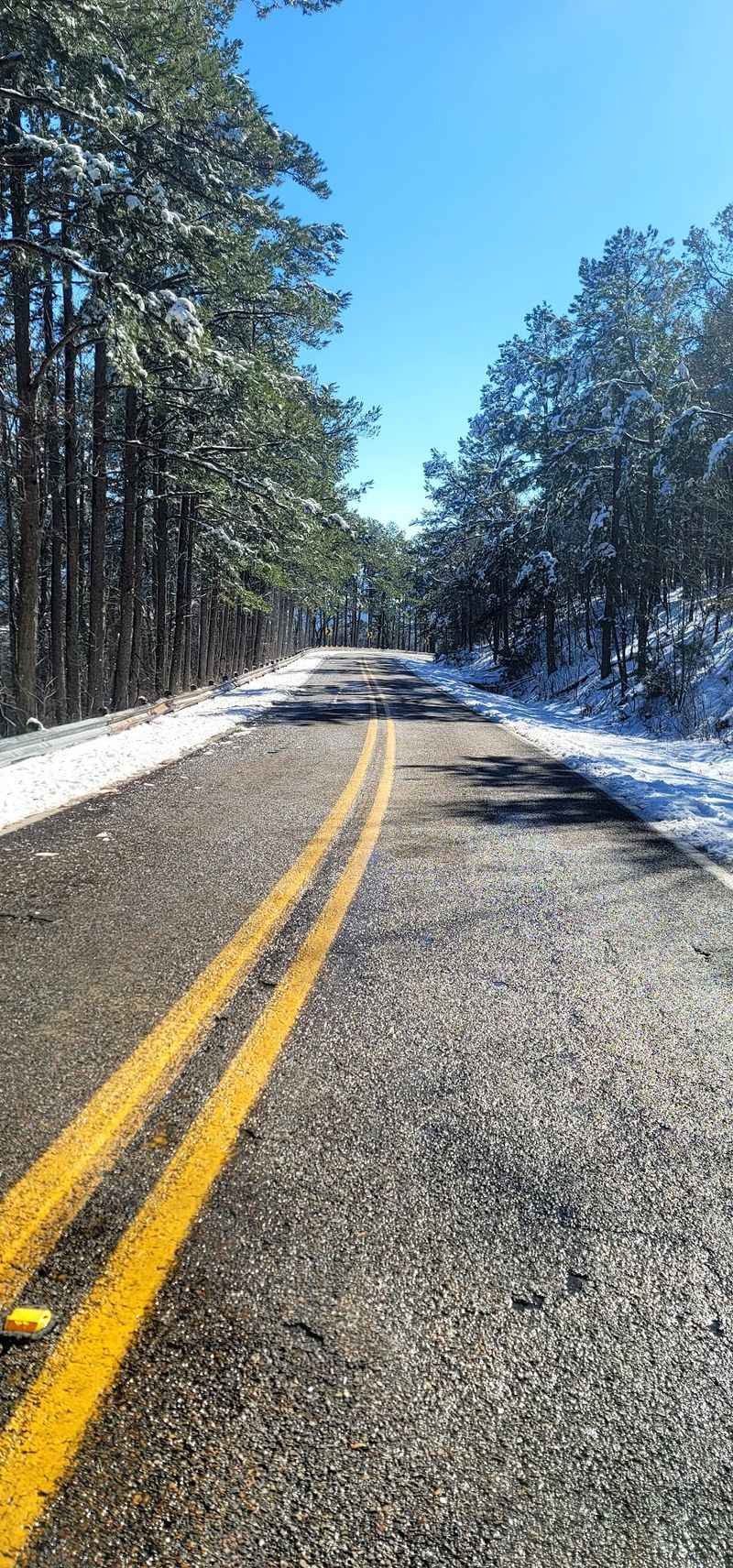
Roads rarely deserve their own fan clubs, but the Talimena National Scenic Byway might be the exception. This 54-mile route runs along the crest of Rich Mountain and Winding Stair Mountain, connecting Mena, Arkansas, with Talihina, Oklahoma.
The entire drive cuts through the heart of the Ouachita National Forest. Wildlife sightings happen regularly along this corridor.
Deer, wild turkey, and various raptors are common companions on the route. Sweeping panoramas open up at designated overlooks where travelers can pull over and simply stare.
Autumn transforms this byway into something almost theatrical. Hardwood trees erupt in reds, oranges, and golds that rival any fall foliage destination in the country.
The route became a nationally designated scenic byway in 2005, recognizing what locals already knew for decades. Spring brings wildflowers and fresh green growth.
Summer offers cool canopy shade. Even winter has its charm, with bare trees revealing ridge views that leaves normally hide.
Cyclists and motorcyclists love this road just as much as car travelers do.
Wolf Pen Gap Keeps ATV Riders Coming Back
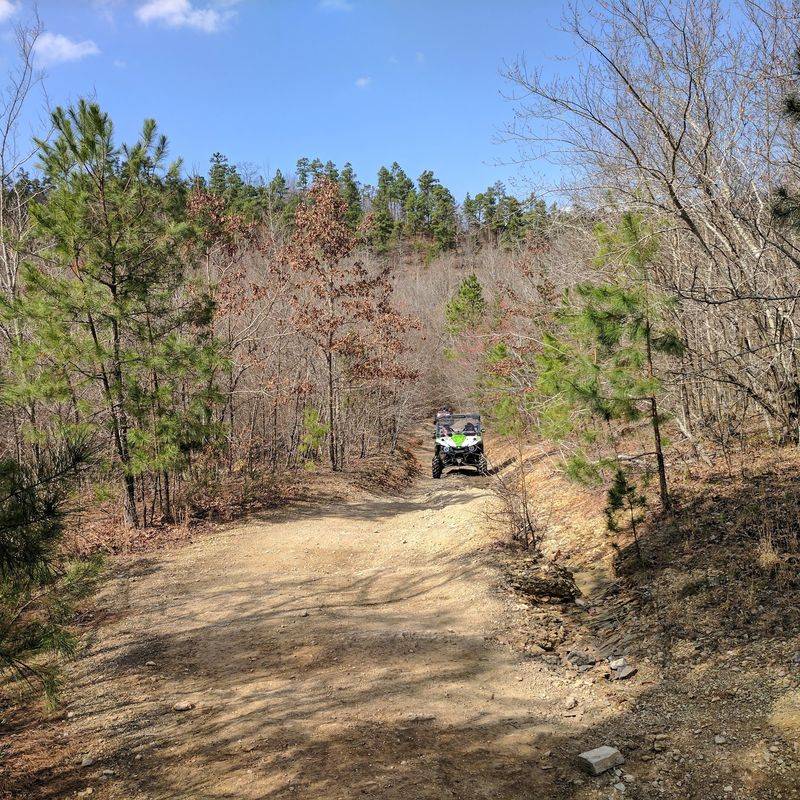
Word travels fast among off-road enthusiasts, and word about Wolf Pen Gap has traveled very far indeed. This trail network near Mena draws riders from across the country, and the reputation is completely earned.
The system offers over 40 miles of interconnected ATV and UTV trails. Routes range from wide, easy paths suitable for beginners to technical, steep terrain that challenges experienced riders.
Forested hillsides, open ridges, and creek crossings keep the experience varied and exciting. Groups can spend an entire weekend here without repeating the same trail twice.
The surrounding Ouachita National Forest adds context to every ride. Trees close in overhead on some sections, creating a tunnel effect that feels almost magical.
Other sections open onto ridge views that make riders stop just to take it all in. Beyond motorized trails, the forest’s full trail network stretches across roughly 700 miles, shared among hikers, mountain bikers, horseback riders, and off-road vehicles.
The Ouachita National Recreational Trail alone spans nearly 200 miles, one of the longest continuous hiking trails in the South. Arkansas outdoor recreation rarely gets better than this concentrated pocket of adventure.
Digging For Crystals Is More Fun Than It Sounds
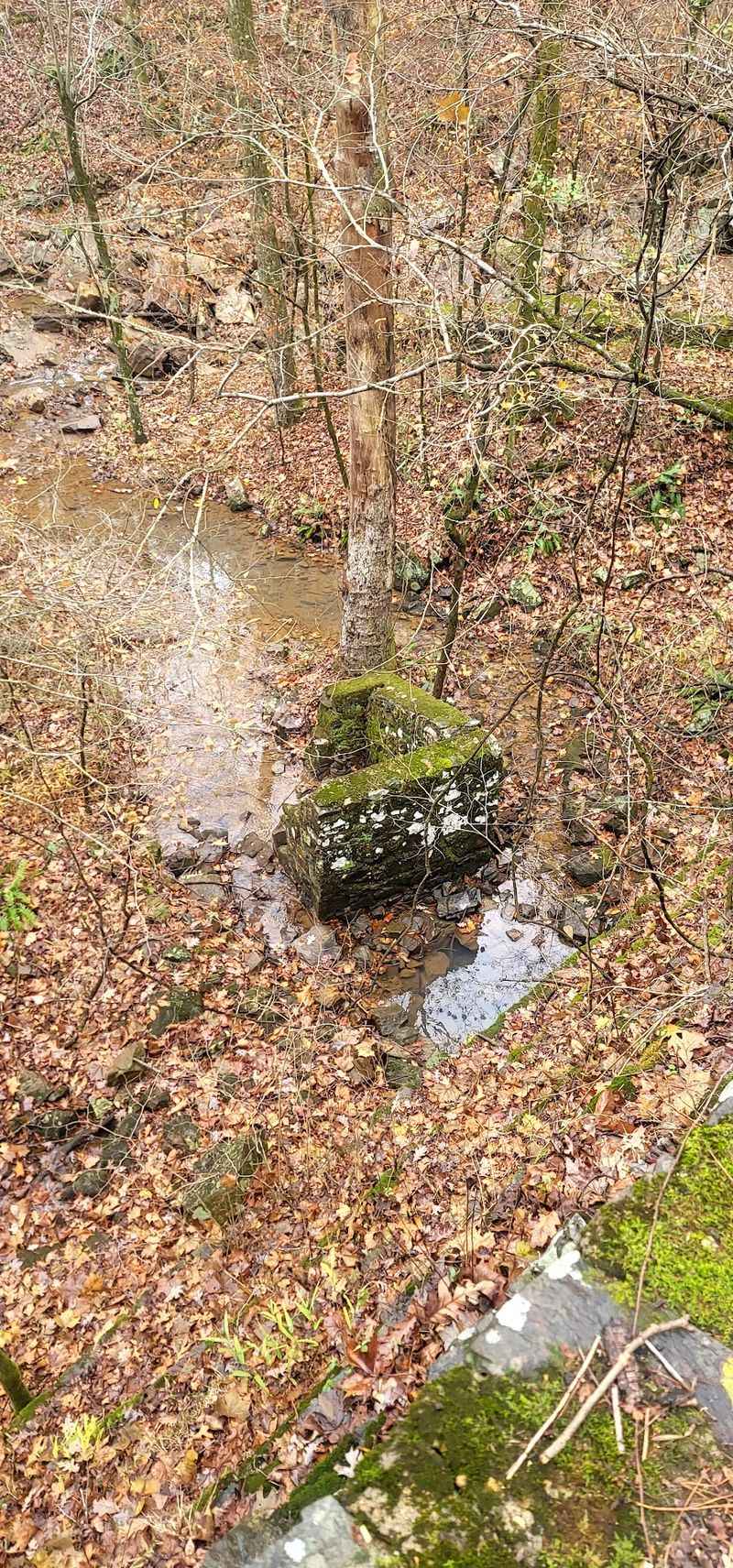
Crystal hunting sounds like something out of a fantasy novel, but Board Camp Crystal Mine makes it completely real. Visitors grab a shovel, pick a spot, and start digging for natural quartz crystals hidden in the Arkansas earth.
The best part is that guests keep whatever they find. That simple rule transforms a casual outing into something surprisingly thrilling.
Kids go absolutely wild for it. Adults who expected to feel silly end up crouching in the dirt for hours, completely absorbed in the search.
The satisfaction of pulling a sparkling crystal cluster out of the ground is hard to describe but easy to remember.
Quartz crystals from this region of Arkansas are highly regarded among collectors and mineral enthusiasts worldwide. The Ouachita Mountains sit atop some of the richest quartz deposits on the continent.
Board Camp offers a hands-on connection to that geological wealth. No special skills or equipment are needed beyond a willingness to get a little dirty.
This experience works beautifully as a solo adventure or a full family outing.
Five Rivers Flow Through This Corner Of Arkansas
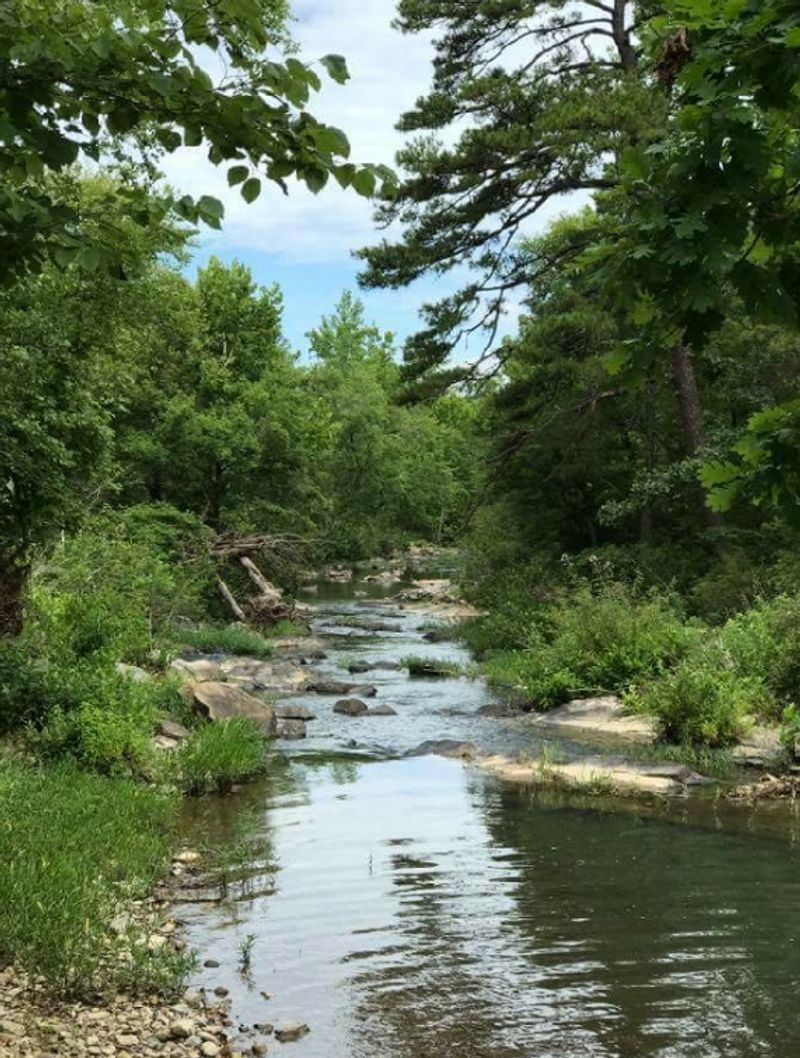
Mena sits at a remarkable confluence of waterways. Five rivers thread through the surrounding region, each offering its own personality and pace.
The Ouachita River flows with a calm, wide generosity that suits paddlers looking for peaceful float trips. The Cossatot River is a completely different story.
Known for its challenging whitewater rapids, it attracts kayakers who want a serious workout. Cossatot River State Park-Natural Area protects a 12-mile stretch of this wild river, preserving its raw, undeveloped character.
The Mountain Fork River and the Little Missouri add further variety to the aquatic menu.
Fishing is deeply embedded in local culture here. Anglers target bass, catfish, and bream across these waterways.
Lake Wilhelmina near the top of Rich Mountain provides a quieter alternative, perfect for calm kayaking or a relaxed afternoon with a fishing line. Swimming holes appear along several of these rivers during summer months.
Water is never far away in this part of Arkansas, and that abundance genuinely shapes the character of daily life here.
Downtown Mena Holds More History Than Expected
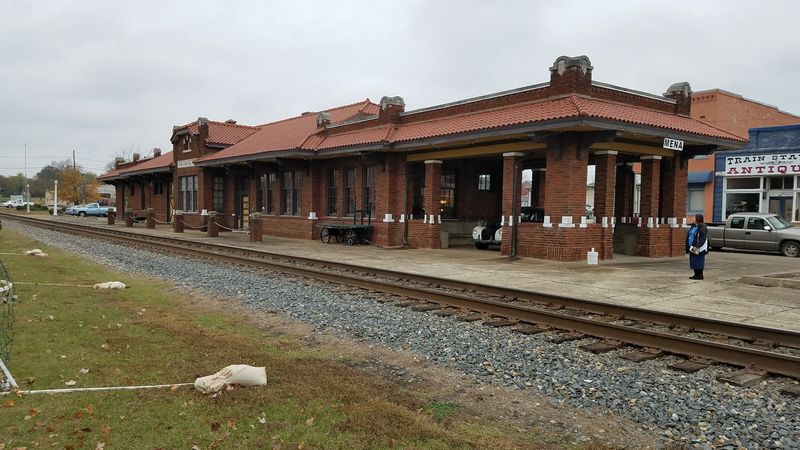
Small-town downtowns can sometimes feel hollow, but Mena’s historic core has real substance. Early 1900s brick architecture lines the streets in a way that feels preserved rather than staged.
The restored Kansas City Southern Depot anchors the area with genuine historical weight. Railroad memorabilia fills the interior.
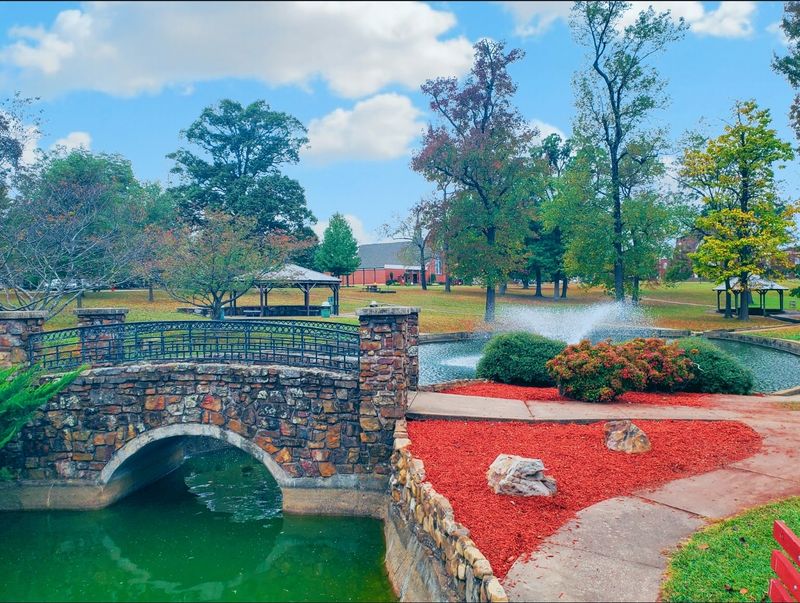
The building itself tells the story of how this town came to exist in the first place. Janssen Park, named after the family of the woman the town was named for, provides a central green space where locals gather throughout the year.
Local shops and small businesses give the downtown its daily rhythm. The Mena Art Gallery features rotating exhibits from regional artists, offering visitors a window into the creative community that thrives here.
The Ouachita Little Theater stages productions that draw audiences from across Polk County. These cultural touchpoints matter because they prove that Mena is not just a pass-through town.
It is a living community with layers of story worth uncovering, and the downtown is the best place to start peeling them back.
Wildlife Watching Rewards The Patient Visitor
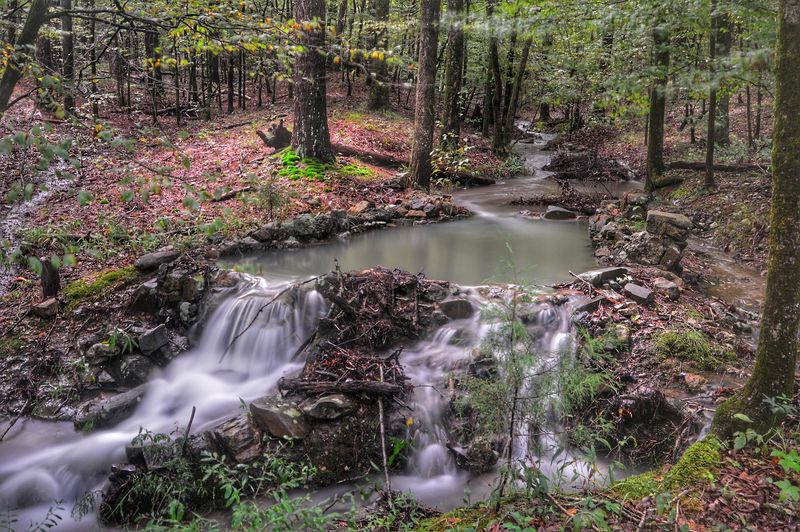
The Ouachita National Forest surrounding Mena is not just a backdrop. It is a functioning, teeming ecosystem that rewards anyone willing to slow down and pay attention.
White-tailed deer are practically a given on any drive through the forest roads. Wild turkey strut through open clearings in the early morning.
Black bears roam the deeper wilderness areas, though sightings require patience and a bit of luck. Bird watchers find this region particularly rewarding during spring migration, when warblers, tanagers, and thrushes move through in impressive numbers.
The varied terrain created by those unusual east-to-west ridges supports an unusually rich mix of species.
Reptile enthusiasts can find several interesting snake and lizard species in the rocky, sunny slopes. Amphibians thrive near the many streams and wetland areas.
The forest also supports populations of rare and sensitive plant species that botanists travel specifically to study. Wildlife photography is a growing draw for visitors who want something more contemplative than trail running or ATV riding.
The forest gives back generously to those who approach it quietly.
Fall Color Season Turns The Mountains Into A Spectacle
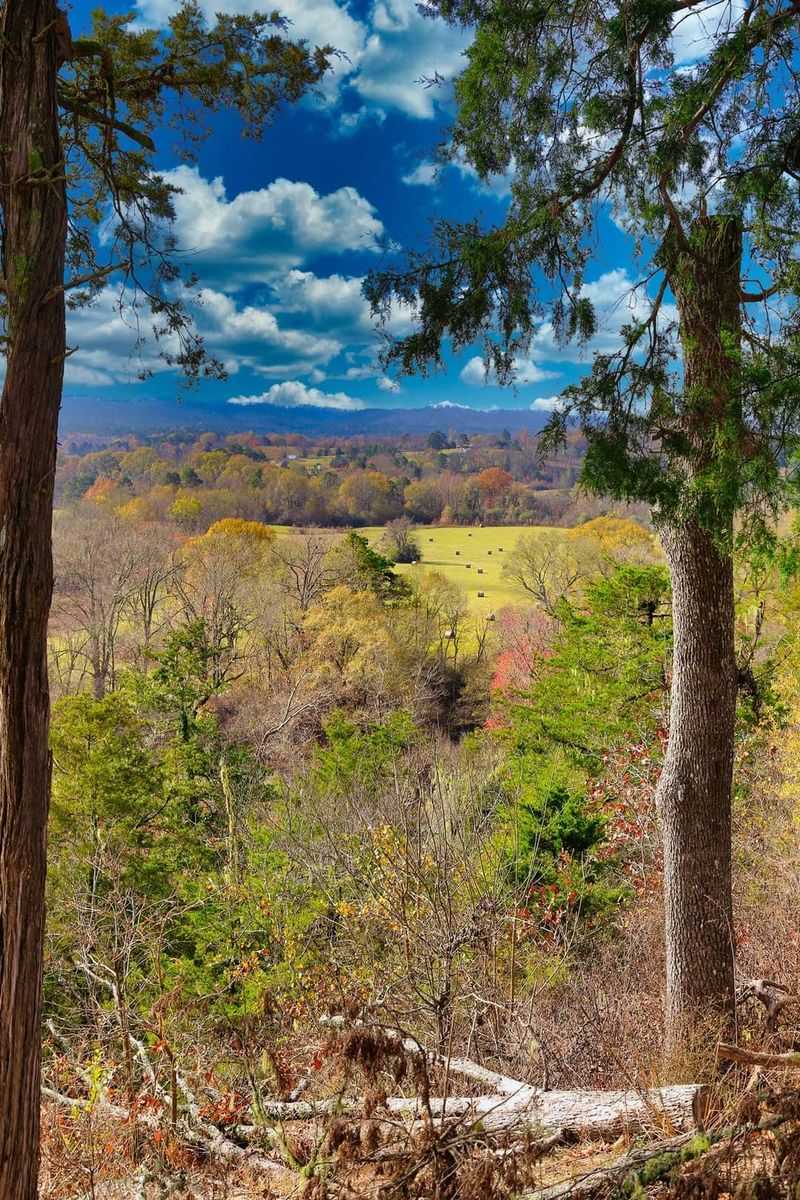
Autumn in the Ouachita Mountains is not subtle. The hills around Mena transform into something that stops traffic and fills memory cards faster than any other season.
Hardwood trees dominate much of the forest canopy, and when temperatures drop in October and November, those trees put on a show. Maples go red.
Sweetgums turn purple and orange. Hickories blaze yellow.
The Talimena Scenic Byway becomes one of the most celebrated fall foliage drives in the entire mid-South during this period. Overlooks along the route fill with photographers and sightseers who simply cannot believe the intensity of the color.
The season also brings cooler temperatures that make hiking far more comfortable than summer heat allows. Trail traffic increases noticeably, but the forest is large enough to absorb visitors without feeling crowded.
Campgrounds fill quickly during peak color weekends, so planning ahead is wise. Local events and festivals often coincide with the season.
Arkansas fall foliage rarely gets the national attention it deserves, but those who know, know.
Local Food Reflects True Southern Mountain Character
Eating in Mena is not about chasing trends. The food scene here reflects the honest, unpretentious character of a Southern mountain community that knows what it likes.
Barbecue holds a place of particular reverence. Slow-smoked meats and classic sides appear on menus across town.
Classic American diners serve hearty breakfasts that fuel a full day of hiking or trail riding. Mexican, Italian, Chinese, and Japanese options also exist, giving the town a more diverse culinary landscape than its size might suggest.
Food trucks and casual drive-ins round out the options with quick, satisfying bites.
What stands out most is the atmosphere rather than any single dish. Local eateries double as community gathering spots.
Conversations flow easily between tables. Staff tend to know their regulars by name.
Visitors often comment that meals here feel warmer than the food itself. That kind of hospitality is not manufactured for tourism.
It is simply the way people interact in a close-knit mountain community. Eating locally in Mena is as much a cultural experience as a culinary one.
Mena Rewards Visitors In Every Season Of The Year
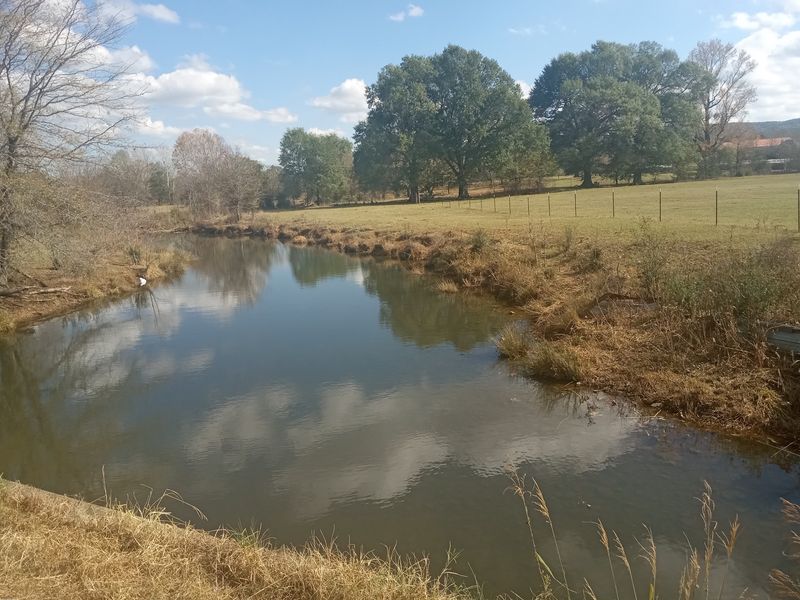
Some destinations peak in one season and disappoint in the rest. Mena operates on a different model entirely, offering compelling reasons to visit no matter when the calendar lands.
Spring brings wildflowers to the forest floor and rushing water to the rivers after winter snowmelt. Summer fills the trails with hikers and the waterways with paddlers.
The Wolf Pen Gap trail system buzzes with ATV activity from spring through fall. Autumn delivers that spectacular foliage display along the Talimena Byway.
Winter quiets everything down and reveals a different kind of beauty, with bare ridgelines and frosty mornings that feel genuinely peaceful.
Mena, Arkansas, also benefits from its geographic position. It is close enough to larger cities to serve as a weekend escape, yet far enough off the main tourist routes to feel uncrowded and authentic.
The Ouachita National Forest never closes. The mountains are always there.
The rivers keep flowing. This is a place that does not ask visitors to arrive at a specific moment to catch it at its best.
It is simply always ready.