
Most Tourists Drive Past This Charming Virginia Mountain Town Without Realizing What They Are Missing
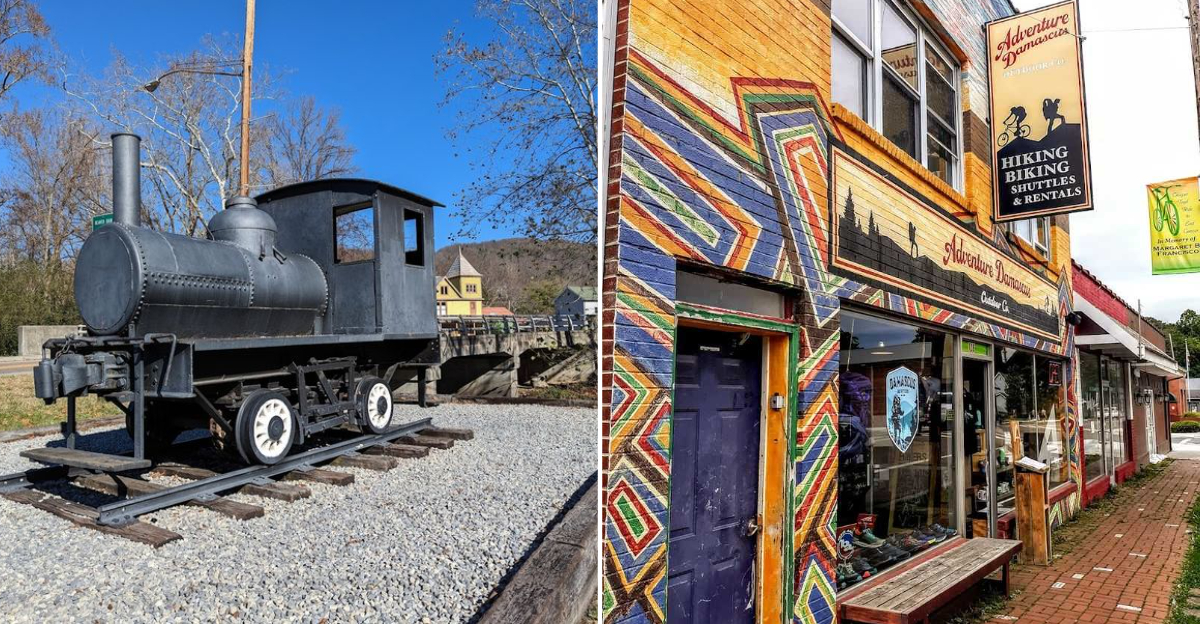
The highway cuts right past it and most people never think to slow down. That oversight belongs entirely to the people making it.
This Virginia mountain town sits close enough to major travel routes to be convenient. It stays far enough from obvious destinations to remain genuinely quiet.
Independent shops, local restaurants, and streets that move at a pace nobody seems eager to rush fill the town center without overwhelming it.
The mountain backdrop changes with every season and manages to look remarkable through all of them.
Tourists chasing better known destinations drive past without a second glance. That keeps the parking manageable and the atmosphere intact for those who do stop.
Virginia rewards travelers who take the exit less chosen, and this town sits near the top of that list.
One afternoon here tends to turn into a conversation about coming back for longer, and most people follow through on it.
Natural Beauty Surrounding The Mountain Community
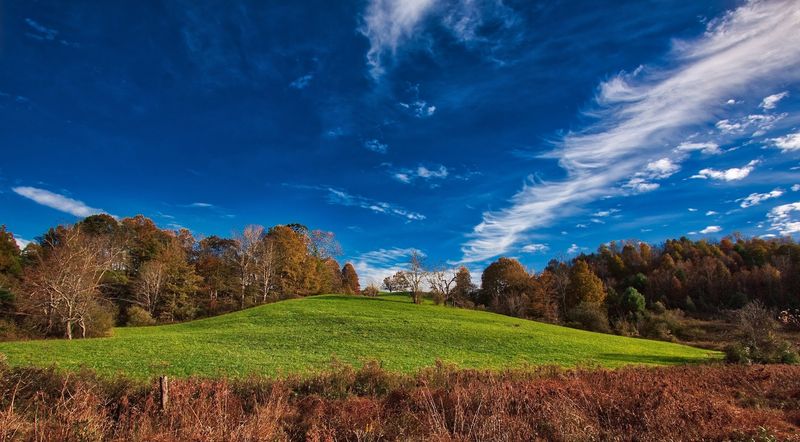
This town sits at roughly 1,900 feet in elevation, and the views do not let you forget that for a single minute. The Blue Ridge Mountains wrap around this small community like a natural amphitheater.
Every direction you look, there are ridgelines stacked behind ridgelines.
Laurel Creek flows right through town. It is cold, clear, and full of native brook trout.
Kids wade in it during the summer. Hikers cross it daily on the Appalachian Trail.
Mount Rogers, Virginia’s tallest peak at 5,729 feet, sits about 15 miles away. You can see its rounded summit on clear days from several spots in town.
That kind of backdrop is not something most small towns can claim.
Grayson Highlands State Park adds another layer of wild beauty nearby. Rocky outcroppings, open balds, and wind-swept meadows define that landscape.
Wild ponies roam freely up there, and watching them graze against a mountain skyline is genuinely unforgettable.
The seasons change dramatically here. Spring brings wildflowers along every trail.
Summer stays cooler than the Virginia lowlands. Fall turns the whole valley into a patchwork of orange, red, and gold.
Winter brings occasional snow that makes the town look like a postcard nobody mailed.
You can find Damascus right in Washington County, nestled where natural beauty is not a selling point. It is simply the daily reality.
Local Artisans And Craft Traditions In The Area
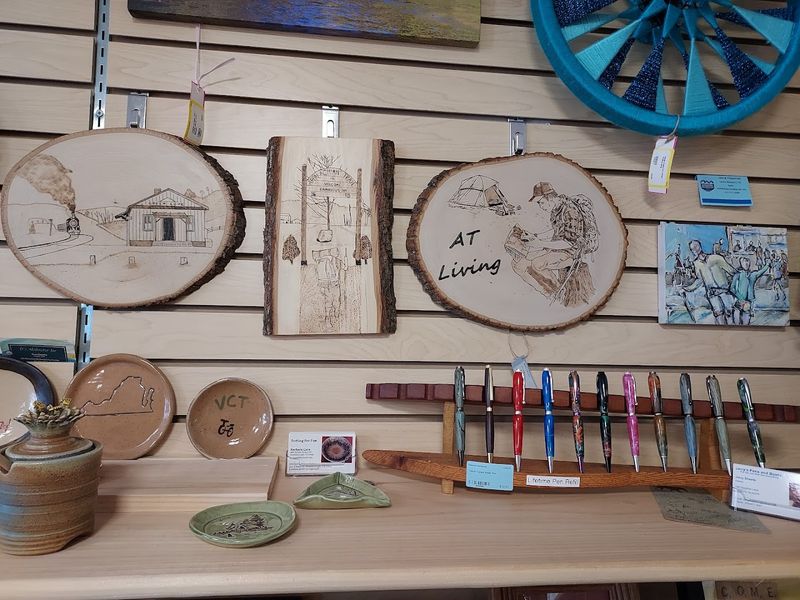
Mountain craft traditions in Damascus run deep, and they are not just for tourists to photograph. Local artisans here actually make things by hand, the old way, using skills passed down through generations in Southwest Virginia.
Woodworking is big in this community. Craftspeople use local hardwoods like walnut, cherry, and oak.
The pieces they produce range from small kitchen items to furniture that lasts a lifetime.
Fiber arts also have strong roots here. Weaving, quilting, and hand-dyeing textiles connect to Appalachian traditions that go back centuries.
Some makers use natural plant dyes sourced from the surrounding forests and fields.
Pottery studios in the area reflect the earthy palette of the mountains. Stoneware glazed in muted greens, browns, and blues lines the shelves of local shops.
Each piece carries a little bit of the landscape it was made in.
The Damascus area also has active leatherworkers and blacksmiths. These are not hobbyists.
These are skilled tradespeople producing functional, beautiful objects. Trail gear, belt buckles, and hand-forged tools are common outputs.
Shopping local here means taking home something with a real story. No factory made what you find in these studios.
The person who shaped it probably lives within five miles of where you bought it. That connection between maker and place is what separates Damascus craft culture from a generic gift shop experience.
Seasonal Festivals Celebrating Mountain Culture
Trail Days is the big one. Every May, Damascus fills with thousands of hikers, trail enthusiasts, and outdoor lovers for the Appalachian Trail Days Festival.
The population of this 788-person town multiplies overnight in the best possible way.
Hikers parade through town in costume. Gear vendors line the streets.
Live music plays from multiple stages. The whole event has an energy that is hard to describe unless you have been in the middle of it.
Trail Days draws current thru-hikers off the Appalachian Trail and pulls back hikers who finished years ago. It is part reunion, part celebration, and part outdoor expo.
The community hosts it with real enthusiasm, not just as a revenue event.
Beyond Trail Days, Damascus celebrates mountain music festivals tied to The Crooked Road, Virginia’s Heritage Music Trail. Bluegrass, old-time, and traditional Appalachian music fill outdoor stages and local venues throughout the year.
Autumn harvest events bring a different crowd. Families come for fall foliage, local produce, and community gatherings that feel genuinely rooted in place.
These are not manufactured experiences. They grew organically from how this community lives.
Summer weekends often feature smaller markets and outdoor events along the trail corridors. Local vendors sell handmade goods, regional foods, and artwork.
The festival calendar here reflects a community that celebrates its identity loudly and with obvious pride. Damascus does not need a theme park.
It already has one.
Outdoor Activities Unique To The Mountain Region
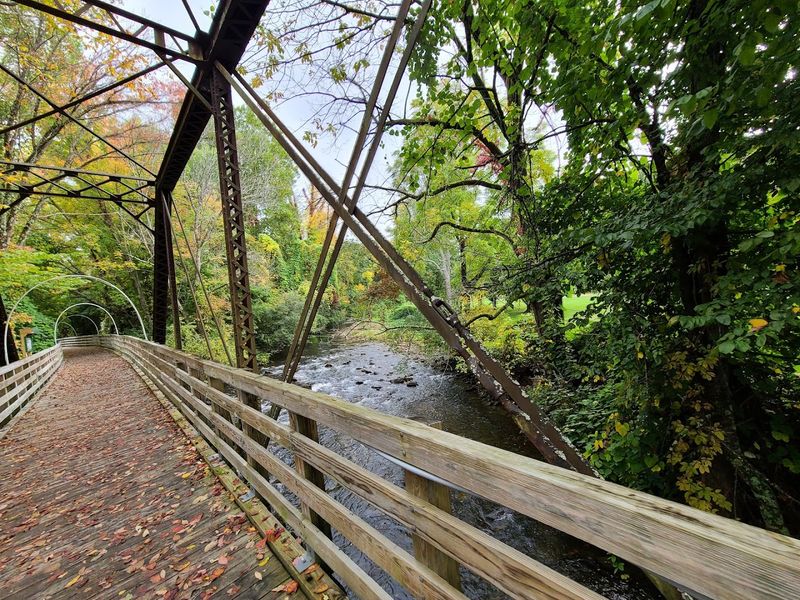
Seven major trail systems converge in Damascus, and that is not a marketing claim. It is a geographic fact that makes this town genuinely unlike anywhere else in Virginia.
Hikers, cyclists, runners, and horseback riders all share the same downtown starting point.
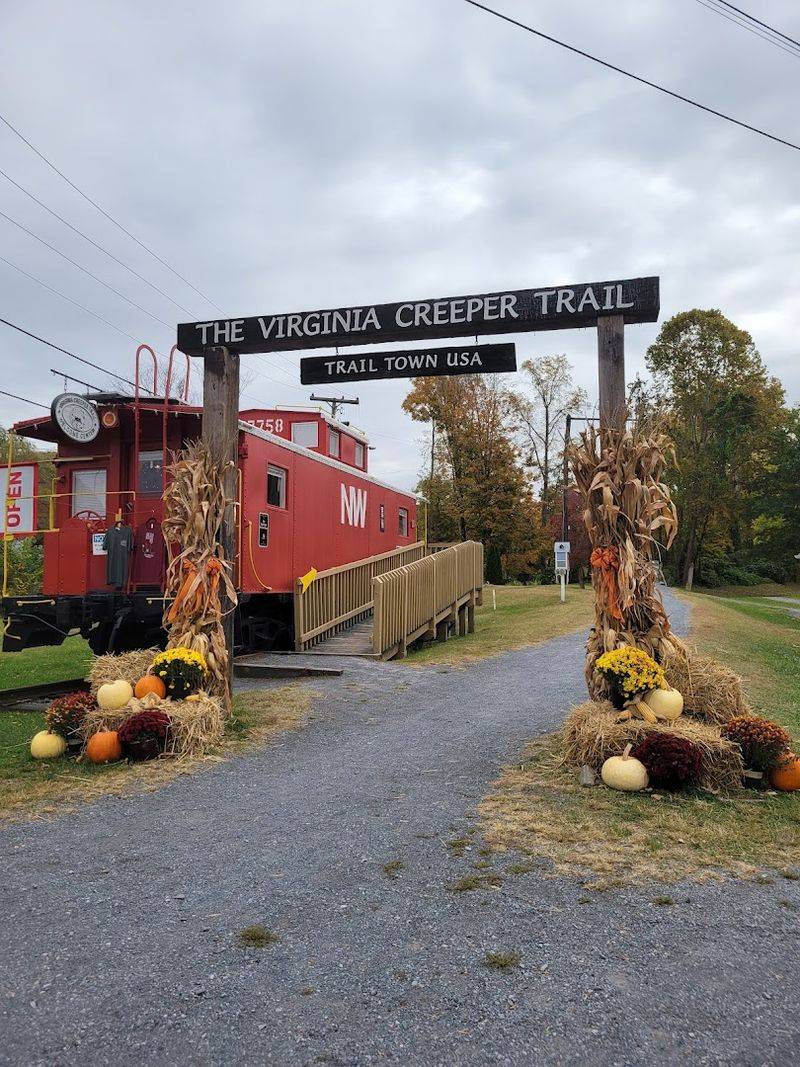
The Virginia Creeper Trail is the most famous of these routes. The Abingdon to Damascus section covers roughly 17 miles of scenic rail-trail.
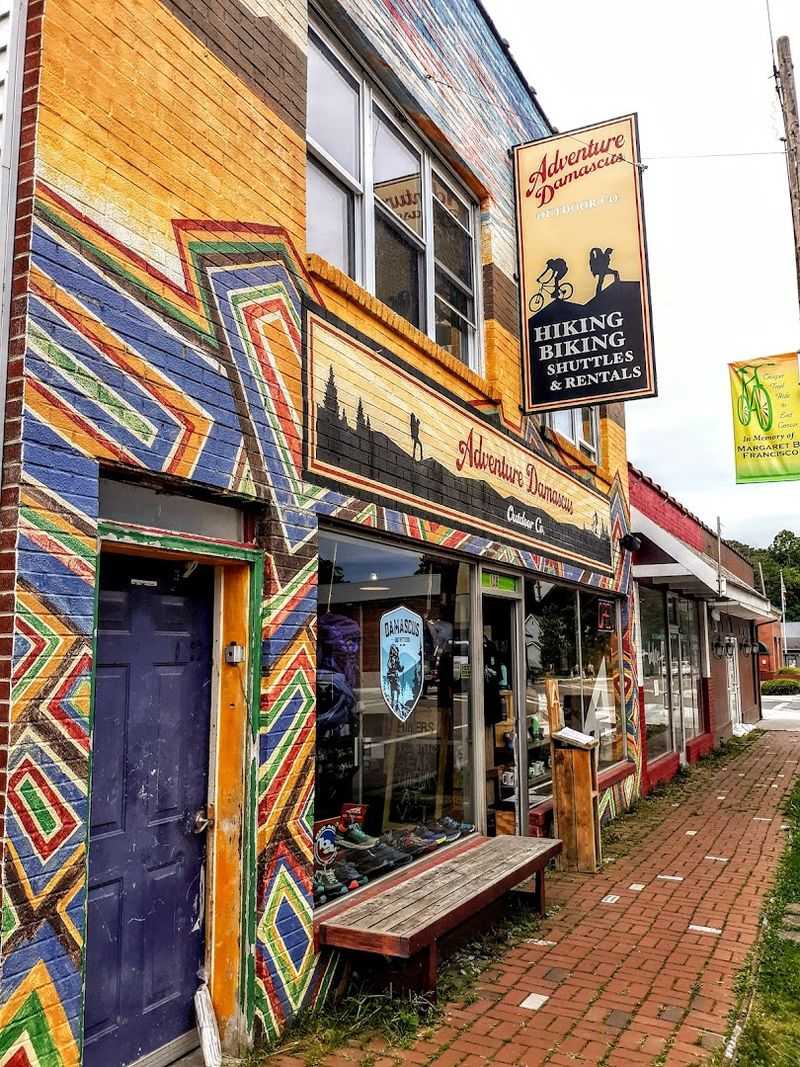
It follows a gentle downhill grade, making it accessible for all fitness levels. Bike rentals and shuttle services operate right in town.
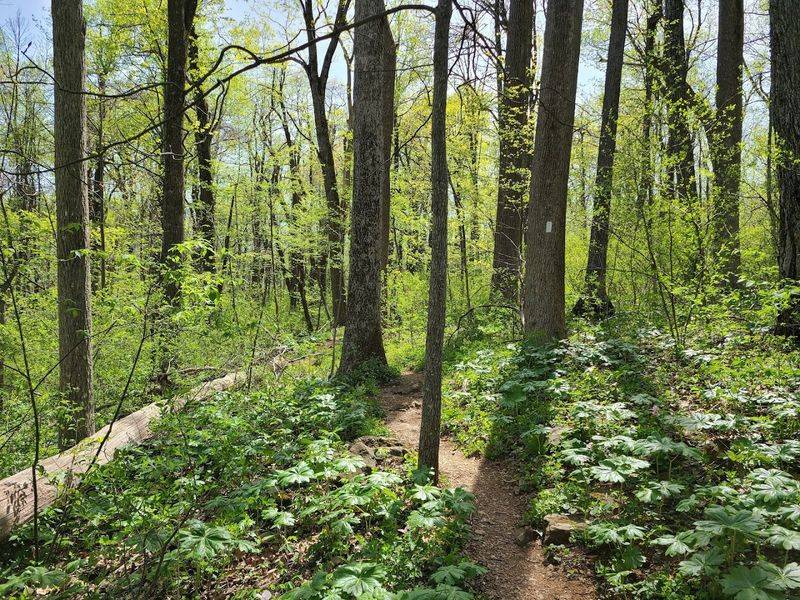
The Appalachian Trail passes directly through downtown Damascus. Northbound thru-hikers enter Virginia here first.
You can literally walk out of a restaurant and onto one of the world’s most famous long-distance trails within seconds.
The Iron Mountain Trail offers a more rugged backcountry experience. It runs parallel to the AT through forested ridges and offers solitude that the more popular trails cannot always provide.
Serious hikers love it for exactly that reason.
Fishing in Laurel Creek and the nearby South Fork of the Holston River draws anglers from across the region. Native brook trout and stocked rainbow trout make these waters worth the trip.
Fly fishing is particularly popular here.
The TransAmerica Bicycle Route passes through Damascus as well. Cross-country cyclists have been rolling through this town since the 1970s.
Seeing a loaded touring bike parked outside the local diner is a completely normal Tuesday afternoon sight here.
Culinary Specialties Reflecting Local Flavors
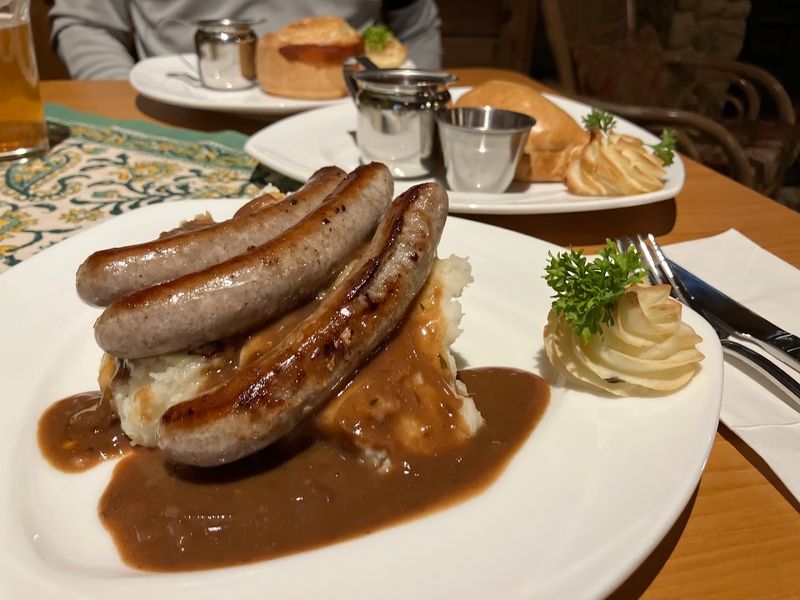
Damascus does not have a Michelin-starred restaurant. What it does have is honest, unpretentious food that reflects the mountain culture surrounding it.
Local eateries here cook with regional ingredients and regional pride.
Wilson’s Cafe and Grill and Damascus Diner are community staples. These are the kinds of places where the staff knows regulars by name.
The menus lean into Southern Appalachian comfort food with hearty portions and straightforward flavors.
Pinto beans, cornbread, and slow-cooked greens appear on menus here because that is how mountain communities have eaten for generations. These dishes are not trendy.
They are deeply practical and genuinely satisfying after a long day on the trail.
Local sourcing matters to Damascus food culture. Nearby farms in Washington County supply fresh vegetables, eggs, and meat to several establishments.
The connection between land and table is shorter here than in most places.
Smoked meats are a regional specialty worth seeking out. Pulled pork, smoked brisket, and barbecue chicken show up at local spots and community events alike.
Mountain wood smoke gives the flavor a distinct character you cannot replicate with a gas grill.
Fresh-baked goods from local bakeries and market vendors round out the food scene. Fruit pies, apple butter, and homemade jams reflect the agricultural heritage of the Appalachian highlands.
Eating here is less about novelty and more about tasting a place that knows exactly what it is. That confidence is rare and delicious.
Historic Landmarks And Their Stories
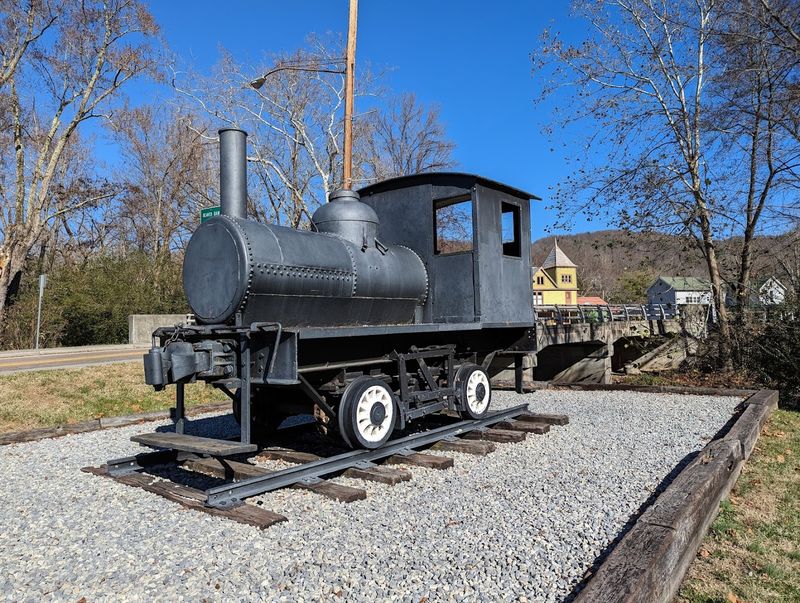
This community started as a railroad town, and that origin story still shapes everything about the place. The old railroad corridor that once moved timber and iron ore through these mountains is now the Virginia Creeper Trail.
History literally became the recreation infrastructure.
The town was platted in 1886 when the Norfolk and Western Railway pushed through this mountain corridor. Iron ore, timber, and coal moved through here constantly during the late 1800s and early 1900s.
The community built its identity around that industrial backbone.
When the railroad era ended, Damascus did not collapse. The town reinvented itself in the 1990s by leaning into outdoor recreation.
That pivot saved the community and created a model that other small towns have since tried to copy.
The old Damascus Hotel building still stands as a reminder of the town’s busier commercial past. Historic storefronts along the main street show architectural details from the early twentieth century.
Walking the downtown area is a casual history lesson.
The Appalachian Trail connection adds another layer of historical significance. Damascus has been an official AT community for decades.
The trail itself was completed in 1937, and Damascus has been welcoming hikers ever since.
Local churches, many dating back over a century, anchor the residential streets surrounding downtown. Their presence reflects the strong community ties that kept Damascus alive through economic downturns.
This town has survived a lot. The landmarks that remain tell that story honestly and without exaggeration.
Wildlife Watching Opportunities Nearby
Grayson Highlands State Park is about 40 minutes from Damascus, and it hosts one of the most surprising wildlife spectacles in all of Virginia. Wild ponies roam the high-elevation meadows there freely.
Watching a small herd graze against a backdrop of ancient rock outcroppings is a genuinely strange and beautiful experience.
The Mount Rogers National Recreation Area surrounds the park and adds over 500 miles of trail corridor for wildlife observation. White-tailed deer are common throughout.
Black bears move through the forest regularly, especially in late summer and fall.
Birding in this region is outstanding. The highland balds attract migratory species that do not appear at lower elevations.
Ruffed grouse, wild turkey, and various hawk species are regular sightings along the trail systems near Damascus.
Laurel Creek and the South Fork of the Holston River support healthy populations of native brook trout. Watching these fish hold in clear mountain water is its own kind of wildlife experience.
The clarity of the water here is remarkable.
Salamanders are a hidden highlight of Appalachian wildlife watching. The Southern Appalachians have the highest salamander diversity in the world.
Turning over a rock near any mountain stream around Damascus can reveal species found nowhere else on Earth.
Firefly displays in June and July transform the forest edges around Damascus into something magical. The synchronous light patterns along creek corridors draw visitors who specifically plan trips around this natural phenomenon.
It is free, it is wild, and it is extraordinary.
Community Events That Engage Visitors
Damascus runs on community energy, and visitors feel that immediately. This is not a town that tolerates tourists.
It actively welcomes them into whatever is happening that weekend. The distinction matters more than it sounds.
Farmers’ markets operate seasonally and bring together local growers, crafters, and food producers. These are not large events.
They are intimate, friendly gatherings where conversations happen naturally and vendors actually want to talk about what they make.
The Damascus community church organizations coordinate volunteer trail maintenance days that visitors can join. Working alongside locals on a trail project is a completely different kind of travel experience.
You leave knowing people by name.
Music events tied to The Crooked Road heritage trail bring live performances to Damascus throughout the year. Old-time fiddle music, bluegrass jams, and traditional mountain ballads fill community spaces with sound that connects directly to this region’s cultural roots.
Local running and cycling clubs organize group rides and trail runs that welcome newcomers. These events are low-pressure and genuinely fun.
Showing up as a stranger and finishing the ride as someone’s new trail buddy is a real Damascus experience.
Holiday celebrations in Damascus reflect small-town Americana at its most sincere. The Christmas parade, community dinners, and seasonal decorations along the main street feel organic rather than orchestrated.
Nobody is performing for a camera here. The community simply lives this way, and visitors get to witness it firsthand.
That authenticity is what keeps people coming back.